Welcome to the mywarrington website
mywarrington is a journey through my hometown of Warrington in northwest England, featuring photographs, stories and memories.
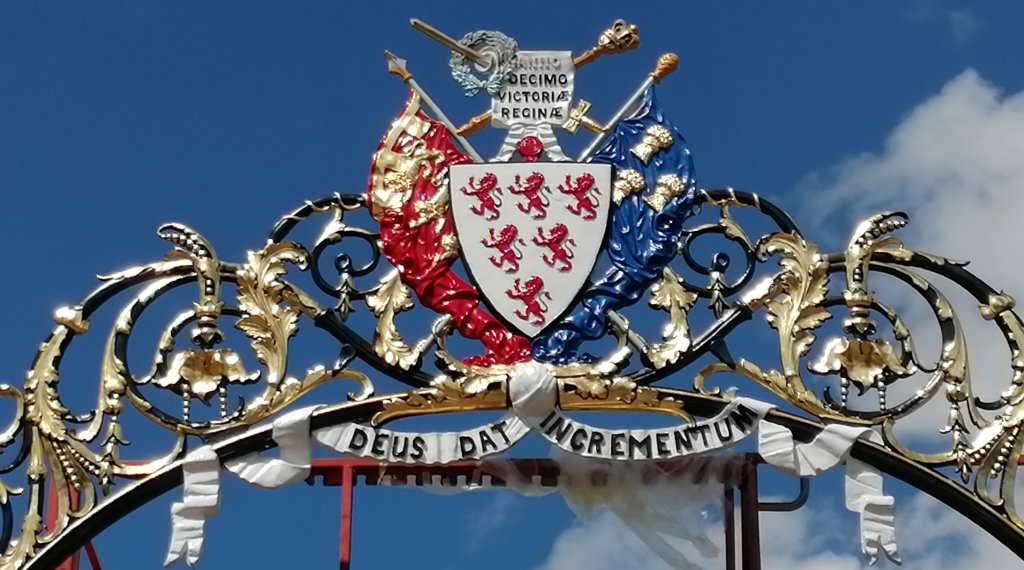
The motto on the town’s crest, Deus Dat Incrementum, is Latin for God Giveth the Increase.
LATEST NEWS
My latest addition to the website is a history of Warrington Market. Did you know our market has existed for over 770 years? Read my history report with scenes from the market in a series of photographs. Gordon, 18 Dec 2025.
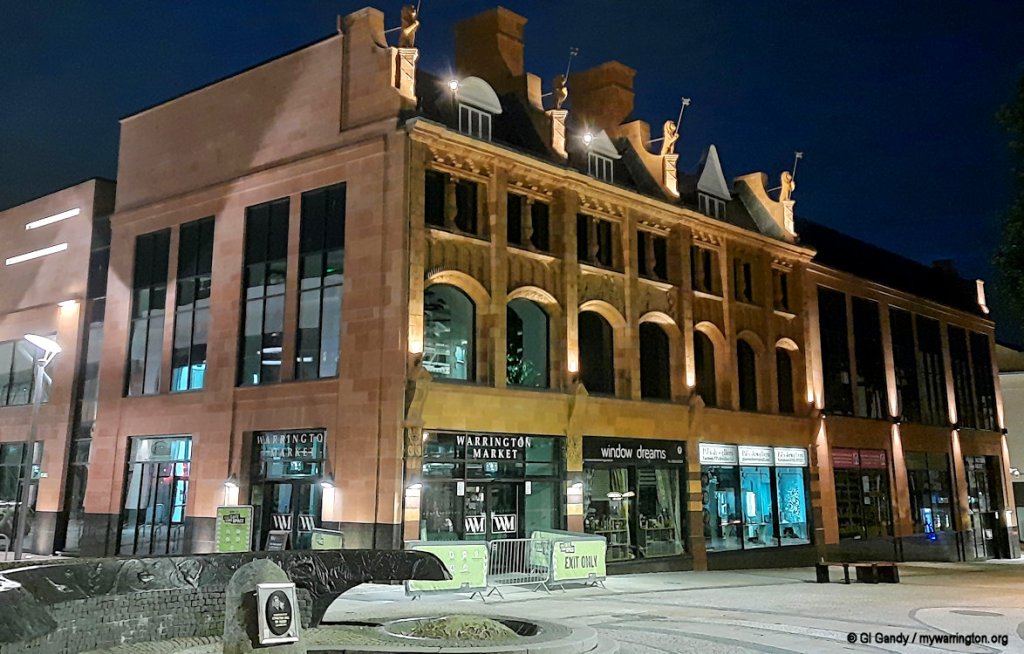
Coming soon is a companion page called Time Square with another connecting page showing photos of town centre events promoted by the market (to be called, appropriately Warrington Market Events), which will include photos of the 750th anniversary day from the summer of 2005, plus car shows, Back To The Future, and whatever else I have photos of connected to the market. They will go online in the early 2026. Another pages due in 2026 is the Nineteen Nineties, a page showing scenes of the town centre and surrounding areas before it was all pedestrianised.
Regular readers may remember two Tour pages from the earlier version of the website where I took you on a walking tour of the town centre. With the updated software I will be able to present them in such a way that you can follow the tours on your smartphone. Things have changed since the original tours, so I have a lot to do in 2026 and beyond to get things back up to date, including working on the Timeline sections which are definitely in need of an update!
So still lots to come on the award-winning mywarrington website!
After many years of research, copyright clearance requests, editing, re-editing, and even more of the same, the new section of the website is now available. It is called DOWNTOWN and looks at each district of the town, featuring history, photographs, facts and figures, etc. So wherever you live, work or visit in Warrington, you can explore some of that part of the town’s history. It is split into four sub-sections: A-C, D-H, K-P and R-W to assist with navigation. Some areas have been combined, such as Gorse Covert, Heathfield, Locking Stumps and Oakwood coming under BIRCHWOOD, etc.
There are various ways to view the pages:
Use the drop-down menu at the top of every page
Go to the Downtown A-Z index and click an image.
Or start at the beginning with Appleton and Appleton Thorn, then at the end of each page there is a link to the next alphabetically-listed district.
Have fun, and if you have memories or addition information you would like me to add to the website, please get in touch. If you send photos, or extracts from books, other websites, etc please make sure they are your own work or provide me with proof of copyright clearance. I won’t publish them with it. Gordon 22 November 2025.
GREAT NEWS
The mywarrington website has been awarded
Best Community Heritage & Engagement Platform 2025 – North West England.
The original email said “MyWarrington.org has been nominated for its dedication to preserving local history and community memories, making it a vital resource for future generations”.
Link to my official award page here.
Read how the local media covered my story. Warrington-Worldwide. Warrington Guardian.
Gordon, October 2025.
Warrington – an introduction
Warrington is an industrial and market town with a population of 210,900, an increase of 8,700 on 2011 (Source ONS March 2021). See more detail at the bottom of this page.
Warrington is located on the River Mersey mid-way between Liverpool and Manchester. The first crossing point of the River Mersey west of Manchester was at Latchford, by way of a ford. The name Warrington comes from “werid” meaning ford, “ford town”, the town on the ford. The Saxons called it Walintune – “Town of Welshman in a river bend”.

The Tiger Too building in the centre (above) was originally called the Packet House Inn and served as the ticket office for passengers travelling to Liverpool from this point, but long before the current road layout. In those times other buildings stood between the pub and the river. One such building was the Railway pub, which was later known as the British Workman. A Package Stage is shown on the maps at the turn of the 20th century just east of the bridge. Other pubs associated with waterways or the sea in the area included the Seven Stars (presumable named after the seven stars of the Plough used by ships for navigation), The Higher Seven Stars, the Mermaid and The Ship.
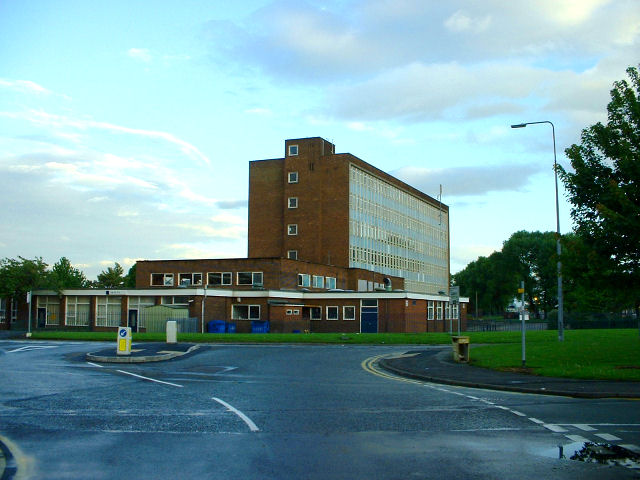
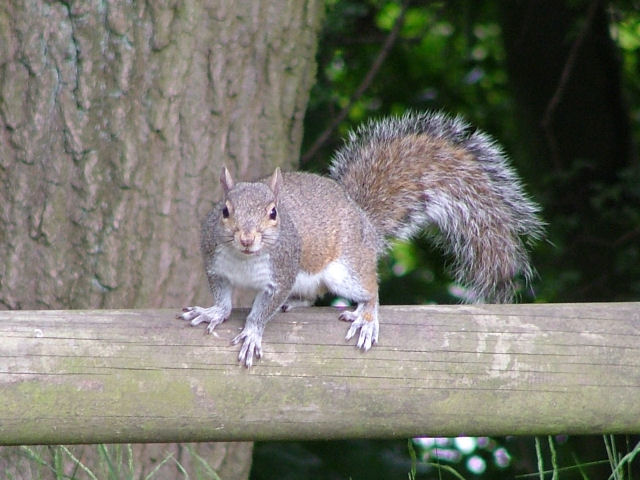
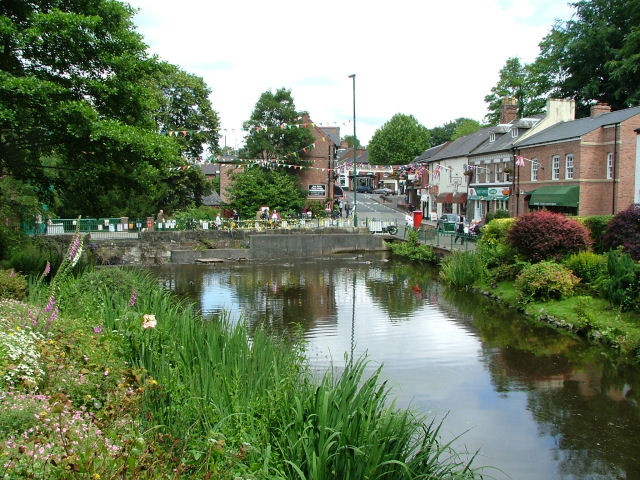
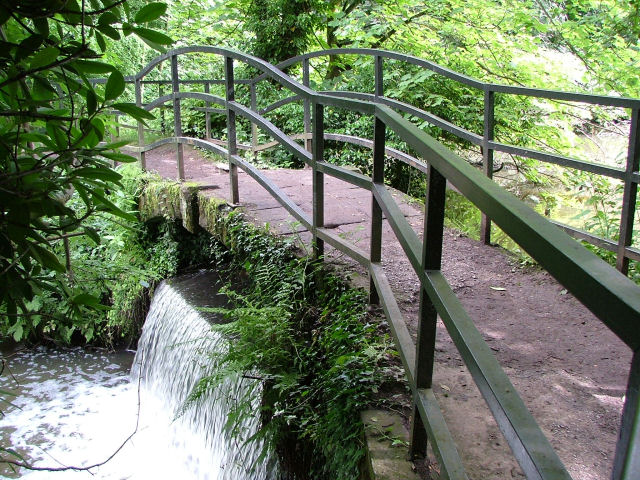
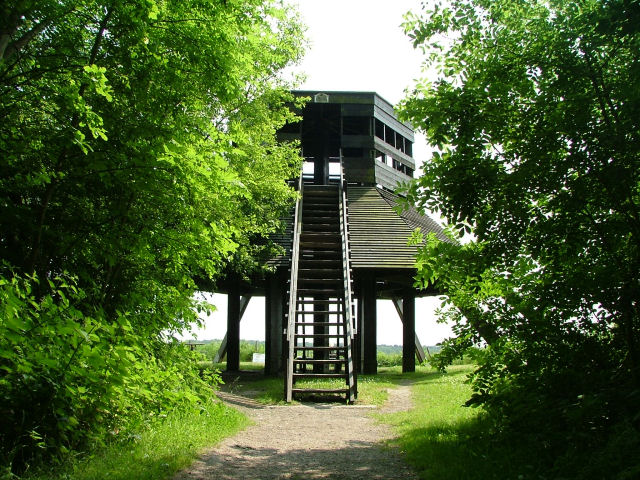
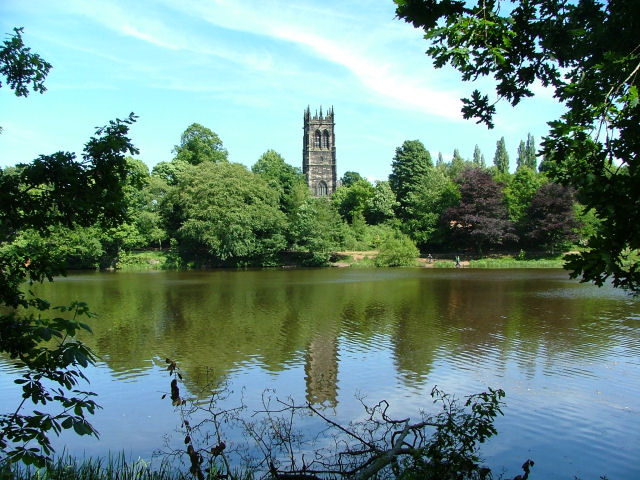
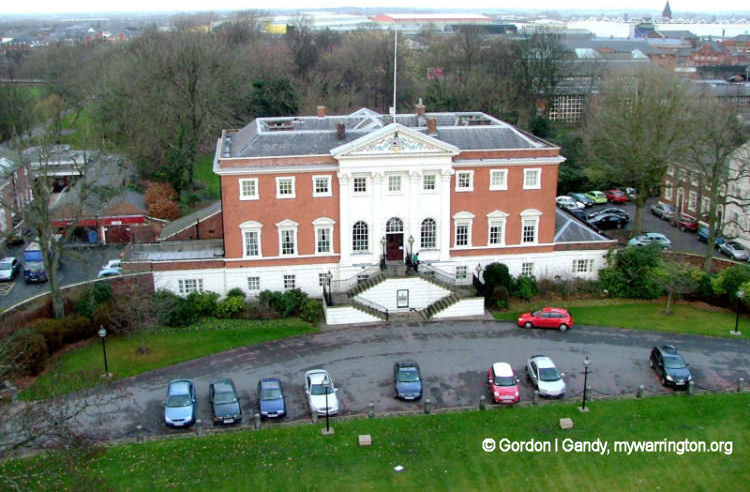
Warrington Town Hall is set in the grounds of Bank Park. It was originally known as Bank Hall and was built in 1750 for industrialist Thomas Patten, who had a copper smelting works alongside the River Mersey half a mile away.
The house stayed in the family until Thomas Patten’s great-grandson, Colonel John Wilson Patten, later Lord Winmarleigh, put it up for sale. The town council bought it from them in 1872 for £9,000 and paid £13,000 for the 13-acre grounds surrounding it.
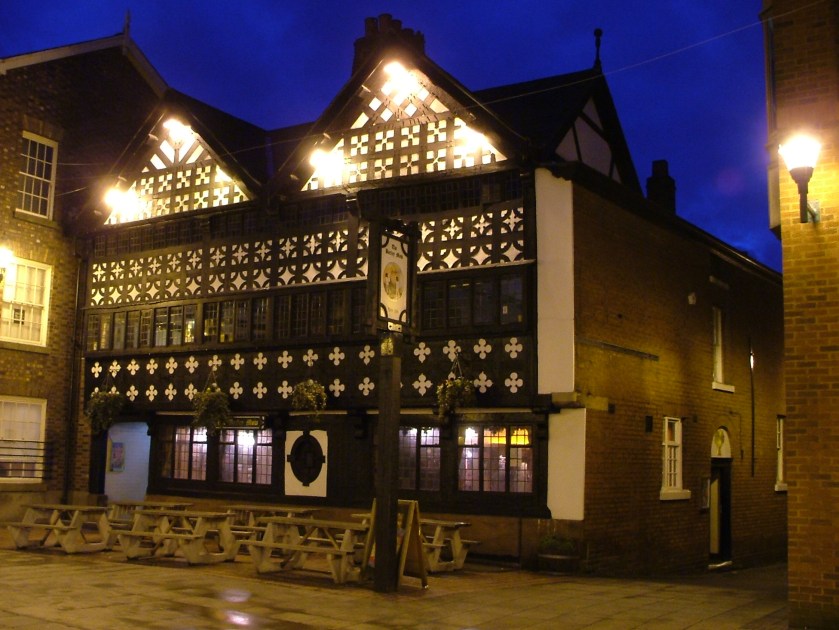
The Barley Mow is the oldest building in the town centre. A ‘mow’ is a heap or pile of hay, corn or barley, etc.
The pub has stood on the same spot since 1561.
The passageway at the side used to lead to the old general market.
Inside the Barley Mow you can view a Jacobean chimney piece with fine carved panelling. In 1964 the premises were leased to Walker Cain Ltd, joining the estate of Tetley Walker Ltd in 1987, then Allied Domecq Inns in 1998 and finally becoming Bass Leisure Retail in 1999.
The pub is located within Golden Square shopping centre.
I didn’t know that about Warrington
The centre of town used to be on Church Street
Warrington became the first paved town in Lancashire in 1321.
The first newspaper in Lancashire, the Warrington Advertiser, was published by Eyre’s Press on Horsemarket Street in 1757.
Warrington experienced an earthquake on 2 April 1750.
Sailcloth for Nelson’s fleet was made here in the 18th century.
The Glaze Brook and the Sankey Brook were formerly the eastern and western boundaries respectively of the ancient Parish of Warrington.
Entertainer George Formby is buried in Warrington cemetery.
Warrington had a castle at Mote Hill, close to the Parish Church.
St James’ Church Sunday School opened in 1779, believed to be the first in the county.
Warrington Wolves (The Wire) have never been out of the top flight since the Rugby League was formed in 1895.
The first Boulton & Watt steam engine used in Lancashire was installed in a Latchford cotton mill in 1787.
The town’s first MP was Edmund G. Hornby (Liberal) in 1832.
The first ever Lancashire county cricket match was played in Warrington in 1864.
Former deputy Prime Minister John Prescott once worked at the Patten Arms hotel as a commis chef.
Errol Flynn, Clark Gable and Johnny Weissmuller were stationed in the town during the Second World War.
Charlie Chaplin performed at the Royal Theatre of Varieties on Scotland Road before it became the Futurist then Regent cinema.
There are currently no street names in Warrington beginning with either X or Z (unless you know different!).
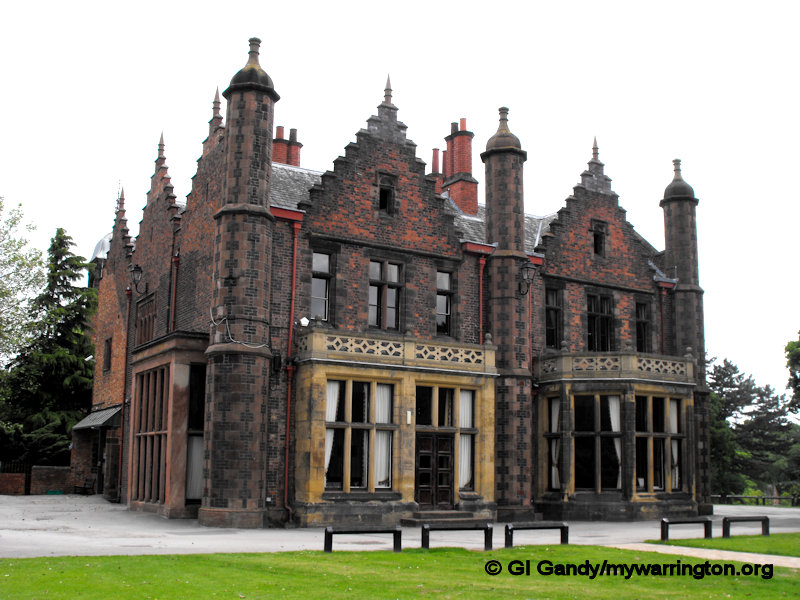
Walton Hall, left, was originally the home of the Greenall brewing family.
The mansion is Elizabethan in style, but was actually built in the 1830s, as the family home of Gilbert Greenall and designed by Edmund Sharpe of Lancaster, who later became famous for the Gothic revival in architecture. Here, the Warrington brewer adopted the lifestyle of a country squire with great success and earned the title of Lord Daresbury.
Lewis Carroll is believed to have been one of the early visitors.
The interior is breathtaking. Time has mellowed the oak panelling and elaborate mahogany fireplace in the hall.
Stained glass panelled windows light up the impressive collection of Victorian paintings lining the staircase.
There is still lots of information to add, which I will add over the coming months.
Census 2021 – Warrington
Ageing population: Warrington’s 2021 Census results
WARRINGTON officially has an ageing population, new data shows.
Figures released by the Office for National Statistics from the Census 2021 show that nearly 20 per cent of all Warrington residents are now over 65.
At the last census, in 2011, this figure was 15.9 per cent of the population.
Overall, the population has increased by nearly 9,000 people in the last 10 years – up from 202,200 in 2011 to 210,900 in 2021.
There are more females living in Warrington than there are males, with women outnumbering men by around 2,000.
Fewer under-19s now live in Warrington than in 2011; at the last census, almost one-in-four Warrington residents were under 19 years old, whereas now, just one-in-five are 19 or under.
Warrington Population
2011 2021
Population
202,200 210,900
Male
100,300 104,440
Female
101,900 106,500
Occupied Households
85,100 90,500
Under-19s
48,730 46,900
50-54 year olds
13,569 16,100
Over-50s
70,049 84,900
Over-65s
32,214 40,100
Source: ONS
The largest demographic in Warrington is those aged between 50 and 54 years old, nearly eight per cent of all residents fall under this category, and almost 85,000 people in Warrington are aged 50 and over.
More than 1,500 Warrington residents are aged 90 and over, which is almost 300 more than were recorded in 2011.
In terms of occupied households, in 2011 there were 85,100 occupied households in the town – flash forward to 2021, and this number had increased to 90,500.
 mywarrington