

- Introduction
- Cuerdley Railway Station
- Great Central & Midland Joint Railway (GC&MJR) Widnes Branch
- Fiddler’s Ferry Power Station
- Fiddler’s Ferry Golf Course
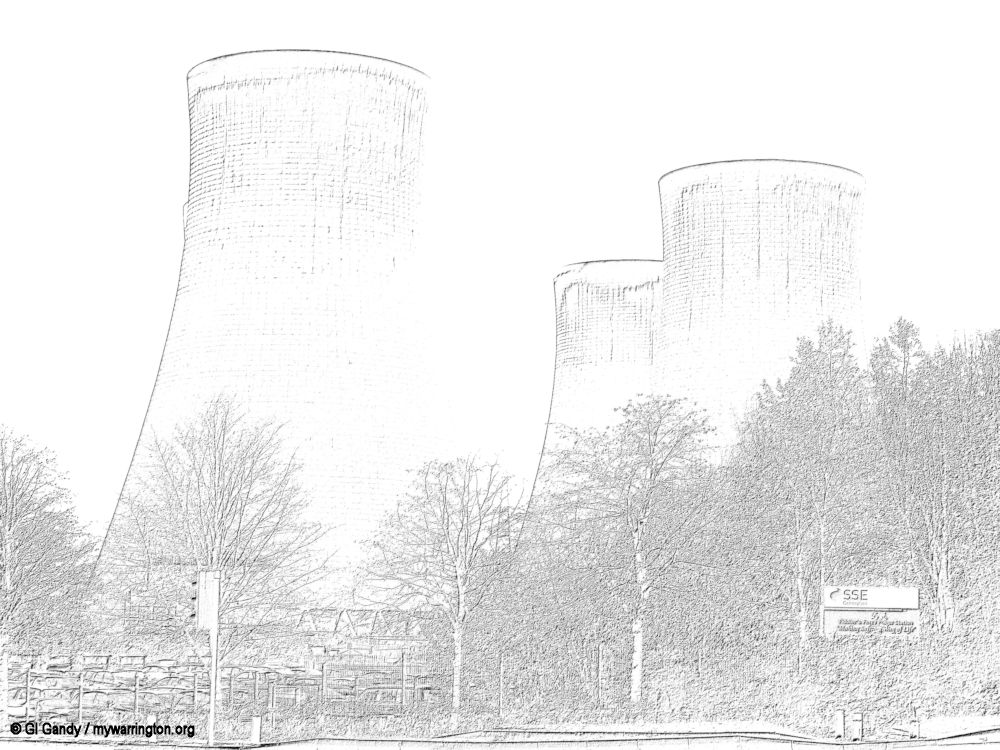
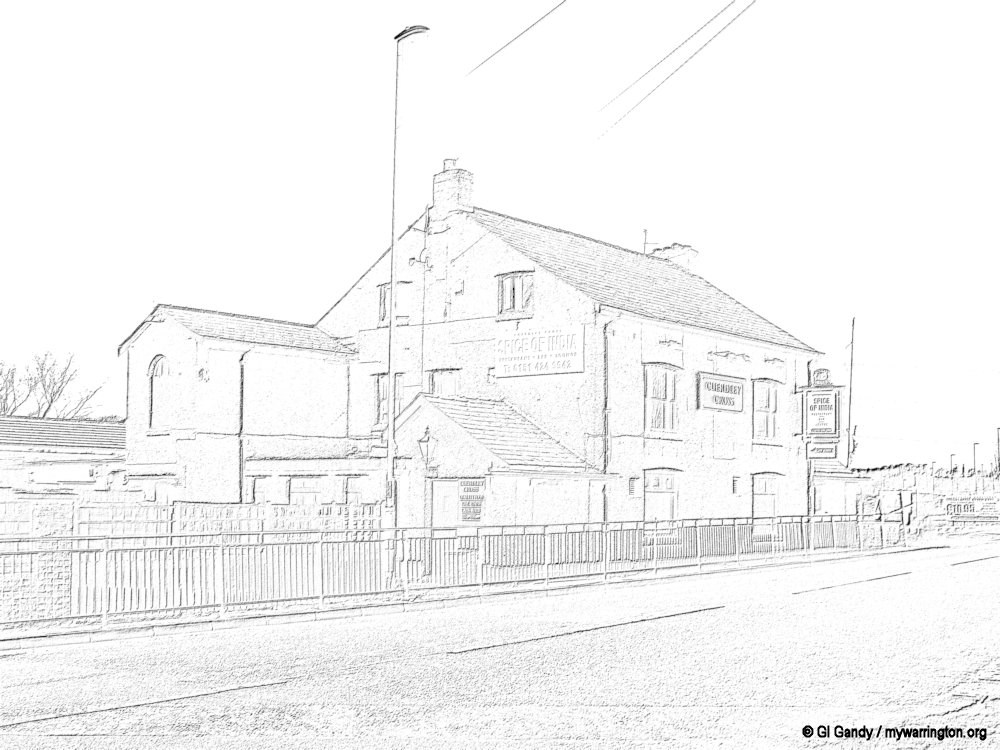
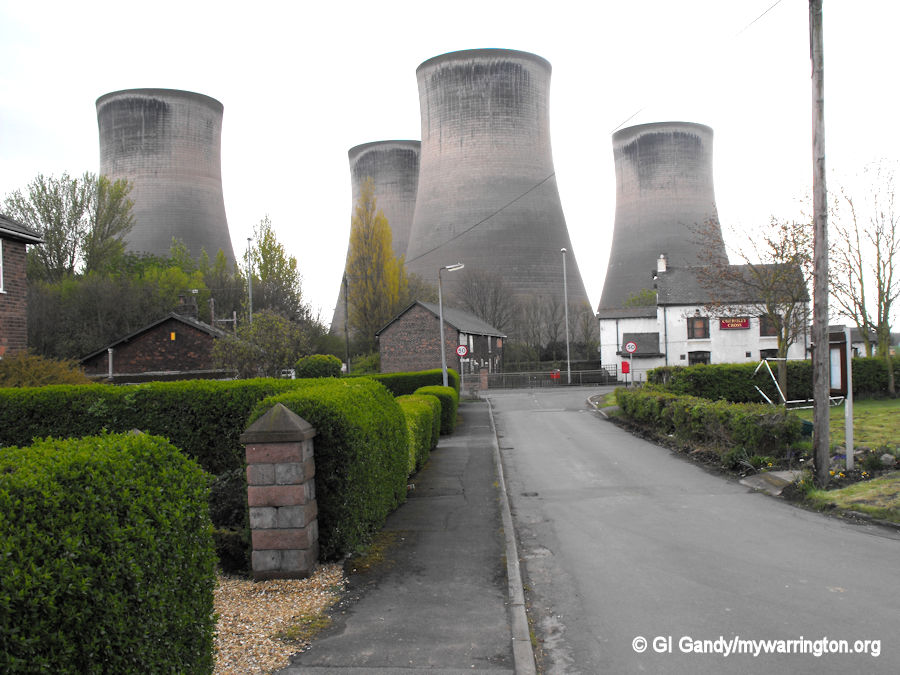
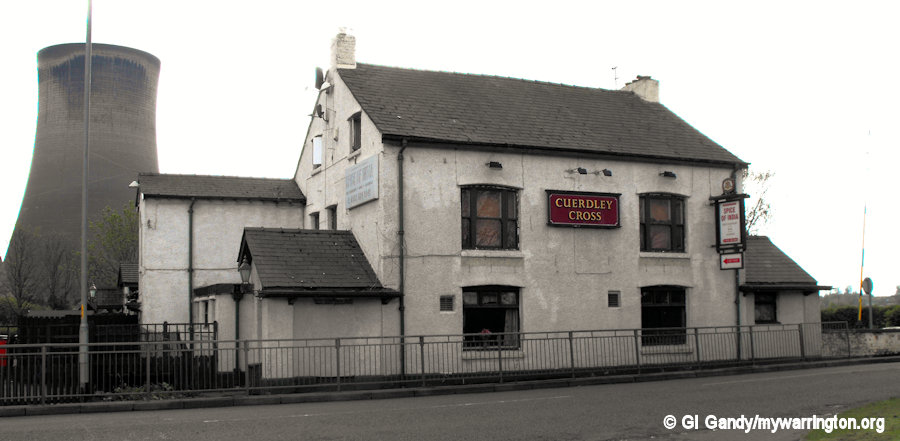
Fiddler’s Ferry power station and Cuerdley Cross Pub Restaurant Spice of India (19 April 2012)
In 1870-72, John Marius Wilson’s Imperial Gazetteer of England and Wales described Cuerdley like this:
CUERDLEY, or Cruerdley, a township in Prescot parish, Lancashire; on the river Mersey, near the Sankey canal, 5 miles WSW of Warrington. Acres, 1, 717; of which 190 are water. Real property, £2, 412. Pop., 192. Houses, 34.
GB Historical GIS / University of Portsmouth, History of Cuerdley, in Warrington and Lancashire | Map and description, A Vision of Britain through Time.
URL: https://www.visionofbritain.org.uk/place/10069 Date accessed: 22nd July 2024
Introduction
CUERDLEY is a civil parish in west Warrington; it is the westernmost district of Warrington. It has a population of 105 (2001 census) and much of its area is farmland.
Earlier names include Kyueredeleye, 1275; Keuerdele, Kyuyrdele, 1292; Kyrdeleye, 1295; Keuerdelegh, 1328.
Early in the twelfth century Cuerdley formed part of the demesne of Widnes, and before 1117 right of common in the woods and pasture was granted by William Fitz Nigel to the priory of Runcorn, which right continued to be enjoyed by the canons of this house after their removal to Norton. By the marriage of William’s daughter Maud to Albert Grelley II, the manor came into the possession of the barons of Manchester.
Early in the fifteenth century it seems to have been granted to the Cistercian abbey of Jervaulx in Yorkshire.
A few years after the dissolution of that house it was sold by the crown to Richard Brooke, said to have been a Hospitaller, who after the suppression renounced his vows, married, conformed to the new religious system, and founded the house of Brooke of Norton Priory.
Cuerdley manor, with practically all the land in the township, has descended regularly to the present head of the family, Sir Richard Marcus Brooke, baronet. Manor courts were still regularly held about 1830. british-history.ac.uk
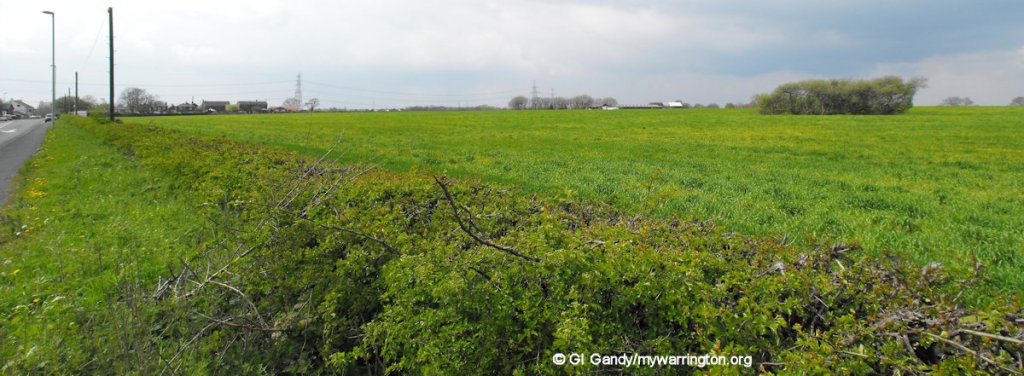
Cuerdley Railway Station
The station was built and opened by the St Helens and Runcorn Gap Railway in response to persistent local lobbying. It opened on 3 January 1856 with a policy that to remain open any station on its line had to generate receipts of £3 per week. As predicted by the railway company Cuerdley station proved to be unremunerative, as only a handful of passengers used it, and they closed it completely on 5 January 1858. The station was demolished, and no trace remains.
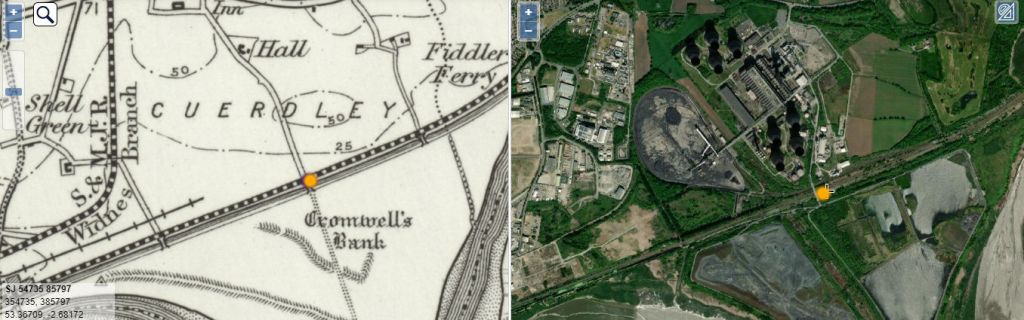
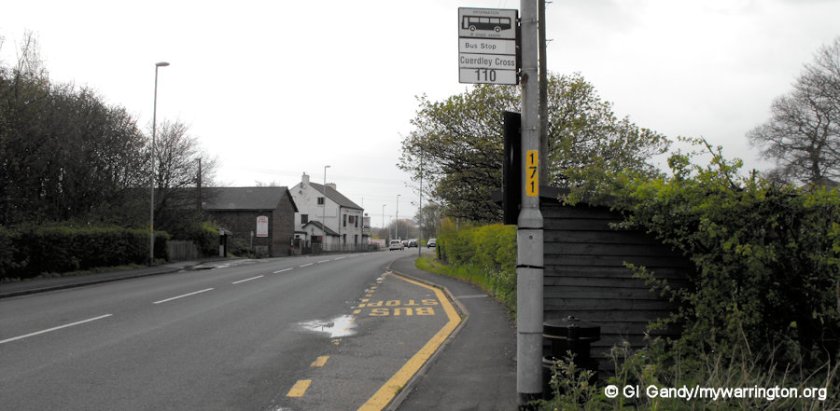
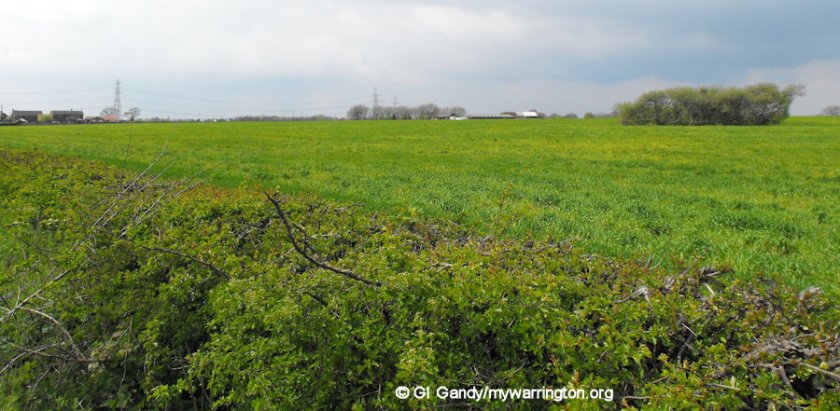
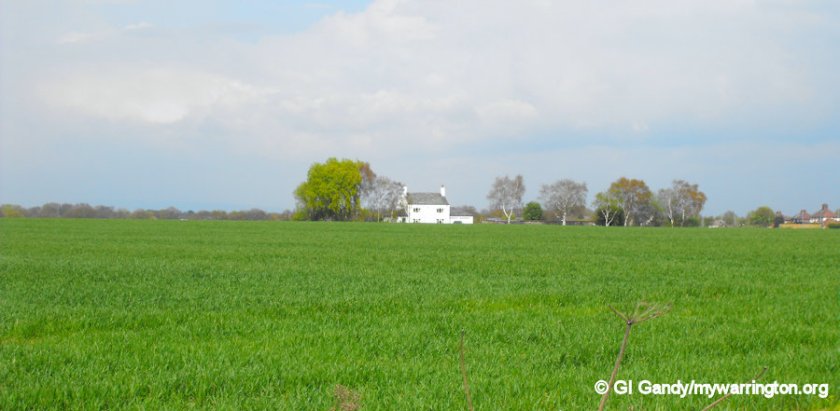
My photos show the suggested location of the railway station See the National Library of Scotland map which you can scroll and zoom.
No known maps survive that show the station, but the most likely location for it would have been the Taylors Lane crossing (called Taylors Crossing). It is likely that the station consisted of little more than two basic platforms and perhaps a small wooden booking office. It would have been served by local stopping trains. The site reverted to being simply Taylors Crossing.
Text in this section courtesy of Paul Wright. See more of Paul’s work at www.disused-stations.org.uk (see also www.subbrit.org.uk).
Great Central & Midland Joint Railway (GC&MJR) Widnes Branch
Part of the GC&MJR railway ran along the western boundary of Cuerdley to link up with the Cheshire Lines Committee railway to the north of the district. it travelled under Dan Road bridge which nowadays carries the eastbound traffic from Widnes to Warrington via Cuerdley.
For more details about the line, see disused-stations.org.uk.
For a map showing the line, see the National Library of Scotland map.
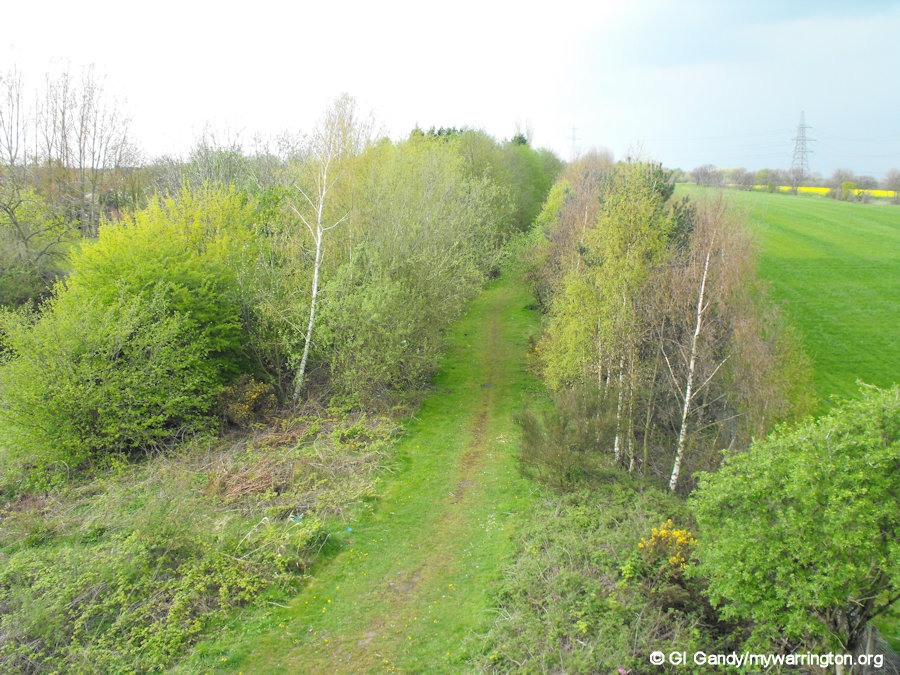
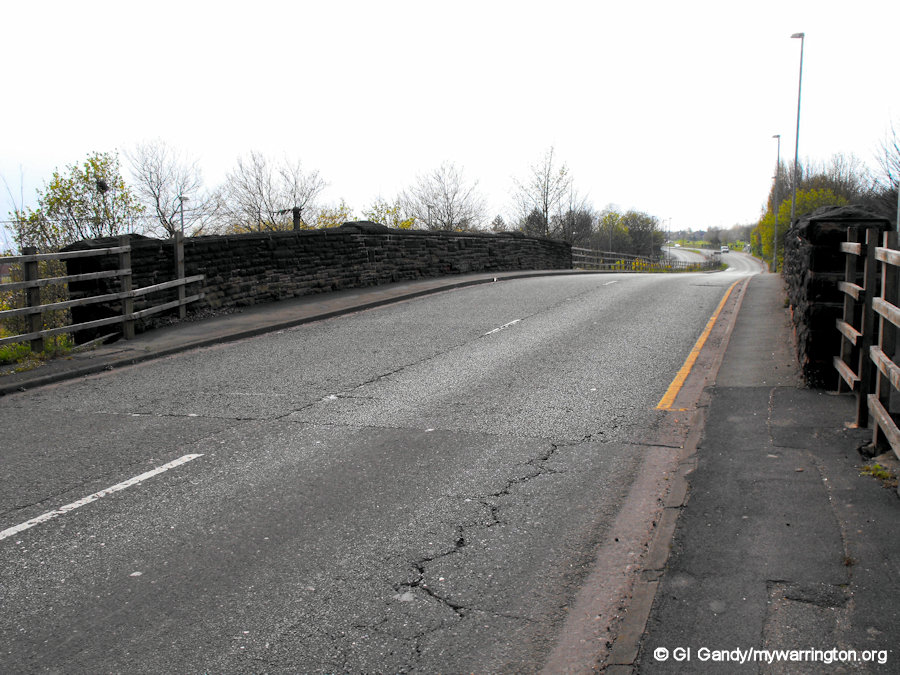
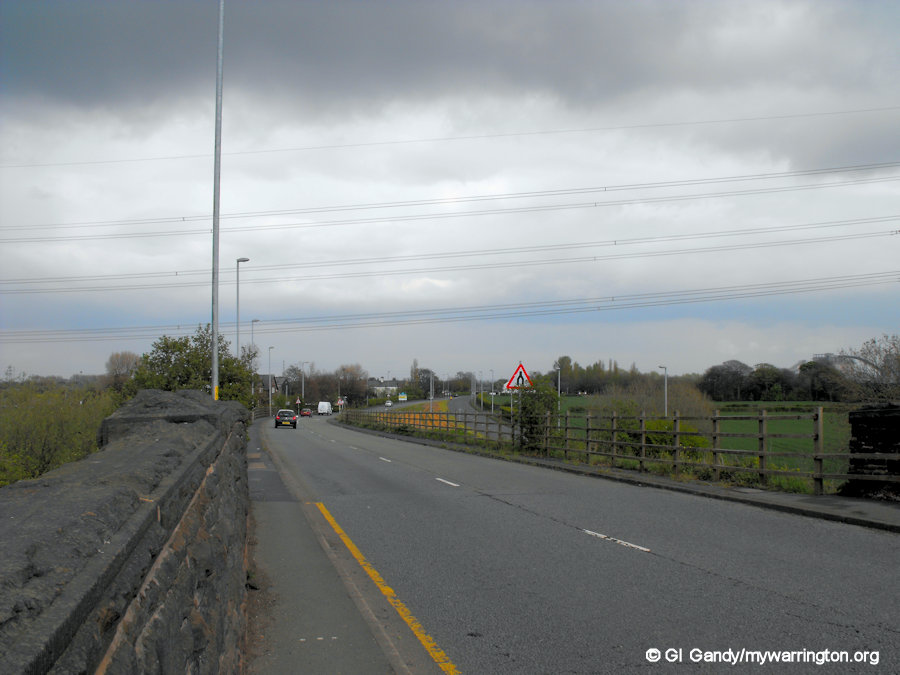
Two photos from Dans Road bridge showing views to Widnes (first image) and Warrington (second image). This is the boundary between Warrington and Widnes at Cuerdley.
Fiddler’s Ferry Power Station
Although its name suggested it was based in Fiddler’s Ferry, Fiddler’s Ferry Power Station actually occupied a large part of Cuerdley. The station operated between 1971 and 2020.
The power station was built on the former Cuerdley Farm, which also included Cuerdley Hall and Cuerdley Cross.
It was a coal-fired power station which was capable of co-firing biomass. Opened in 1971, the station had a generating capacity of 1,989 megawatts (MW). It was built by the Cleveland Bridge Company and came into full operation in 1973. One of the station’s cooling towers collapsed on 13 January 1984, due to the freak high winds of that winter and was rebuilt.
Since the privatisation of the Central Electricity Generating Board in 1990, the station was operated by various companies. It was transferred to Powergen PLC after privatisation. The station, along with Ferrybridge Power Station, a 1995MW coal-fired station in Yorkshire, was then sold to Edison Mission Energy in 1999 and sold on again to AEP Energy Services Ltd in 2001. Both were sold again in July 2004 to Scottish and Southern Energy, its owner at the end of its working life, for £136m.
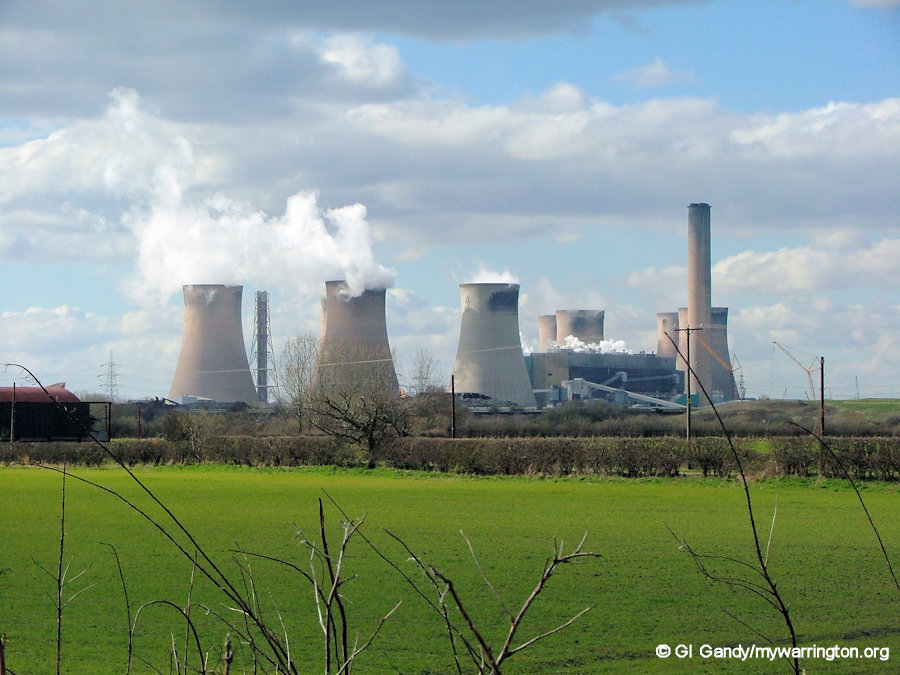
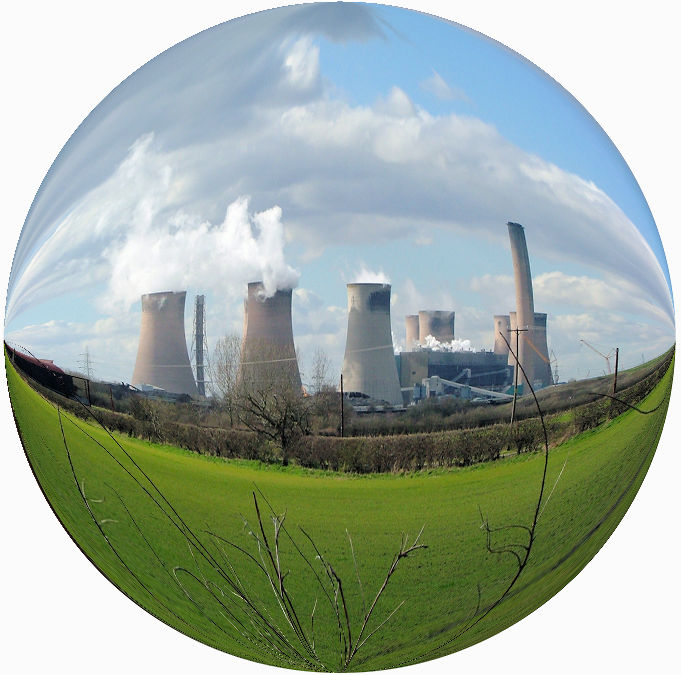
It had eight cooling towers (hence its nickname ‘The Eight Towers’ – a pub in nearby Widnes takes that name) and took its water requirements from the River Mersey alongside. Fiddler’s Ferry was fitted with a Flue Gas Desulphurisation (FGD) plant to reduce the emissions of sulphur by 94%, one of the principal causes of acid rain, thereby meeting the European Large Combustion Plant directive. This work commenced in 2006 and was completed in 2008. It also burned biofuels, together with the coal.
The station generated nearly 2,000 MW of electricity using four 500 MW generating sets. The station used 195 million litres of water daily from the River Mersey. Since the deep mines in the Lancashire coalfield closed, all of its coal was imported through Liverpool docks, from where it was carried by rail to the power station or supplied from mines in Yorkshire. 16,000 tonnes of coal were burned each day.
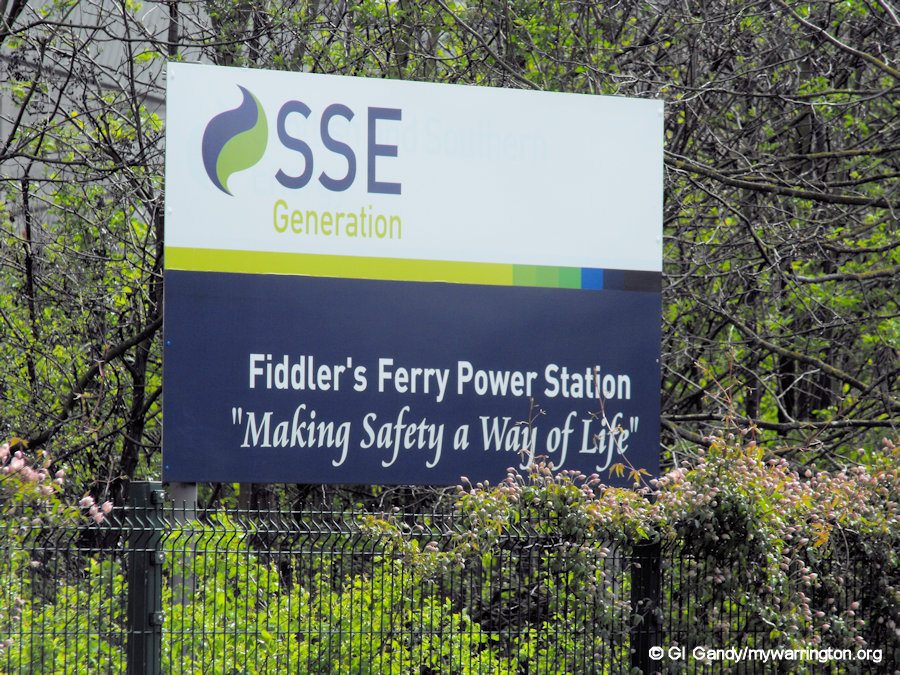
In 2010, the station was being considered for the installation of selective catalytic reduction (SCR) equipment. This reduced its emissions of nitrogen oxides, to meet the requirements of the Industrial Emissions (Integrated Pollution Prevention and Control) Directive, which had to be implemented by 2016. The SCR technology would replace the Separated Over Fire Air (SOFA) technology then in use at the station.
In March 2017, the power station secured a contract to provide electricity until September 2018. At this point, the power station employed 160 people, down from 213 the previous year. The station had agreements to supply electricity until September 2019. In June 2019 it was announced that the power station would close in March 2020. Four of the eight cooling towers were demolished on 3 December 2023.
With its 114 m (374 ft) high cooling towers and 200 m (660 ft) high chimney the station was a prominent landmark and the four remaining cooling towers can still be seen from as far away as the Peak District and the Pennines. The station is seen in the title sequence of the BBC Three programme, Two Pints of Lager and a Packet of Crisps.
Once the demolition is completed, the site will will be used as an employment complex. The 820-acre Fiddlers Ferry is earmarked for 4m sq ft of industrial space under a 15-year masterplan. The remaining towers are due to be demolished in 2024. I wonder if the residents of Back Lane in the village will miss the view of the towers?
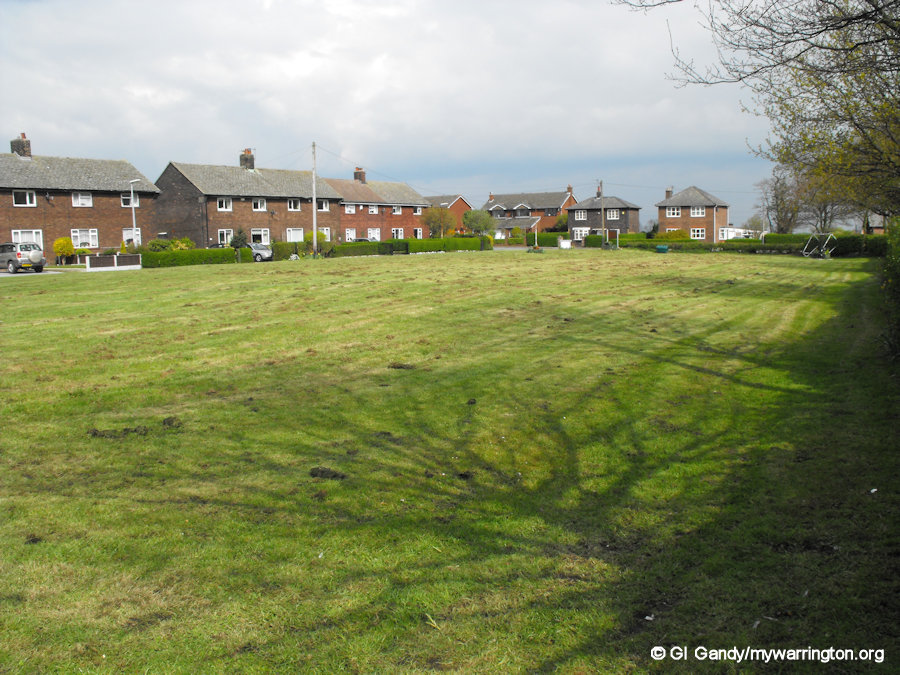
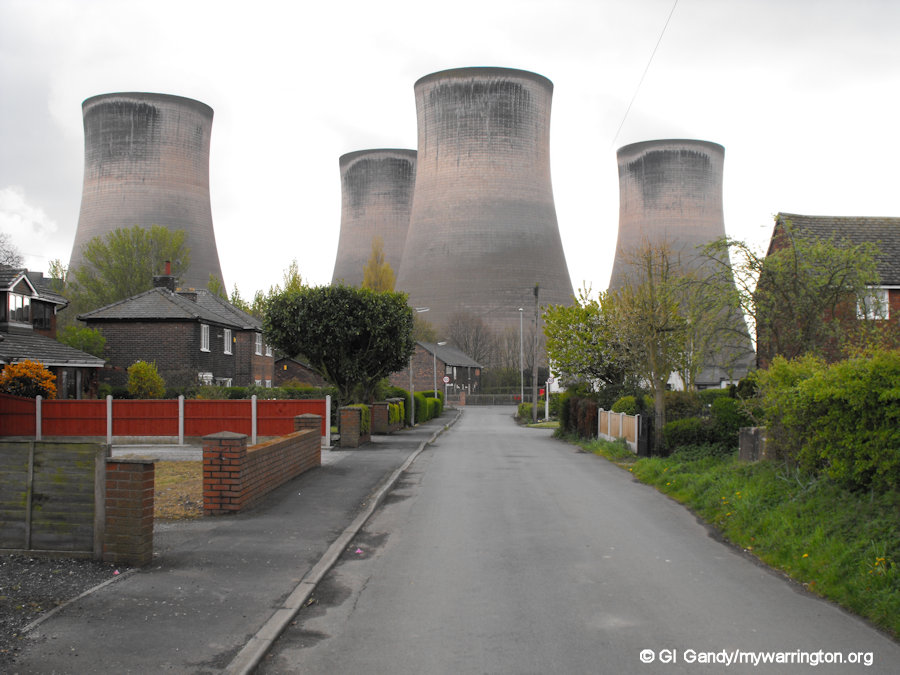
* See the Warrington Museum website for the legend of the Fiddler’s Ferry Blacksmith and the Griffin.
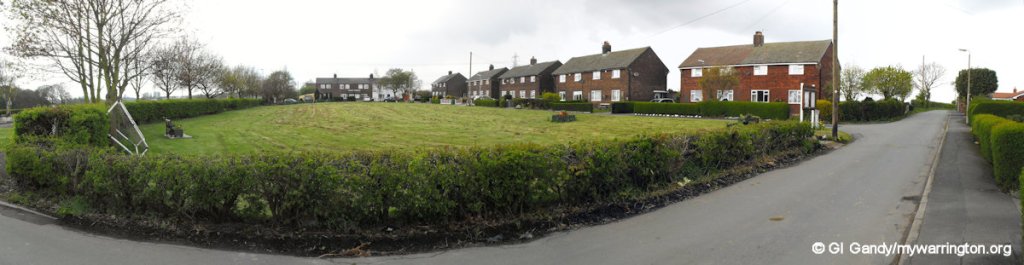
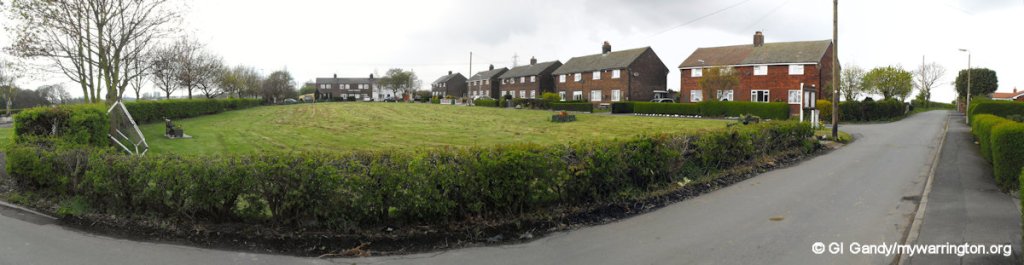
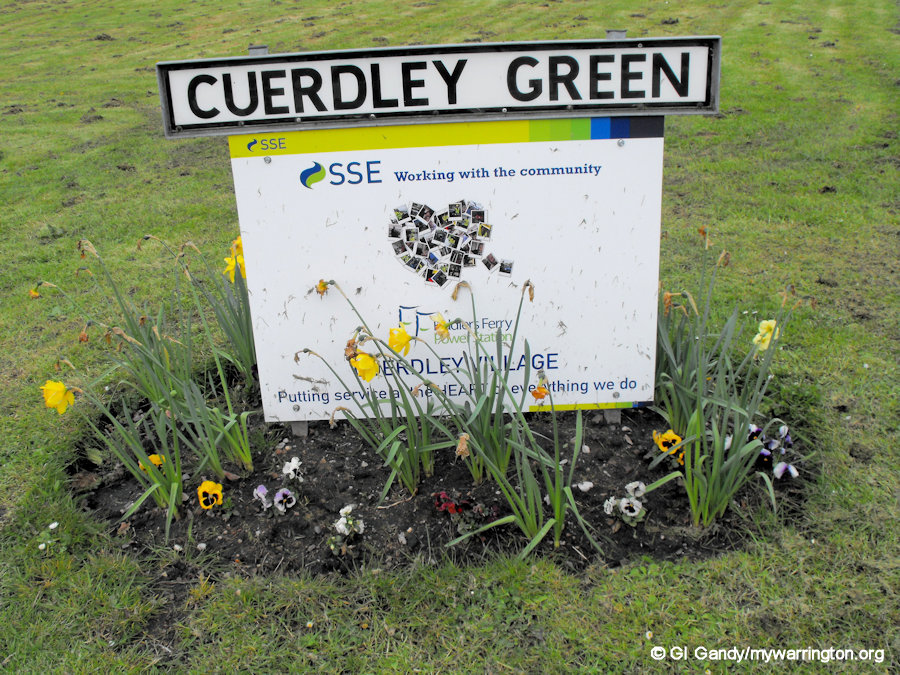
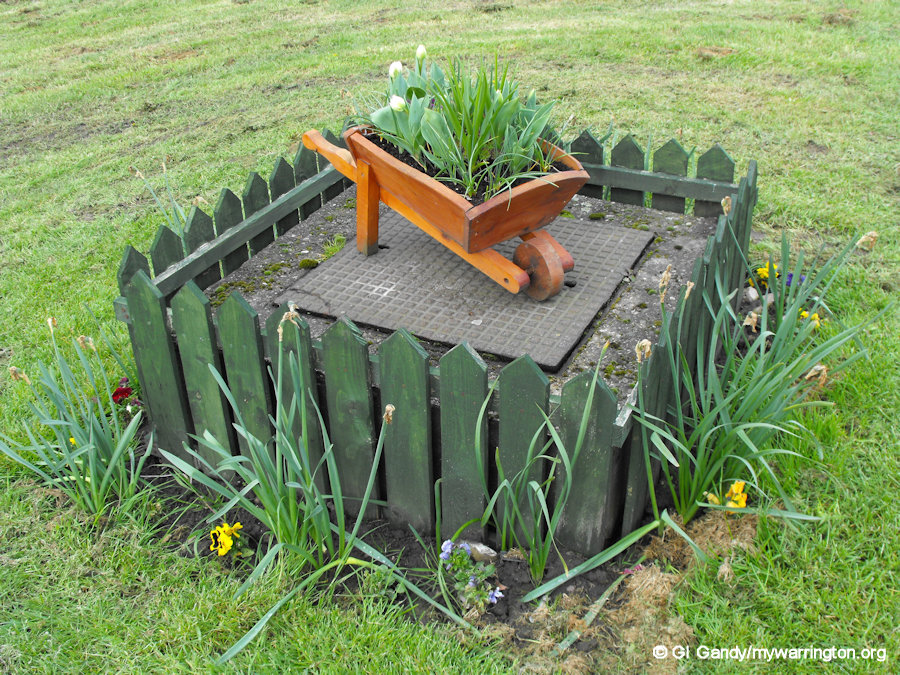
Photos of Cuerdley Green taken on 19 April 2012.
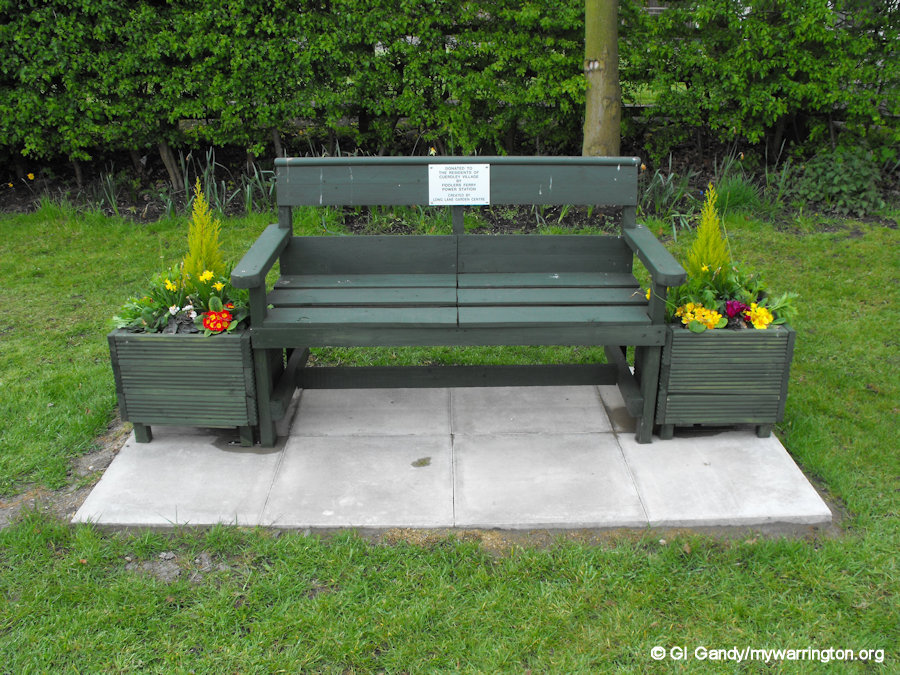
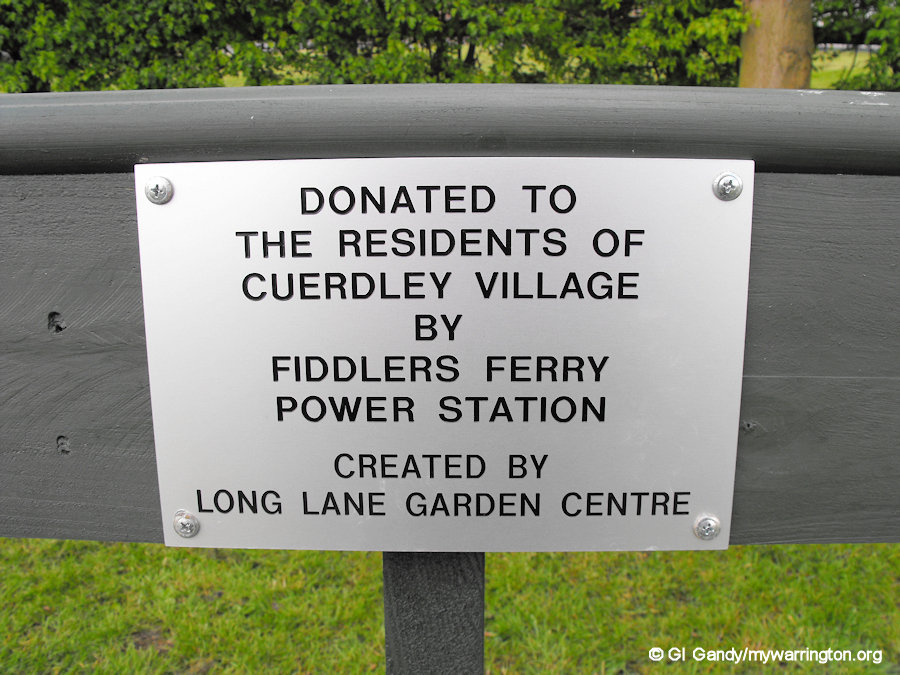
Fiddler’s Ferry Golf Course
Fiddler’s Ferry Golf Course is on Widnes Road to the east of the former Fiddler’s Ferry Power Station.
The course is on the land that was originally part of Cross Lane Farm. The farmhouse has the date of 1733.
The course is now part of the True-Fit Golf Centre.
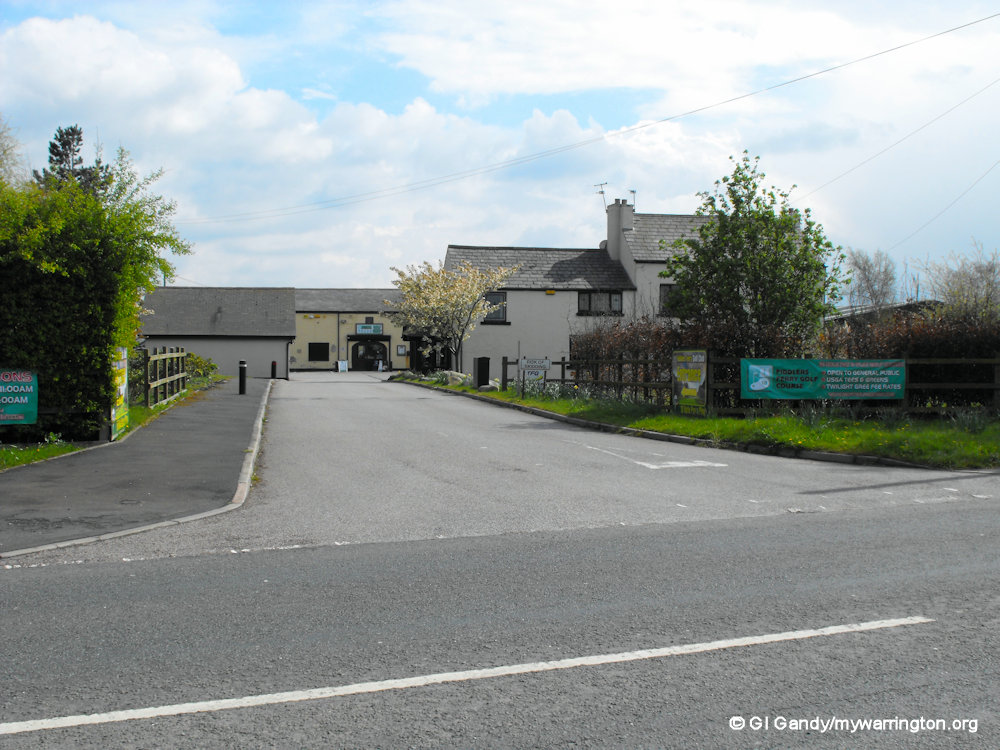
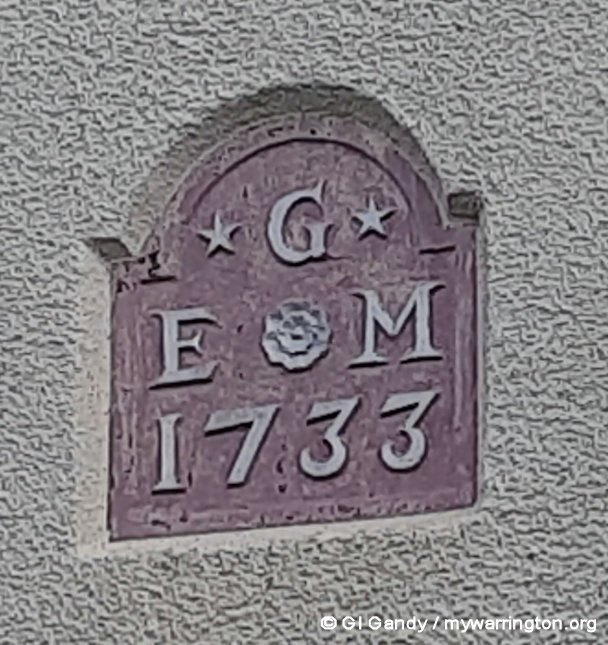
Fiddler’s Ferry Golf Course (photos taken 19 Apr 2012).
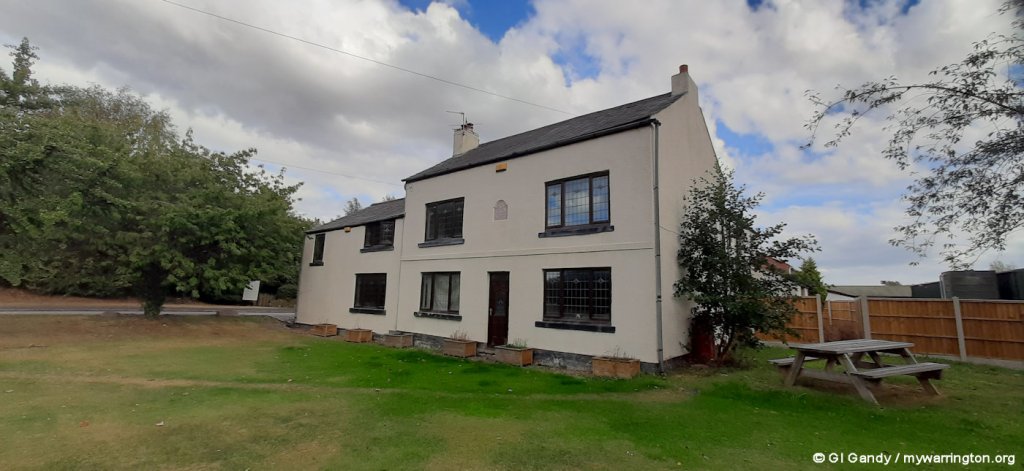
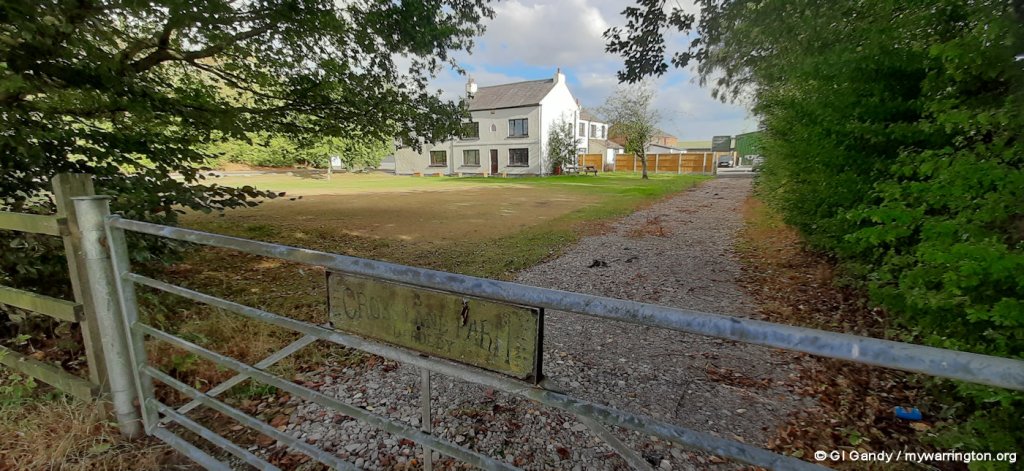
Cross Lane Farmhouse as seen on 26 August 2025
 mywarrington