

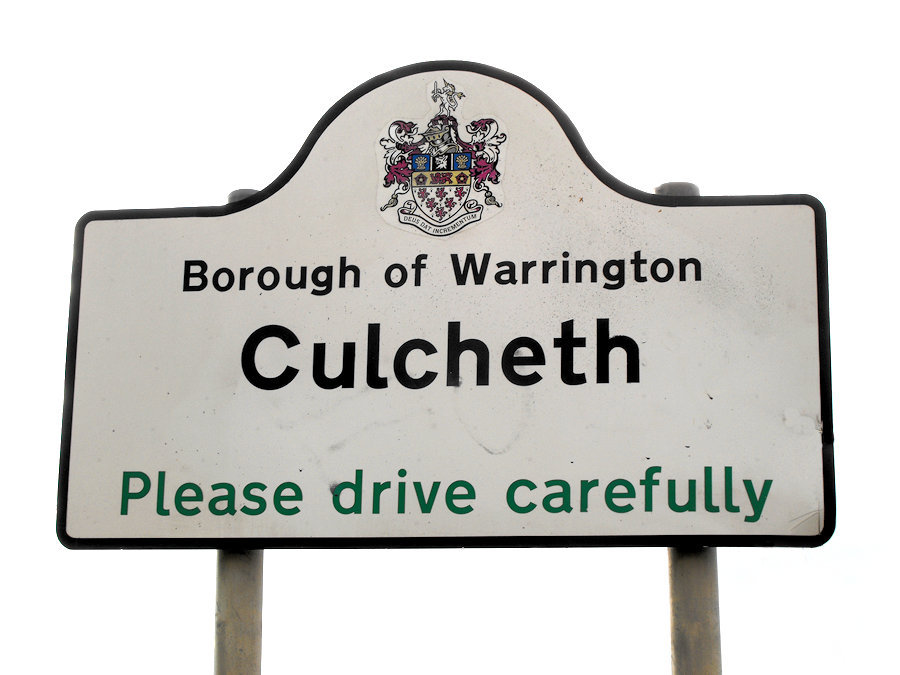
In 1870-72, John Marius Wilson’s Imperial Gazetteer of England and Wales described Culceth like this:
CULCHETH, a township and a sub-district in Leigh district, Lancashire. The township is in Newchurch-Kenyon parish; lies on the Liverpool and Manchester railway, 3 miles S of Leigh; and has a church, Methodist chapels, an endowed school for boys and girls, and charities £49. Acres, 5, 361. Real property, £10, 339. Pop., 2, 214. Houses, 444. Culcheth Hall is the seat of the Withingtons. -The sub-district includes also two townships of Leigh parish. Acres, 10, 427. Pop., 10, 881. Houses, 2, 204.
GB Historical GIS / University of Portsmouth, History of Culceth, in Warrington and Lancashire | Map and description, A Vision of Britain through Time.
URL: https://www.visionofbritain.org.uk/place/10071
Date accessed: 22nd July 2024
Introduction
Culcheth is a large village approximately 6 miles (10km) north-east of Warrington town centre. It is the principal settlement in Culcheth and Glazebury civil parish. (Glazebury is covered in its own section later in the series). In 1974, Culcheth became part of Warrington in the local government reorganisation. The village is twinned with Saint-Leu-la-Forêt in France.
On Saxon maps showing south Lancashire, the village is marked as “Calchuth” or “Celchyth”, and on later maps and deeds the name is written as “Kilcheth”, “Kylchith” and “Kilshaw”. It is believed to derive from the Celtic ‘at the edge of a wood,’ ‘black wood’ or ‘retreat in a wood’, although the less likely Anglo-Saxon alternative ‘shoe-shaped heath’ has also been suggested. The area was dense woodland until the Norman Conquest, so I “at the edge of the wood” seems most likely.
Another suggestion is that the name is Norman, from one of the families who settled in the area. Four families settled in the region, including the de Culcheths, de Risleys and de Holcrofts, each contributed part of their crest to the crest of Culcheth. Radcliffe is the name of the family that held the fourth manor of the township, Peasfurlong (originally spelled Pestfurlong). Wikipedia.
In the vicinity of Culcheth is Twiss Green. A family called Twiss have done research into the origins of their family name, which suggests the name means “fork in the river”. Read more at www.twiss.org.uk.
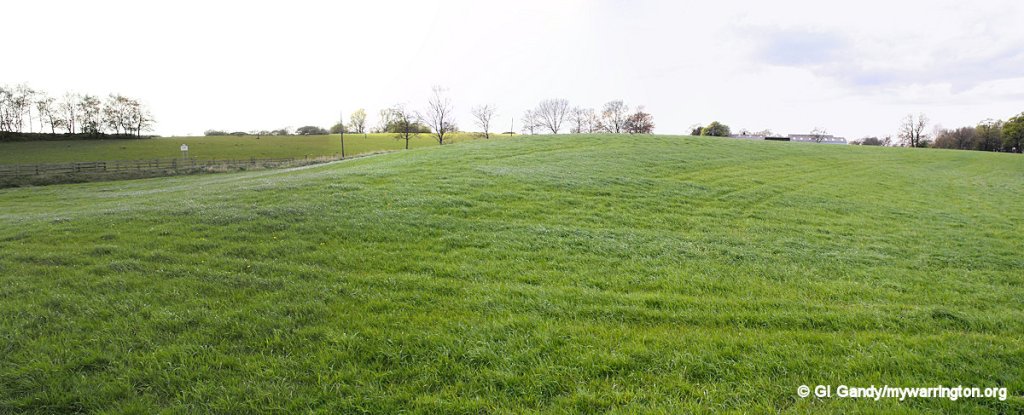
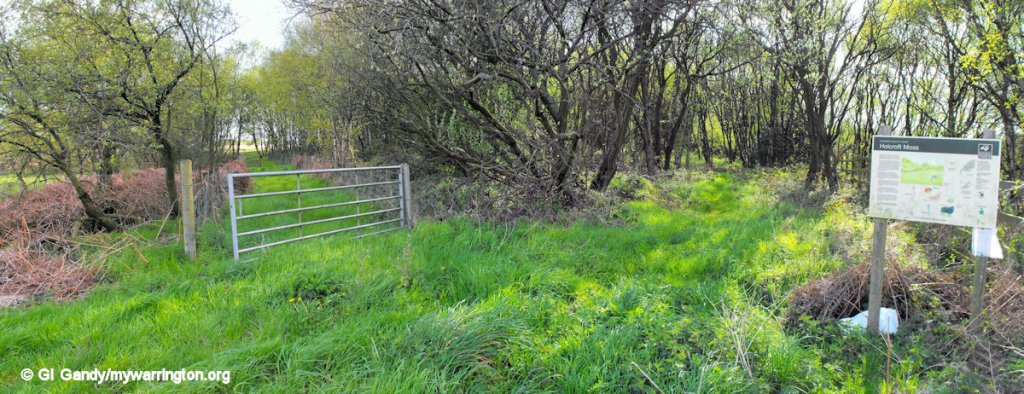
Holcroft Lane near Little Woolden Hall Culcheth
The Culcheths
The Culcheth family played an important role in shaping village fortunes. Gilbert de Culcheth was lord of the manor of Culcheth and built its first hall in 1200. He was survived by a son, Hugh de Gilbert, and four daughters. Hugh de Gilbert was murdered by a group of twelve angry men in 1246, leaving no male heir. This saw the land divided between daughters Margery, Elizabeth, Ellen and Joan.
However, equality was unheard of and land could not be passed down to women. The responsibility for the women went to the Baron of Warrington who married off all the daughters to his four sons. Eldest daughter Margery married Richard who took the name de Culcheth to ensure its survival. Each couple lived in their own sector of the Manor – Culcheth, Holcroft, Risley and Peasfurlong. See also genealogy.com.
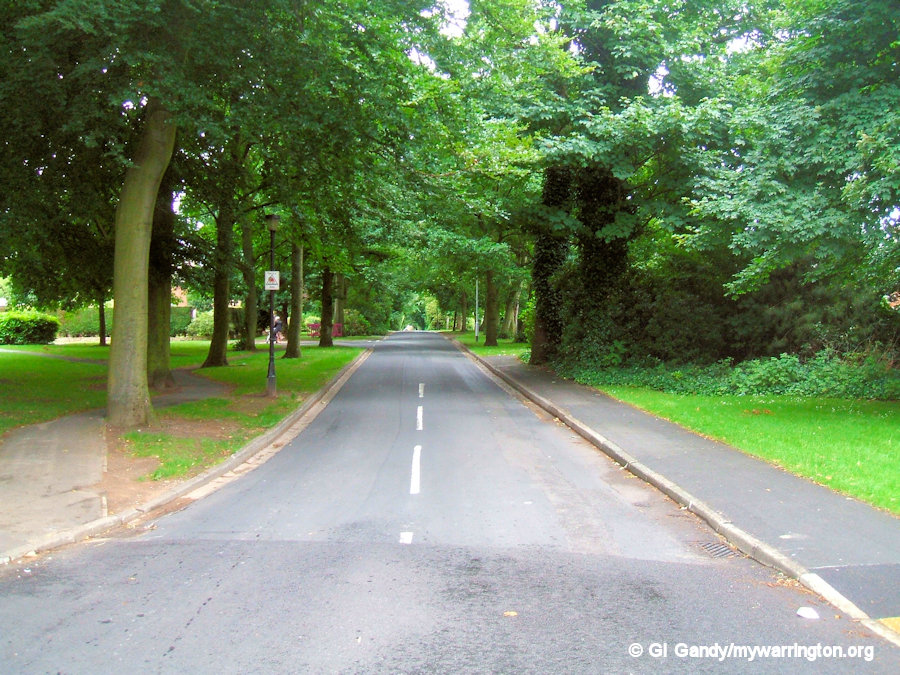
Religion played an important role in the life of Culcheths. As Catholics during the Reformation, the de Culcheths held their religious services in in the family chapel which priests would enter through a secret passage by the fireplace in the great hall and exit at a secluded spot on the tree-lined drive.
The Culcheths supported Charles I in the English Civil War, whilst their neighbours and enemies the Holcrofts backed Cromwell and the Parliamentarians.
The Culcheth name died out in 1747 when Thomas Culcheth, the last of the line, died without leaving an heir, so the hall passed to his cousin Thomas Stanley which is where the family line ends. Some text from Wikipedia.
Colonel Blood
The Holcroft family also have some notoriety for a scandal involving the daughter of Lt-Col John Holcroft, who was an officer in Cromwell’s army. His daughter, Maria, married Irishman Lieutenant Thomas Blood against Holcroft’s wishes. They married on 16 June 1650 in Newchurch before moving to Ireland. At the end of the civil war, Cromwell promoted Blood to the rank of Captain. Three years later he was elevated to Commissioner of Parliament.
Blood is most famous for devising a plot to steal the Crown Jewels from the Tower of London and intending to use them as a ransom for Charles II. In 1671 he and Maria disguised themselves as a parson and his wife. They visited the Keeper of the Jewels and Maria pretended to faint to cause a distraction.
The Crown Jewels were kept at the Tower of London in a basement protected by a large metal grille. The Keeper of the Jewels was Talbot Edwards who lived with his family on the floor above the basement.
In 1671 Blood, disguised as a parson went to see the Crown Jewels and became friendly with Edwards, returning at a later date with his wife. On 9th May 1671, Blood arrived at 7am with his nephew and two other men. While the nephew was getting to know Edward’s daughter the others in the party expressed a desire to see the Crown Jewels.
Edwards led the way downstairs and unlocked the door to the room where they were kept. At that moment Blood knocked him unconscious with a mallet and stabbed him with a sword. Blood and his accomplices were caught before even getting out of the grounds of the Tower after Edwards had shouted “murder, treason”. The King took pity on Blood and, after serving a short sentence, he was returned to Ireland and his estate, where he and Maria lived on a £500 a year allowance. See also historic-uk.com
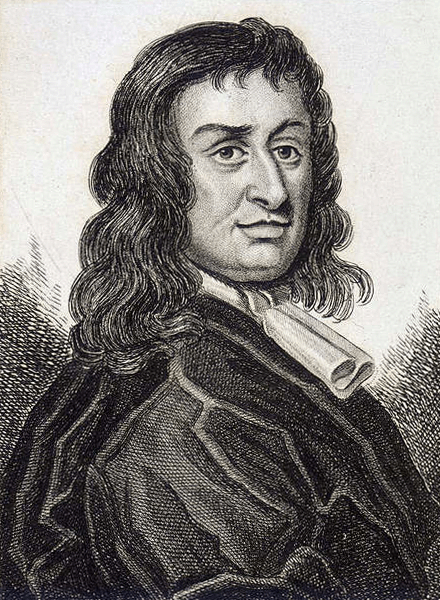
Colonel Thomas Blood
To read more about the Crown Jewels, see the Historical Royal Palaces website.
Read a more detailed account of Colonel Bloods life in Wikipedia.
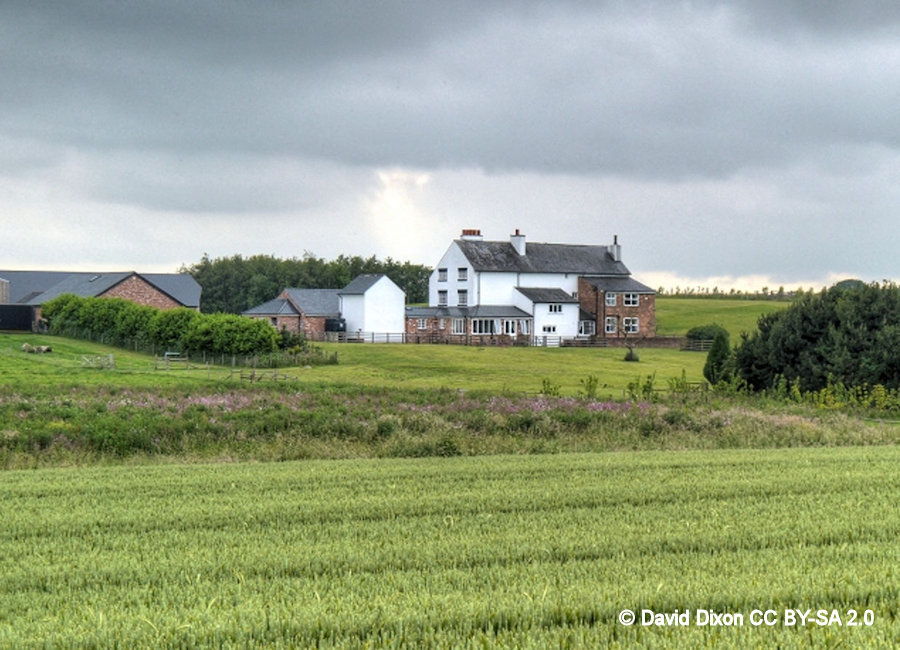
Holcroft Hall
Holcroft Hall is a Grade II* listed privately owned historic house in Holcroft, Culcheth.
The manor of Holcroft was the product of a division of the manor of Culcheth in the mid-13th century, and the Holcrofts may have been descended from the de Culcheth family, the original holders of the manor, although the succession of the estate is not certain before John Holcroft, the lord of the manor in the early 16th century and father of the politician John Holcroft (d.1560) and the courtier Sir Thomas Holcroft (d.1558).
One of the family was Colonel John Holcroft, who favoured the Parliamentary side in the Civil War. His eldest daughter, Mary Holcroft, married Colonel Thomas Blood to attempt to gain possession of the estate in the 1670s. Eleanor, daughter of Mary’s brother Thomas Holcroft, married Thomas Tyldesley of Myerscough and Morley, and the manor passed to the Tyldesley family until 1761. By 1787, the Hall was owned by Samuel Pool.
This late 15th or early 16th-century farmhouse was enlarged in the 18th century and later centuries. It preserves mullion windows, some timber eaves gutters, and a large chimney stack, as well as some interesting interiors. From Wikipedia.
Little Woolden Hall
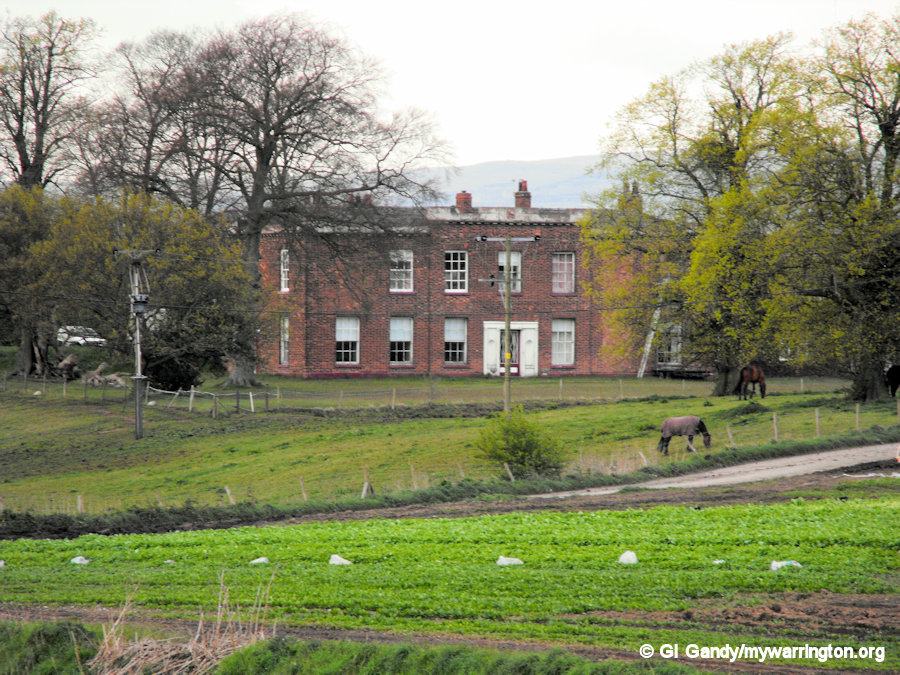
For much of the 19th century, Little Woolden Hall was occupied by the Travis family who also lived in other parts of Cadishead. It is located alongside the River Glaze (the Glaze Brook) and was built in the 17th century.
There was also a Great Woolden Hall in the same area and the family name can be traced back to the 14th century.
(Dean Travis has done a great amount of work tracing his ancestry in the U.K. and U.S. and I also checked some information for Dean in the census books, of which most are in Irlam Library, along with Dean checking much information on the internet and through family records.)
Dean’s Facebook page tells us more on the family’s history, including a family tree and Census records.
Culcheth in Later Years
The lordship of the manor of Culcheth and Culcheth Hall were latterly owned by the Withington family. Withington Avenue is one of the modern street names in the village and runs parallel to Culcheth Hall Drive. Culcheth Hall was demolished after World War II and the estate has been developed as residential housing — Culcheth Hall Drive — by Adam Lythgoe (Estates) Ltd.
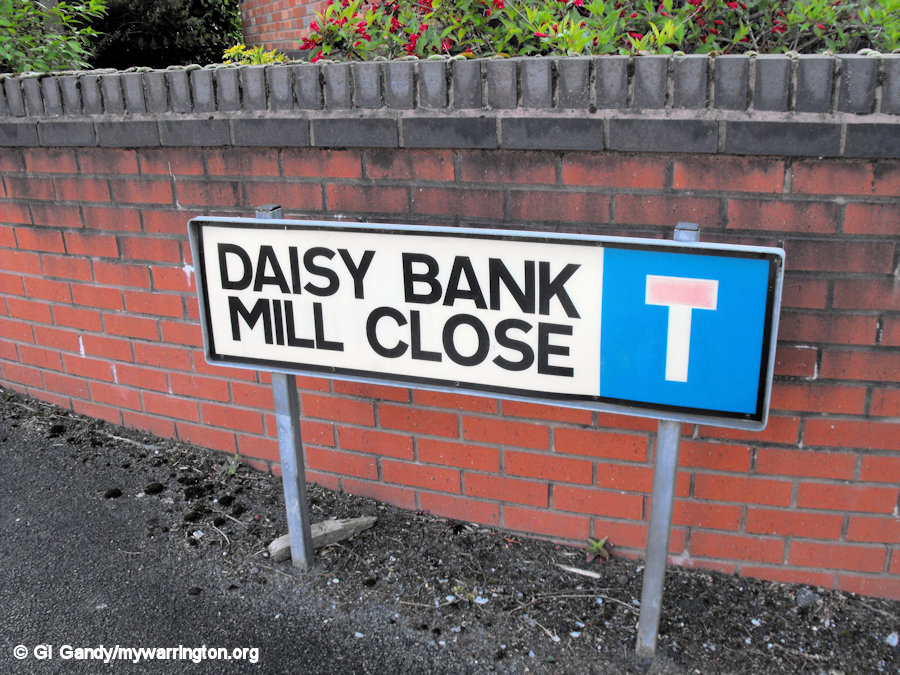
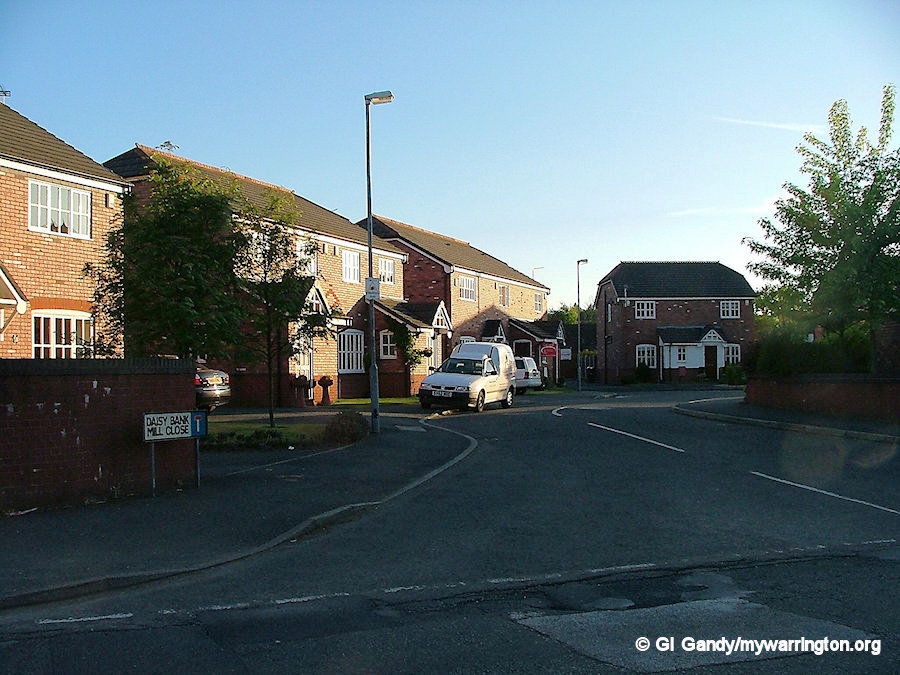
Culcheth had its own cotton mill, Daisy Bank Mill, originally called Clayton Mill (see Rosemary Keery’s book Historic Culcheth, The Story of a Village) which is remembered in the street name of Daisy Bank Mill Close.
Back to interesting names, we have Hob Hey Lane in the village. Mark Olly in Celtic Warrington and Other Mysteries (Book 1 N to E) tells us a ‘Hob’ was an ancient country demon and a ‘Hey’ was an enclosure, often fenced, especially in forests. He asks if we have here the location of a “demon in the wooded clearing”, suggesting druids.
Between 1884 and 1964, Culcheth was served by two railway stations on the Great Central Railway (GCR) line from Manchester Central between Glazebrook and Wigan Central railway stations. These were Culcheth station (CLC) and Newchurch Halt (LNWR). Both were closed to passengers on 2 November 1964 as part of the Beeching cuts.
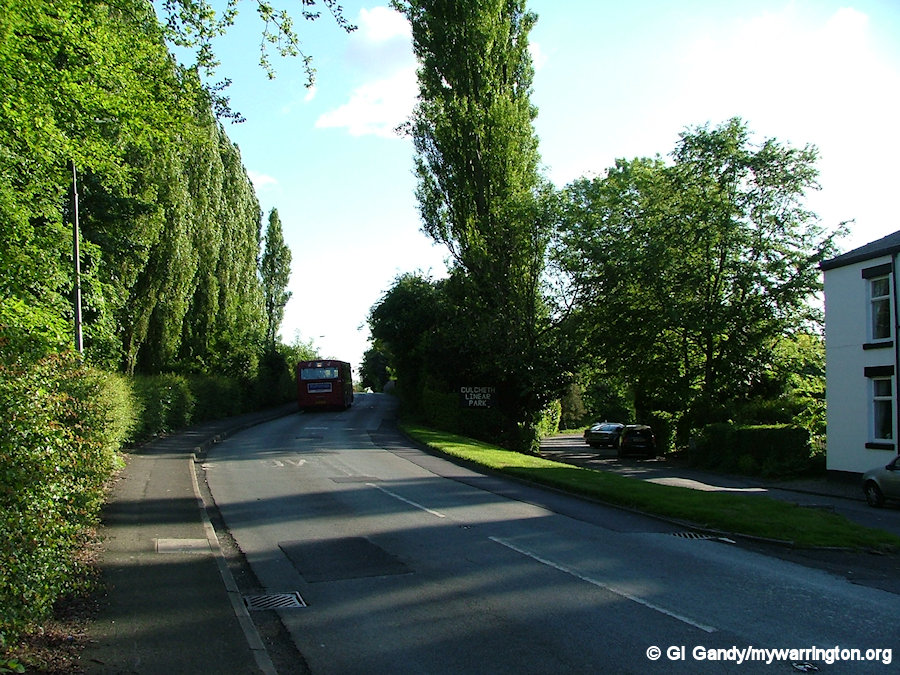
Between 1878 and 1958 there was an additional station at Glazebury on the original Liverpool and Manchester Railway route from Liverpool Lime Street to Manchester Exchange. The former trackbed of the GCR route has been turned into Culcheth Linear Park. The nearest operating train stations are now at Birchwood and Glazebrook on the line from Liverpool Lime Street to Manchester Piccadilly via Warrington Central. See Warrington Green 1 for more on Culcheth Linear Park and Making Tracks for more on railways.
We’ll continue to discuss more about Culcheth later, but now it is time to turn to another important part of the district.
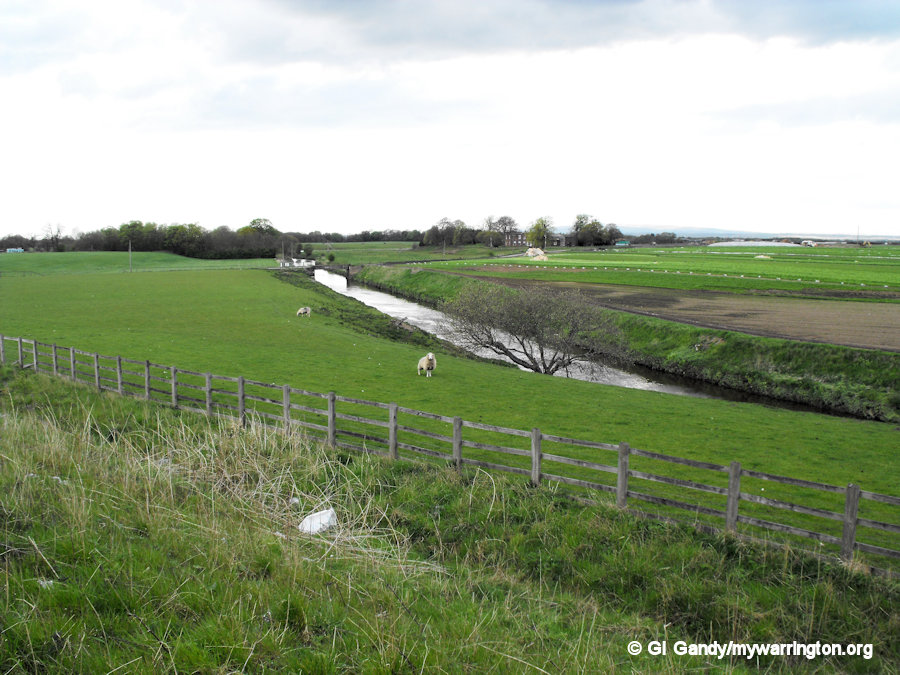
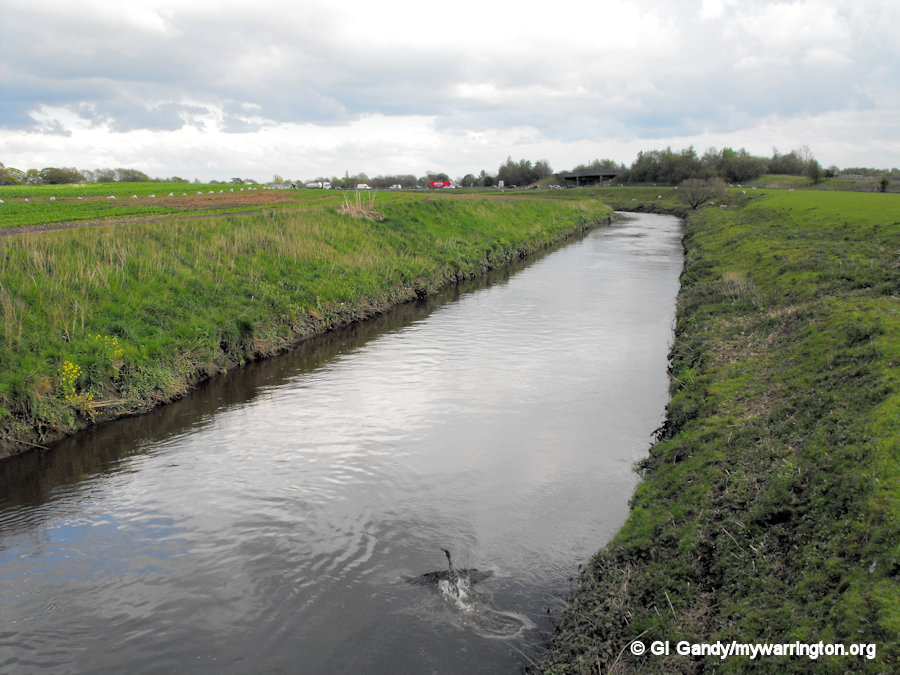
The Glaze Brook, also known as the River Glaze, marks the eastern boundary between Culcheth and Glazebrook. It is 22 miles (35 km) long and its main tributaries are the Astley, Bedford, Hey, Pennington, Shaw and Westleigh Brooks. Glaze Brook originates at the confluence of Pennington Brook and Moss Brook, north of Hawkhurst Bridge.[3] After picking up the waters of Bedford Brook, which runs southward from Leigh and the Black or Moss Brook coming west from Worsley via Chat Moss, the brook turns southward, ultimately draining into the River Mersey section of the Manchester Ship Canal near Cadishead.
Newchurch
NEWCHURCH in Culcheth village was originally a parish in the union of Leigh, hundred of West Derby, S. division of Lancashire, 4 miles south by west of Leigh, and 6 north by east from Warrington.
The village stands near the former Kenyon Junction railway station 3-1/2 miles S of Leigh; and had a post-office under Warrington. The parish consisted of the townships of Kenyon and Culcheth; containing the hamlets of Risley, Bury-Lane, Twiss-Green, Wigshaw, and Holcroft, and was formerly a chapelry of Winwick, Lancashire parish. Other places in the parish include: Desfurlong, Holcroft, Kenyon, Bury Lane, Twiss Green, Wigshaw, and Risley. There is also a chapel of ease at Bury-Lane.
The parish of Newchurch was in existence by 1599. The townships of Culcheth and Kenyon, which were separated from the parish of Winwick in 1845 and formed into a distinct rectory. There was a place of worship for Wesleyans, and a Presbyterian chapel.
See also Family Search. Text used under the Creative Commons Attribute Share Alike licence.
Newchurch Parish Church
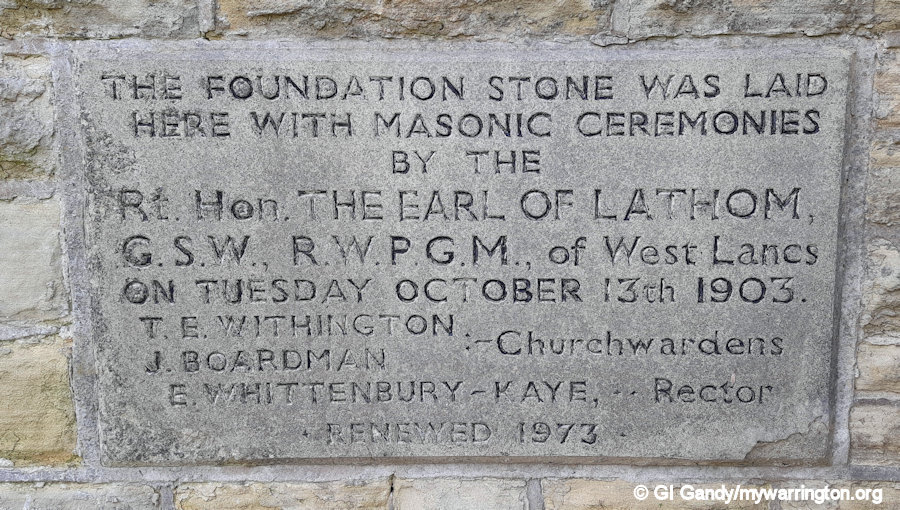
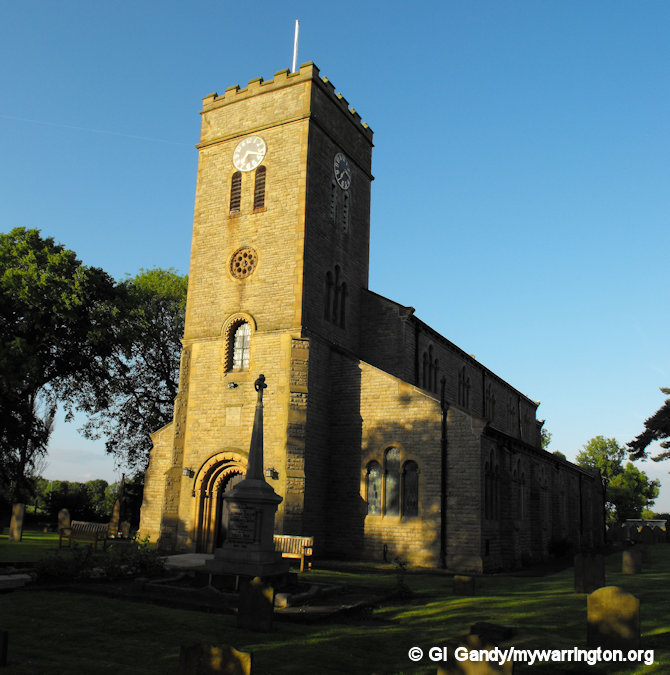
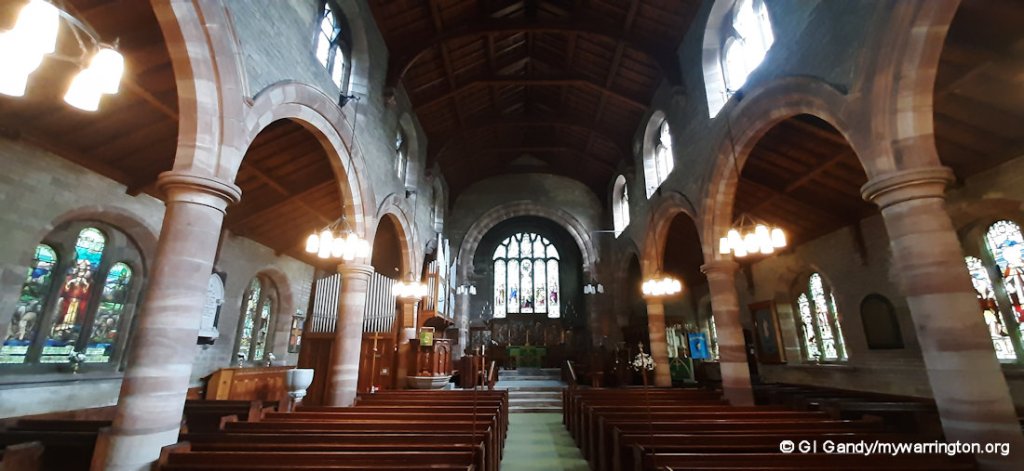
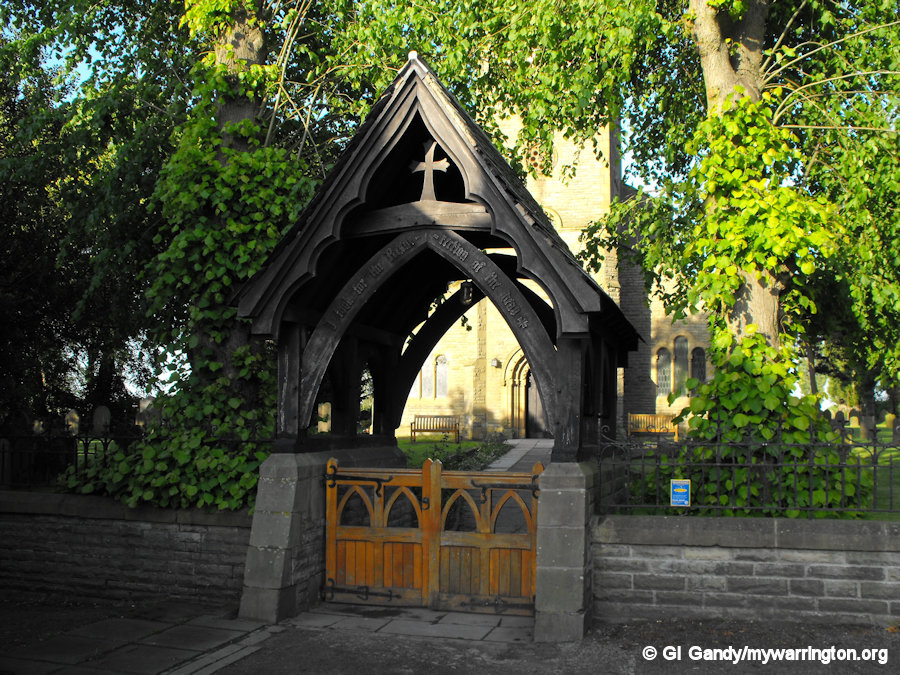
Newchurch Parish Church on Church Lane
Newchurch Parish Church was built in 1599 as a chapel of ease to St Oswald’s Church at Winwick. In 1743 a new church was built on the site but in 1903 a fire badly damaged the building and it was rebuilt. The building reopened in July 1904 and is the one we see today.
Salford Cottage Homes
The 46 ¾ acre site for the homes was purchased in 1899 for £4500 by the Salford Board of Guardians who opened the buildings in 1903. In total, 22 semi-detached and two detached houses were built, which could each accommodate 12 to 14 children.
Each child was supplied with their own bed, locker and toiletries. A hospital was also part of the complex with accommodation for nursing staff. The children attended school until the age of 14.
Lessons included the basics of maths and English and the onsite workshops taught skills which would equip the pupils for life after school. Girls were taught sewing, and the boys were taught shoe and boot making and joinery, whilst both genders were encouraged to learn gardening.
The site became Newchurch Hospital in 1948 and was in operation until 1993. I had the pleasure of working with patients and staff from Newchurch in the 1980s when I met them at the Metropole Hotel in my earlier work of care in the community as I helped to look after senior citizens in Bewsey and Dallam.
In 1995, the houses on the site were refurbished and sold to private individuals, with the remaining hospital buildings having been similarly converted for private usage.
Culcheth came under the jurisdiction of Salford in the 19th century, hence the name of Salford Cottage Homes. Culcheth only became part of Warrington in the 1974 boundary changes.
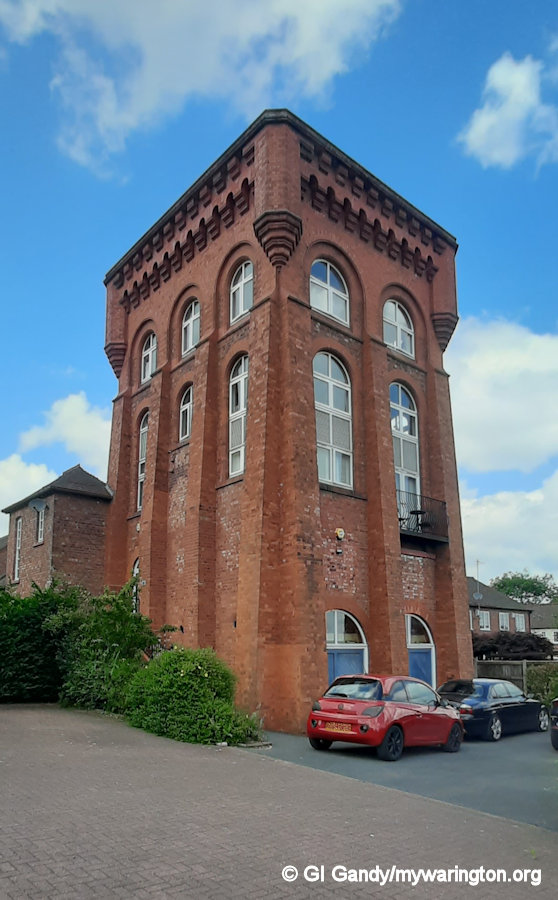
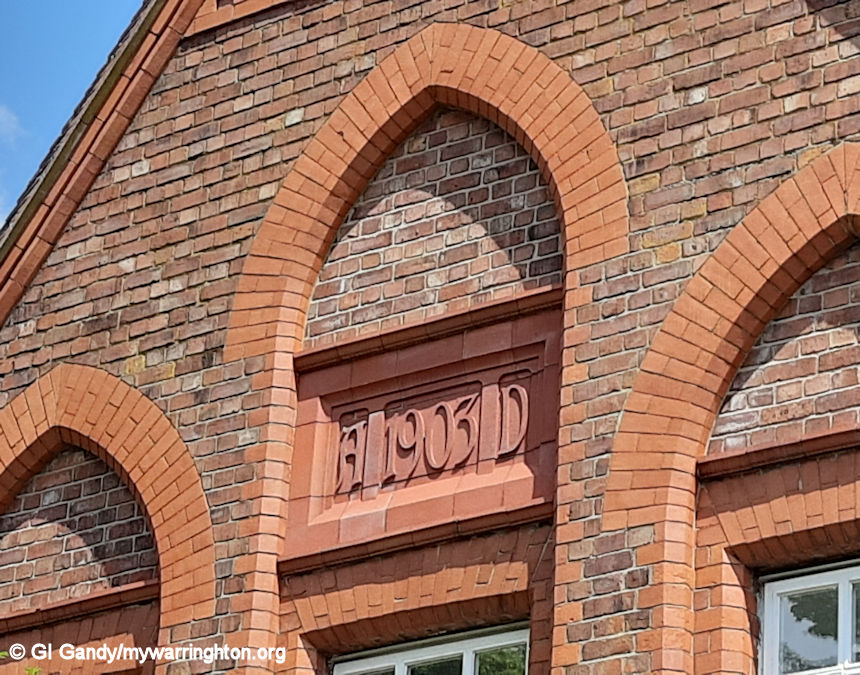
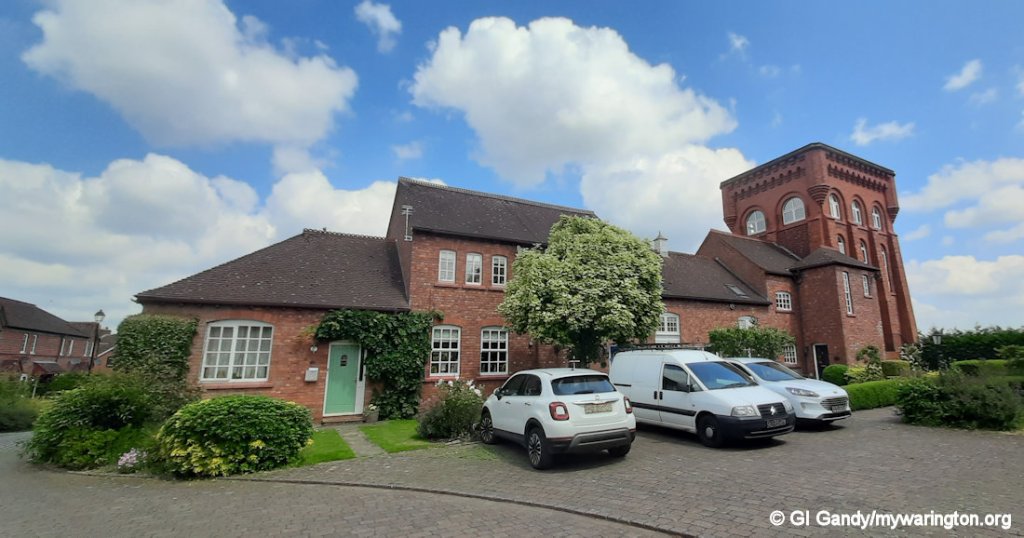
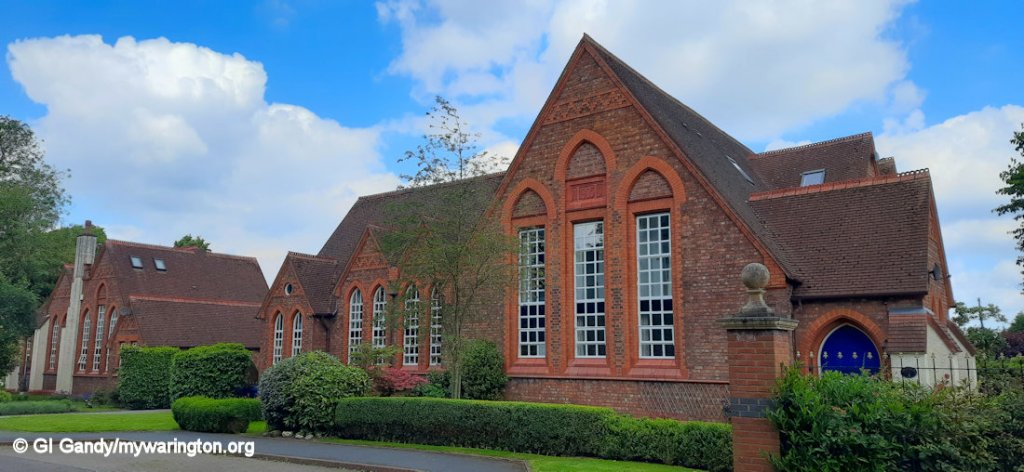
The photos show the buildings in use today. For more information see the following websites:
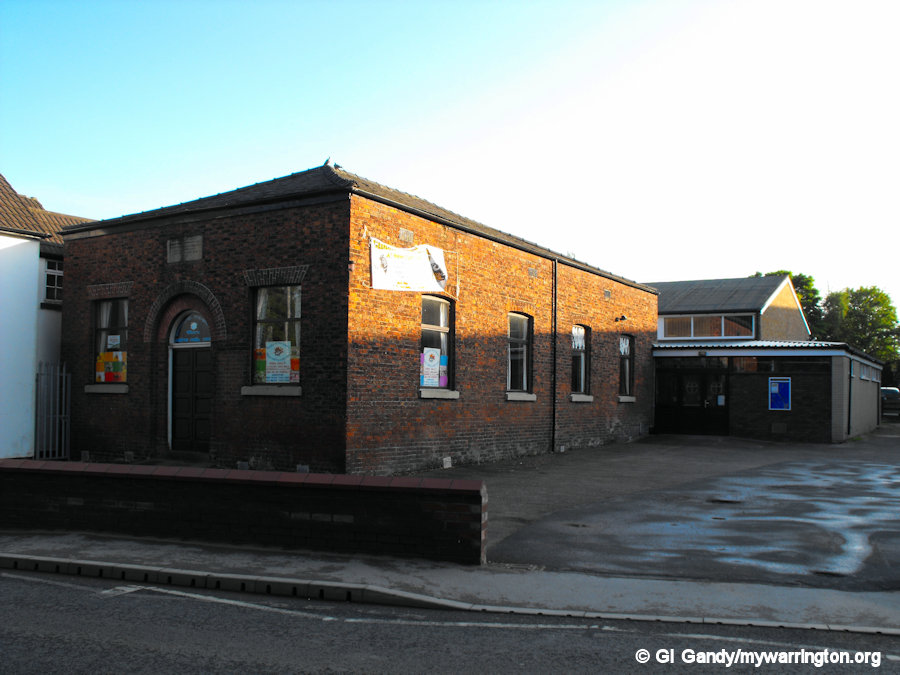
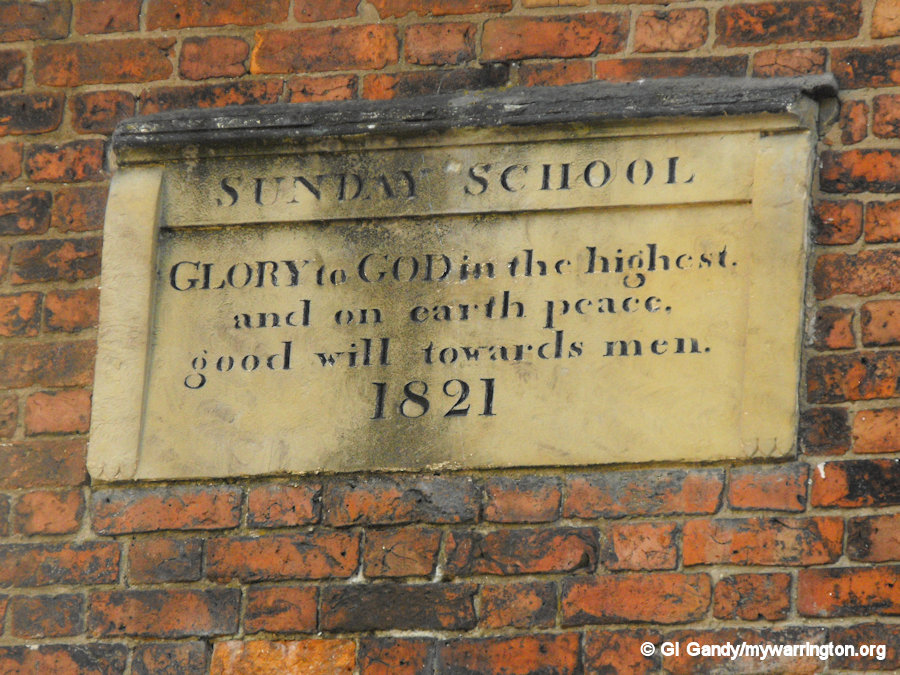
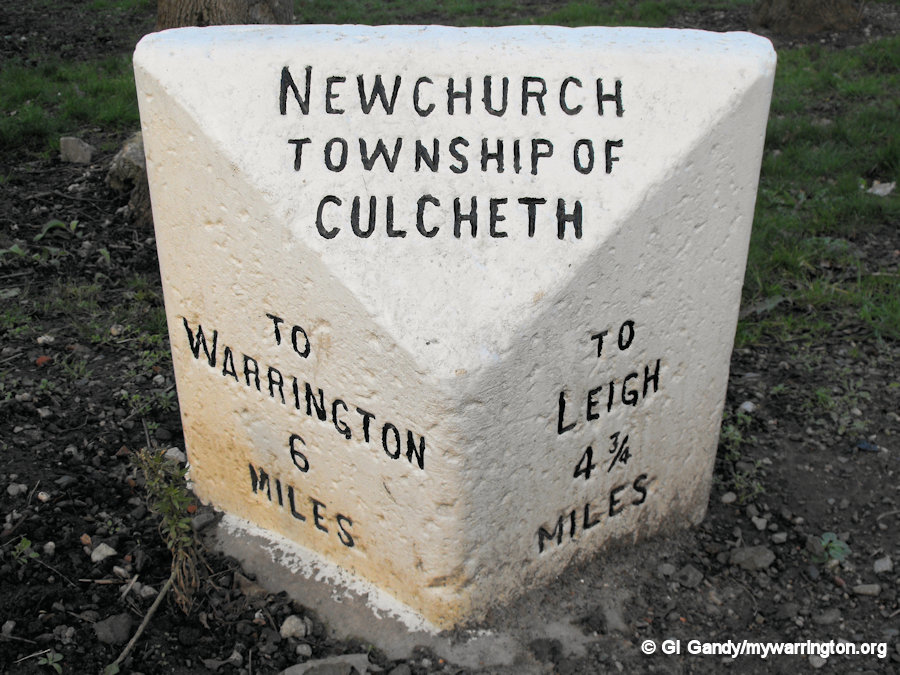
The first two two photos here show Newchurch Hall on Common Lane. The building dates back to 1821. The third image is the milestone is at the junction of Warrington Road and Newchurch Lane.
Culcheth today
We now continue with more on modern day Culcheth.
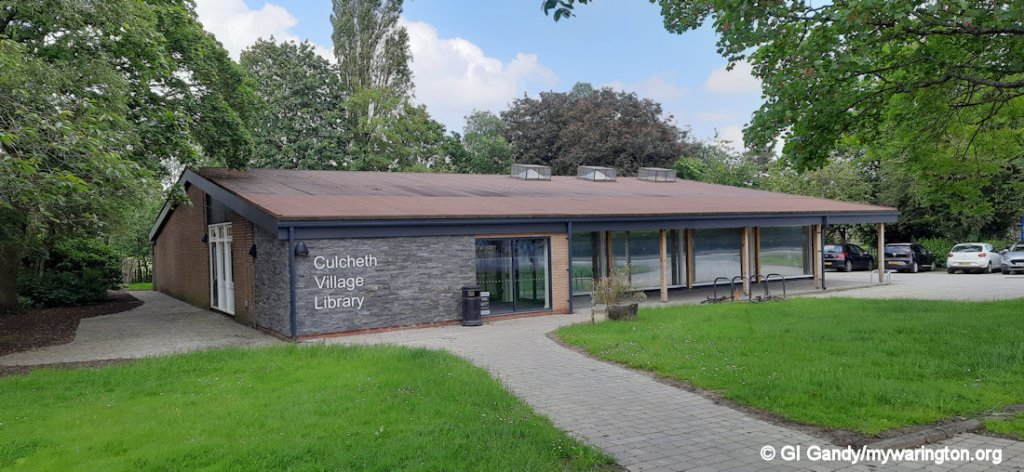
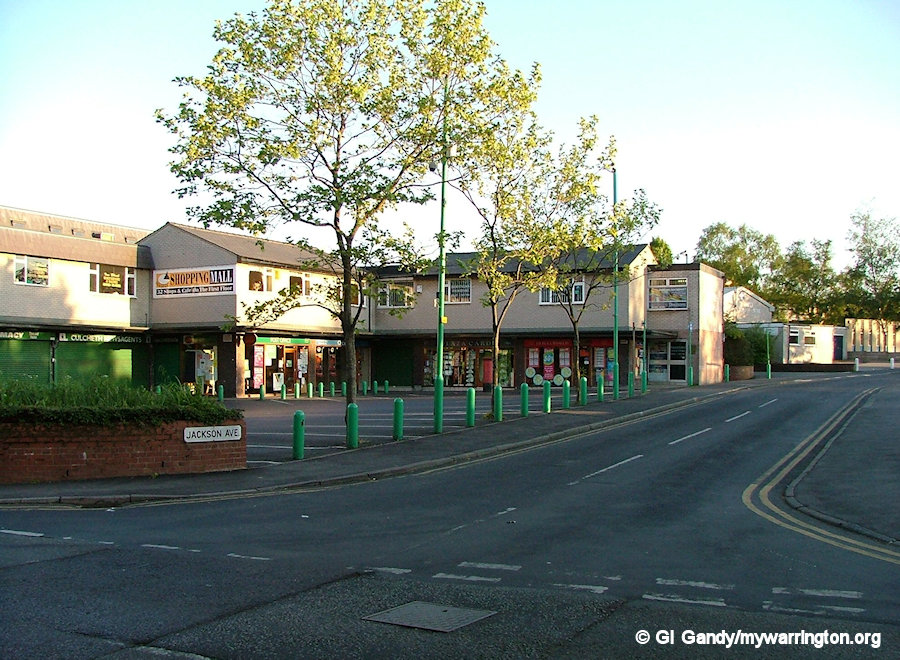
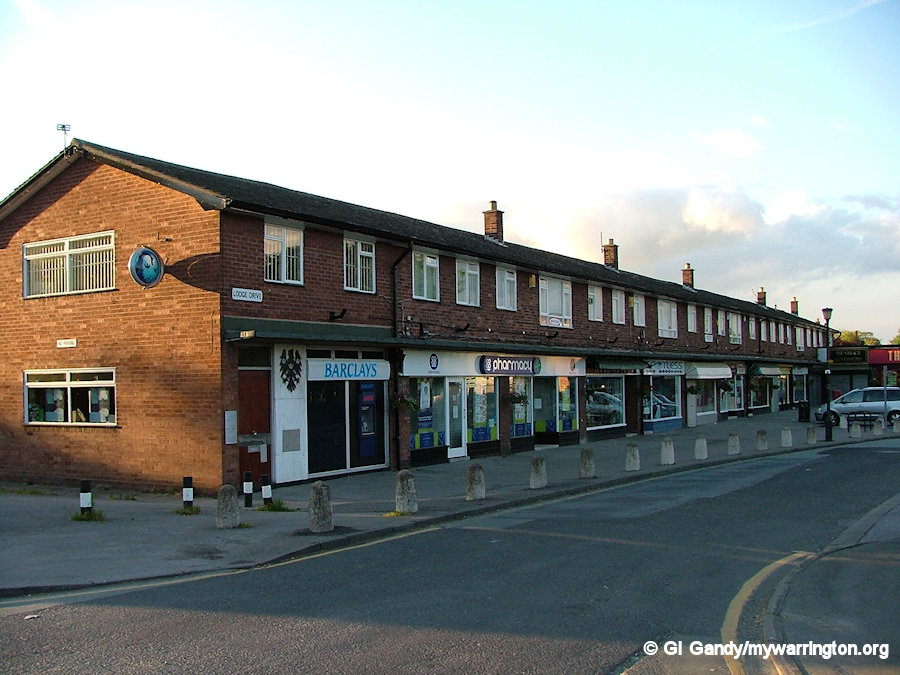
Other amenities include a library, a village hall, two supermarkets and a wide range of smaller specialist shops clustered in and around its centre.
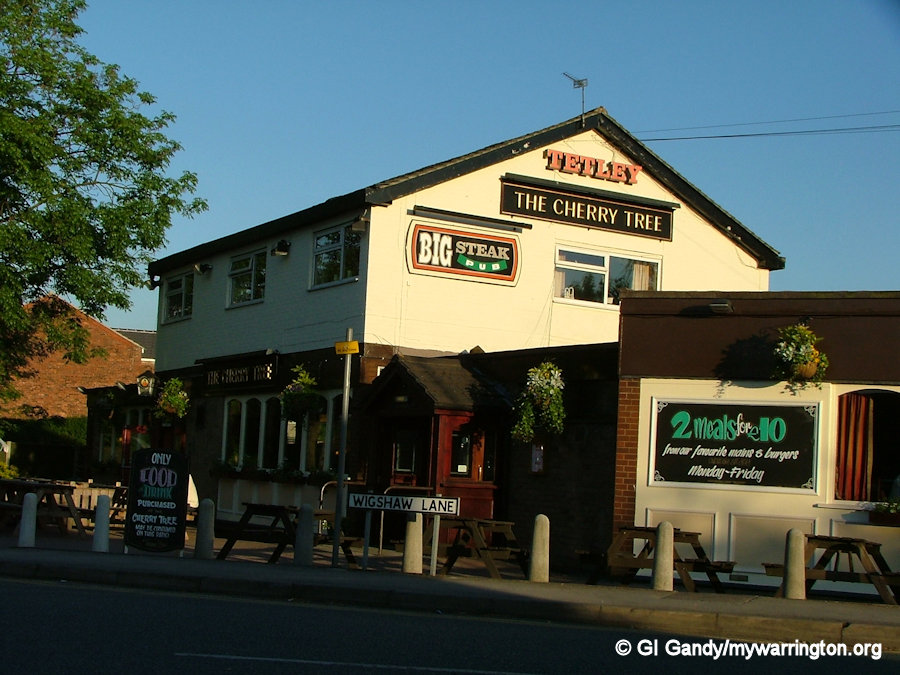
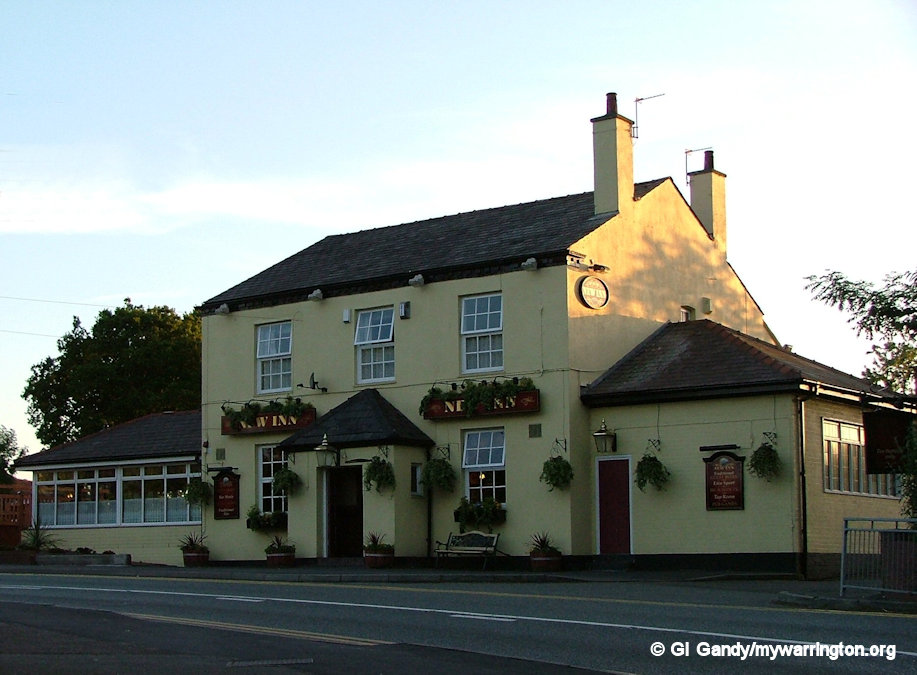
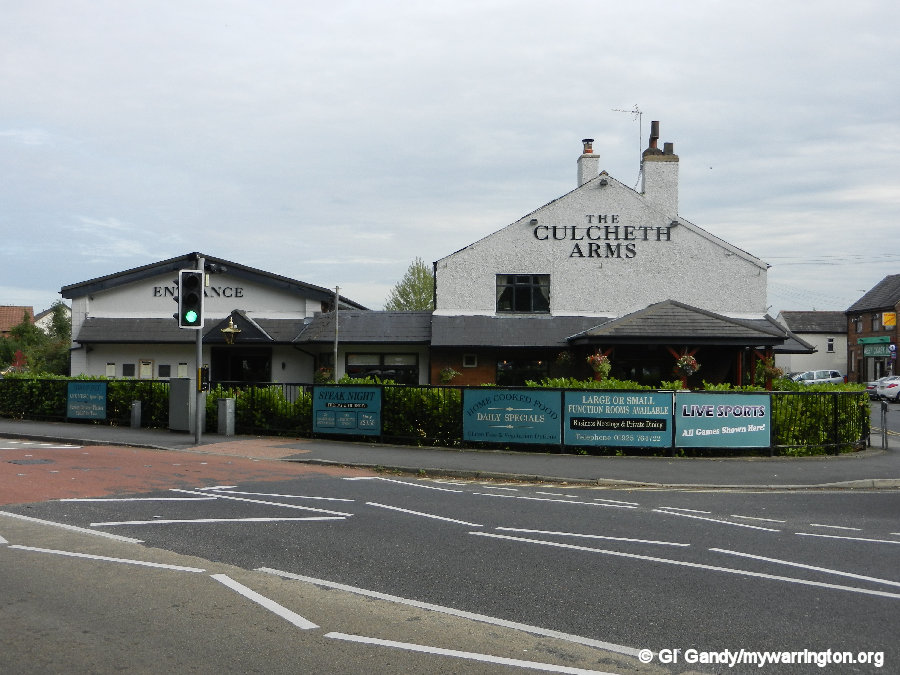
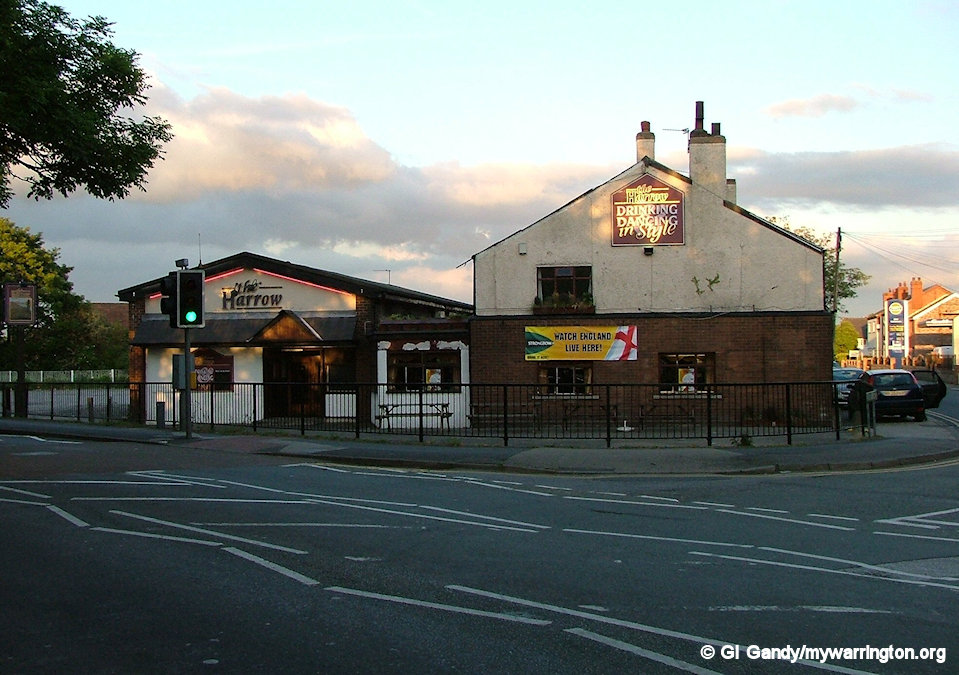
If you like eating out there are plenty of restaurants and pubs in the village, including The Cherry Tree (built 1964), the Culcheth Arms (originally The Harrow Inn dating to at least 1824), The Pack Horse (the oldest pub in Culcheth dating back to the 1800s) and the New Inn, shown in Census records of 1871)
See Croft History for history of public houses.
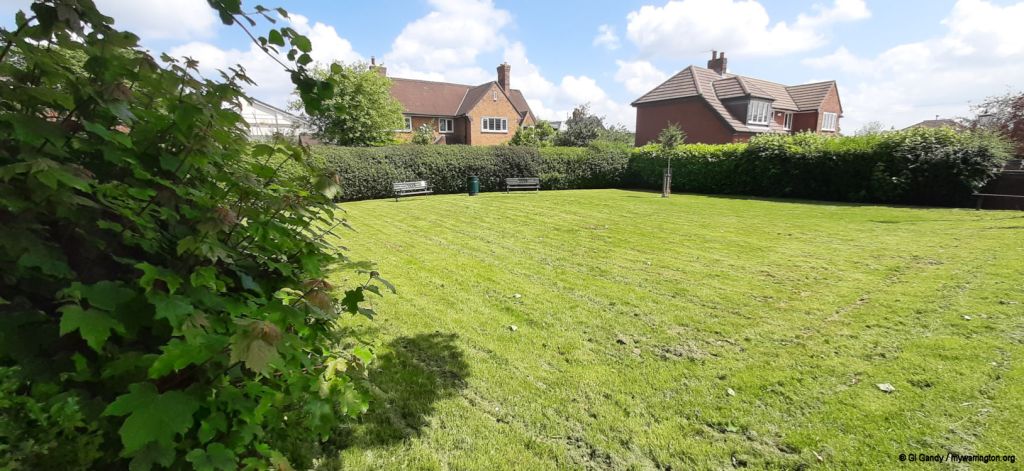
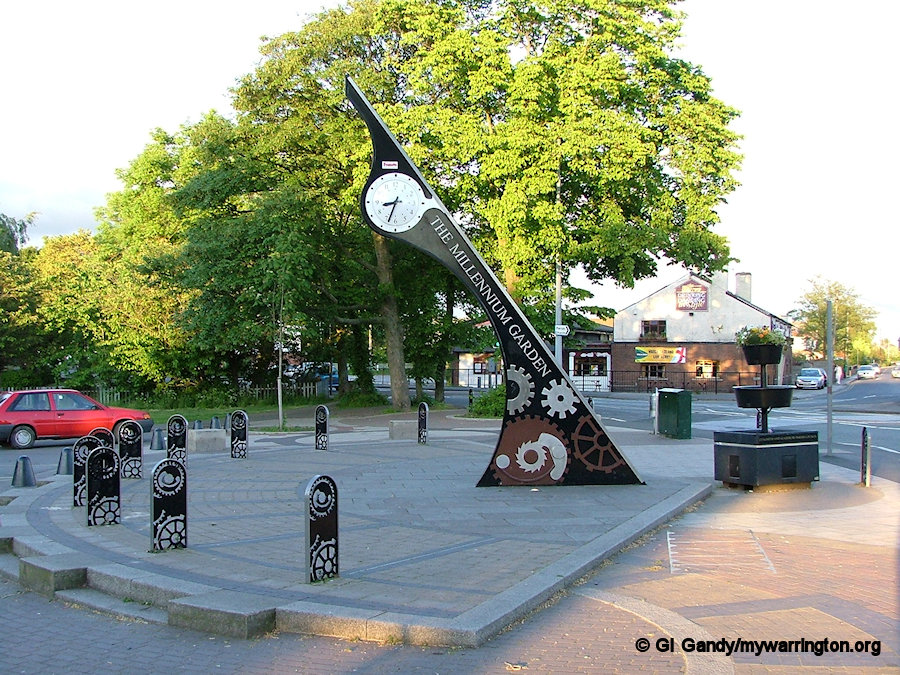
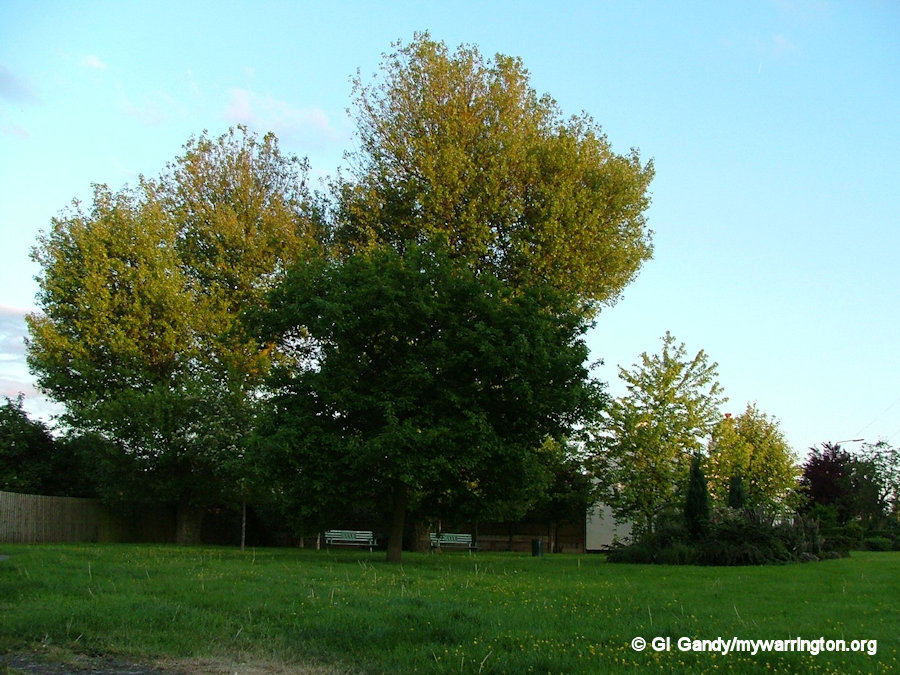
There is a large village green at its heart where the annual Community Day is held.
The A574 links to Warrington, Liverpool and Manchester via the M62 and A580 East Lancs Road. Warrington Borough Transport operates two bus services (19 and 28/28A) between Warrington town centre and Leigh via the village centre. Taylor Business Park provides rented premises and facilities to many small and medium-sized businesses on the outskirts of the village on Warrington Road between Culcheth and Risley.
To the east of Culcheth and Twiss Green and before you get to Glazebury there is the small area called Fowley Common. It features a couple of farms: Chapel House Farm and Wood Farm.
There are two woods close by, Hitchfield Wood and Old Woods. Another area marked on the map near Culcheth is Wigshaw (Wigshaw Lane).
Pubs
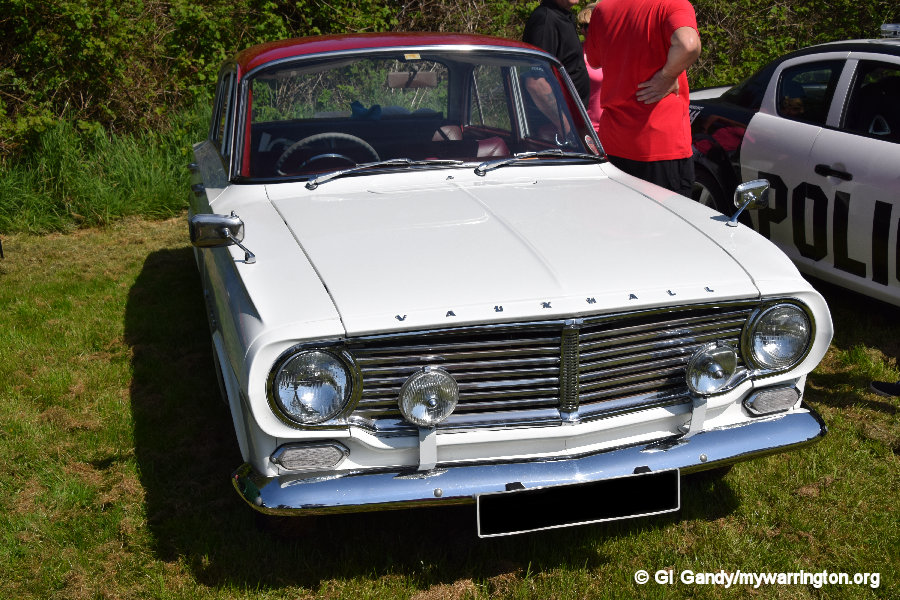
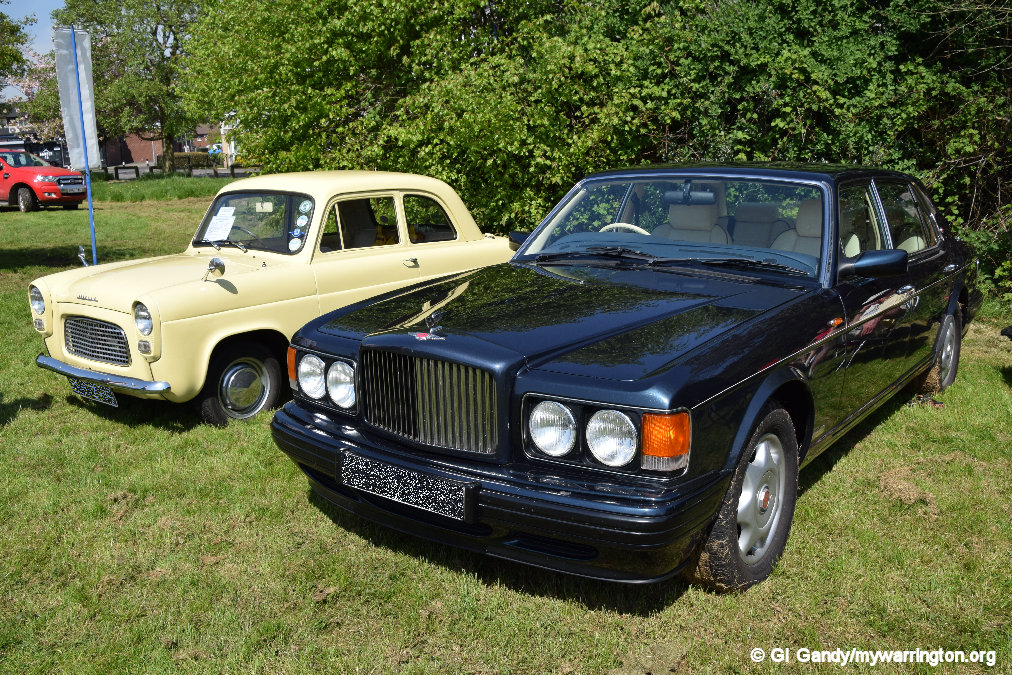
Community Fun Day Car Show (May 2018)
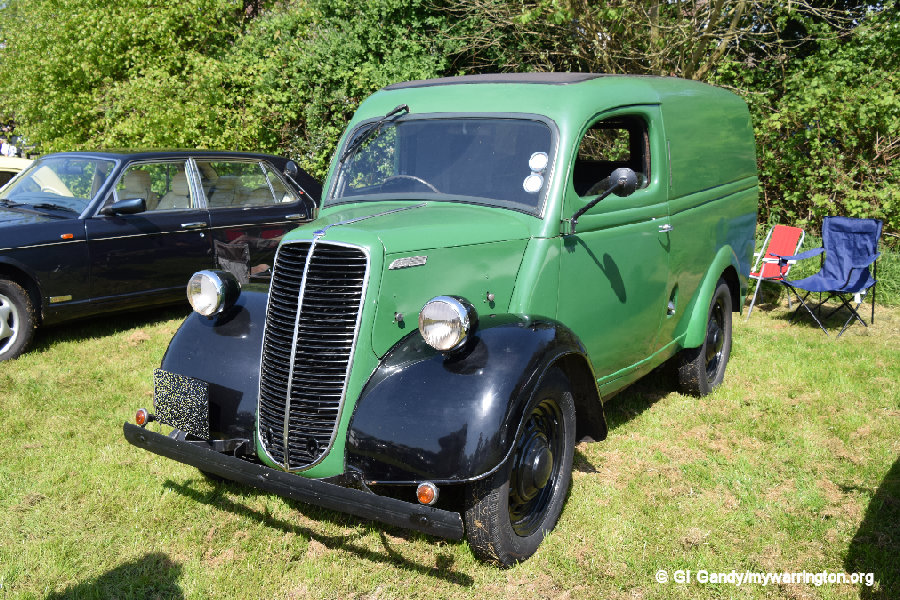
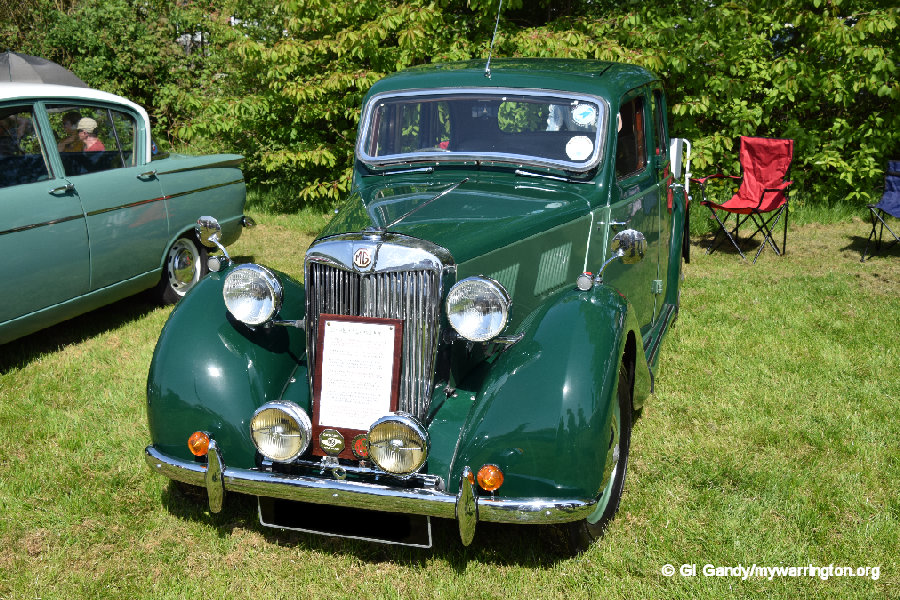
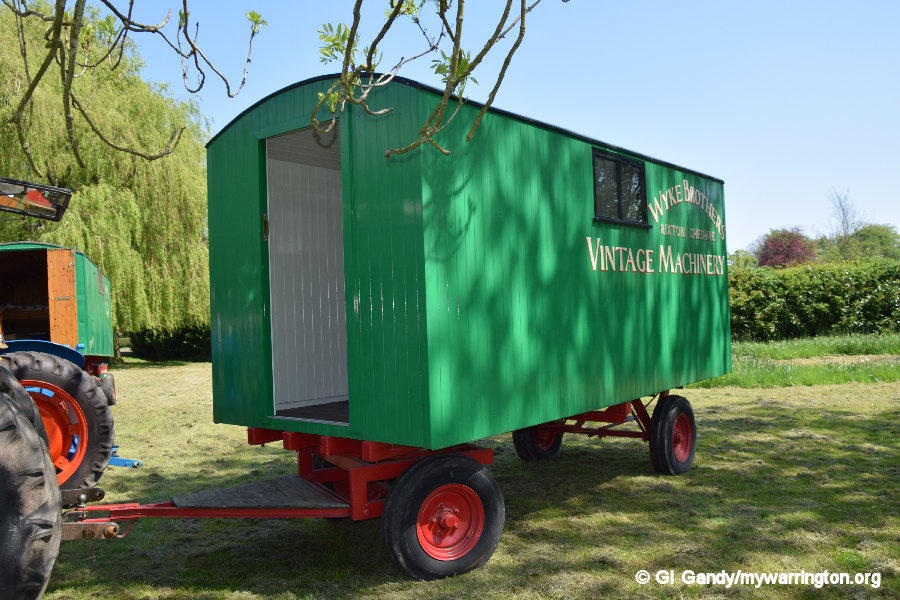
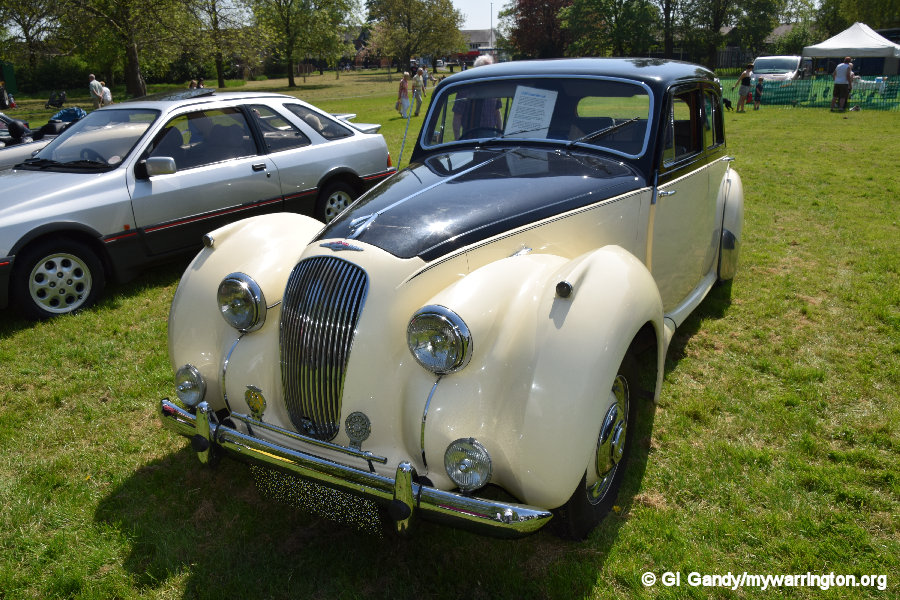
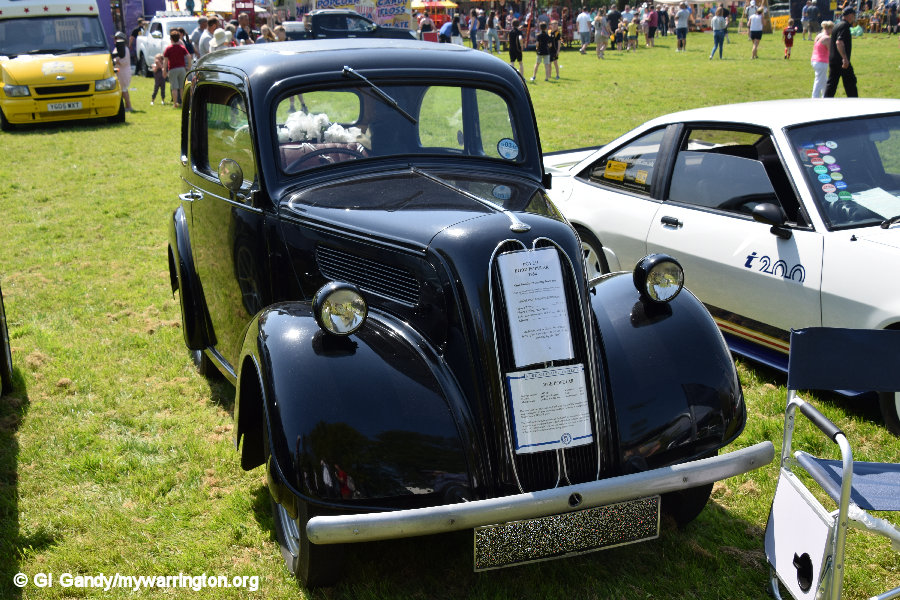
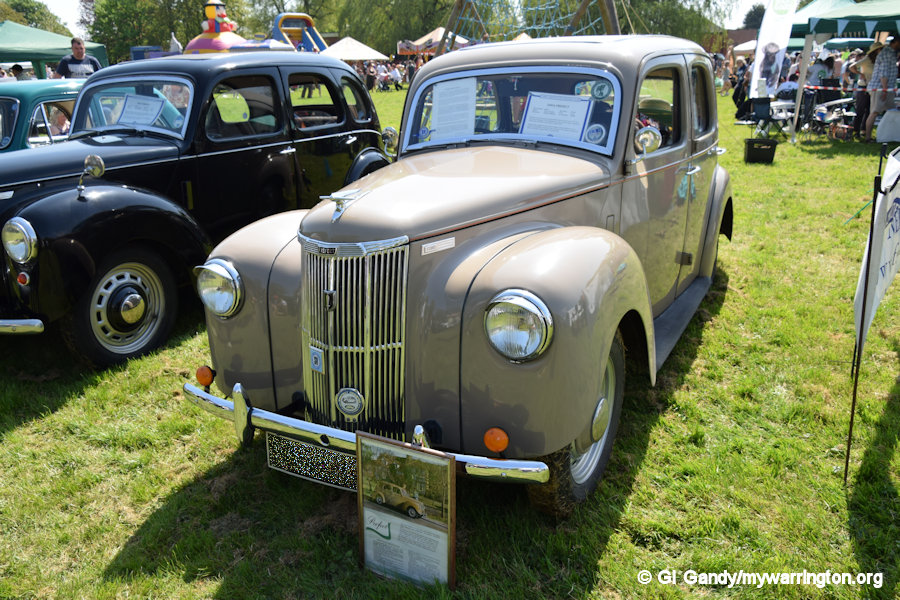
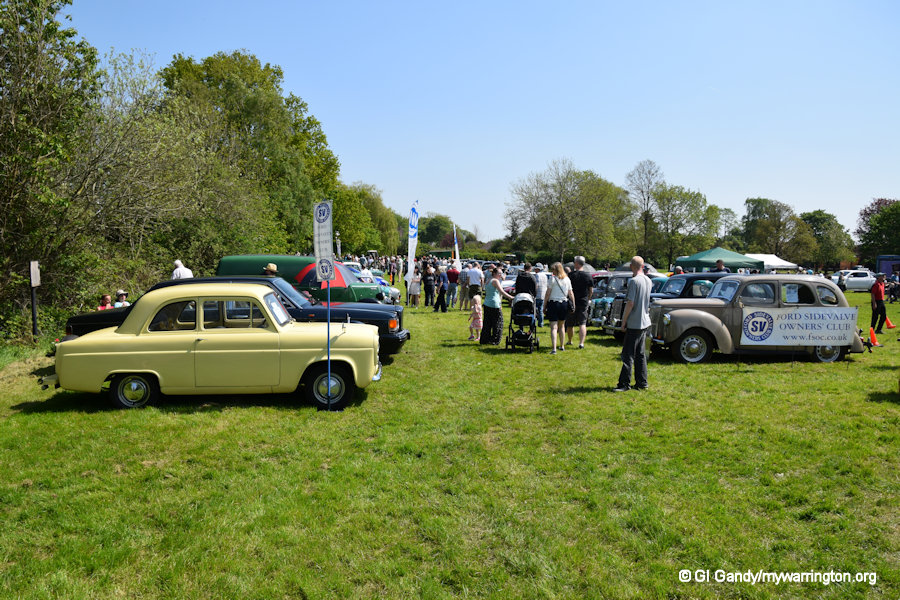
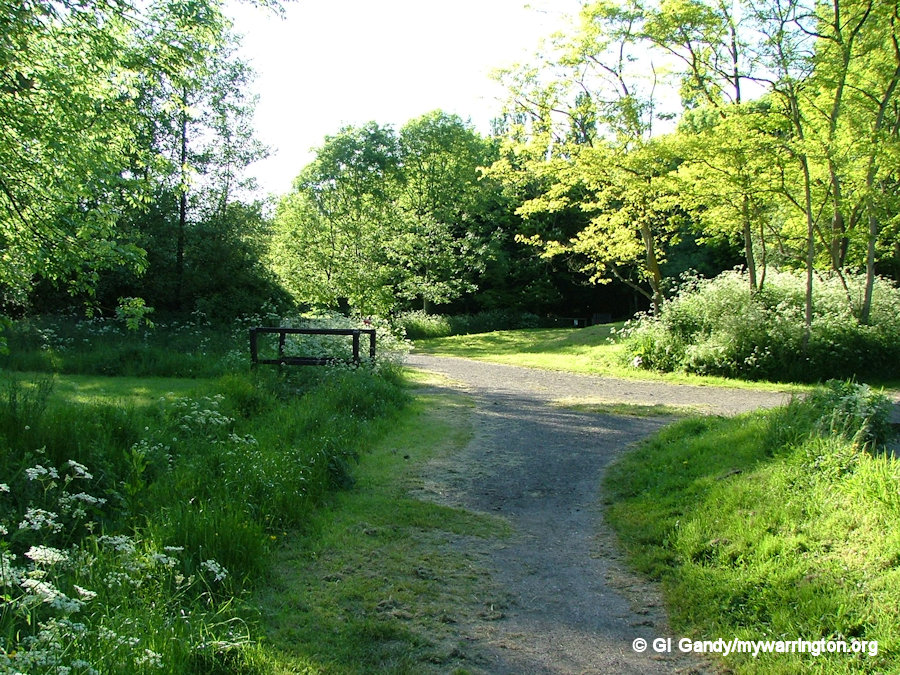
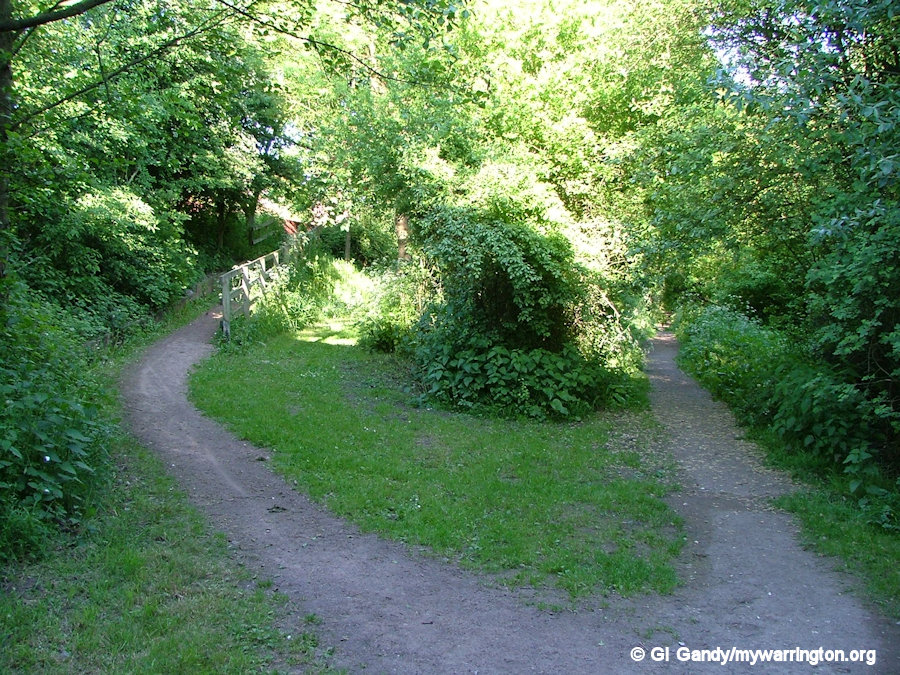
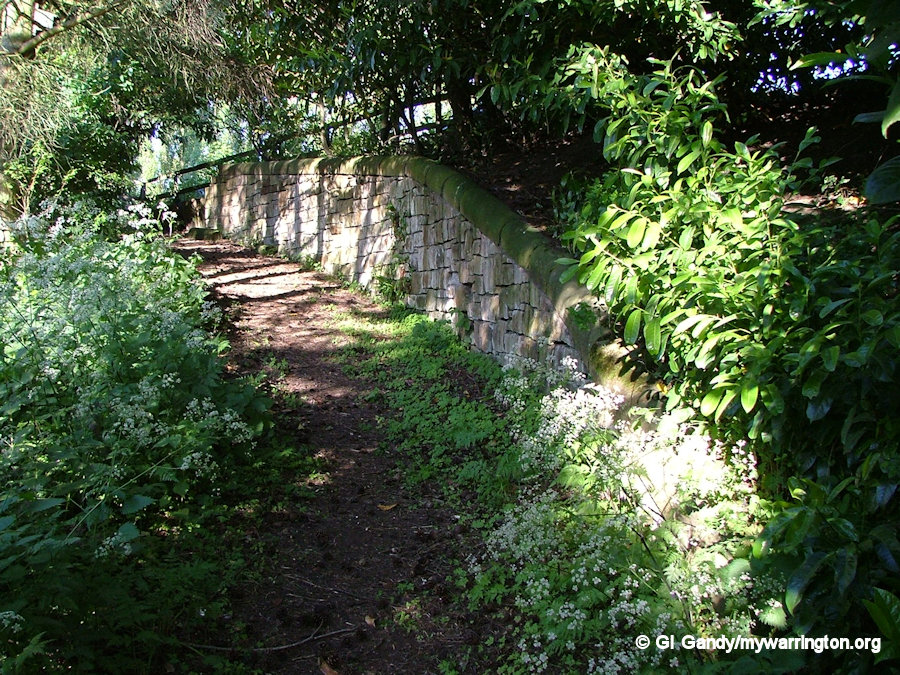
Culcheth Linear Park
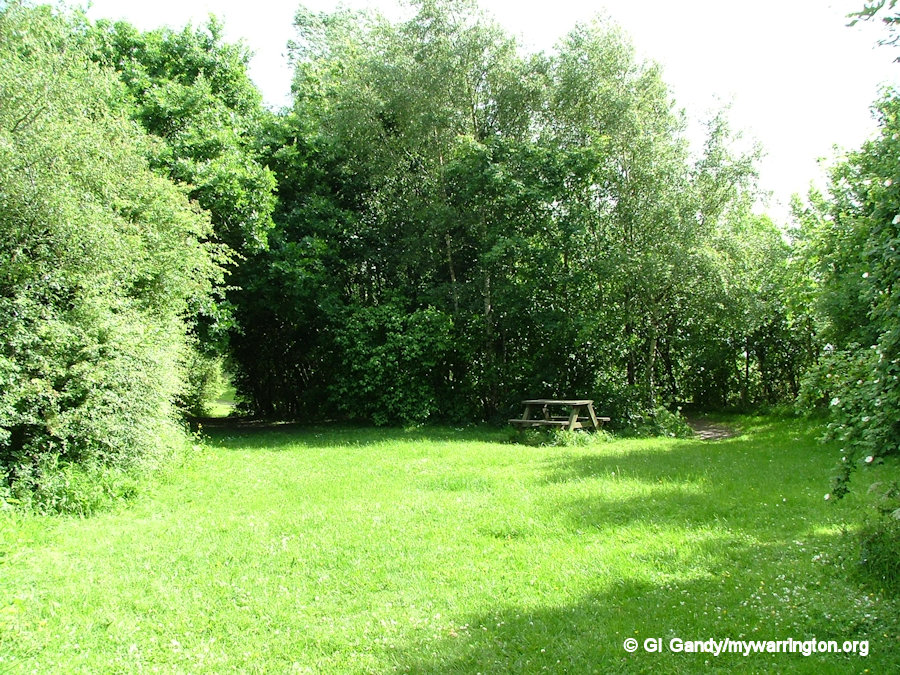
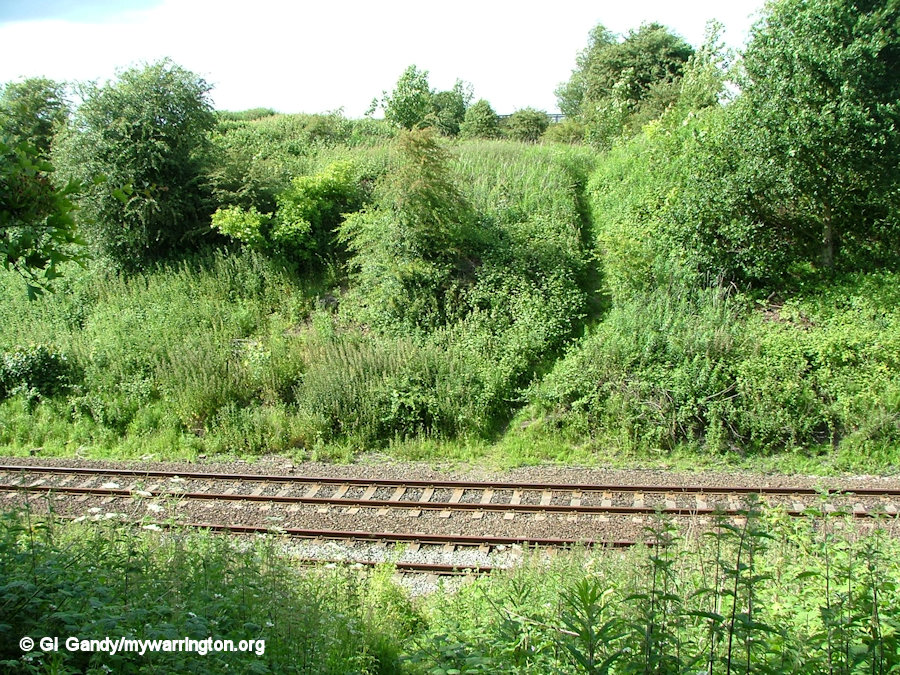
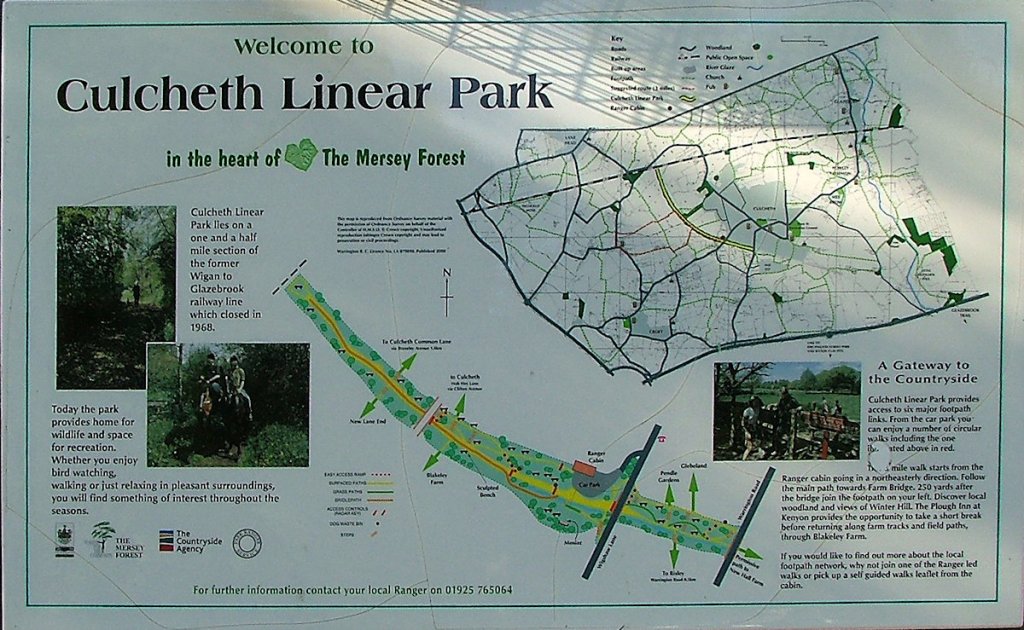
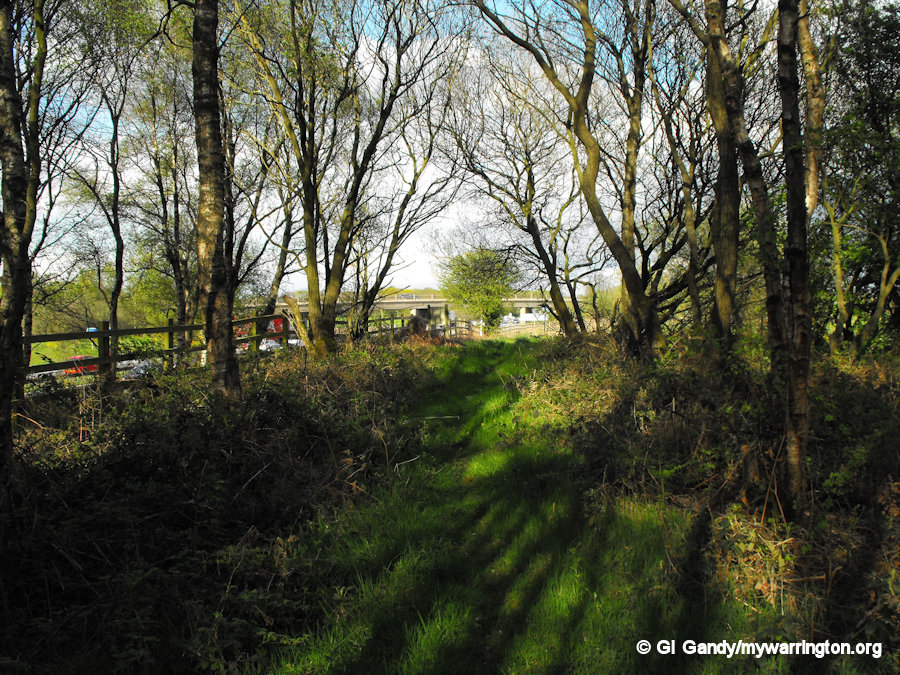
Culcheth Linear Park lies on a section of the former Wigan to Glazebrook Railway Line. It is featured in its own section of Warrington Green, so won’t be discussed here. Enjoy the photos.
School life
The village also has 3 primary schools: Culcheth Community Primary School and Newchurch Community Primary School at opposite ends of the village on Warrington Road and Twiss Green Community Primary School on Twiss Green Lane.
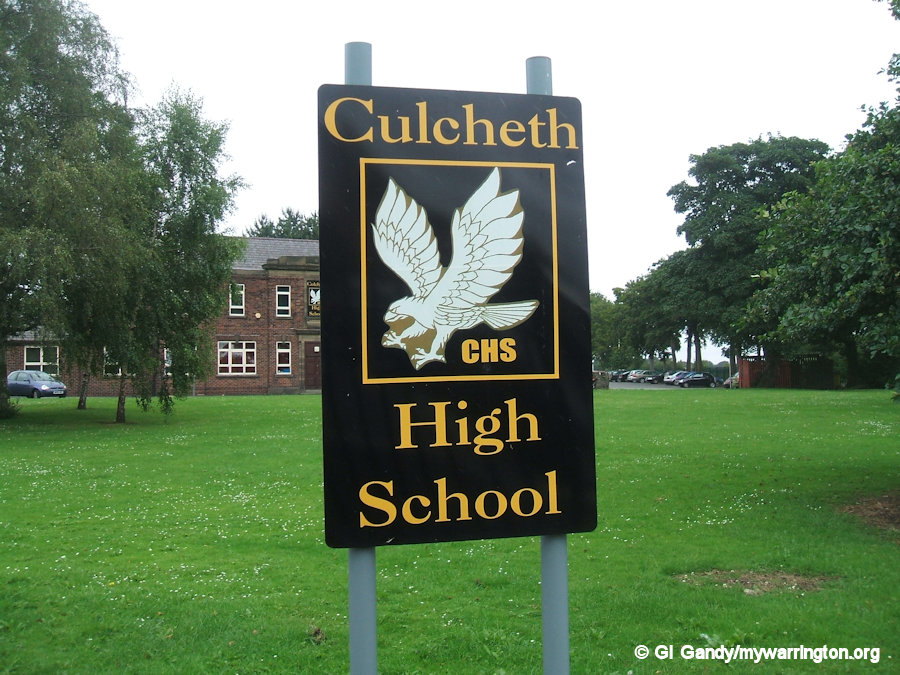
Culcheth High School
The school has a student base of over 1,000 students. In 2010, it opened a new £28,000,000 campus, combining the High School and Community Campus in one building.
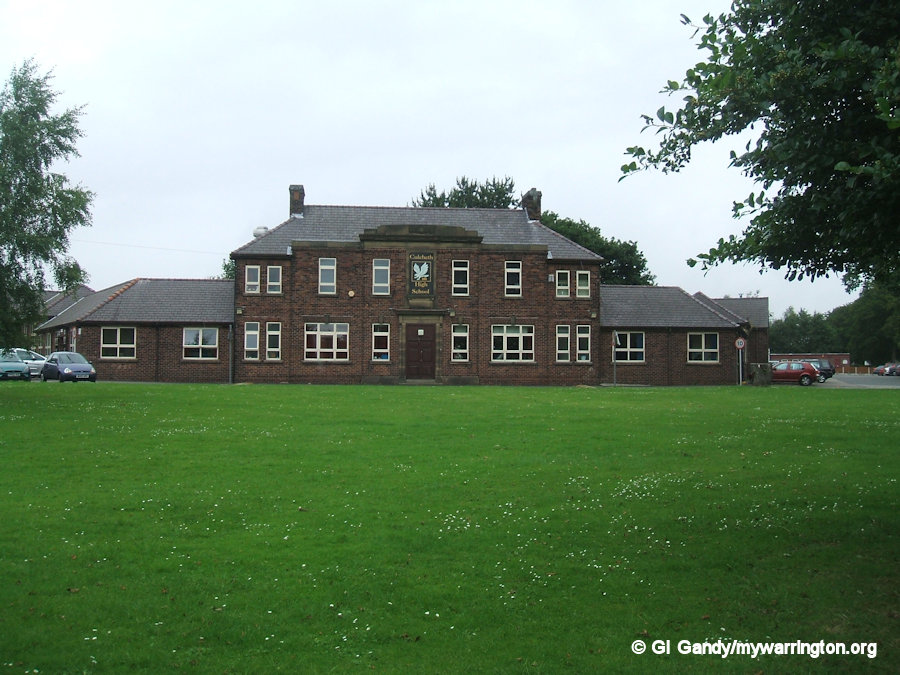
When the school first opened in 1931 it was a single block, formerly known as ‘A Block’. Over the years several other blocks were opened as the school expanded. The most recent block built was ‘G Block’.
In 2010 when the new school campus was completed, all but one block of the old school was demolished, G block. G Block went up for sale with the intent for use as a community building.
Now the school has four blocks named after historical figures: S Block (William Shakespeare), K Block (Martin Luther King Jr.), C Block (Marie Curie) & B Block (Brunel).
The school has facilities for teaching and recording of music, with two suites of electronic instruments linked up to mac minis and a recording studio. For sports the school has: a large multi-use sports hall; an activity studio for use with dance/gym/trampolines; an AstroTurf pitch for all year round football and several rugby pitches and cricket strip.
Science labs, technology suites, and ICT rooms are at all levels in the school, which operates a full wireless network for laptops in each department and interactive ICT resources in every classroom. An open-plan restaurant and a café are on the ground level.
Being a community campus, the school has a gym and several community rooms which can be hired out by local groups and the community.
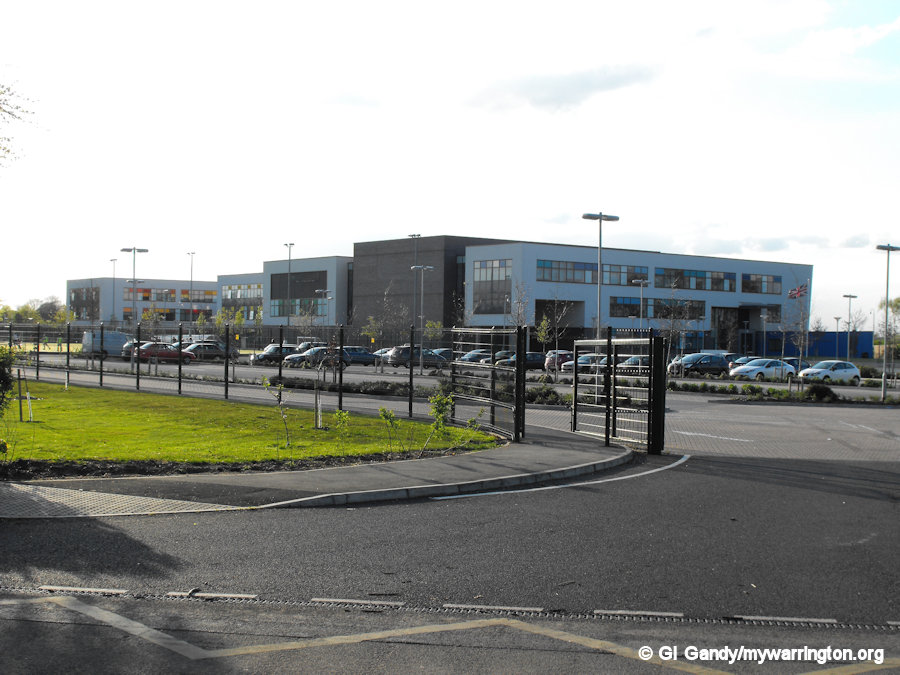
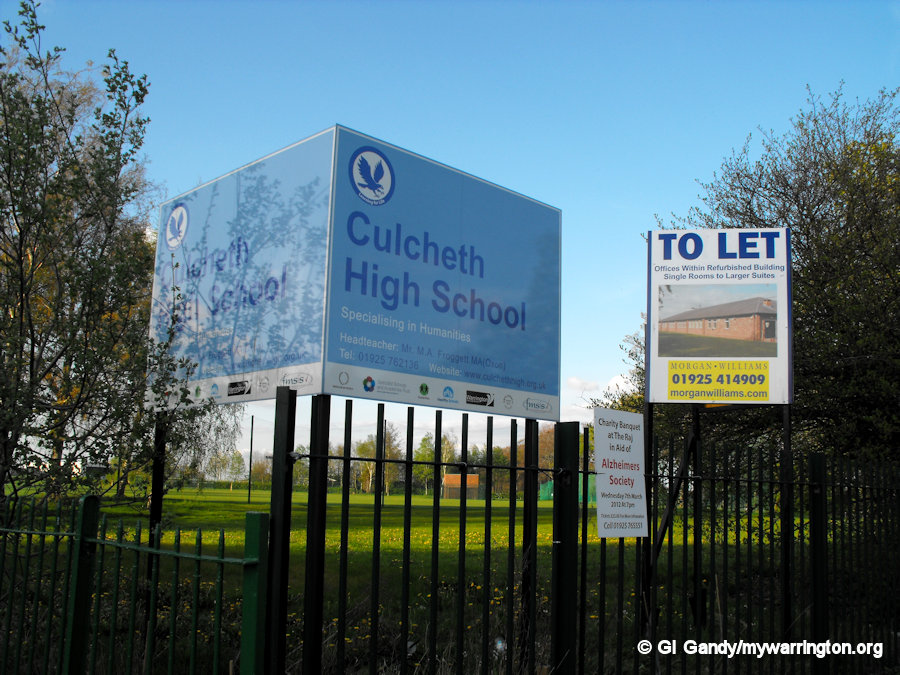
The sixth form closed at the end of the 2013/14 academic year. In the 2013-2014 academic year there were only 54 students who attended the sixth form. One notable pupil was Michelle Scutt née Probert. Read a profile on her in Sporting People. (To be added later). The original 1931 school seen here has now been demolished. Some text from Wikipedia.
Church Life
There are four churches in the village:
Newchurch Parish Church (Church Lane, Culcheth), Culcheth Methodist Church (Ellesmere Road/Burton Close), Culcheth Christian Fellowship, Hob Hey Lane [part of the Independent Methodist Leigh Circuit and the Grace Fellowship Church. The nearest Catholic church is St Lewis’s, which is two miles away in the village of Croft.
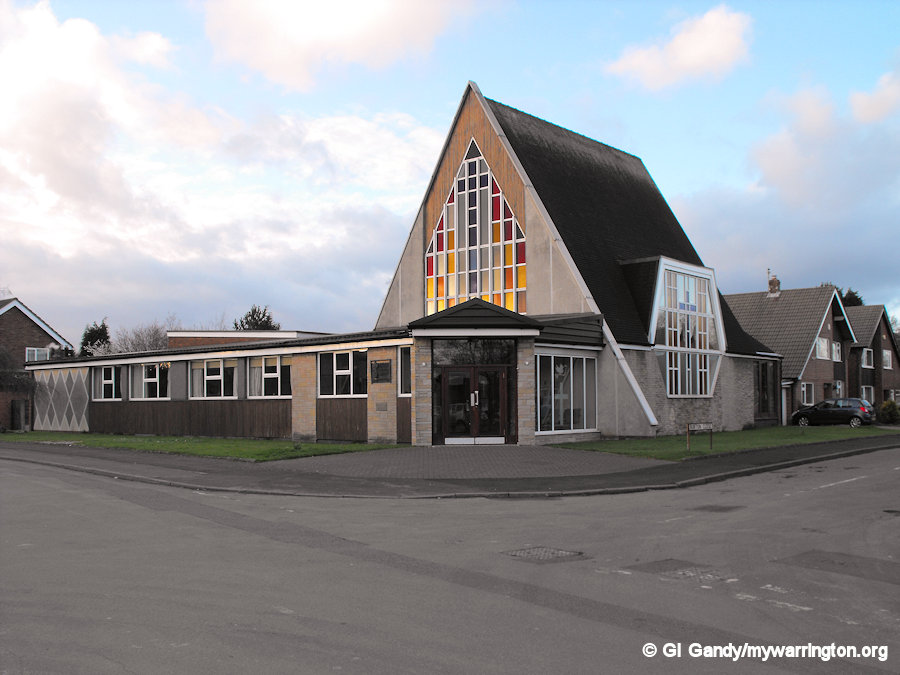
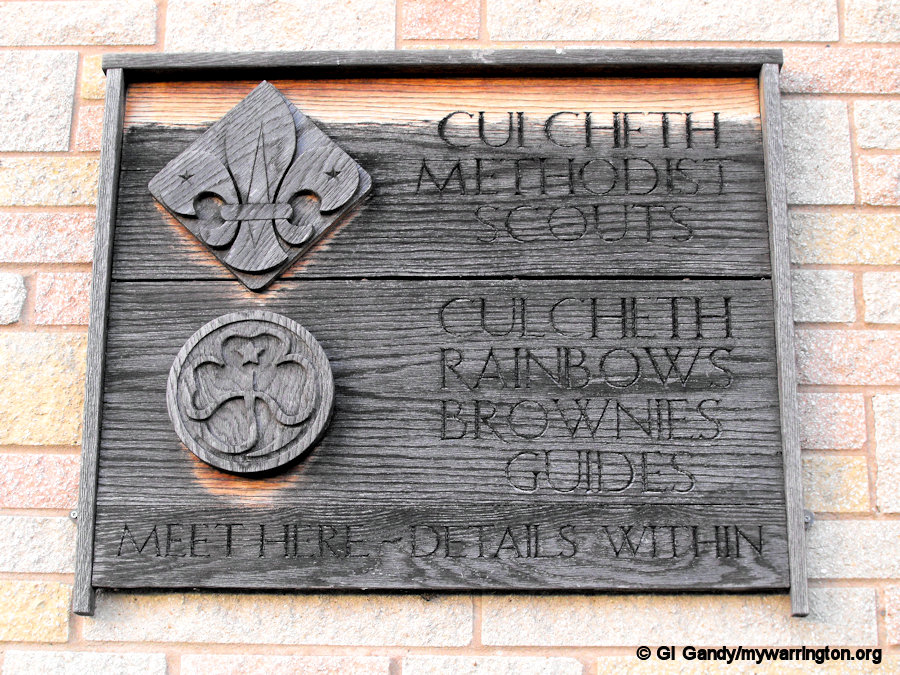
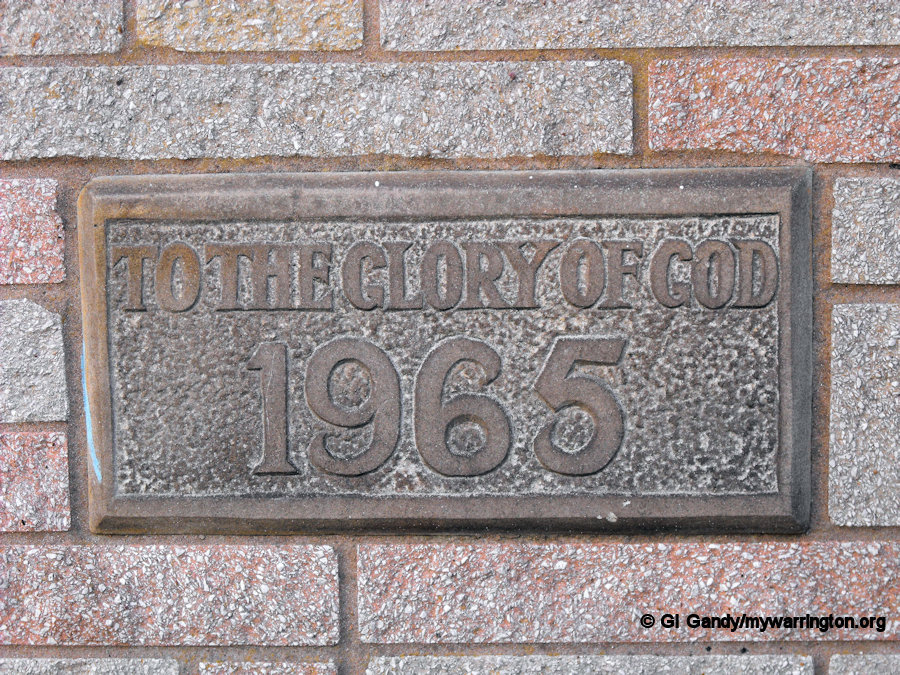
Culcheth Methodist Church
The church was founded in the 1950s as a home worship group in the rapidly expanding village as the village became a residence area to workers in the newly established Atomic Energy industry at Risley by Methodists from the nearby village of Glazebury, where a much older Methodist Church was and is based on the Warrington Road, Glazebury.
Now the church has expanded to be the largest Methodist church in the local area. The church is part of the Leigh and Hindley Circuit, which is currently (circa late 2009~2015) under review and change.
In 2009, the church became an independent charity, registered with the Charity Commission of England and Wales. Previously, the church was a charity under the statutory regulations giving charitable status to all Methodist Churches.
The church sanctuary is somewhat exceptional in being of a triangular shape and being the first modern church since the English reformation in Culcheth. The older village area under its squire was recusant, and thus the Church of England church serving the village was outside the village at Newchurch.
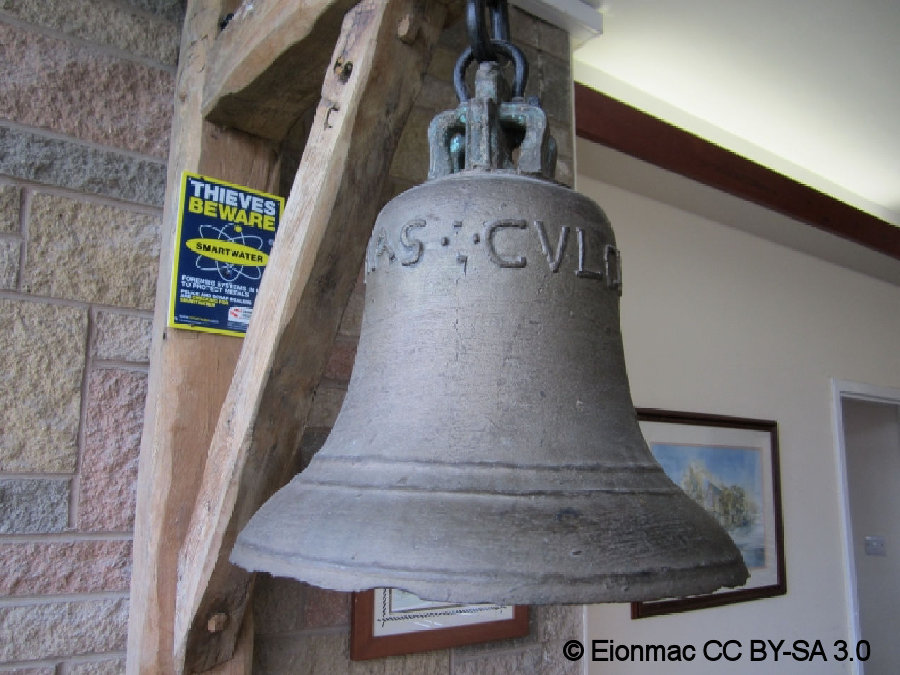
The local Roman Catholic church is also outside the village Culcheth Methodist Church is now home to the old bell from Culcheth Hall chapel, the squire’s private Catholic chapel, which has passed through the other churches to Culcheth Methodist Church for safekeeping and is in regular use as it is rung to announce services and continuation of worship in many forms in the village.
The bell is no longer hung in the church but has disappeared in the refurbishment to enlarge the foyer, and the inability of Methodist Organisation to accept risk of it falling or hurting someone if they bumped into it.
Information from Wikipedia. Photo of the bell is © Eionmac and used under the CC BY-SA 3.0 licence.
Culcheth Christian Fellowship
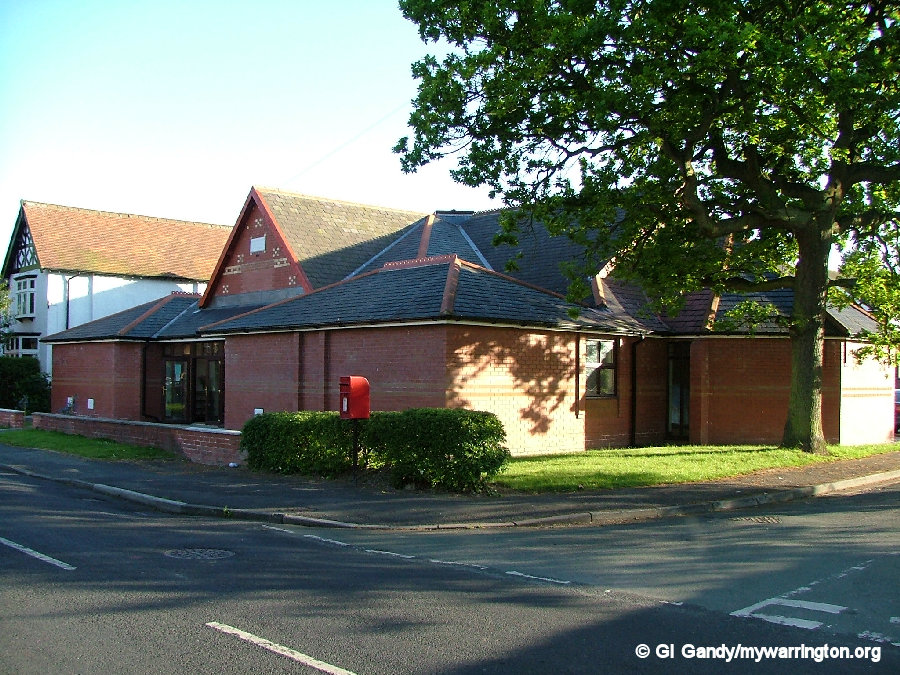
The church building on Hob Hey Lane was opened on 13 April 2012.
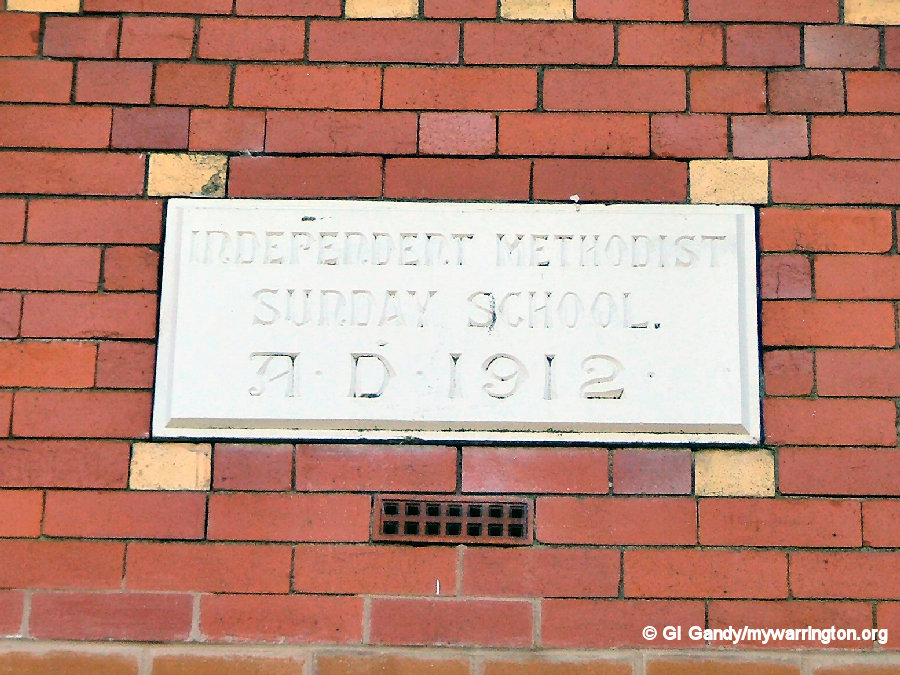
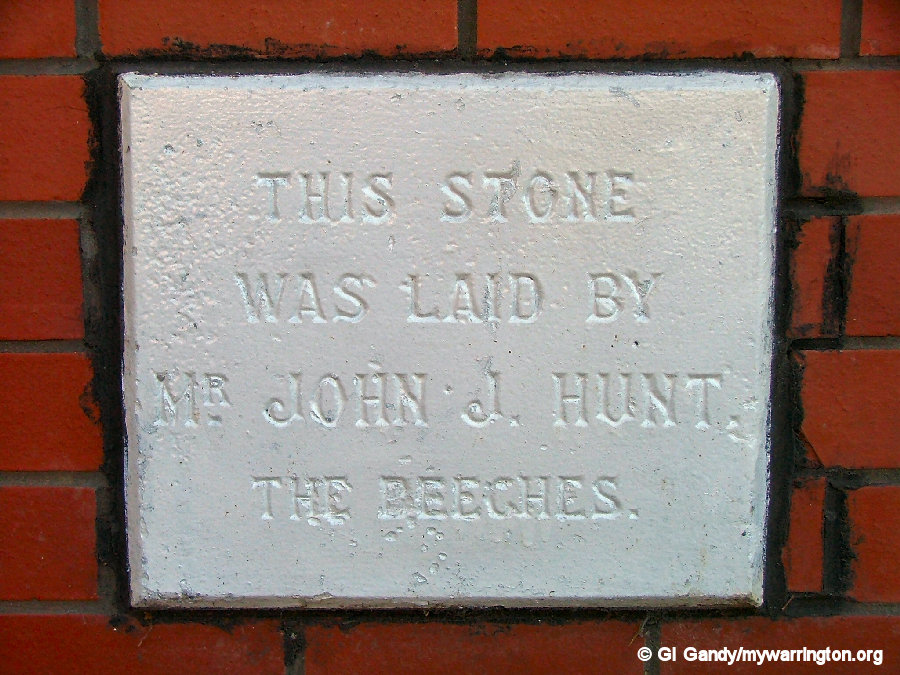
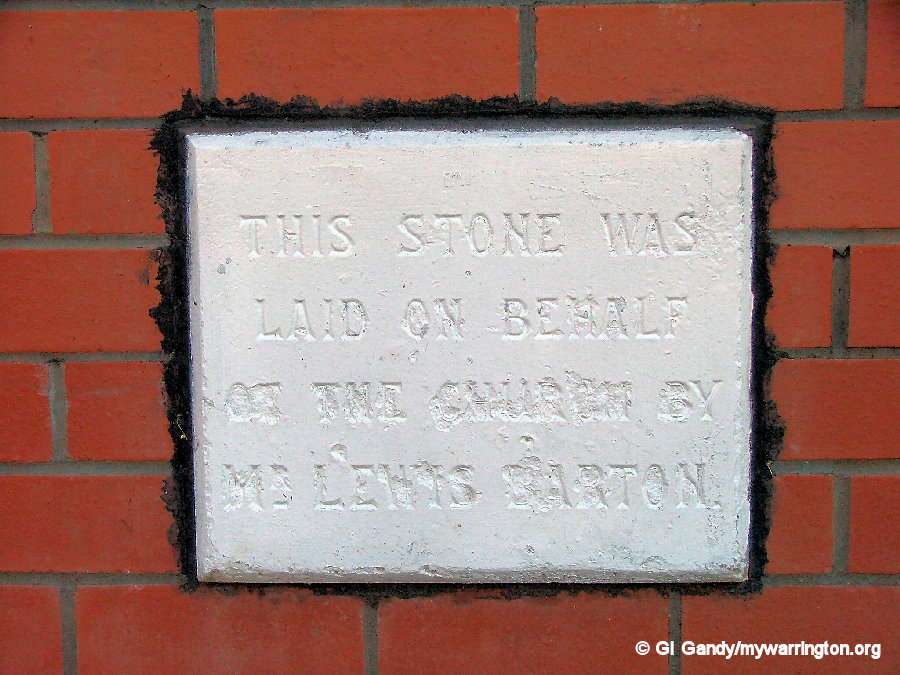
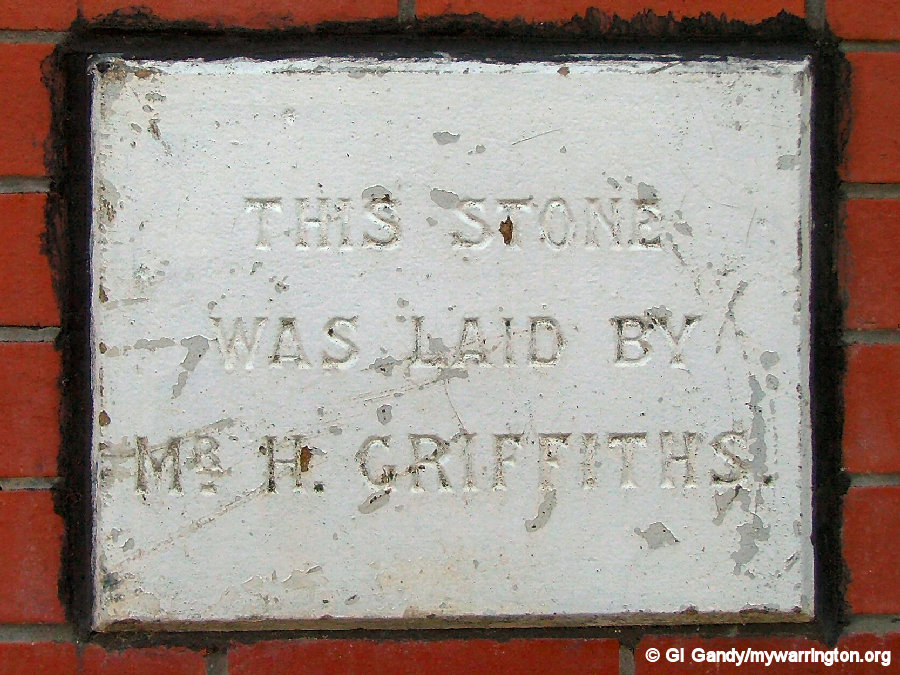
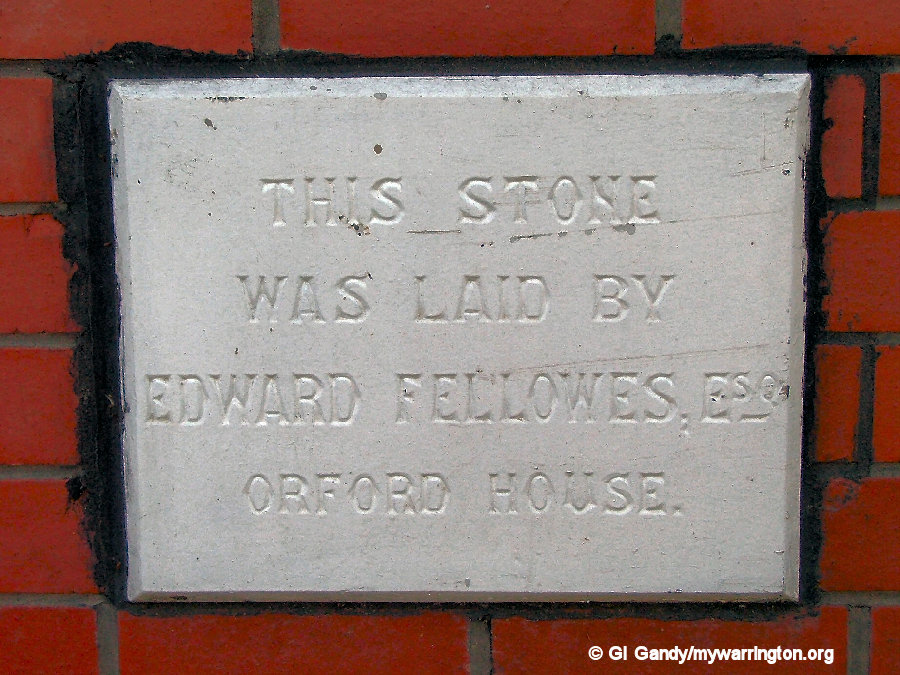
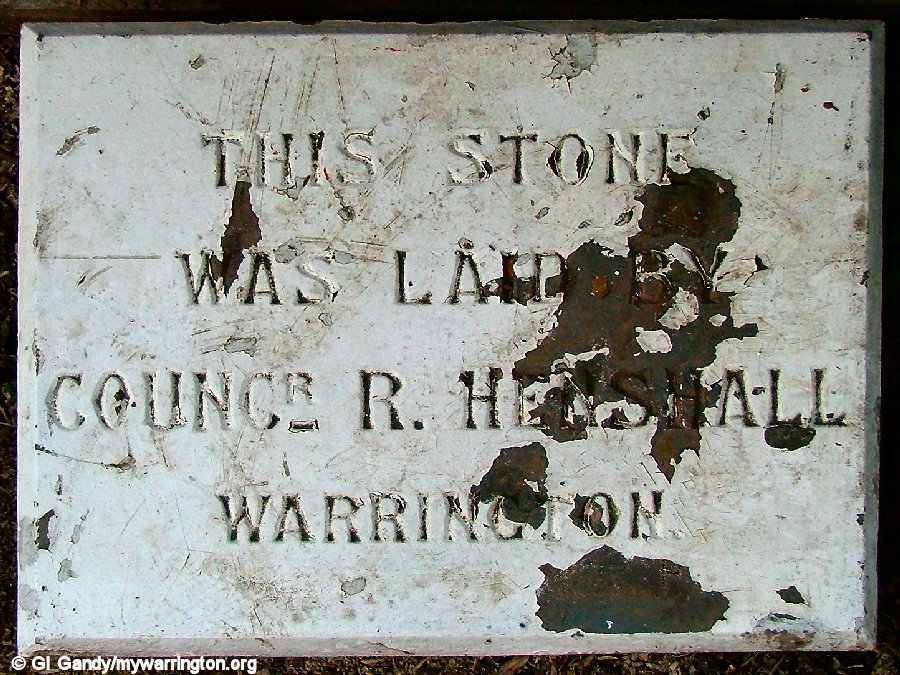
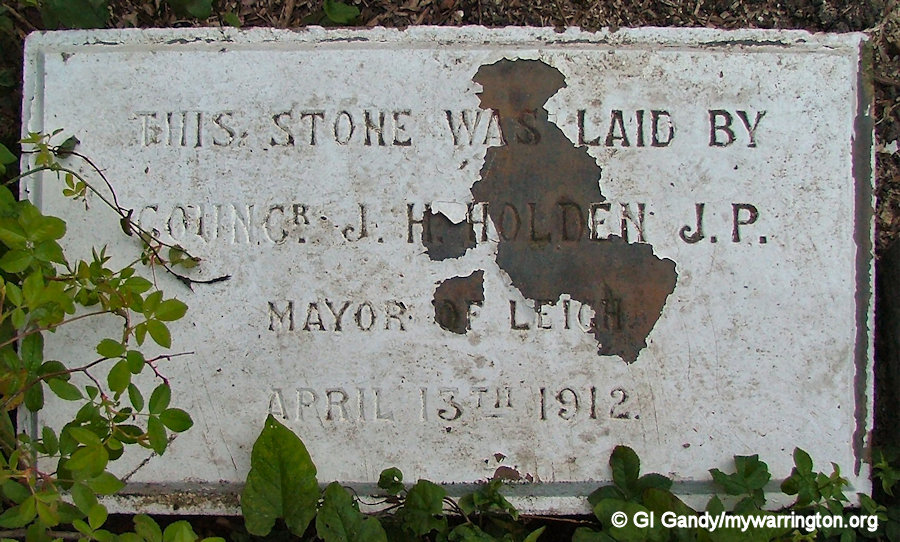
Former Independent Methodist Chapel
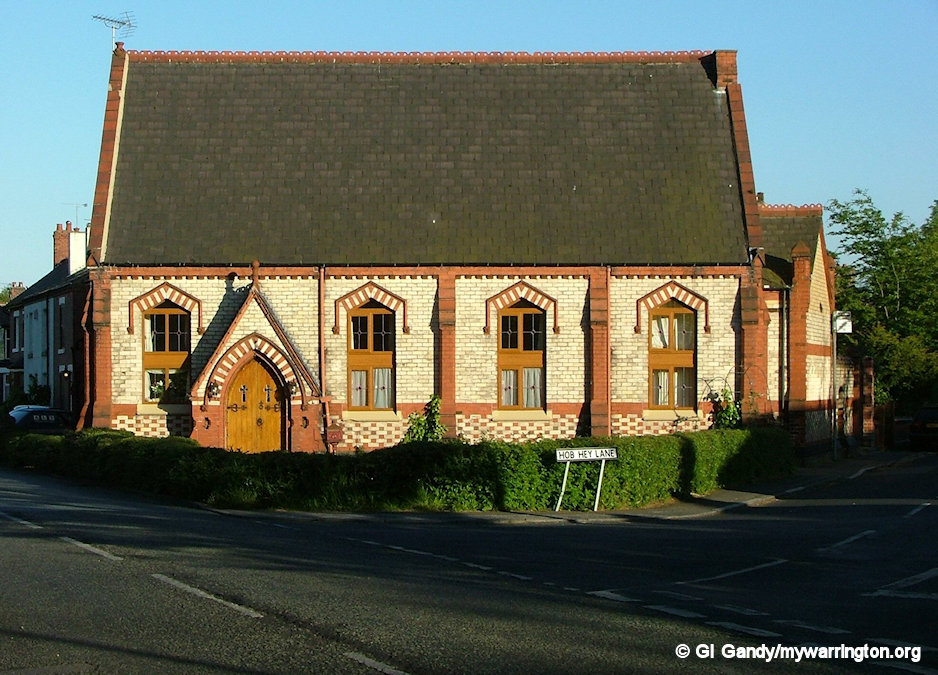
The former chapel on Hob Hey Lane was built in 1848 and could seat 160 worshippers.
It has now ben converted into a private dwelling.
See the My Primitive Methodist website for more information and the 1851 Census record showing how many worshippers there were on the day of the Census.
See the Warrington Guardian for photos of the converted interior at the time it was up for sale.
For more on Culcheth’s places of worship, see the Croft History website.
Pub Life
Leigh Golf Club
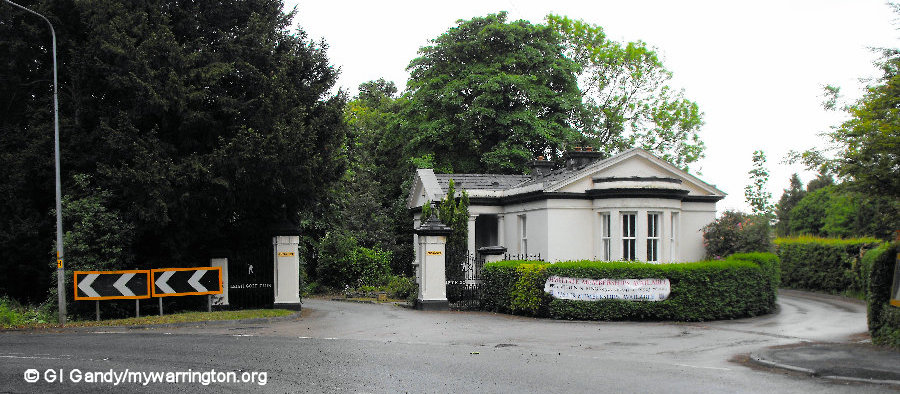
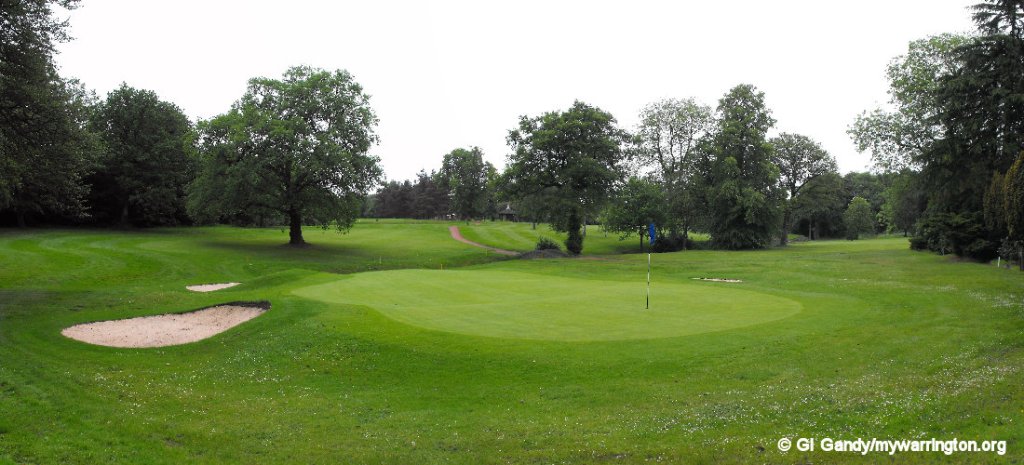
Leigh Golf Club started out in 1906 when a group of men purchased land alongside Kenyon Hall. At that time Kenyon Hall was known as Kenyon Junction Hotel and is fact the clubhouse for the golf course. Prior to being the clubhouse, the building was used as a private school. It was granted Grade II Listed Building status on 22 August 1983.
See Leigh Golf Club website for the rest of the story where you can also see photos of the hall.
See also Historic England for a description of the hall.
And if you are wondering why Leigh Golf Club is located in Culcheth, it’s because before the local boundary changes in 1974 Culcheth came under Leigh for administration purposes.
My photos were taken on 20 May 2011.
Culcheth (Daten) Sports Club
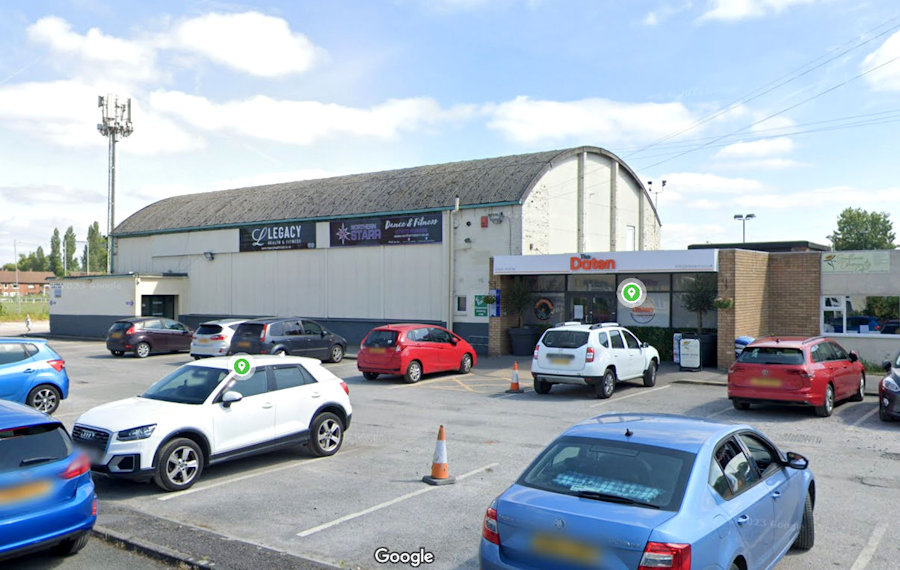
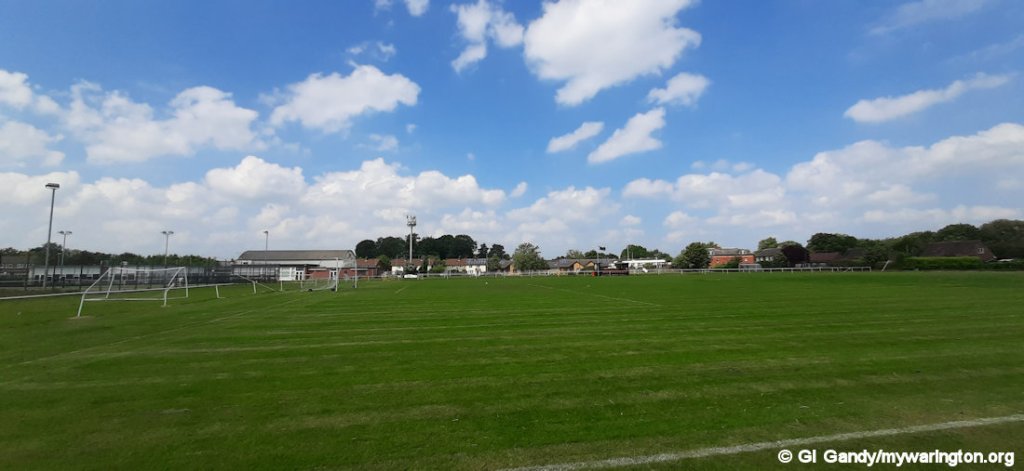
Daten Sports Club Found in the heart of Culcheth, the Daten was built in the 1940s as a social space for the employees of the UK Atomic Energy Authority, before being sold to the community. The name Daten is taken from Department of Atomic Energy.
Culcheth Sports Club (Daten)
HS2
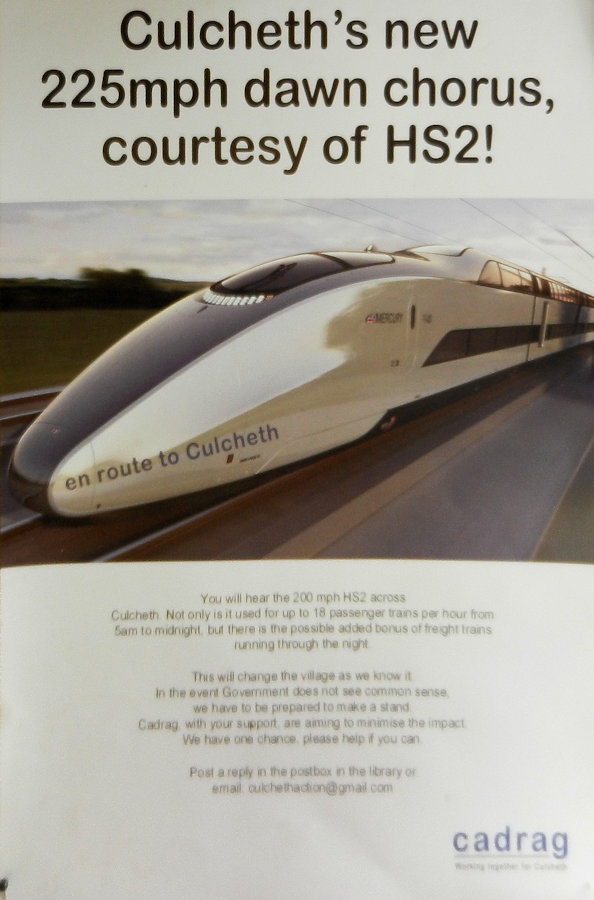
One of the most controversial talking points in recent times in the village was the High Speed 2 rail route.
In 2009, the Department for Transport (DfT) under the Labour government proposed to assess the case for a second high-speed line, which was to be developed by a new company, High Speed Two Limited (HS2 Ltd).
In December 2010, following a review by the Conservative–Liberal Democrat coalition a route was proposed, subject to public consultation, based on a Y-shaped route from London to Birmingham with branches to Leeds and Manchester, as originally put forward by the previous Labour government with alterations designed to minimise the visual, noise, and other environmental impacts of the line
In January 2012, the Secretary of State for Transport announced that HS2 would go ahead in two phases and the legislative process would be achieved through two hybrid bills. The High Speed Rail (London – West Midlands) Act 2017, authorising the construction of Phase 1, passed both Houses of Parliament and received Royal Assent in February 2017.
A Phase 2a High Speed Rail (West Midlands – Crewe) Bill, seeking the power to construct Phase 2 as far as Crewe and to make decisions on the remainder of the Phase 2b route, was introduced in July 2017. Phase 2a received royal assent in February 2021. The High Speed Rail (Crewe – Manchester) Bill for Phase 2b is currently paused before Parliament.
On 21 August 2019, the DfT ordered an independent review of the project. The review was published by the DfT on 11 February 2020, alongside a statement from the Prime Minister confirming that HS2 would go ahead in full, with reservations. On 15 April 2020, formal approval was given to construction companies to start work on the project.
In July 2023 the Infrastructure Projects Authority annual report gave Phases 1 and 2A project a “red” rating, meaning “Successful delivery of the project appears to be unachievable”.
In October 2023, Prime Minister Rishi Sunak announced at the Conservative Party conference that Phase 2 would be abandoned.
Sunak said the £36 billion saved by not building the northern leg of HS2 would instead be spent on roads, buses, and railways in every region of the country, under the title Network North.
The north west section will include a new link from Liverpool to Manchester Airport and Manchester via Warrington Bank Quay. A new station at Warrington would become the only hub station for the new Northern Powerhouse line, taking passengers to the likes of Manchester, Liverpool and Leeds quicker than ever.
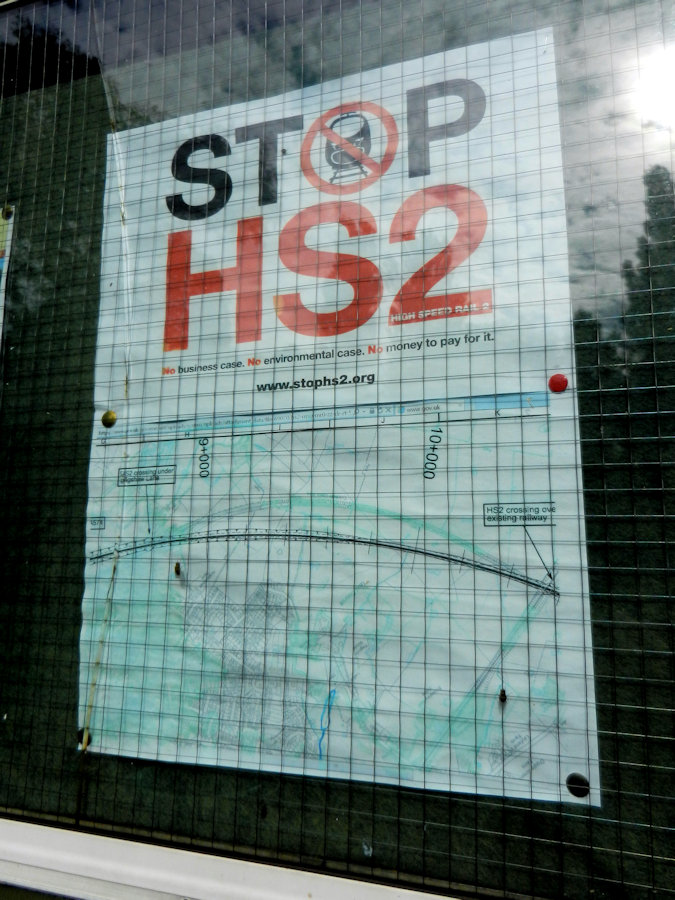
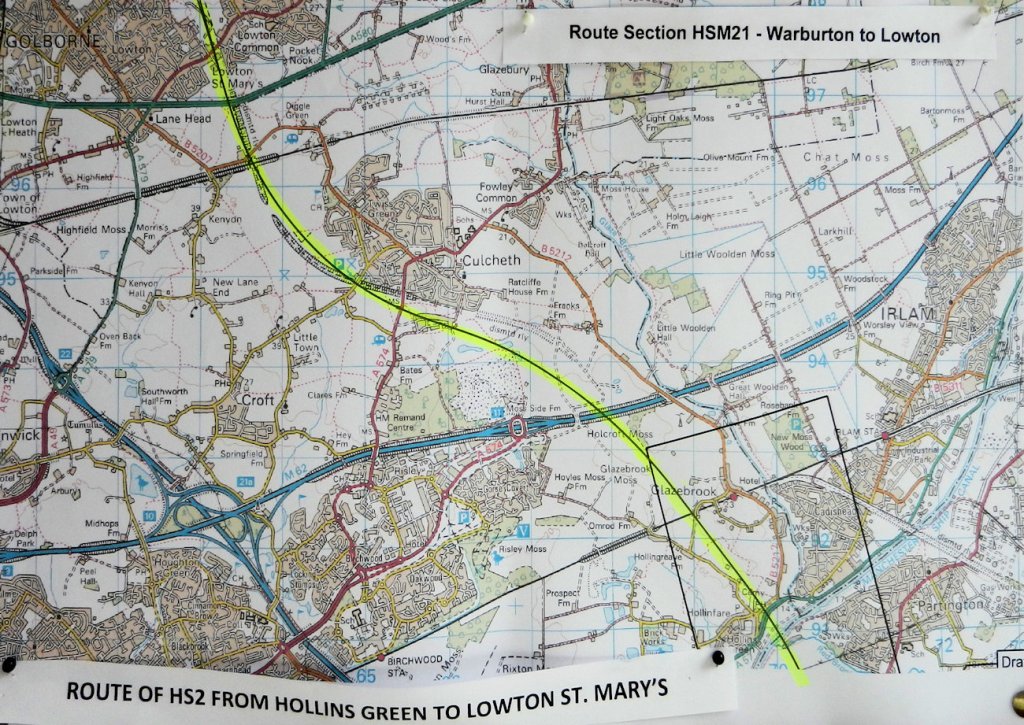
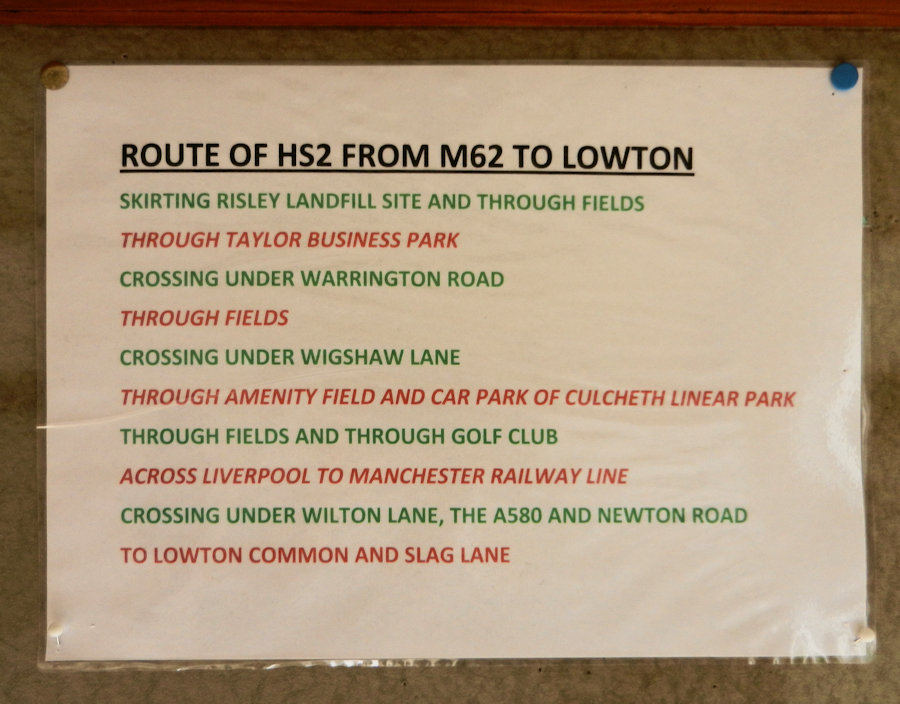
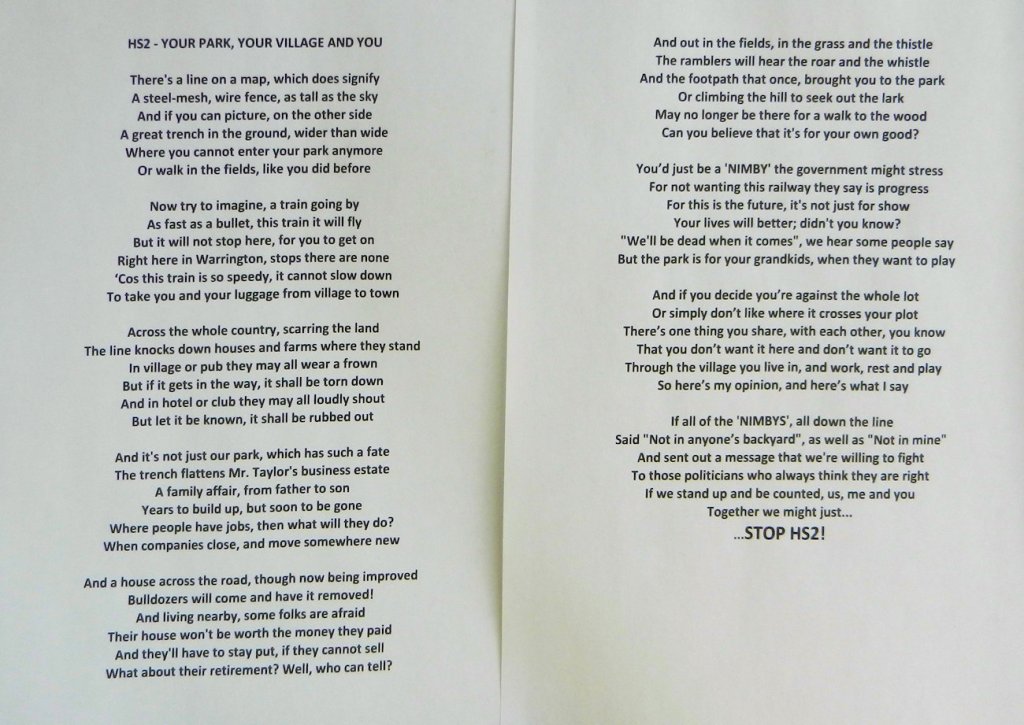
The original HS2 route from Crewe to Manchester raised lots of questions from the Culcheth community. On the one hand there were the positives of investing in the future of rail services, but on the other lots of land, homes and business in the area would have been lost for a railway that didn’t stop in Warrington, never mind the village itself.
A campaign website set up in 2013 is still online. See Stop HS2.
I don’t know who wrote the following poem but I will be happy to add a credit to the copyright owner.
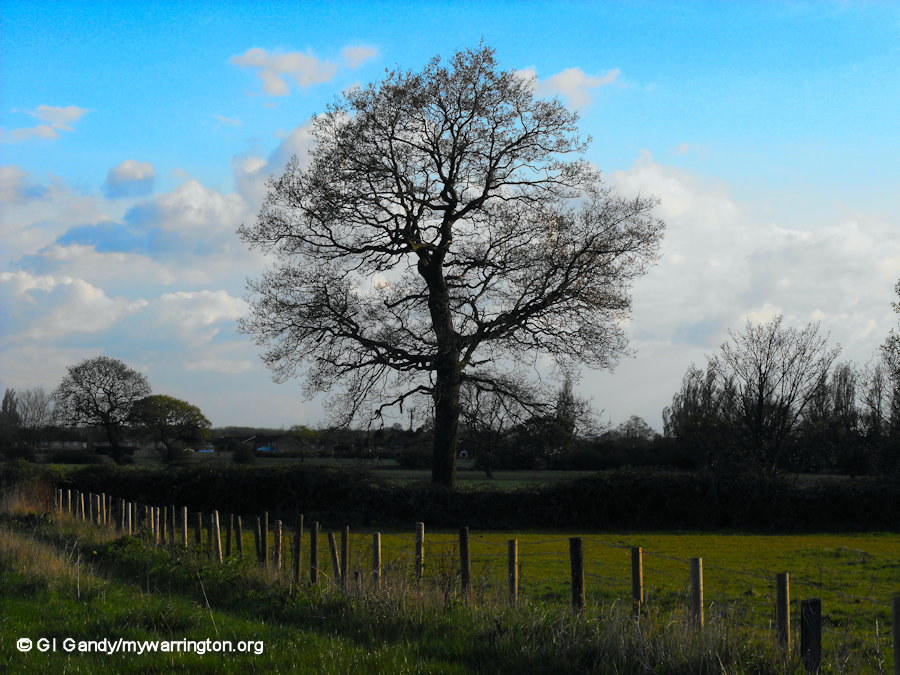
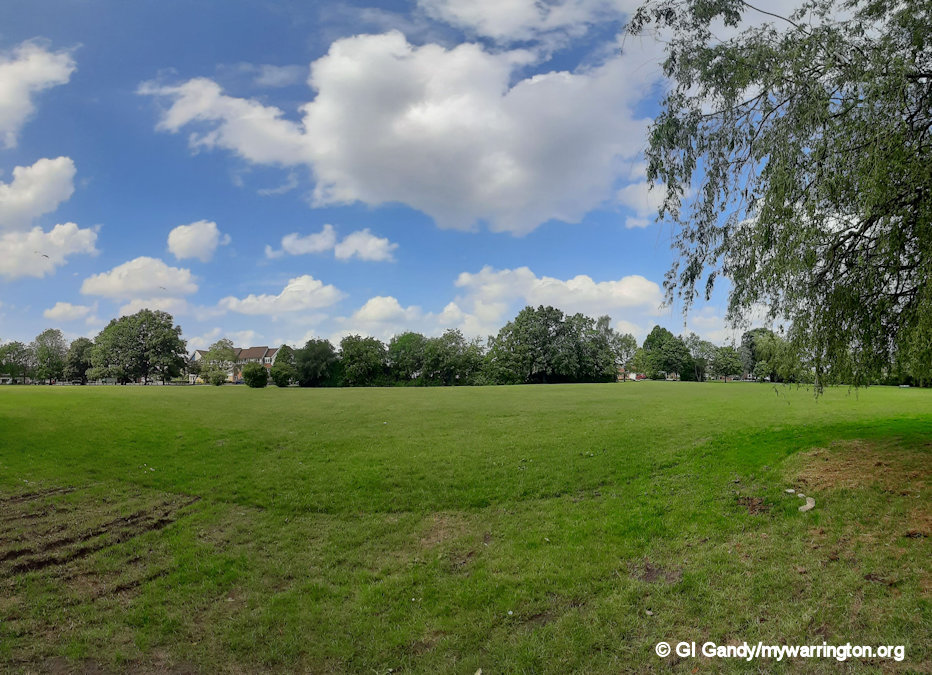
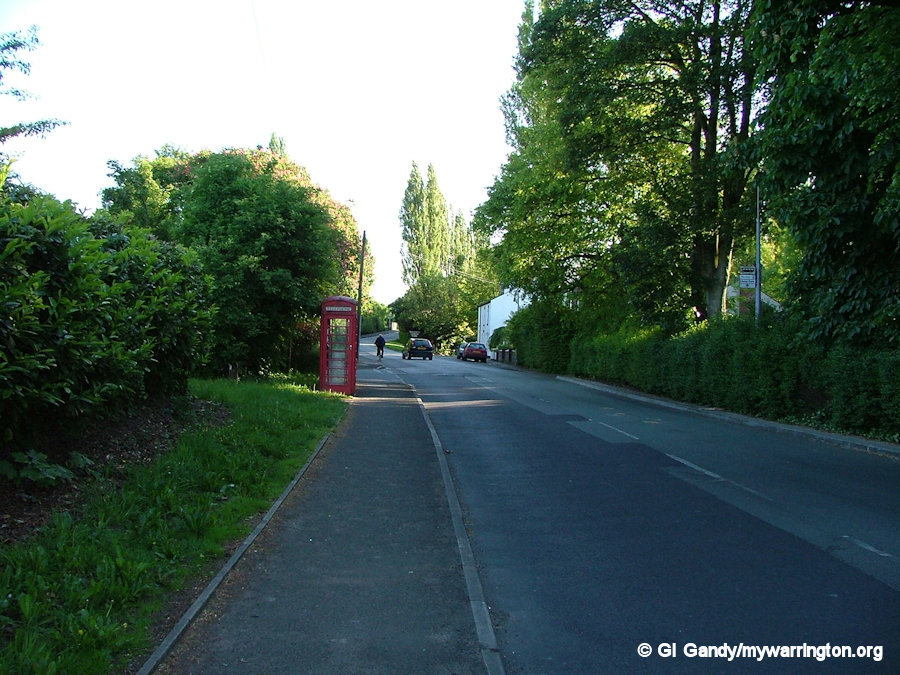
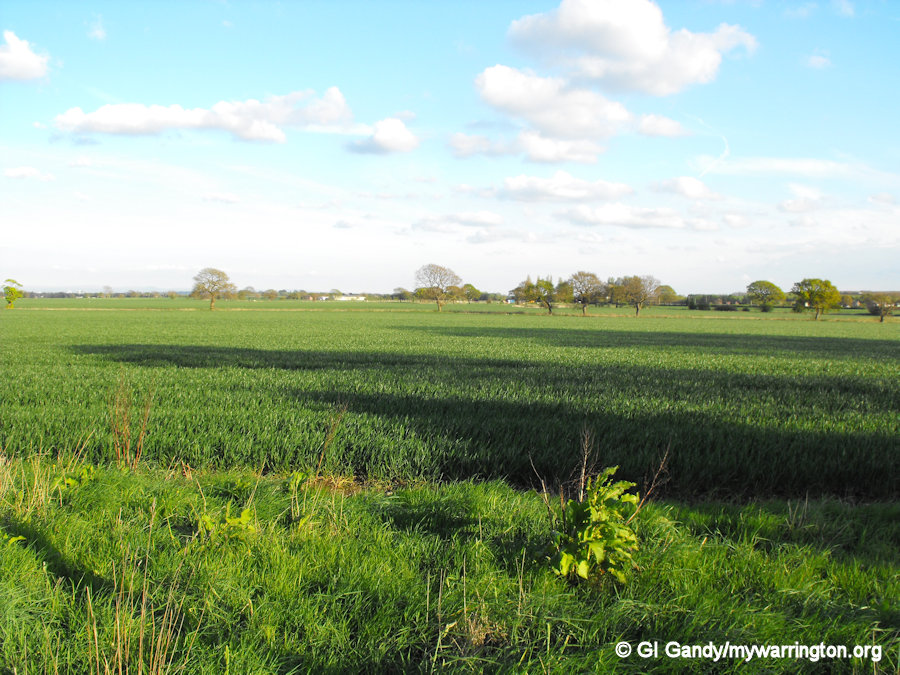
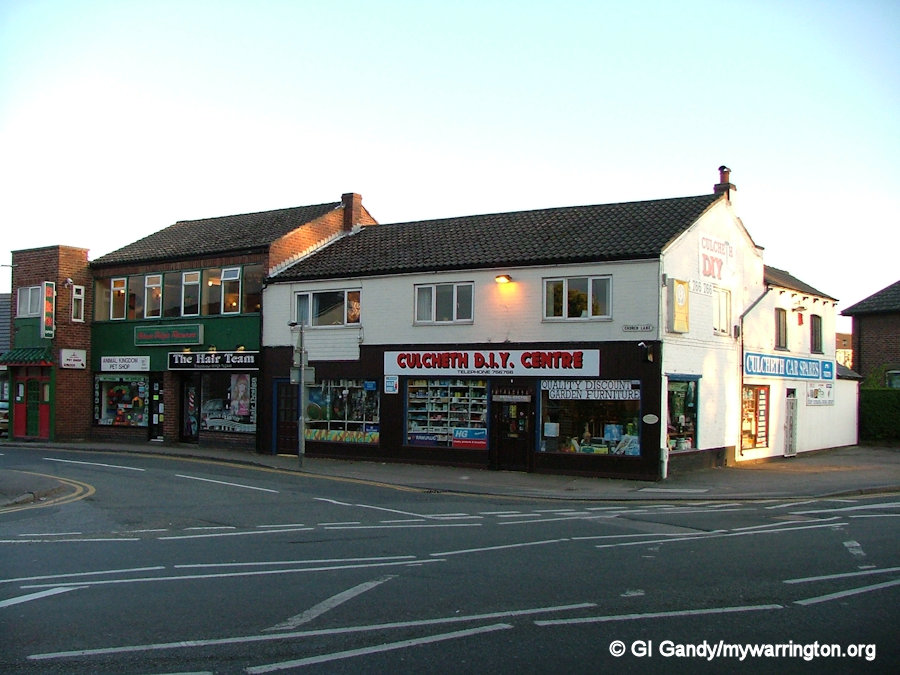
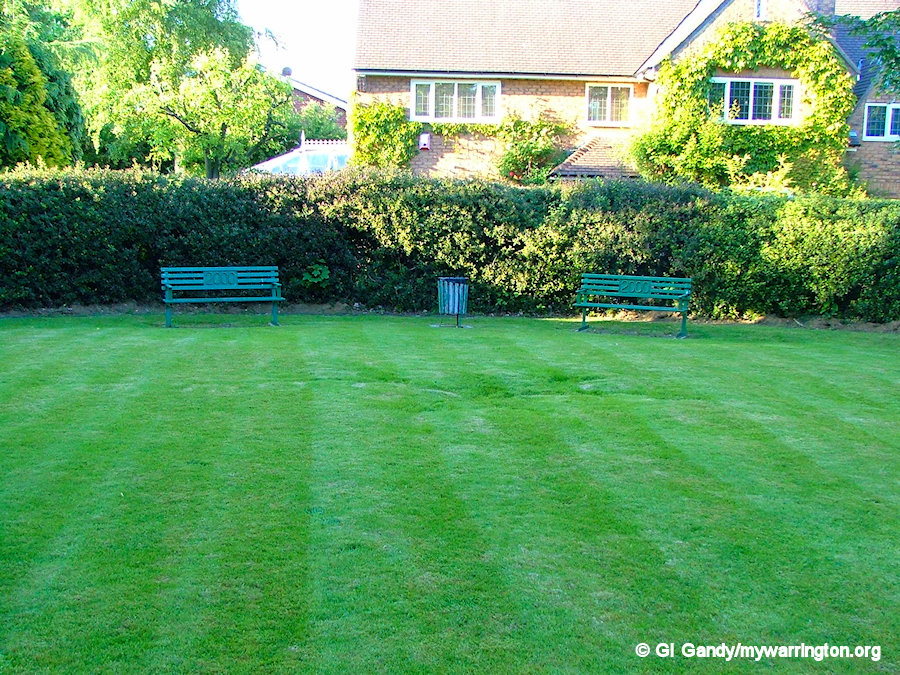
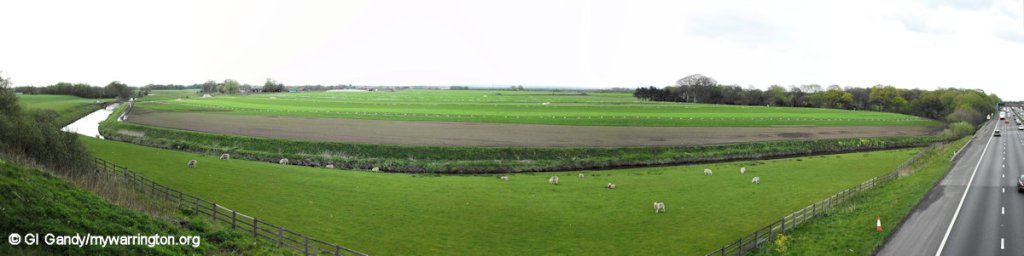
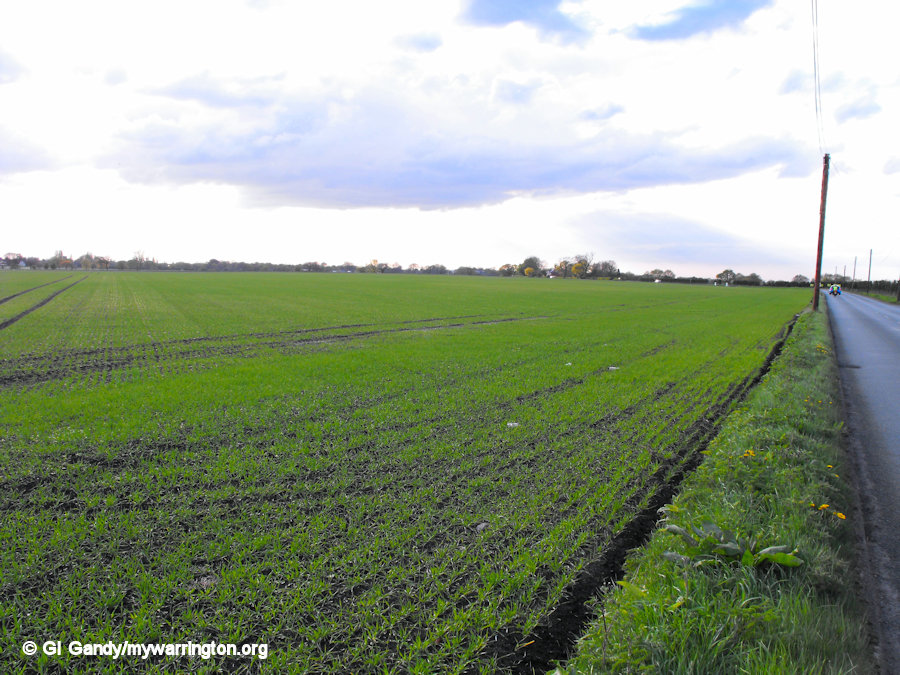
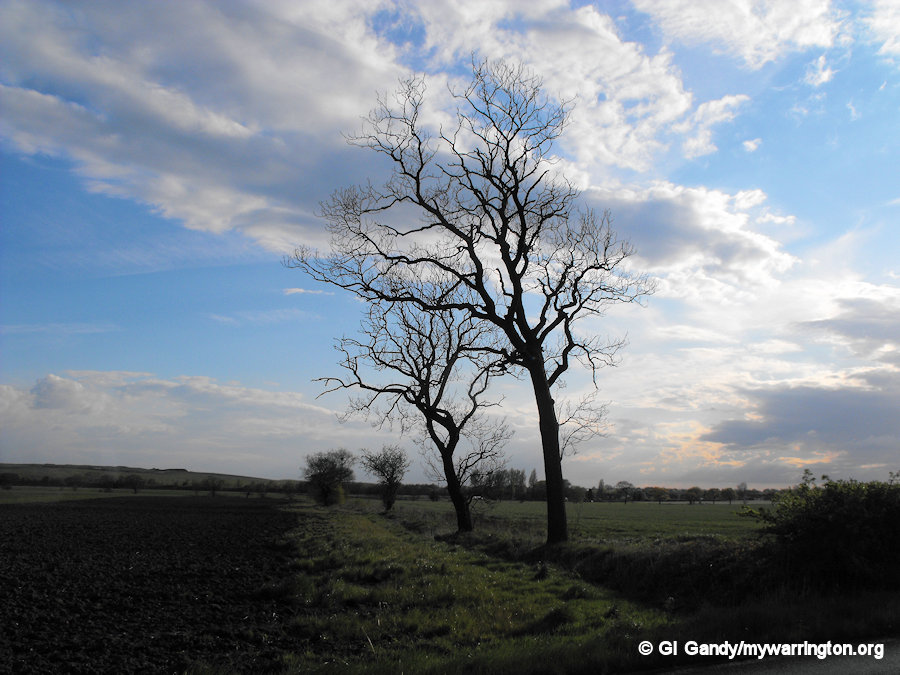
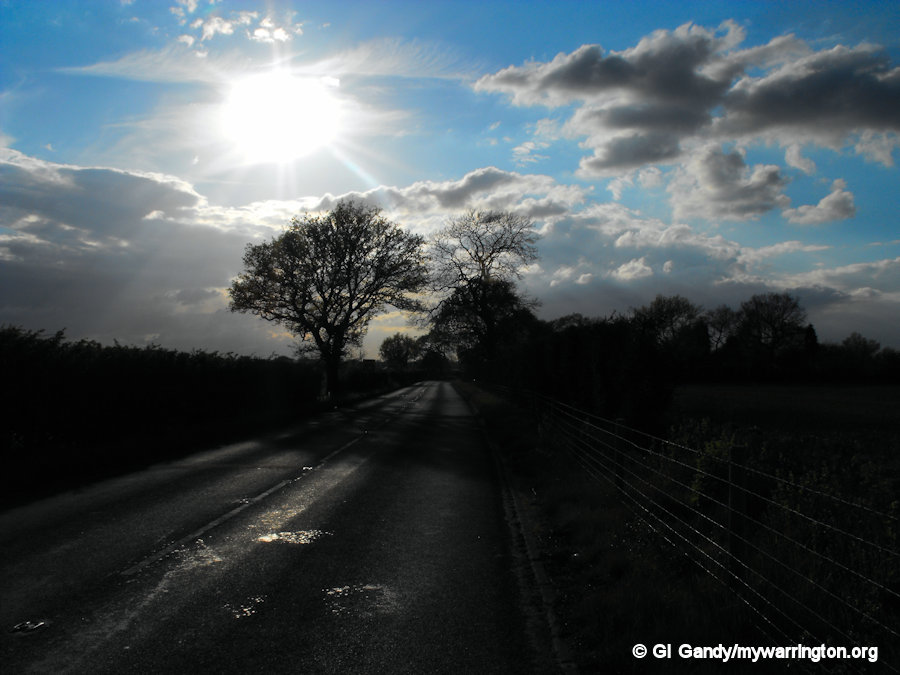
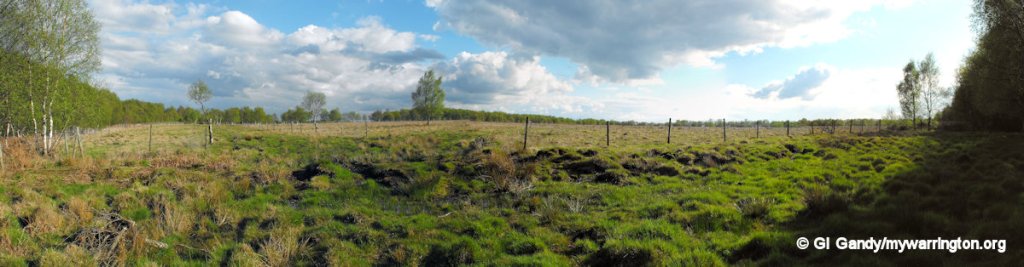
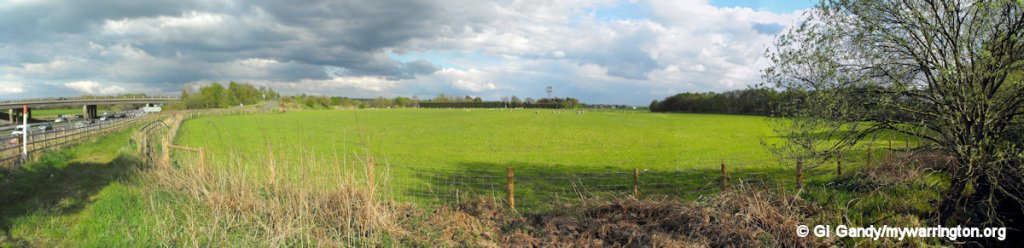
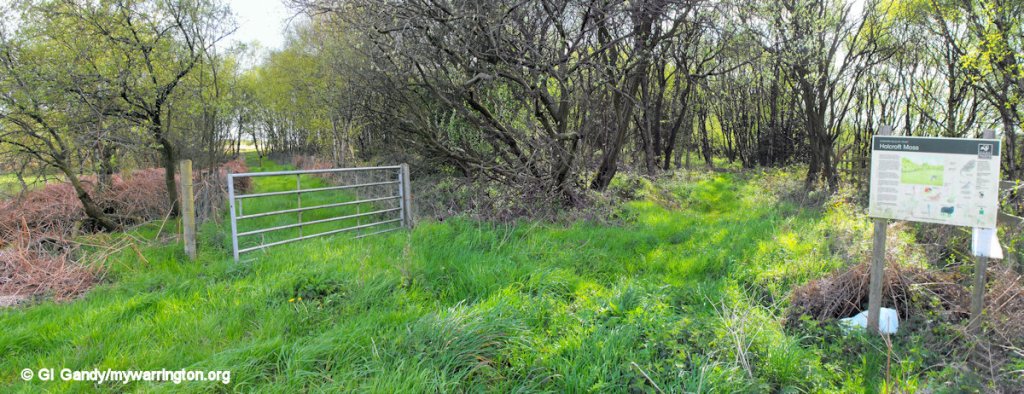
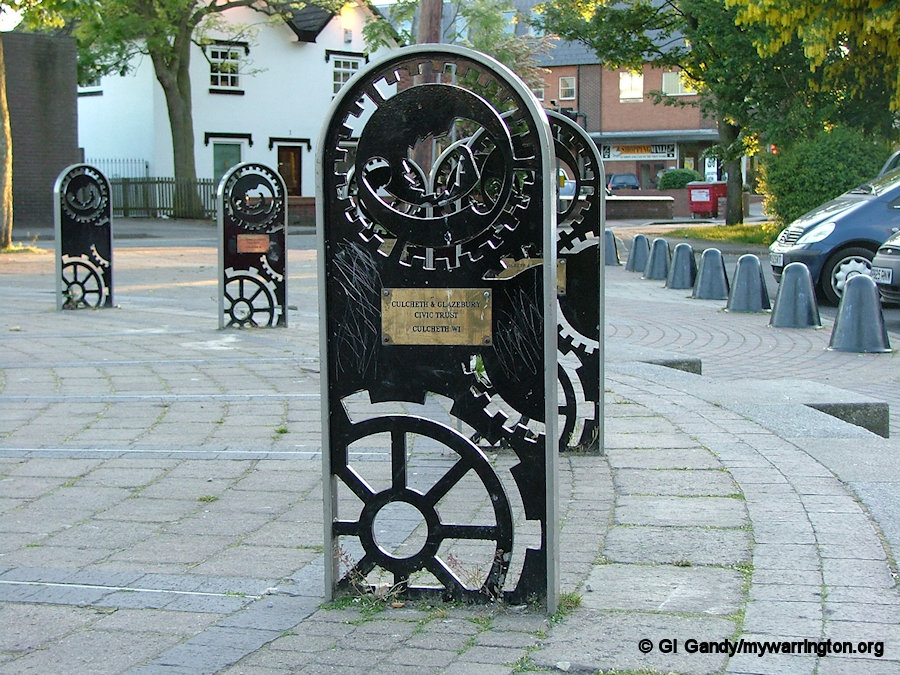
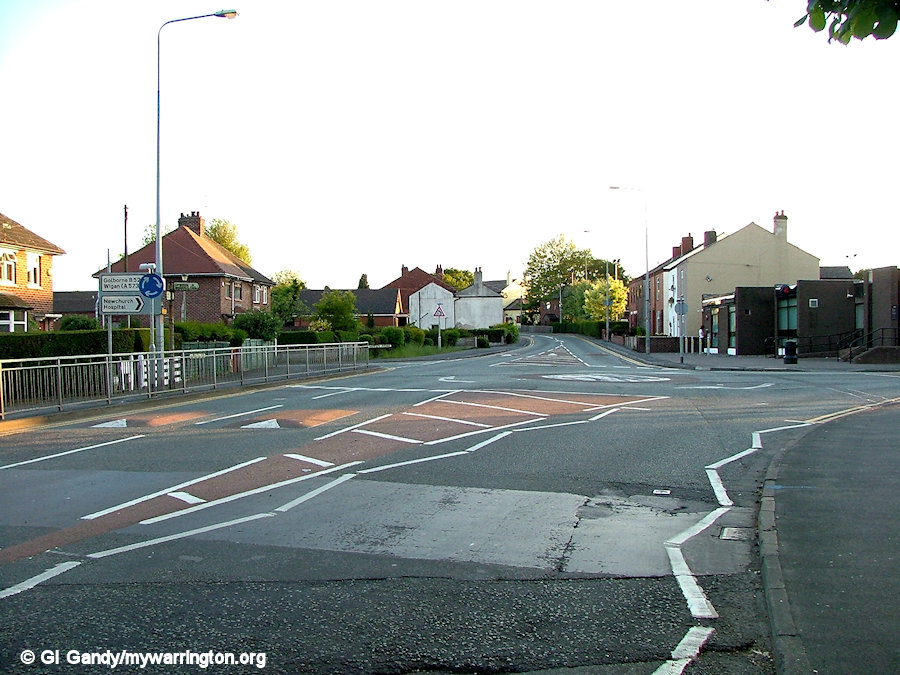
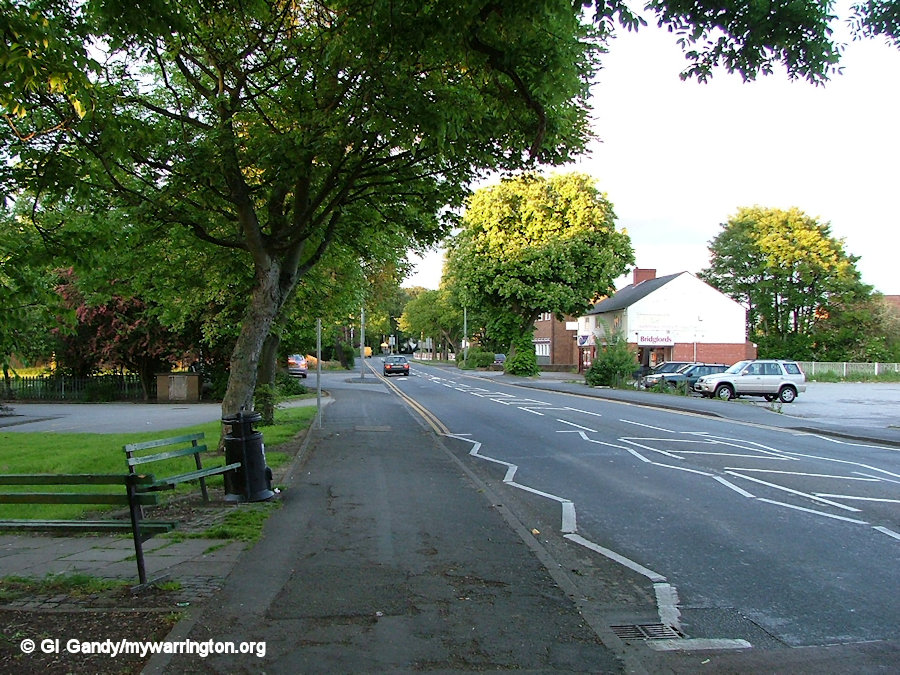
Scenes from around the village
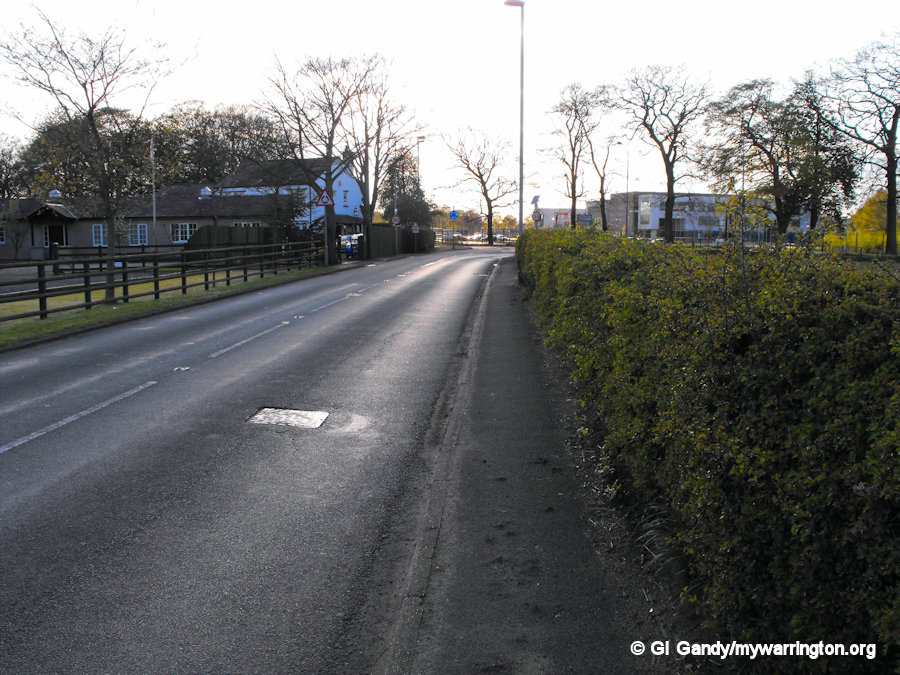
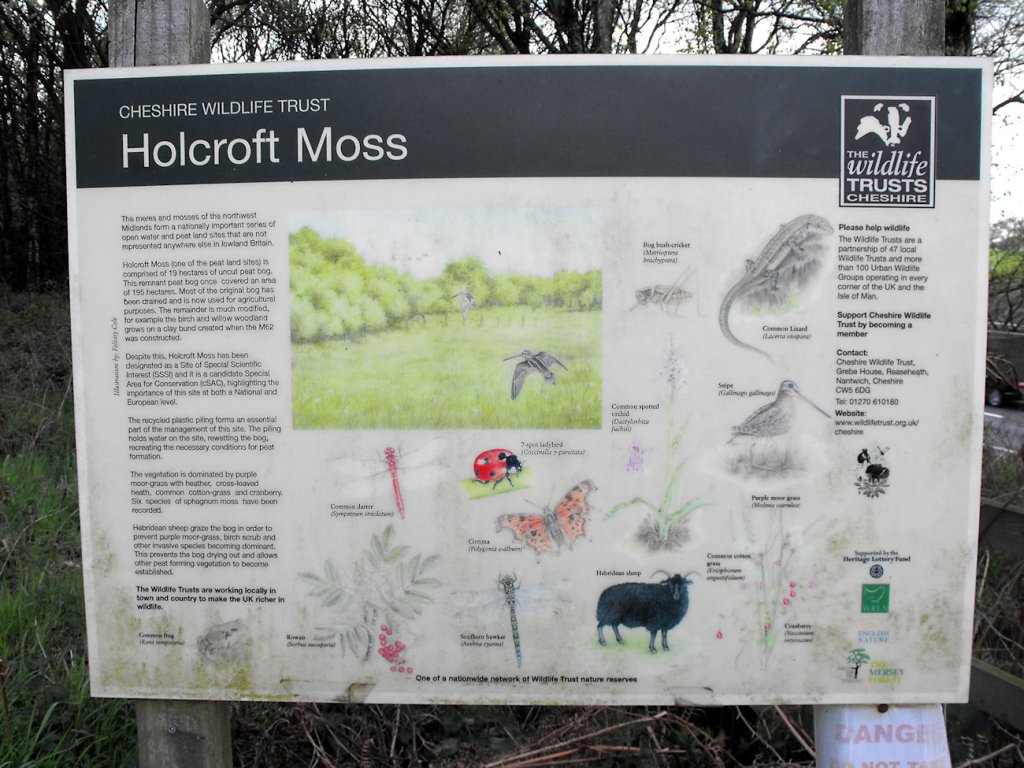
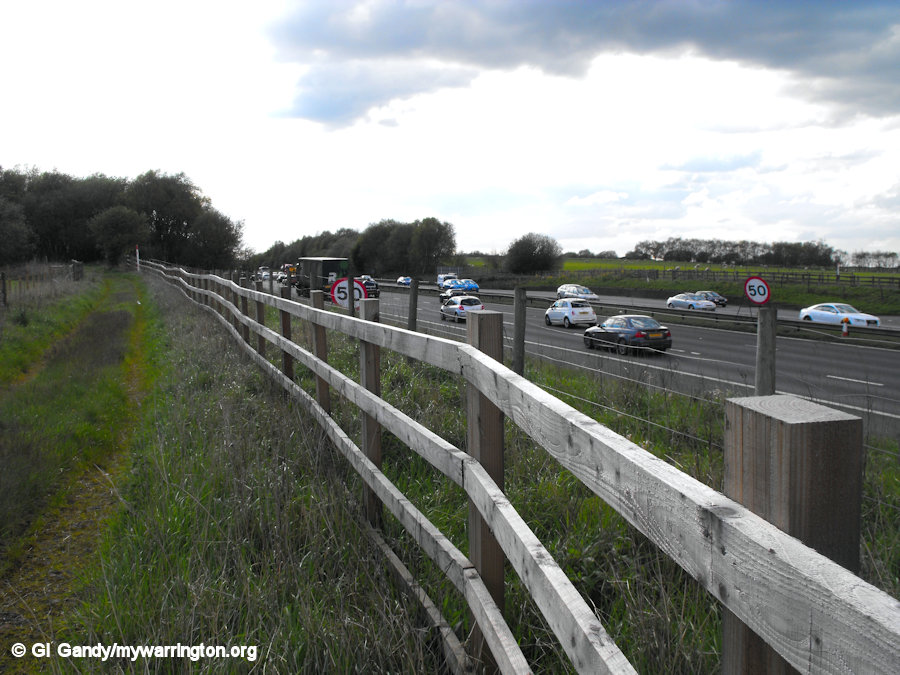
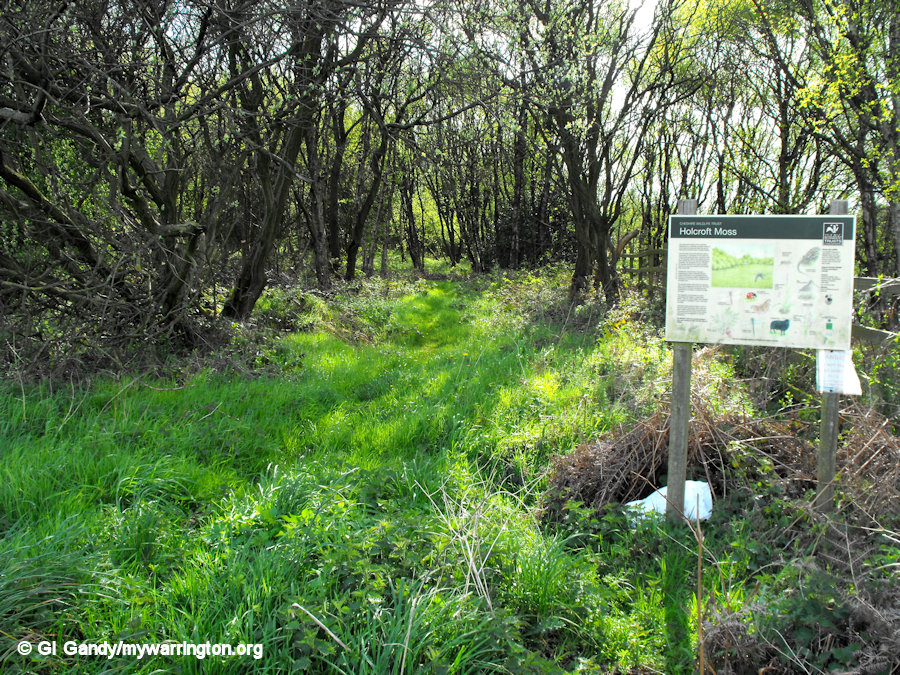
 mywarrington