

In 1870-72, John Marius Wilson’s Imperial Gazetteer of England and Wales described Hatton like this:
HATTON, a township in Runcorn parish, Cheshire; near the Bridgewater canal and the Grand Junction railway, 3 miles NNW of Frodsham. Acres, 1, 020. Real property, £2, 783; of which £52 are in quarries. Pop., 357. Houses, 79. The manor belongs to the Marquis of Cholmondeley.
GB Historical GIS / University of Portsmouth, History of Hatton, in Warrington and Cheshire | Map and description, A Vision of Britain through Time.
URL: https://www.visionofbritain.org.uk/place/1439
Date accessed: 22nd July 2024
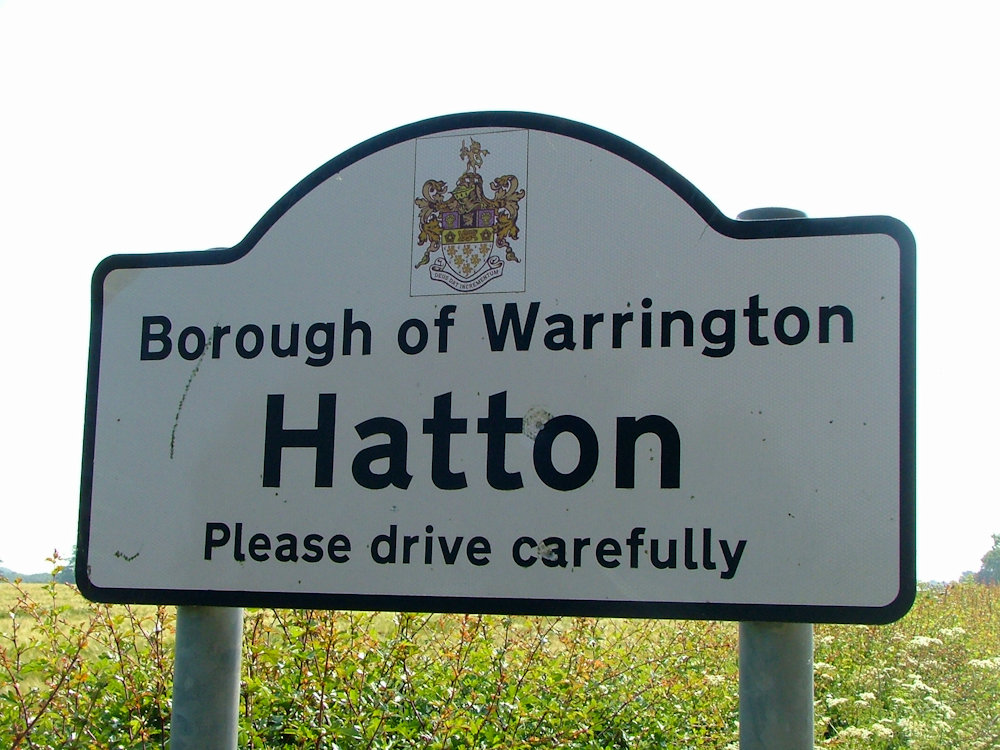
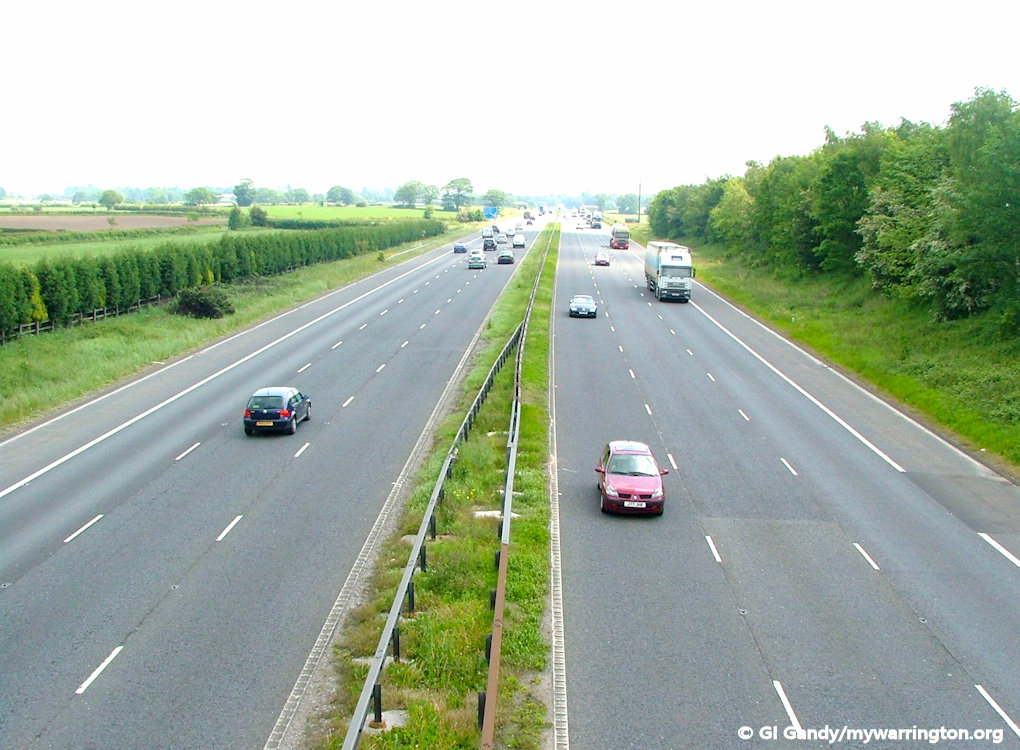
Hatton is a small village some four miles (6.5 km) south of Warrington town centre. It lies on the B5356 road between the villages of Daresbury and Stretton. The boundary sign for the south of the village is on Pillmoss Lane, close to Hatton Stables and Pillmoss Farm, south of the M56 motorway. Much of the district is occupied by farms and greenery. Until 1907 there were no houses along Hatton Lane.
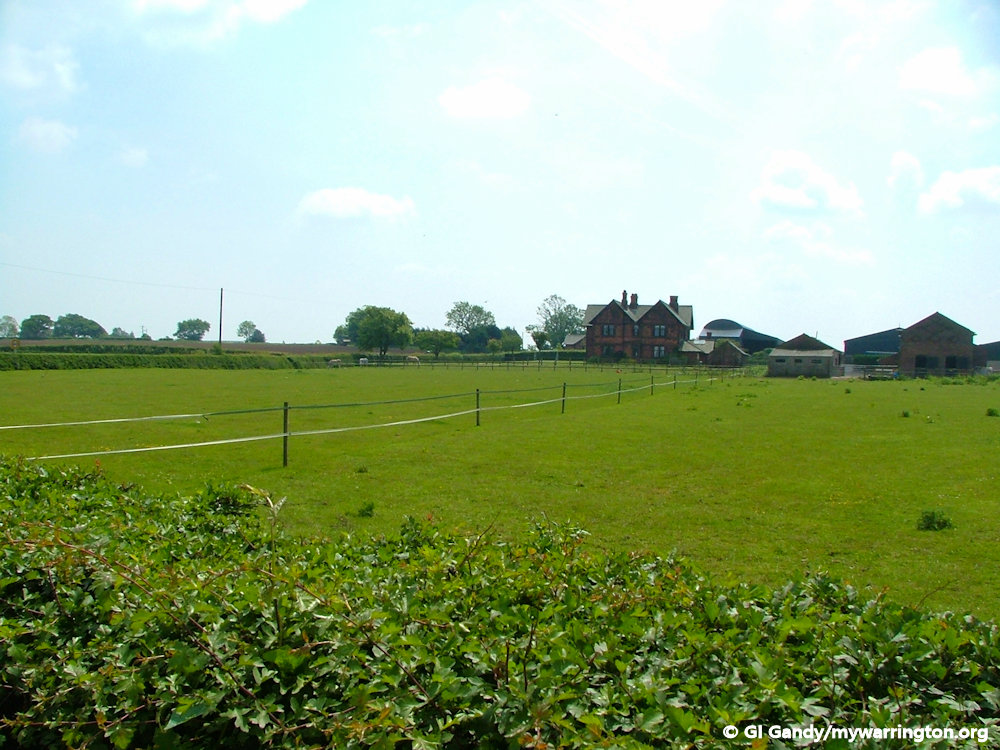
Also within the boundary is Owl’s Nest Wood alongside Owl’s Nest Farm on Summer Lane, south of the motorway. Rowswood Timber Mill is next to New House Farm on Hatton Lane. Other farms close to the village centre include Whitegate Farm, Hatton Lane Farm and Oaktree Farm (all on Hatton Lane), Greenside Farm on Goose Lane and Bluecoat Farm on Warrington Road.
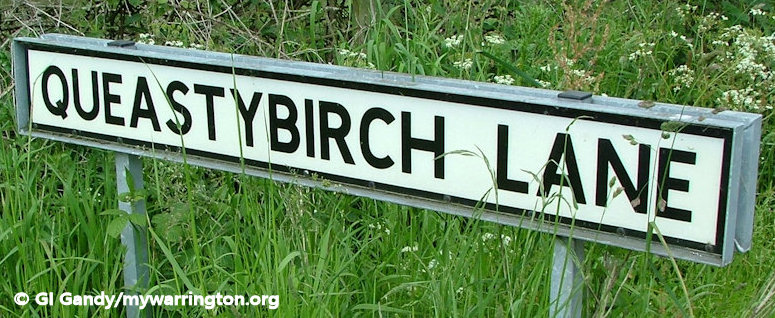
One road in the village has an unusual name, Queastybirch Lane. It is thought to be “qui” old norse for heifer and “stia” old norse for sty or pen) (birch is just birch).
Thanks to Warrington Museum for that snippet of information.
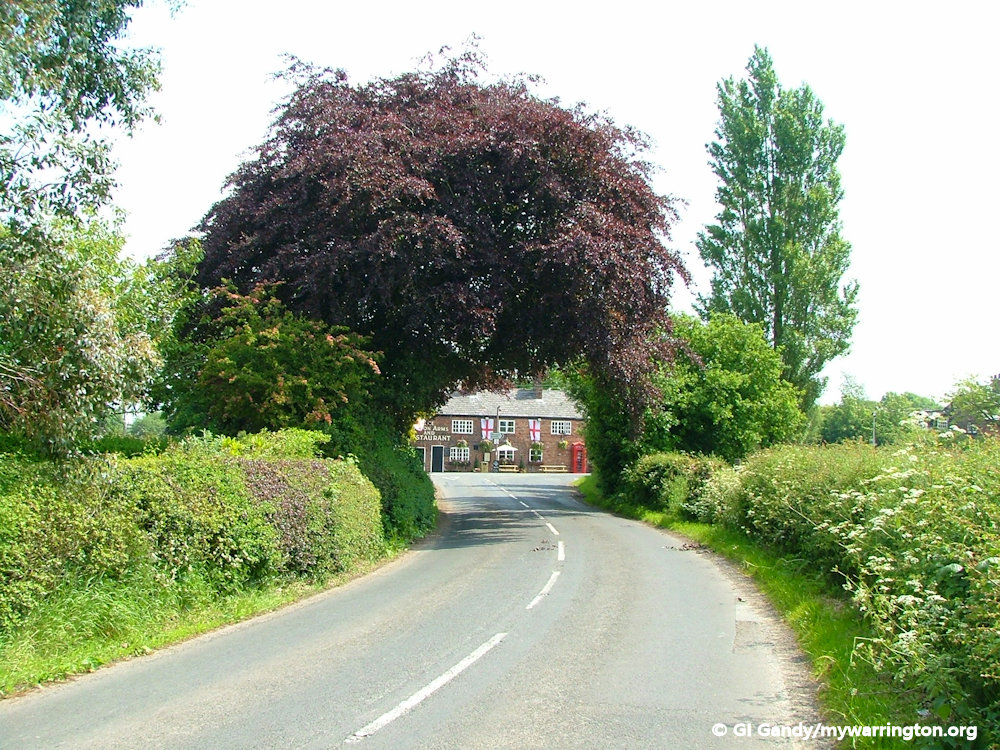
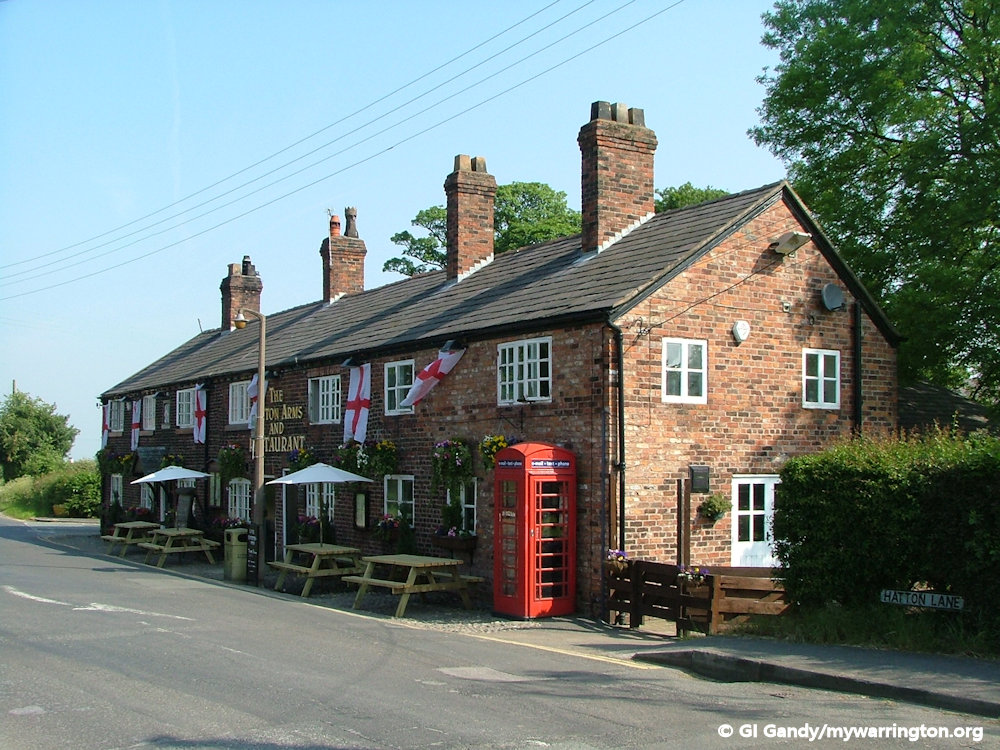
The Hatton Arms pub has also served as the post office and village store. It is shown on the 1888 map of the district and dates to before 1851. It is now a Grade II listed building.
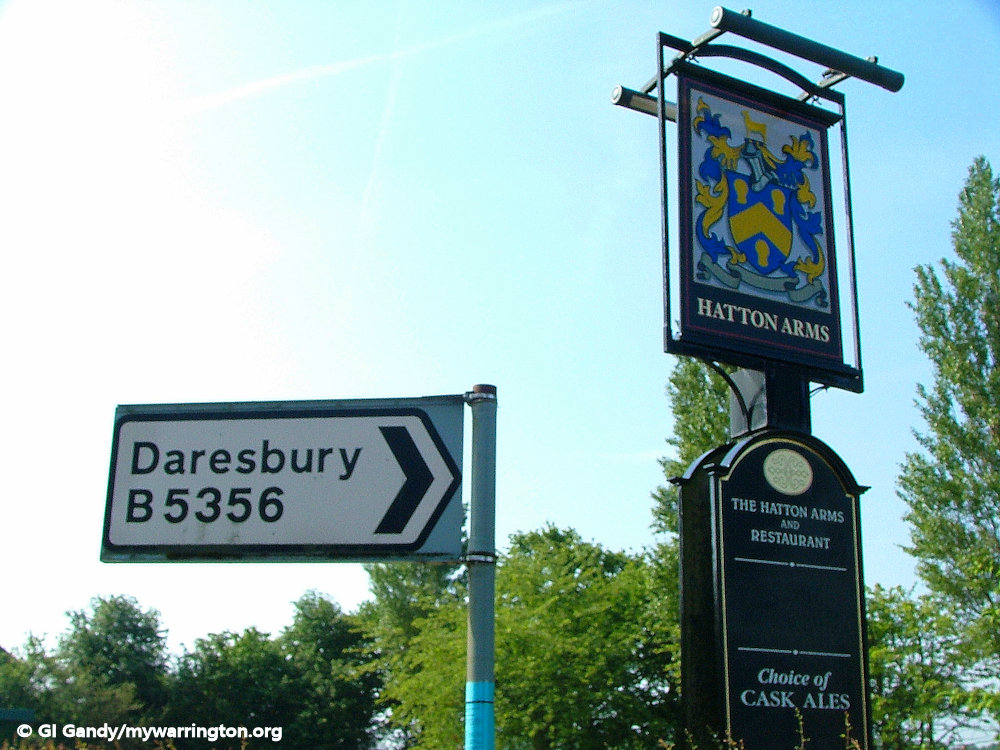
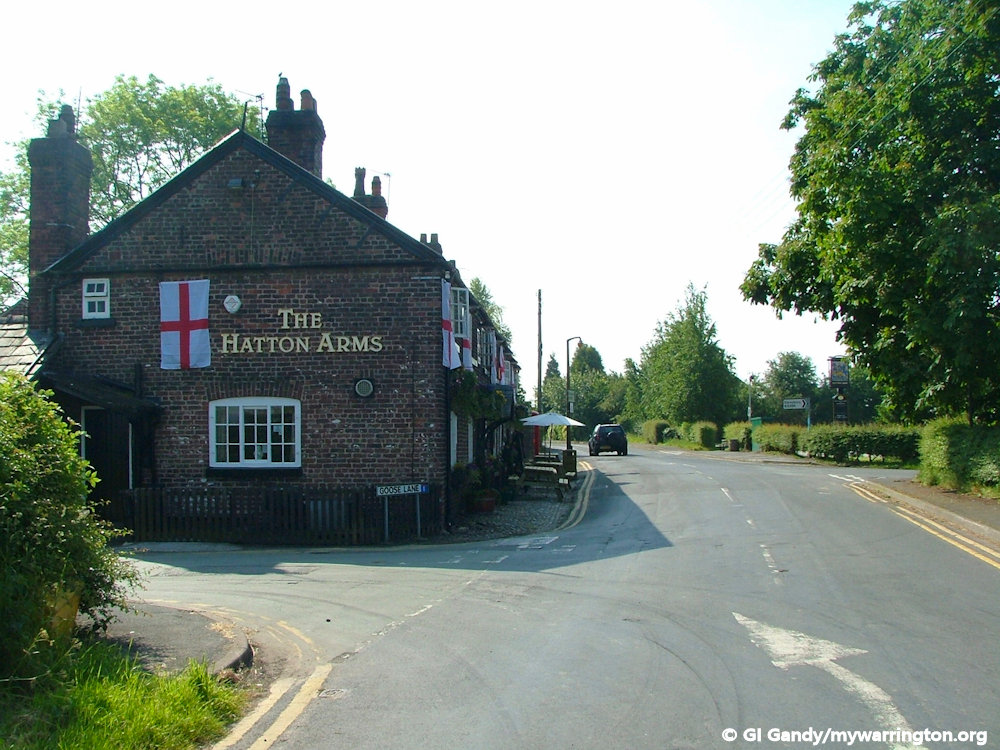
From the OS maps various buildings can be seen from the Victorian period.
The Wesleyan Methodist Church existed from c1875 to 1903 when the building was closed and the site sold.
There was also a Primitive Methodist Chapel in the village on Hatton Lane. A note on myprimitivemethodists.org.uk says the church was built in 1845 and the congregation in 1851 numbered 30 in the national Census.
And even if you haven’t asked the question, I will answer it for you by saying one reason for the difference in the two branches of the Methodist church is that Primitive Methodists branched out from the Wesleyan Methodist Church in 1811 after being expelled for holding open-air camp meetings. The leaders of Primitive Methodism, Hugh Bourne and William Clowes, wanted to recapture the revivalism of John Wesley’s ministry.
Hatton Hall was also on Warrington Road, parts of which date back to the 17th century.
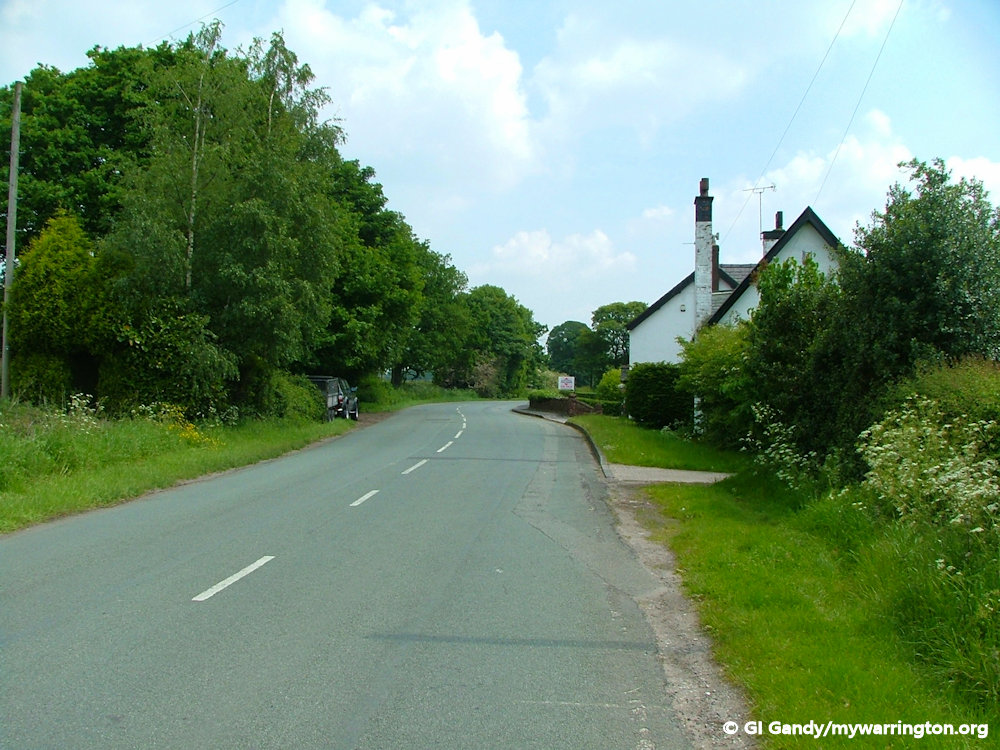
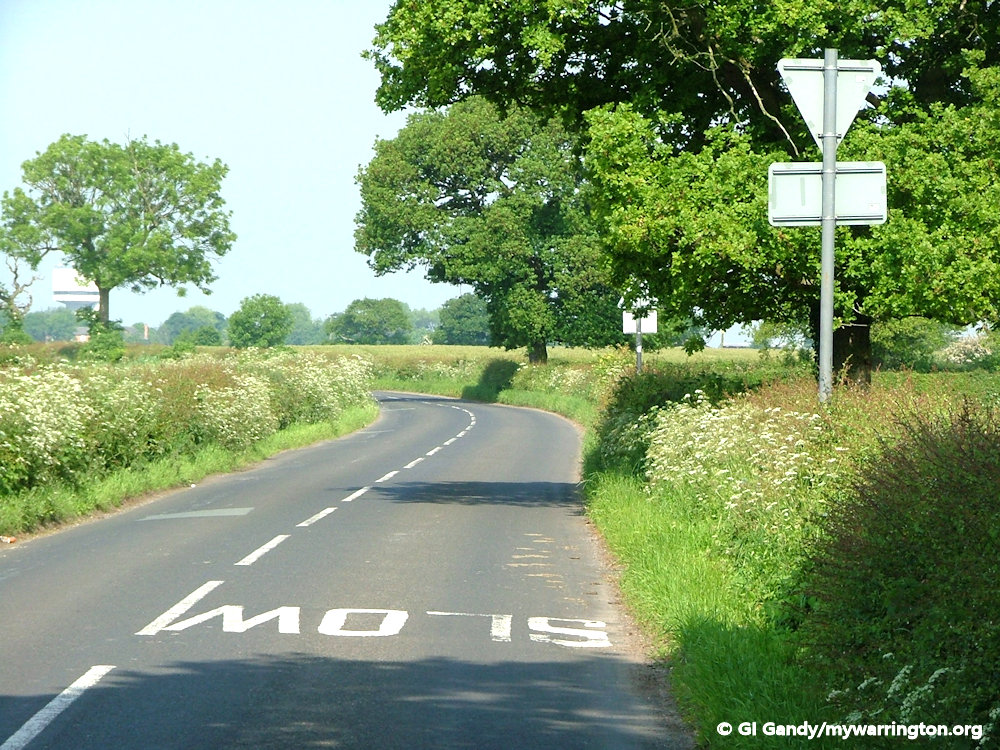
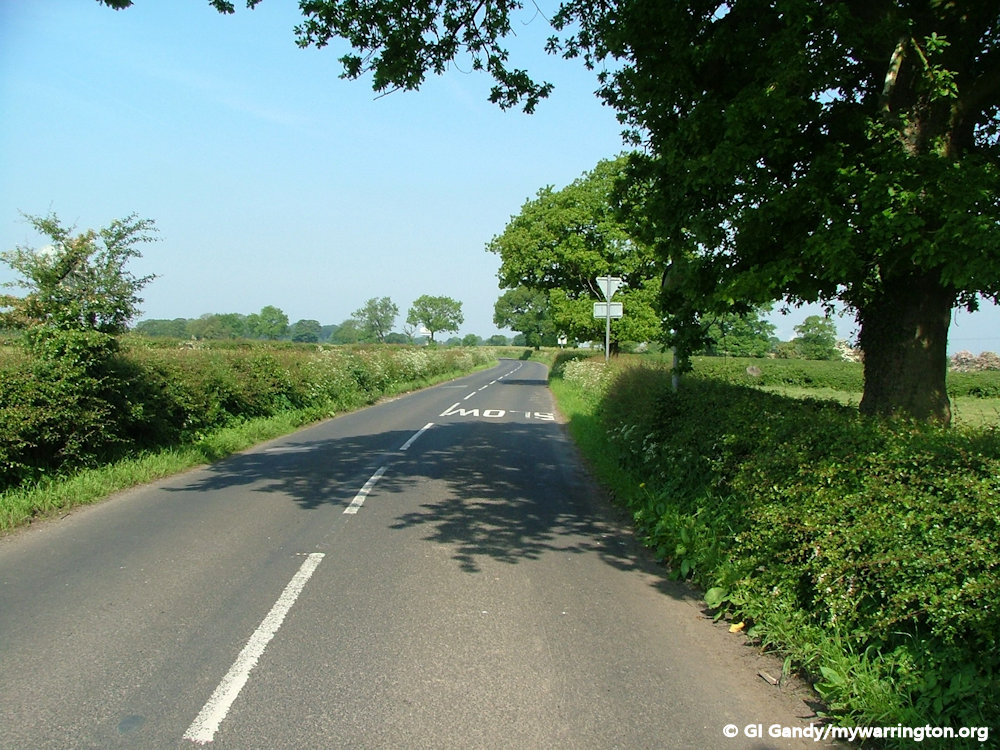
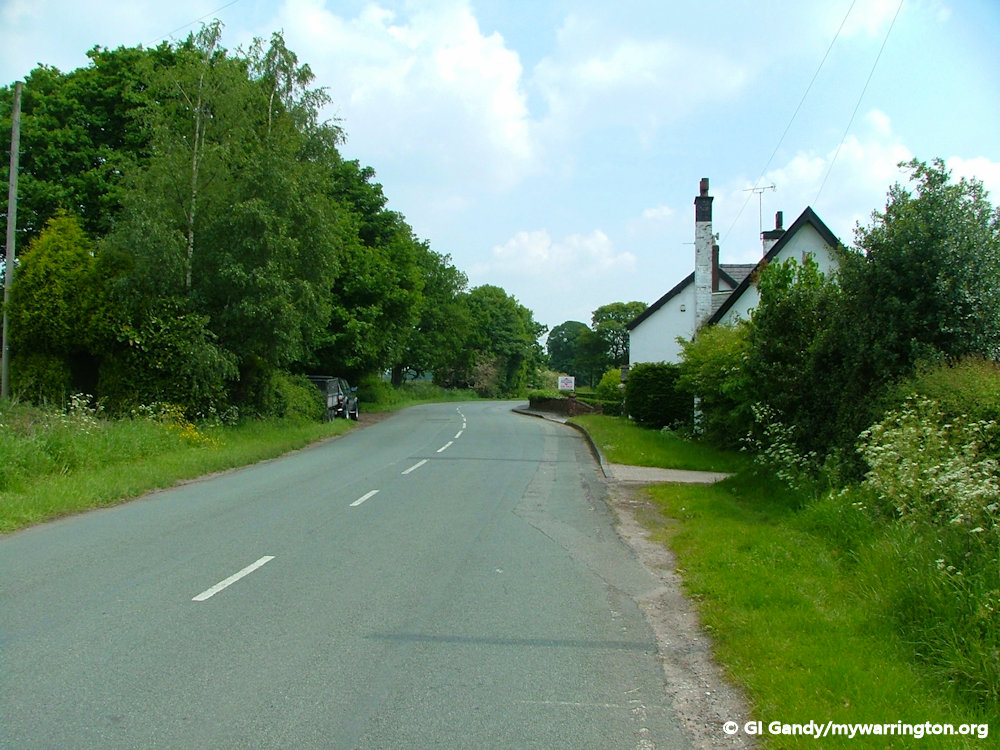
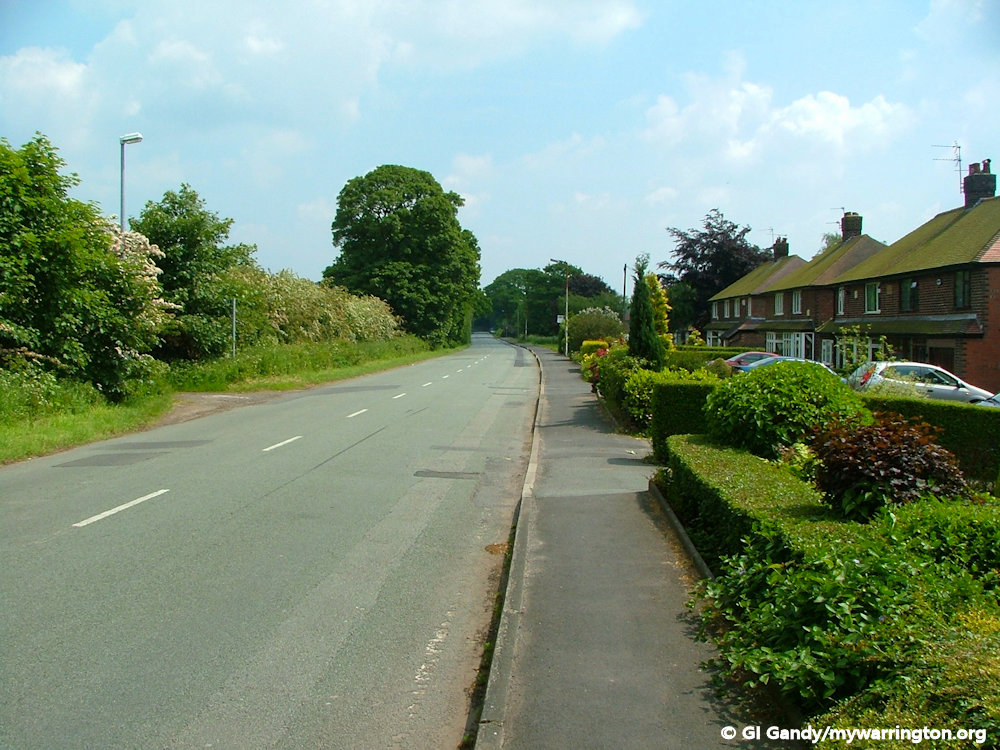
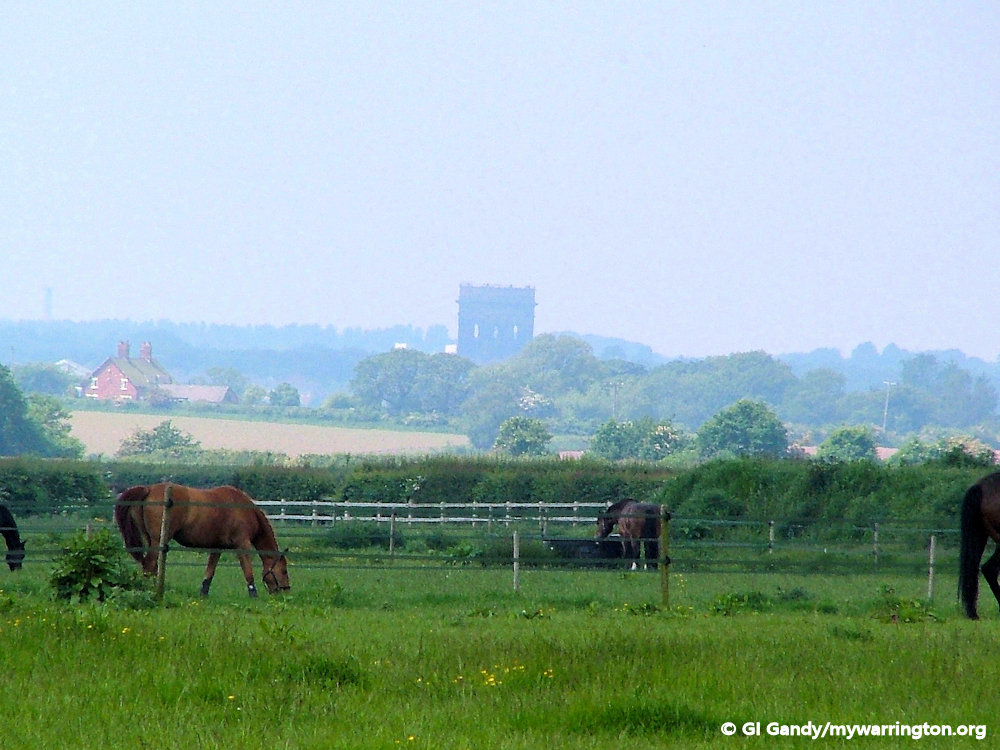
Hatton Lane 6 Jun 2006
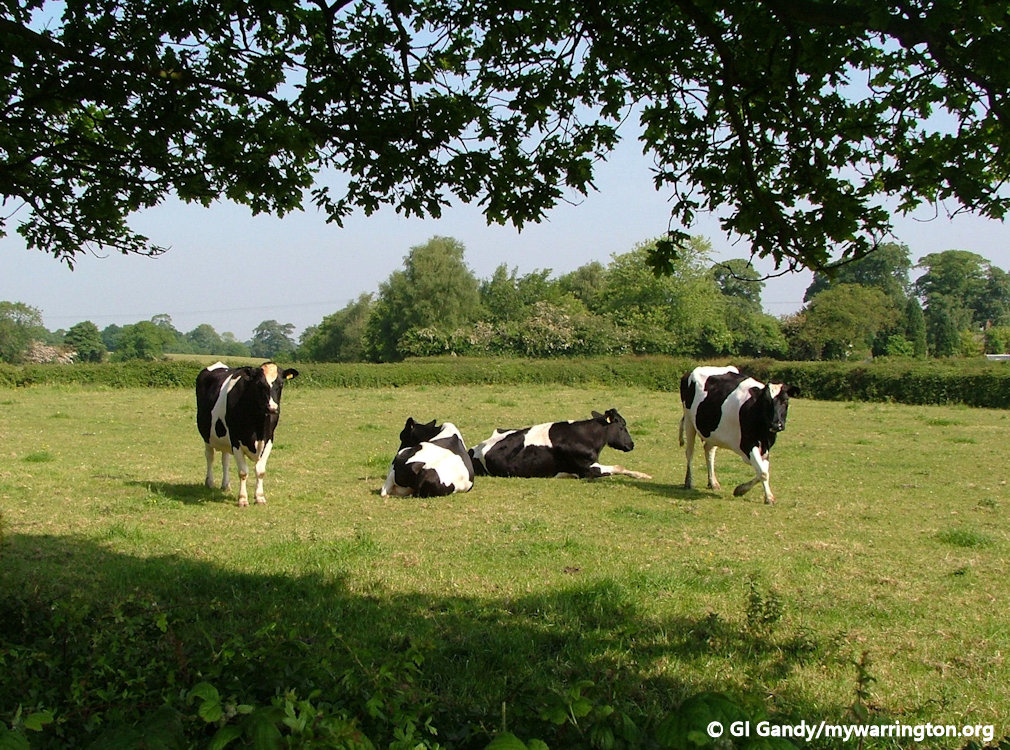
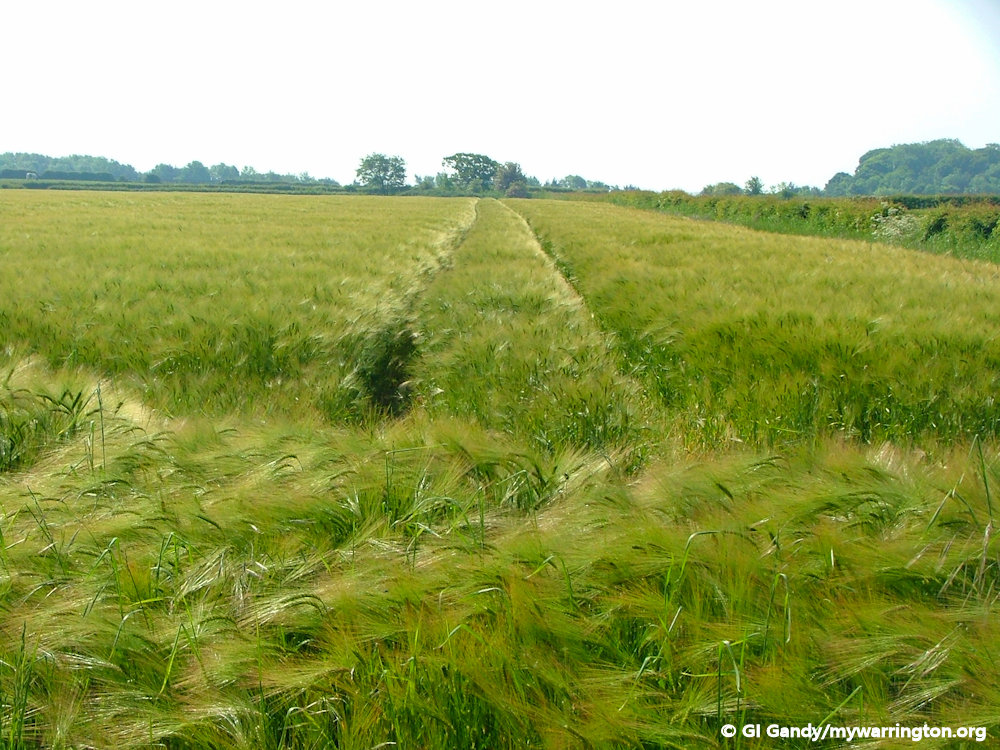
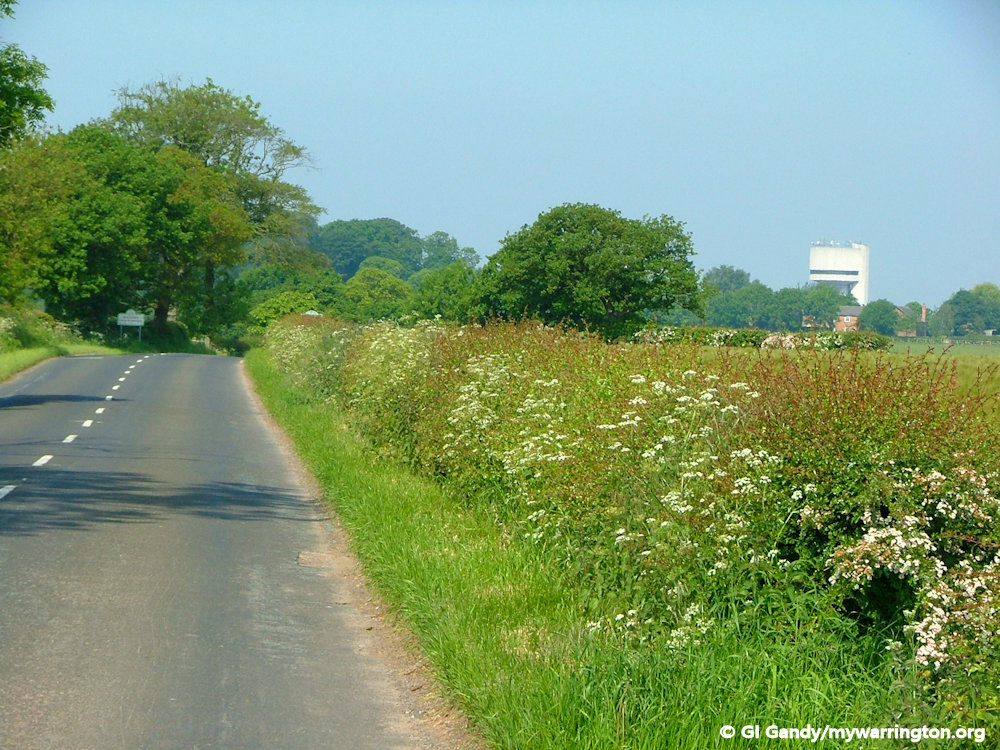
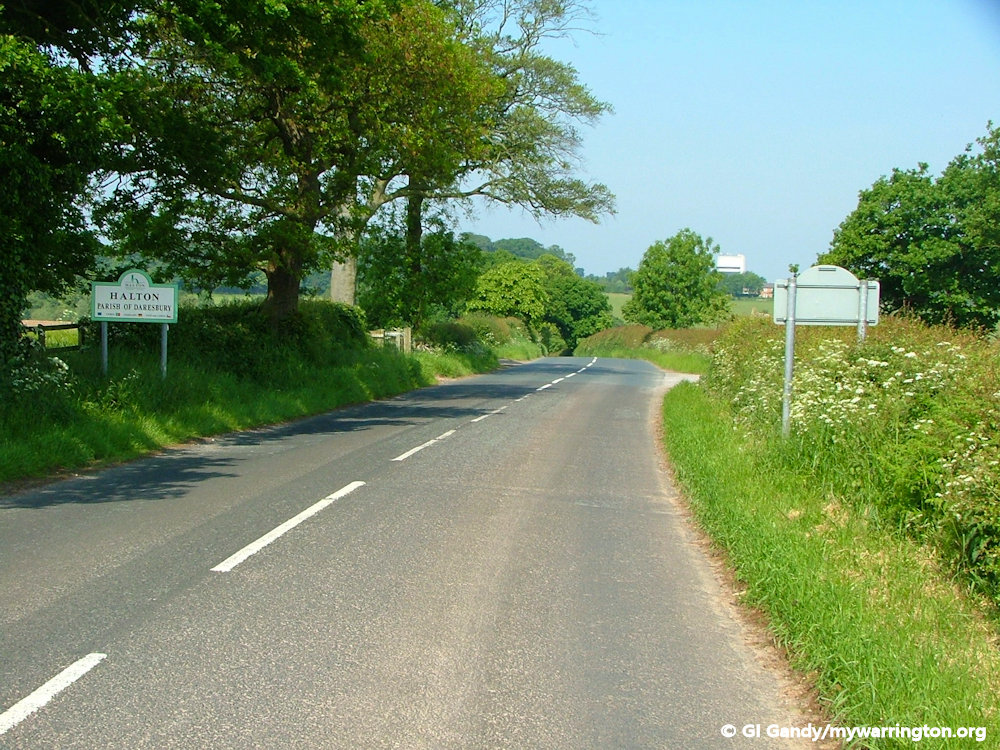
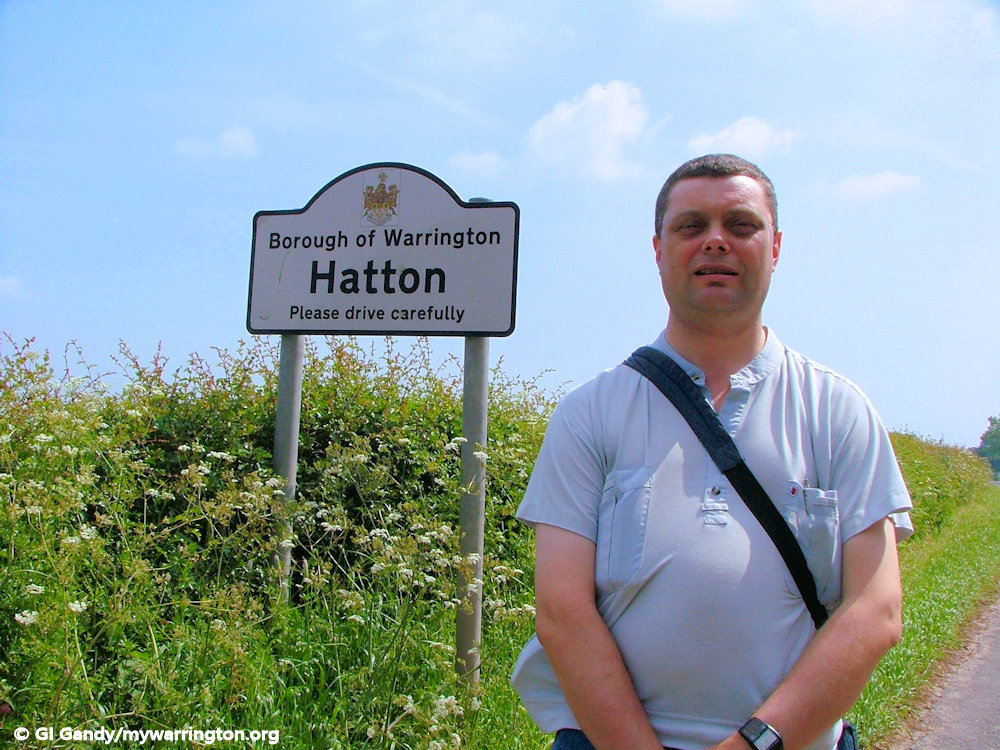
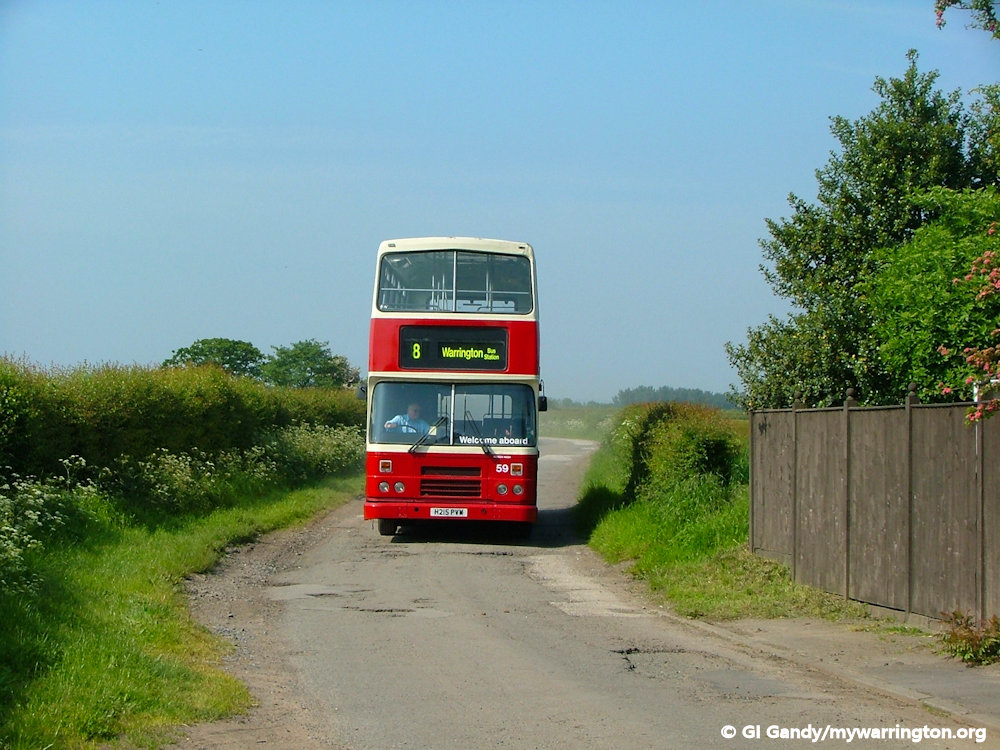
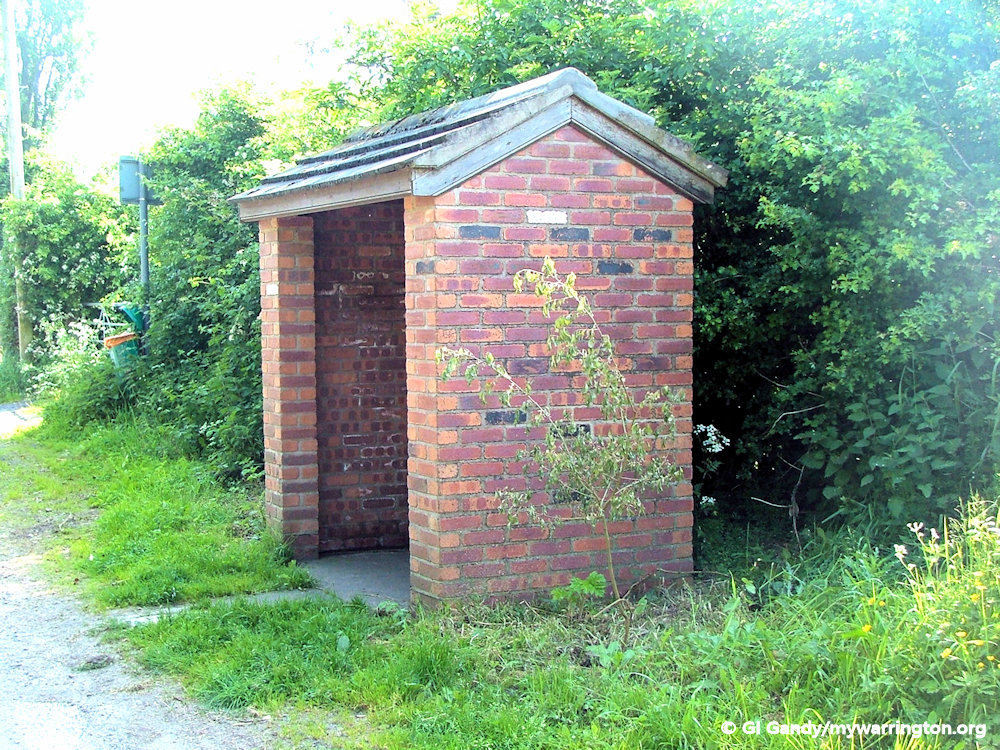
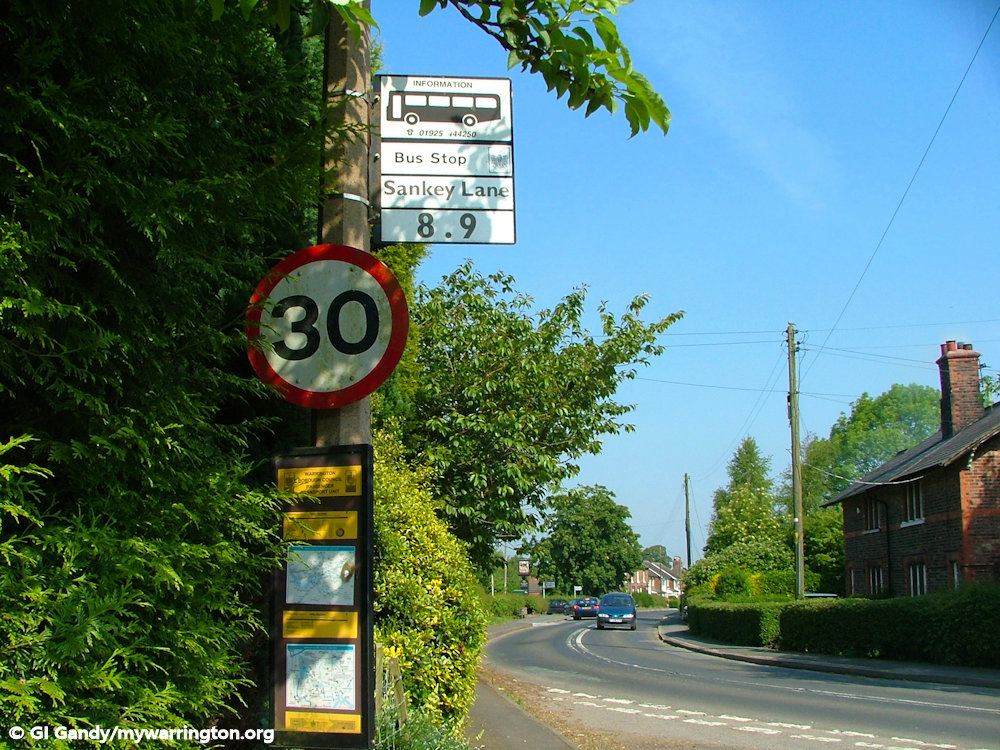
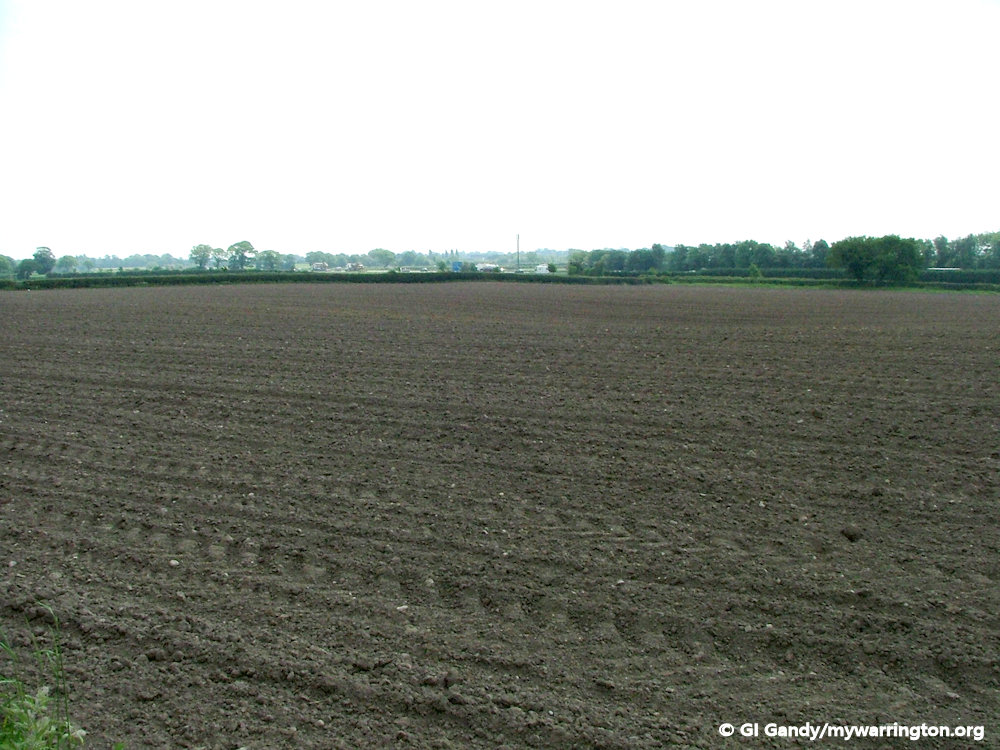
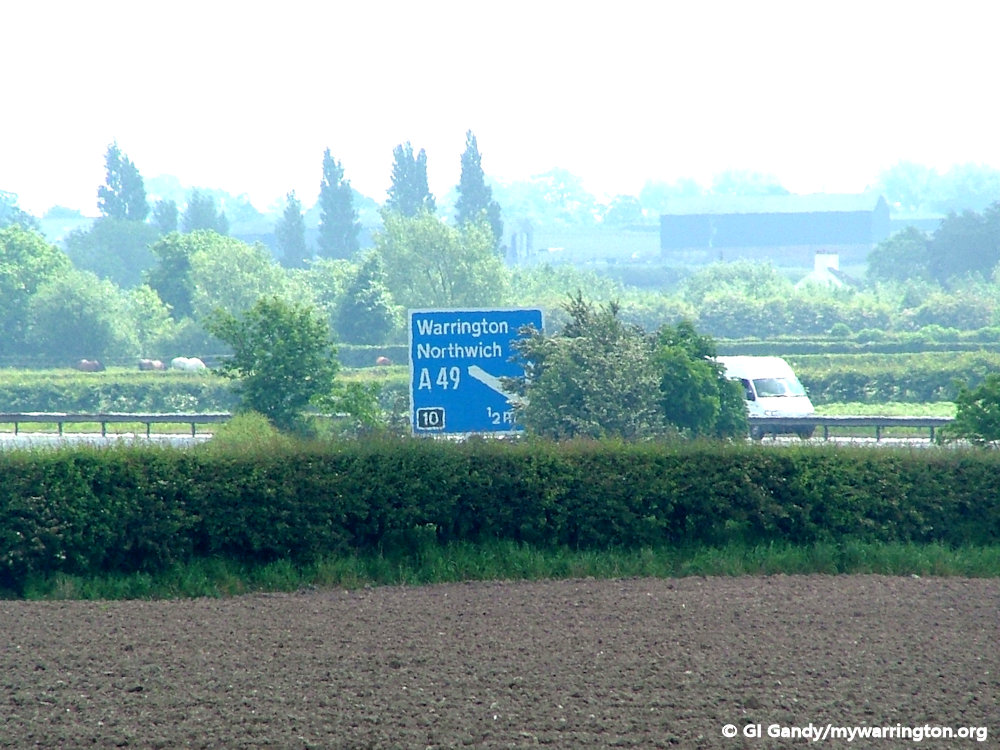
A walk around the village in pictures.
All photos were taken on 6 June 2006.
 mywarrington