
(with Poplars and Hulme)

- Introduction
- Orford Hall
- Orford Jubilee Park
- Orford Lane
- Church Life
- Gospel Hall (1898)
- St Margaret and All Hallows Church (1908)
- St Benedict’s Church (1915)
- Norris Street Methodist Church (1928)
- St Stephen First Martyr Church (1953)
- Reorganized Church of Jesus Christ of Latter Day Saints (1953)
- Orford Congregational Church (1954)
- St Andrew’s Church (1963)
- Bethel Free Church (1964)
- Emmaus Church (1994)
- St Ann’s Church (2020)
- School Life
- Blue Coat School (1665-1948)
- Orford School (1861)
- St Ann’s National School (1864)
- Silver Street School (1869)
- St Benedict’s Catholic Primary School (1881)
- Beamont Council School (1907)
- St Stephen’s Catholic Primary School (1957)
- St Andrew’s Church of England Primary (1959)
- English Martyrs (1960)
- Orford Secondary Technical School (1965)
- Beamont Collegiate Academy (2013)
- Orford House
- Orford Farm
- Orford Tannery
- Peninsula Barracks
- Warrington Fire Station
- Green Spaces
- Pub Life
- Warrington and Vale Royal College
- Walkabout
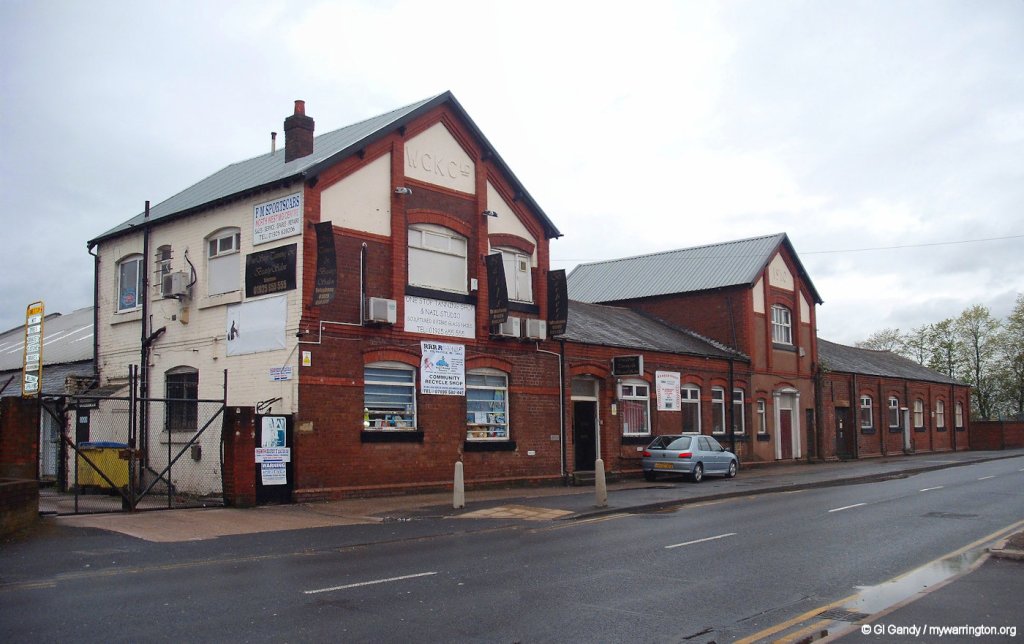
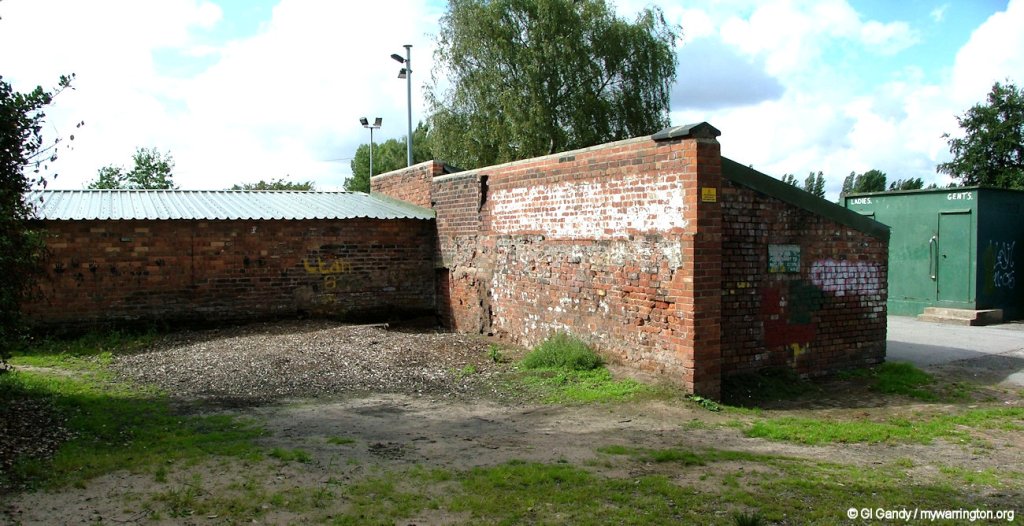
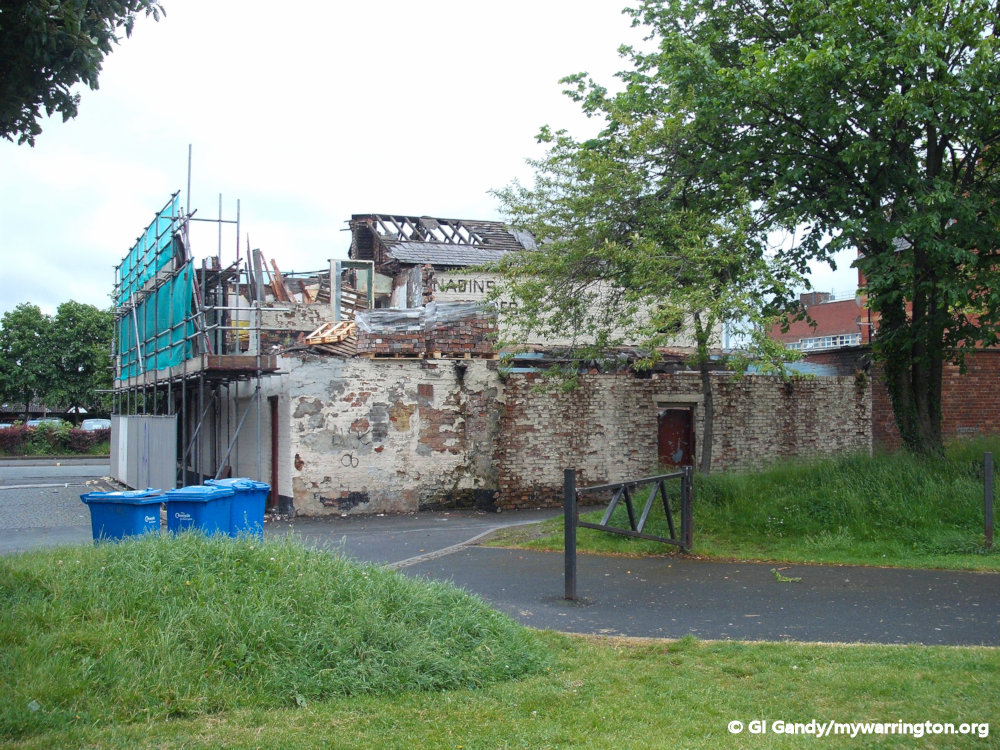
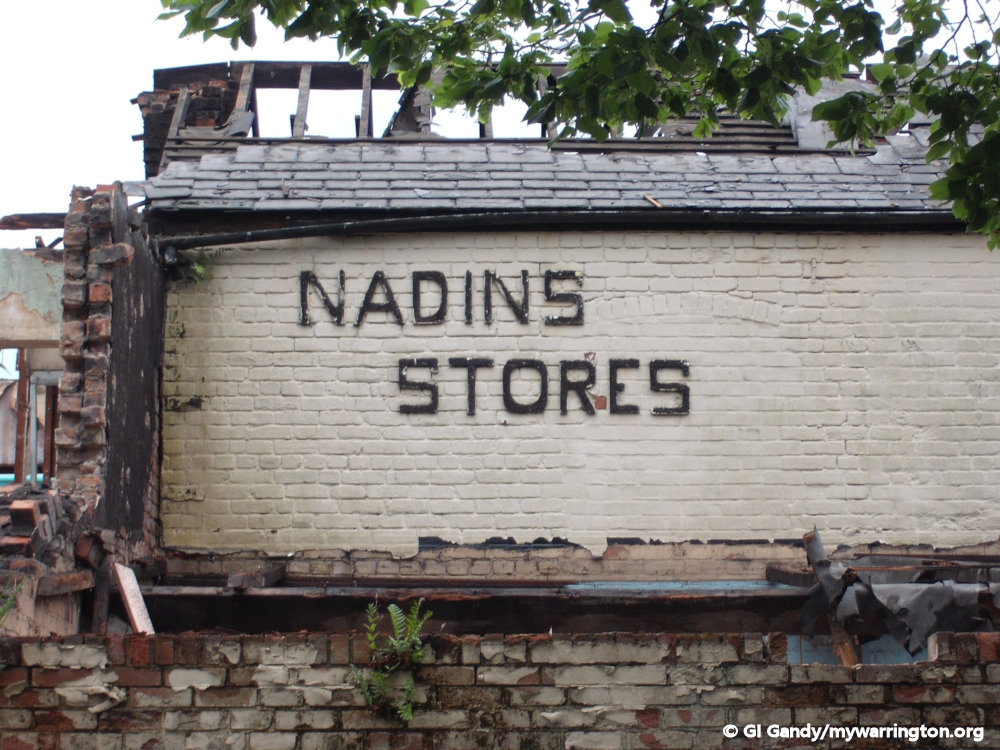
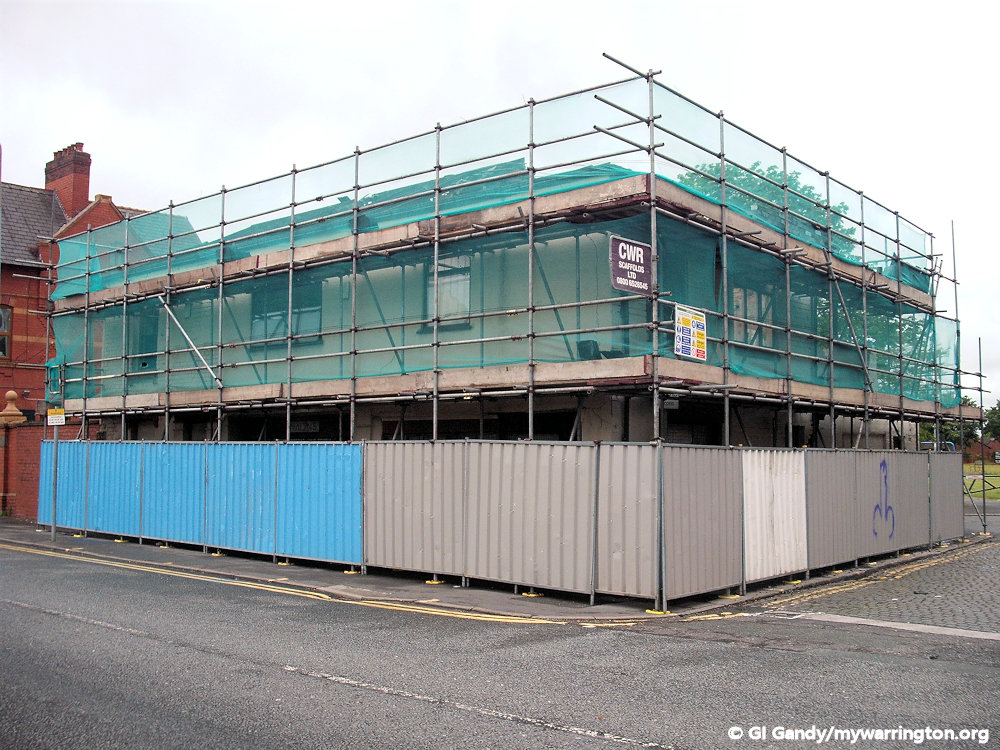
The business originally occupying these buildings started out in 1910. It was called WGKC Ltd. 29 Apr 2012
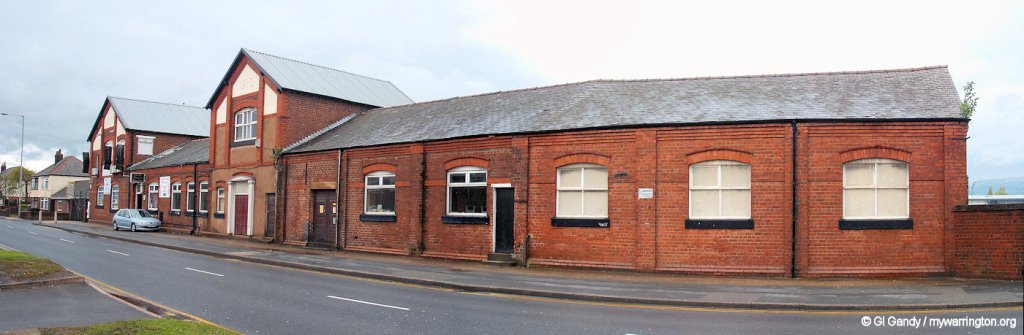
I have no further information on WGKC Ltd. 29 Apr 2012
Introduction
In 1870-72, John Marius Wilson’s Imperial Gazetteer of England and Wales described Orford like this:
ORFORD, a hamlet in Padgate chapelry, Warrington parish, Lancashire; 1½ mile N of Warrington r.station. Orford Hall was formerly the residence of J. I. Blackburne, Esq., the horticulturist and botanist; and is now the residence of J. Litton, Esq. Orford House is the residence of T. May, Esq. There is an extensive tannery. There is also a national school, which is used likewise as a chapel of ease.
GB Historical GIS / University of Portsmouth, History of Orford, in Warrington and Lancashire | Map and description, A Vision of Britain through Time.
URL: https://www.visionofbritain.org.uk/place/25183
Date accessed: 16th September 2024
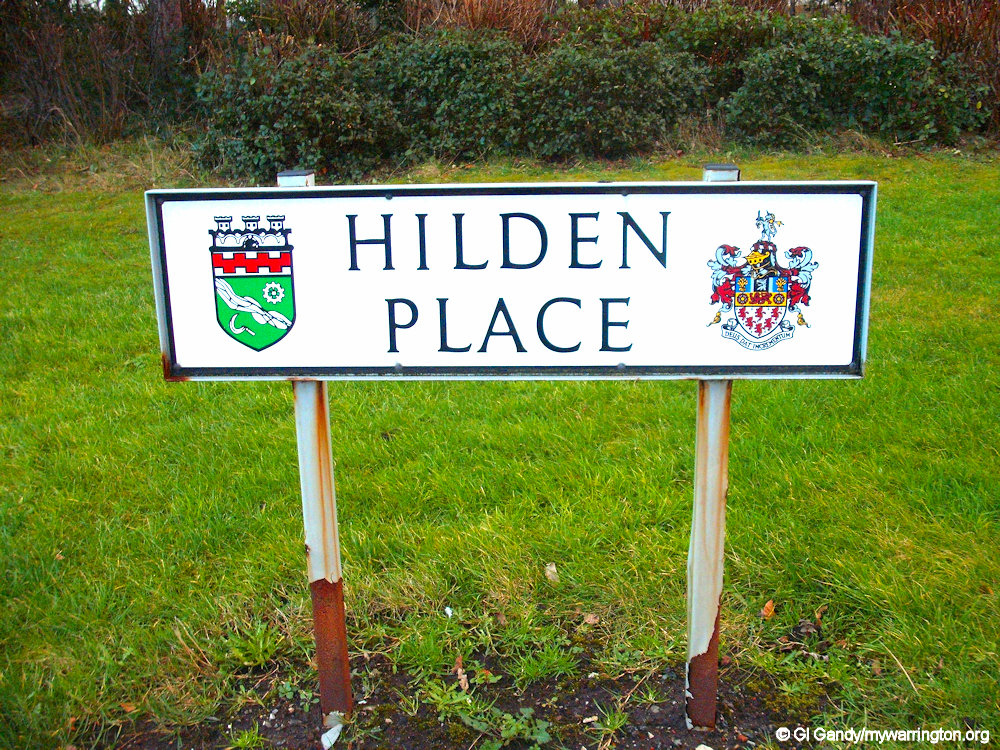
Hilden is the German town which has been twinned with Warrington since 1968. Hilden Place is the roundabout junction by Orford Green.
The hamlet of Orford was originally a small area north of the township of Warrington, centred on Orford Green. A manuscript of 1465 contains the name of Orford spelt “Overforthe” which means “upper ford” or “over the ford”.
Orford now describes a large area stretching from Longford Street to the M62, incorporating other small communities, such as Longford and Hulme. The Orford area has a population of around 11,960 (2021 Census).
Boundaries are Greenwood Estate to the east (after which it becomes Cinnamon Brow), Winwick Road to the west (where it becomes Bewsey, Dallam and Winwick Quay), the M62 to the north (where it becomes Winwick) and Marsh House Lane to the south (where it becomes Fairfield).
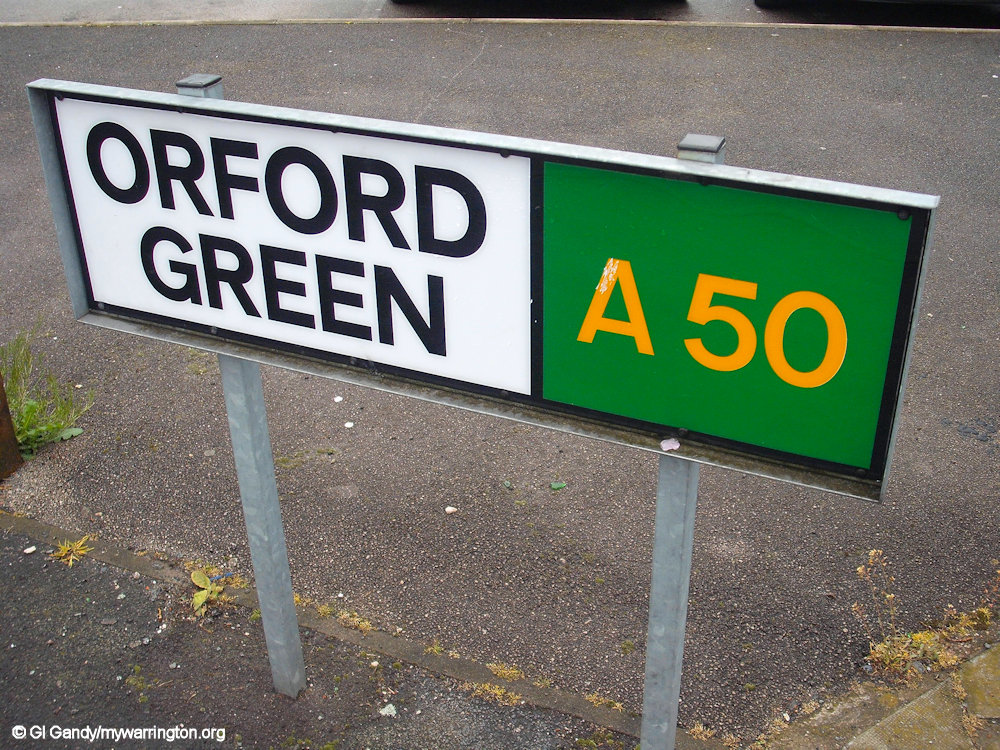
Attached to and now considered part of Orford in the north is the hamlet of Hulme, which covers parts of Poplars Avenue, Chiltern Road, Cleveland Road and areas surrounding St Stephen’s Primary School. In the past it was considered as Winwick with Hulme and was separated from Orford by a brook. Close to Orford’s boundary with Fearnhead and Padgate is Blackbrook, which has a brook running through the hamlet. The area was the site of the RAF Padgate training camp, featured on the RAF Burtonwood page.
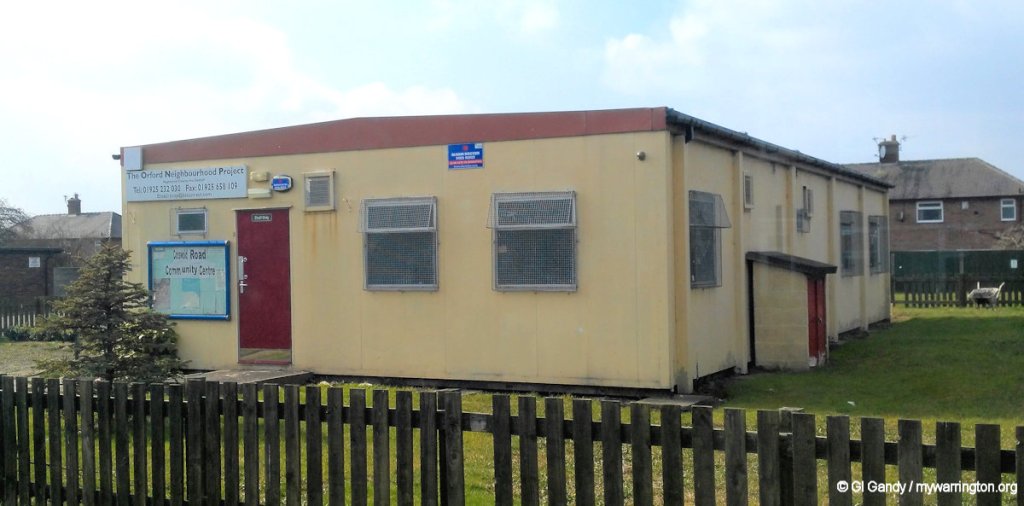
Cotswold Road Community Centre in the Hulme area of Orford 13 Mar 2016
The political ward of Orford is roughly an area bound by Winwick Road, Poplars Avenue, Orford Road, Withers Avenue, O’Leary Street Marsh House Lane, Orford Lane and Lythgoes Lane. The sections between Poplars Avenue and Blackbrook and Houghton Green come under Poplars and Hulme as ward boundaries, but most people just accept all of it as Orford.
The area of Orford within the boundary of Orford Avenue, Alder Lane, Winwick Road and Longford Street was originally Avenue Farm. The farm buildings were located at the junction of Orford Lane and Longford Street where St Benedict’s Social Club stands today.
On the opposite was Orford Villa, as seen on the OS Six Inch map 1830s-1880s. The map also shows Old Orford Hall on what is now the corner of Orford Lane and Clegg Street. You will also see that the bend in the road was called Conies Corner in the 19th century. You can also see the Orford Monument (often called the Orford Obelisk).
Watkins Street was originally a single street with two rows of terraced houses in the early 20th century. Other streets close by were Neville Street, Bowes Street, West Street (where my mum was born), and the western end of Forster Street. When the area was redeveloped in the 1970s, all of the streets mentioned were cleared away and the whole area was called Watkin Street.
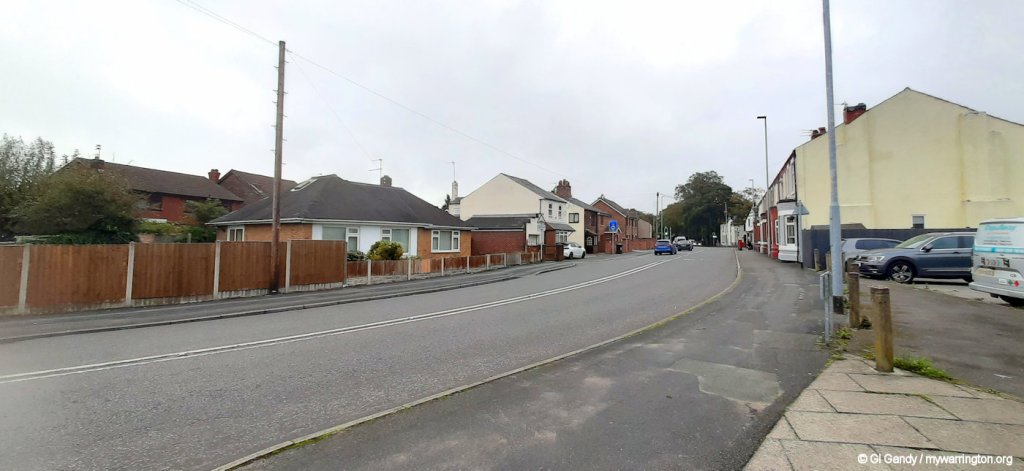
Orford Green from alongside The Blackburne Arms pub 26 Sep 2024
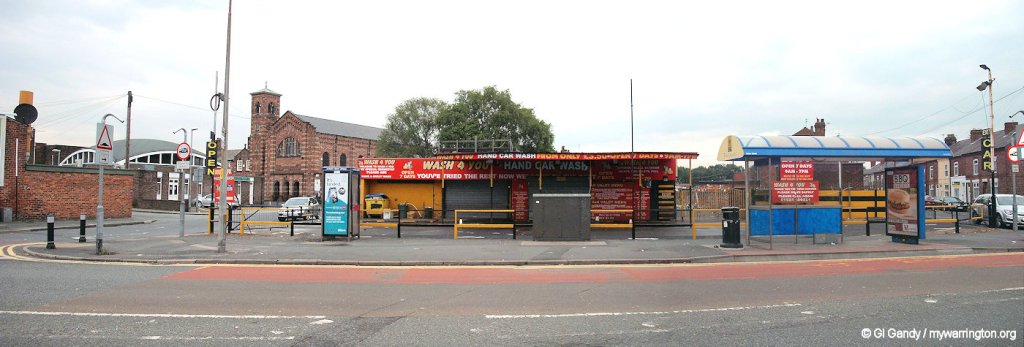
Site of the Queen’s Cinema and, going further back in time, Avenue Farm to the left of the photo. 13 Jun 2012
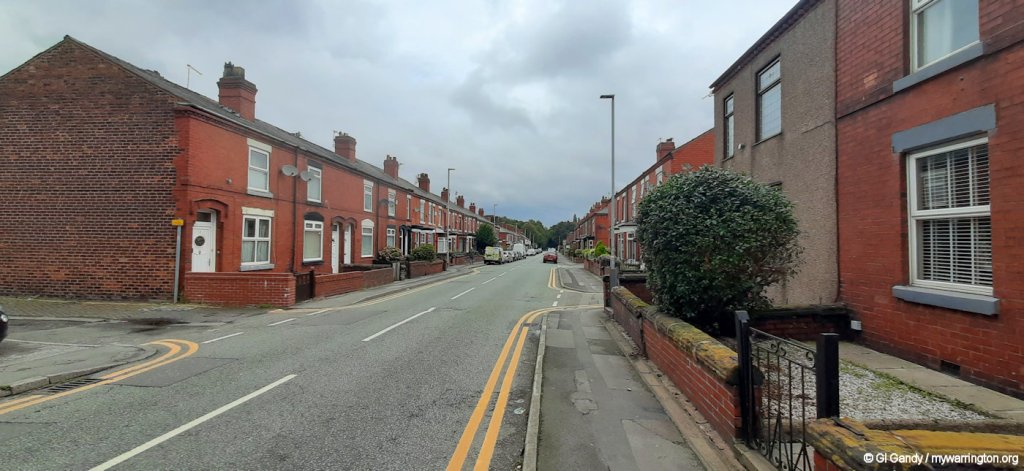
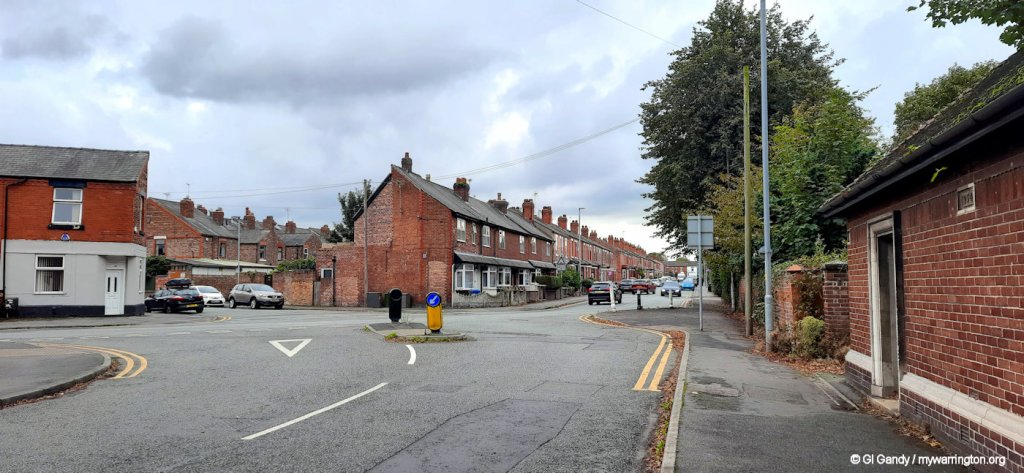
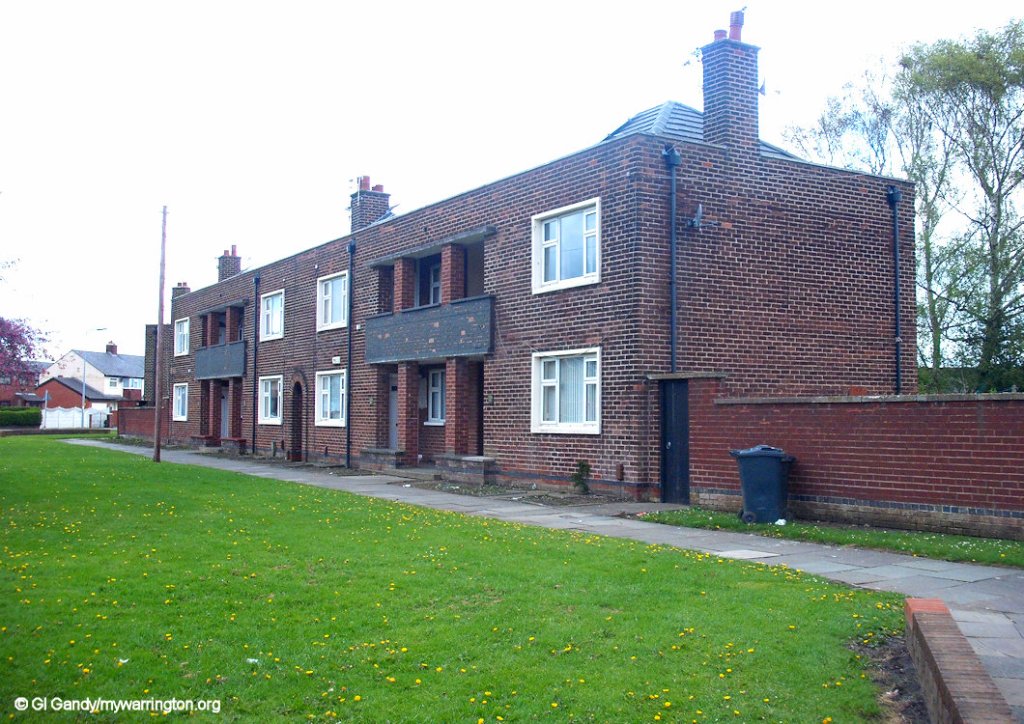
The two images belows show the typical housing style that came in during the late 19th century across the country.
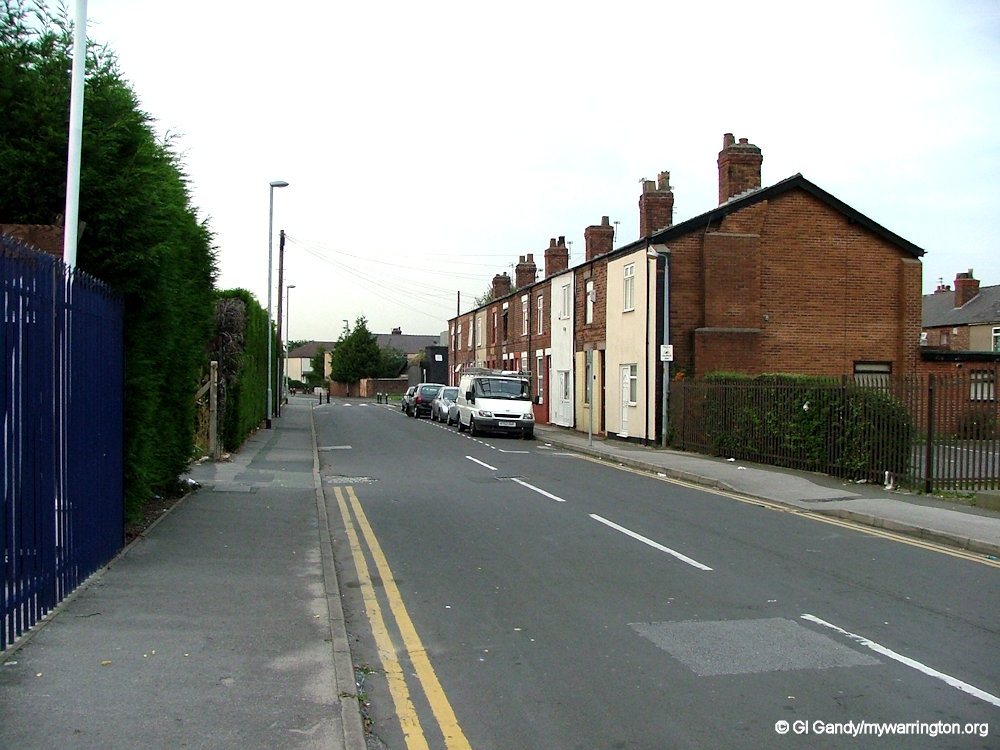
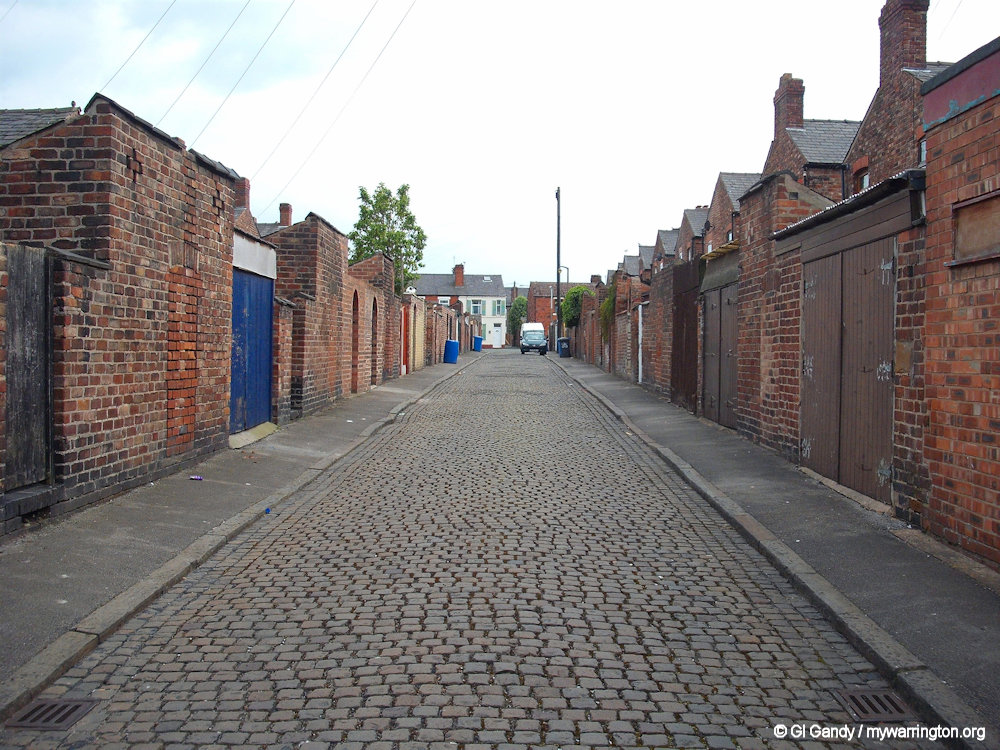
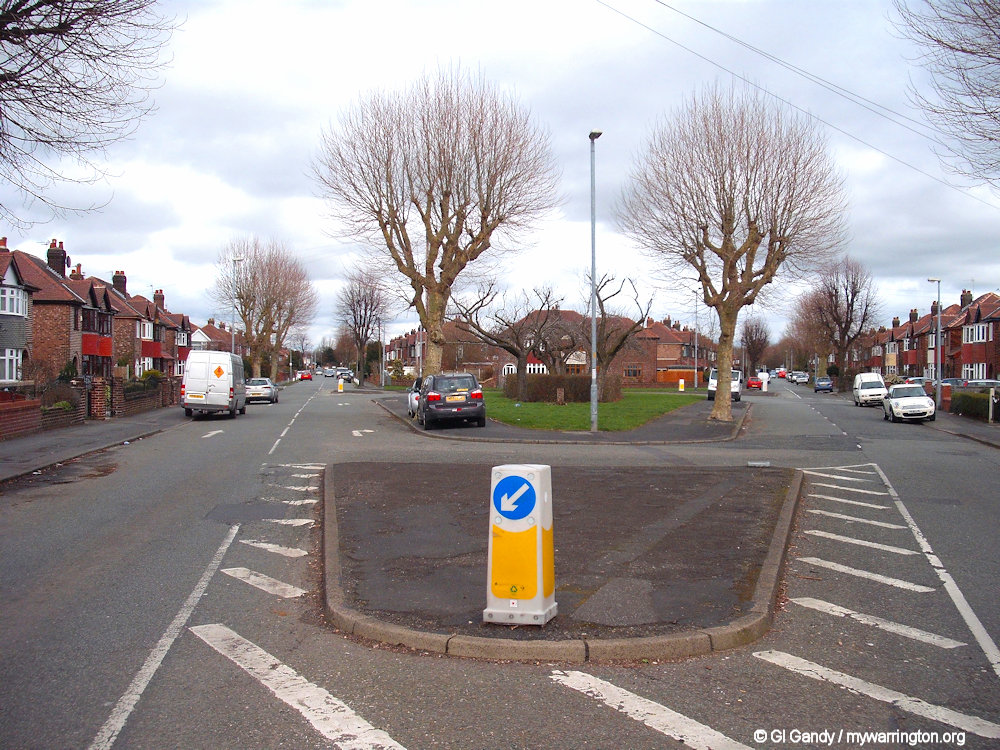
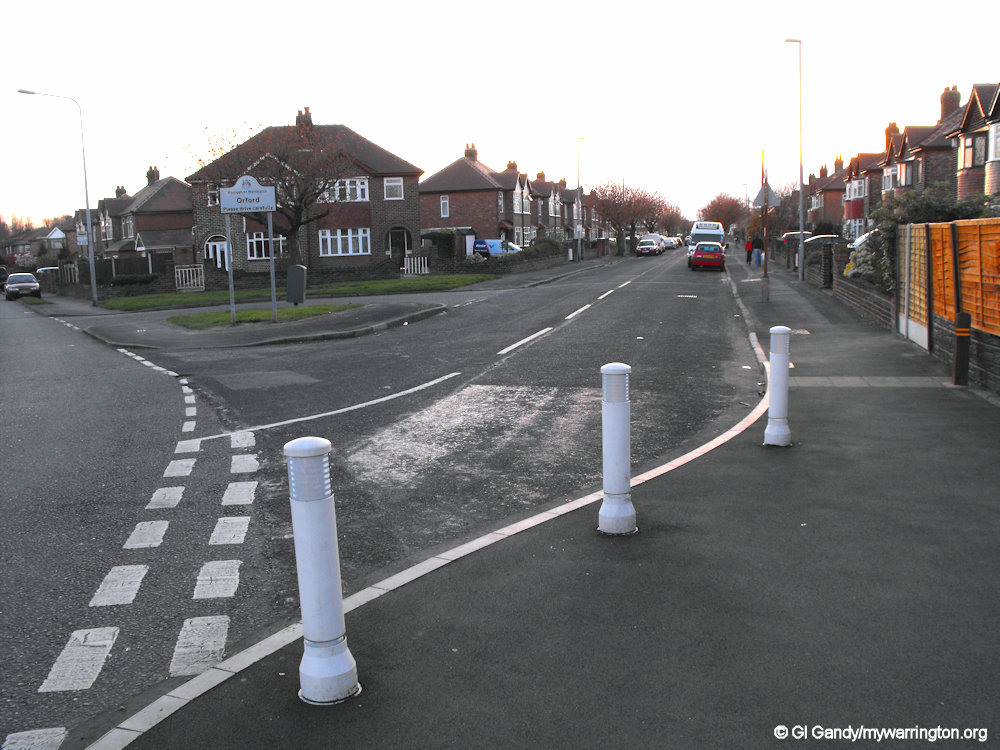
The modern housing estate in the northern section of Orford around Poplars Avenue was built in the 1930s. Part of the estate was built on land known as Orford Park – not the same Orford Park of today, but an area to the north of it. See the OS 25 inch map 1892-1914 for more.
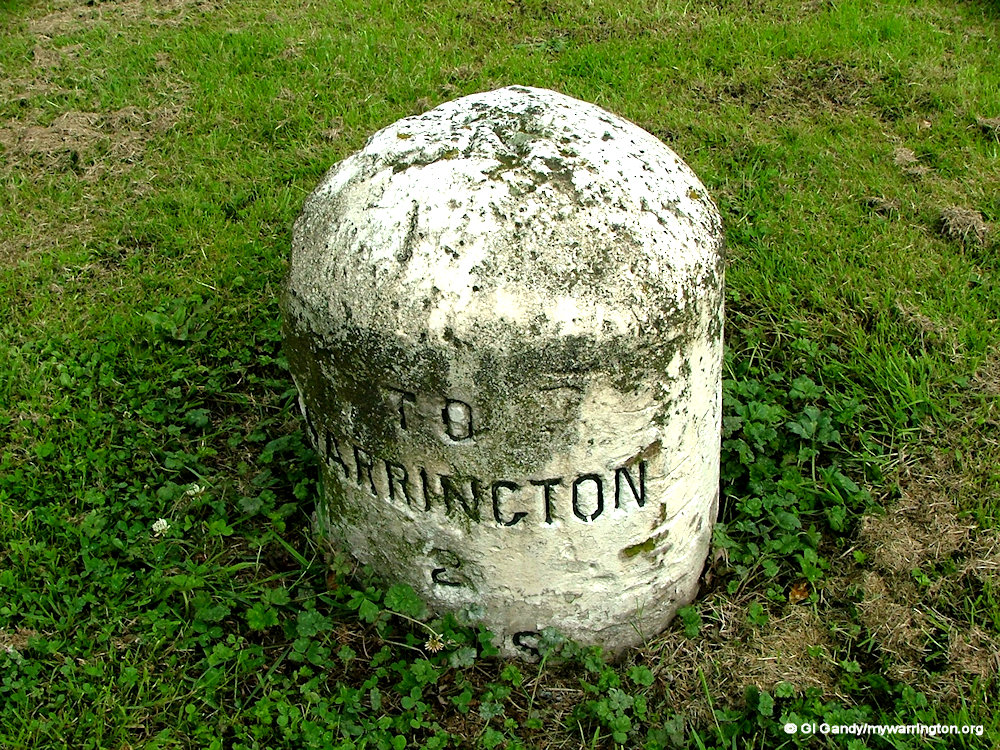
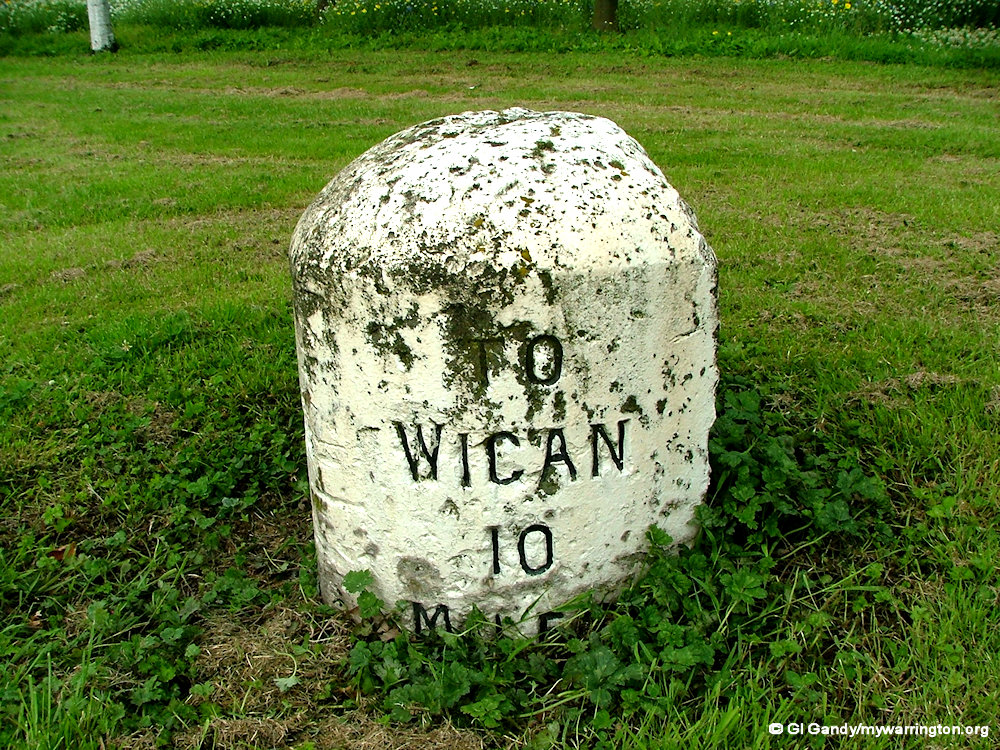
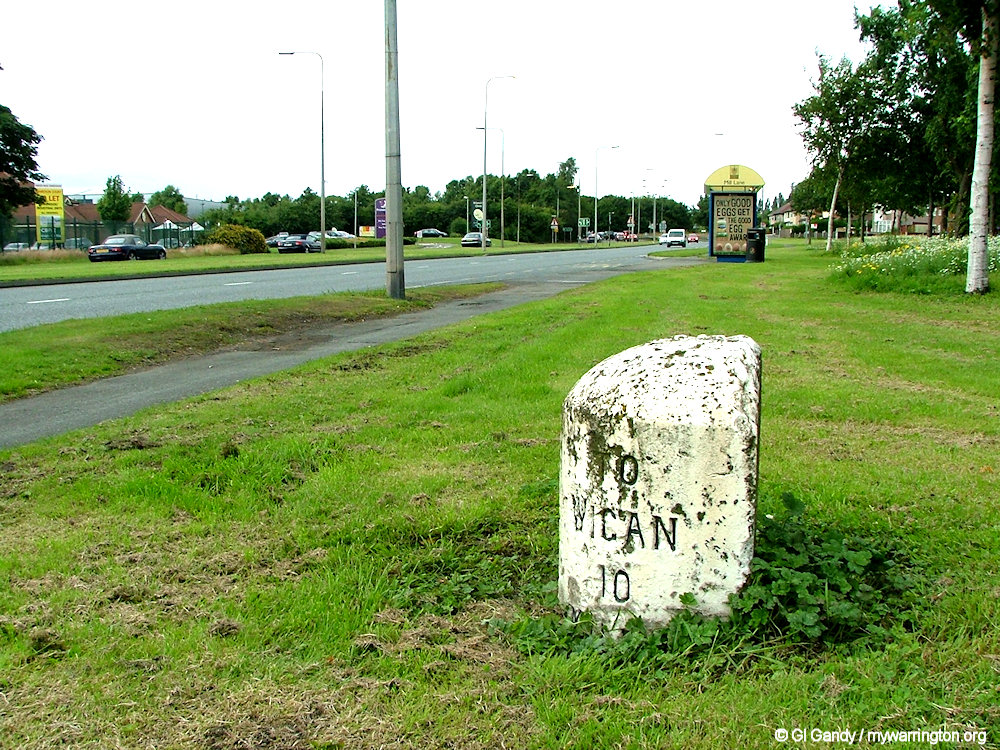
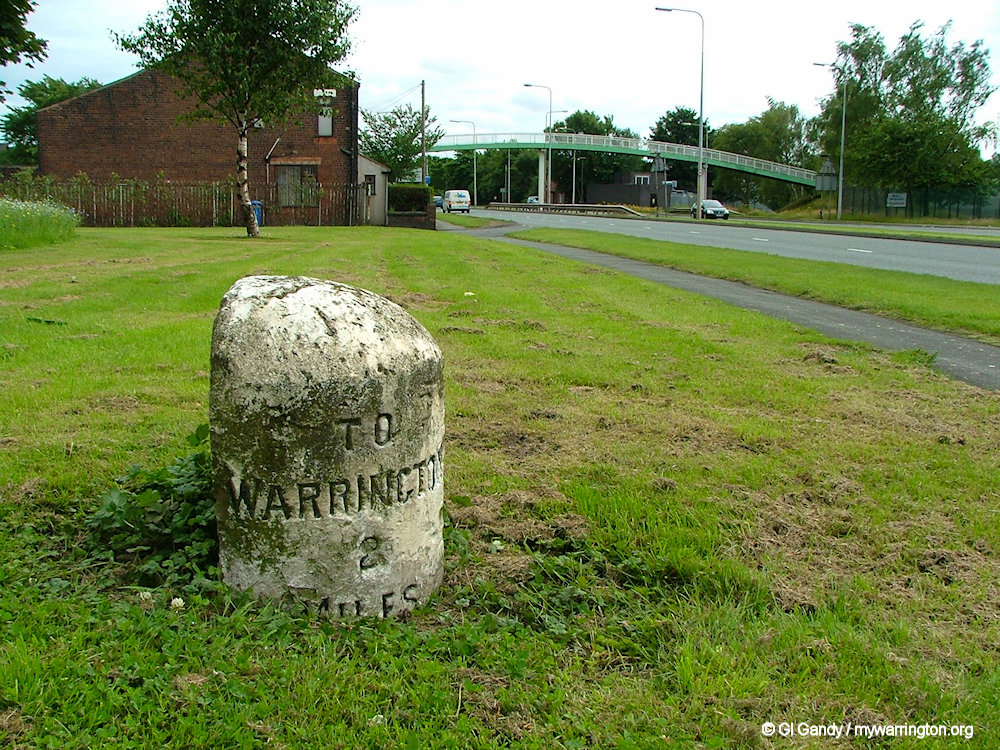
Orford Hall
Orford Hall was a 17th-century country house which was located in what is now Orford Park between Hallfields Road and Alder Lane. The original hall was a timber and plaster building, with ornate chimneys and a thatched roof, which was built for the Le Norris family in 1232.
The Norris family occupied the hall until 1595 after which it was acquired by Thomas Tildesley, who rebuilt it in the Jacobean style. At that time the building was known as Norris House.
In 1638 the property was purchased by Thomas Blackburne, a wealthy Cheshire salt merchant, and afterwards inherited by his son Jonathan (1646–1724), High Sheriff of Lancashire for 1715, who made extensive improvements to the house.
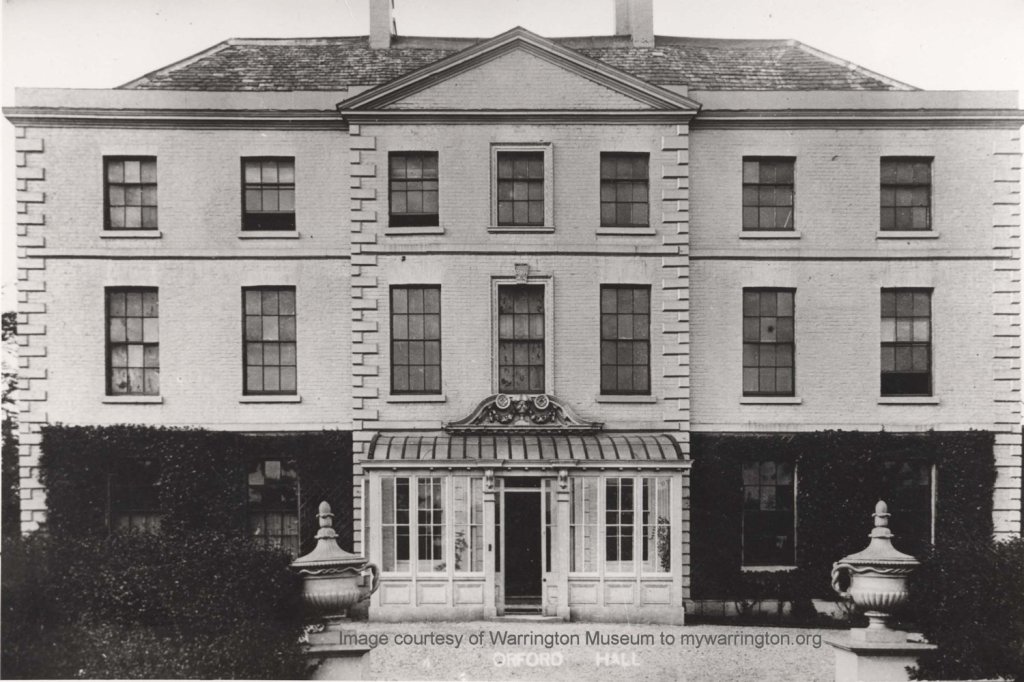
Image courtesy of Warrington Museum
The next occupier was Jonathan’s son John Blackburne (1694–1786), a well-known naturalist and horticulturalist, whose daughter was Anna Blackburne, the noted botanist. At that time the hall was well known for its outstanding collection of rare plants, trees and unusual animals and the hothouse in the grounds was the first in the country to grow pineapples, coffee, tea and sugarcane. There was also an orangery where citrus fruits were cultivated. In 1799 a catalogue of all the plant species growing at Orford was published by the estate’s head gardener. John was High Sheriff of Lancashire in 1743. John’s son was another Thomas and Thomas’ son another John (1754–1833), who was High Sheriff for 1781 and MP for Lancashire from 1784 to 1830.
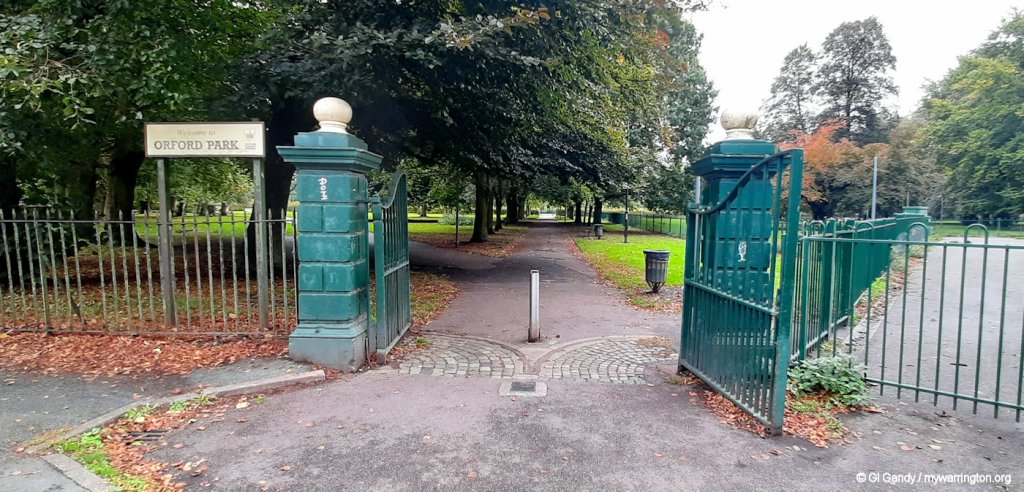
Original entrance to Orford Hall from Orford Avenue 26 Sep 2024
The hall was then leased to Lucy Hornby (whose grandson Edmund Hornby was elected the first MP for Warrington in 1832). When she died her two daughters let the hall for use as a young ladies school, after which it became the home of the Litton family until 1866.
The next occupant was William Beamont, the first mayor of Warrington, whose widow, Letitia, stayed on at the hall after his death. When she left the property deteriorated until taken over by Warrington Training College. Ultimately the property descended to Colonel Robert Ireland Blackburne, who in 1916. allowed the hall and 18 acres of surrounding parkland to be gifted to Warrington Council as a War Memorial. The hall was purchased by Alderman Arthur Bennett and the 18-acre grounds were a gift in memory “of the valour of the lads of Warrington in the Great War” and they became a public park.
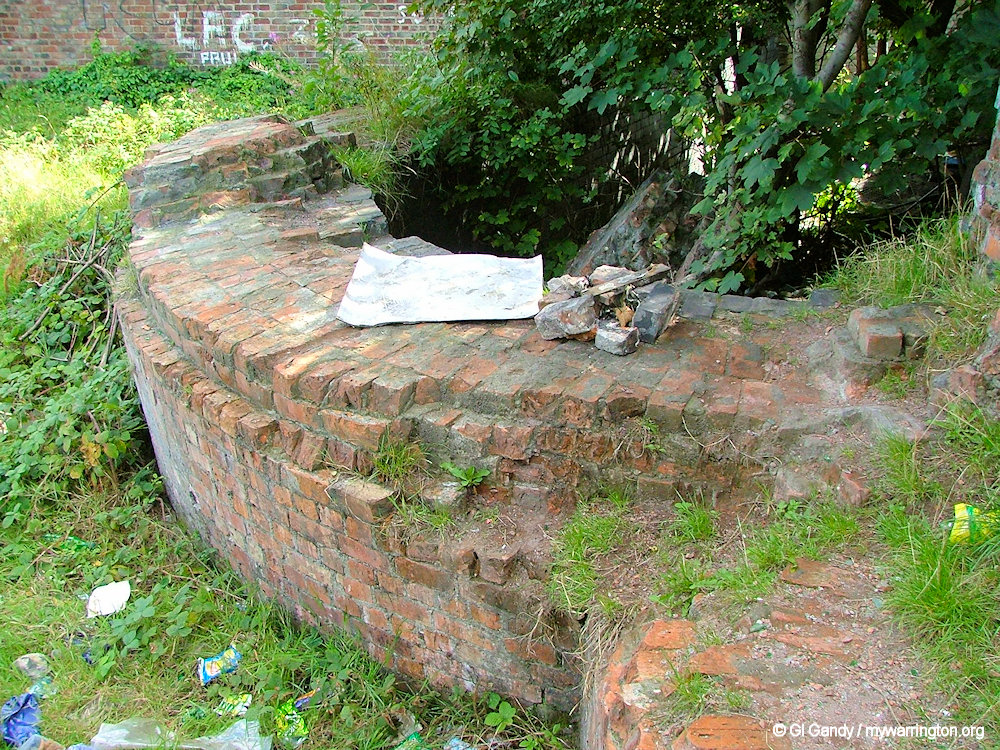
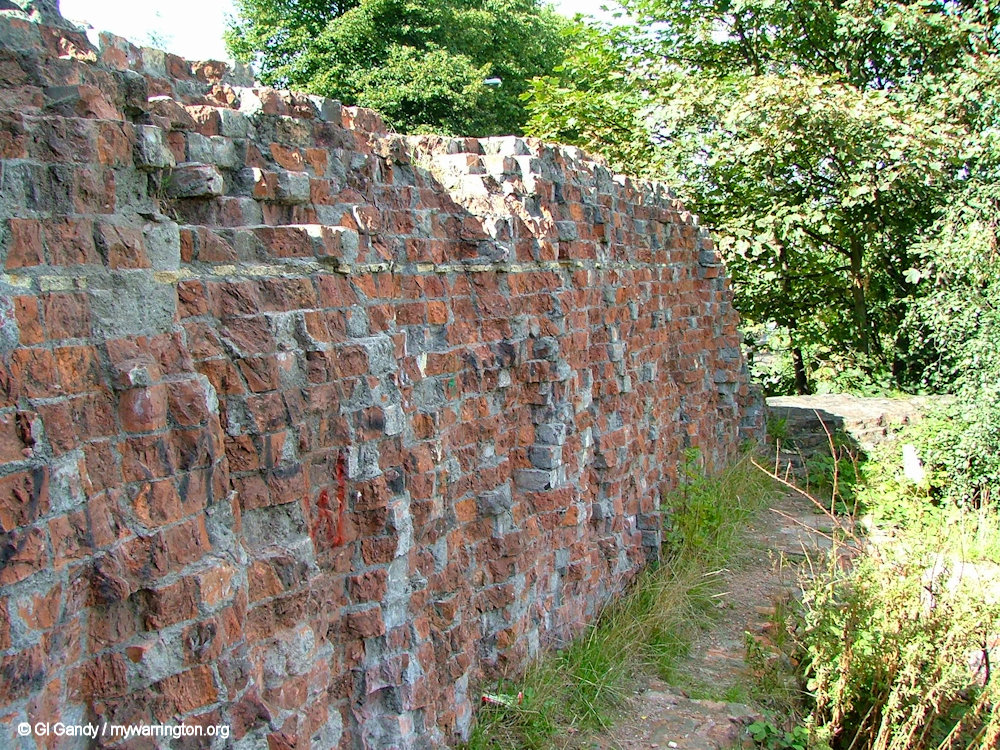
Remains of one of the outbuildings of Orford Hall 27 Aug 2006
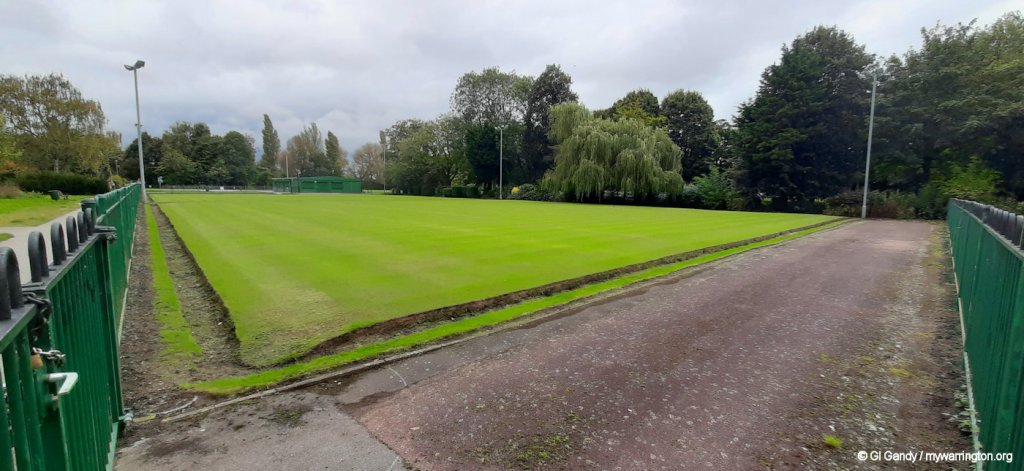
The park opened to the public the following year and a bowling green was added in 1924. The house itself, however, was allowed to deteriorate to the point where it was not financially viable to be restored and it was therefore demolished in 1935.
Various families of Orford Hall have been remembered in the street names and public houses. Norris Street is named after Robert le Norris who owned land in Orford until 1595. The Blackburne Arms pub is named in honour of the Blackburne family who occupied Orford Hall from the middle of the 17th century until 1812 Some information from Wikipedia.
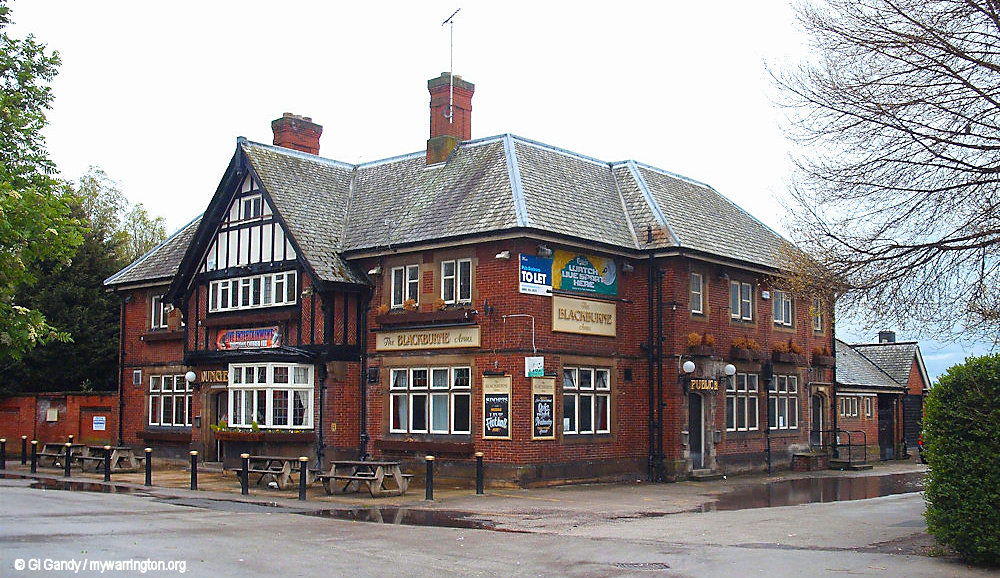
The Blackburne Arms 29 Apr 2012
Orford Jubilee Park
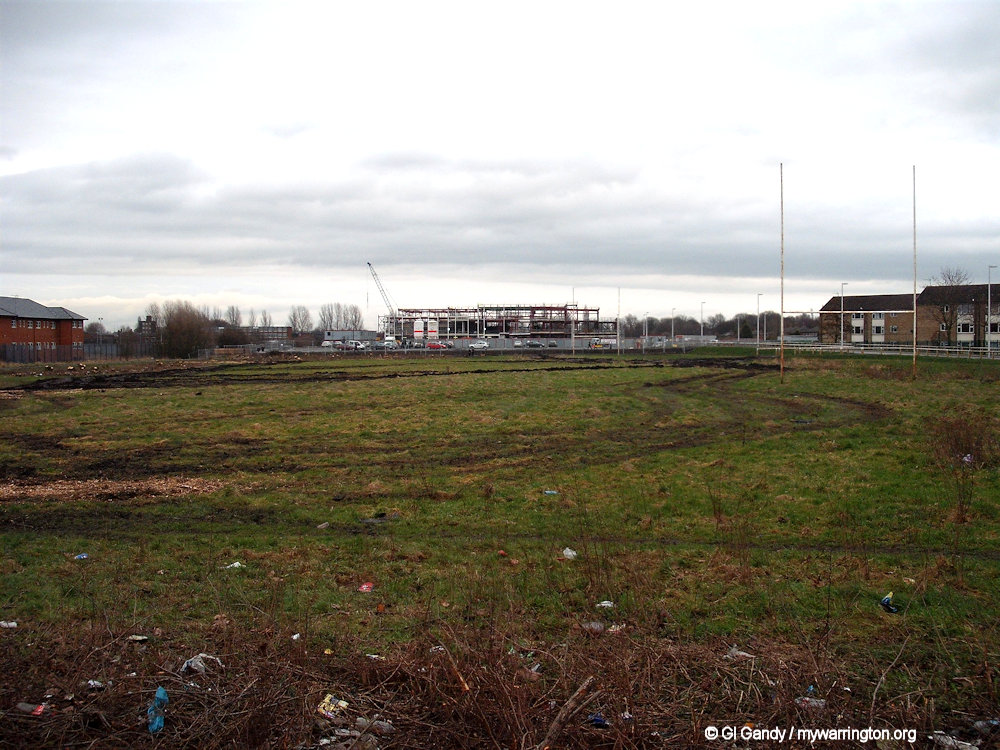
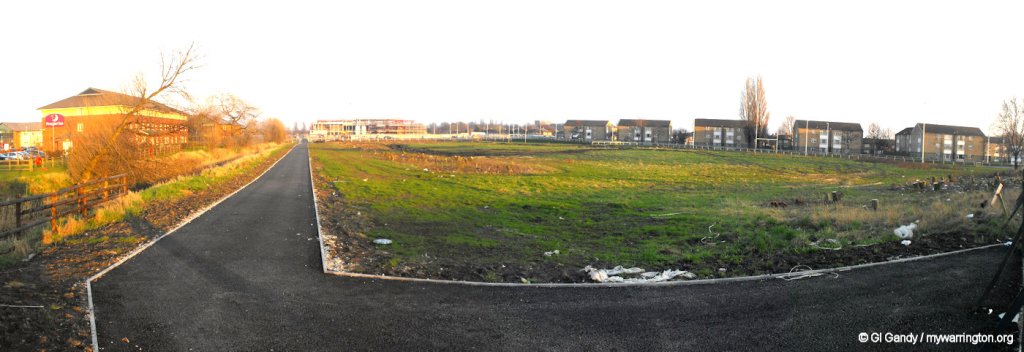
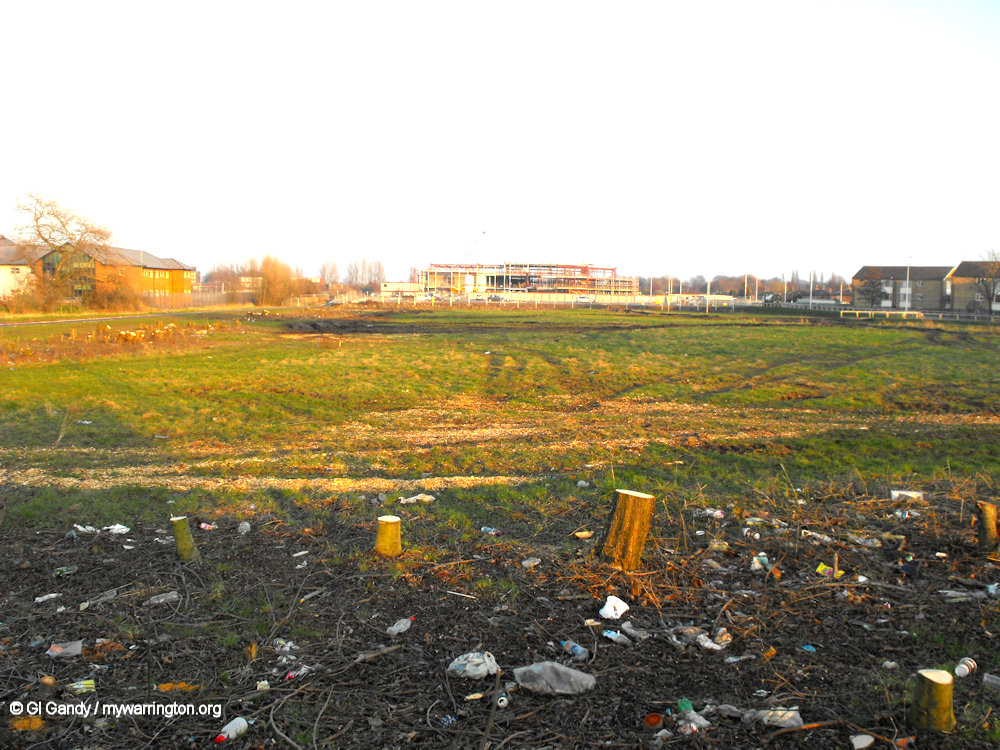
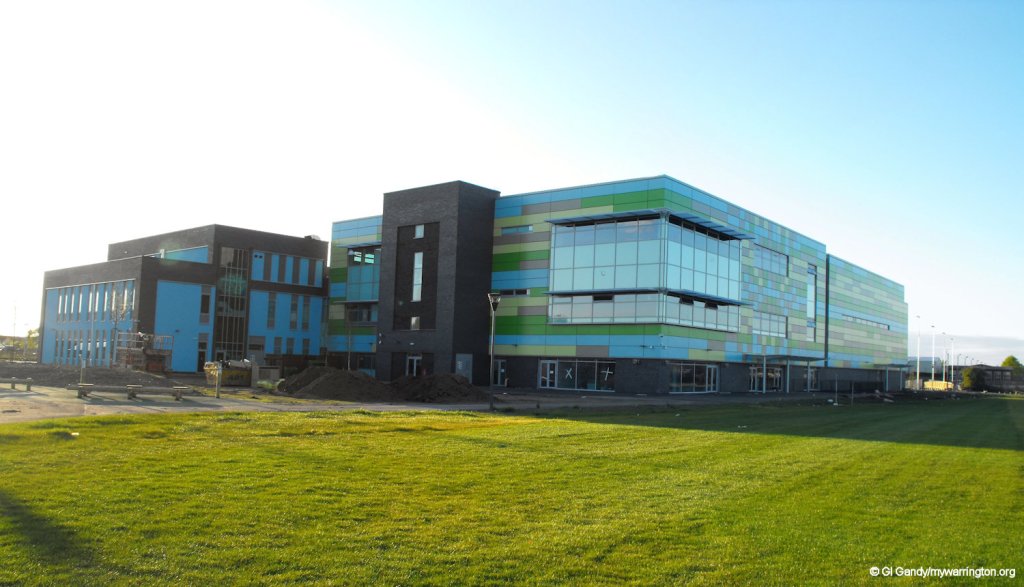
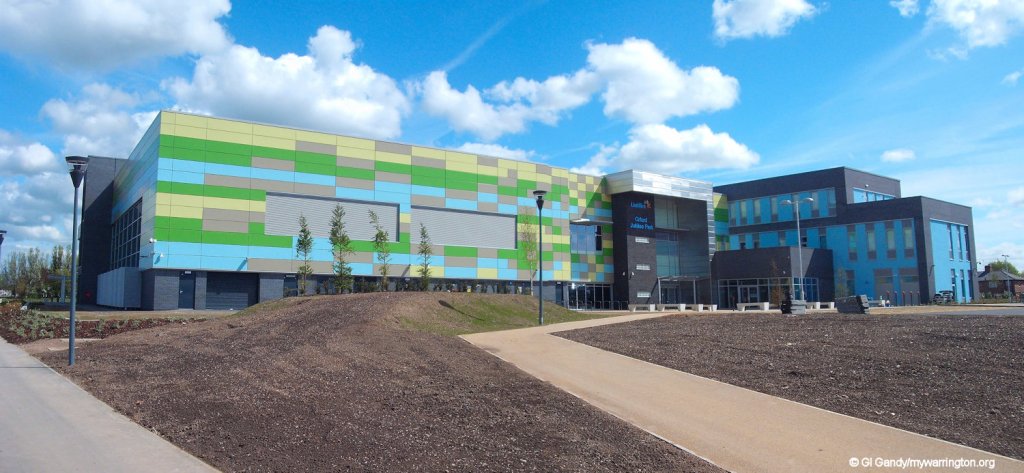
On waste land between the Orford Park and Winwick Road (a former landfill site) the £30m Orford Jubilee Neighbourhood Hub project, providing community and sporting facilities, opened in May 2012. It is known by a shorter name, Orford Jubilee Park, which includes a new swimming pool (replacing the one at Fordton Leisure, which was demolished in June 2012).
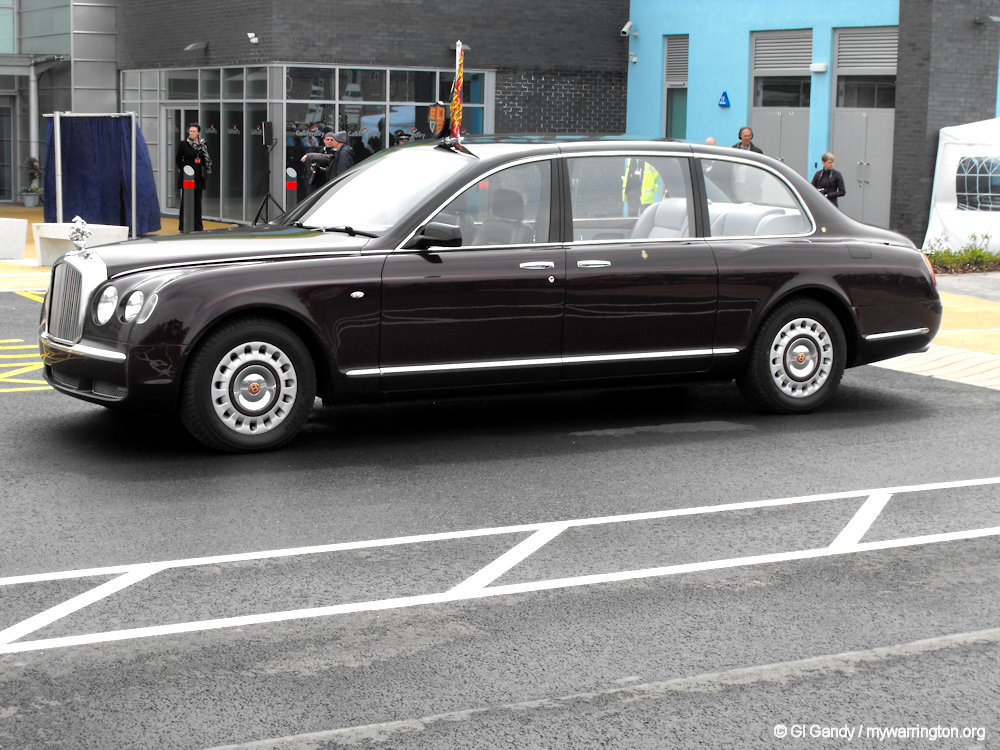
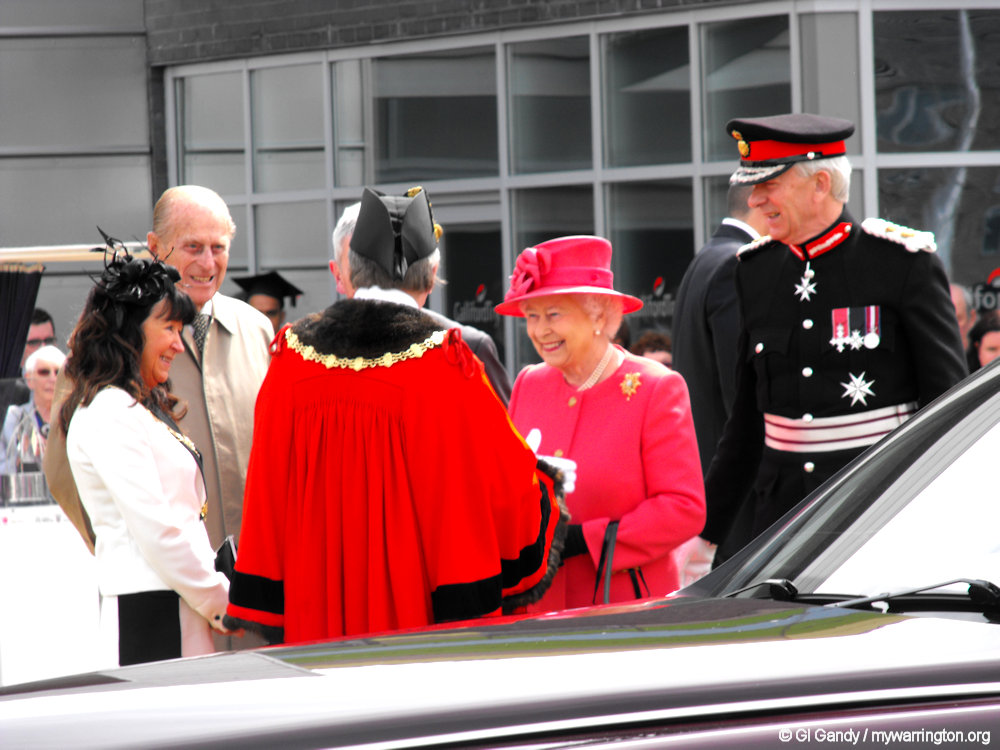
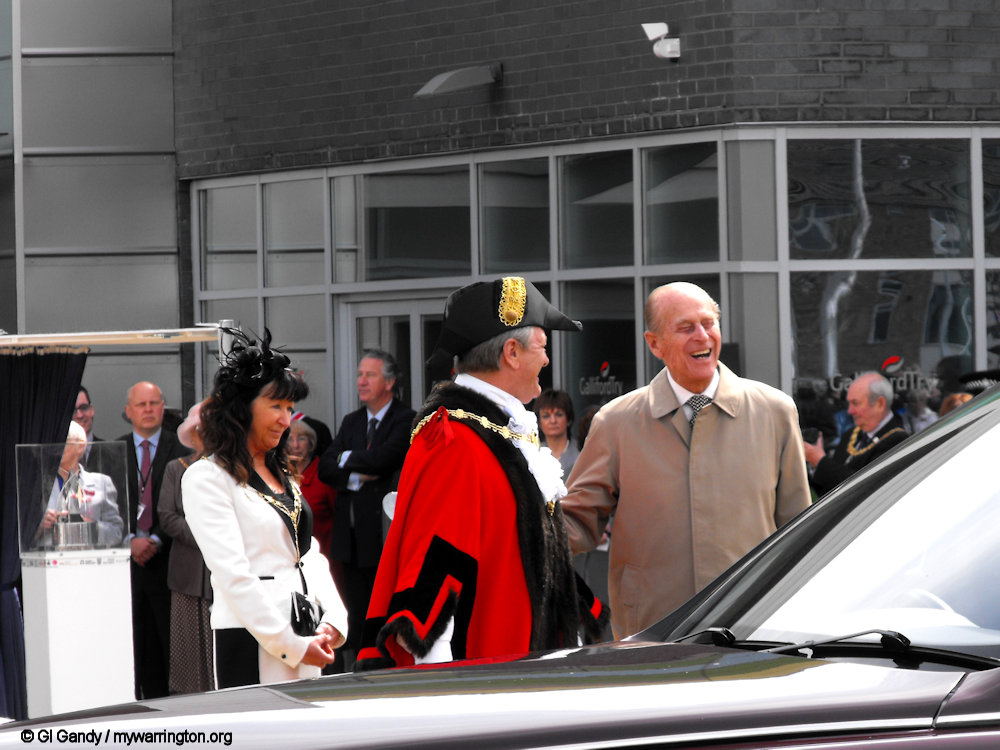
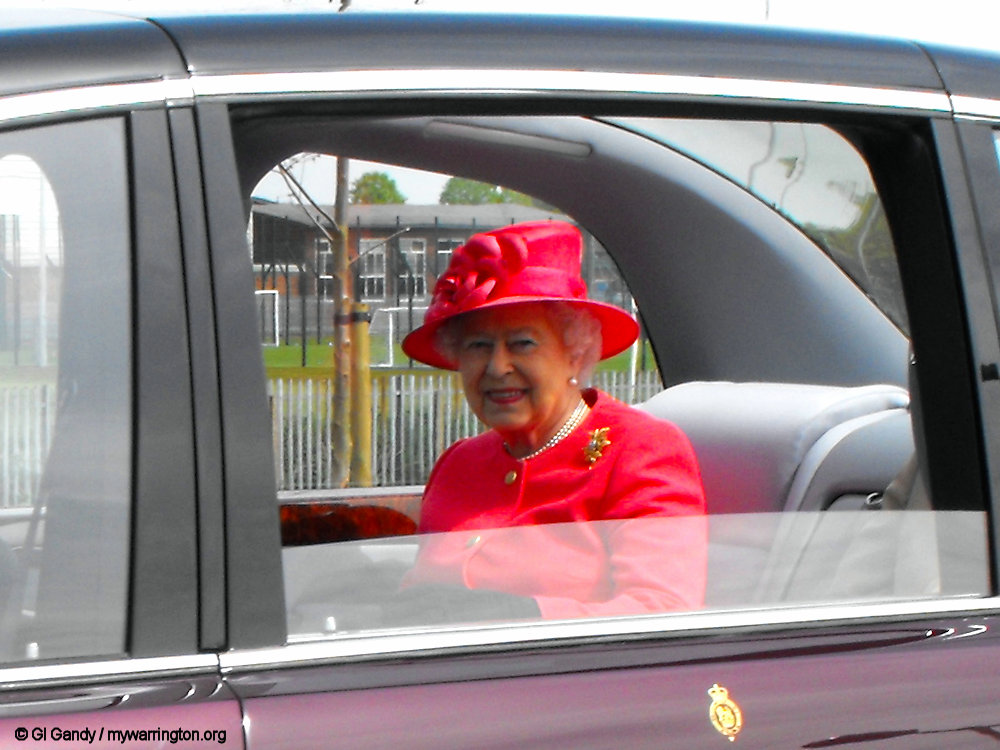
The facility was officially opened by Their Majesty’s Queen Elizabeth II and the Duke of Edinburgh on 17 May 2012. Some information from Wikipedia.
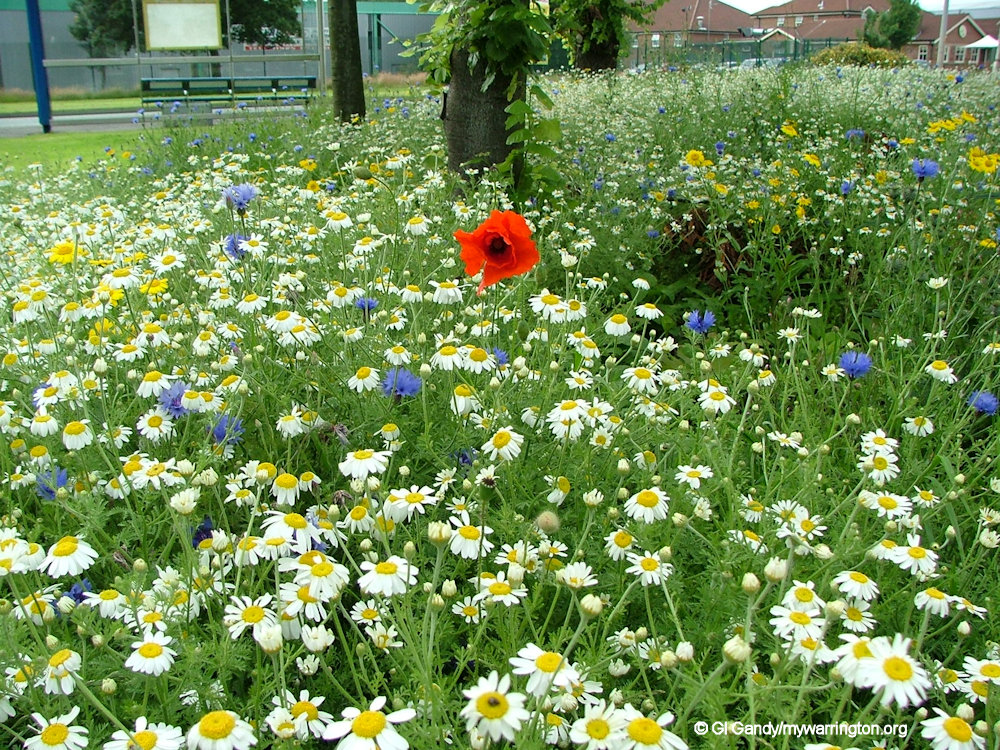
In December 2014 Orford Jubilee Park received the prestigious Green Flag award. The award is given to areas that are beautifully maintained and have excellent facilities.

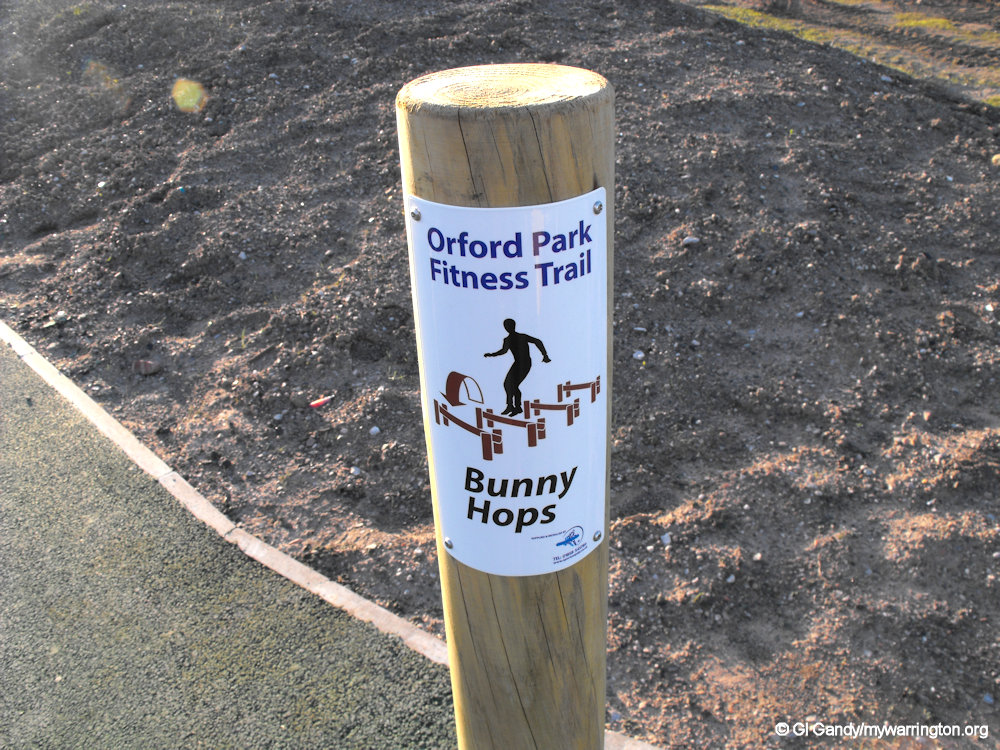
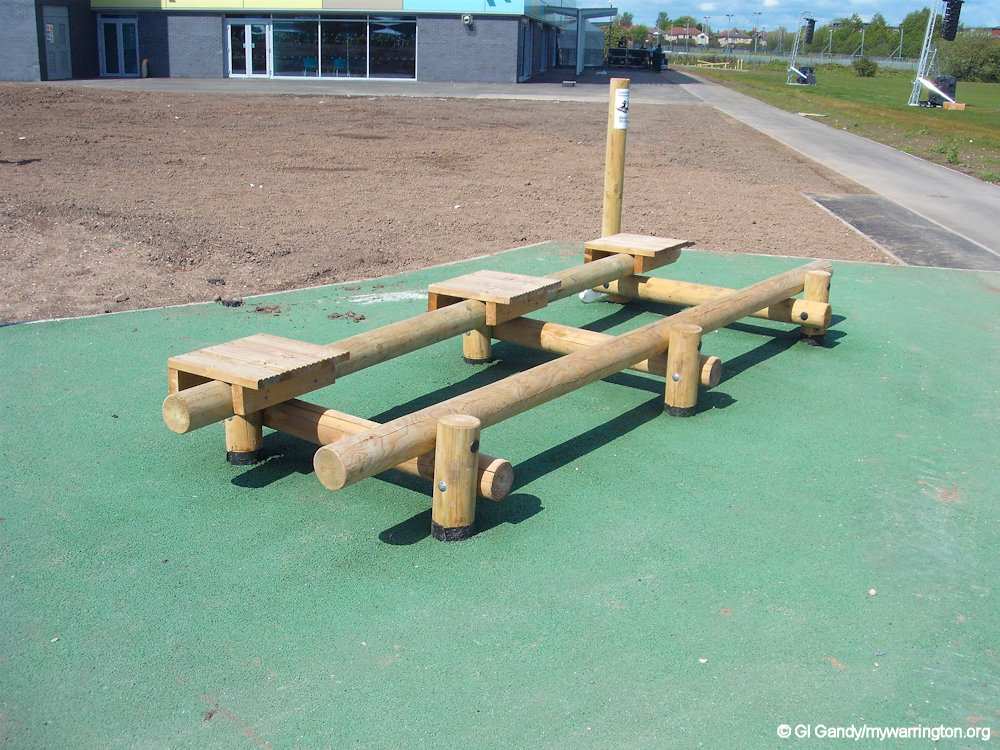
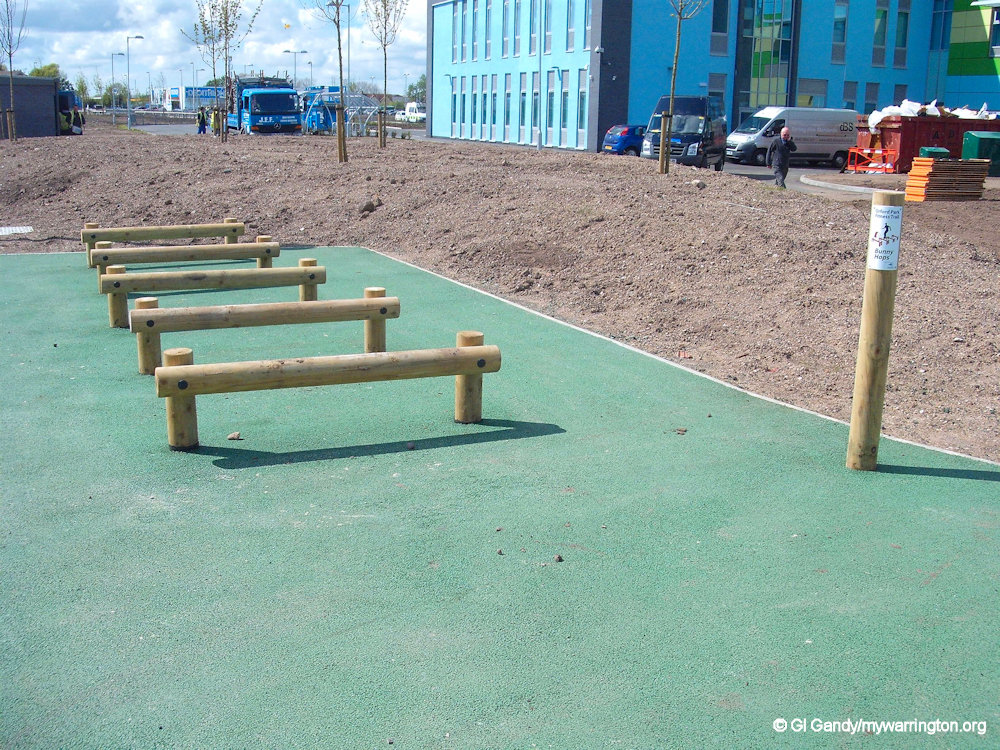
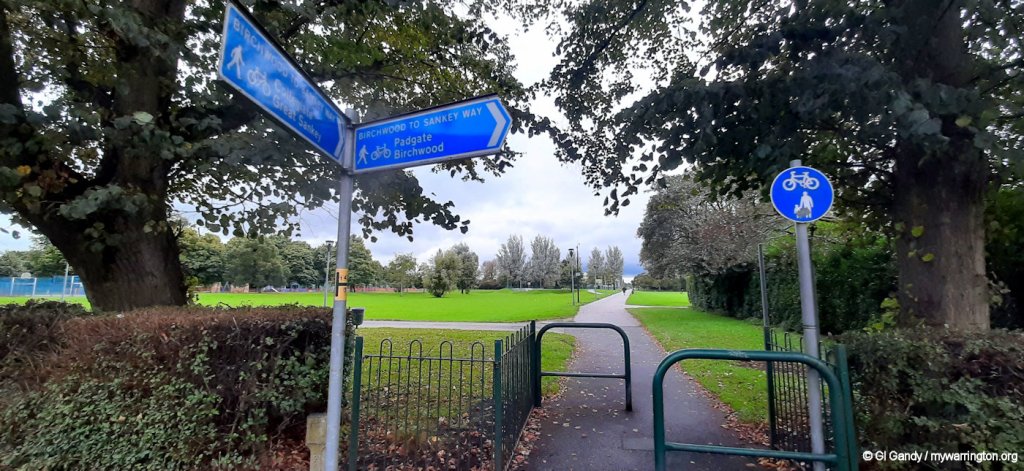
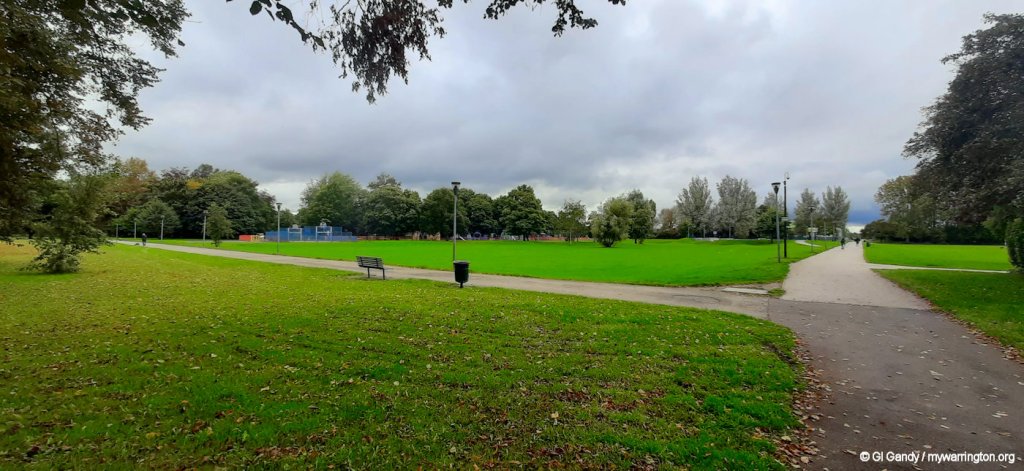
Read more about Orford Hall and Orford Park in Warrington Green. In the meantime, here are some photos of the park, beginning with the construction of the new facilities from 2010 onwards.
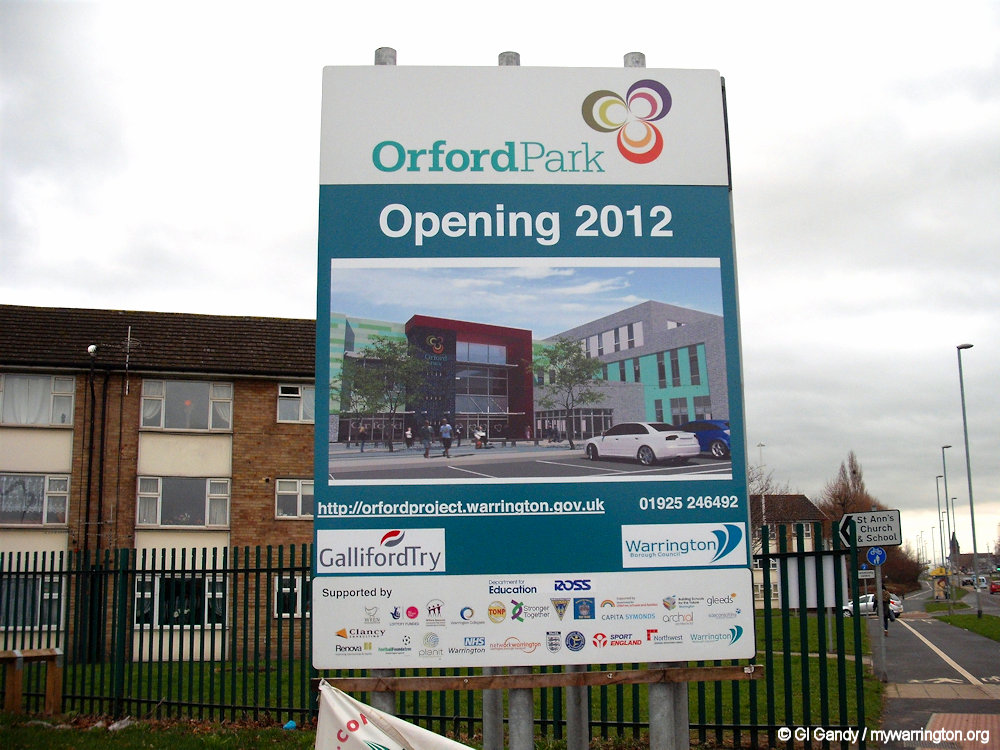
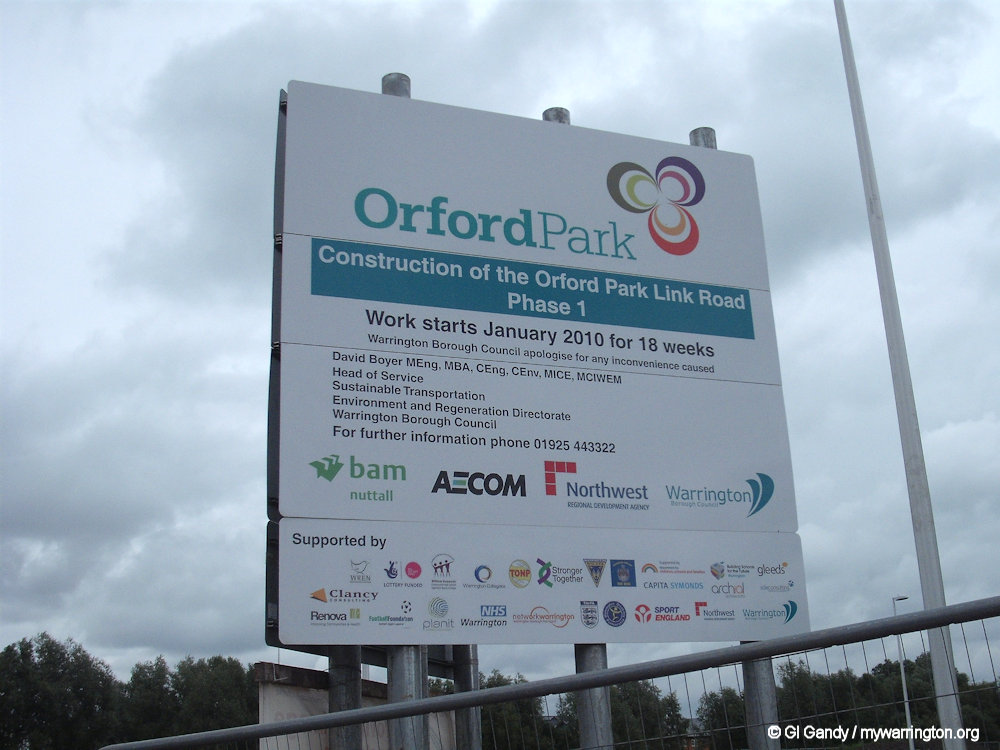
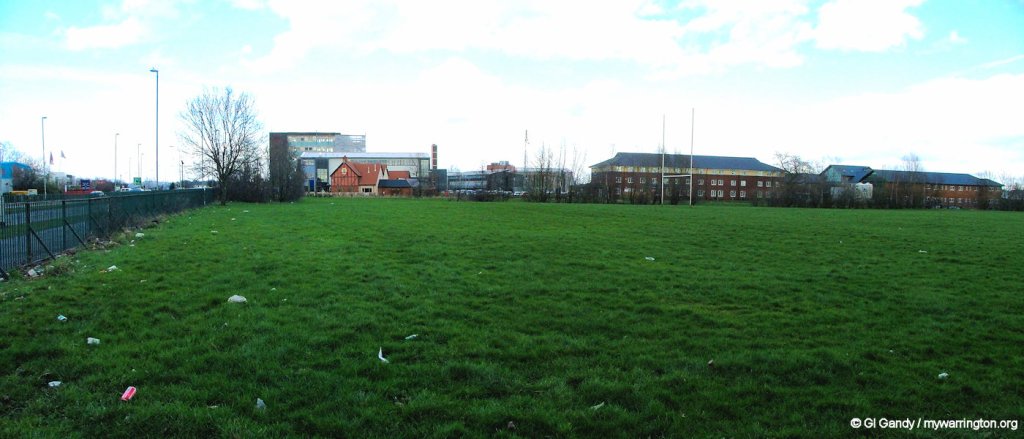
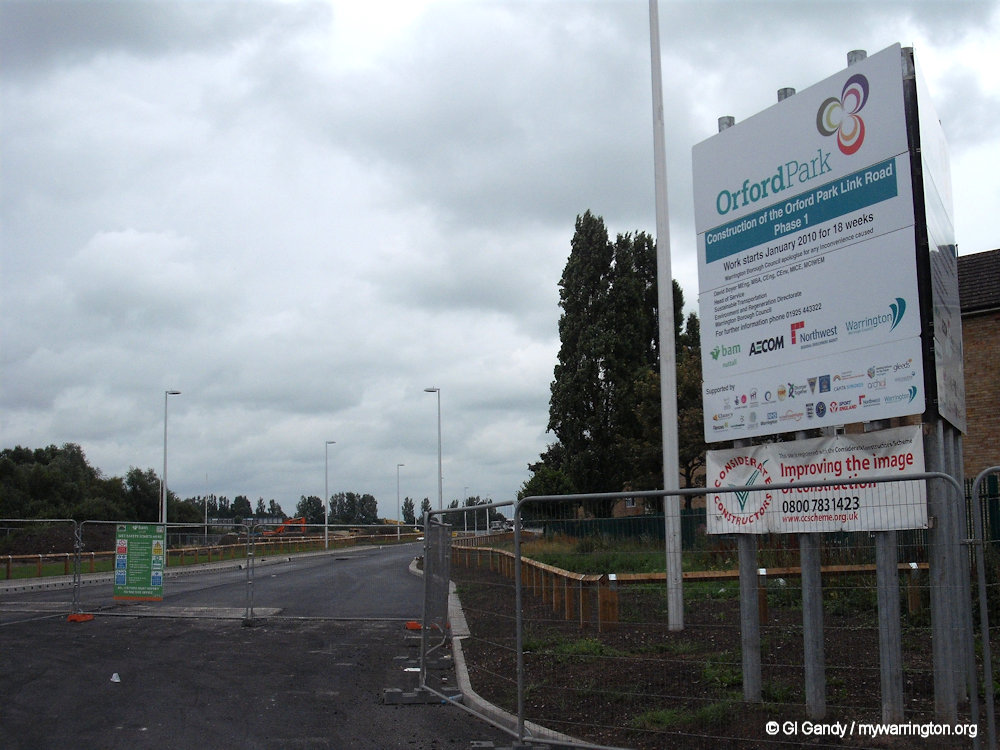
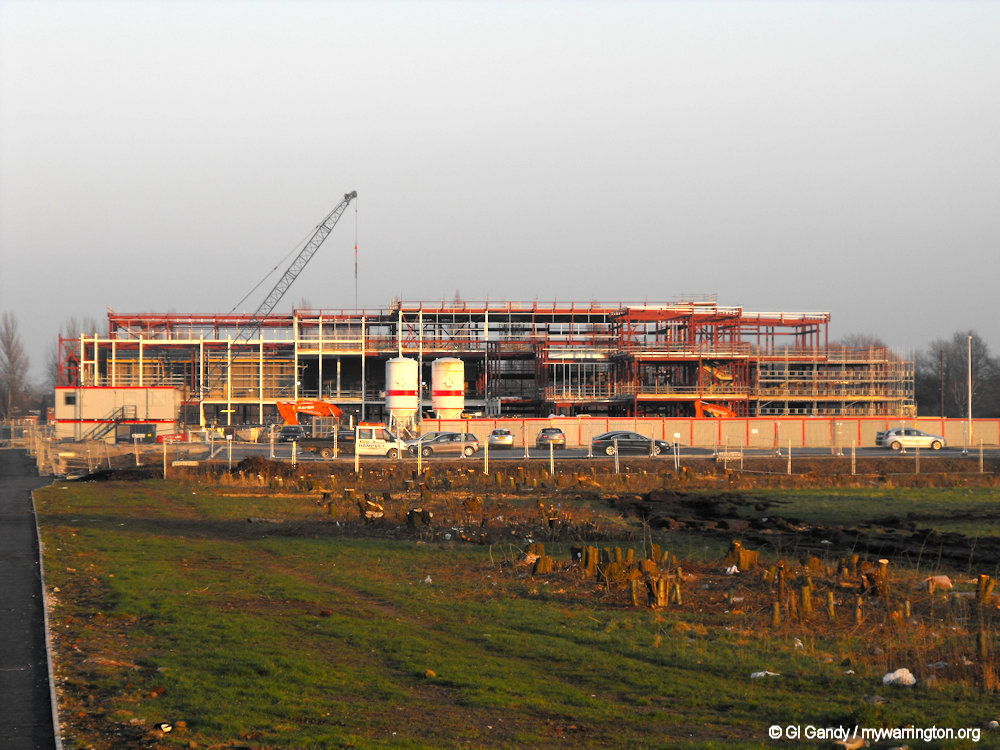
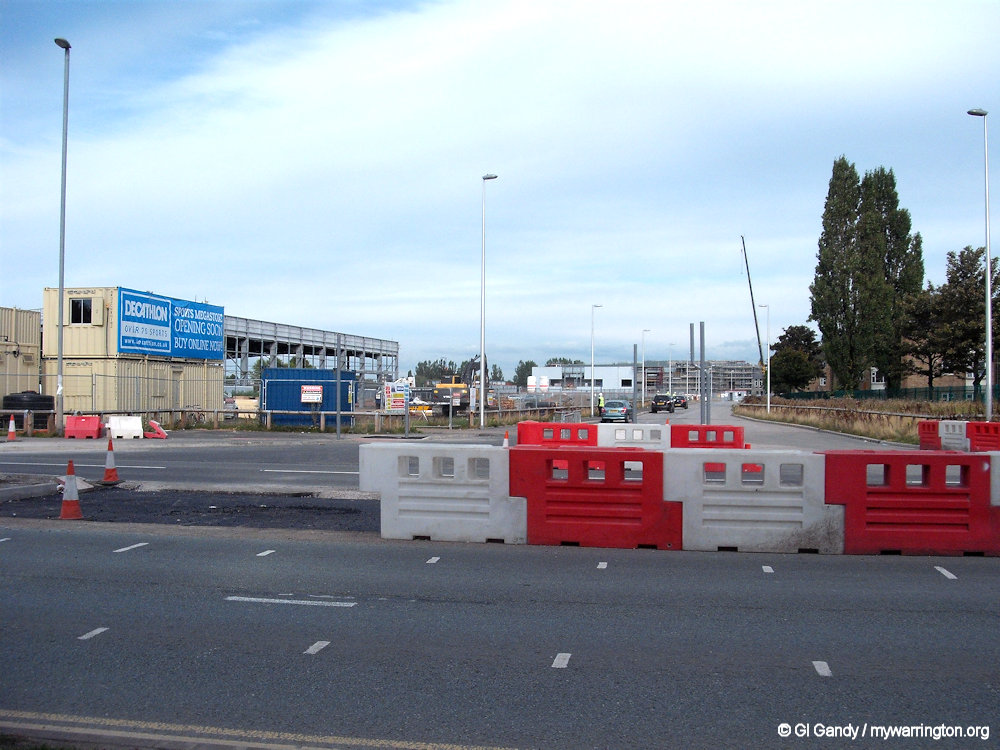
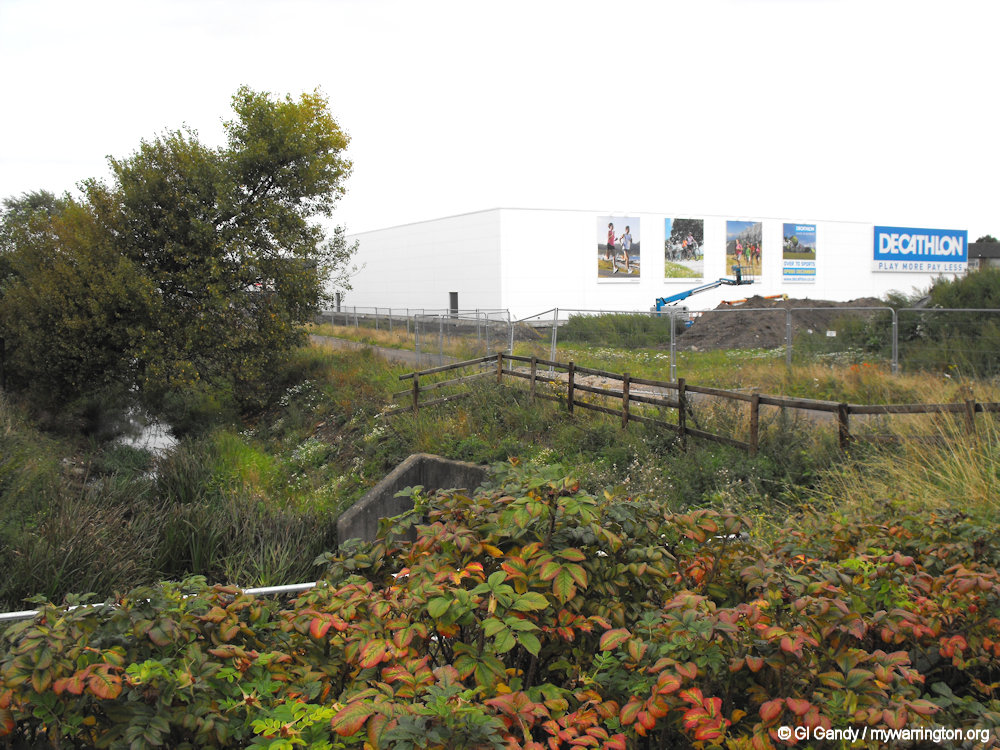
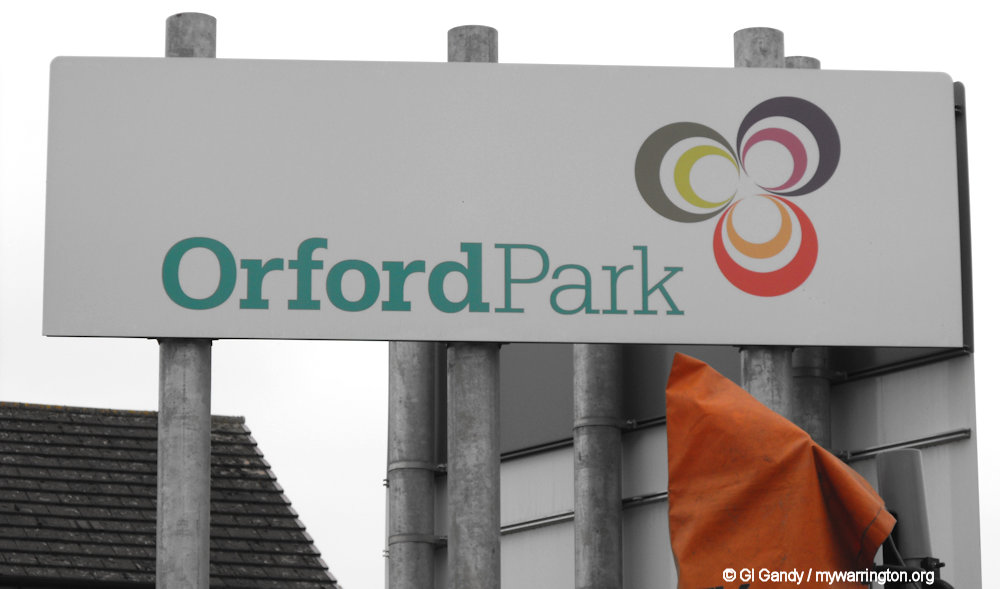

Artwork from local schools and community groups.
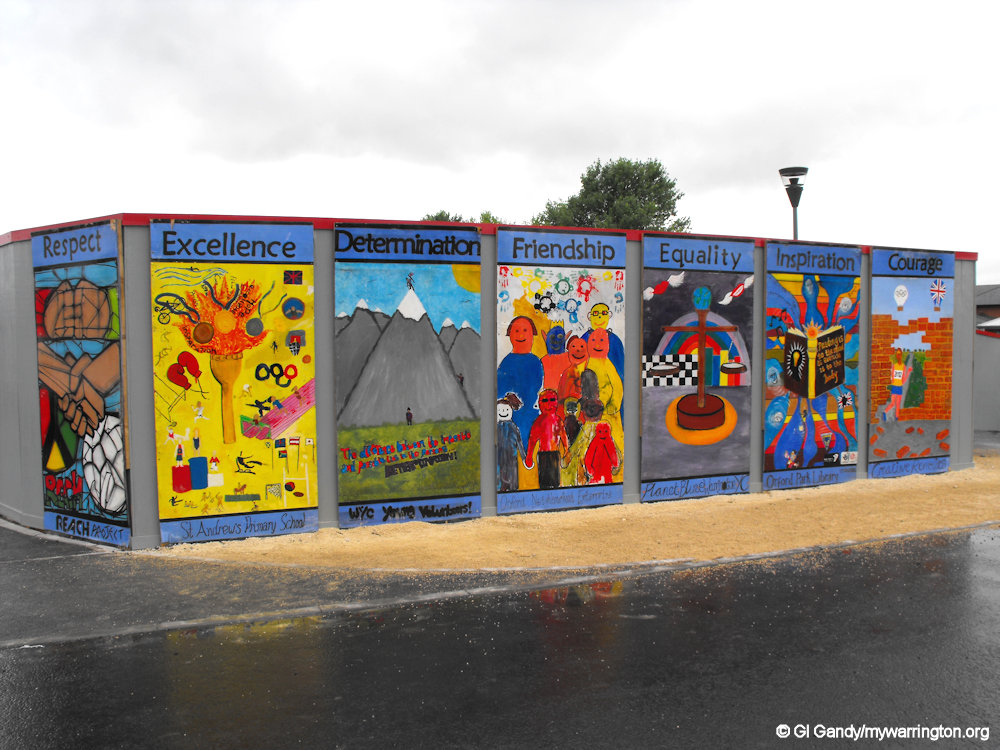

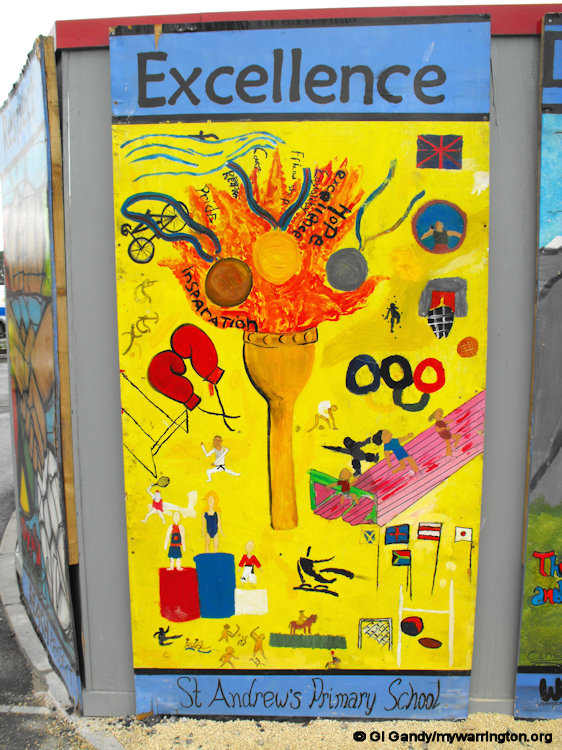



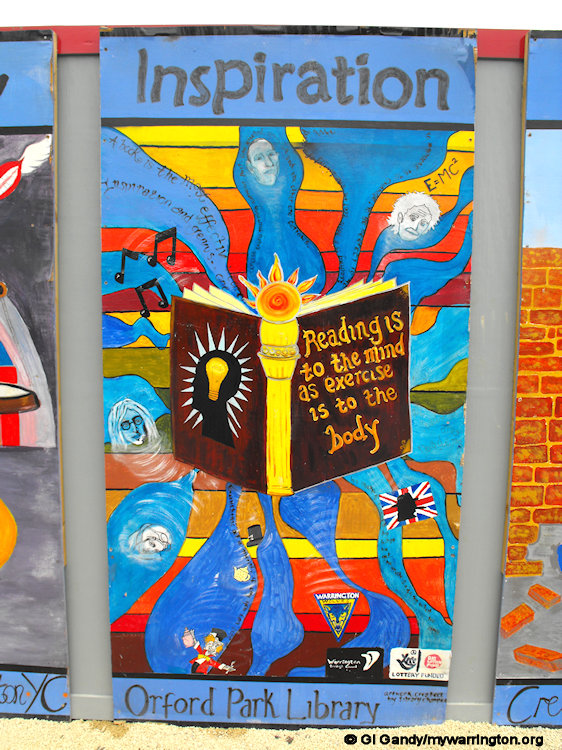
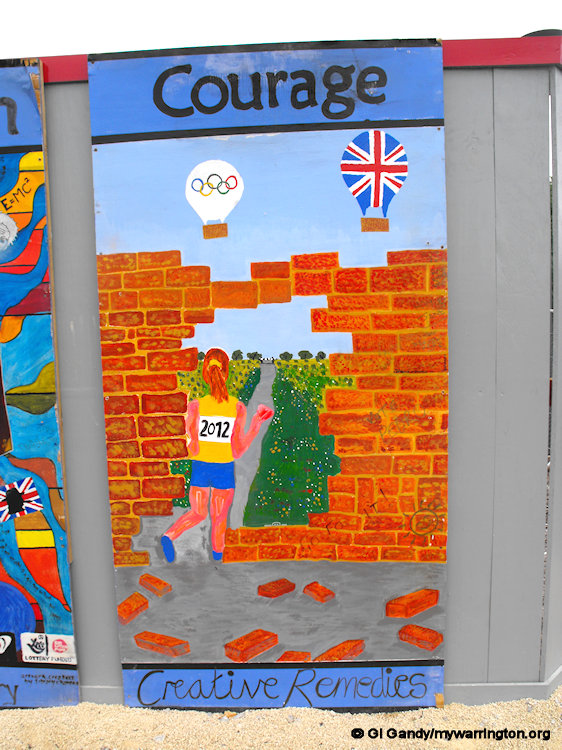
The Orford Jubilee Park hub on 12 May 2012
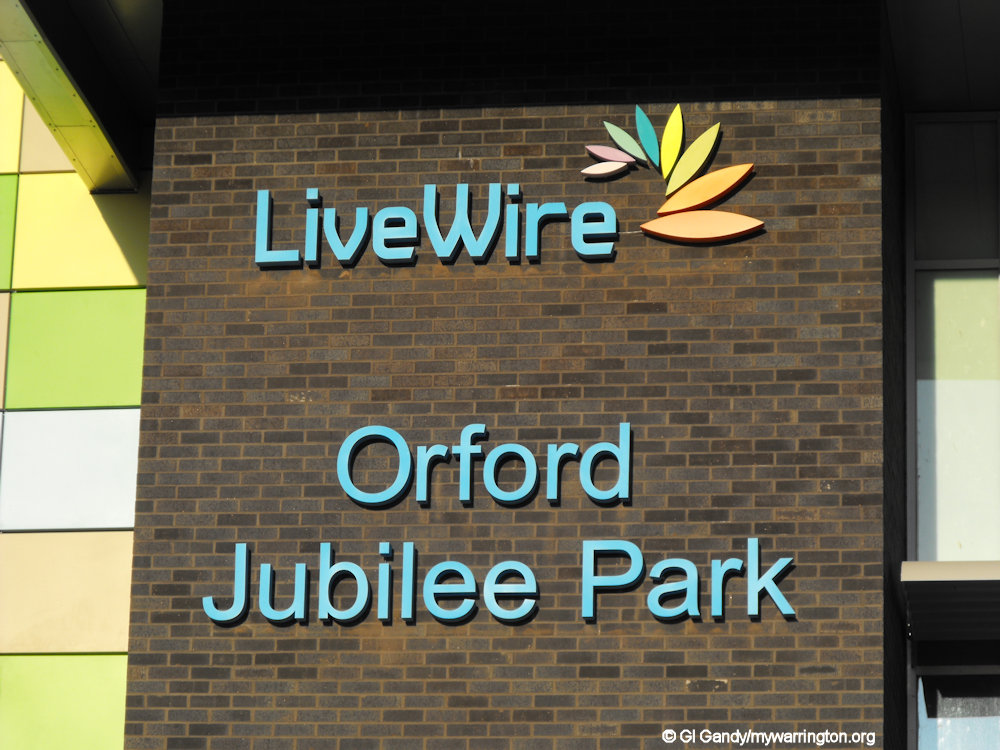
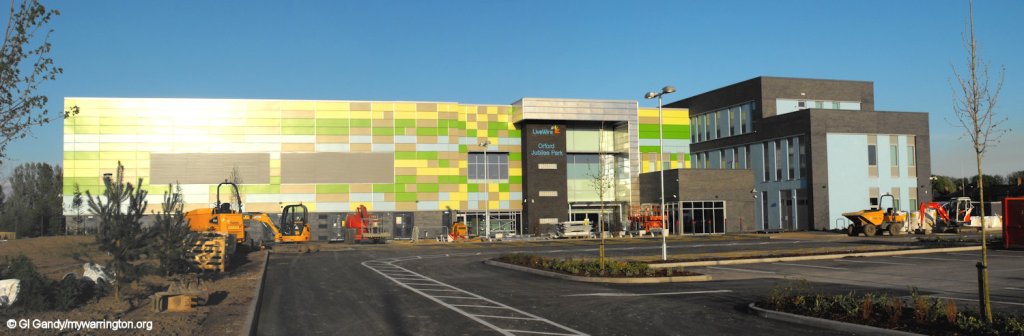
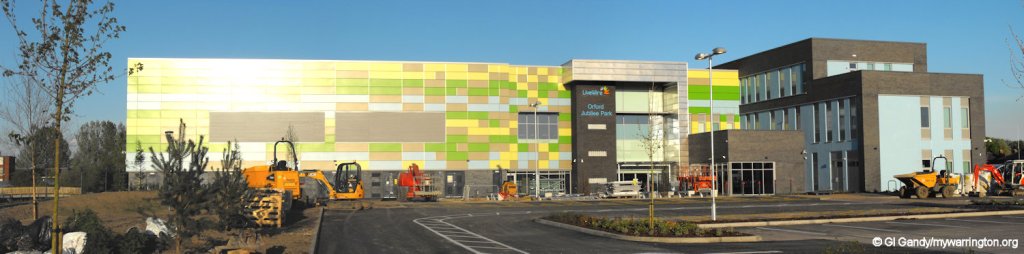
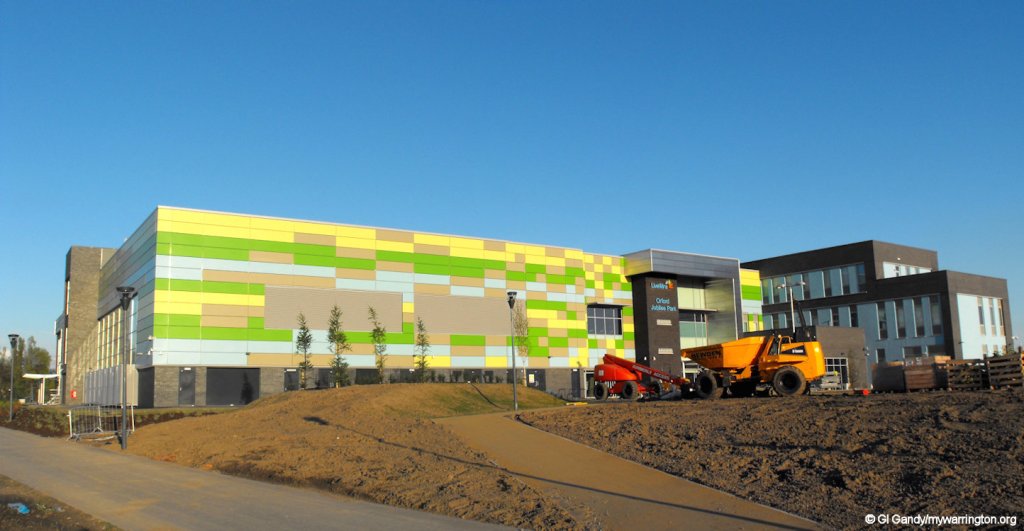

The official opening on 17 May 2012
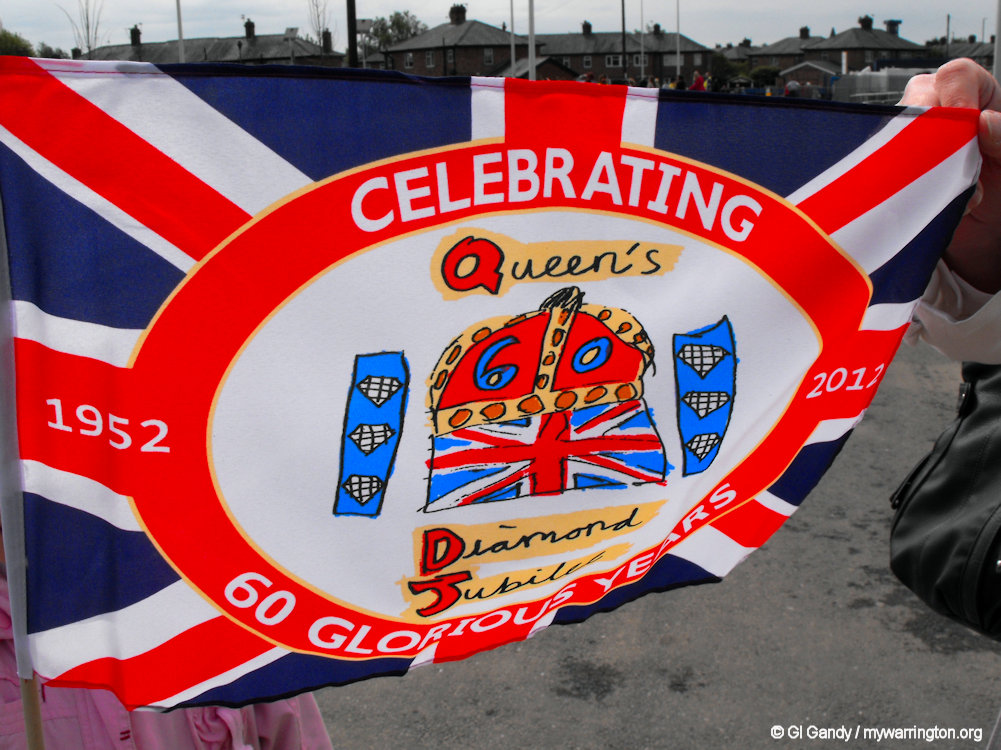
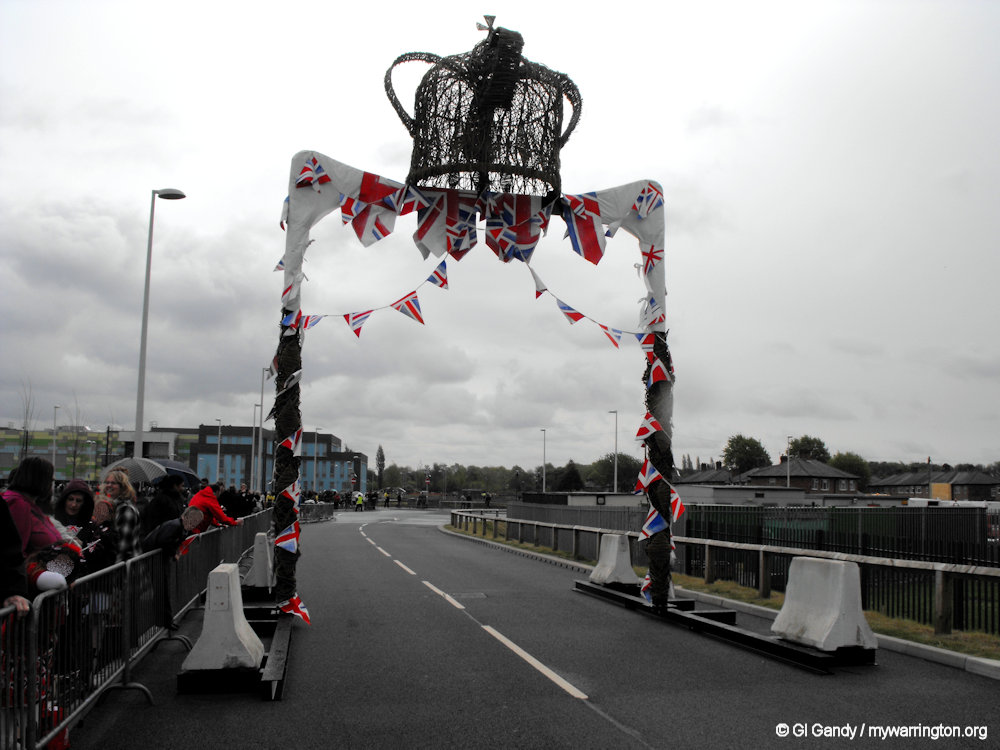
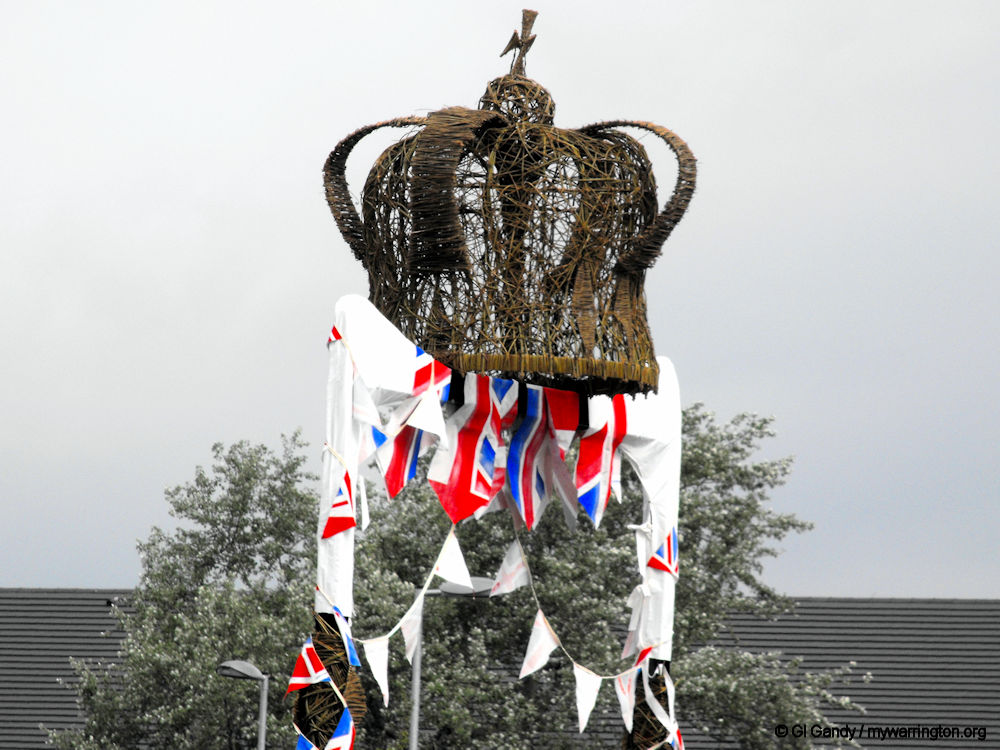
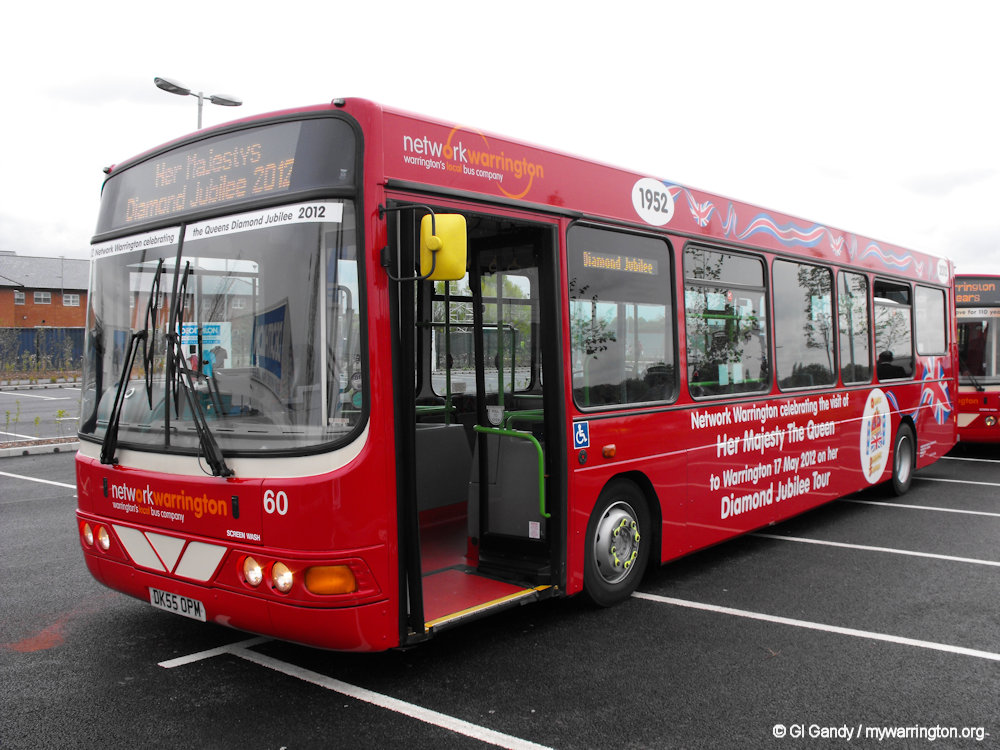
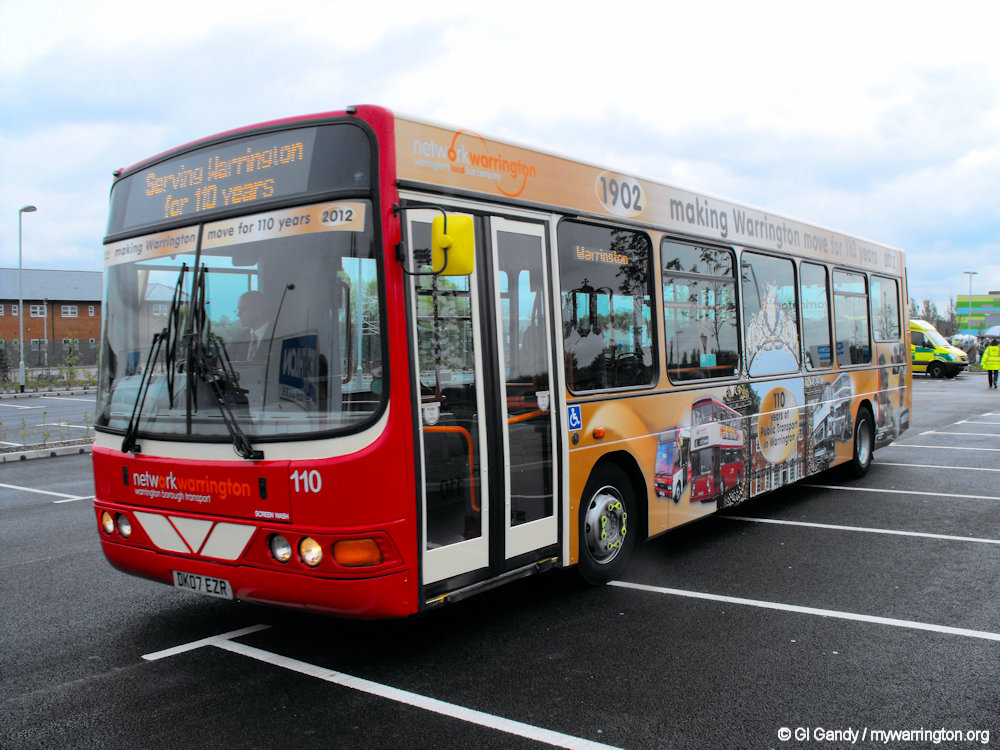
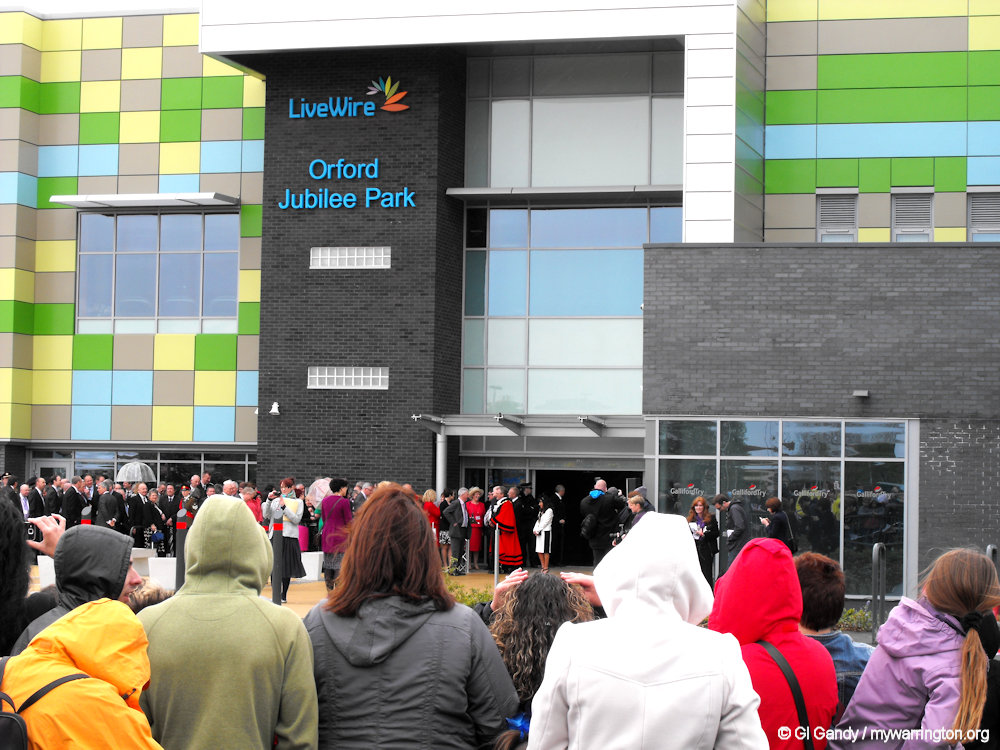
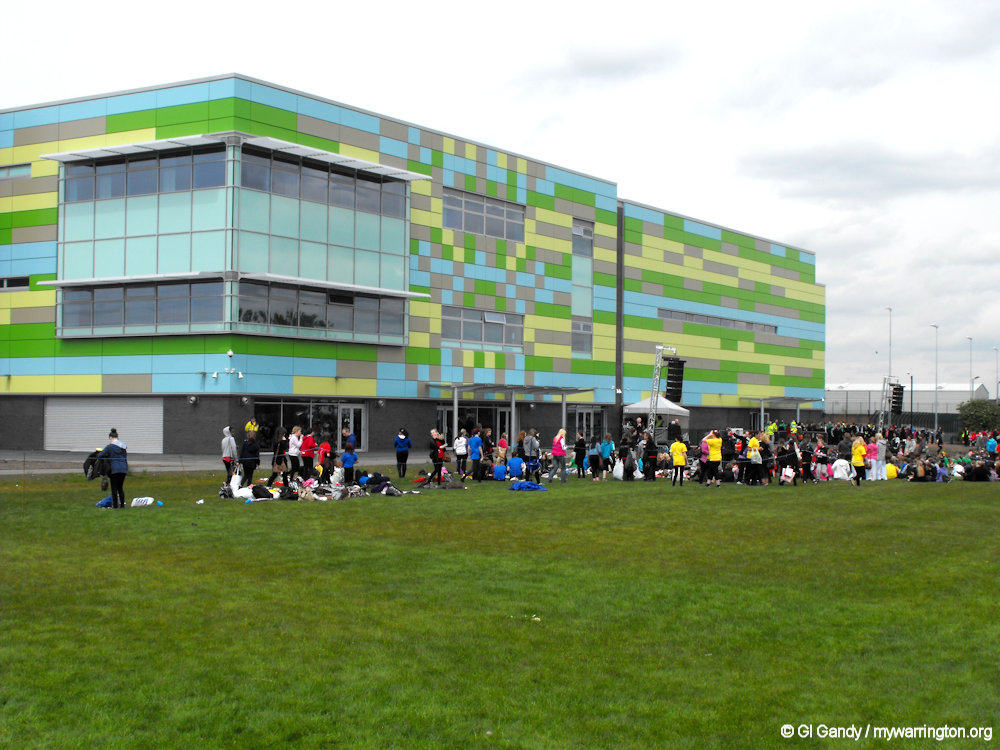

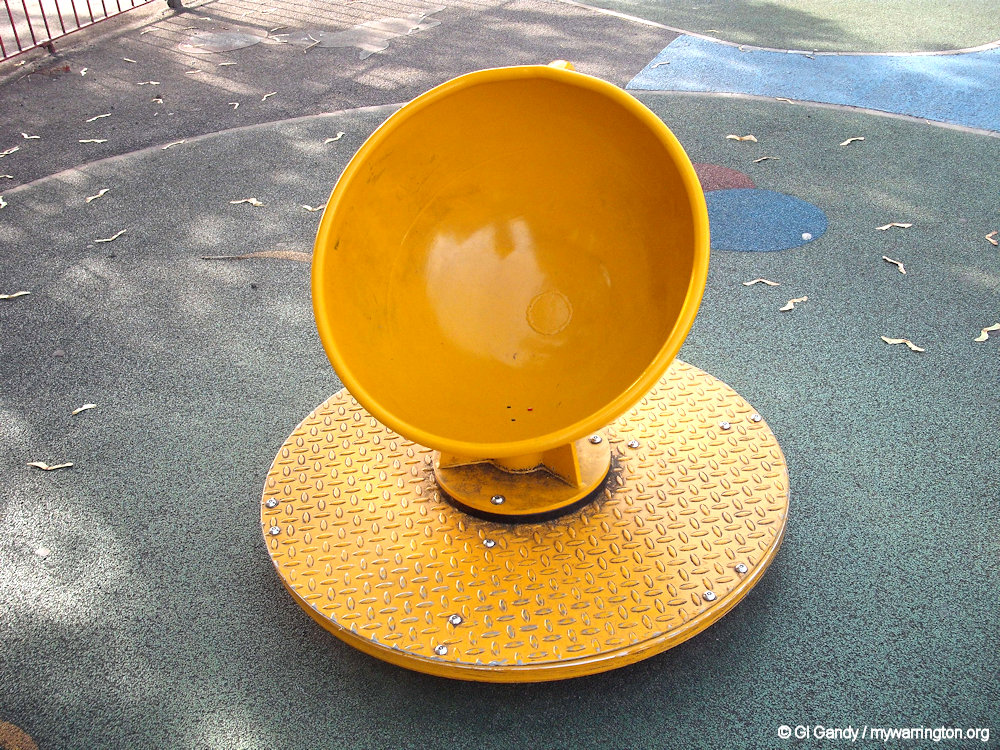
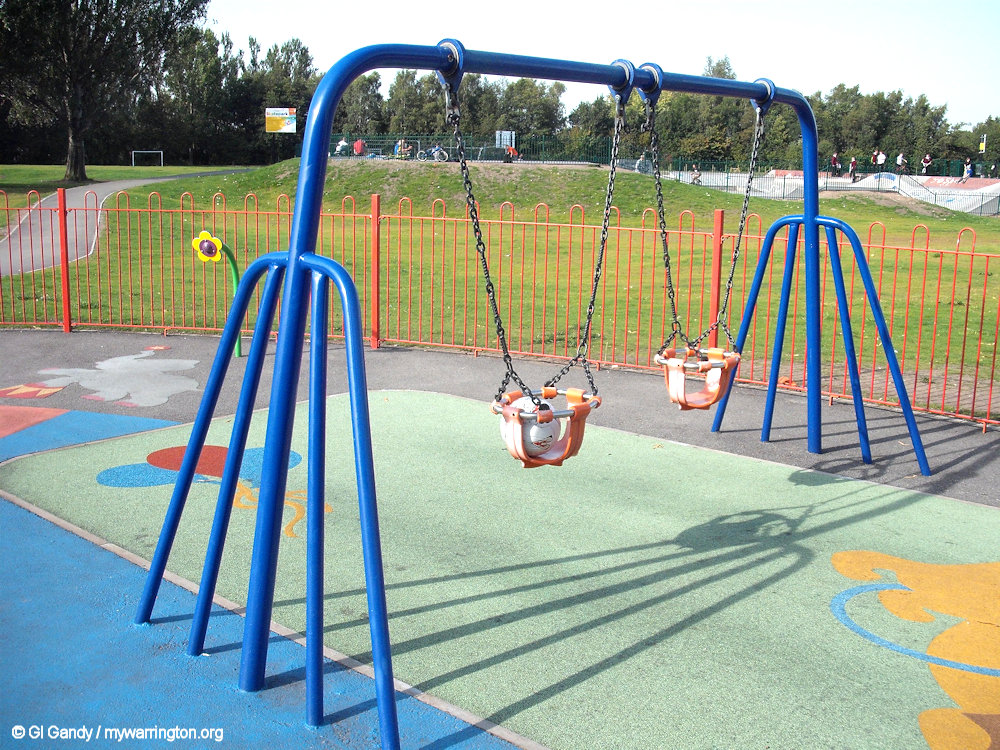
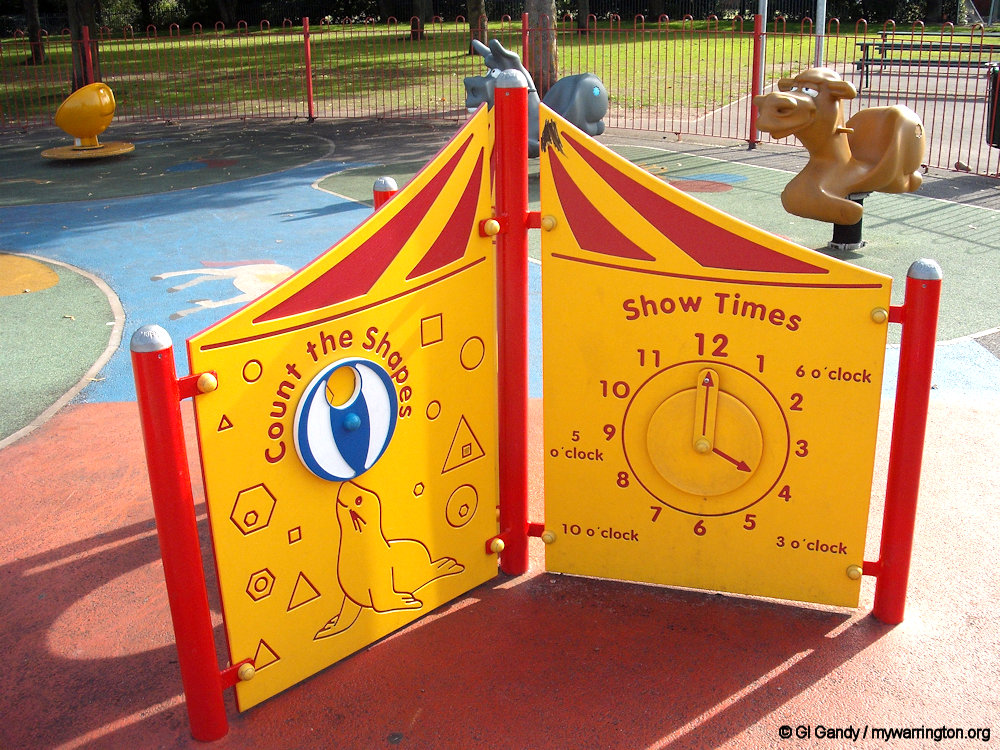
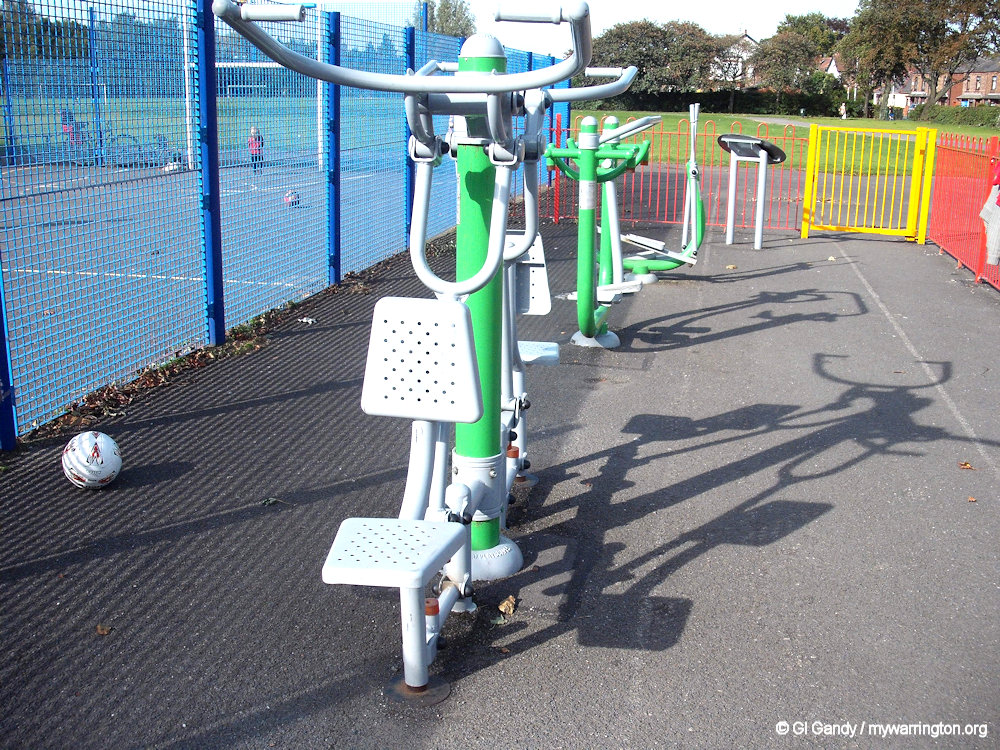
And finally, a look around Orford Park from 2006 showing old-style play equipment and the newer styles in 2009, plus the park in 2024.
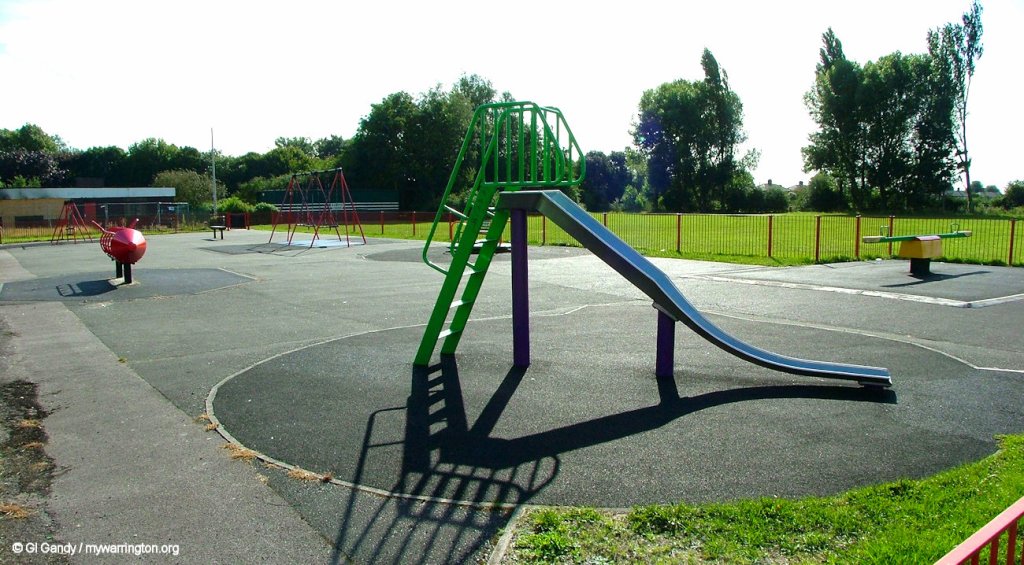
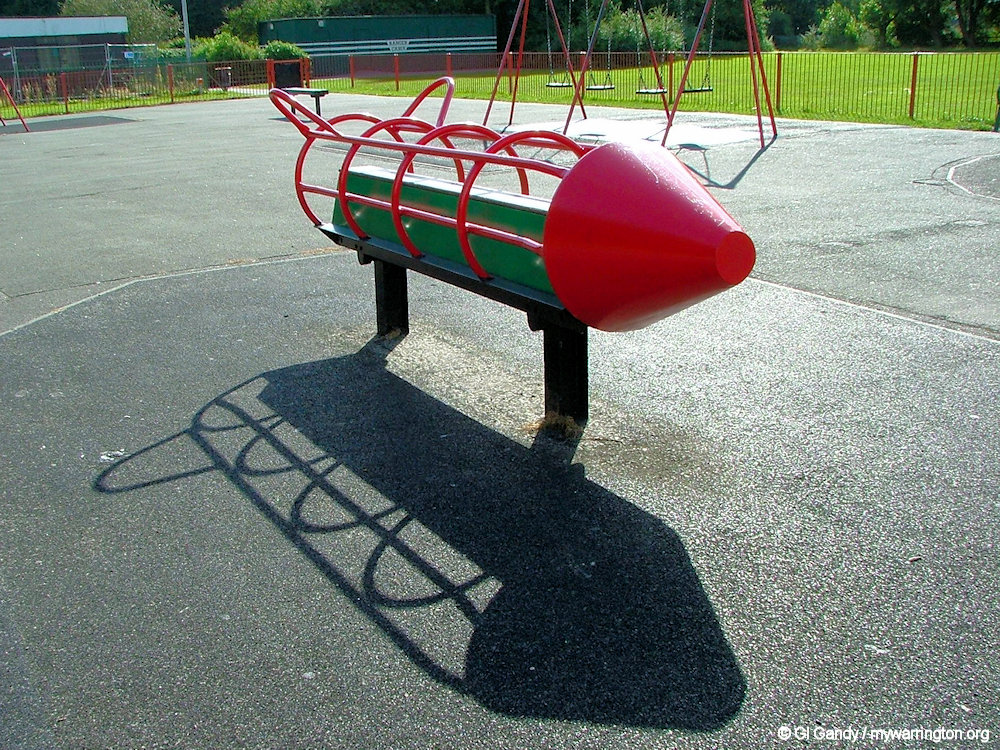
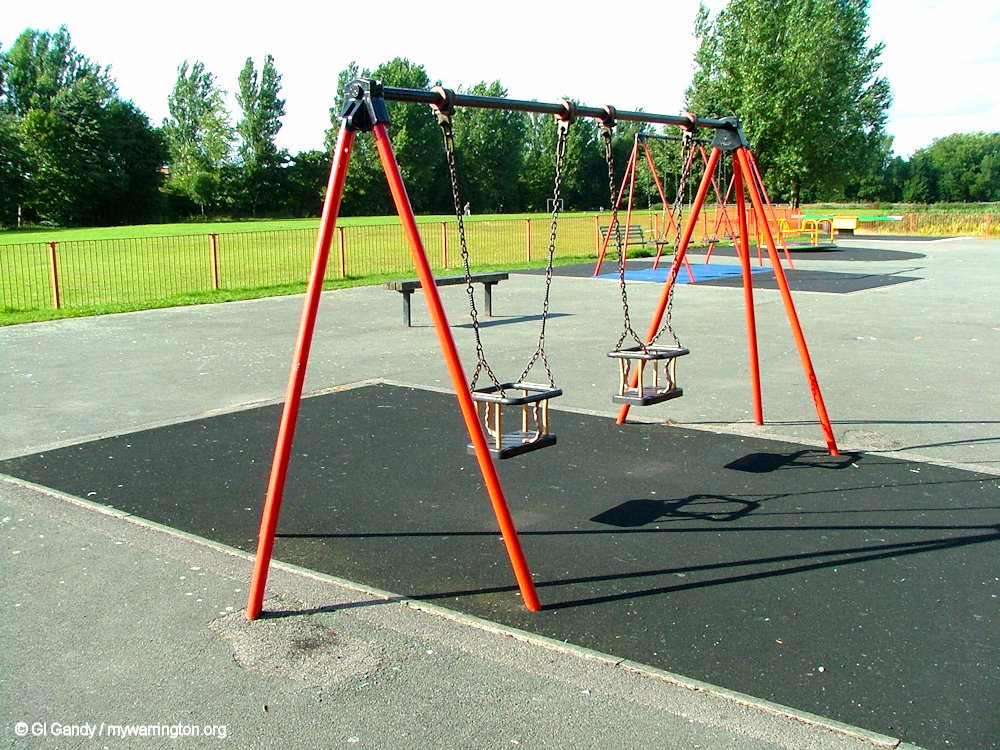



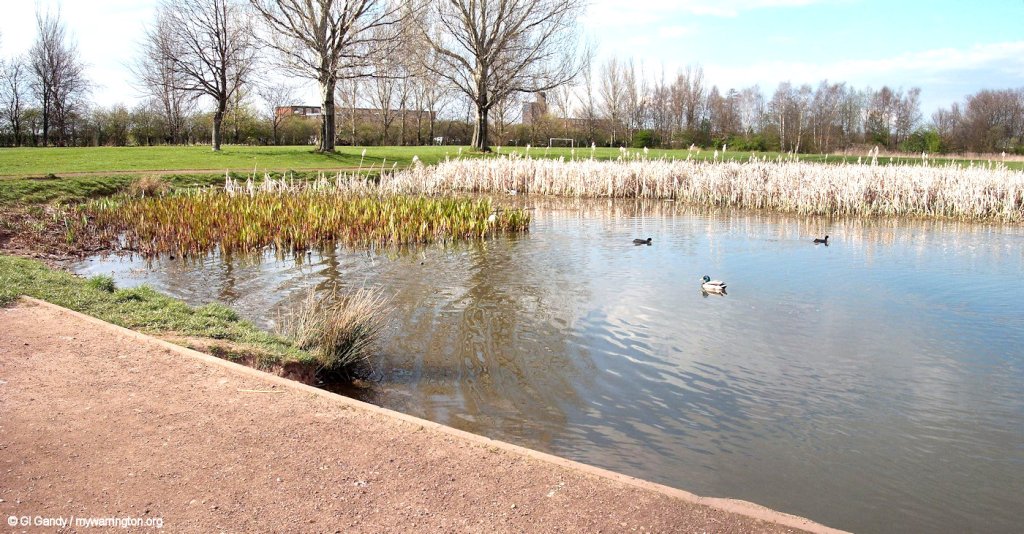
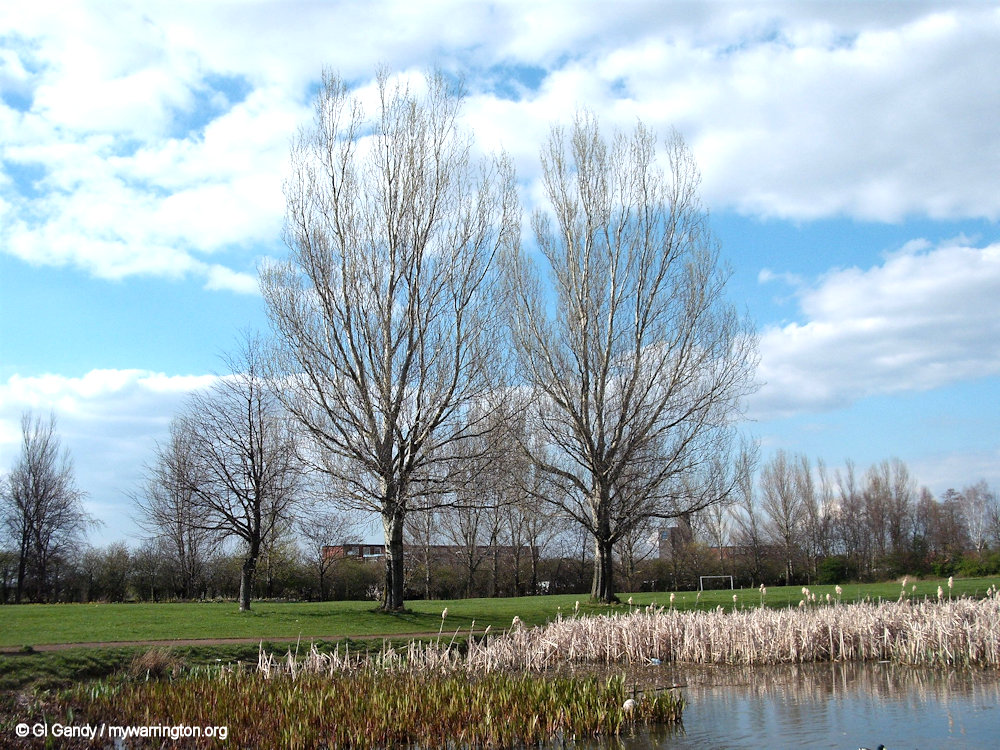
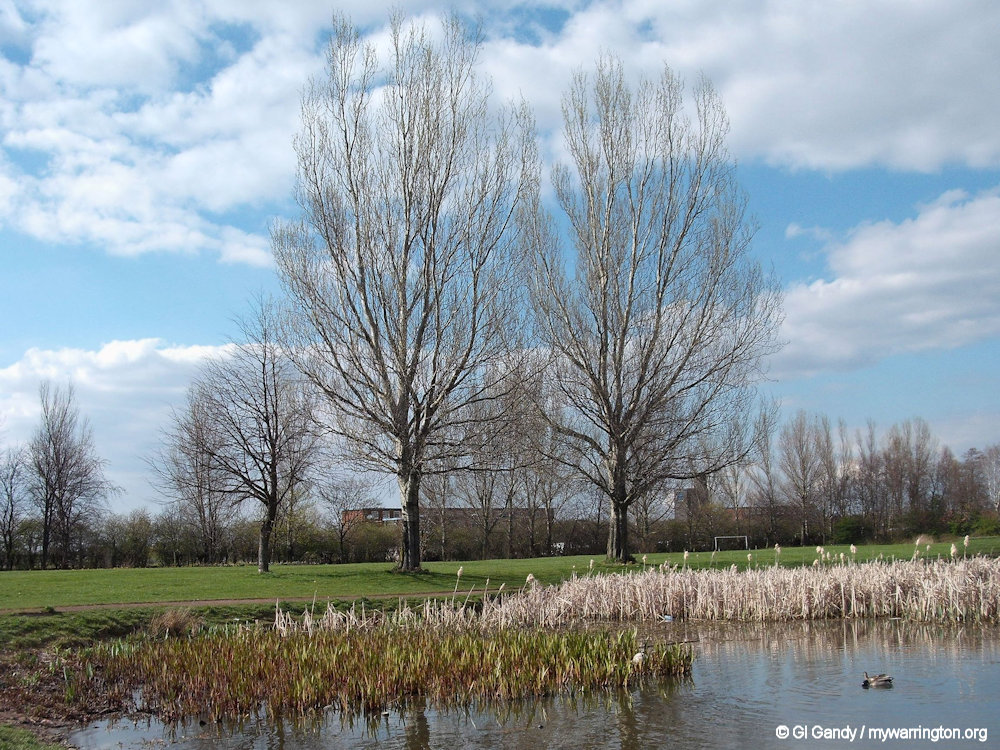
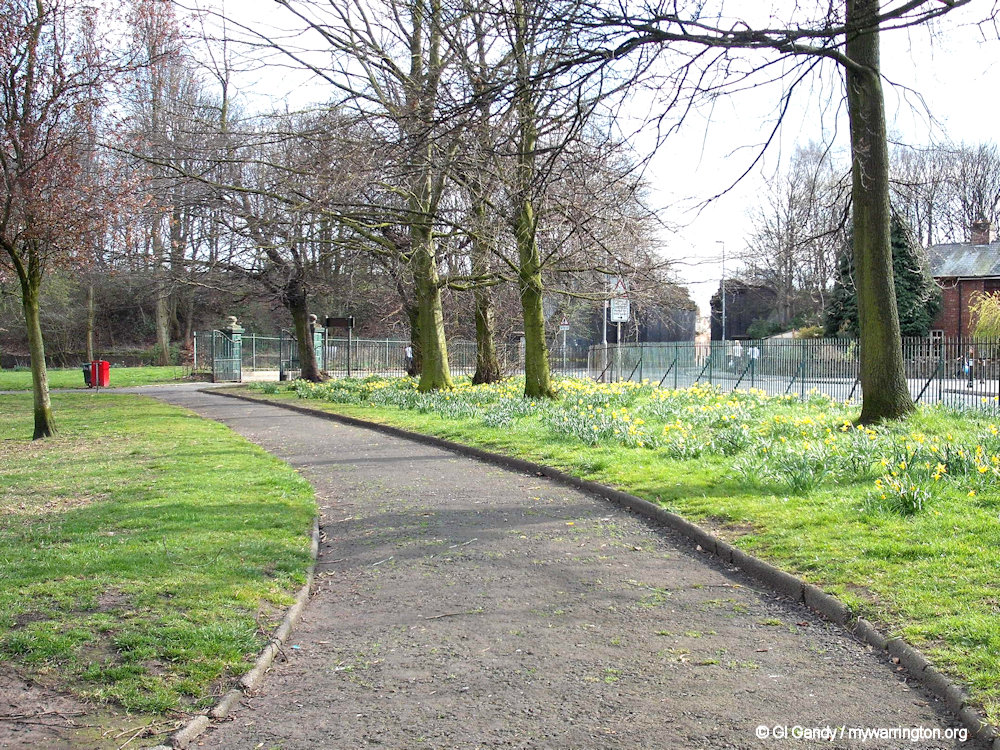
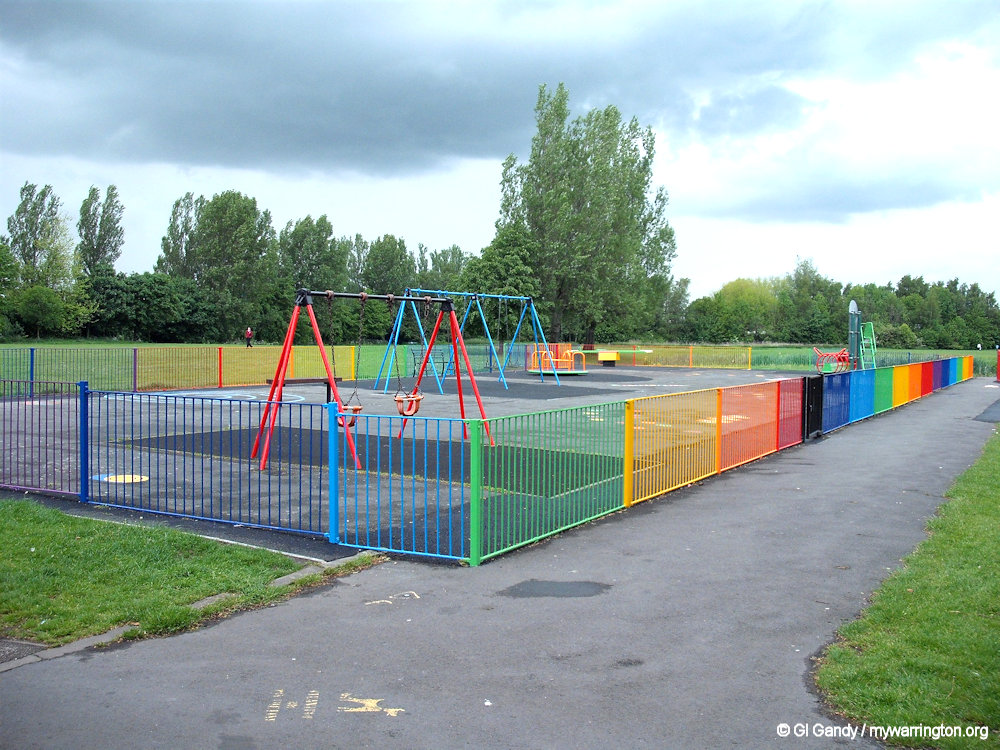
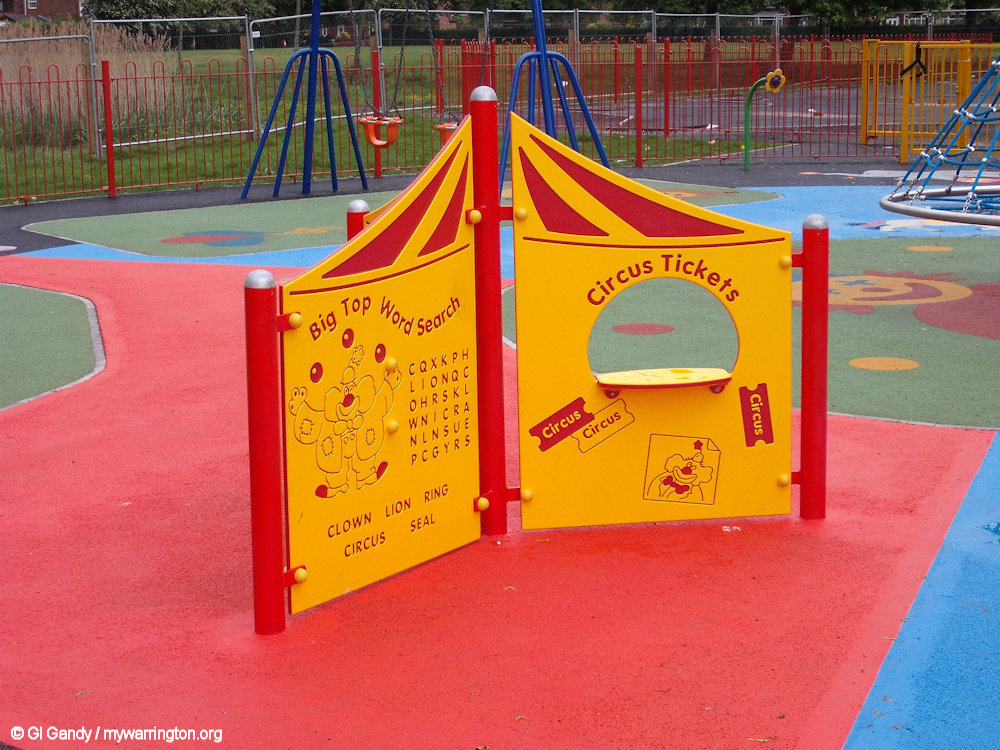
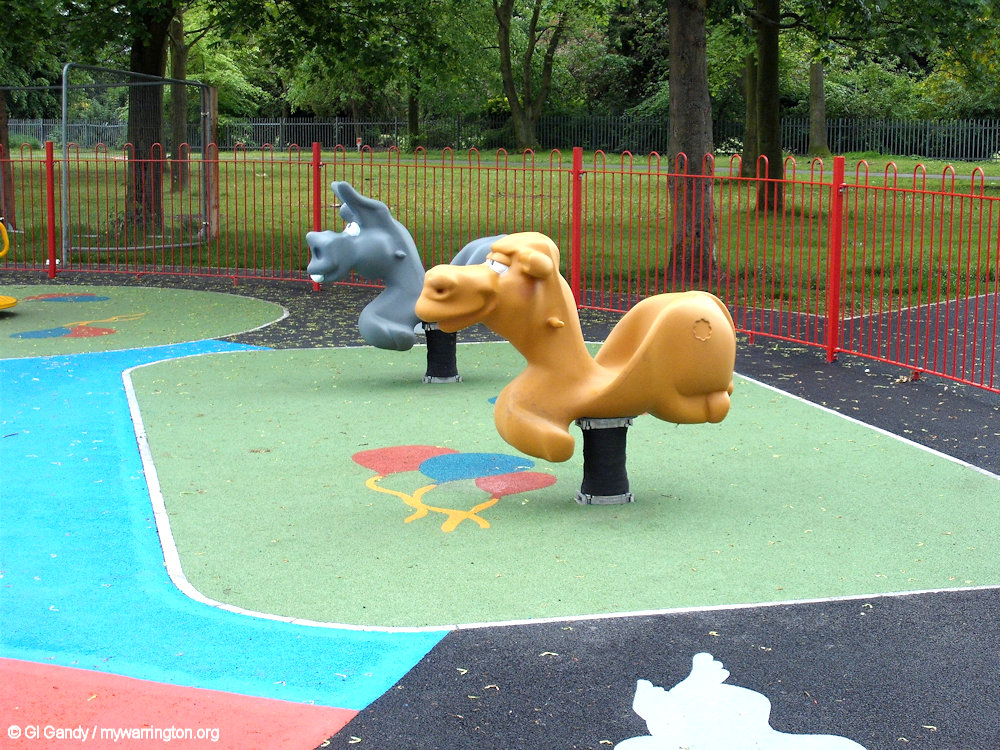
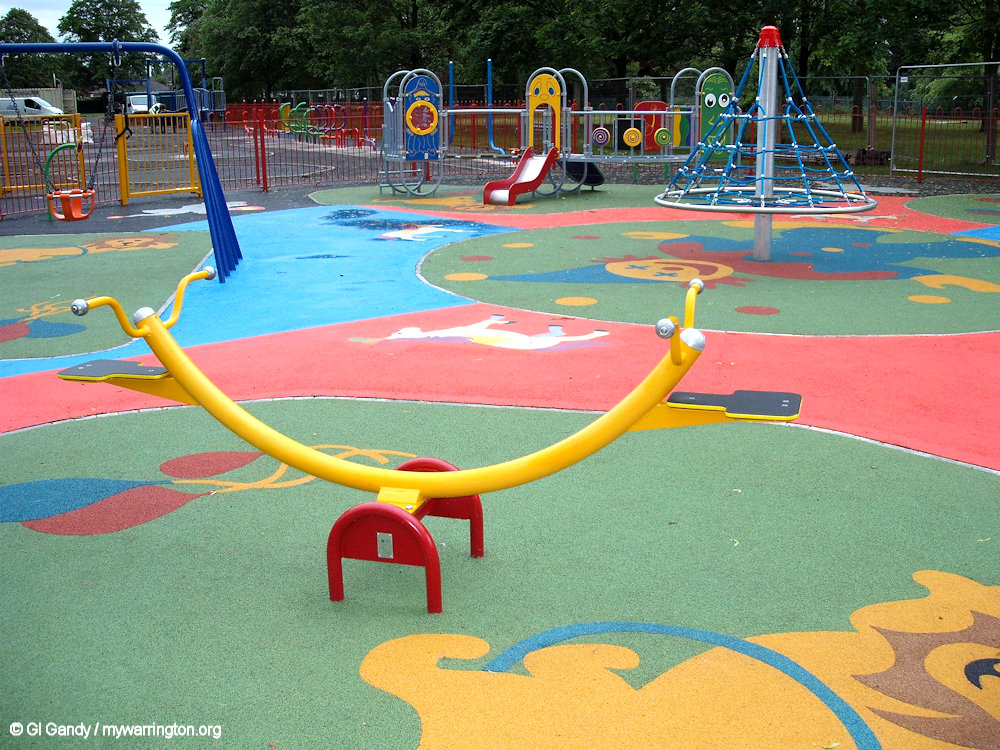
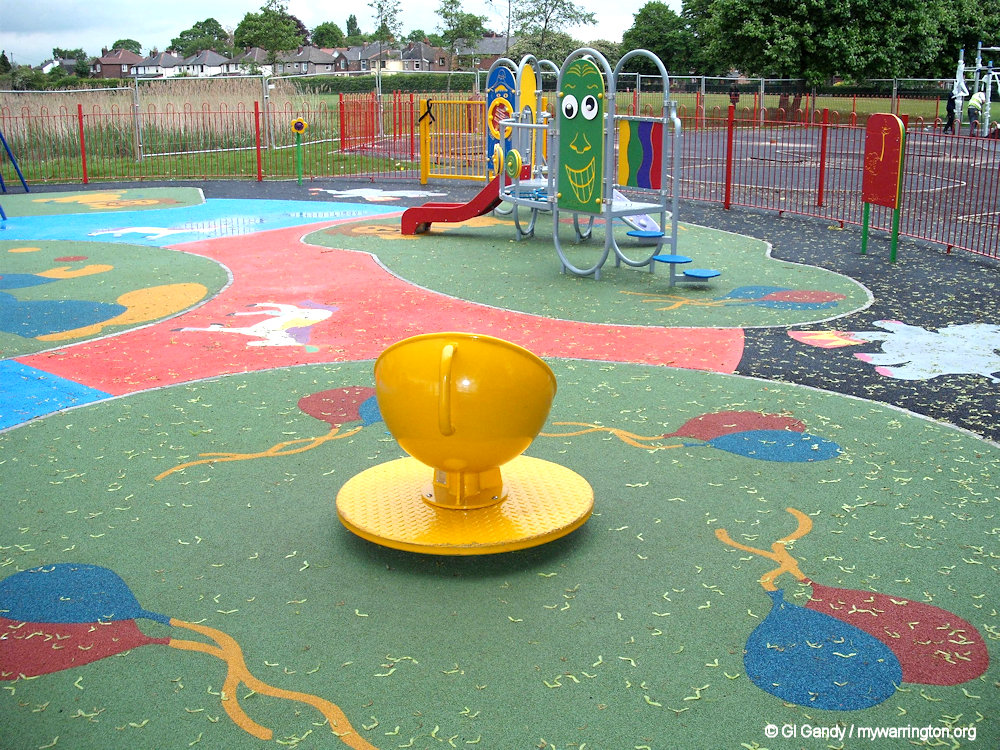
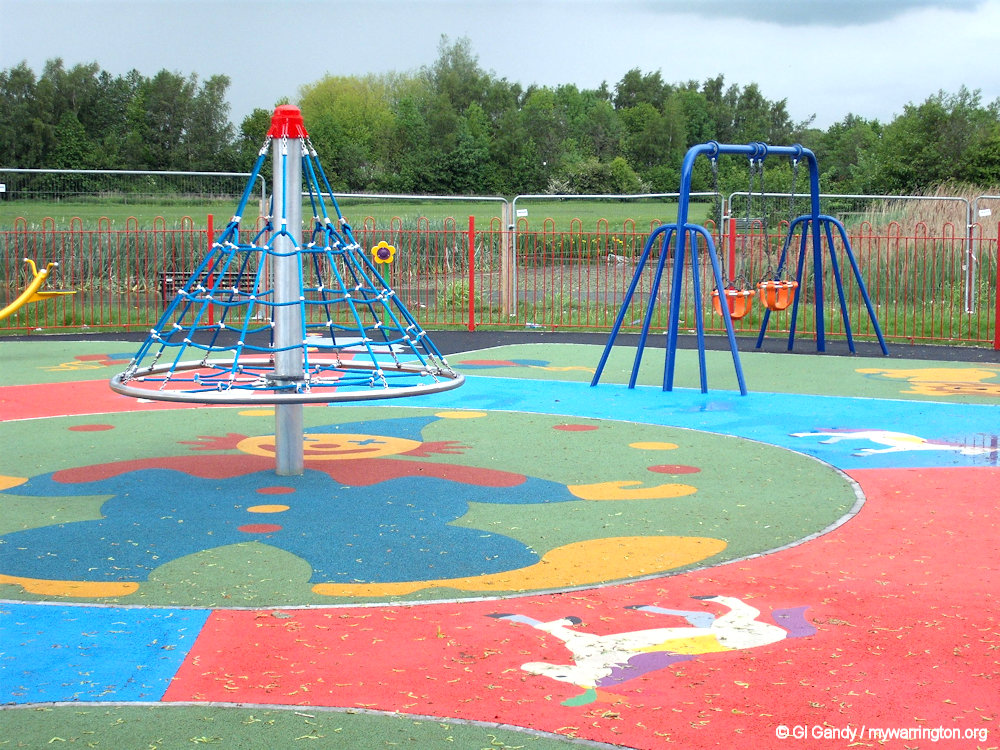

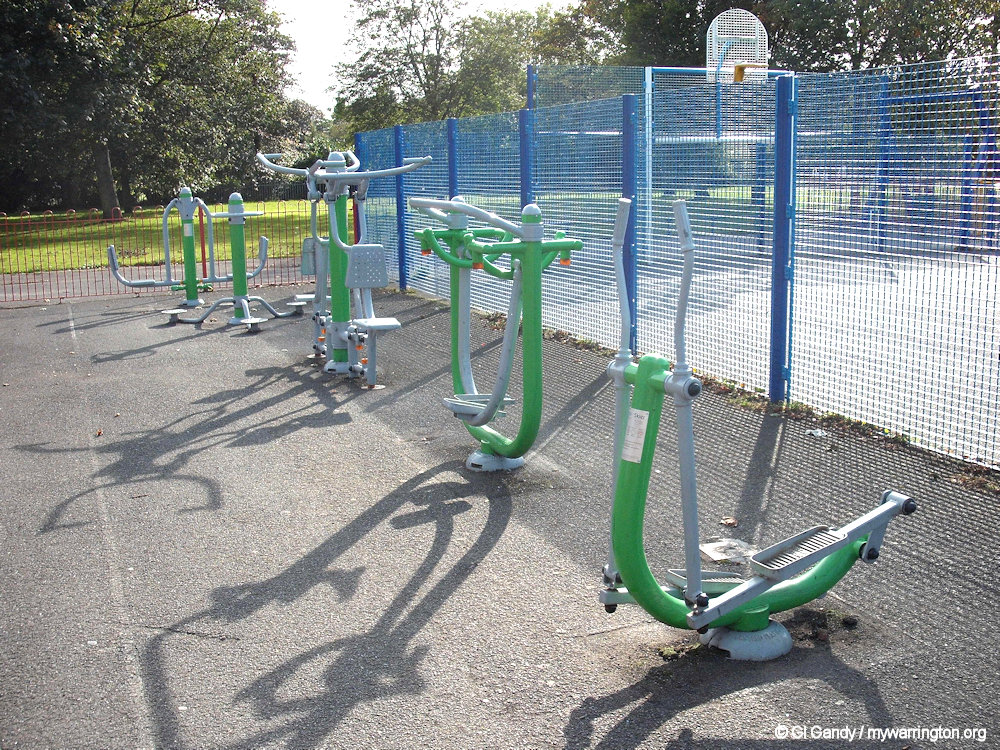
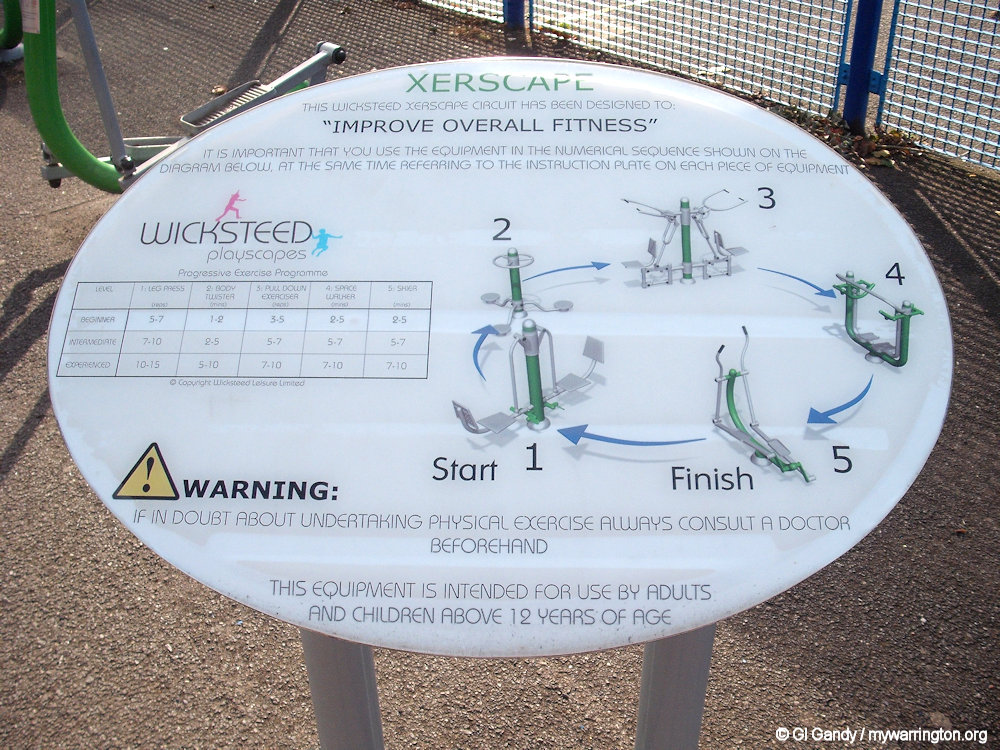
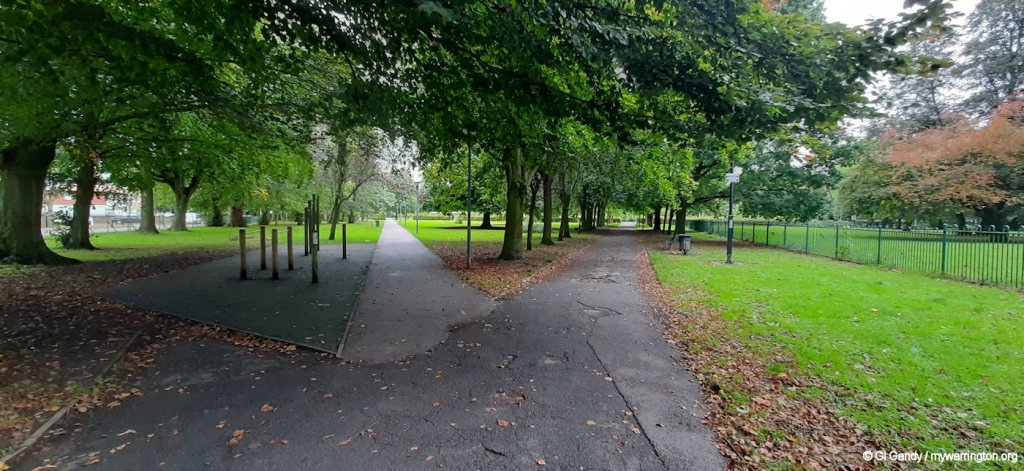
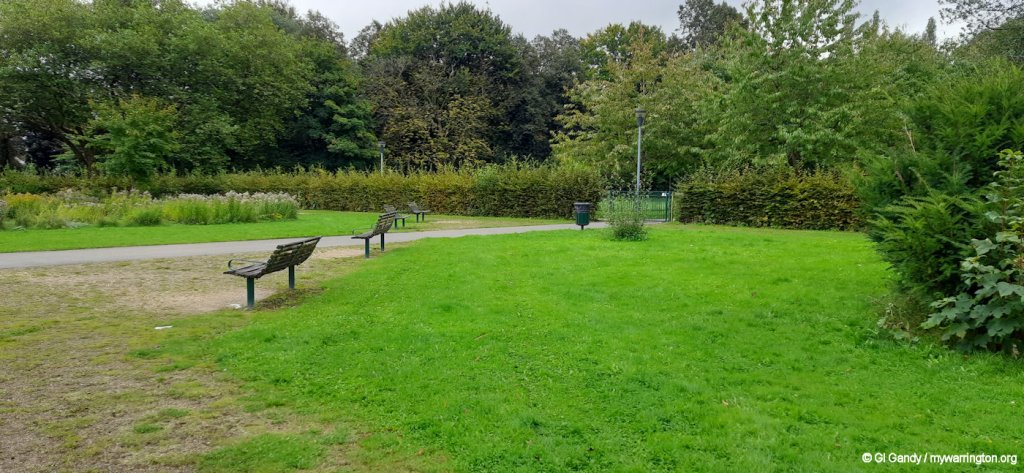
Orford Lane
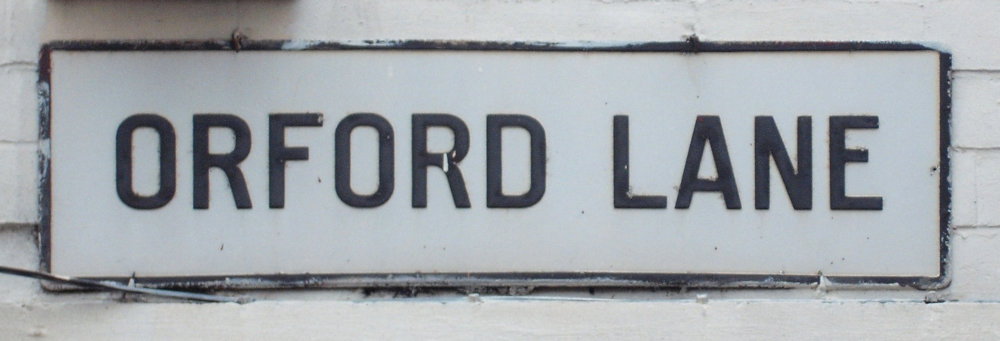
Orford Lane is the road that led from the edge of town centre, known as Town’s End, to its junction with Marsh House Lane. The district of Orford is on the west side of Orford Lane, with Fairfield on the east.
Orford Lane Glassworks
From Warrington-Worldwide
Orford Lane Glass Works was founded by Thomas Glazebrook (1780-1829) who was an influential figure in the Lancashire Association of Flint Glass Manufacturers.
The works changed ownership several times over the years, first by Glazebrook going into partnership with Thomas Robinson for the period 1829-1832.
Robinson continued on his own until 1855, although for a time he was in partnership with William Warburton.
In 1855, he went into partnership with Edward Bolton.
It was Robinson who introduced the pressed glass process – invented in the United States in 1825 – at Orford Lane and the company has great success with a pattern called the Empress Dish.
Edward Bolton became sole owner of the glassworks in 1869. But for two years from 1875 Bolton, his son George and George Wood ran the company as a partnership.
Then until 1885, Edward Bolton appears again to have been sole owner.
An engraving of the works in 1855 is said to have shown at least four furnaces working, which is an indication that it was a works of reasonable size.
From 1885 to 1892 the company was known as Edward Bolton and Sons. There was a family connection in Australia and for a time glass made in Warrington was sold and exhibited “Down Under.”
The history of the Orford Lane work becomes hazy after 1892. Edward Bolton died in 1899.
Mr Joyce started collecting pressed glass in 1999 but has only one example of a piece made at the Orford Lane works.
English pressed glass has become collectable since the last works in the country – Pyrex at Sunderland – closed in 2007.
Orford Lane Today
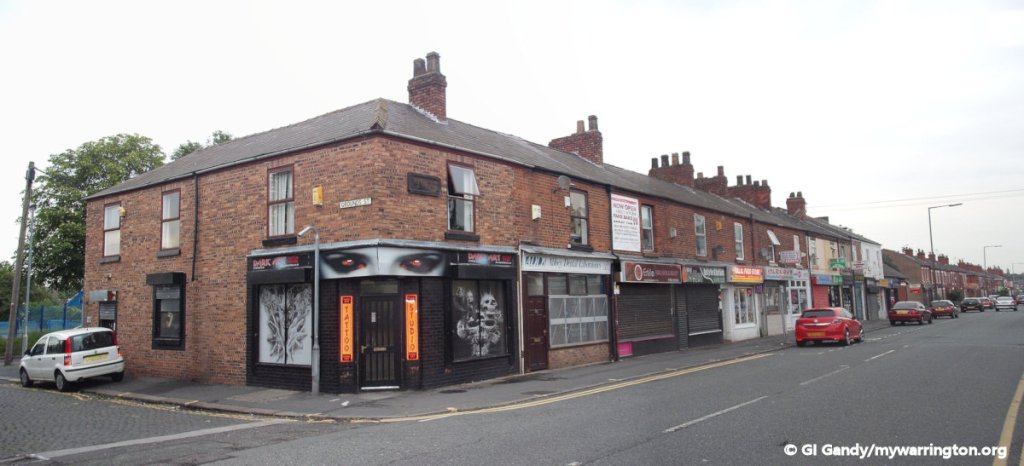
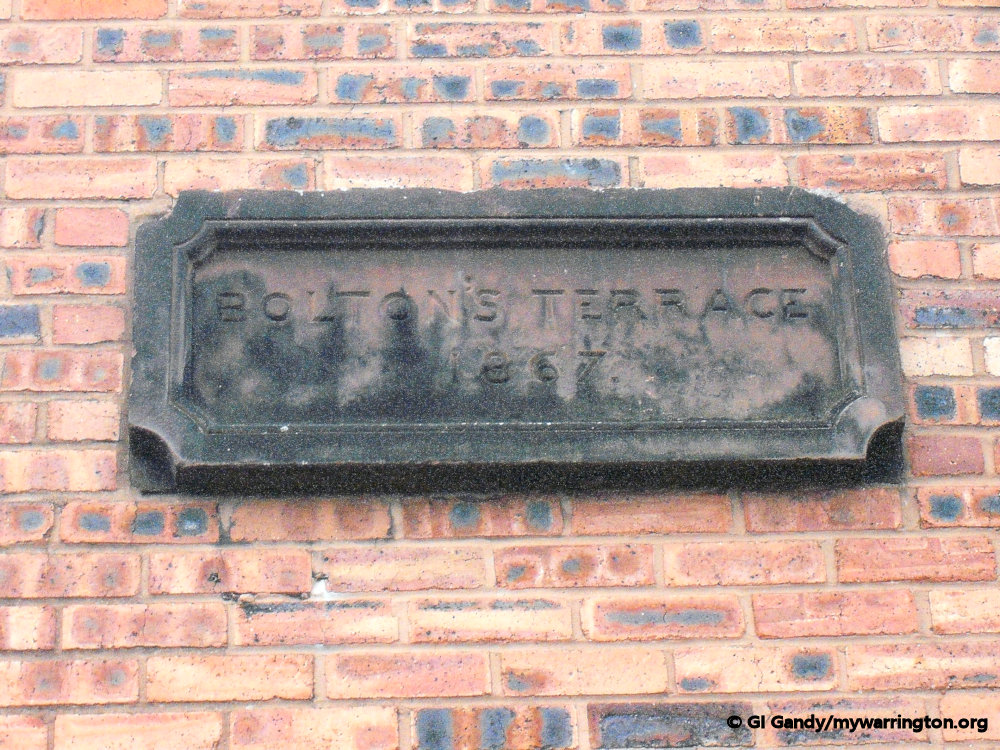
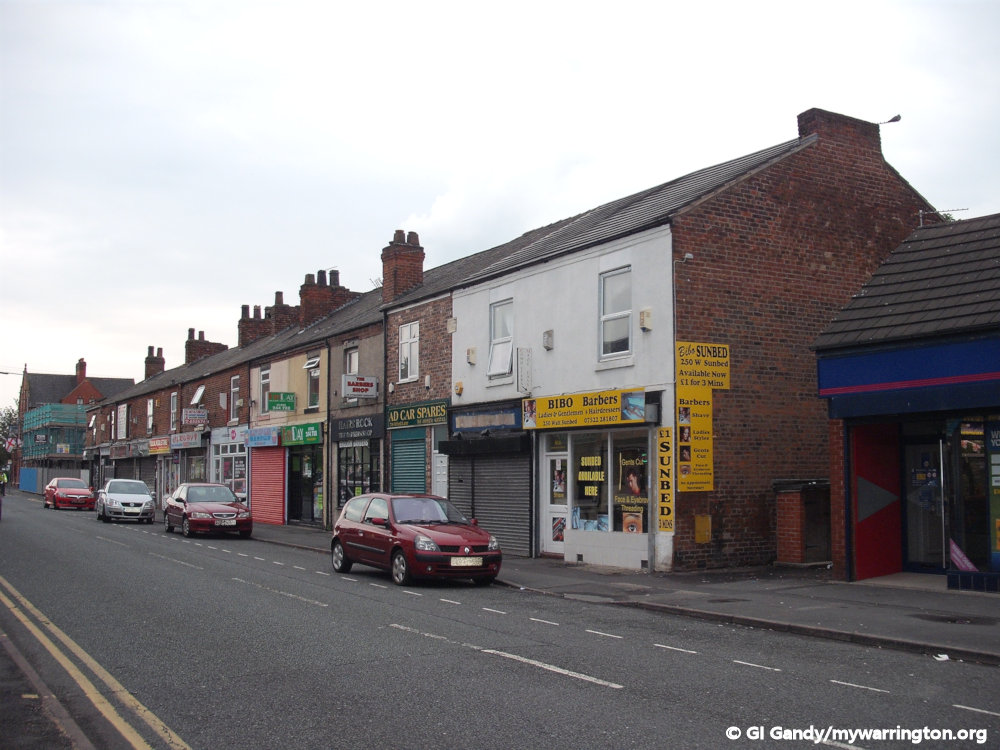
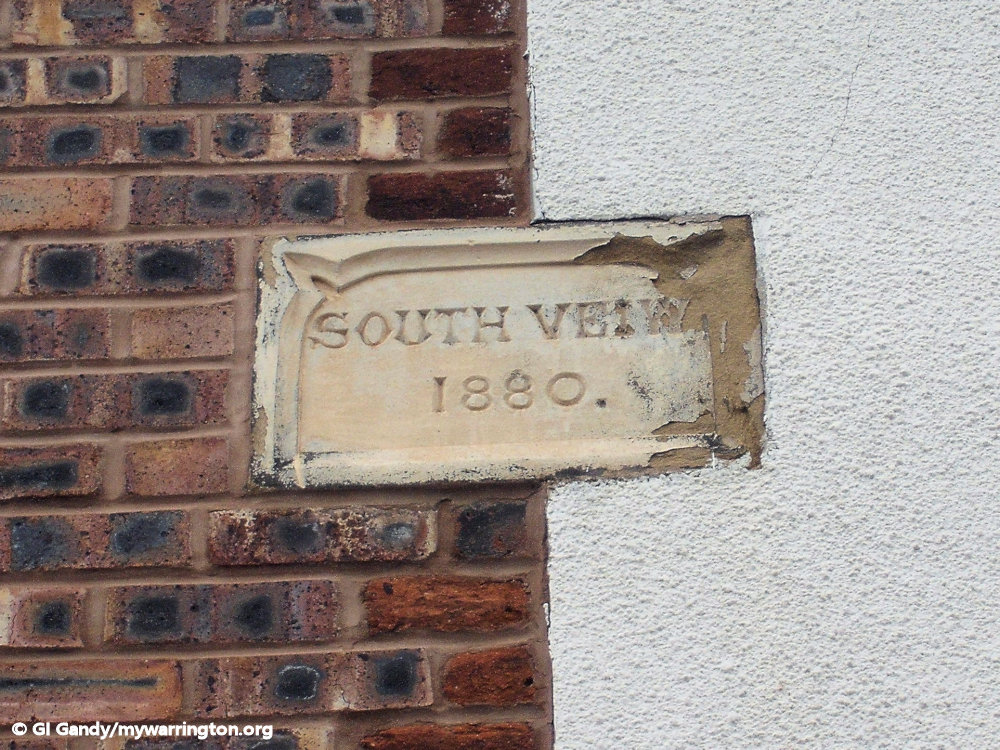
The Orford Lane district was built from the 1860s onwards, along with the terraced houses on Sharp Street, Hamilton Street, Chorley Street, Birchall Street and Forster Street, among others. Many of the properties were given names, such as Bolton’s Terrace and South View on the Orford side of Orford Lane.
They also have the date on them, which gives an instant age of the properties. Many of the buildings on Orford Lane are occupied by shops with flats above them.
Church Life
The early village of Orford was based around Orford Green and Long Lane (part of the A50 today).
Even though there was a school in the district, there was no building for churchgoers in the and so in 1832 Mrs Hornby, widow of the Rector of Winwick, suggested the idea of building one.
Local people subscribed to the fund to build a church, but for some reason the church was built in 1837 at Padgate instead, which was an extreme disappointment for the residents of Orford. [I am surprised they didn’t demand the church was built in their locality or to ask for their money back.]
A request was sent to the vicar of Padgate for a curate to lead worship at the school building. The request was granted, but not until 1855 did church worship take place in the school.
The locals continued their campaign for a church building in Orford.
Between 1886 and 1892 there were again definite steps towards the erection of a church and a large sum of money earmarked for that purpose, but for one reason or another nothing came of it.
“This last attempt”, said the Reverend Pollock-Hill, “has been singularly blessed. We are in the first place deeply indebted to Colonel Ireland Blackburne, who generously donated this valuable site, to the many friends and local employers who donated to the project and also those villages who gave gradually but ungrudgingly and with real self-sacrifice”.
The result was St Margaret and All Hallows, featured shortly. In the meantime, houses were beginning to appear around the Orford Lane area.
Gospel Hall (1898)
Gospel Hall was built on Forster Street during the housebuilding on both sides of Orford Lane. It was opened in 1898 and had a Sunday school. The building was listed in 1968-9 Free Church Directory as one of four halls in the Warrington area belonging to the Christian Brethren.
In recent years it was used by the Urban Church fellowship under the name Oasis Church before they moved to the former St Mark’s Church in Dallam in September 2019.
There had been attempts to find another church or community group that could use the premises. Conversations were held with the Pastors of the Lithuanian, Iranian, Zimbabwean and Nigerian churches and a new Free Methodist congregation. Although a number viewed the property, none were interested or in a position to purchase the building. The building was later converted into apartments after being granted planning permission in 2023.
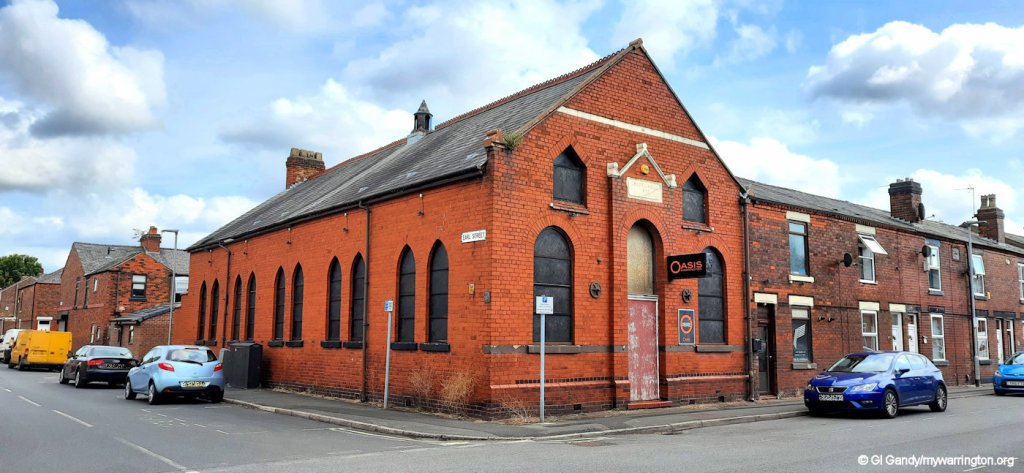
The former Gospel Hall on Forster Street 12 Aug 2021
Forster Street, which was first listed in 1882, is named after Johan Reinhold Forster, the natural historian who accompanied Captain James Cook on his voyage of discovery. Forster lived in Warrington for two years and taught at Warrington Academy. Read Forster’s profile in Warrington People.
St Margaret and All Hallows Church (1908)
The following notes come from Saint Margaret and All Hallows parish magazine Lychgate for autumn 2007 as part of the build up their centenary year celebrations.
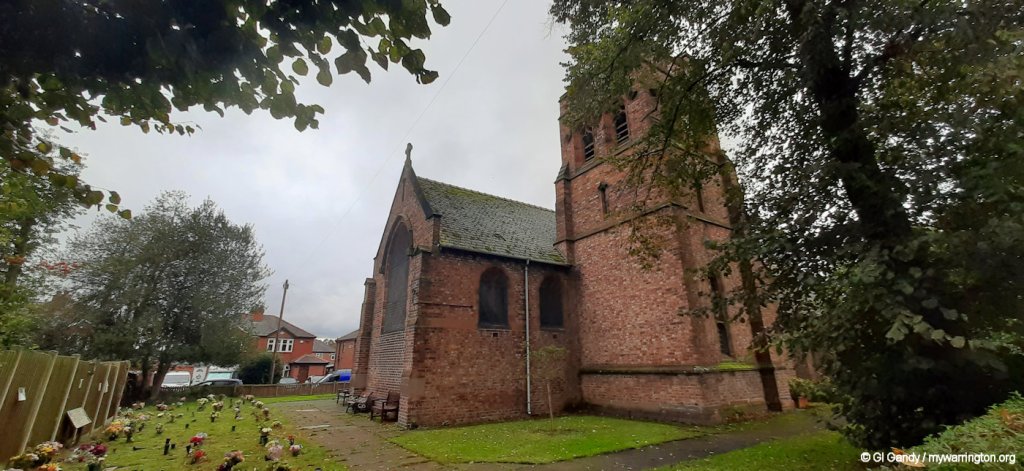
The church picture is the architect Albert Warburton’s promised view of Saint Margaret’s when it is built. The design, it is said, would combine simplicity and usefulness of plan with a quiet architectural treatment, based under late decorated English gothic style and in harmony with the surrounding flat country. The walls, externally and internally, are to be faced throughout with Saint Helens grey brick with the exception of a red pressed brick dado lining so the internal walls of the nave and chancel. The stonework in doorways, arches, peers, copings, etc, will be executed in light red Scotch sandstone. The woodwork in roofs, doors, screens, etc, internally will be of Cregan pine and the external doors in Dantzic oak or windows will be glazed with leaded glass.
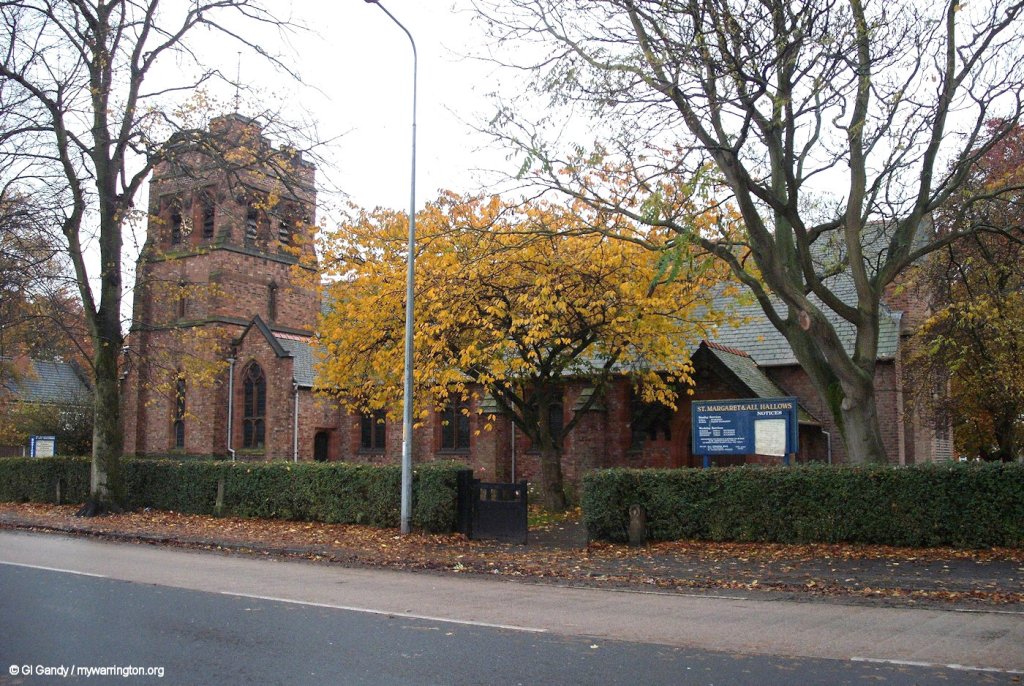
St Margaret and Al Hallows 3 Nov 2010
The church will be warmed on the low pressure hot water system and the lighting will be by gas from suitable from suitably designed fittings.
The plan provides for the following accommodation: the nave will measure 73 feet by 25 feet 6 inches with lofty open timbered roof and seating accommodation for 254 persons and the south aisle will have an arcade of six arches and peers.
The chancel will be 34 feet by 18 foot six inches, with timber vaulted ceiling and seating accommodation for two clergy and a choir of 32.
The tower will contain an organ chamber, ringing chamber and belfry 11 foot by 11 foot, inside measurements, with a height of 48 feet from ground level to parapet.
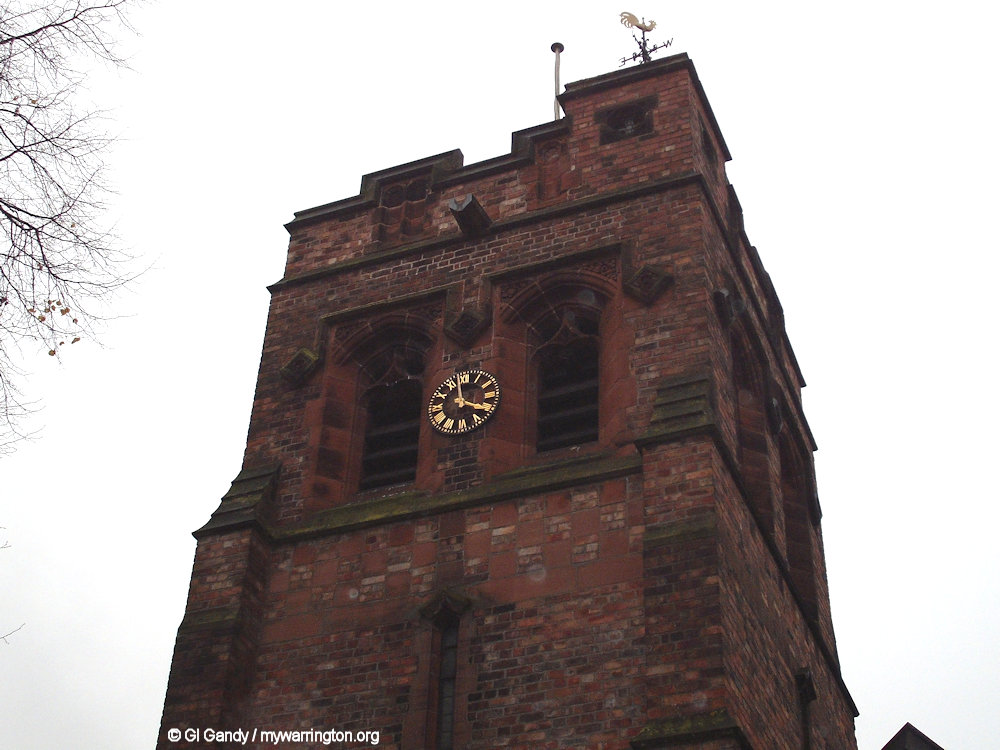
The church tower 3 Nov 2010
The Foundation Stone Ceremony
For this section I have used Peter Warburton’s summary of the dedication of the church, which he compiled from various sources.
The 18th of October 1907 was a dull damp day, and as the people gathered in their finery on a building site in the hamlet of Orford, there were fears of more rain to come. Fortunately the afternoon stayed dry and the gathering was able to witness the laying of the foundation stones of offered new church. Many of those present were Freemasons dressed in their top hats, frock coats and regalia and with robed clergy and local residents, there was an air of solemnity.
Two foundation stones were to be laid. One was laid by Mrs Margaret Stapylton (one of the principle donors to the building) in memory of Mrs Beamont wife of William Beamont, ex-mayor, and benefactor to the church and Warrington in general. The other stone, to be laid with ancient Masonic rites by the right honourable the Earl of Lathom, grandmaster of the West Lancashire lodge, was in memory of William Sharp, solicitor. The Masons had also generously donated towards the construction of the church.
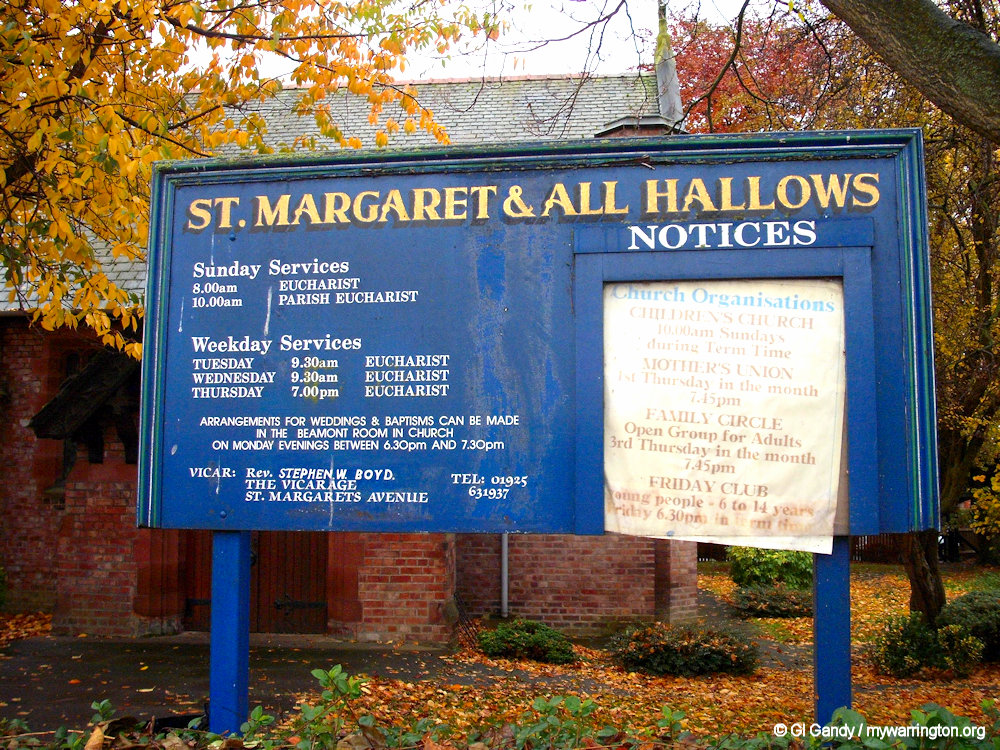
Dignitaries that attended the event included the mayor (William John Forshaw) and mayoress of Warrington, members of the building committee, the Earl of Lathom, the architect William Warburton, ‘Granny’ Richardson (a stalwart of the parish) and the Reverend W Pollock-Hill, vicar of Christ Church, Padgate, who would officiate. For the future parishioners, all eyes were on the reverend Vale Owen, the new vicar-to-be of the church and whose personal efforts and dedication as curator, greatly contributed to this day.
Both of the people who laid the cornerstones, the Earl of Lathom and Mrs Stapylton, were presented with a mallet and trowel to mark the occasion by members of the building committee. There followed a short service which concluded with the rousing hymn All People That on Earth do Dwell. The church was constructed by Warrington firm John Dolan and Son at a cost of £4,600 [another source says £4,500] (£693,000 in 2024). The church was opened for use on 31 October 1908. The first vicar was the Reverend Vale Owen.
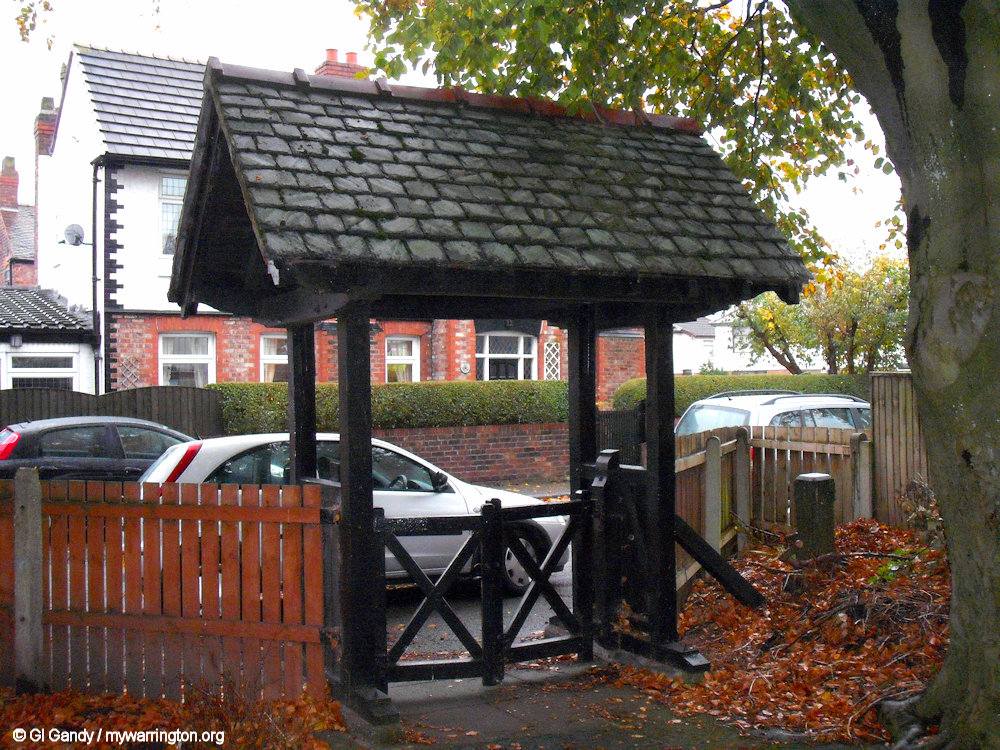
Lychgate entrance on St Margaret’s Road 3 Nov 2010
St Margaret’s Church Hall
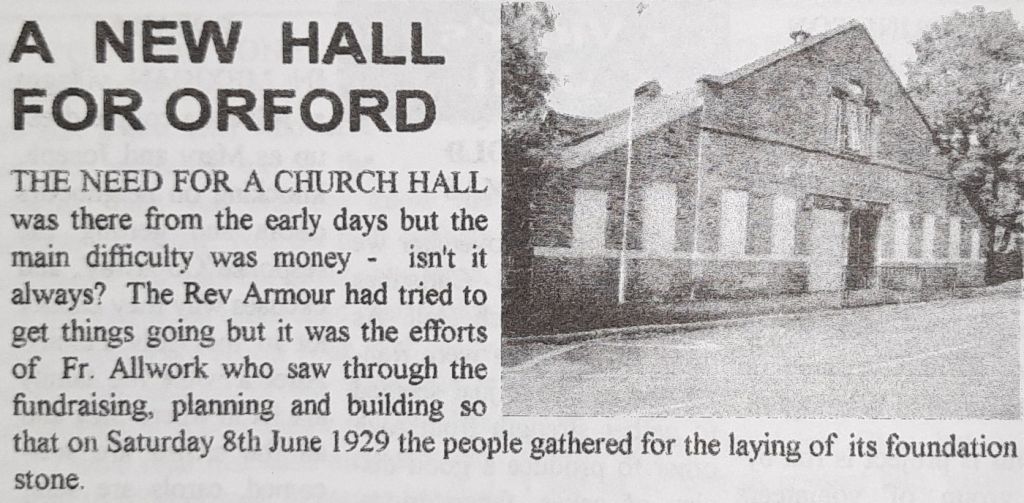
Extract from the parish magazine
The building was designed by Albert Warburton, who also designed the church. It was built by Warrington Firm W.A. Ashton from bridge foot. The hall was to have seating space for 200 people with cloakrooms, retiring rooms, artist rooms, a kitchen and the stage. The main room was to be 65 feet by 25 feet. And the building must be built on a piece of land given by William Mortimer of Orford tannery in memory of its managing director, Mr Hugh Gough, and situated between the old school and offered house.
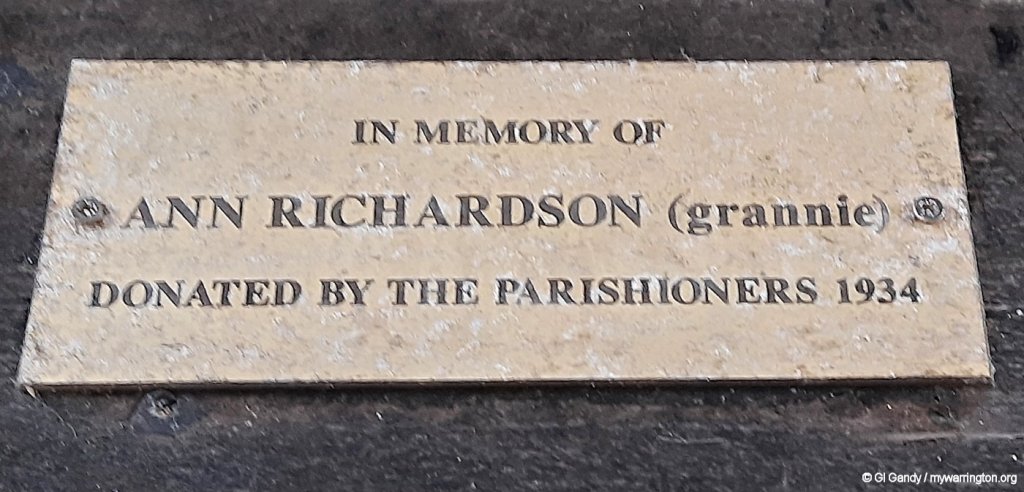
The laying of the foundation stone was carried out on 8 Jun 1929 by the oldest residents of offered at the time, Mrs Ann Richardson, aged 87 years, known locally as ‘Granny’ Richardson.
Under the foundation stone a case was placed in which was a copy of the parish magazine, a copy of the Warrington Guardian and the Warrington Examiner newspapers, a book of poems by Alderman A. Bennett and a number of coins of the realm.
It was planned that the building would be ready for occupation by October 1929.
During its life the church always played an important part in Orford life, accommodating many youth organisations, amateur dramatics groups, Sunday schools and social occasions.
In 1982, after 50 years or so of hard use, the hall had become dilemma dated and a drain on the churches finances. Father Wilkes, the vicar, and the wardens applied for and got European funding to renovate the hall with the help of the youth opportunities programme.
Trevor Gallup, a local architect who gave his services free of charge, designed the hall we see today, equipped for the next 50 years or more.
St Benedict’s Church (1915)
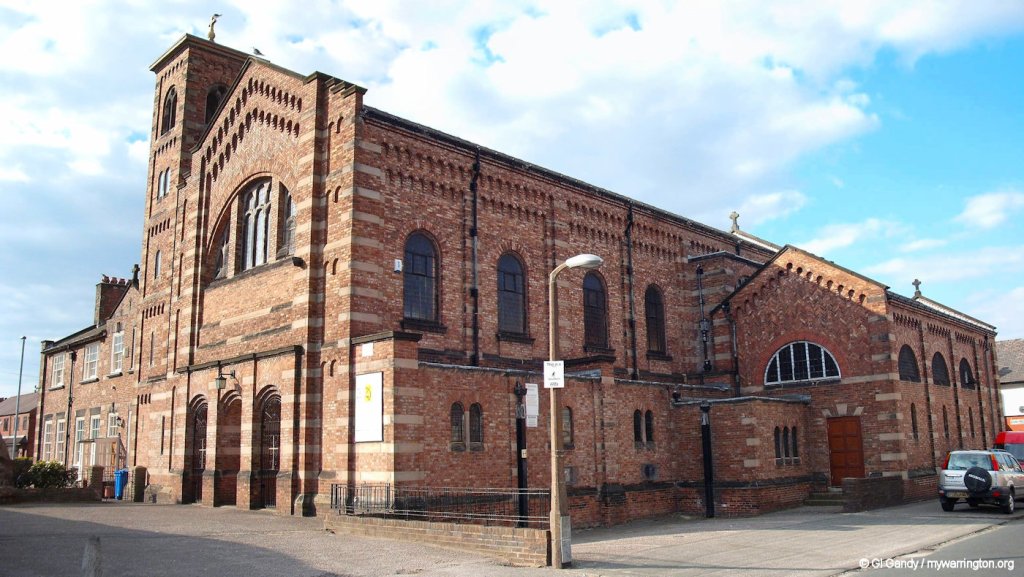
St Benedict’s Church is an active Roman Catholic church on Rhodes Street, Orford. The parish was founded by Benedictine monks from Ampleforth Abbey. It is now served by clergy from the Roman Catholic Archdiocese of Liverpool.
A school was established on 10 January 1881 and Mass was said in the school building. Fr. Wilfred Baines O.S.B was given charge of the district in 1896 but lived at St Mary’s. However, on 8 March 1902 St. Benedict’s became a separate parish from St Mary’s Church, Warrington and it became the third Benedictine parish in Warrington: the others being St Alban’s Church, Warrington (1755) and St Mary’s Church, Warrington (1877). Fr Baines moved to a cottage next to the school in 1902. In 1904 a tin mission church was built in the school playground and was opened on 19 June 1904.
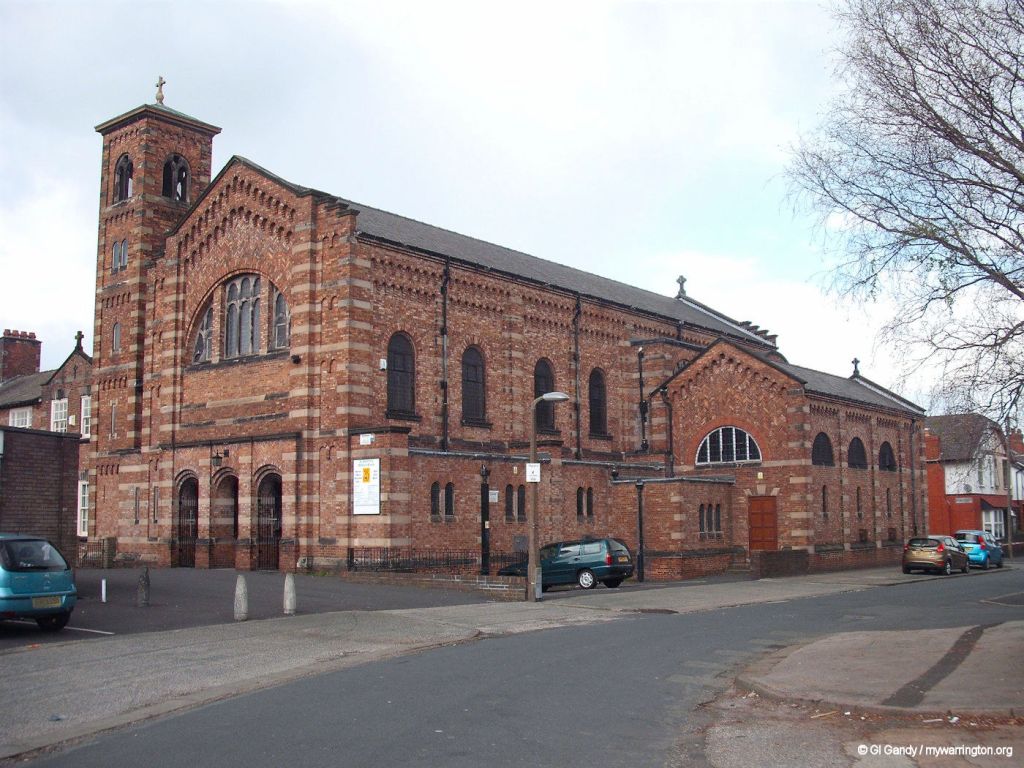
St Benedict’s Church on Rhodes Street 6 May 2012
Fr Oswald Swarbreck OSB became the Rector in 1907 following the departure of Fr Baines. During his tenure a new priory (presbytery) was built on Rhodes Street which was completed on 11 January 1912 at a cost of £1,557. This was then followed by a new church which was formally opened on 11 July 1915 by Cardinal Bourne, the Archbishop of Westminster. The High Altar was consecrated on 27 February 1927 by Archbishop Frederick Keating and had been built by Italian workmen.
A new building for social purposes, the Bell Hall, named after the local Warrington Martyr, Blessed James Bell was built in 1931 adjacent to the school. In 1943 the church was consecrated after the parish had managed to clear its debt. In 1965 a social club was built adjacent to the church.
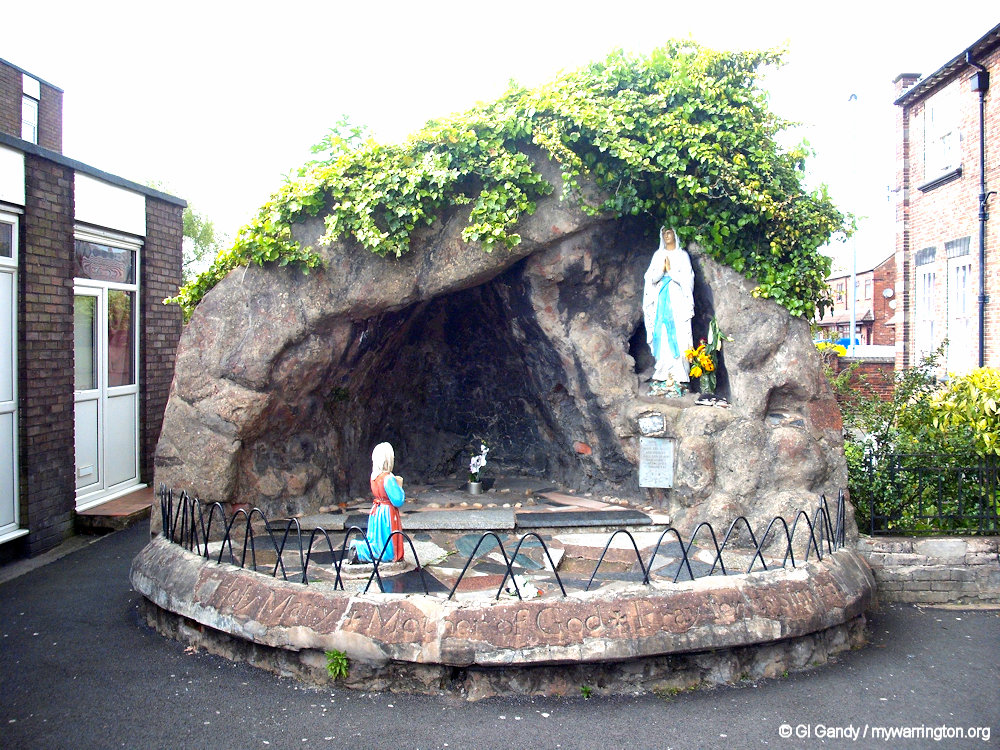
The shrine to Mary beside the St Benedict’s Church 30 Nov 2006
The last Benedictine Parish Priest was Fr Augustine Measures O.S.B as the Abbot of Ampleforth Abbey surrendered the parish to the Archbishop of Liverpool in Easter 1986. A new school building was built in 1991 and the former school and Bell Hall had been demolished by 1993. On 1 May 2018, St. Benedict’s became part of one new combined parish called Blessed James Bell which also incorporates the former parishes of St Mary’s and St Oswald’s in Warrington. See the church website.
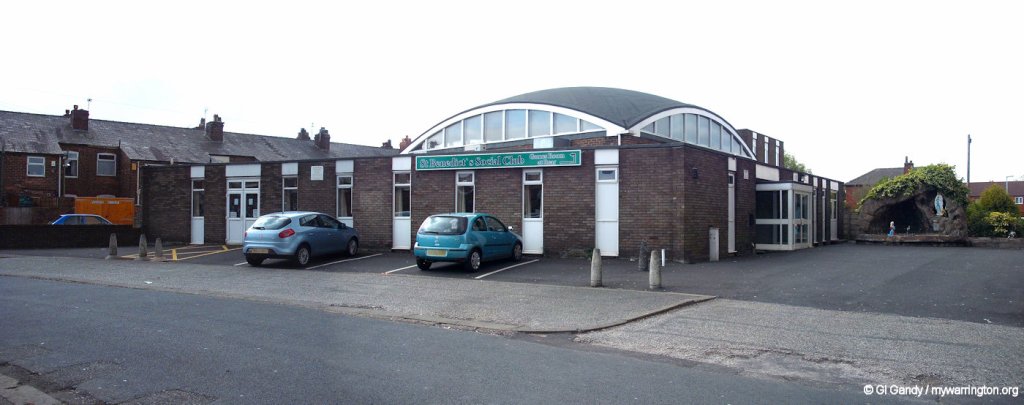
Information: Wikipedia.
Norris Street Methodist Church (1928)
The Sunday School for the church started in 1915. The first building for the church was made of wood and was used before the brick building was opened in February 1928. I don’t know if the wooden structure was used for the Sunday School.
The church was re-dedicated after refurbishment on 31 August 1971. It did not have a graveyard associated with it. A history of the church was published by Ian Sellers in 1976 under the title The Methodist Chapels and Preaching Places of the Warrington Circuit 1750-1976.
Norris Street Methodist Church held its last service on Sunday afternoon 2 October 2005 after serving the community of Orford for decades.
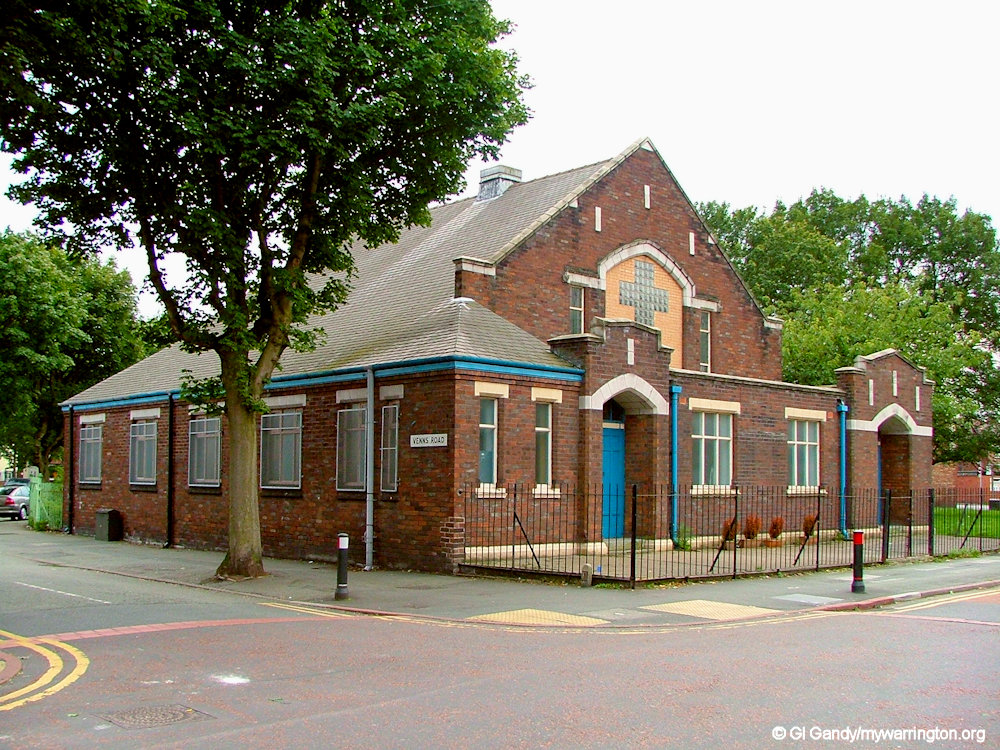
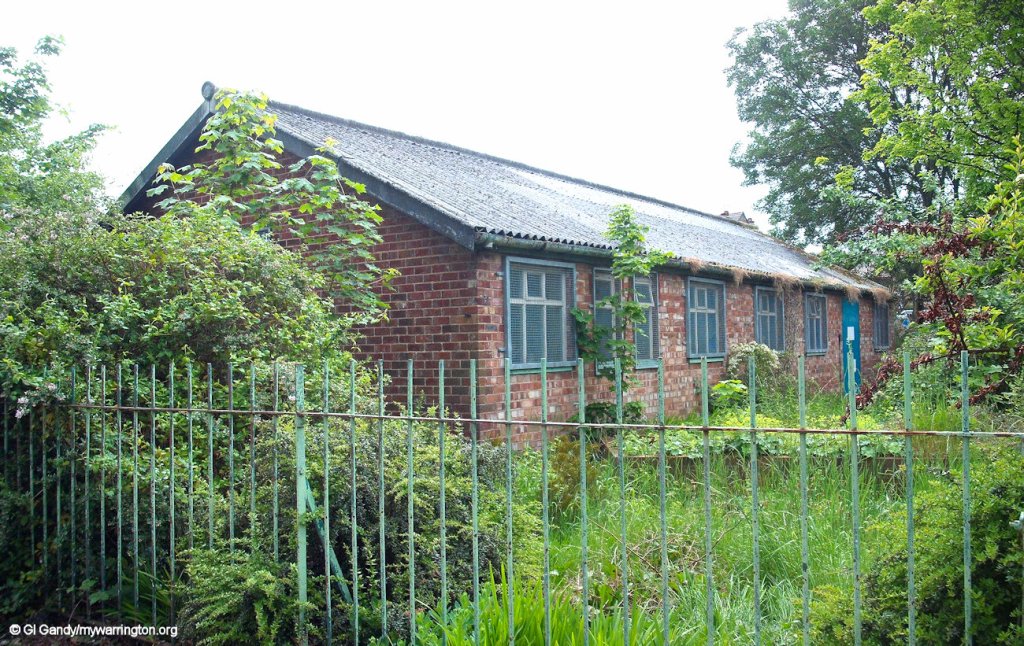
Norris Street Methodist Church 11 Nov 2006
The Warrington Guardian reported on 3 October 2005 that more than 200 parishioners turned out for the closing service on Sunday and church minister, the Rev Gwen Bamforth, said she wanted to pay thanks to all those who helped out.
She said: “I would like to say a huge thank you to the churches around the Methodist circuit that put an arrangement into the flower festival, Norris Street Church looked beautiful. Such wondrous flower displays on the theme of harvest /celebration, every one different. The vibrant colours brought the church building alive.
“On Saturday it was good to see and hear folk, many came through the doors, there was lots of laughter and a few tears. The Rev Michael Parrott was the guest preacher, he was minister at Norris Street 25 years ago, his theme Jesus Christ is the same yesterday and today and forever, was well received.”
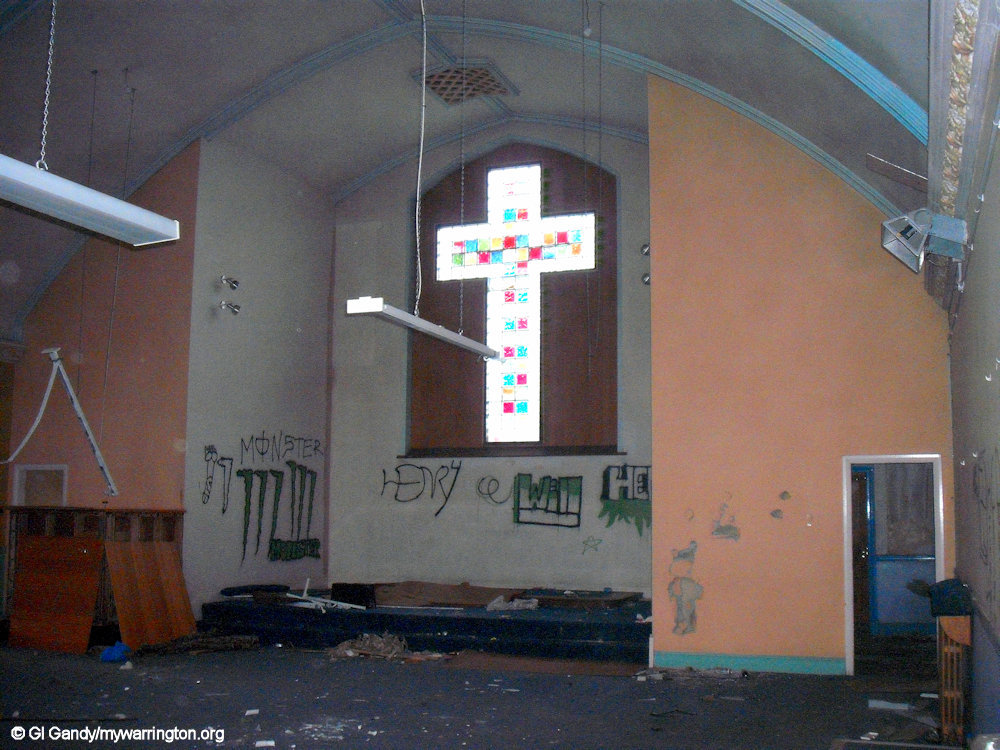
The interior of the building prior to demolition. Photo taken 13 Jun 2012
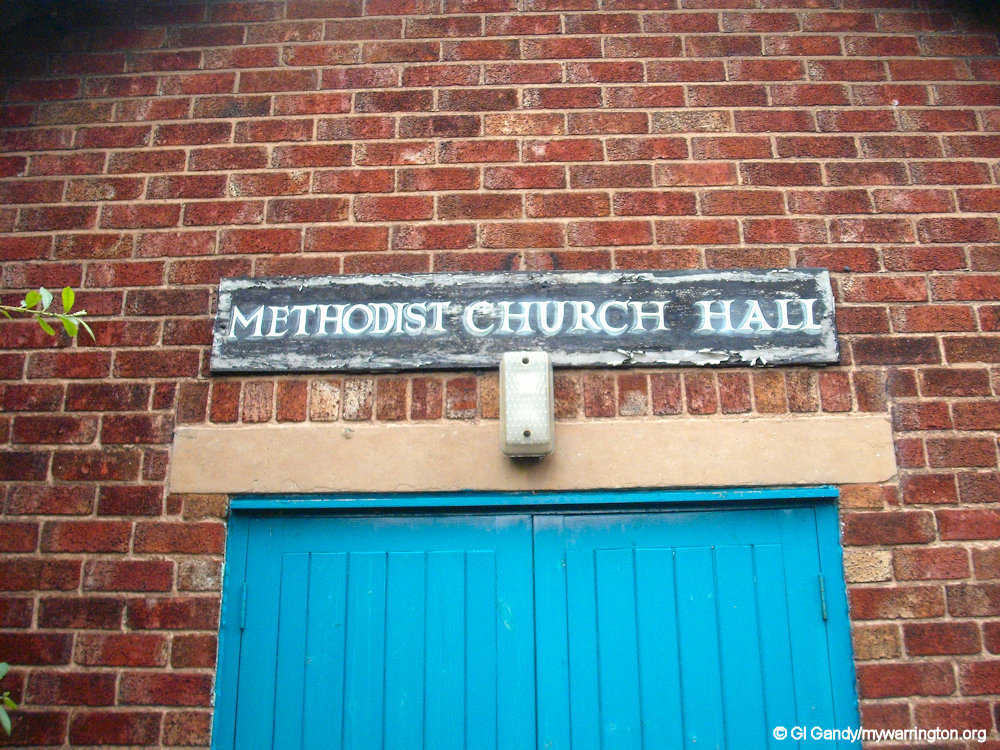
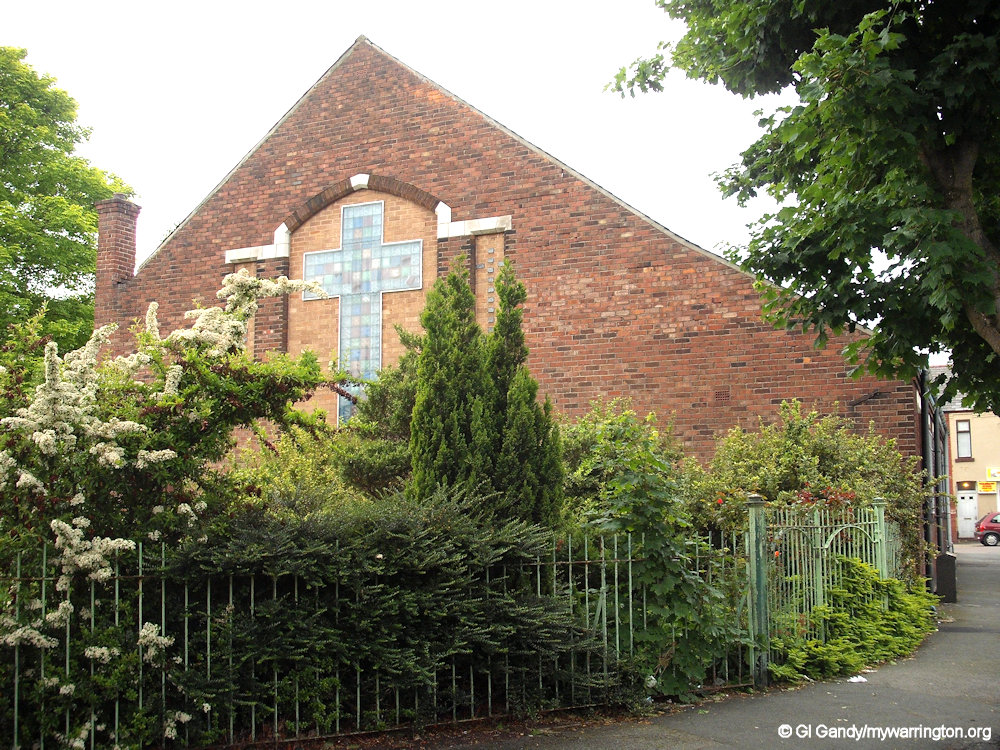
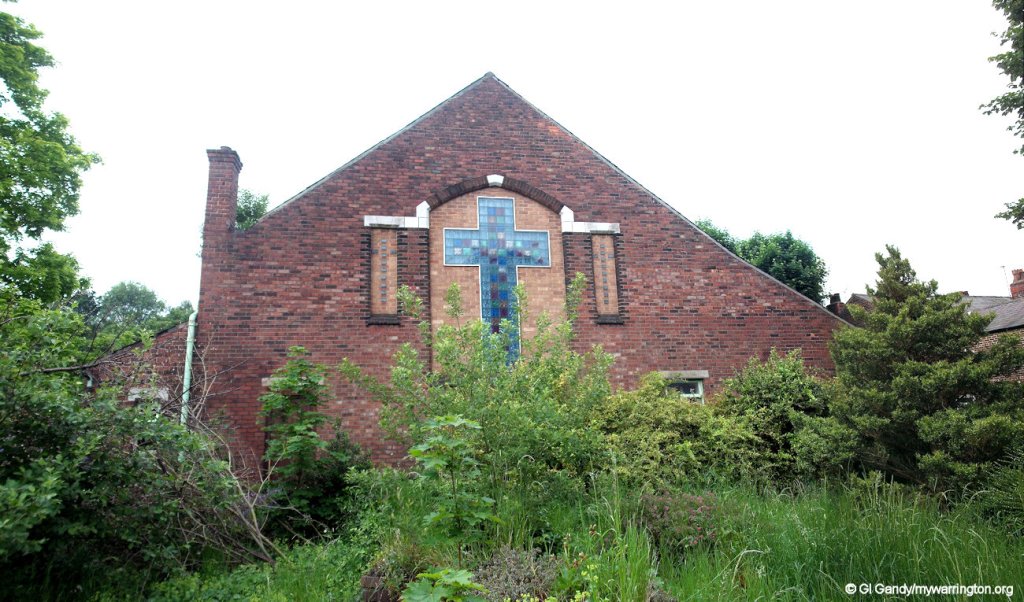
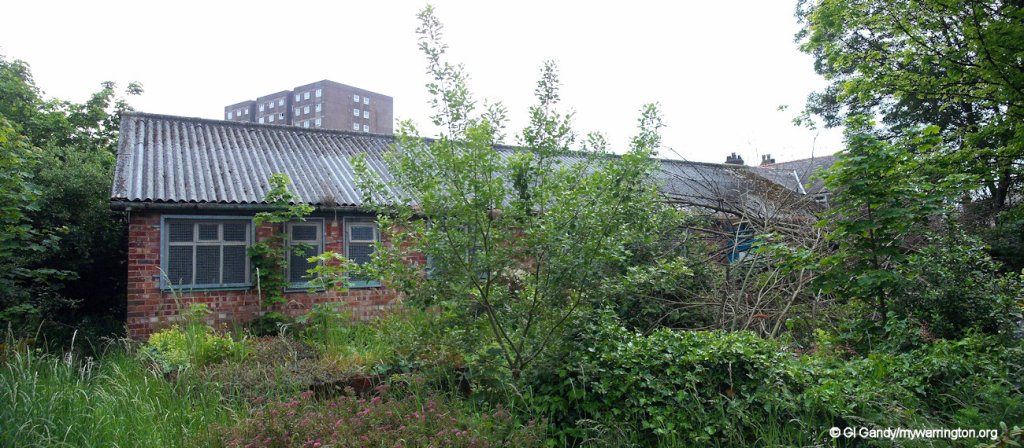
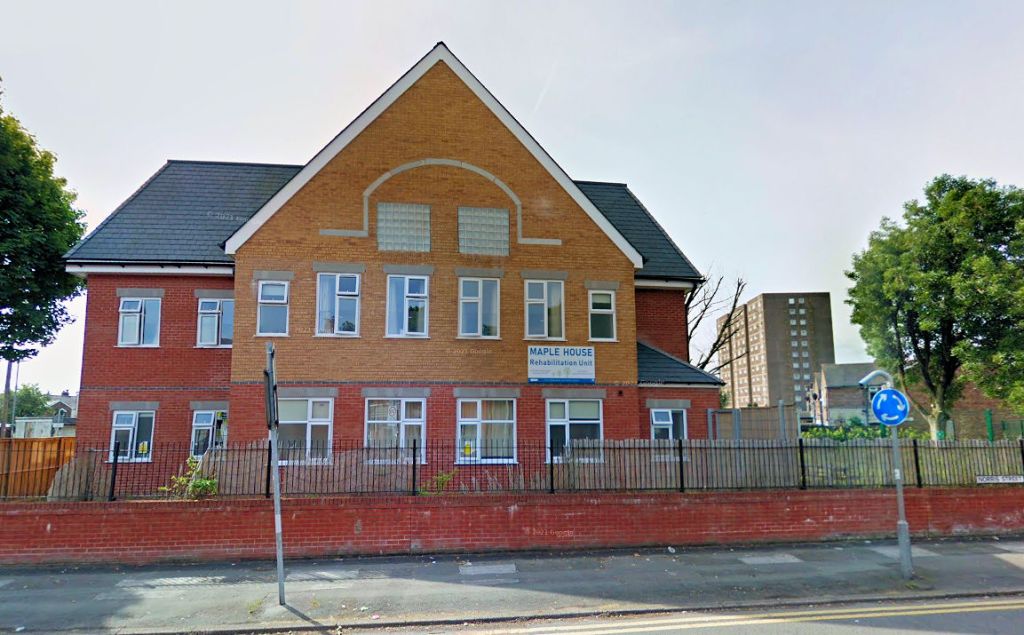
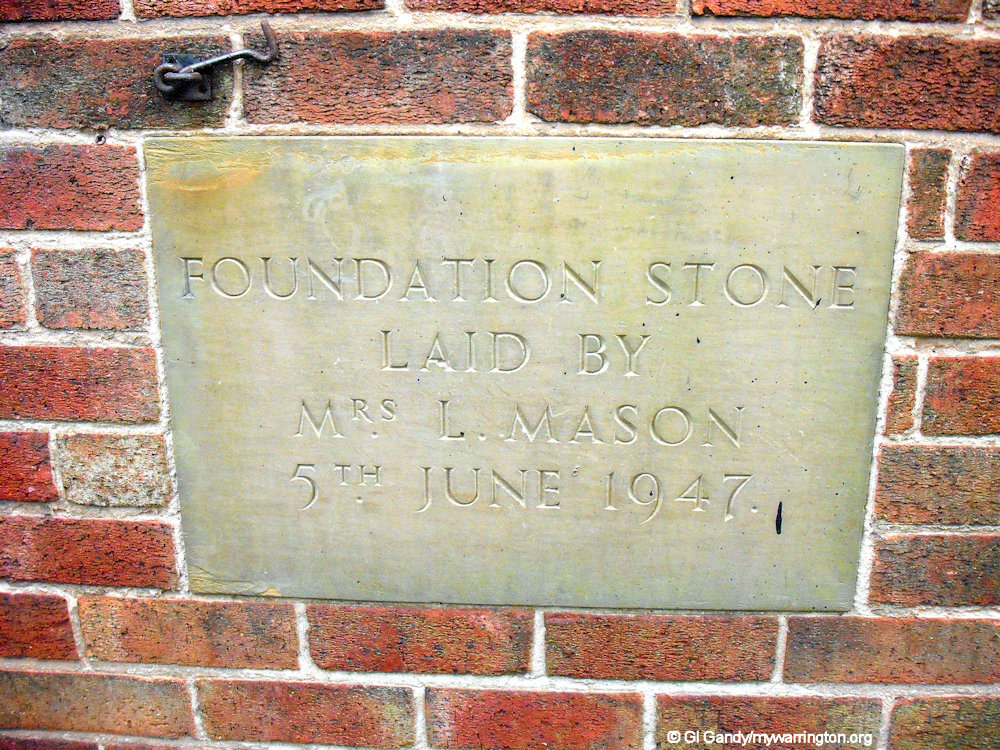
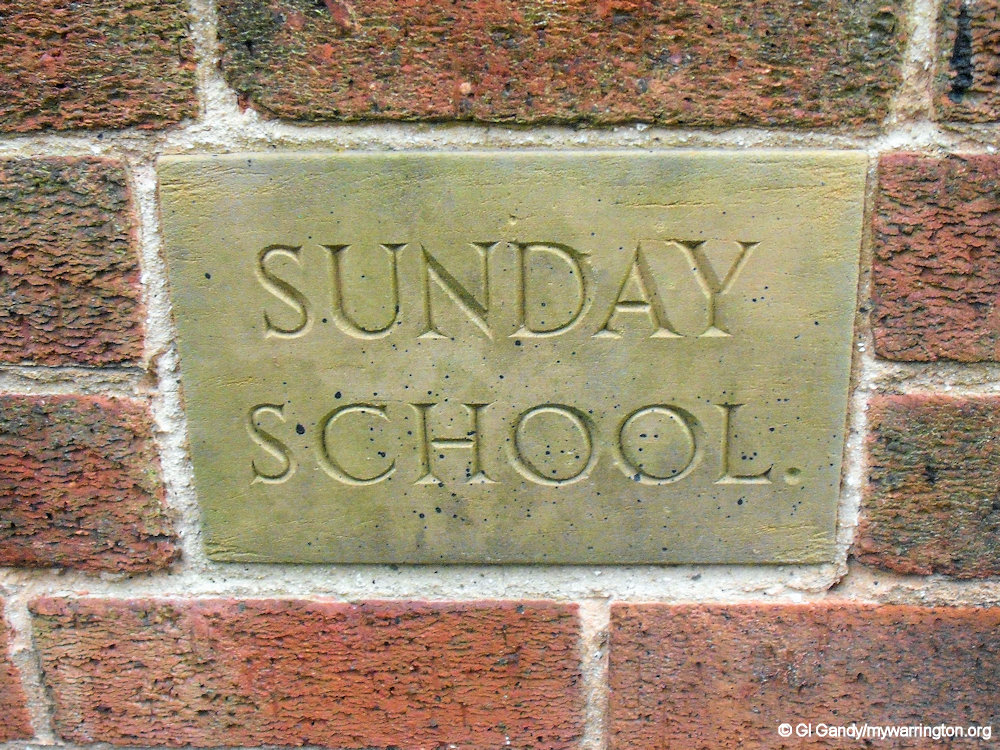
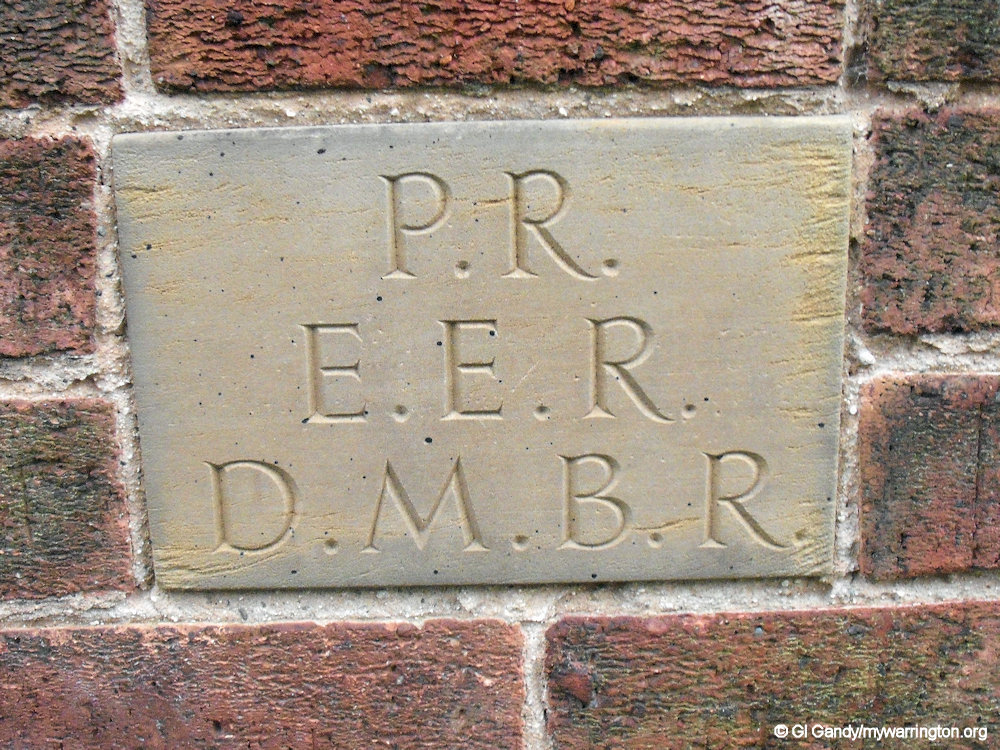
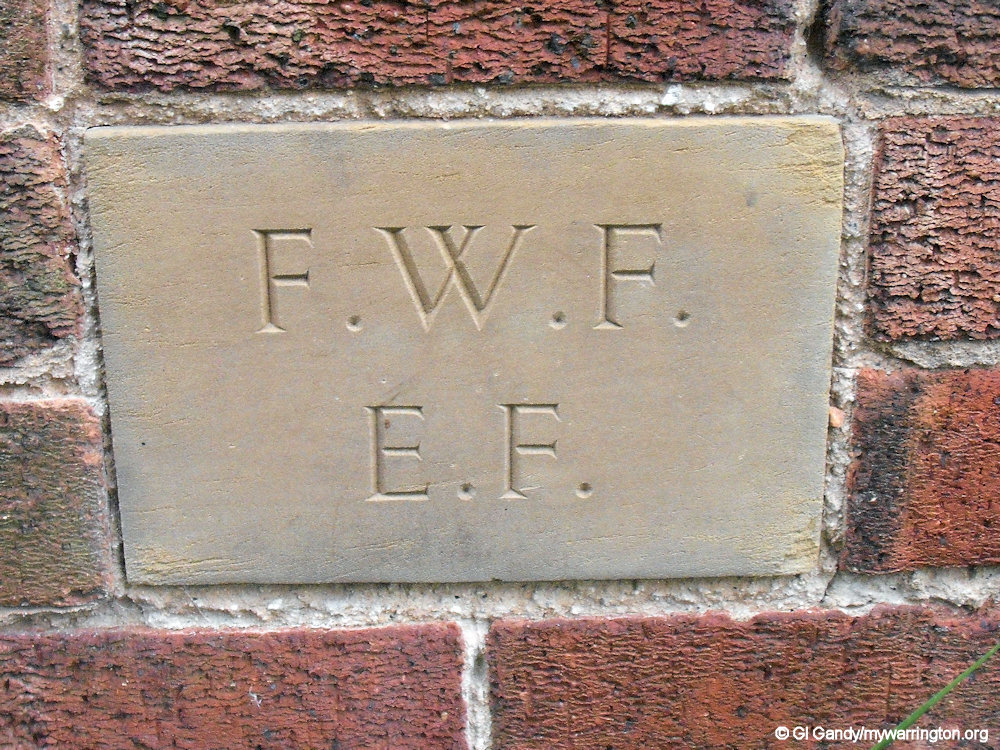
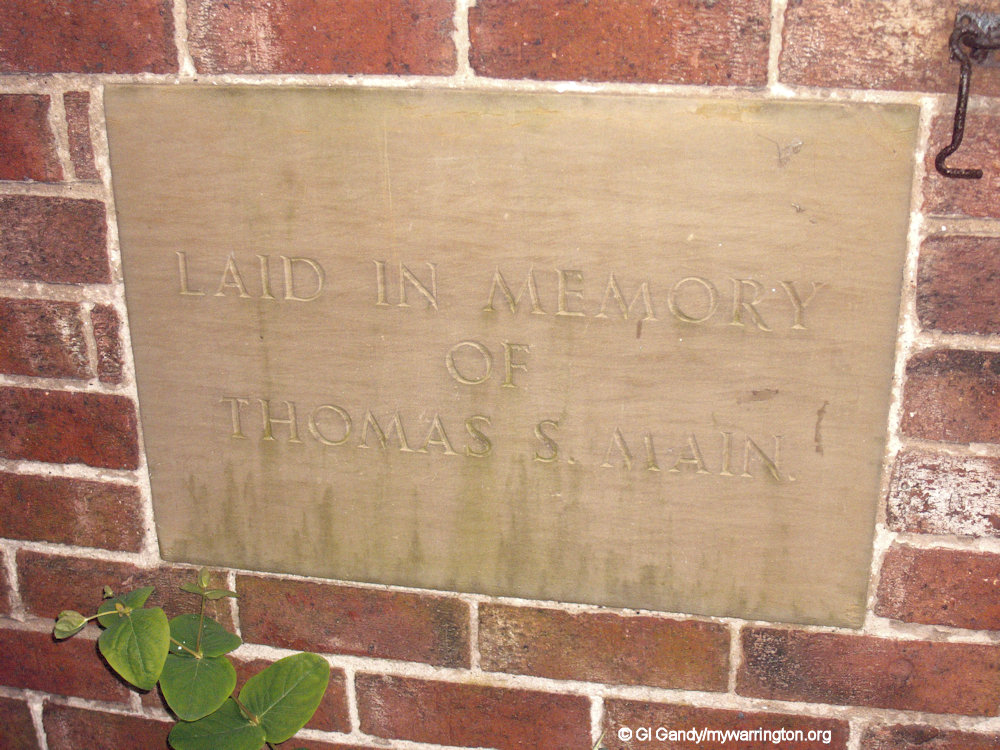
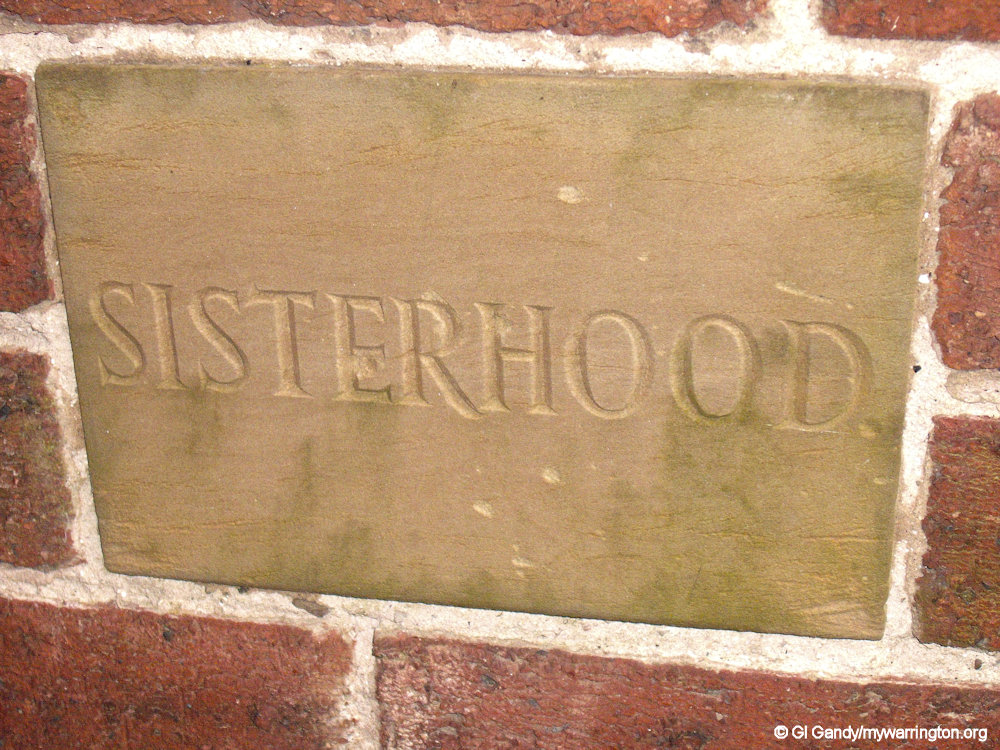
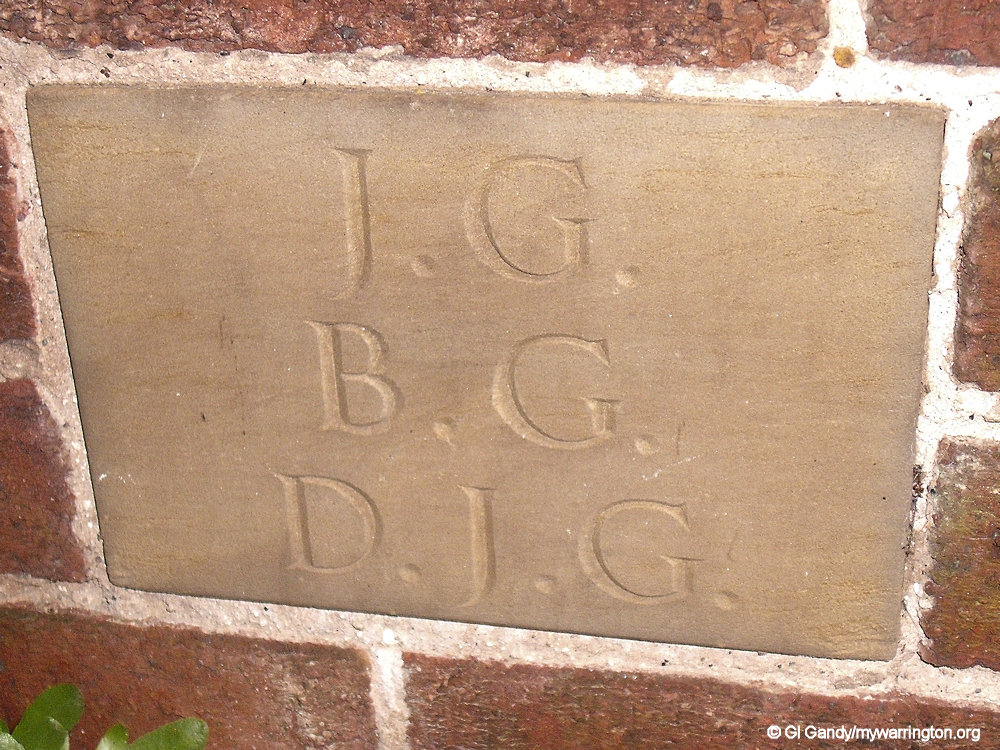
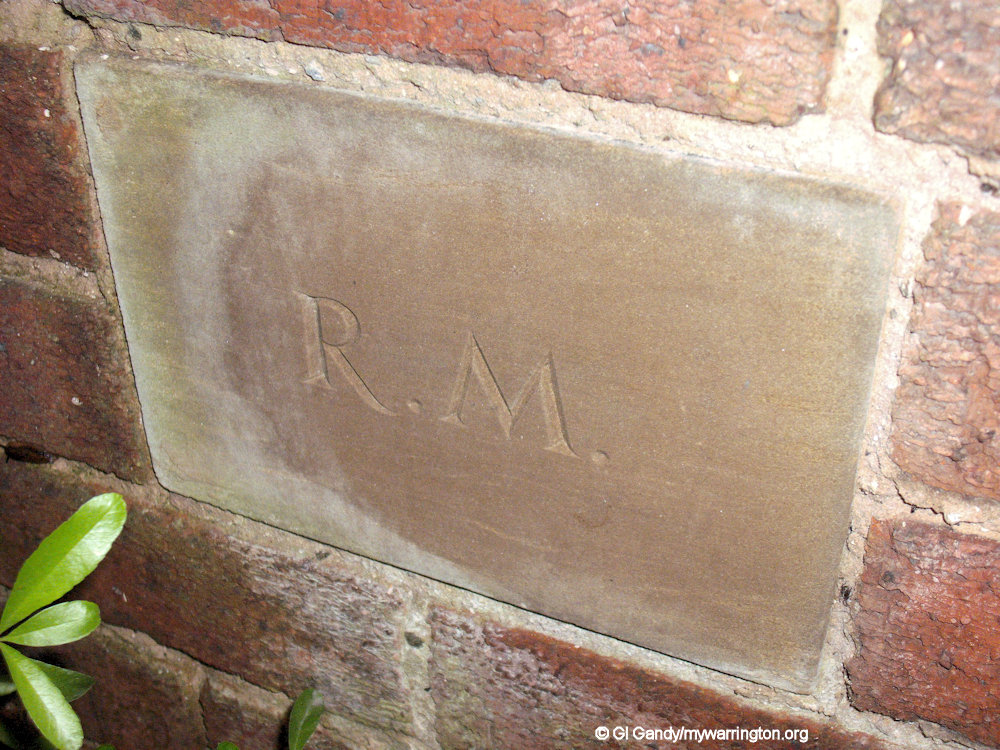
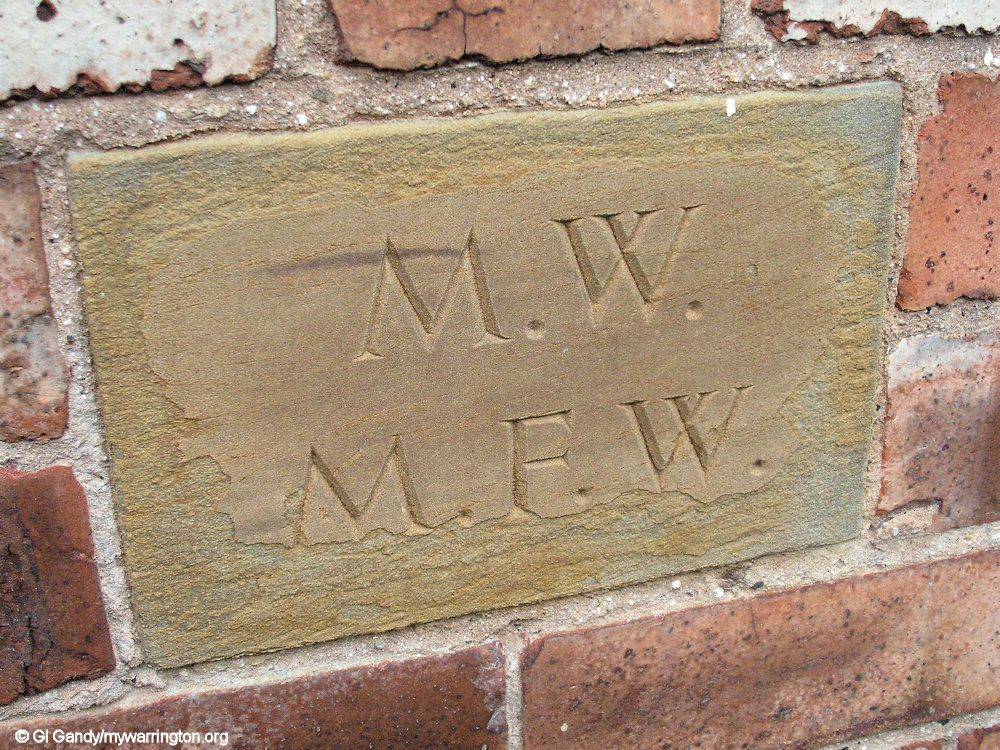
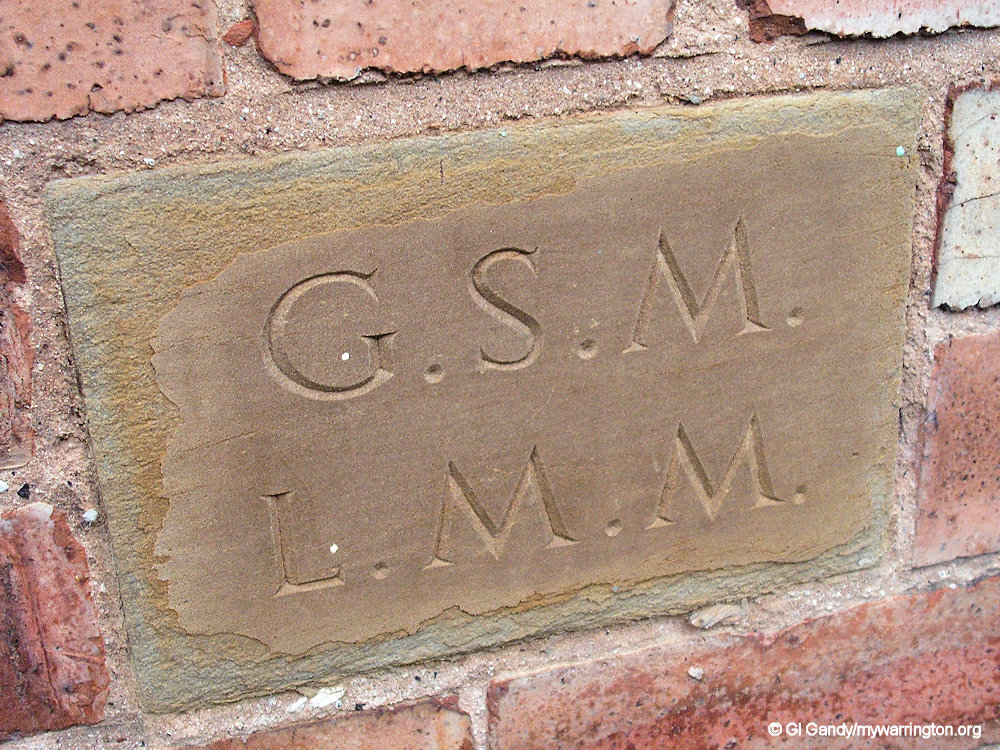
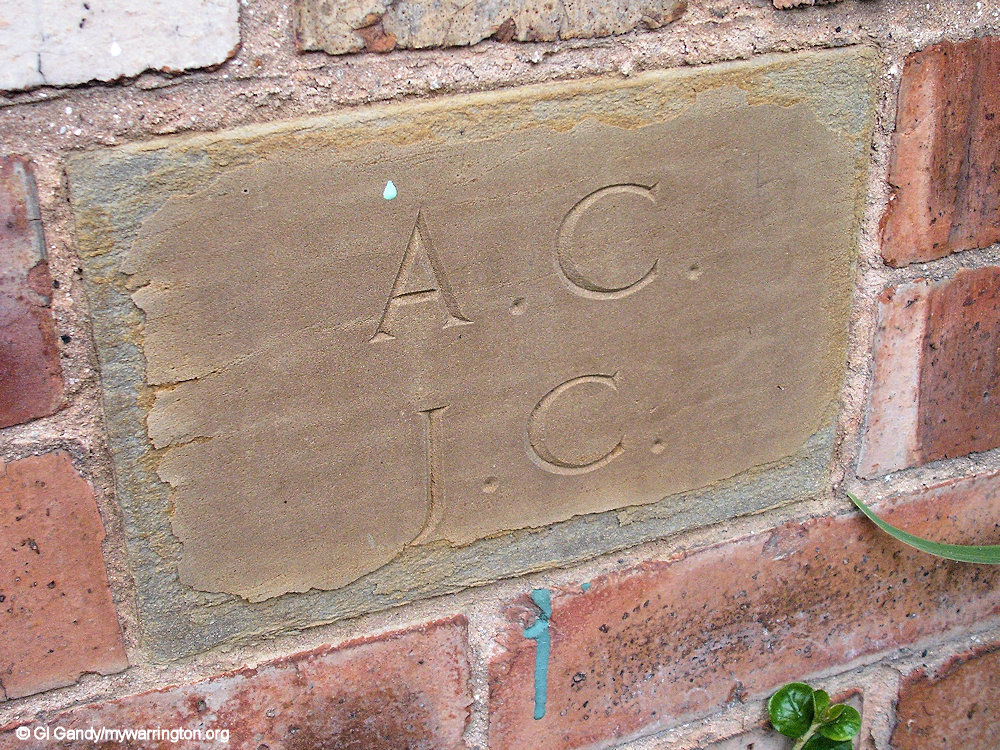
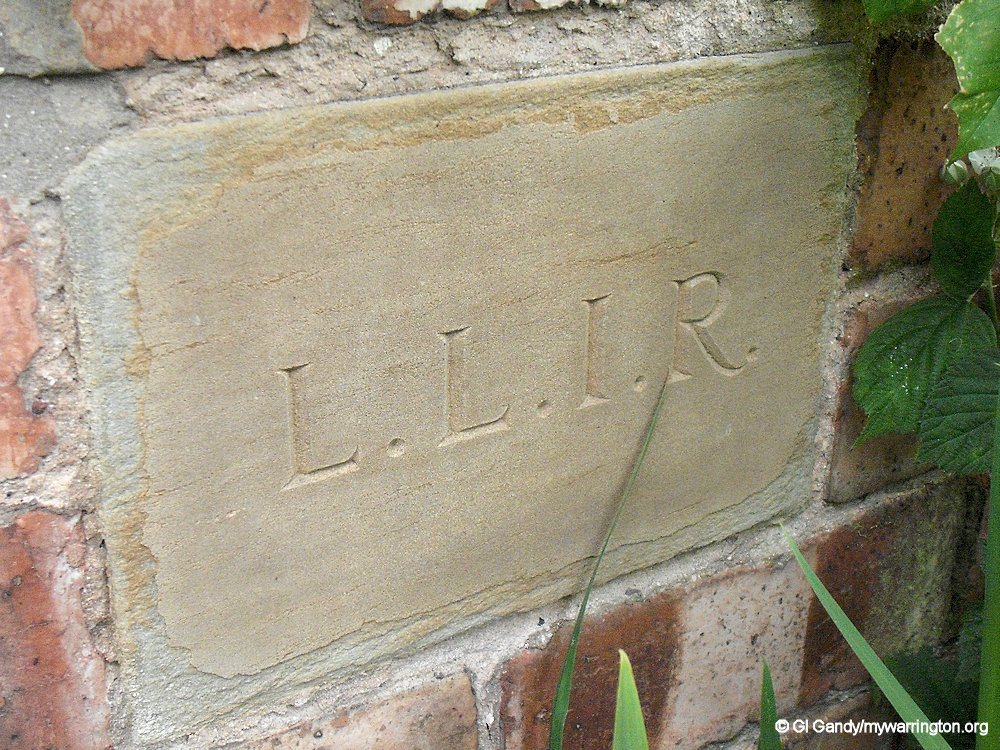
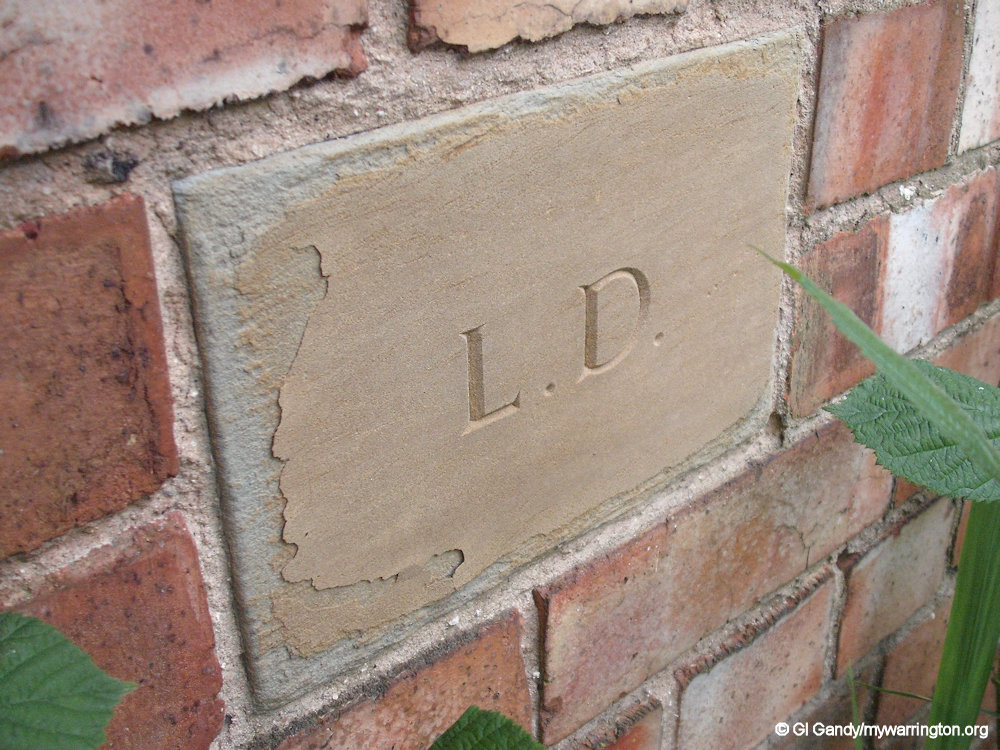
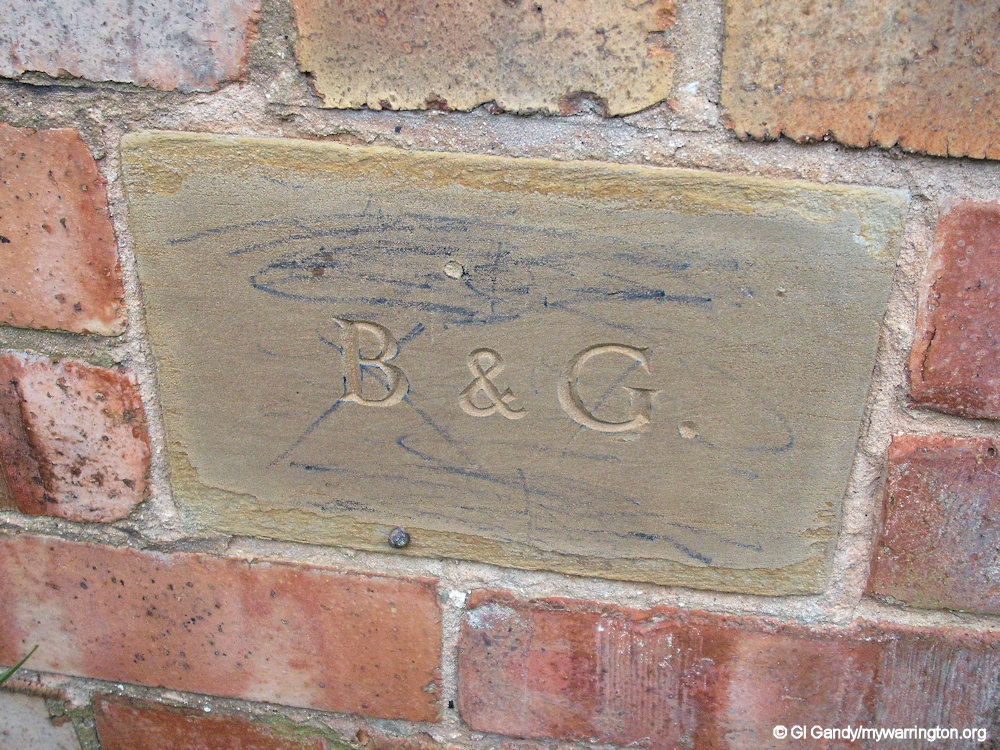
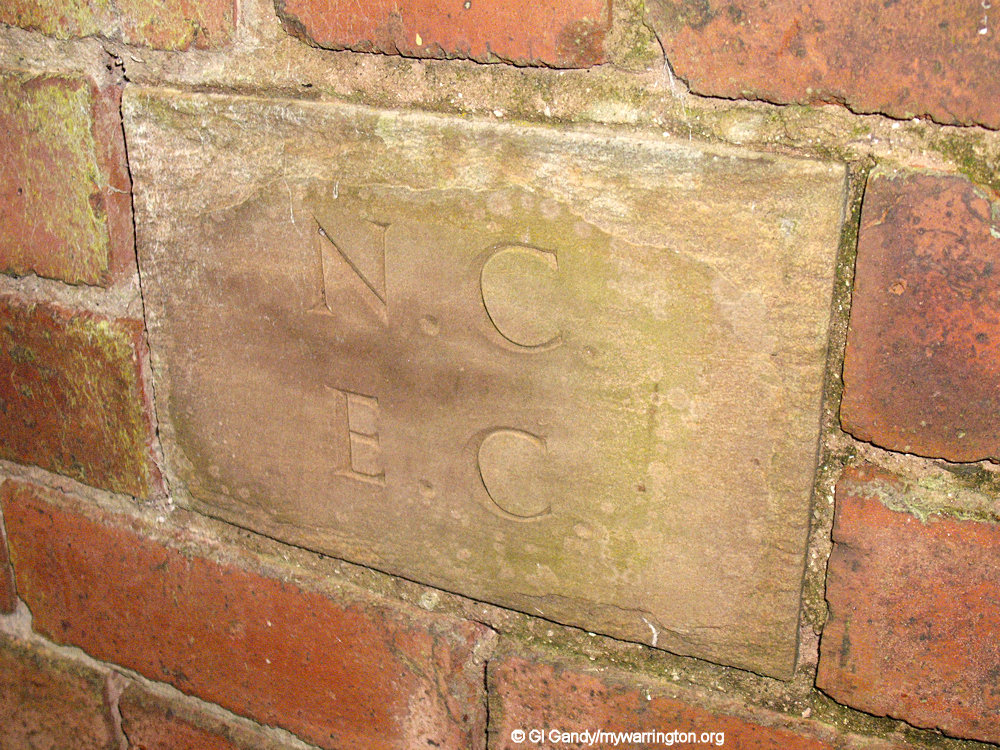
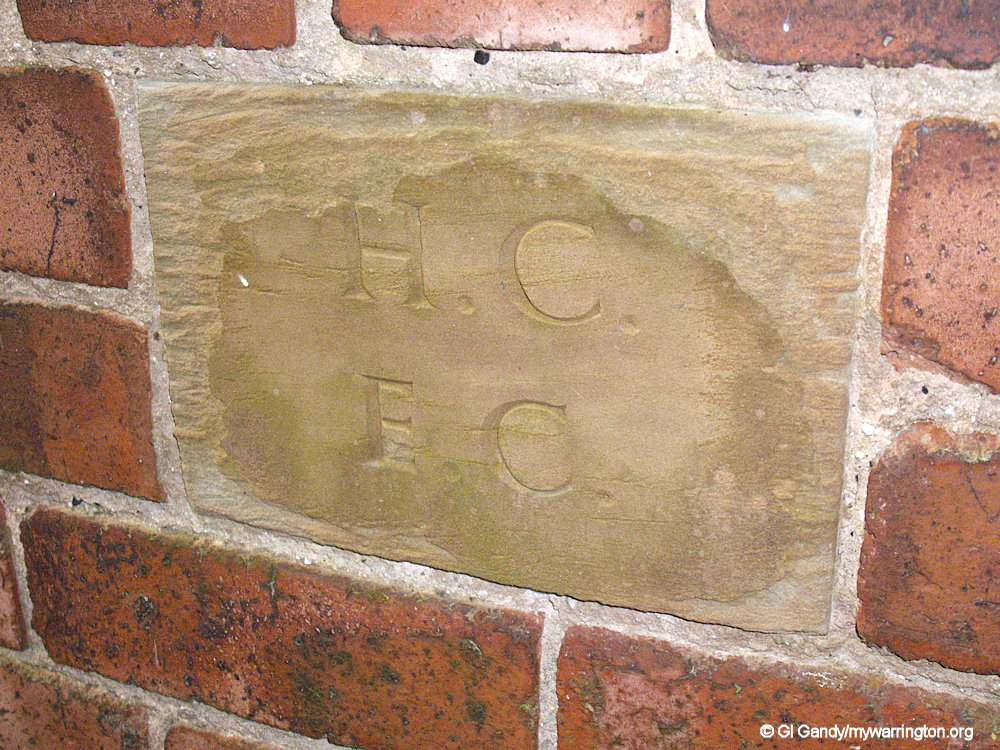
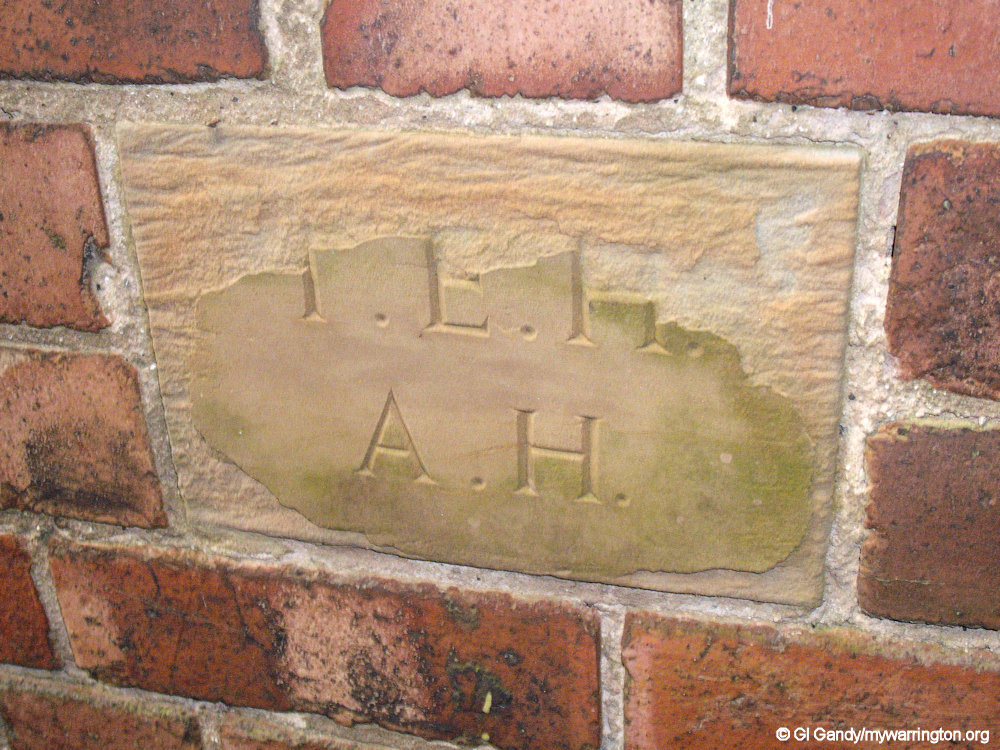
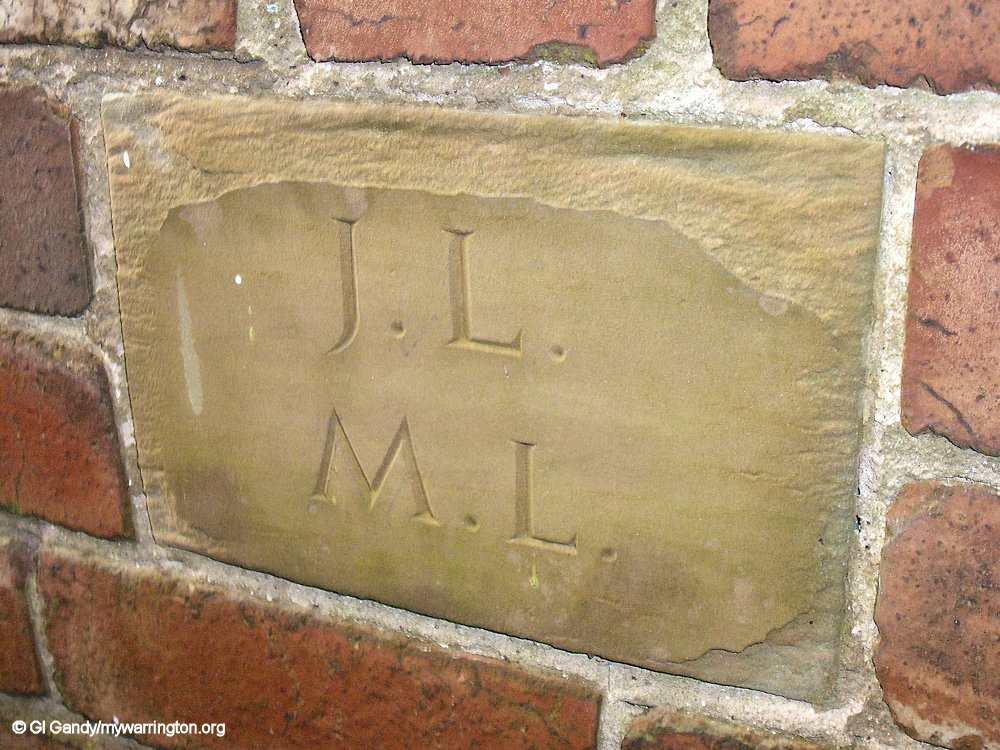
There were many stones fixed into the brickwork of the church. I don’t know who or what some of the initials represent, but I present them here as a slideshow for you to view.
St Stephen First Martyr Church (1953)
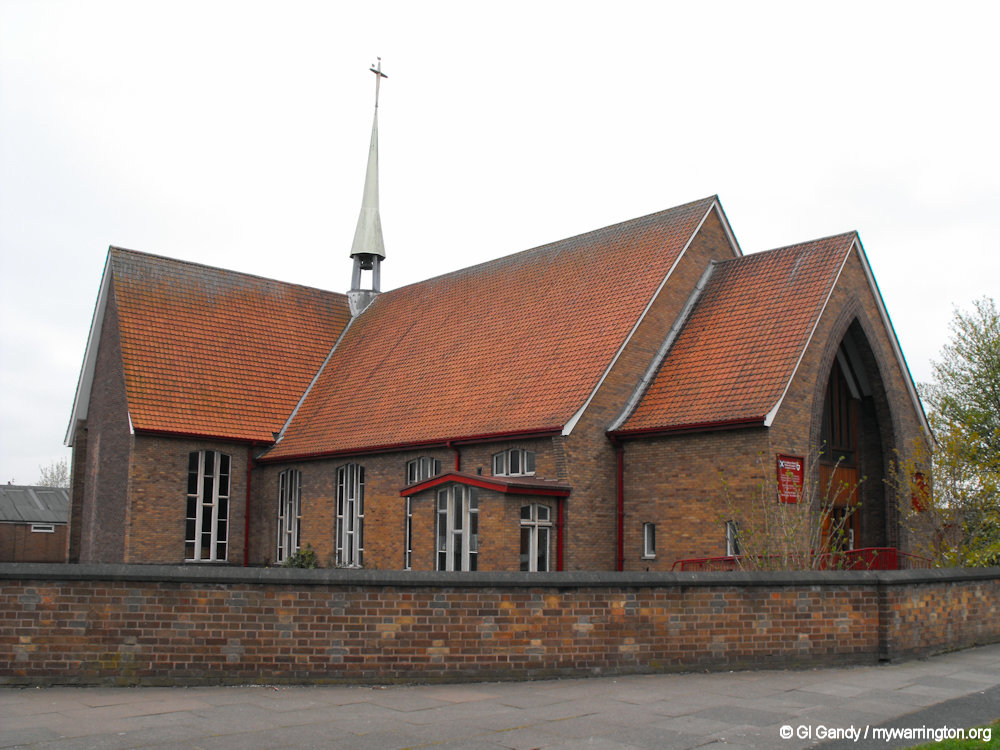
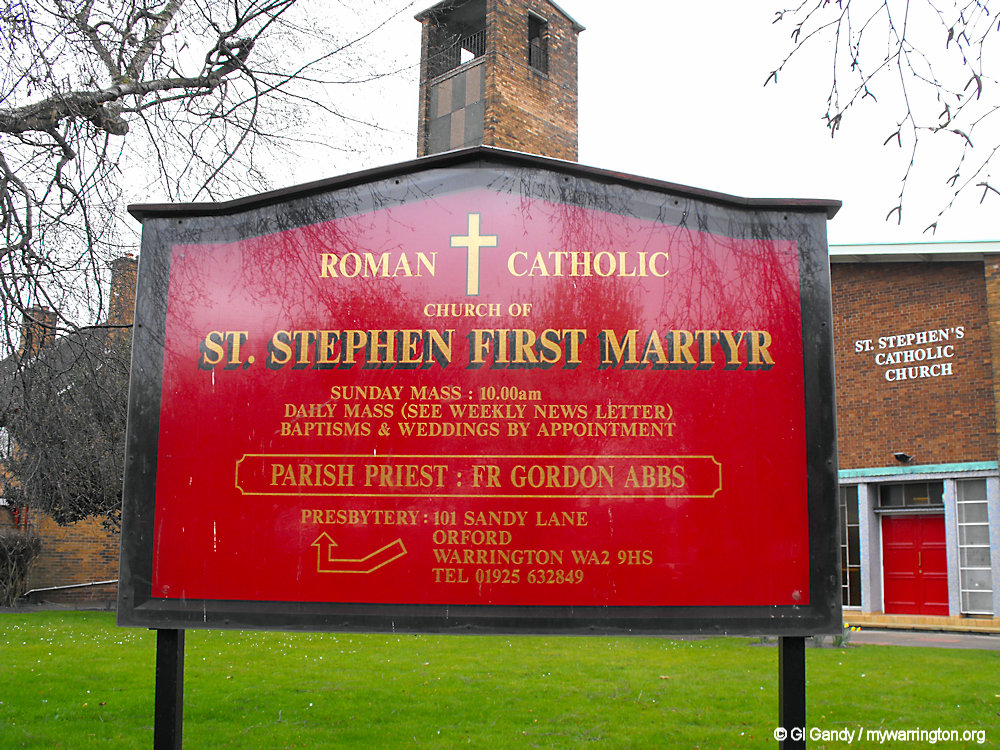
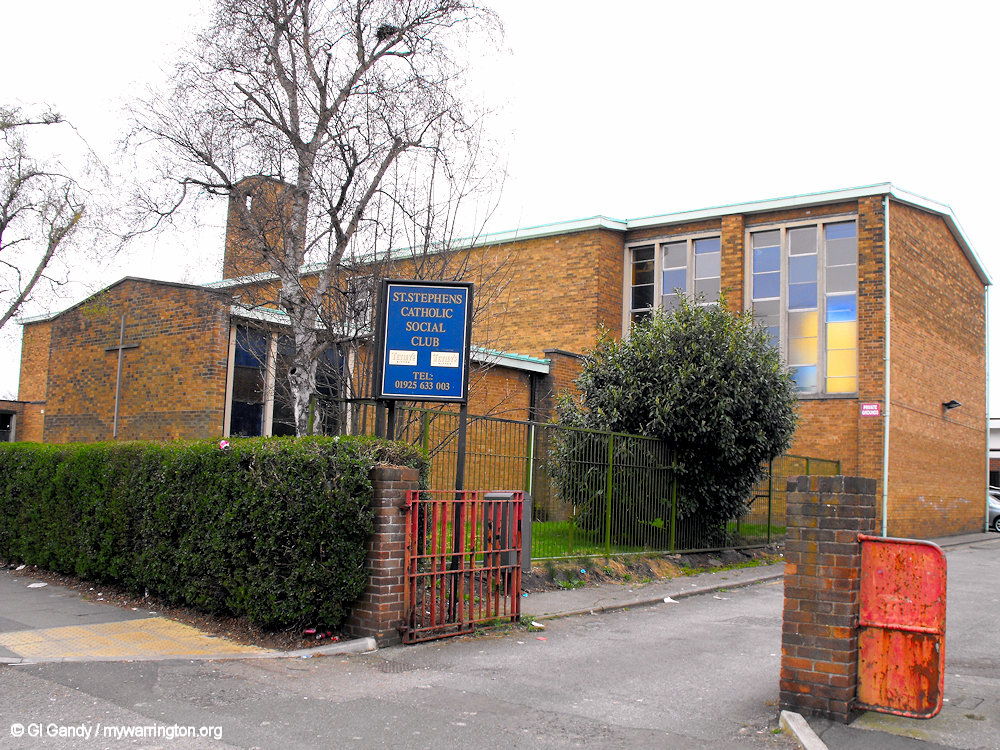
A temporary church of St Stephen RC, Orford opened on 26 March 1953. St Stephen’s the First Martyr Church on Sandy Lane, Orford officially opened on 22 March 1961.
On their website you can read some of the parish history, as well as History of Winwick Hospital Chapel and information on St Stephen, the first Christian martyr.
Reorganized Church of Jesus Christ of Latter Day Saints (1953)
The congregation dates from when meetings were held in Gorsey Lane. From 1907/8 the fellowship met in the Co-op Hall on Winwick Road.
Reorganized Church of Jesus Christ of Latter Day Saints moved to West Street, Orford in 1915. The church is nowadays known as Community of Christ, having been known under the previous name from 1872 to 2001.
Land was purchased to build a wooden structure for the group on Fitzherbert Street, Orford in 1951 and the building officially opened on Fitzherbert Street on 5 September 1953.
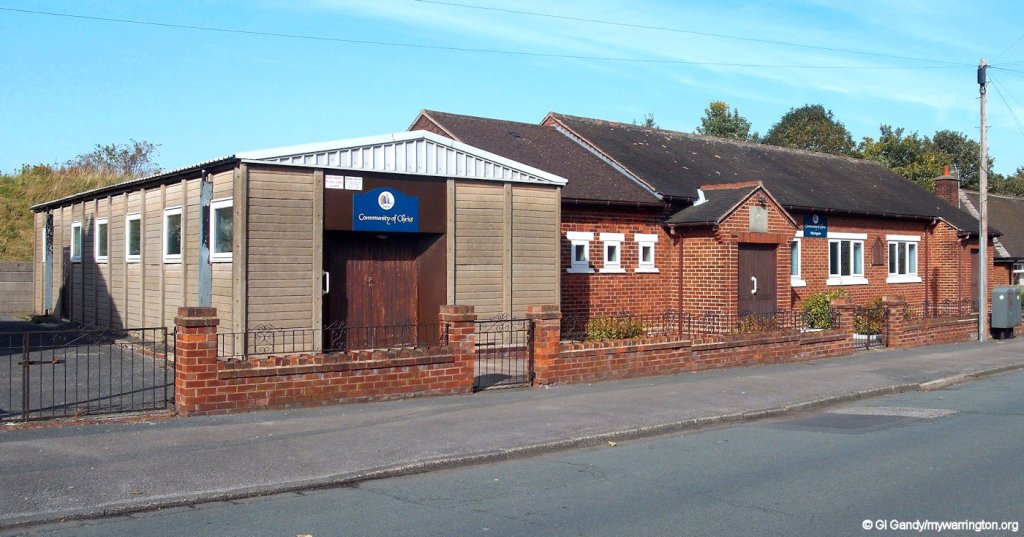
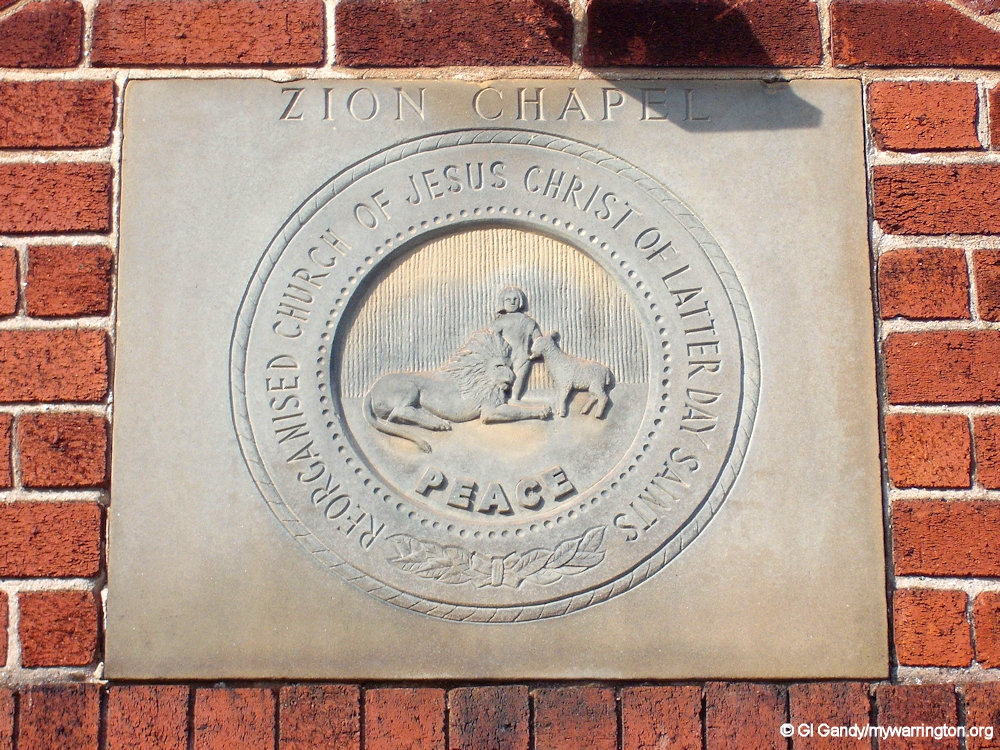
In 1954 a second, brick and concrete, building was erected for the Reorganized Church of Jesus Christ of Latter Day Saints, Orford (Zion Chapel).
The building was put up for sale for £140,000 in early 2020. The building was later demolished and four family houses were built on the site.
The current building is on Payne Close in Great Sankey (information correct at the time of writing).
Orford Congregational Church (1954)
This church opened on Thursday 16 September 1954 as a mission of Wycliffe Church on Bewsey Street near the town centre. It was based on Festival Avenue near to the junction of Capesthorne Road. It closed sometime before 1972 and later used the housing department of the borough council.
The image here shows the junction of Festival Avenue and Capesthorne Road in September 2024.
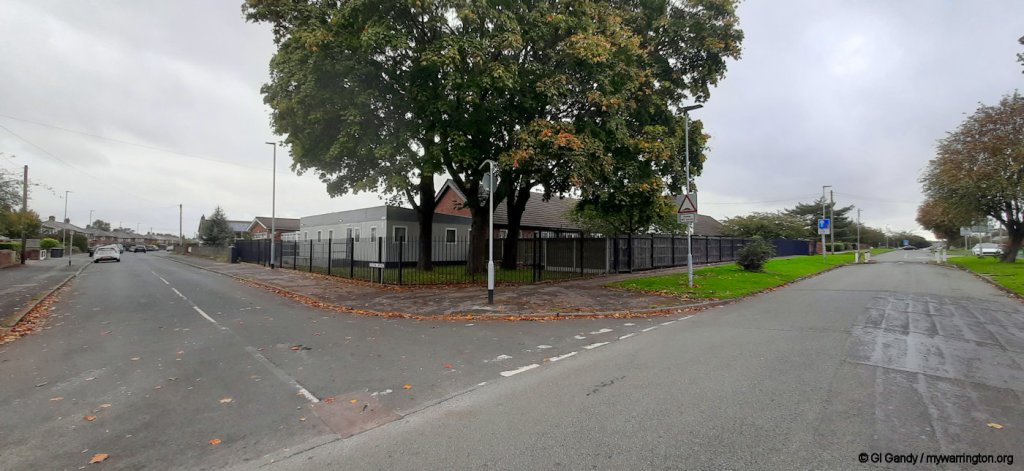
Festival Ave and Capesthorne Road junction 26 Sep 2024
St Andrew’s Church (1963)
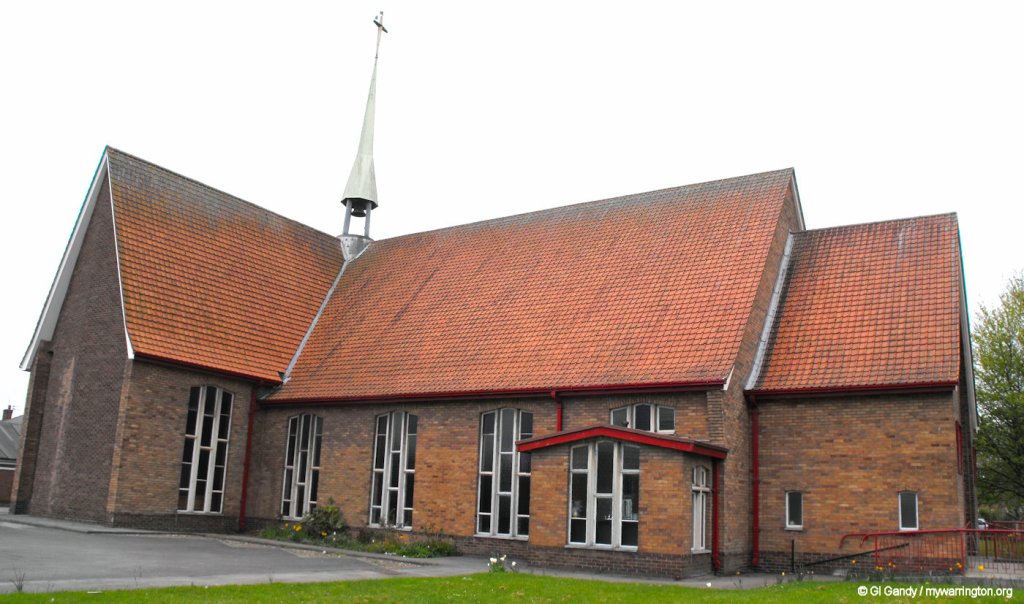
Warrington and the Mid-Mersey Valley by G.A. Carter tells us St Andrew’s Church on Poplars Avenue originally began as a mission church of St Margaret’s and All Hallows until it became the centre of the Conventional District in 1961, with its own priest, the Rev T.S. Stange.
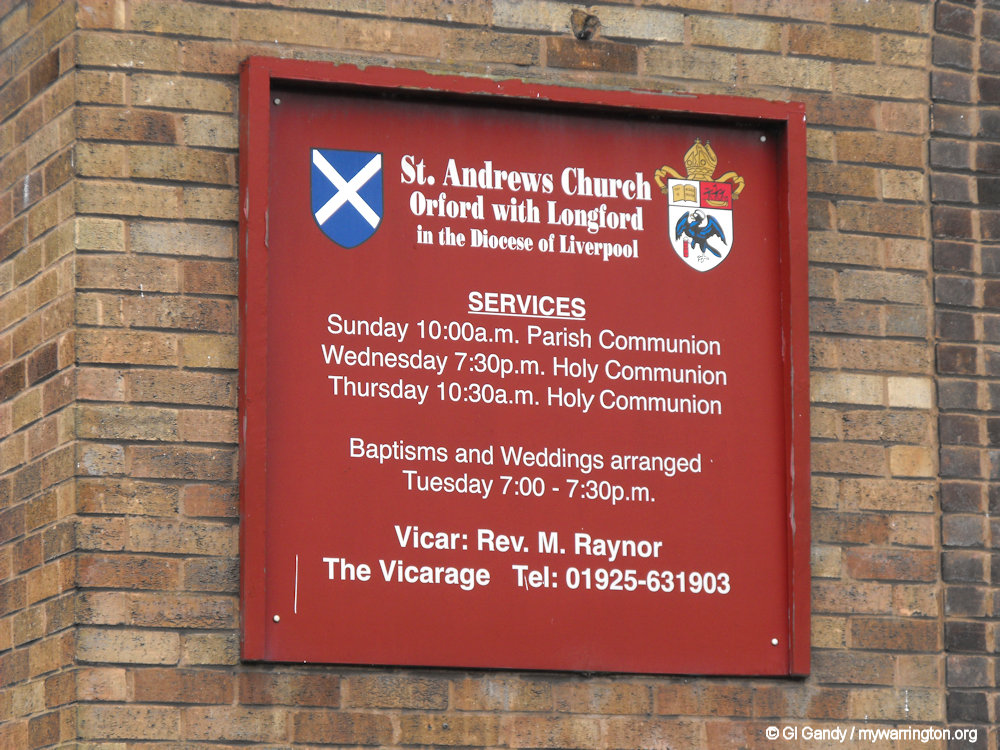
The foundation stone was laid on 11 May 1963 and the church was consecrated on 30 November 1963 by the Bishop of Liverpool, Dr Clifford A. Martin. The Princess Royal (Princess Mary) attended the ceremony. The total cost of the build was £43,000 (£1.2 million at 2024 prices). St Andrew’s describes itself as liberal catholic in tradition and their worship is principally Eucharistic. Their main act of worship is the Eucharist at 10.00am on Sundays. See the church website.
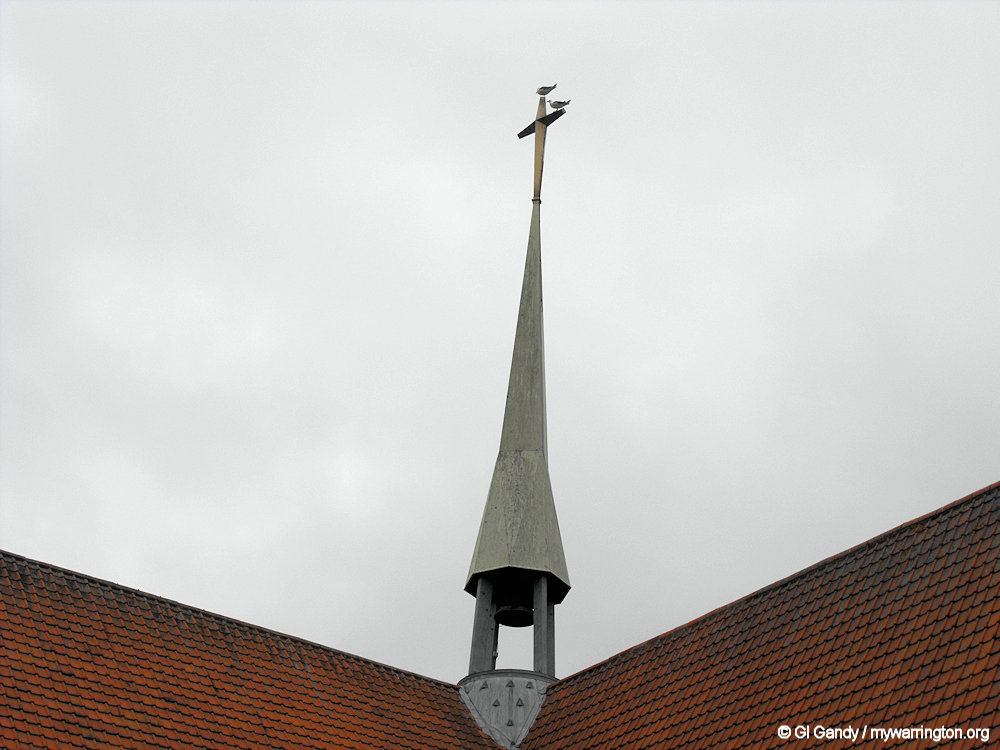
St Andrew’s Church on Poplars Ave 30 Mar 2012
Bethel Free Church (1964)
Bethel Free Church, Cotswold Road, Orford opened on 6 December 1954. The first meetings of the fellowship, however, took place in the Empire Hall in December 1933. From 1941 until 1964 the meetings were held at Bank Street Chapel.
In January 1922 the Warrington Guardian reported on a successful planning application from the church to install a portacabin to be used as a community grocery.
The church had applied for permission to erect a 20 foot by 20 foot portacabin and a 10 foot by eight foot shed on its Cotswold Road site next to an existing garage.
While the shed would be used for storage, the portacabin would become a community grocery run by the Message Trust, providing affordable food families suffering from financial hardship. The church also offers a range of support services, such as money management, healthy cooking classes and job clubs.
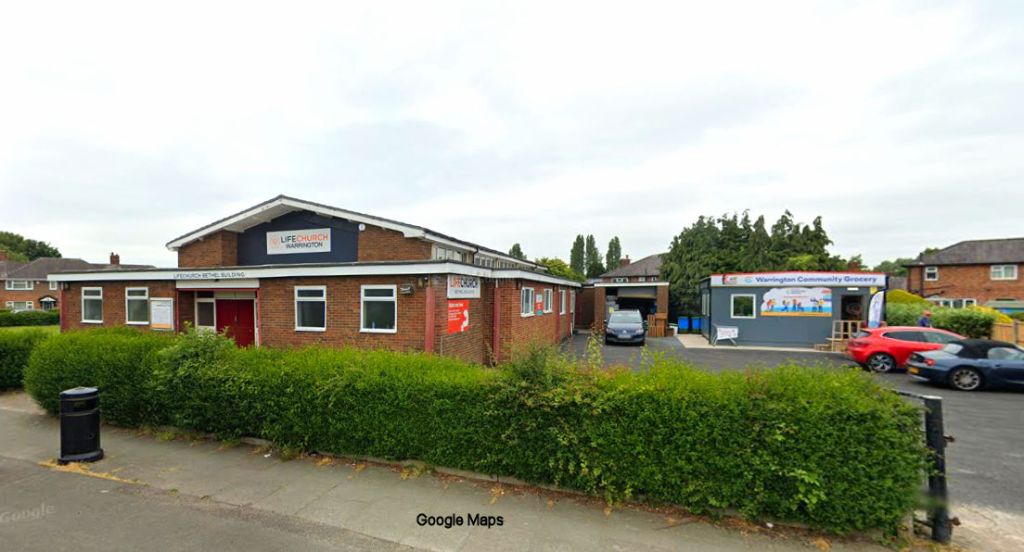
Bethel Free Church is now part of the LifeChurch group. The google maps image here was taken in June 2023.
Emmaus Church (1994)
Emmaus Church occupies the former Orford Hall residential home on Capesthorne Road. former Orford Hall. The residents of the home moved to modern facilities in Callands in the early 1990s. The church fellowship purchased the Orford Hall building from Cheshire County Council in 1994, having started out as a ‘house church’, which means exactly what it says – they met in people’s house before moving into a purpose-built building. Actually, apart from worshipping in the temple, this is how the disciples worshipped with Jesus in Bible times. Emmaus Church is a registered charity under the name Warrington Emmaus Fellowship Trust.
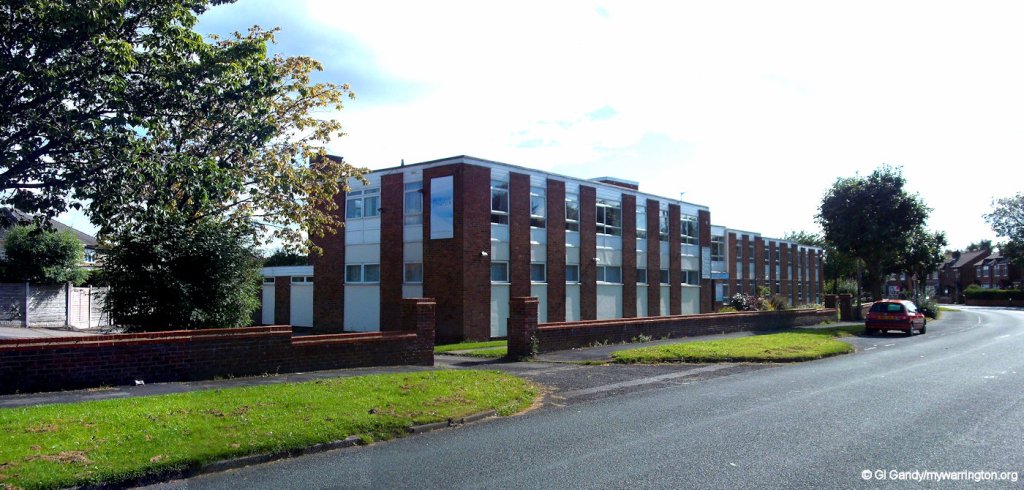
Emmaus Church on Capesthorne Road 16 Aug 2012
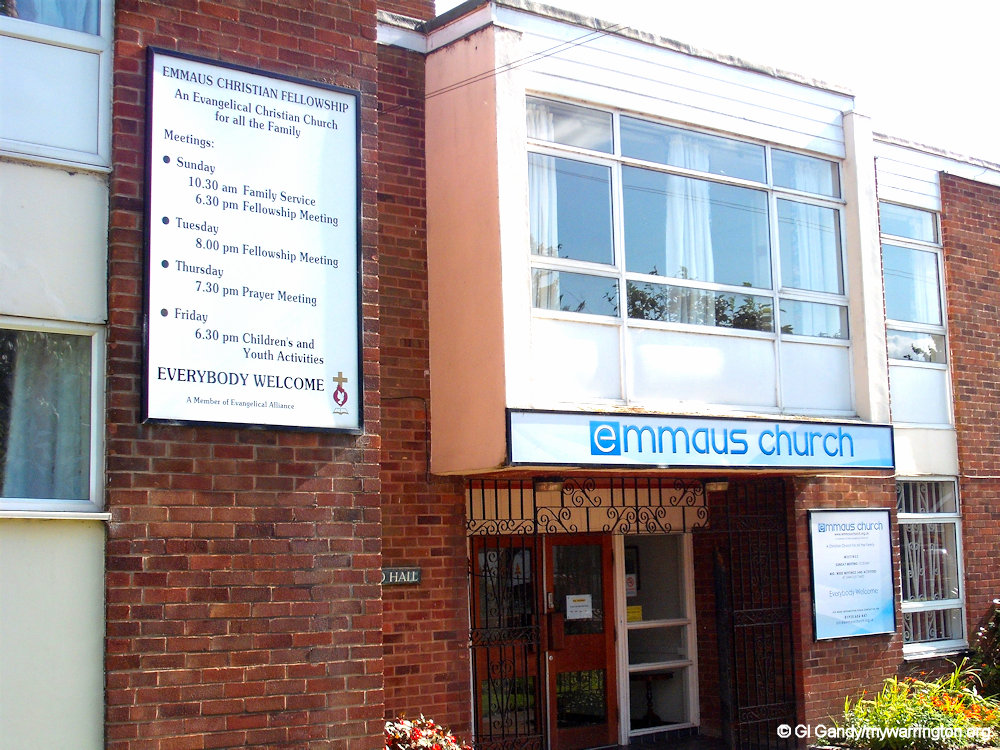
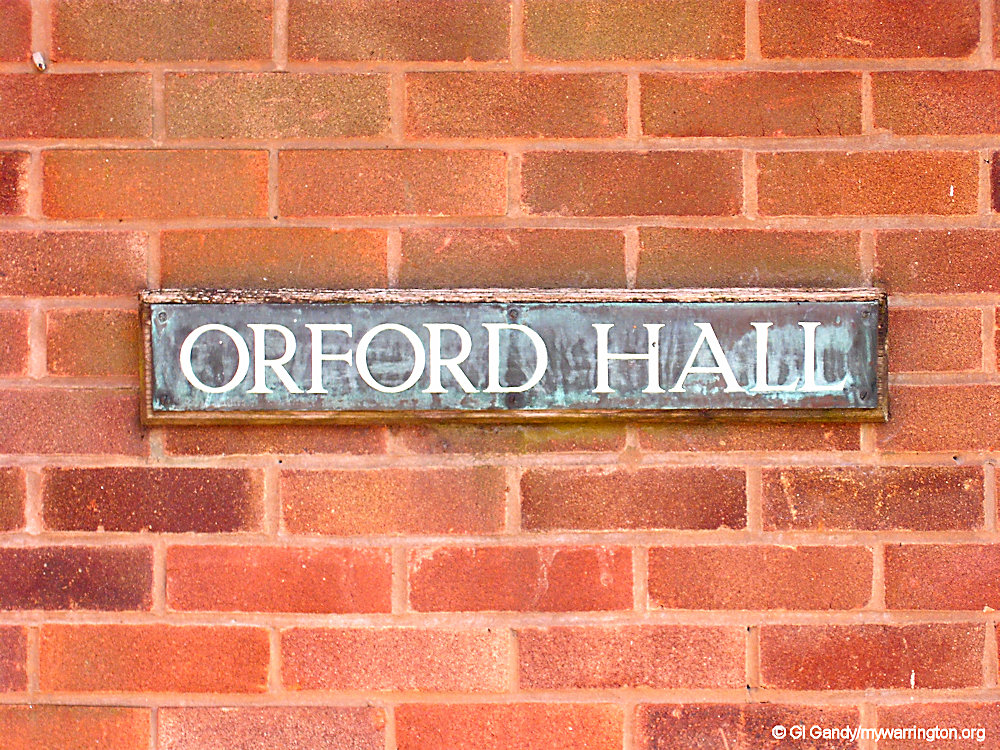
Orford Hall itself was opened in October 1967 and was the first of its type in the town run by the council.
St Ann’s Church (2020)
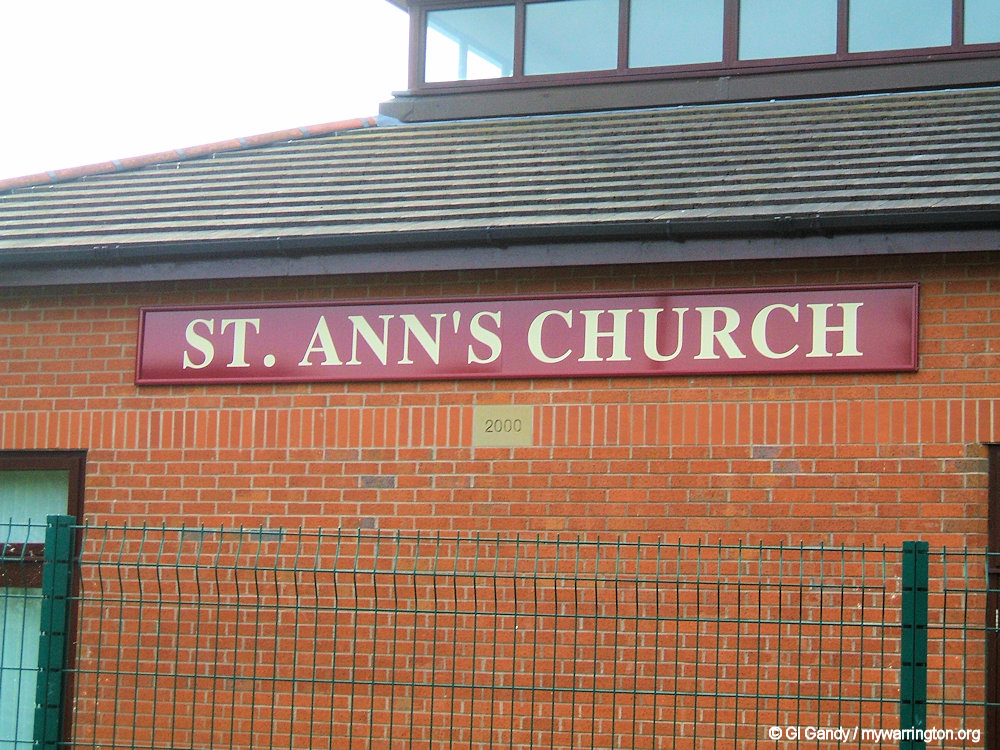
The foundation stone for St Ann’s Church on Central Avenue was laid in November 1999. The official opening was performed on 16 April 2000, which in this year was Palm Sunday, the first day of Holy Week leading up to Easter Sunday.
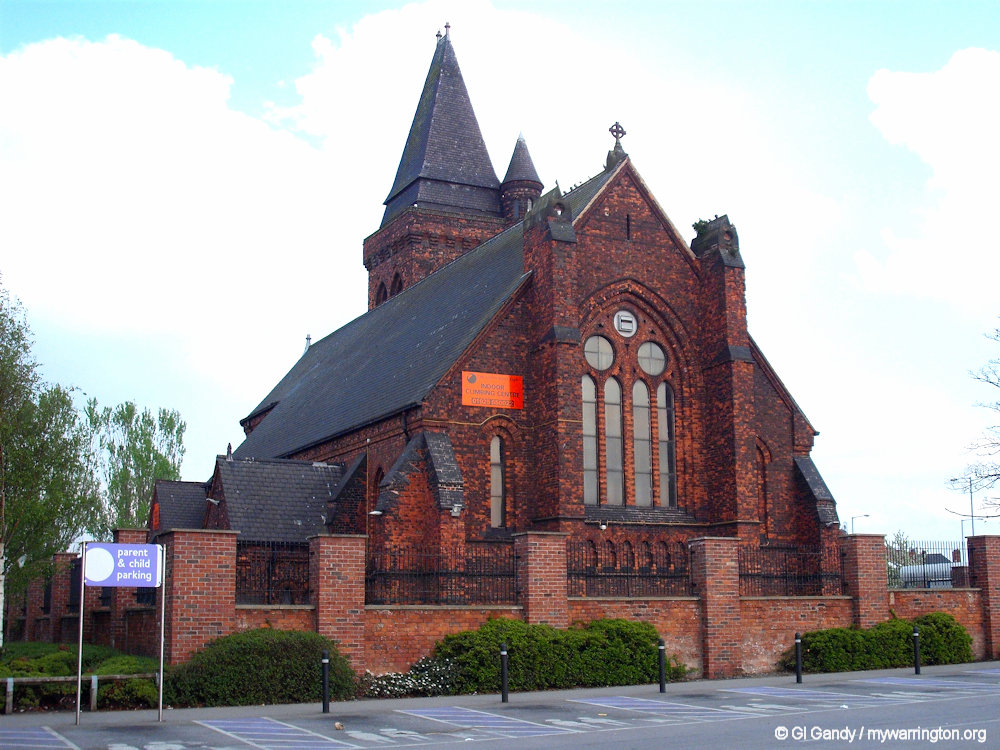
The first St Ann’s church was on Winwick Road (next to the Tesco Extra store). The building still exists, but not as a church. It is used as an indoor climbing centre called North West Face. One interesting feature of the Winwick Road building when it was a church was that it was heated by steam from the Tetley Walker brewery next door to it. That church was built in 1869.
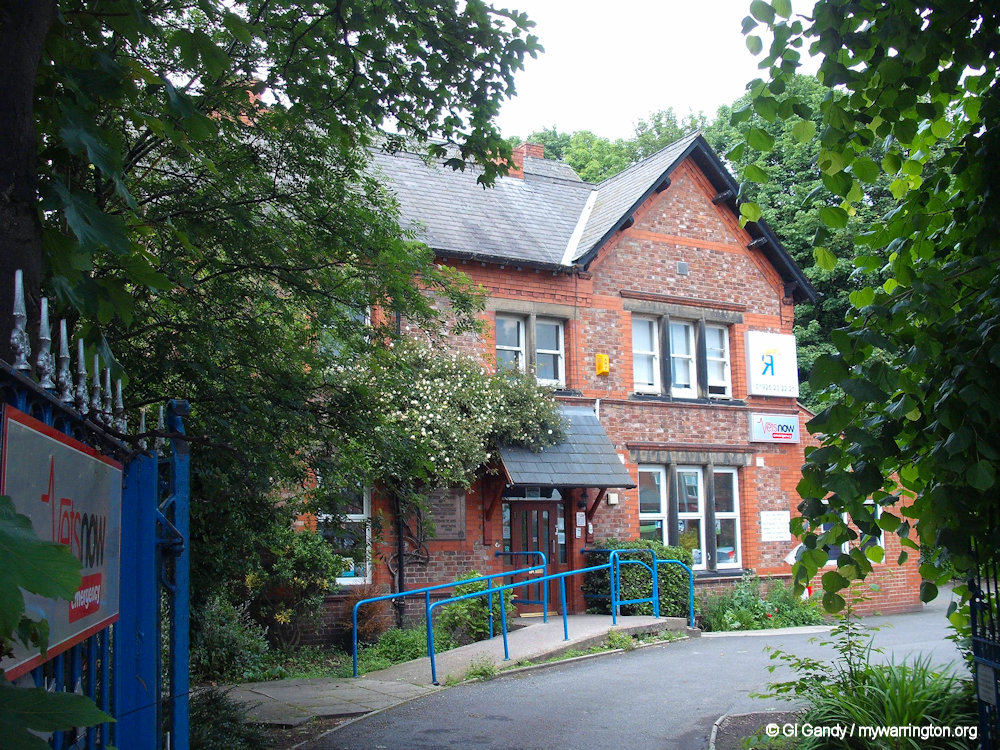
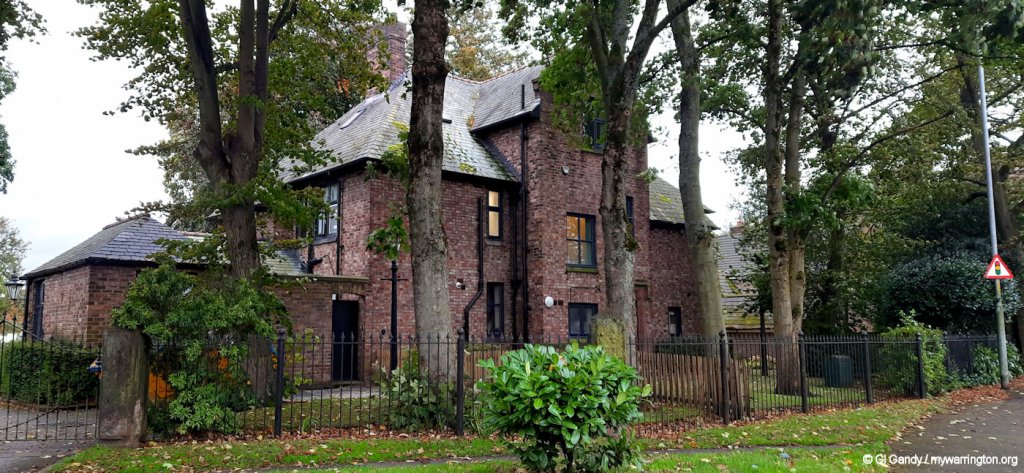
The former vicarage of St Ann’s Church still stands at 86 Orford Avenue. After being decommissioned as a vicarage, it became the home of St Rocco’s Hospice until that charity moved to a site on Lockton Lane where Bewsey Secondary Modern (later County High) School once stood. The Orford Avenue building is now used by Rees Veterinary Centre.
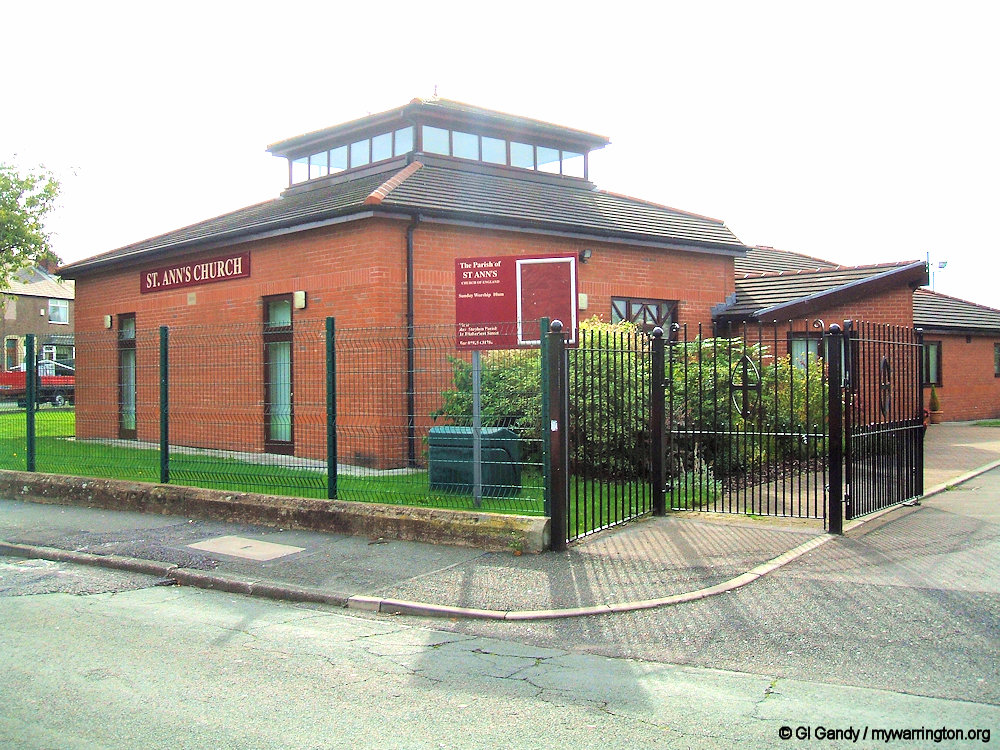
St Ann’s Church on 10 Sep 2008
School Life
Until the 1870 Education Act, schools in England were run by religious or charitable organisations, and therefore relied on donations. Schools of this type in Warrington, including the original Boteler Grammar School, The Clergy Daughters School and the Bluecoat School.
The 1870 Education Act allowed for local authorities to set up school boards. Warrington did not avail itself to these powers in the early days, which meant the religious bodies, such as the Church of England, Roman Catholic, and Nonconformist, provided day to day education which included religious studies and read and writing.
One of those is in Orford and will be discussed shortly. The next development came with the 1902 Education Act, or the Balfour Act as it was commonly known by. On 1 April 1903, the Warrington Local Education Authority was established. One of the main advantages of the new Act was the provision of a variety of subjects being taught in addition to the basics of reading and writing.
One of the first undertakings was the the Technical Institute on Palmyra Square which had been completed in 1902. The first council school was also built in Orford and will also be discussed here.
Blue Coat School (1665-1948)
As mentioned above, the Blue Coat School was a charitable organisation. They were known as Blue Coat schools because of the colour of the uniform originally worn by the pupils.
Warrington Hundred tells us the Warrington branch became a purely educational charity in the town in 1771, but dates back to 1665 when money was left in a legacy. In 1771 the trustees “strongly impressed with the belief that education to be worthy the name mut be based on religion”. There were 24 boys educated there from 1711.
The first bluecoat school to be established was Christ’s Hospital. This was founded by Edward VI in Newgate Street, London, in 1552, as a foundling hospital to care for and educate poor children.
Between the 16th and late 18th centuries about 60 similar institutions were established in different parts of England, including Warrington.
The Warrington establishment was originally based in the town centre behind Bridge Street near Holy Trinity Church, where it remained until 1872.
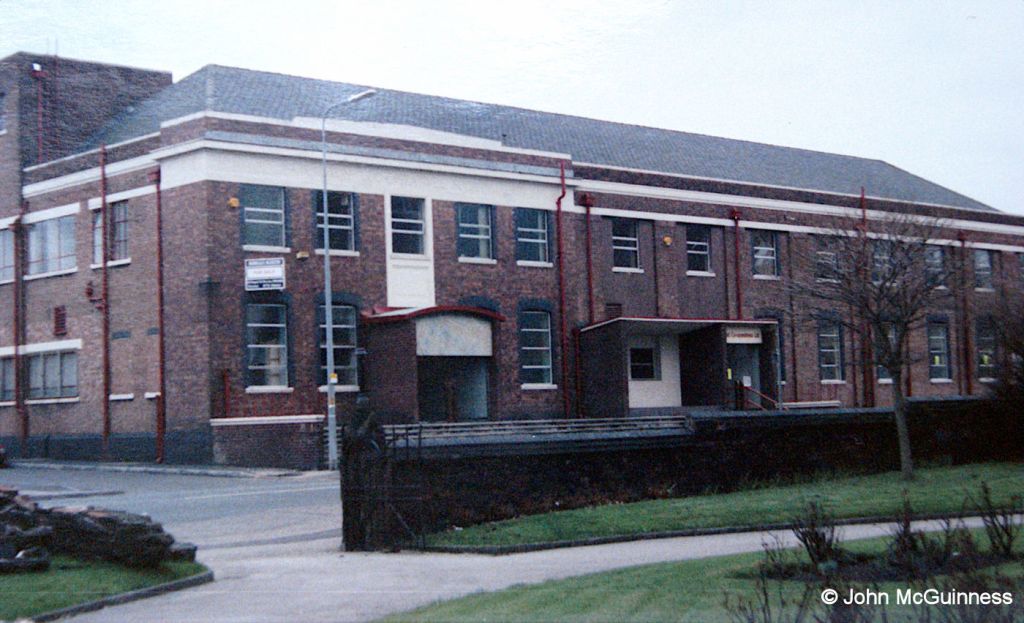
Co-op Hall on Winwick Road
It then moved to Winwick Road and was known as Blue Coat Hospital. In 1922 the school moved to Preston Brook, where it remained until it closed in 1948.
In 1923 the Co-operative Society took over the Winwick Road building to create the Co-op Hall. The street alongside was later called Bluecoat Street. See the Warrington-Worldwide Forum for more information.
Orford School (1861)
To the north of Orford Hall was the early village of Orford, long before the modern housing estate. It was based around Orford Green and Long Lane (part of the A50 today).
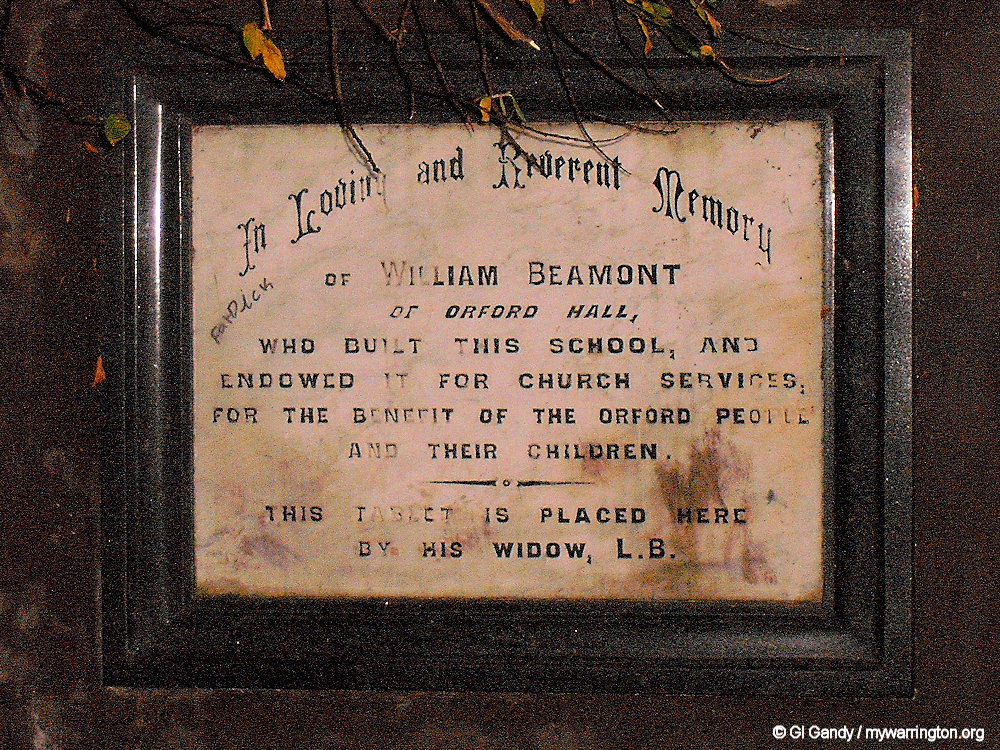
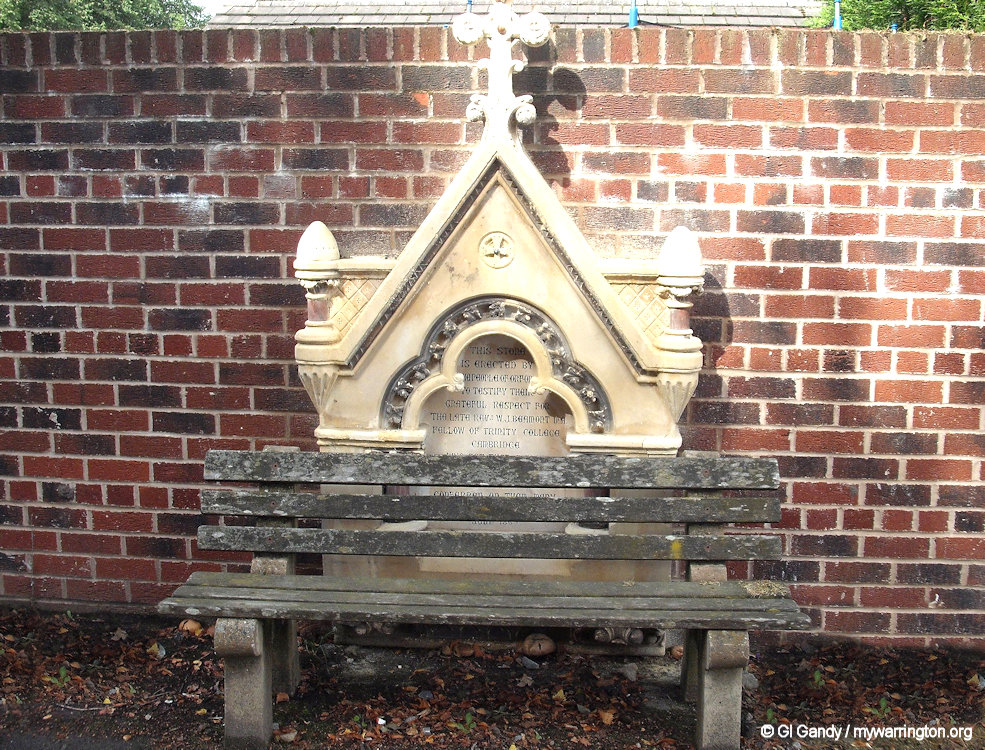
In 1829 Orford School was built in the district. William Beamont supplied the money to build the school to replace the old school that had been built by John Blackburne on School Road.
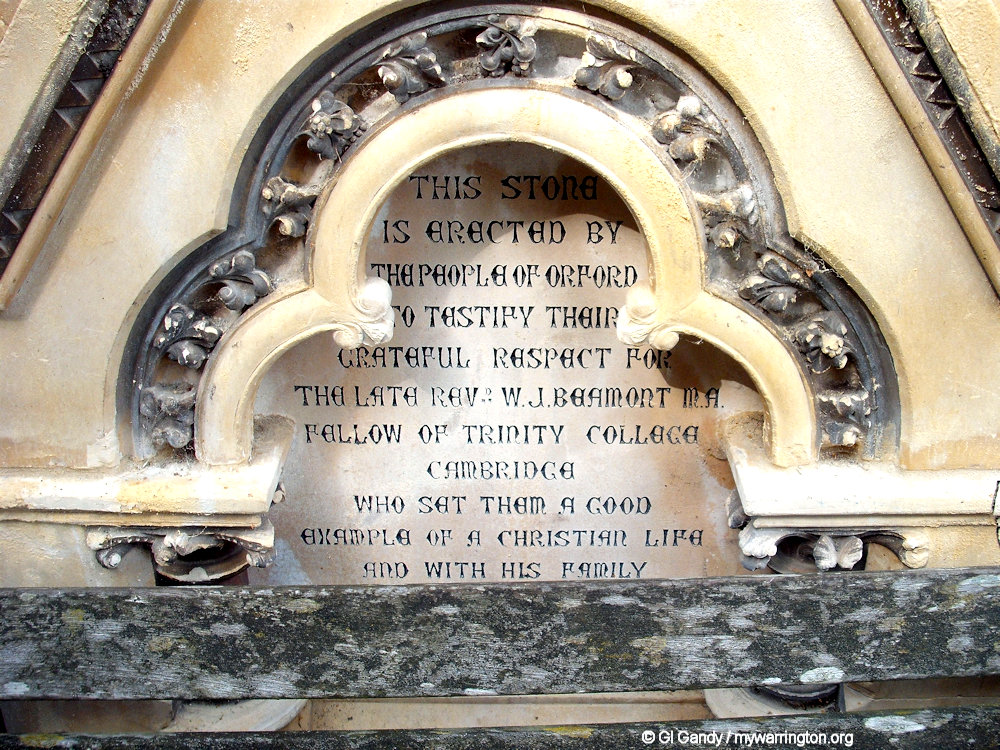
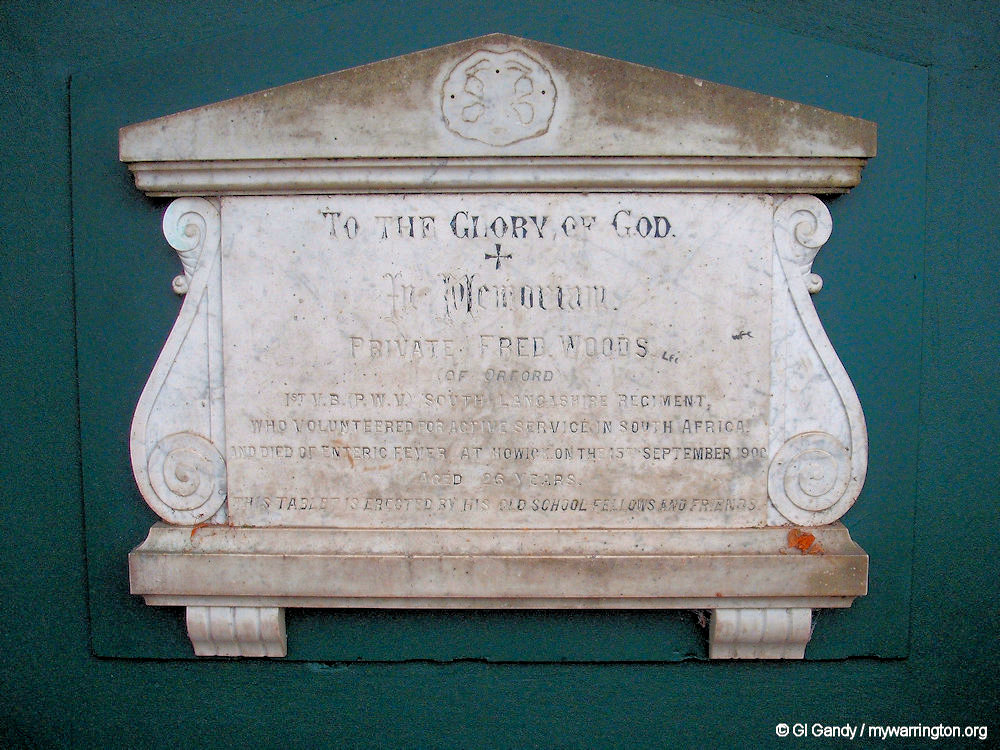
The Beamont school opened on 21 April 1861 and demolished in May 2013, but there is still a school on School Road. That school is St Margaret’s Church of England Primary School, just a short walk away.
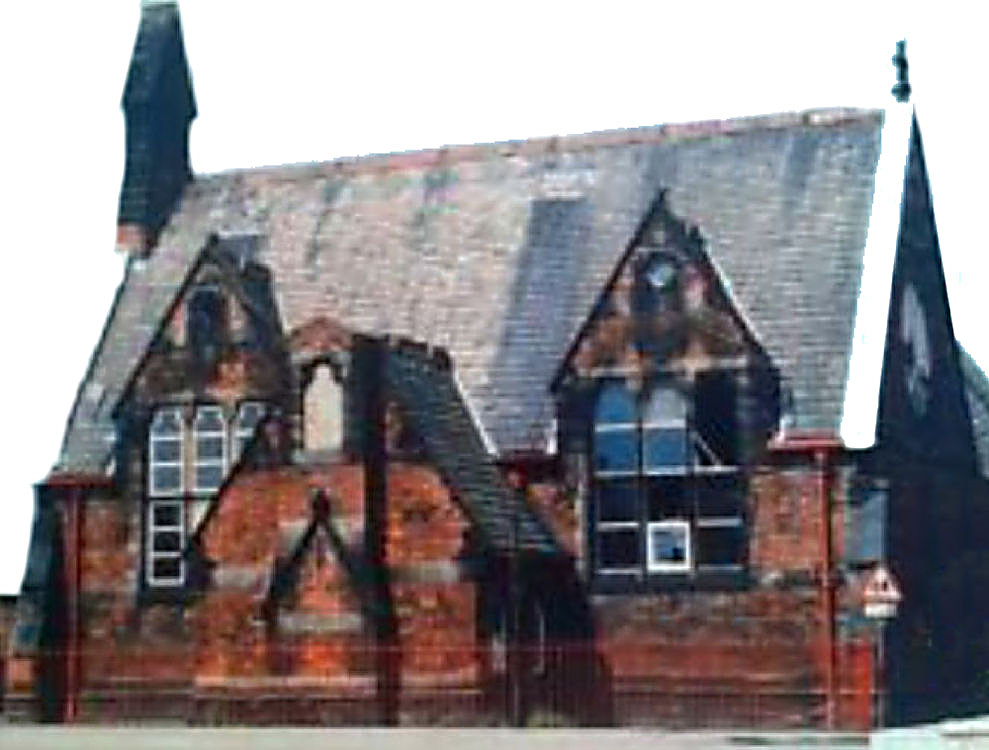
The old Orford School on School Road, now demolished
St Ann’s National School (1864)
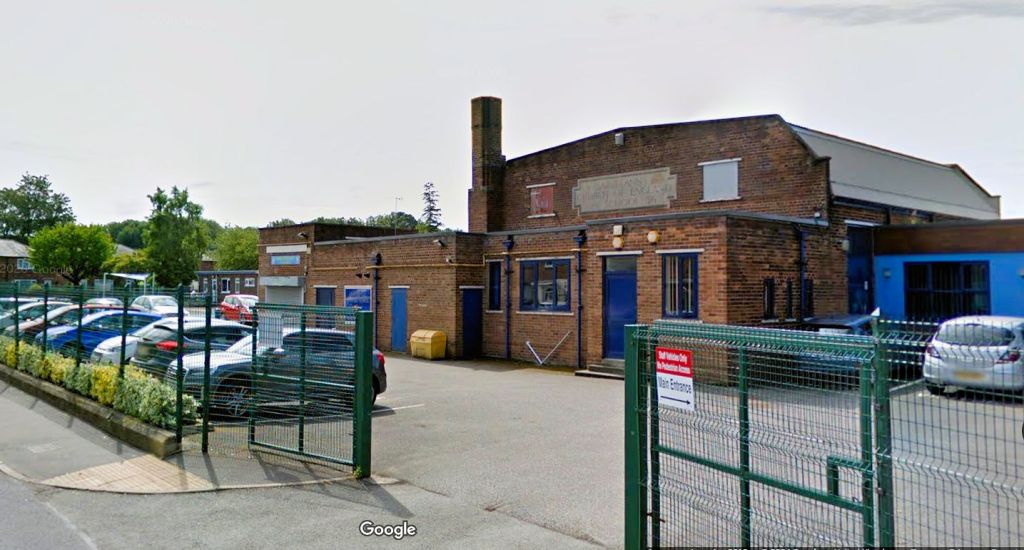
St Ann’s National School, Orford was formally opened on 10 January 1864. The school is on Lathom Avenue, close to Alder Lane. The wording on the date stone says Saint Ann’s Church of England School 1956, so I assume it was either rebuilt or extended.
Silver Street School (1869)
Silver Street School was run as a Wesleyan school from 1869-1963.
Wesley Hall was established in Silver Street as a mission hall in 1868. In 1877 a day school was opened in the premises which subsequently passed to the control of the Warrington County Borough Education Authority. The Sunday School associated with Bewsey Road Wesleyan Methodist Chapel was conducted in these premises.
Read about the Silver Street School’s Roll of Honour on the Warrington Museum and Galleries website.
See also the Imperial War Museum website.
St Benedict’s Catholic Primary School (1881)
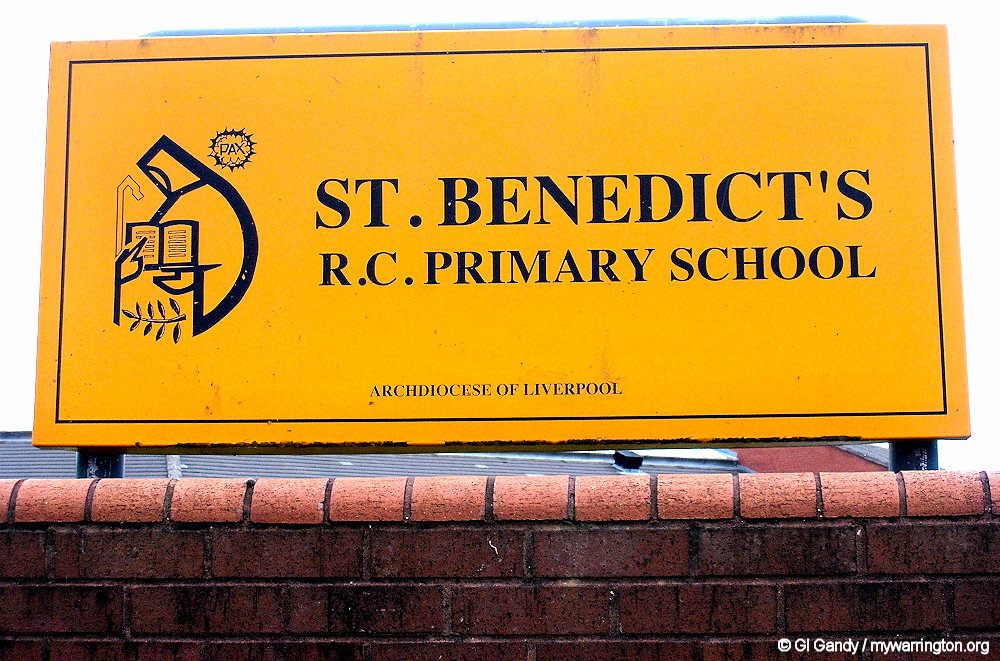
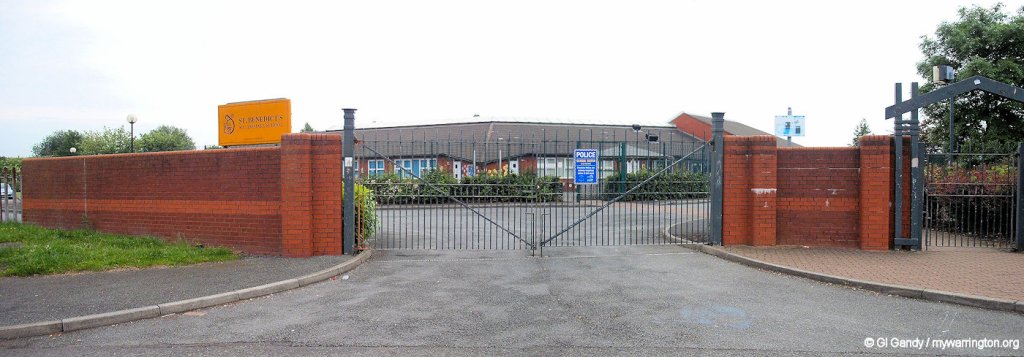
St Benedict’s Catholic Primary started out on Orford Lane on 10 January 1881. It moved to modern facilities on Quebec Road in 1991. The original building on Orford Lane was demolished in 1993 and a new housing development was built on the site, called St Benedict’s Close. The current school on Quebec Road opened on 22 February 1991. To read a bit more on the history, see the school’s website.
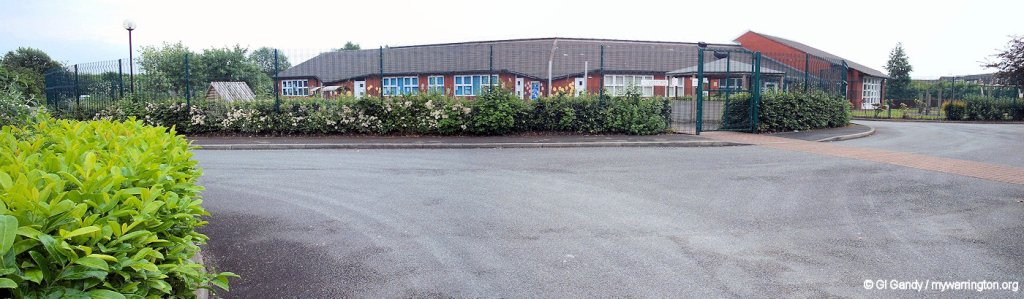
St Benedict’s school on Quebec Road 13 Jun 2012
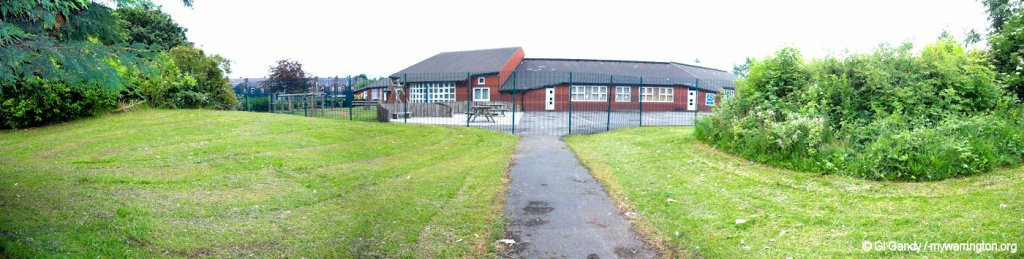
Beamont Council School (1907)
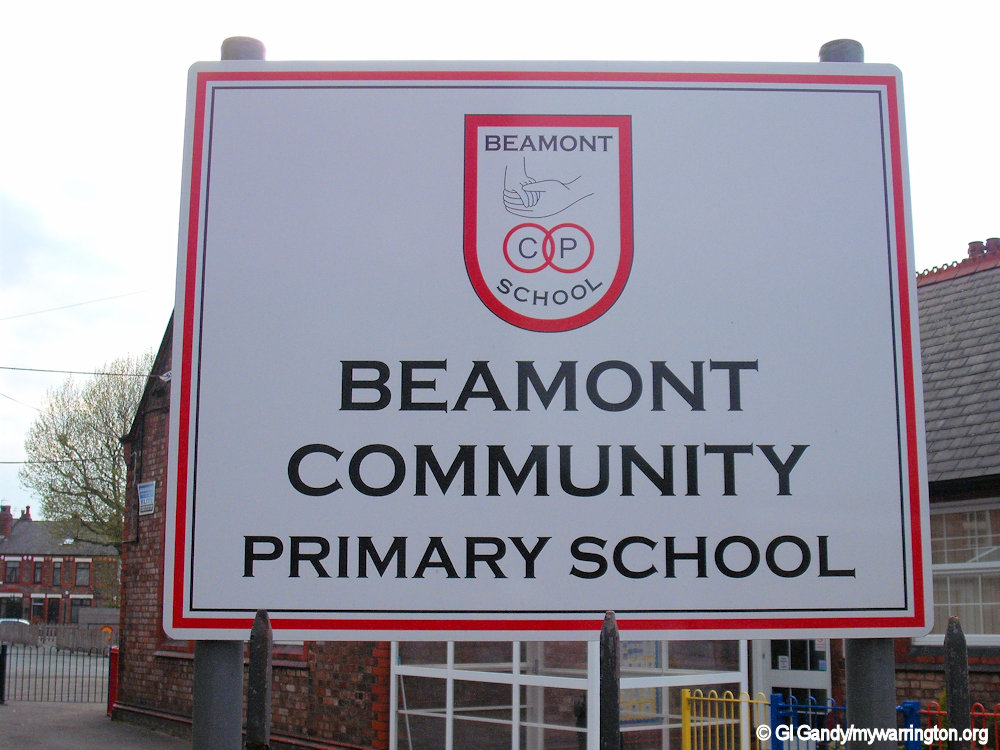
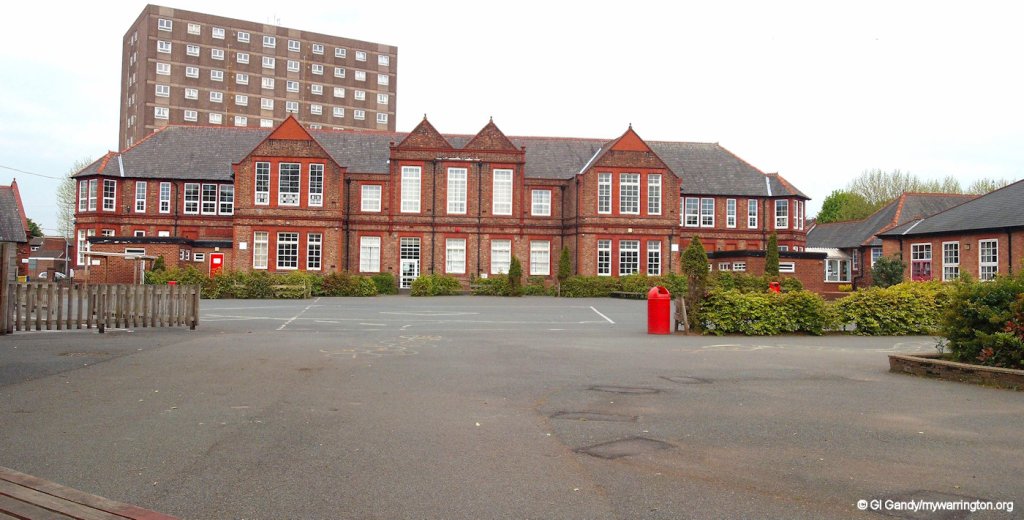
The town’s first council school was Beamont Council School on O’Leary Street. It opened on 21 March 1907 and is still in use. A war memorial was unveiled at Beamont Council School on 18 November 1920. In those early days, boys and girls were educated separately. The school can currently accommodate 420 pupils of mixed gender.
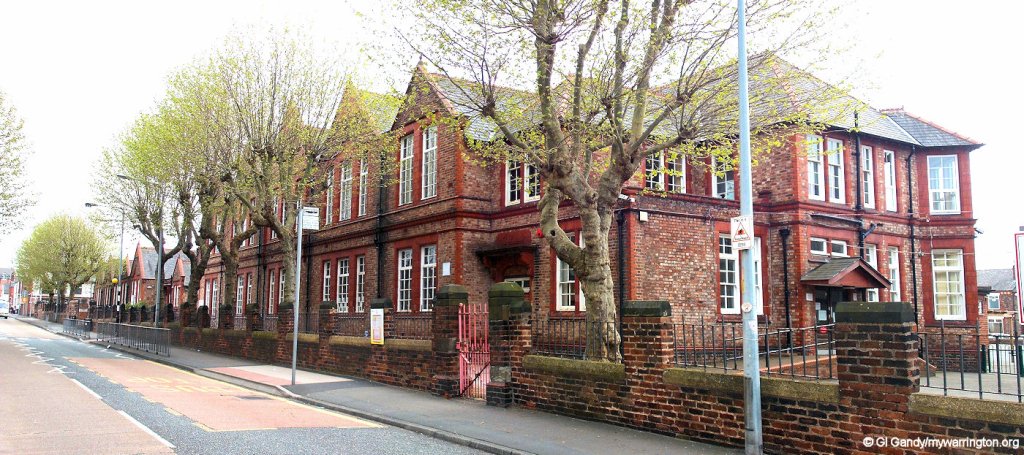
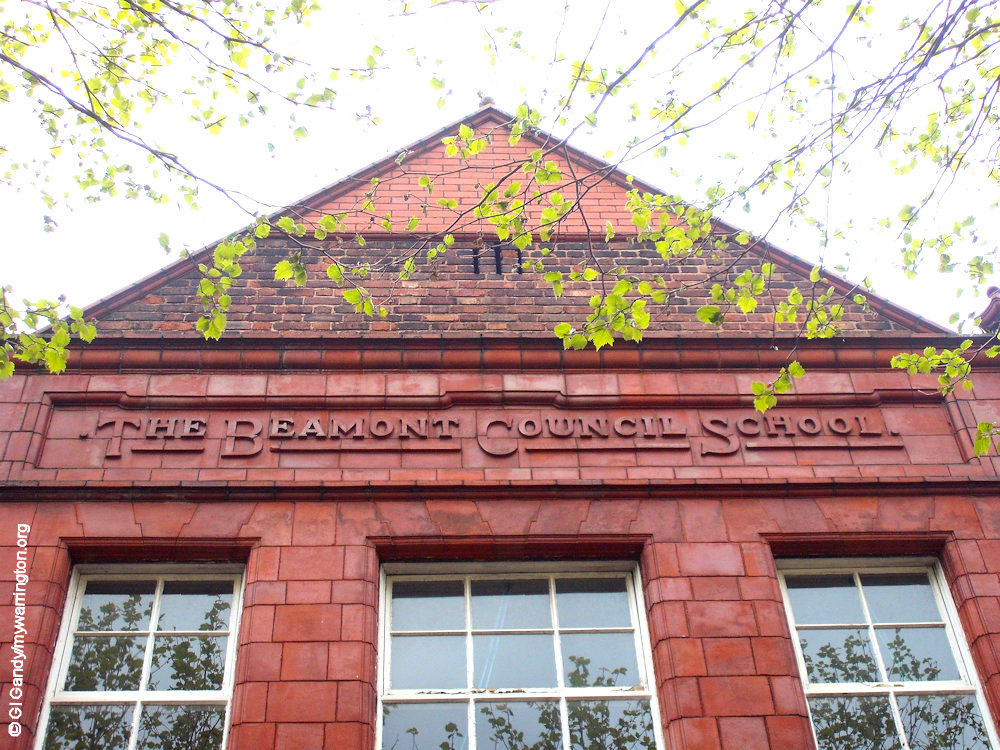
Beamont Community Primary 20 May 2012
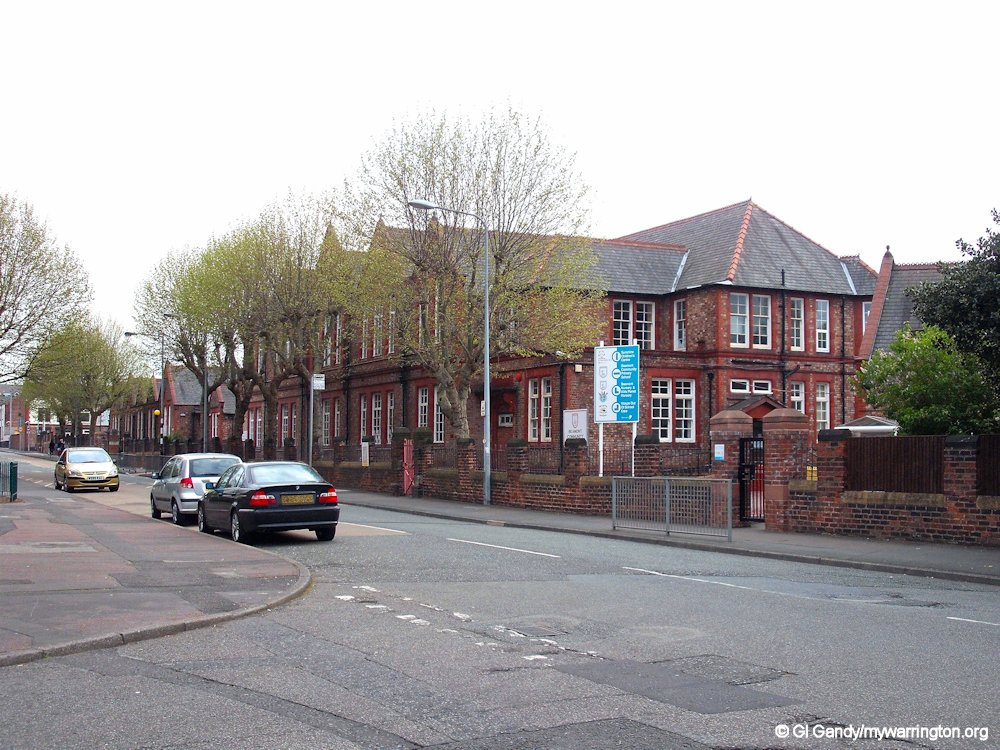
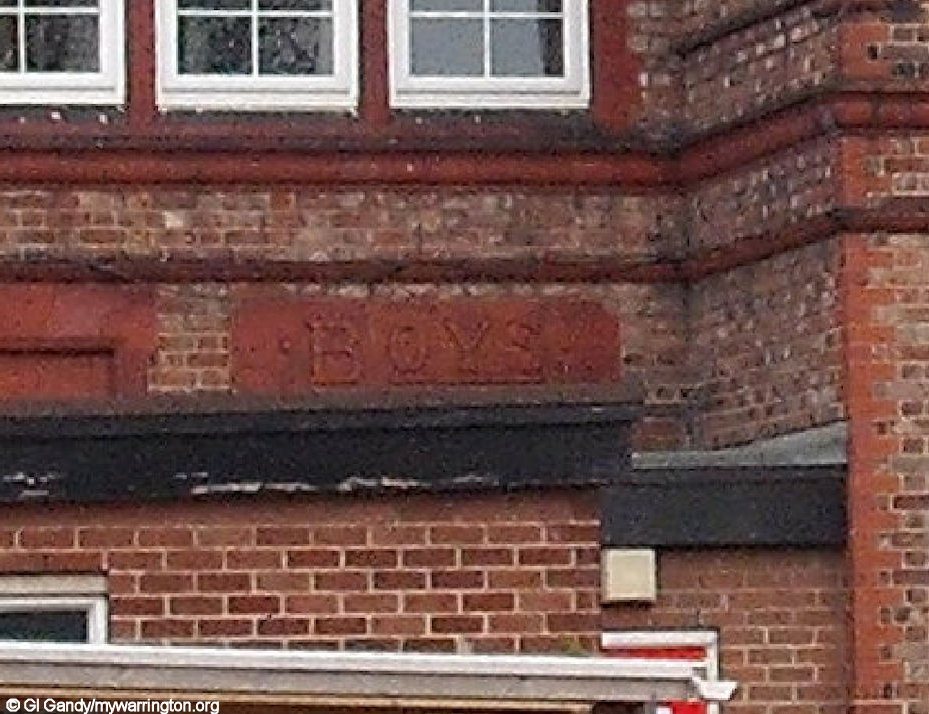
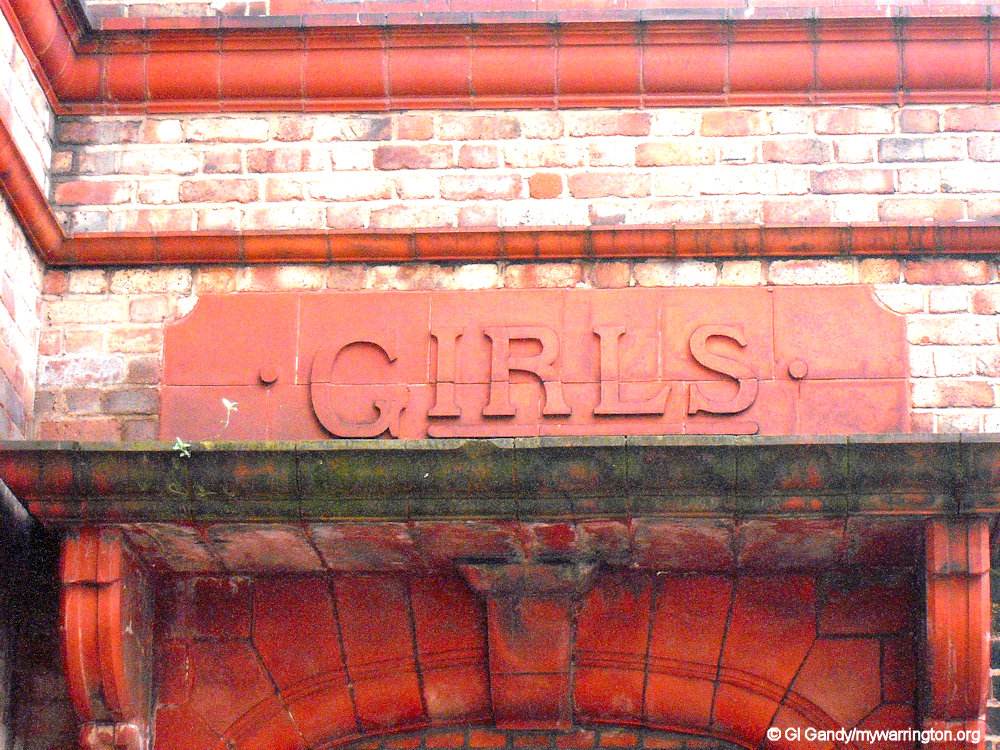
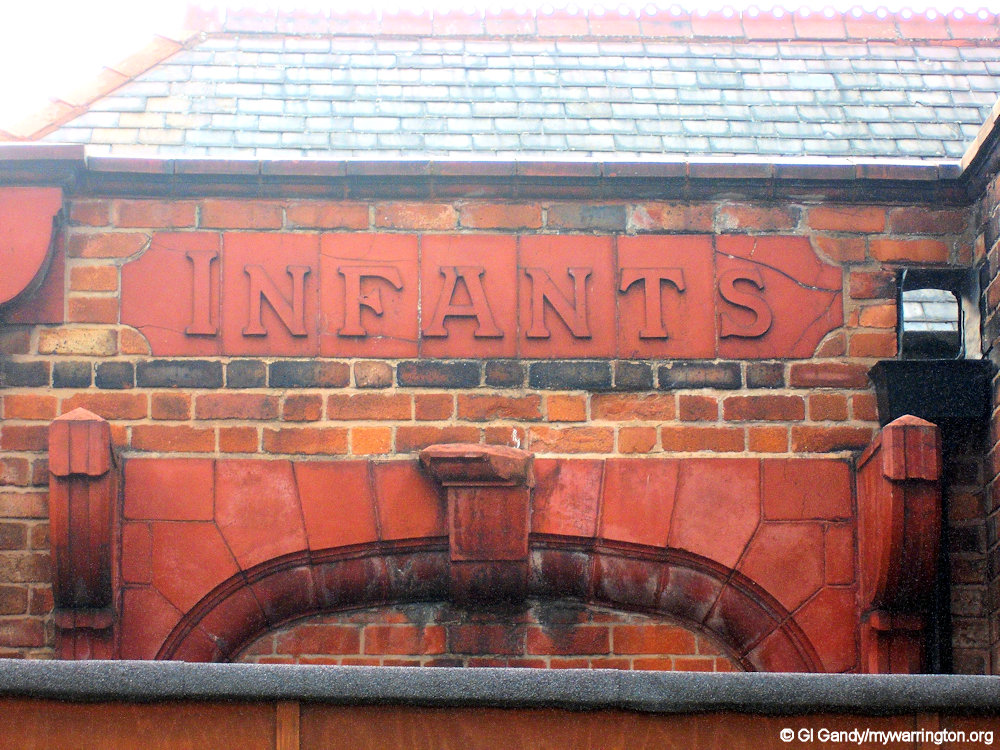
On the OS 1:10,000 map 1949-1973 we can see three schools close to each other in the Orford area. They are, in date order of opening:
St Stephen’s Catholic Primary School (1957)
The first to open is St Stephen’s Catholic Primary on Sandy Lane, which opened on 5 May 1957. It stands next to St Stephen The Martyr Church.
The school is a voluntary aided establishment which means they are often, but not always, church or faith schools. The land and buildings are usually owned by the religious organisation but the governing body runs the school, employs the staff and controls admissions.
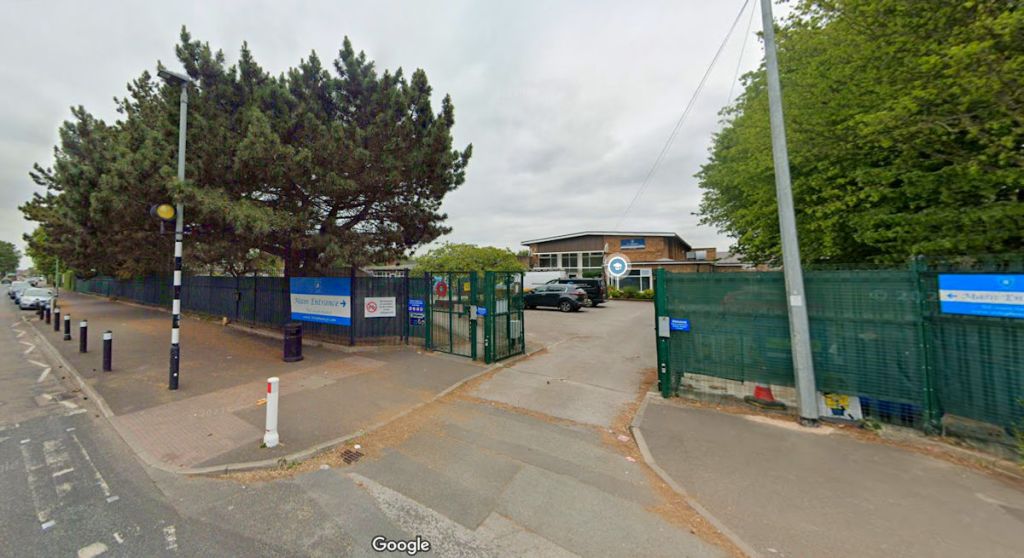
St Stephen’s School on Sandy Lane (Google Maps Jun 2023)
St Andrew’s Church of England Primary (1959)
The second school on the OS 1:10,000 map 1949-1973 is St Andrew’s Church of England Primary, which was opened on 26 October 1959, and is still in use on Mardale Avenue.
Like St Stephen’s School, St Andrew’s is also a voluntary aided school. It has space for 105 pupils.
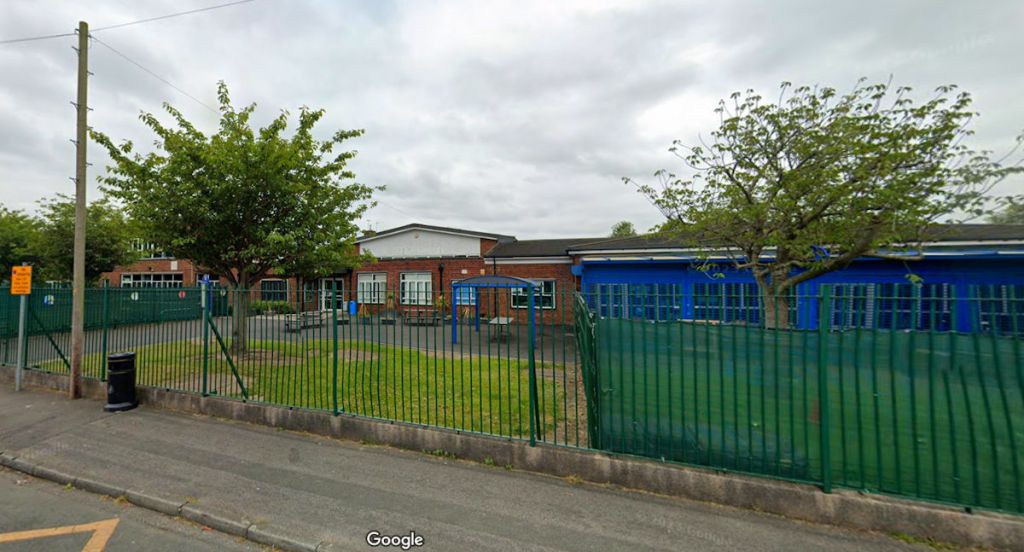
St Andrew’s School on Mardale Avenue Orford (Google Maps Jun 2023)
English Martyrs (1960)
Another school residents of the town will remember from that OS 1:10,000 map 1949-1973 is English Martyrs on Poplars Avenue. Some people used to call it English Tomatoes school. It opened on 3 March 1960 at a cost of £170,000 (£4.9 million at 2024 prices). The school closed in July 1991, along with St John’s RC High School. The pupils from both schools moved into a new school, Newman Catholic High School in Latchford.
The reason for the closures and subsequent merger was due to a shortage of Catholic pupil numbers in the area. Houses now occupy the site of English Martyrs.
See a photograph of the school on the Warrington Guardian
Orford Secondary Technical School (1965)
The foundation stone of Orford Secondary Technical School was laid on 21 May 1965. It replaced Beamont Boys and Oakwood Girls Schools.
Beamont Collegiate Academy (2013)
Beamont Collegiate Academy (formerly William Beamont Community High School) is a mixed secondary school on Long Lane, Orford. The school is named after William Beamont, a Victorian philanthropist and the first mayor of Warrington.
Previously the community school was administered by Warrington Borough Council, but after that arrangement finished on 28 February 2013, the school converted to academy status and was renamed Beamont Collegiate Academy.
The school has also been sponsored by Warrington Collegiate but was a founding member of the Challenge Academy Trust in 2016.
The original college on Long Lane opened in 1956 and also moved into the new Winwick Road building in 1969.
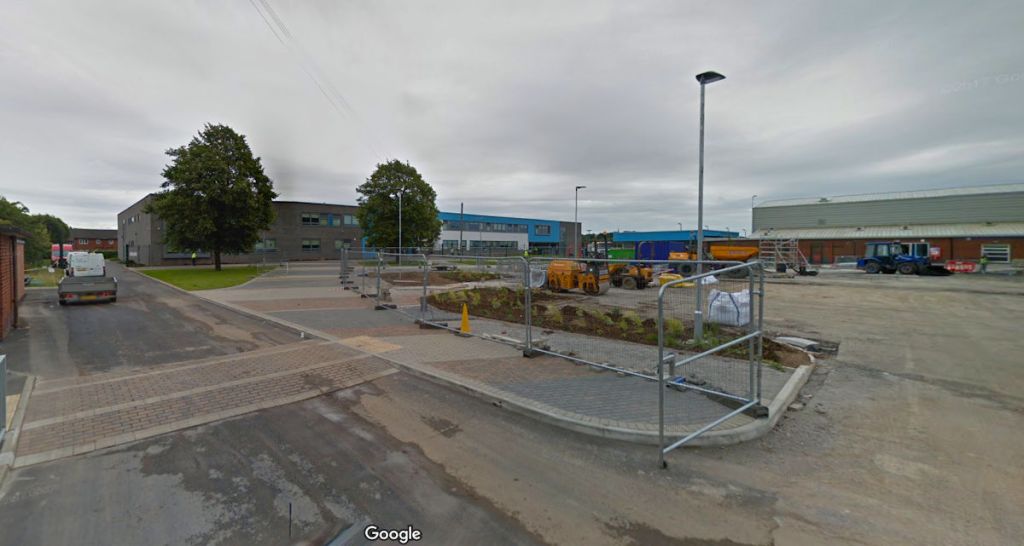
The new Beamont Collegiate Academy under construction in 2017 (Google Maps)
The school moved into a new building in 2016, funded by the Government’s Priority Schools Building Programme, on the same site and constructed by Wates Group.
Jesse Lingard, former Manchester United midfielder, attended the school. Some information from Wikipedia.
Orford House
The Booth family, ancestors of Charles Booth of the Liverpool ship-owning family, built Orford House on School Road in the late 18th century. Historic England described the building as follows:
Mid C18 house of medium size, standing in grounds, empty 1973 but apparently in good condition. 3 storeys, brick with stone base and strings, and “long and short” end quoins. New roof, stone eaves cornice with consoles. Gable ends roughcast. 4-panel door in moulded stone surround with pediment. 4 windows on ground floor boarded over, 5 windows on upper floors, 1st floor ones 12-paned sashes, top floor casements: stone sills and lintels, and keystones. 2 stone gate piers with vases, and iron gates (all now restored).
Text used under the Open Government Licence v3 (OGL) © Historic England.
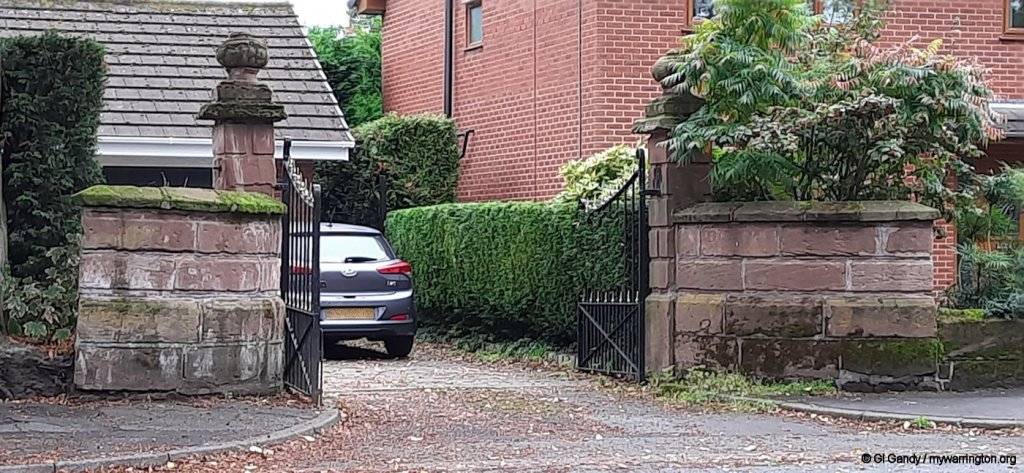
Orford House Entrance Gates and Gate Piers
See Warrington-Worldwide for a discussion on the former building.
Orford Farm
Orford Farm was on School Road, opposite Orford House. The farmhouse had been listed as a Grade II building since 1975 and is shown on the OS six inch map of 1888-1915.
The Warrington Guardian reported reported the listing was removed by English Heritage, following vandalism and a major fire in March 2012 which destroyed much of the property. The damage was estimated at £500,000.
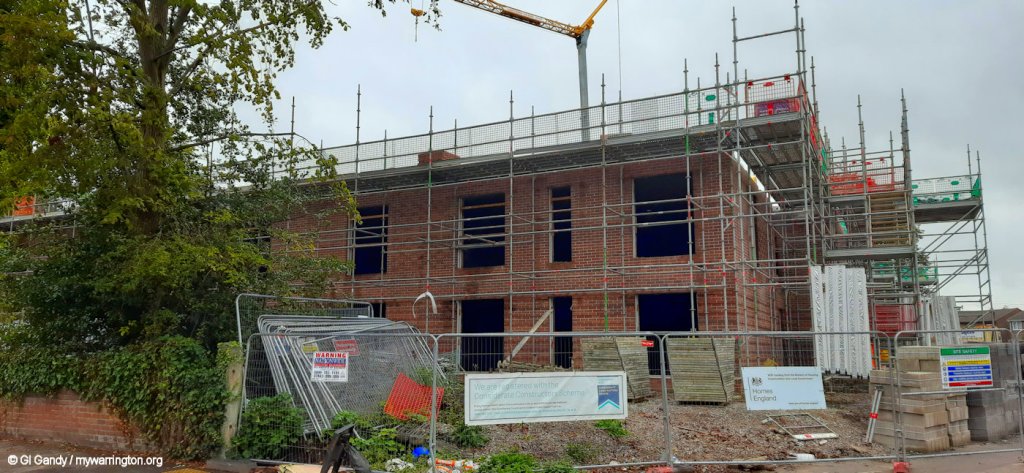
Residential units for the elderly taking shape (seen from Povey Road) 26 Sep 2024
Following the fire, and incidents of vandalism and burglary, English Heritage said: “This significant and thorough loss of architectural features has severely compromised the architectural and historic interest of 57a and 59 School Road.
“The impact of the subsequent architectural theft, and loss of interior features, is so great that the building’s special interest has been irreparably compromised.”
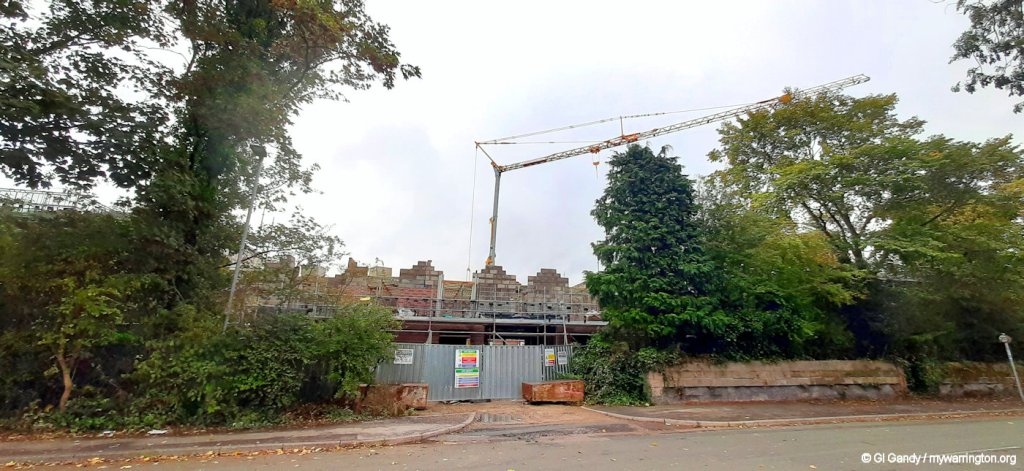
Residential units for the elderly taking shape (seen from School Road) 26 Sep 2024
The owner of the building, a property developer from the Midlands, had previously applied to have the building de-listed, but that was refused by English Heritage. The fire and vandalism happened at a later time.
He later applied to demolish the building and replace it with a retirement homes. After objections about the height of the proposed replacement, the developer agreed to reduce the building from three storeys to two.
Objections to the scheme included the amount of traffic that would be created, especially on school days. That was in 2014.
On my visit to the site in September 2024, work was well under way in its construction with part of the building reaching the two storey height as agreed in the adjusted planning application.
The original building is likely to be remembered more for sexual purposes in the later years than as a farm house in the 19th century. The Warrington Guardian story above gives more details.
See Warrington-Worldwide for a discussion on the former building.
You can see both Orford Farm and Orford House on the OS six inch map 1888-1915.
Orford Tannery
Tanning is the process of turning animal skin (often called “hide”) into leather. An acid called tannin is generally used. This prevents the leather from falling apart and often gives it a special colour.
The work undertaken in the tanneries was a very dirty job and the smell must have been awful for people both in the trade and living close to the factories. It was a very hazardous job and often the only protection from the chemicals was a leather apron, leggings tied with string and clogs.
New hides arriving at the factory had to be soaked in water to soften them. They were then put into lime pits so that the fat, hair and flesh could decay.
After further soaking in more lime and sodium sulphate they were ready to be stripped using curved blunt-bladed knives.
The hides were soaked again and then washed in water. Next the hides were soaked in tannin, which is a substance obtained from powdered tree barks.
After further treatment they were ready to be buffed and polished, dried and waxed and then cut and sewn. The process was mechanised in later years.
Orford Tannery was built in the early 1800s on land close to modern-day Fisher Avenue and Sandy Lane.
After a financial failure in the mid 1850s, James Reynolds bought the tannery and was later joined by William Mortimer. Mortimer ran the company until his death in 1900 at the age of 59.
On Tuesday, 11th October 1927 the following report was published in the London Gazette and held by The National Archive:
The Home Secretary gives notice that in pursuance of Section 2 (1) of the Employment of Women, Young Persons and Children Act, 1920, he has made an Order authorising the employment on two day-shifts, of women of 18 and young persons of 16 years of age and over in the Sole Leather Department (taking and receiving from machine, washing on flesh side, wiping and oiling the grain side; rehanging and carrying back) at the works of Messrs. William Mortimer and Company Limited, Orford Tannery, near Warrington, subject to the conditions that a worker shall not be employed in the afternoon shift in consecutive weeks and that suitable protective clothing, cloakroom and messroom accommodation, washing facilities and facilities for sitting shall be provided.
Whitehall, 10th October, 1927.
Information above from The National Archive licenced under Open Government Licence (OGL v3.0)
In the late 1929 the company was in financial trouble again and this report, also from the London Gazette and held by The National Archive, shows that the management decided to go into voluntary liquidation:
WILLIAM MORTIMER & COMPANY Limited.
AT an Extraordinary General Meeting of the Members of the said Company, duly convened, and held at the registered Office, Orford Tannery, Warrington, on the nineteenth day of August, 1931, the following Special Resolution was duly passed: — ” That the ‘Company be wound up voluntarily in accordance with the provisions relating to a Members’ Voluntary Winding-up, under the Companies Act, 1929, and that Mr. Cyril Bradshaw, of 4, Egypt Street, Warrington, Chartered Accountant, be and he hereby is appointed Liquidator for the purpose of such winding-up.”
FRANK MORTIMER Chairman of Directors (028)
Information above from The National Archive licenced under Open Government Licence (OGL v3.0)
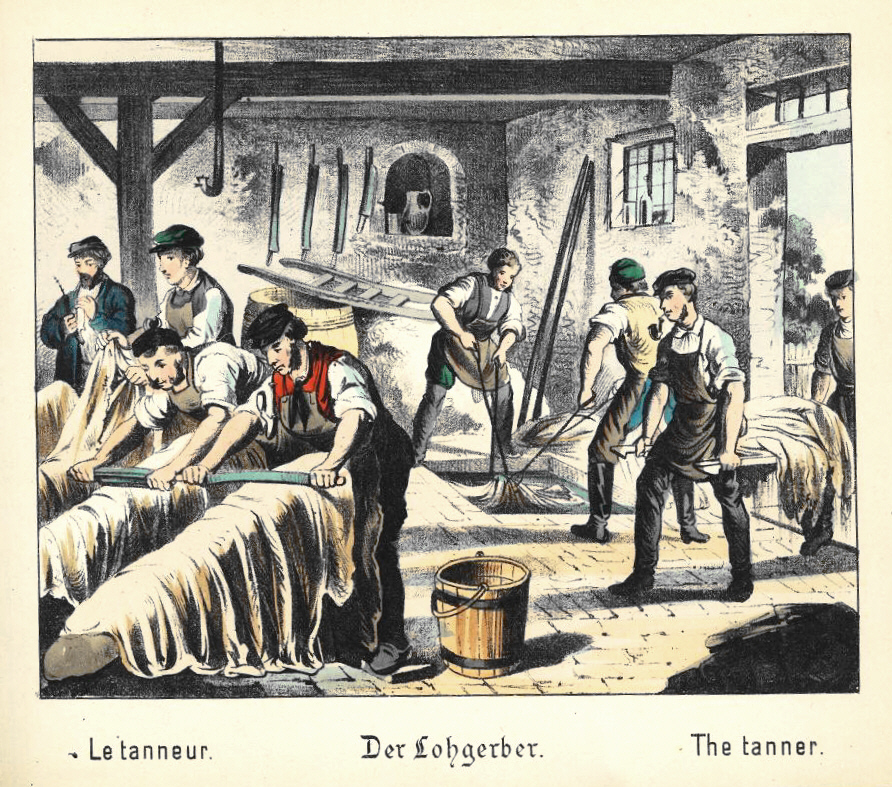
Image from ” What do you want to be? Pictures from the craftsman’s life. ” Berlin: Winckelmann [c. 1880]. [Translated from the German]
This work is in the public domain in its country of origin and other countries and areas where the copyright term is the author’s life plus 70 years or fewer.
The company was restarted almost immediately as Orford Tanning Company Ltd.
In 1947 the company was listed as an exhibitor at the British Industries Fair, as this extract from Graces Guide shows:
Orford Tanning Co, of Orford Tannery, Warrington, Lancs (now Cheshire). Telephone: Warrington 751-1. Cables: “Orford Tannery, Warrington”.
1947 Listed Exhibitor – British Industries Fair. Manufacturers of Bends, Shoulders and Bellies for Sole Leather, from English, Wet-salted, Dry, and Dry-salted hides. Ox and Bull Strap Butts from best English Hides, also Bull Necks for Polishing. (Earls Court, 1st Floor, Stand No. 408).
Sources of Information 1947 British Industries Fair p205. Copyright © 2007 Grace’s Guide and used with permission.
Link to this document at http://www.gracesguide.co.uk/Orford_Tanning_Co
By the early 1960s the workforce at Orford Tannery was reduced and in May 1966 the company was closed down. The site was later demolished for the housing estate that occupies the land today.
The town of Warrington was a major employer in the tanning business. Of the 300 or so tanning companies in the country it is estimated that Warrington accounted for 7% of them.
Other tanneries in the town included Waring’s Tannery between Dallam Lane and Winwick Street and Central Tanneries at Howley. In fact, the precision engineering company, Robert Irving Ltd, is shown as being based at Howley Tannery, Howley Lane, Warrington. Fleming’s Tannery was based in Fennel Street. The site is now occupied by Lidl supermarket. Two other tanneries in the town centre were operating from Mersey Street and Winwick Road.
On the outskirts of the town was Penketh Tannery. This started out as Penketh Brewery but was closed down by teetotaller Robert Garnett in 1880 and turned into the tannery. It specialised in sole leather for shoe manufacturers. A trade advert for the Penketh Leather Manufacturing Co. Ltd. described itself as THE cut sole specialists. The tannery closed in 1959 and is remembered in the village by Tannery Lane. See www.Penketh.com for more on the village history. There was also a tannery in Latchford and the company Eagle Ottawa on Thelwall Lane was the last to process animal hides until it shut down in 2008.
Barry Evans adds this note about tanneries. Back in my student days, my old geography text book of the time commented on Warrington’s 34 tannery firms in the 1930’s which made it the largest tannery town in the world. Even though it was more than 60 years ago, I think it was 34.
For more on the tanning industry, see the fao.org website. mywarrington is not responsible for external websites.
Peninsula Barracks
The notes here are an edited version of the full report in Military Service.
Peninsula Barracks is a military installation on O’Leary Street.
The barracks were built in the Fortress Gothic Revival Style and, although construction started a few years earlier, they were opened as Orford Barracks in 1878. Their creation took place as part of the Cardwell Reforms which encouraged the localisation of British military forces.
The barracks were intended as a depot for the two battalions of the 8th (The King’s) Regiment of Foot. Under the Childers Reforms, the 8th Regiment of Foot evolved to become the King’s Regiment (Liverpool) with its depot at the barracks in 1881.
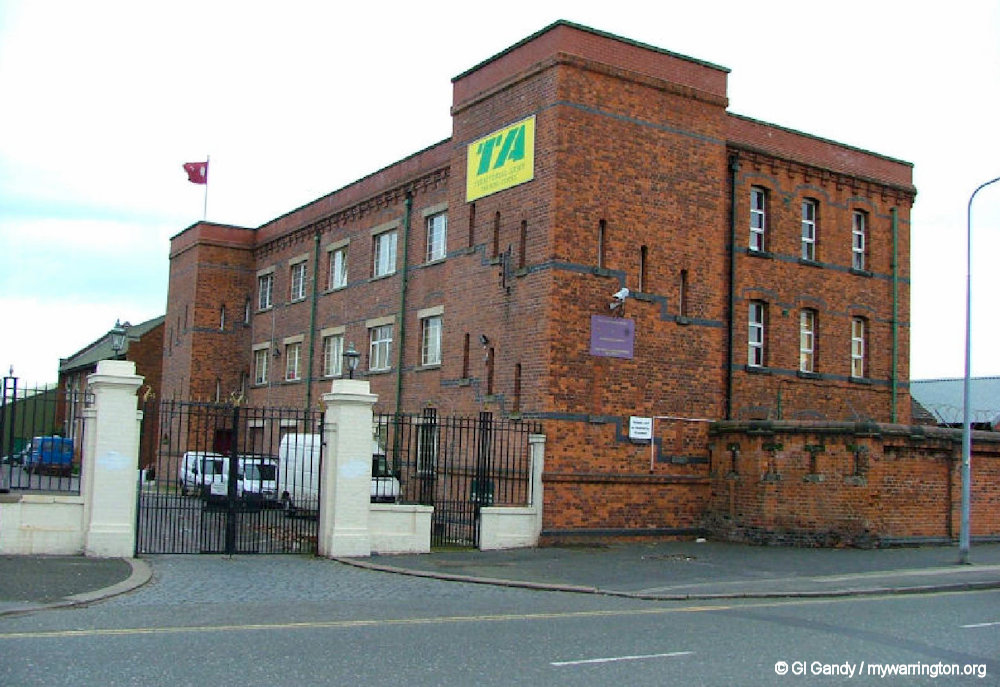
Peninsula Barracks on 30 Nov 2006
O’Leary Street, on which the barracks stand, is named after Lt Col William McCarthy O’Leary, who commanded the 1st battalion of the South Lancashire Regiment when it left Preston for South Africa.
As he led the charge on Pieter’s Hill, his words have become a part of the regiment’s history as he told his gallant troops: “Remember men, the eyes of Lancashire are watching over you.”
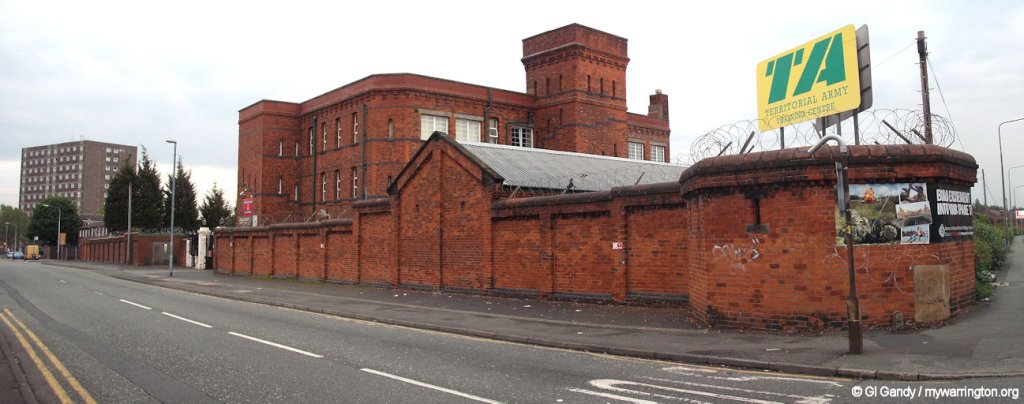
Peninsula Barracks on 13 Jun 2012
Read the full report in the South Lancashire Regiment section Military Service.
Warrington Fire Station
Fire brigades started in the 18th century and were linked to insurance companies. Before 1828 there were six such brigades in Warrington, each with a fire engine and crew. The companies only dealt with fires in properties insured by them. Each insurance company had a plate fixed to the buildings with the sign or crest of the individual company. If you weren’t insured by a particular company, they wouldn’t put your fire out.
From September 1828 the six fire engines were formed into the Warrington Fire Establishment. At that time, they were based at the old Bridewell on Dial Street before moving to Market Street below the Town Hall and Council Chamber shortly after the incorporation of the borough of Warrington in 1847.
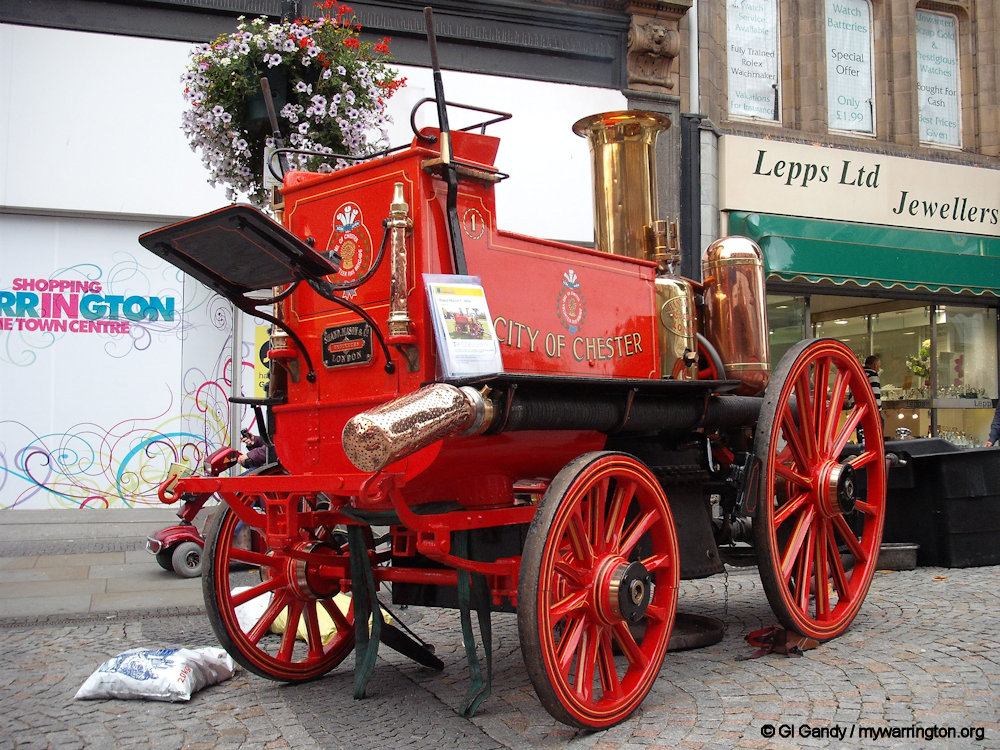
A Shand & Mason of Blackfriars, London steam fire engine from 1876 on display at Warrington 31 Jul 2010
The first fire engine purchased by the council was “The Nile” in 1868. It was the largest engine of its kind in England at the time. Also, at this time the fire station was moved to Corn Stret and then to Queen Street in 1869. In those days the engines were pulled by horses. The first steam fire engine was purchased in 1880. A motorised fire engine was used for first time at W. J. McGraph, bookbinder, King Street on 24 December 1913.
During the First World War all fire engines across the country came under the Fire Services (Emergency Provisions) Act 1941. During the war 60 pumps with appliances were added, along with 40 towing vehicles, across seven fire stations set up across the borough. Six hundred full-time and part-time firefighters were trained to fight fires.
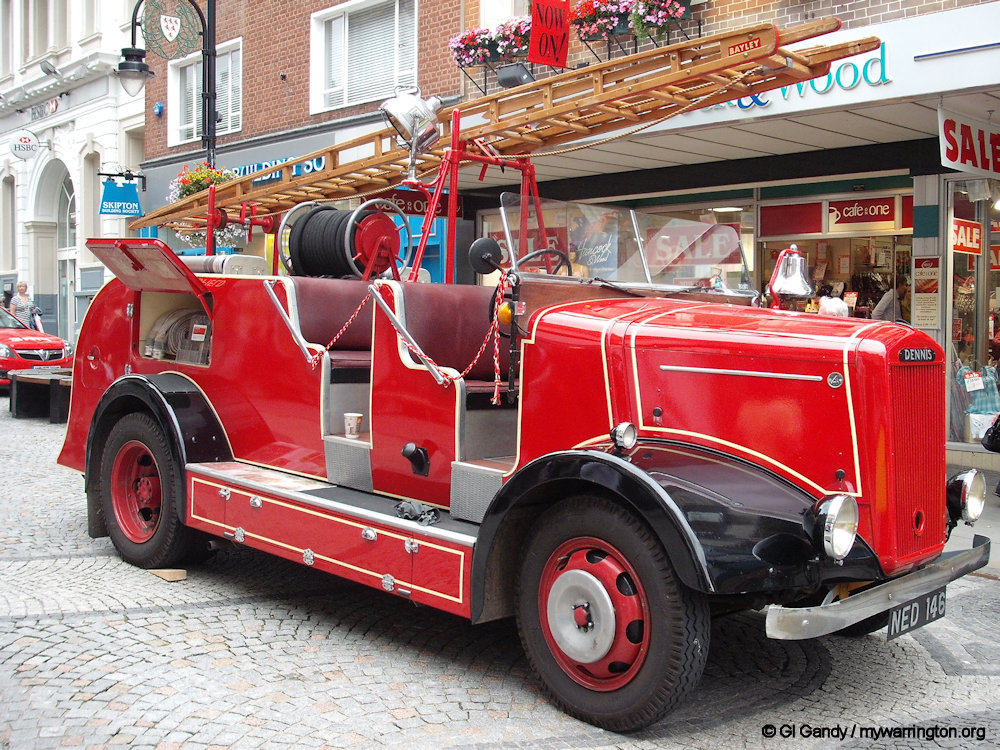
Ned, a fire engine originally owned by Crosfield’s works at Bank Quay on display at Warrington 31 Jul 2010
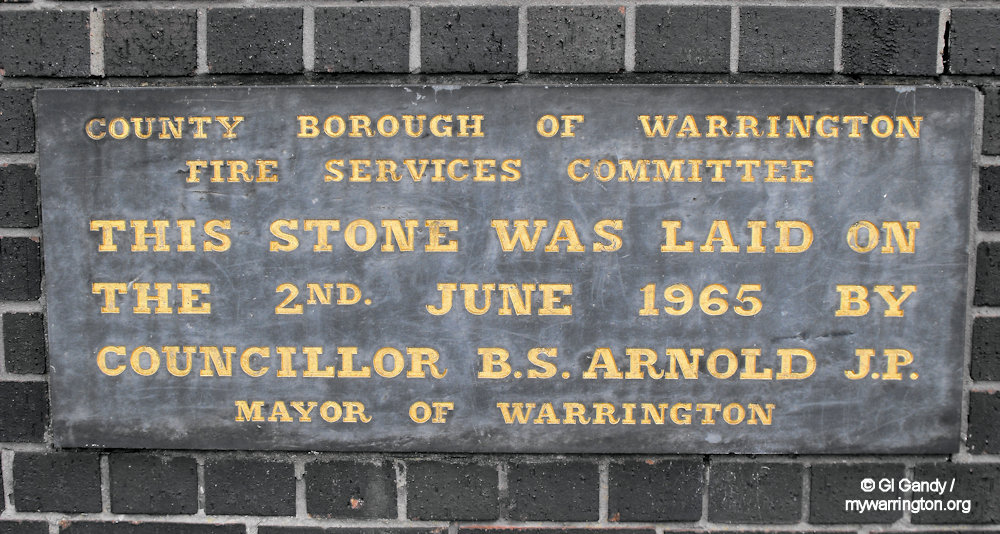
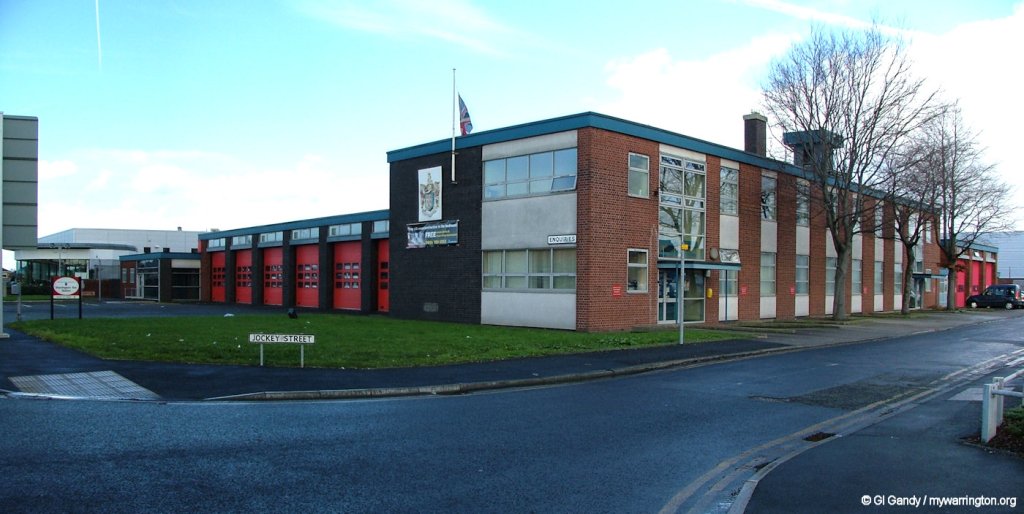
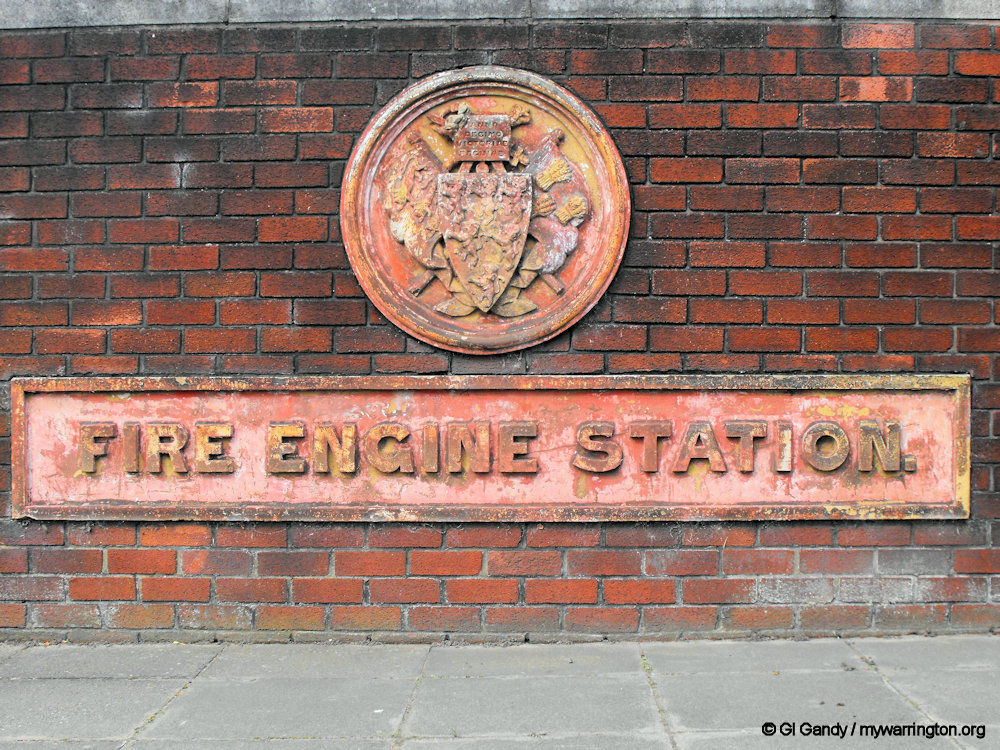
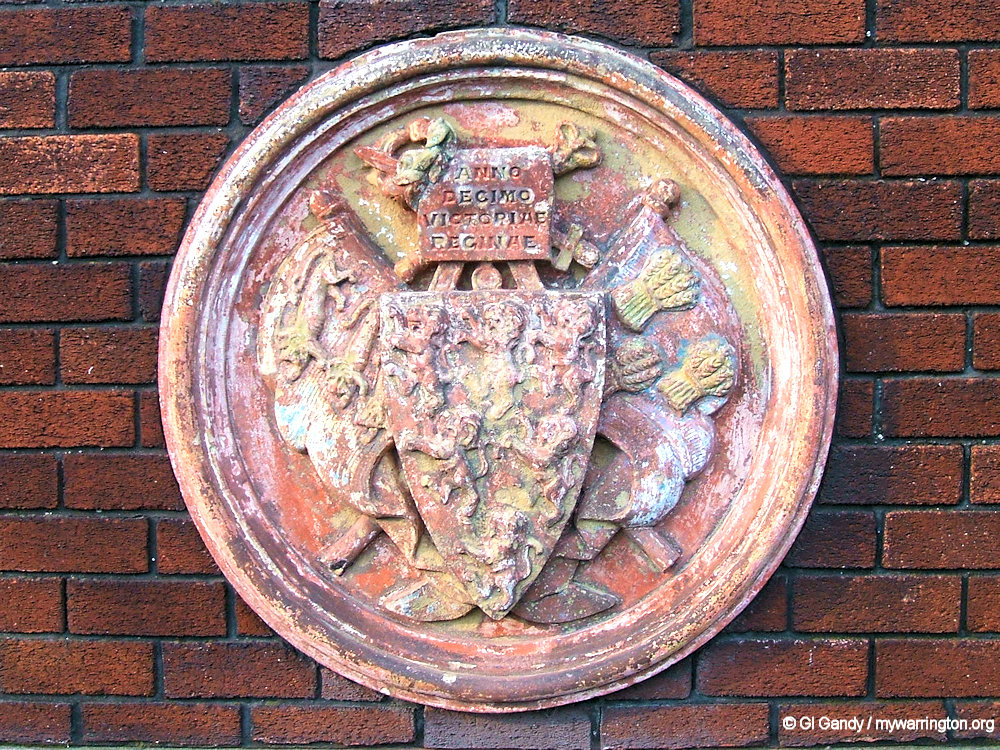
The foundation stone for the current Warrington fire station on Winwick Road Orford was laid on 2 June 1965. Parts of the stonework and crest from the town’s first fire station were installed in the new building and are still there today. The Winwick Road station is one of five such buildings in the town, Birchwood officially opened on 27 January 1981. Stockton Heath 27 October 1999. Penketh 2017. Lymm after 2014.
Each year Cheshire Fire and Rescue Service have open days for the public to visit the stations and ask questions and to witness demonstrations about fire safety.



Green Spaces
Peel Hall
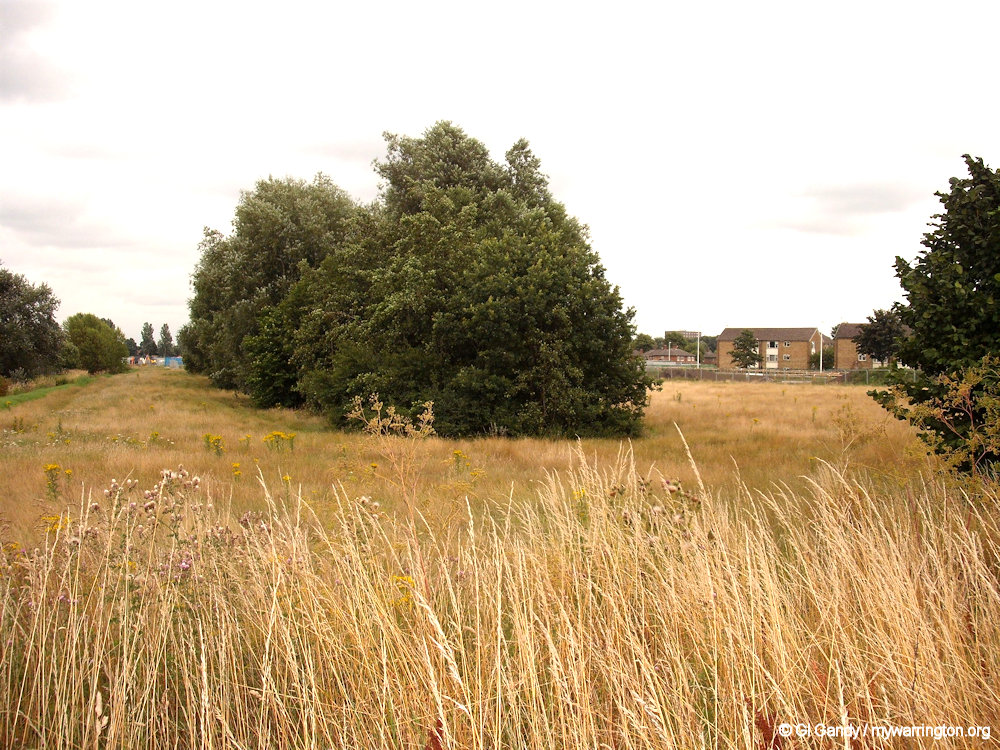
Peel Hall is a large open space in Orford alongside the M62 motorway. It has been the subject of over 30 years of debate between the community of Orford and a housing developer.
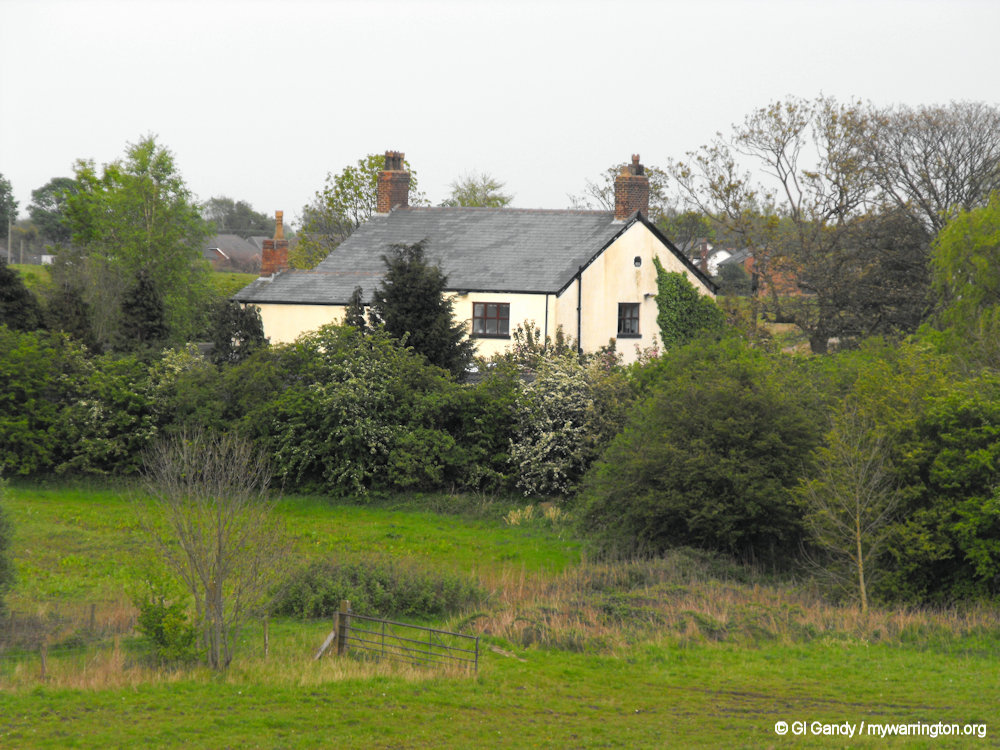
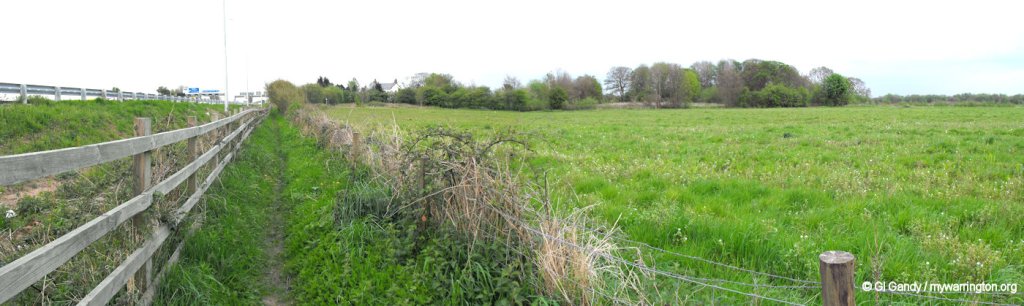
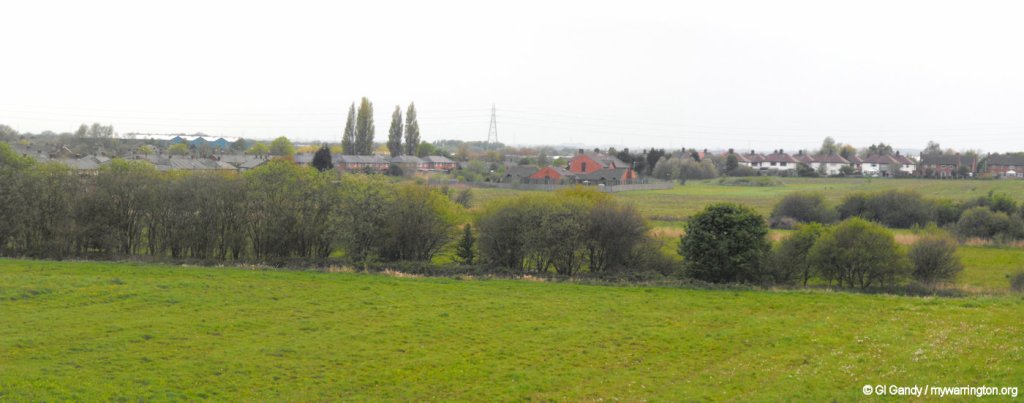
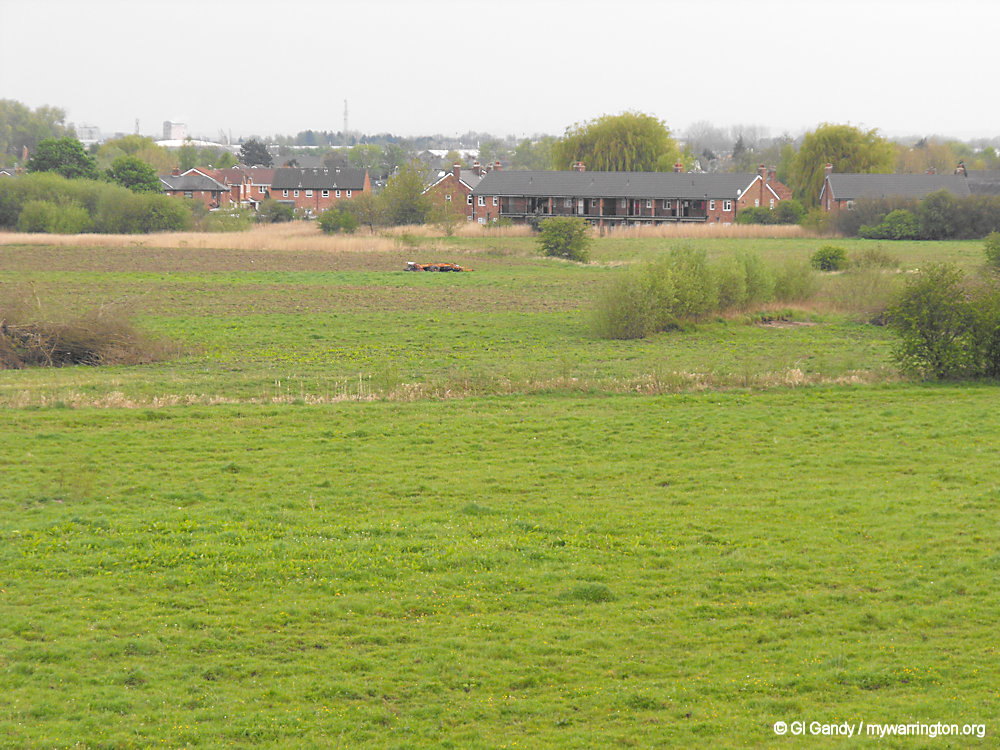
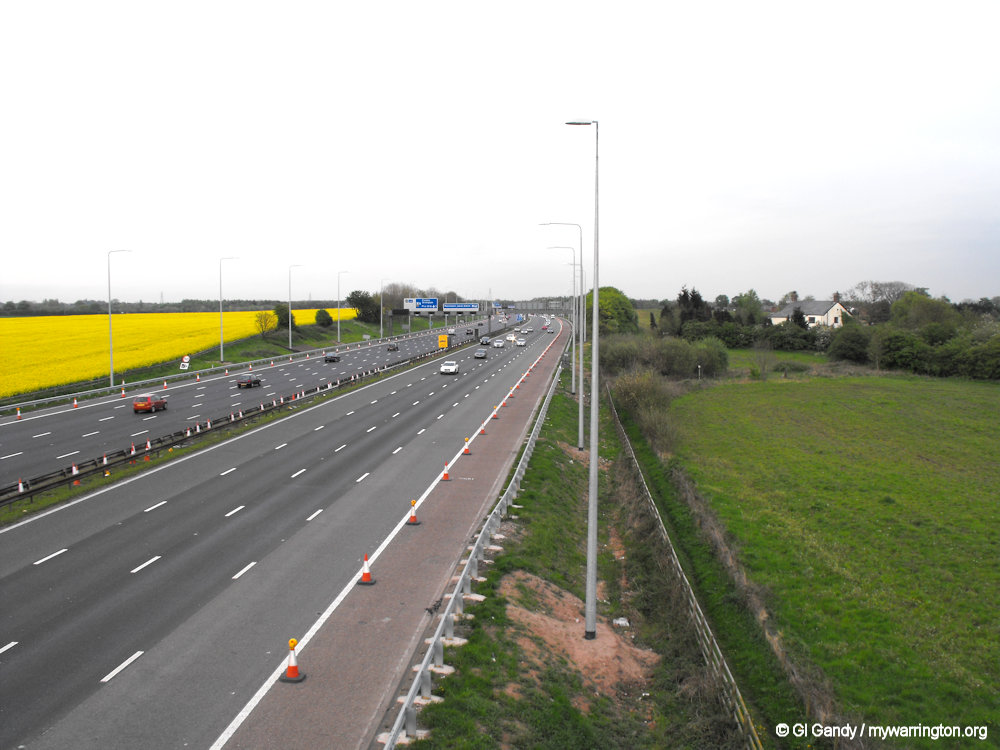
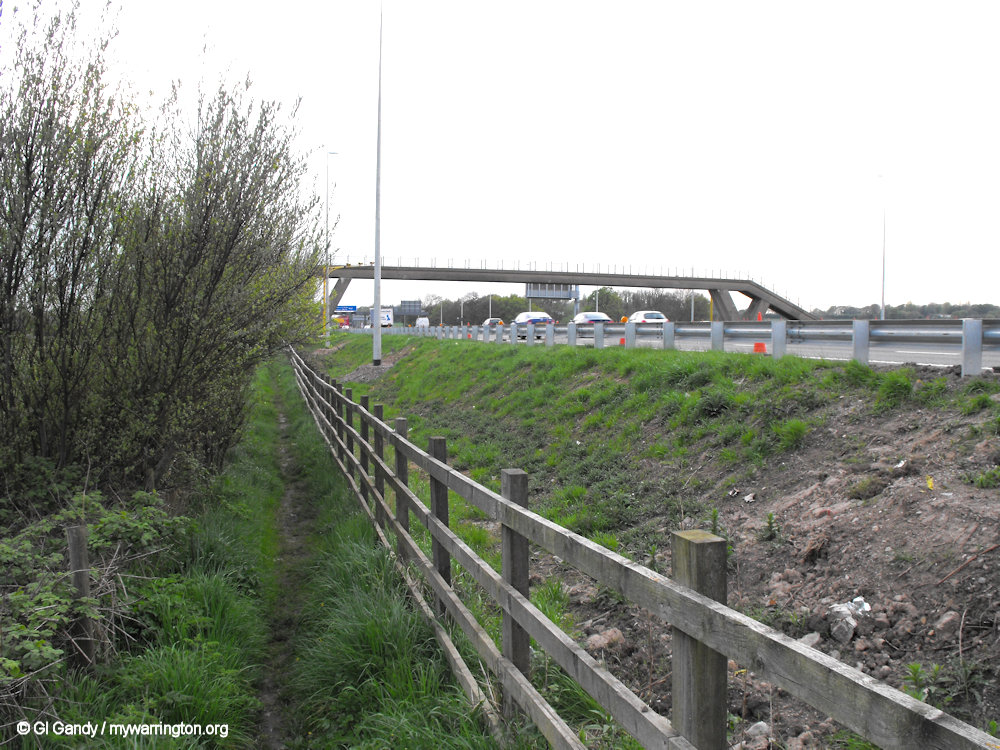
The residents wish to keep the green space as a open area for wildlife and recreation.
The developer, Satnam, wishes to create the following:
- up to 1,200 homes (595 in partnership with Torus housing trust and 595 private properties)
- residential care home
- a local centre, including a food store
- financial & professional services
- restaurants, cafes, a family restaurant/pub, hot food takeaways and drinking establishments
- employment uses
- primary school
- open space including sports pitches with ancillary facilities
In 2017, Warrington’s Development Management Committee refused the application.
In 2018, developer Satnam Millennium Ltd, appealed against the decision. Satnam’s appeal was dismissed by the Secretary of State. However, in October 2019, the High Court overturned the decision and a new inquiry with a different inspector was then authorised.
The planning inspector gave the go-ahead for the development in November 2021.
In March 2024, permission was granted to demolish six houses close to the location where the developer will enter the site to start building.
In July 2024 the first phase of the development was begun.
Peel Hall Park
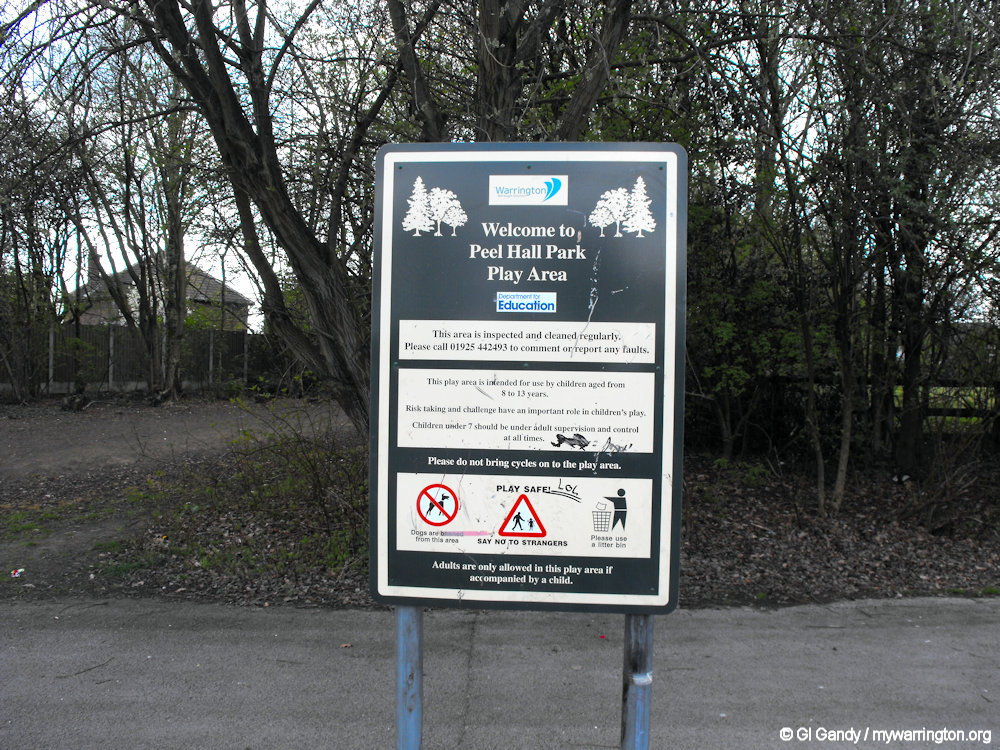
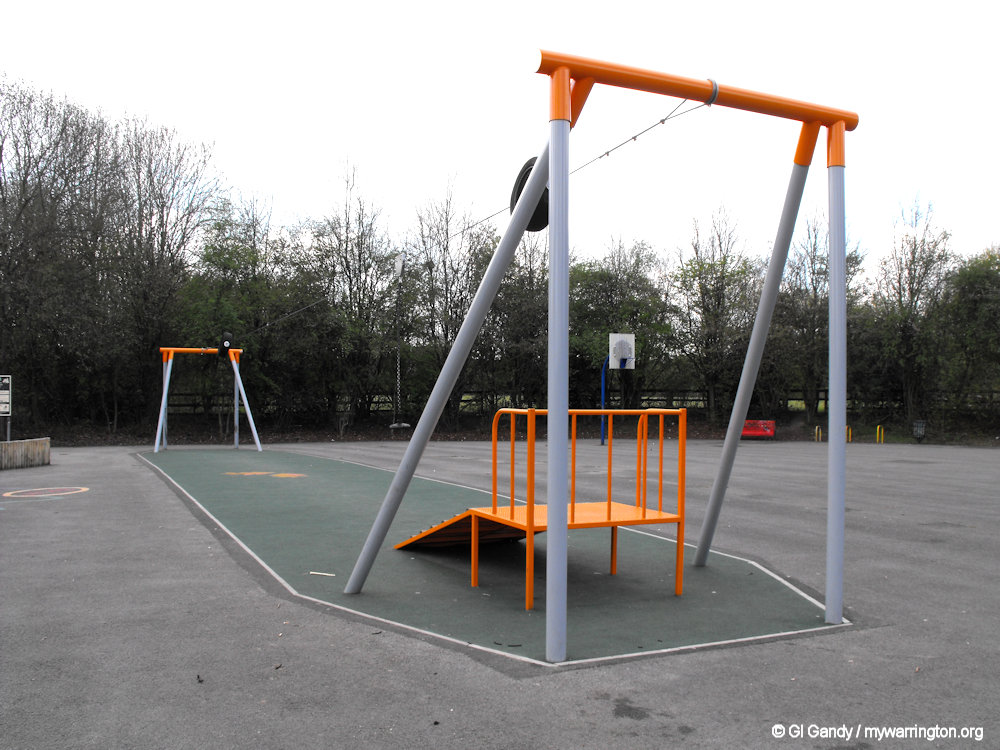
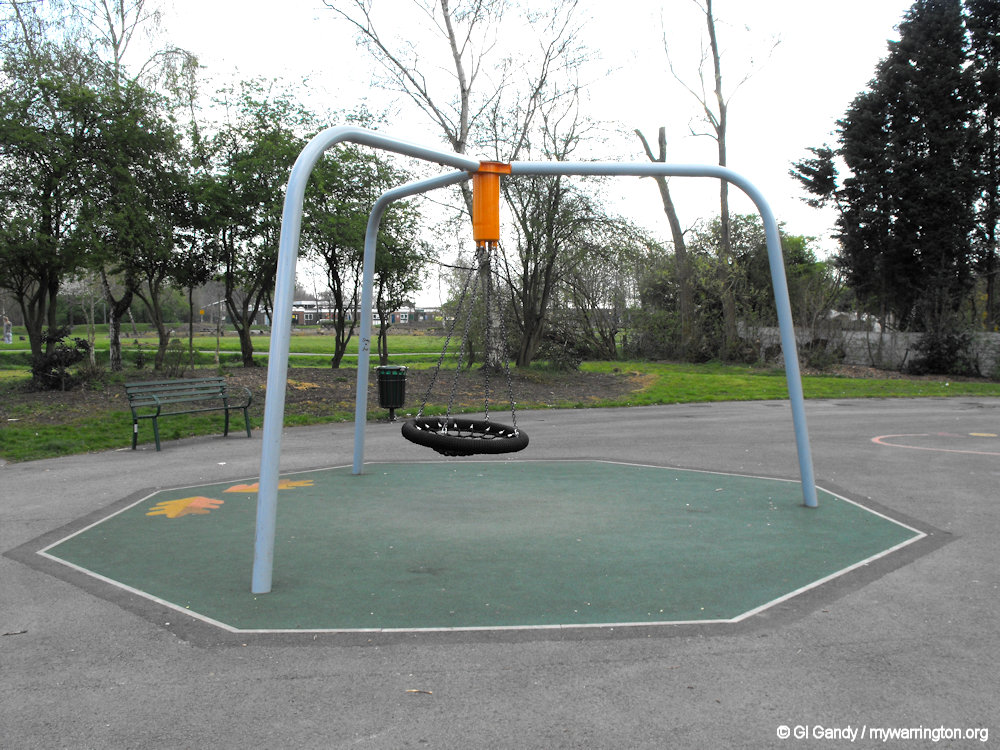
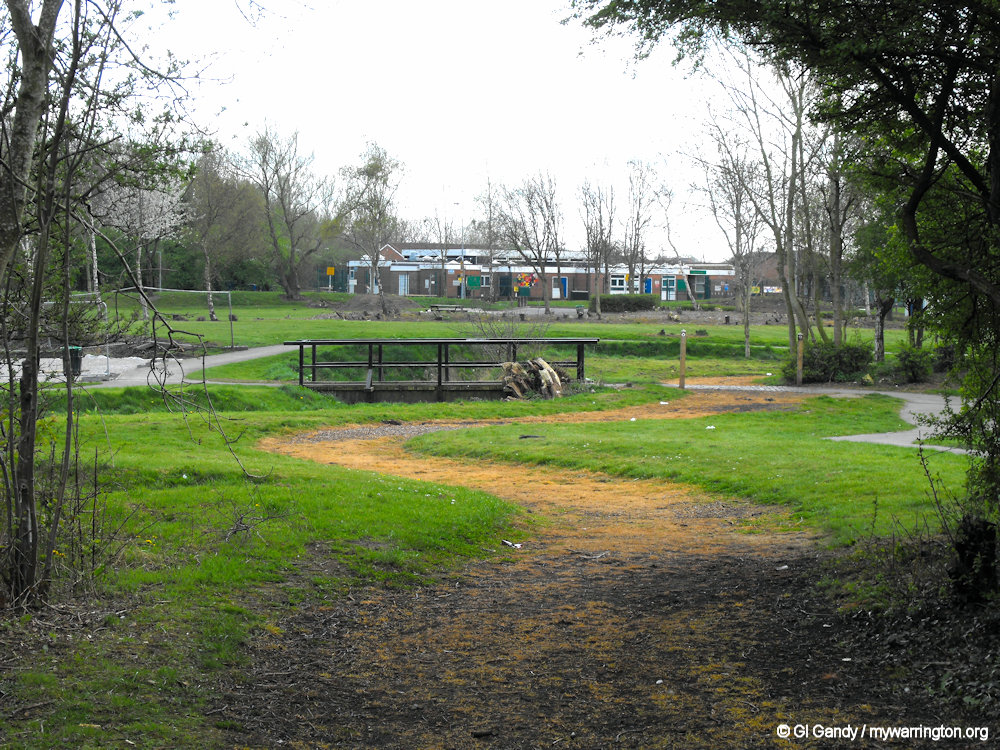
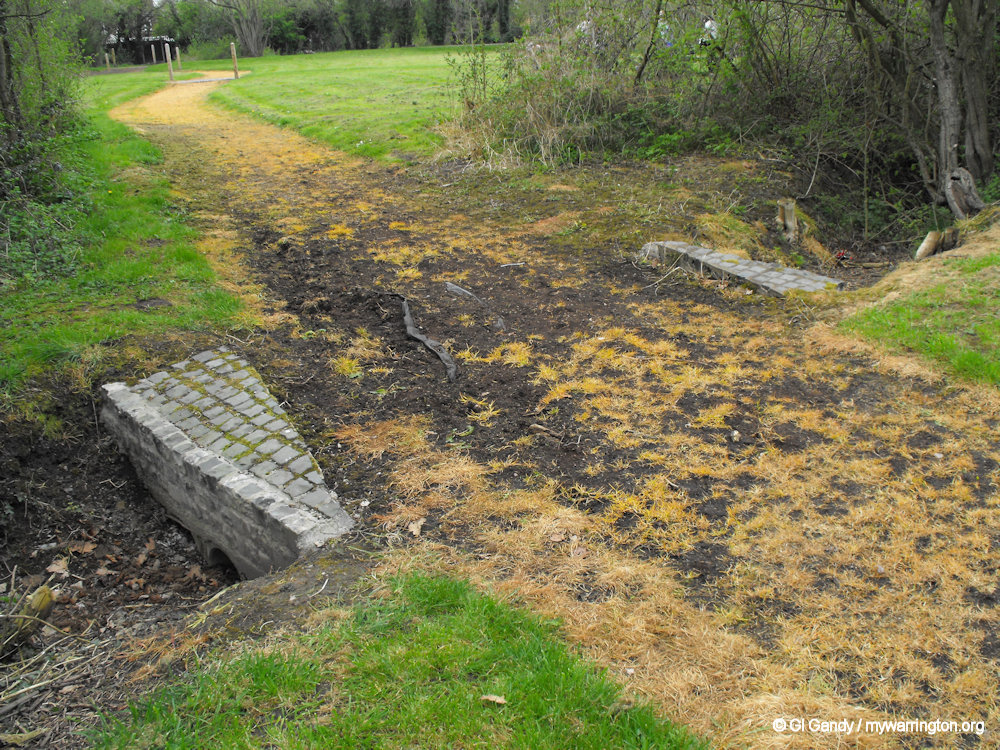
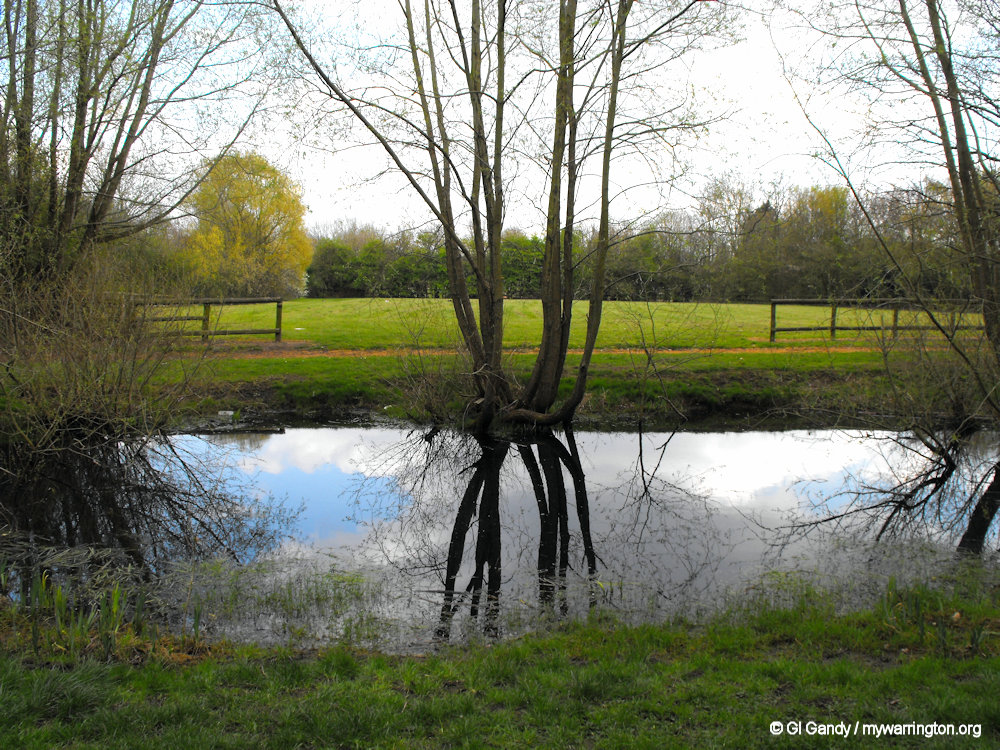
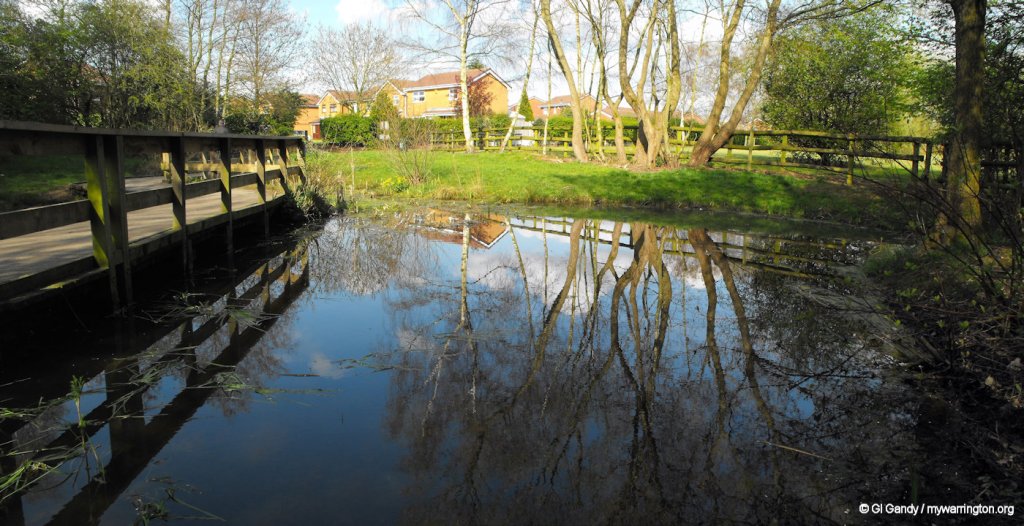
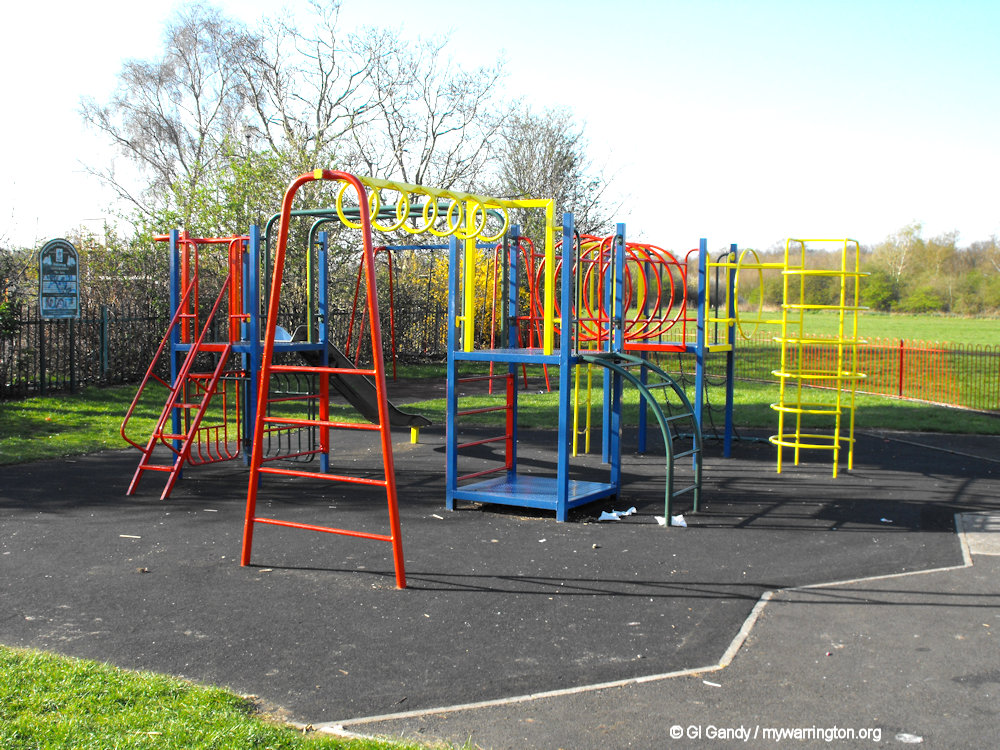
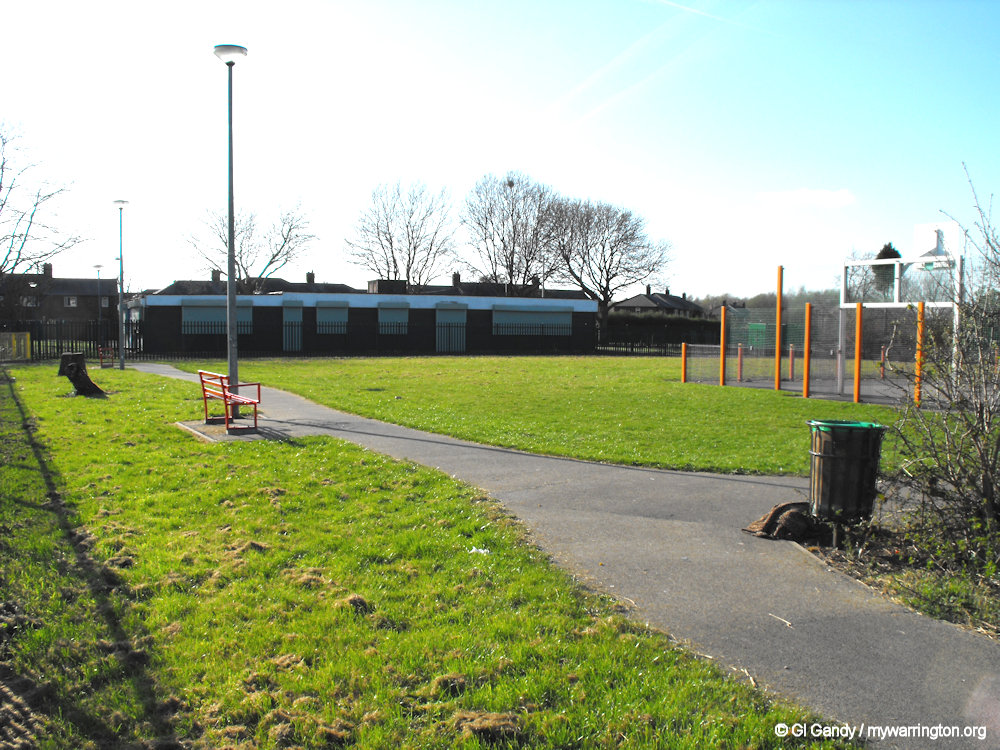
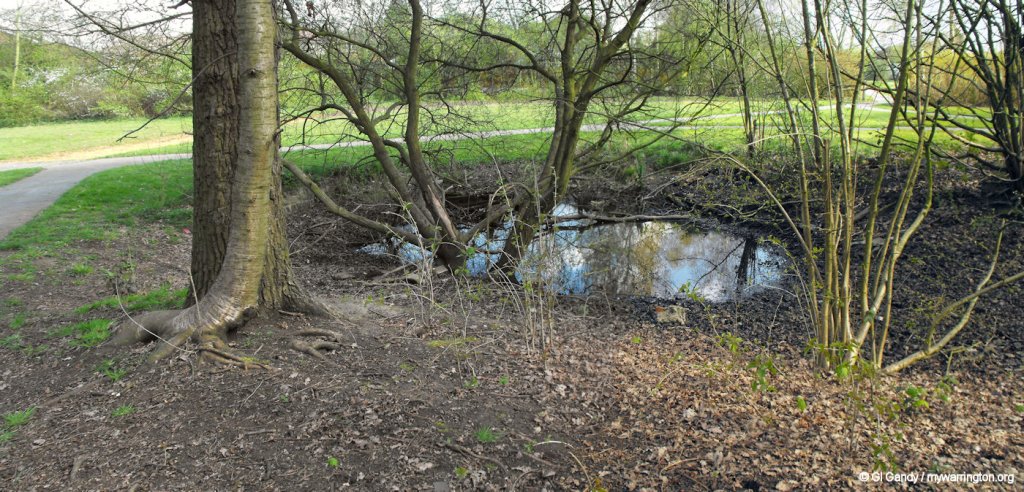
Peel Hall Park is a green space close to Blackbrook Avenue and Capesthorne Road. It features a play area and open spaces for recreation. Padgate Brook runs alongside the park. It can be accessed from Grasmere Avenue and Blackbrook Avenue.
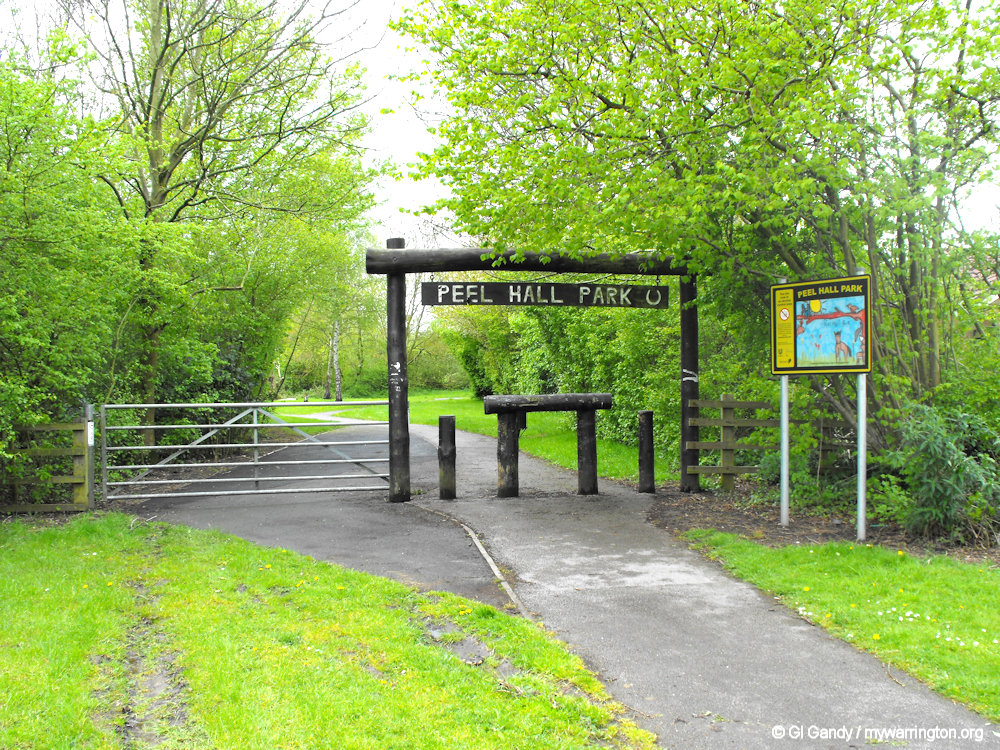
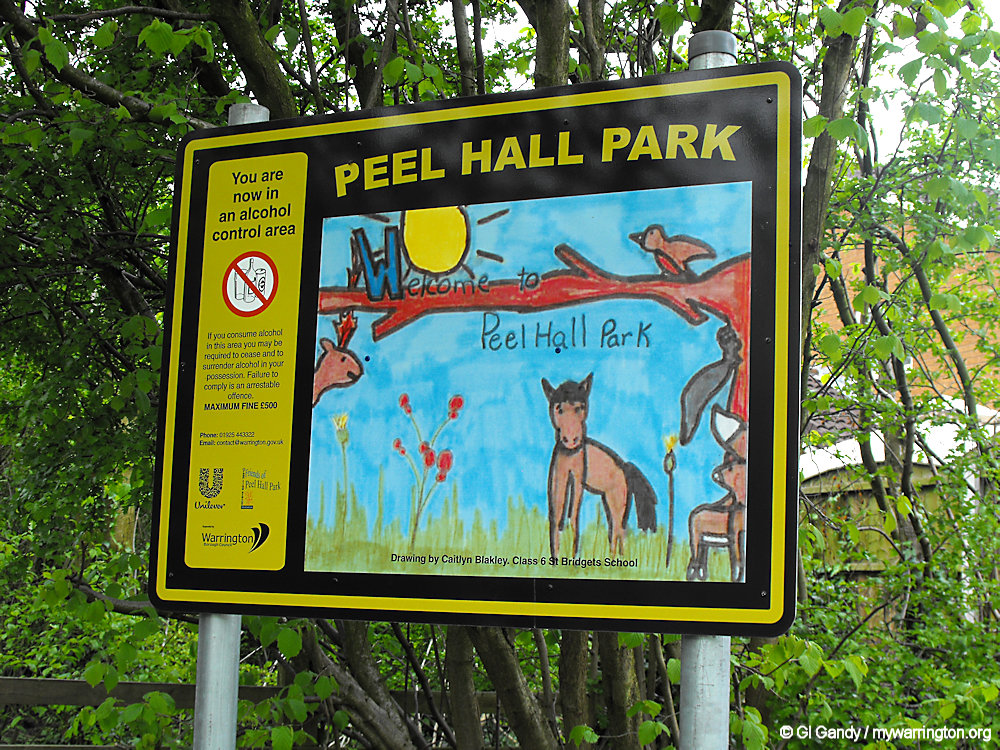
Radley Common and Radley Plantation
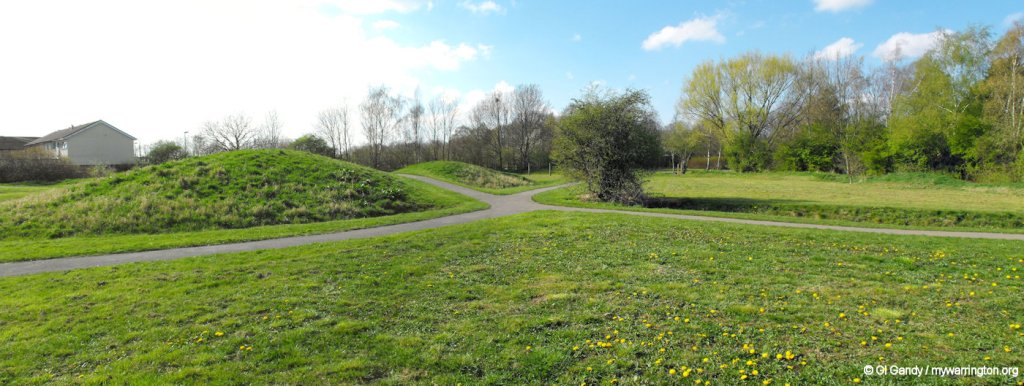
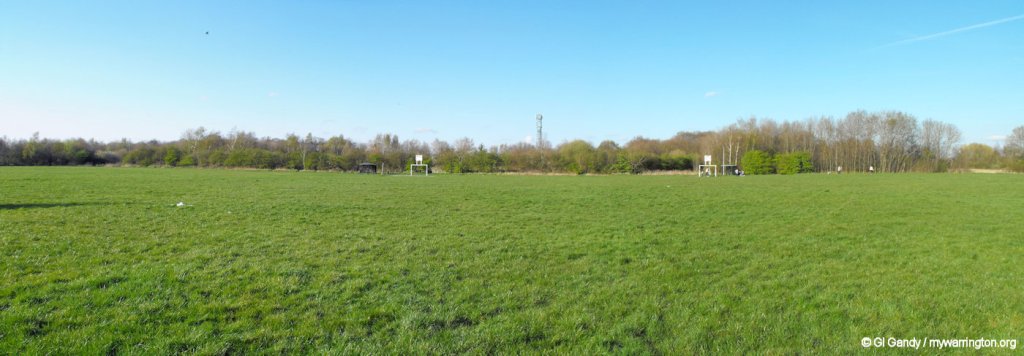
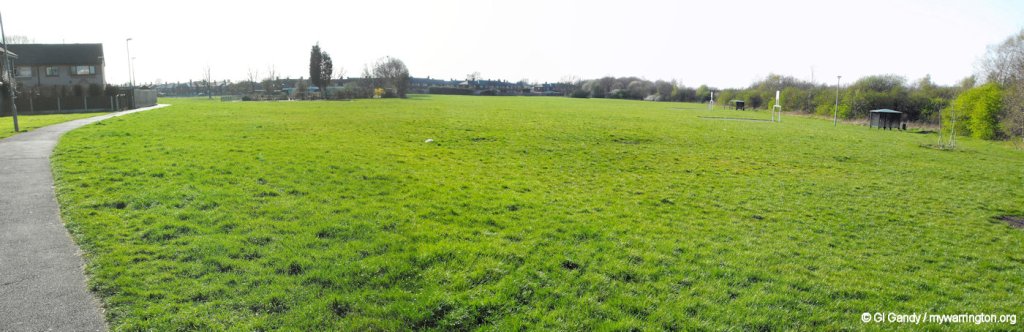
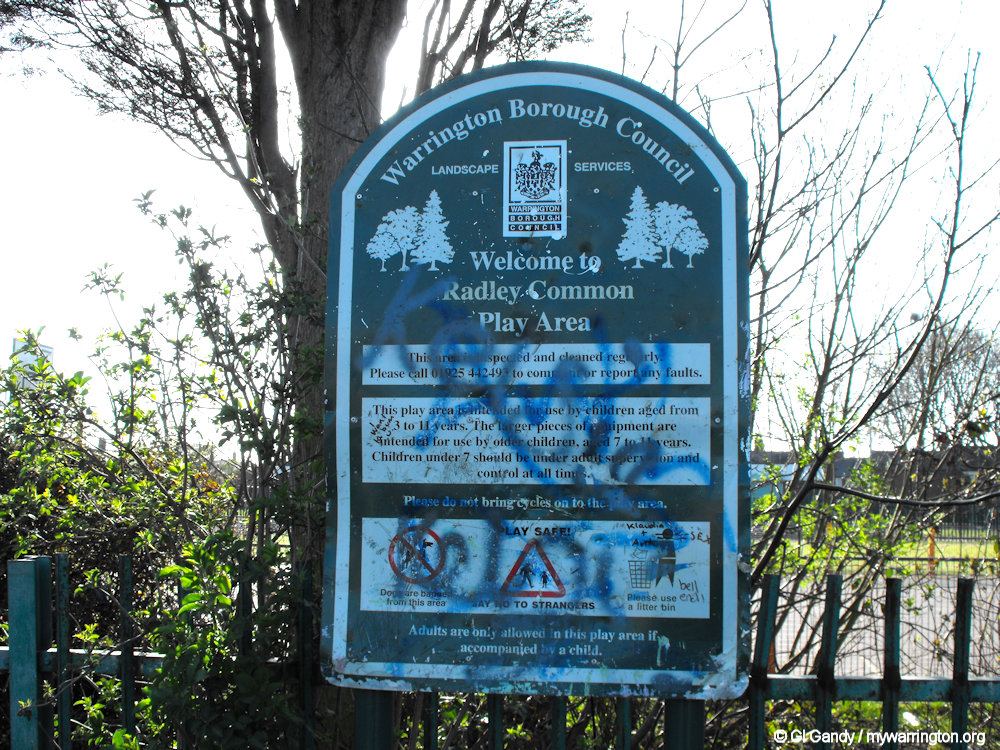
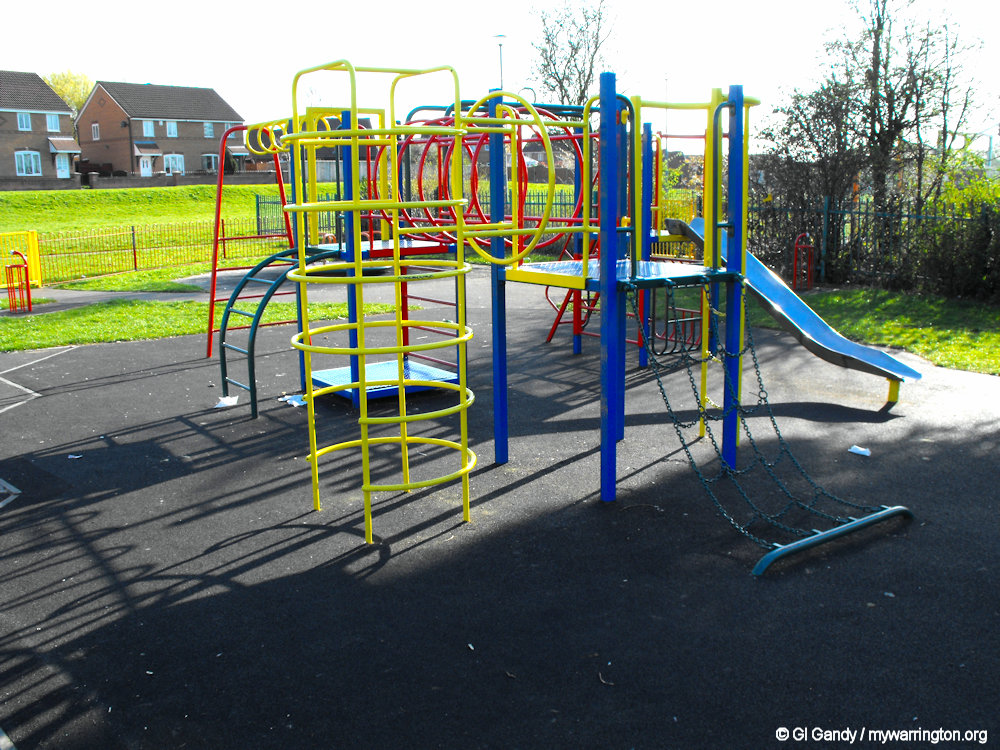
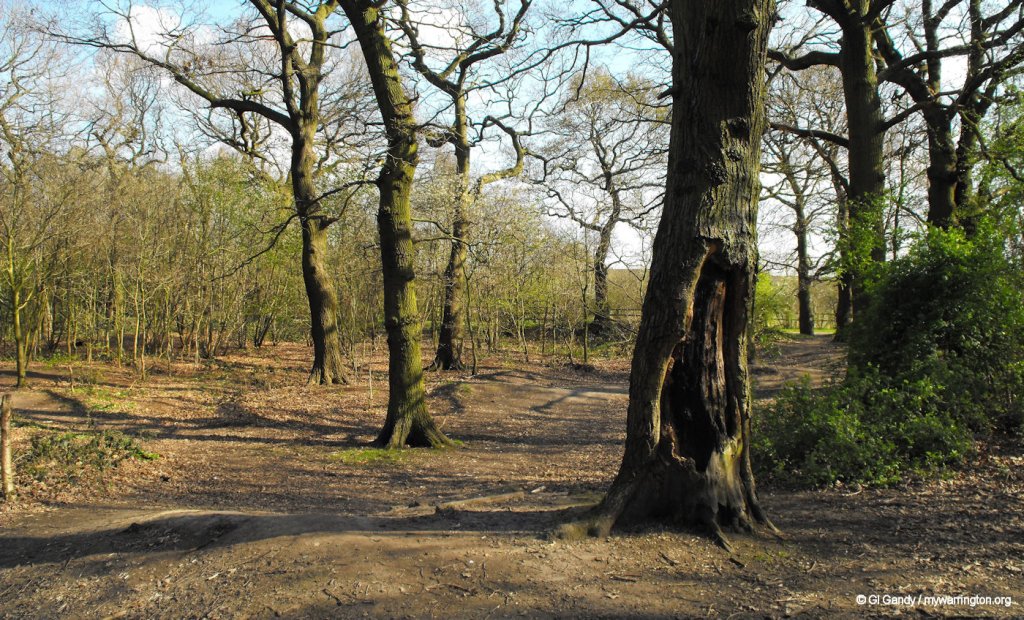
Between Peel Hall and Peel Hall Park is Radley Common and Radley Plantation. Radley Common is a large open space for sport and exercise with a play area at one end. Radley Plantation is a wildlife area with footpaths.
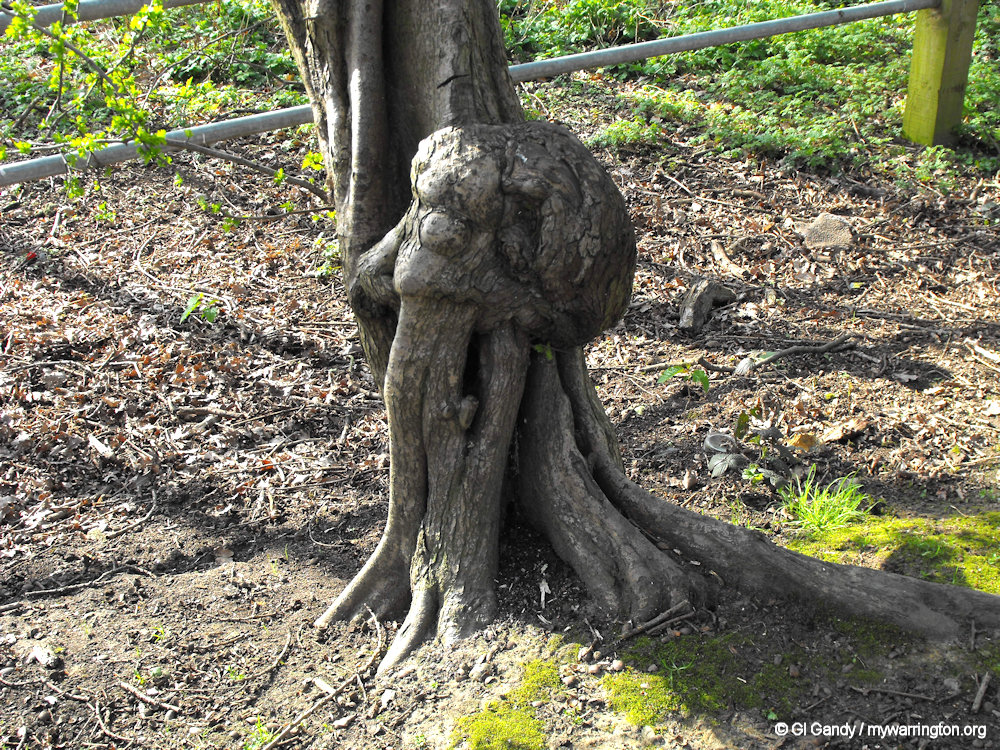
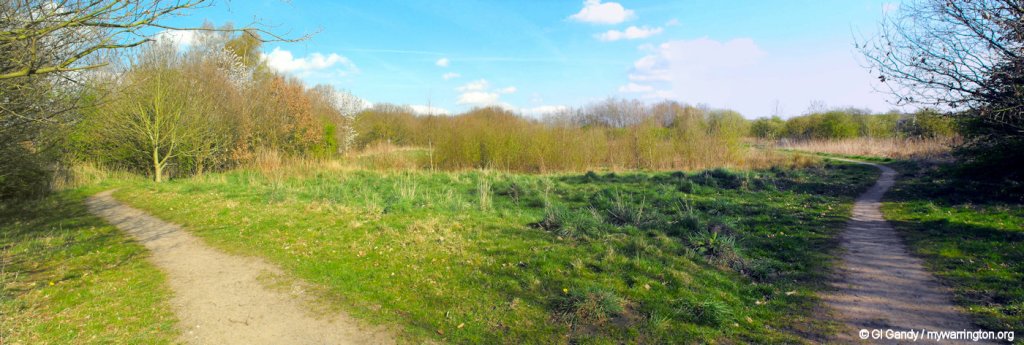
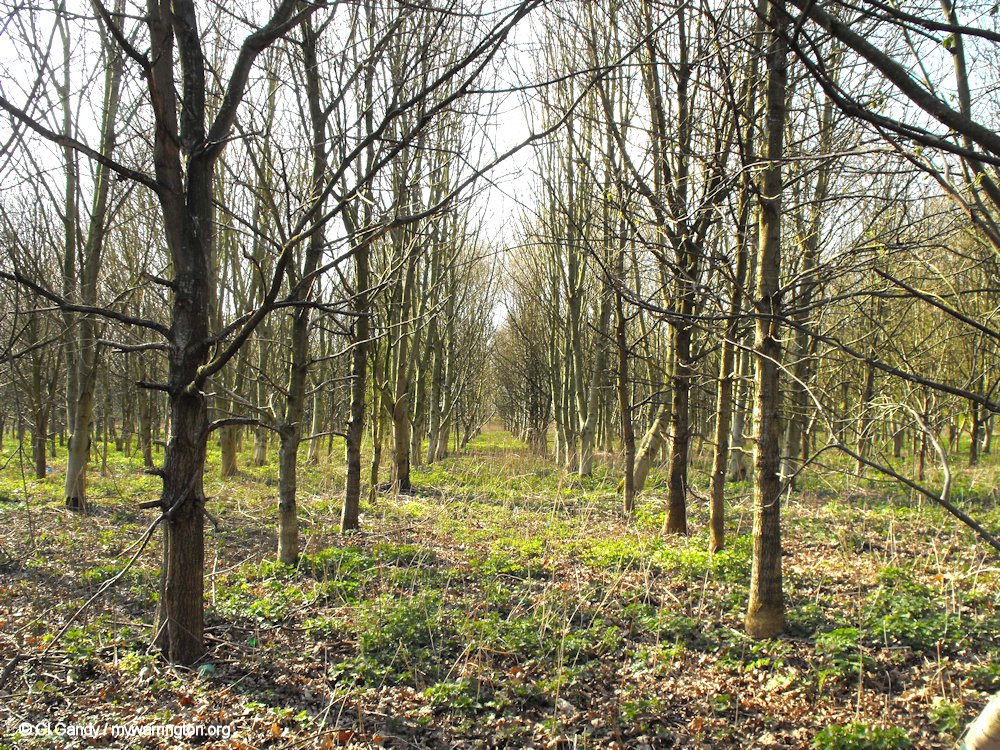
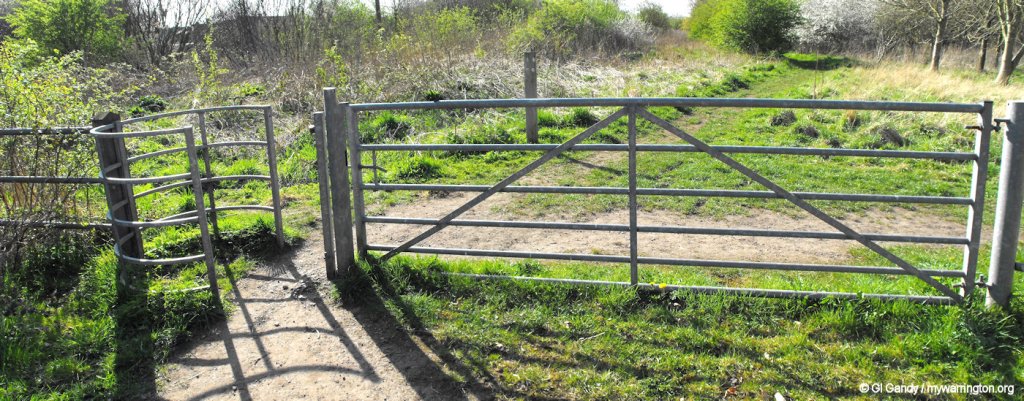
Brickfield Park
Brickfield Park on Orford Lane occupies the site of claypits, which were used to make bricks for the construction industry. The land was known as Orford Recreation Ground in the 19th century, which also featured a fustian cutting factory.
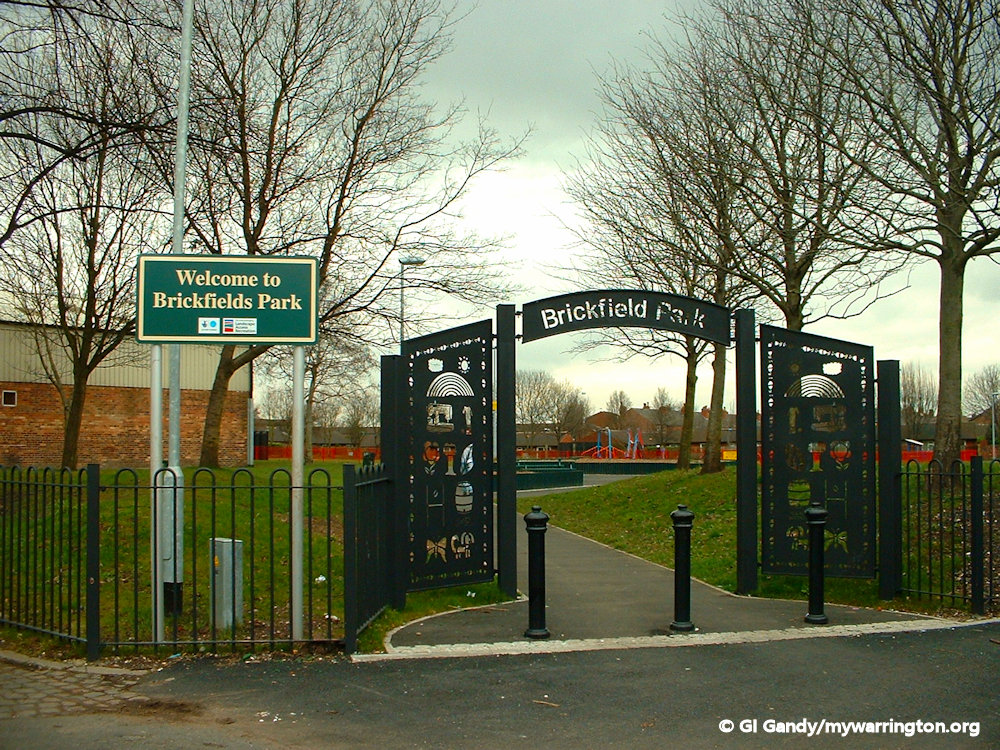
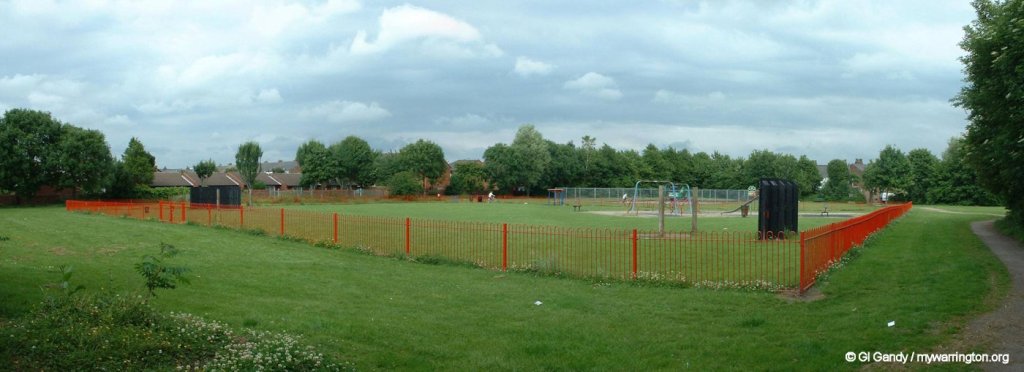
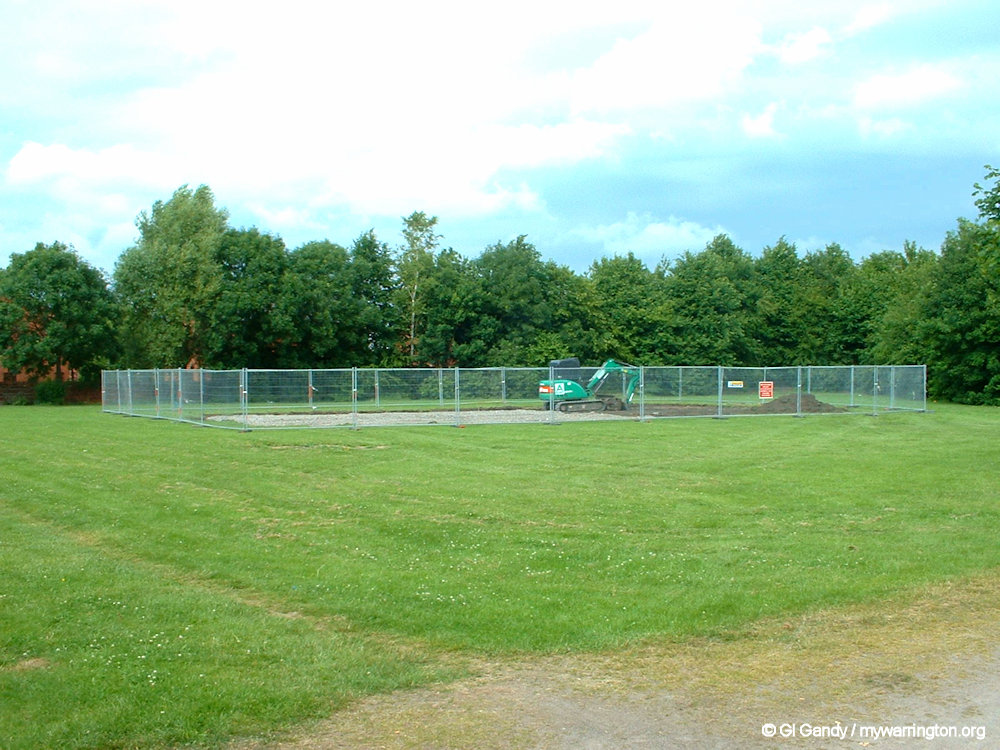
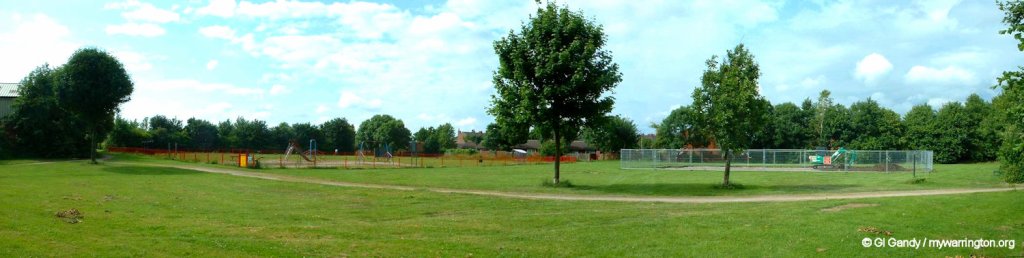
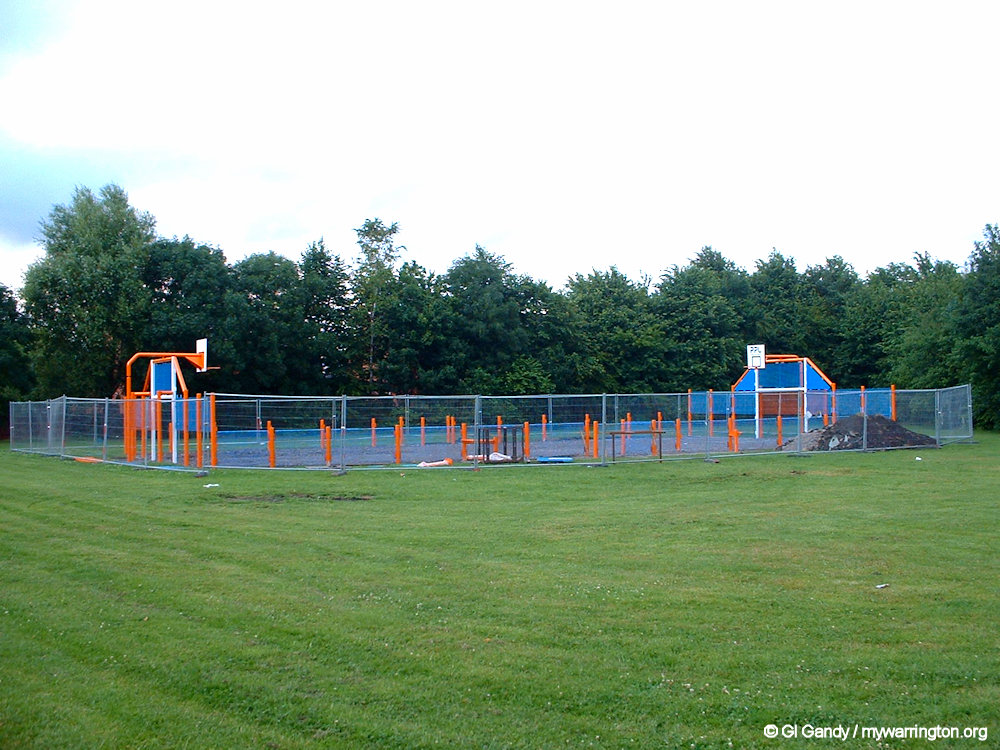
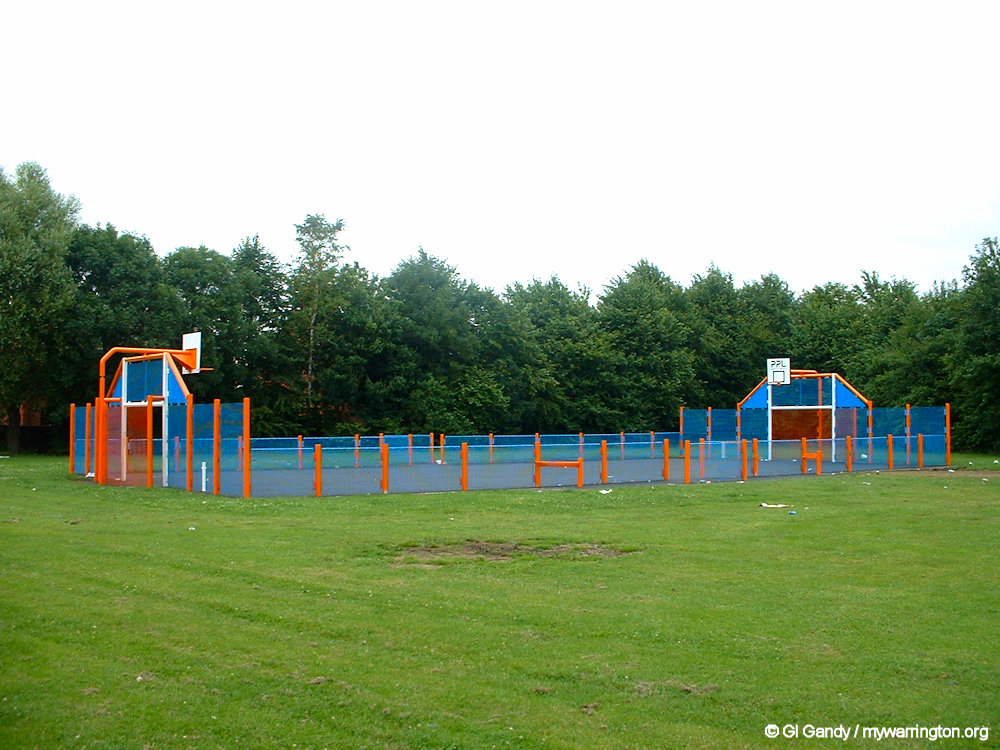
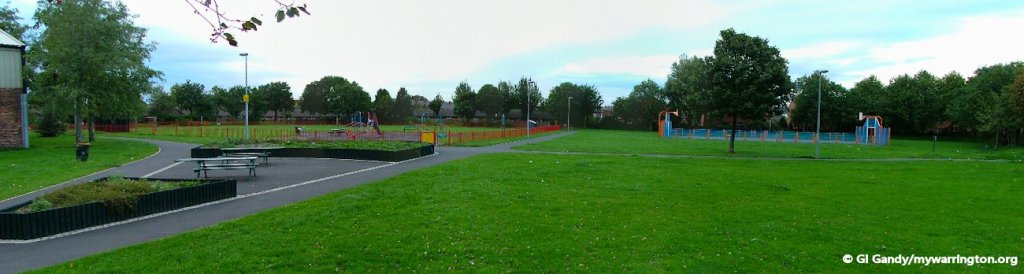
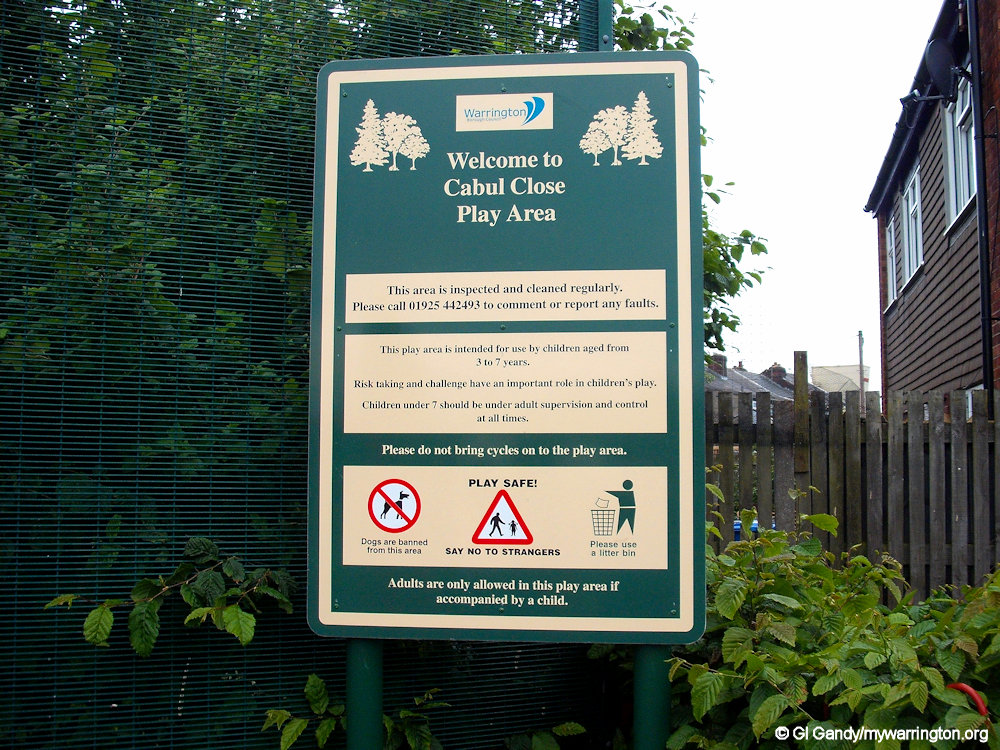
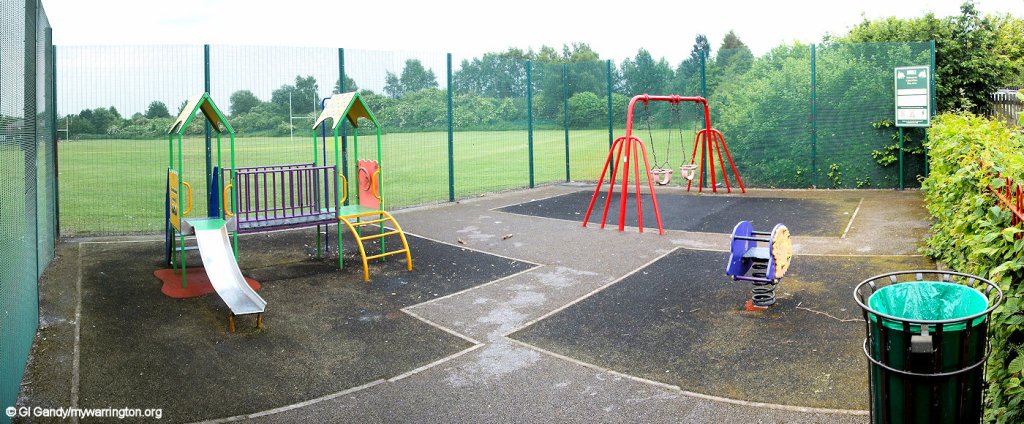
Cabul Close Play Area
Pub Life
My first story is about the Warrington Gas Social Club, close to the district border on Winwick Road.
Warrington-Worldwide reported on 12 December 2018 that the final act in a remarkable 70 years of memories at Warrington’s Gas Social Club was taking place that week, as the now derelict building is demolished to make way for a new office facility.
Described by former members as “the Phoenix Nights of its day”, the Winwick Road club first opened in 1952. It became the “go-to” place for workers on the gas site, as well as the local community.
But, struggling to compete against the increasingly easy availability of cheaper, shop-bought alcohol, and the falling popularity of such venues, it closed its doors for the last time in 2012.
Now gas network Cadent, which owns the gas depot and wider site the derelict building sits on, is demolishing it so that a new single-storey office facility can be built for its employees.
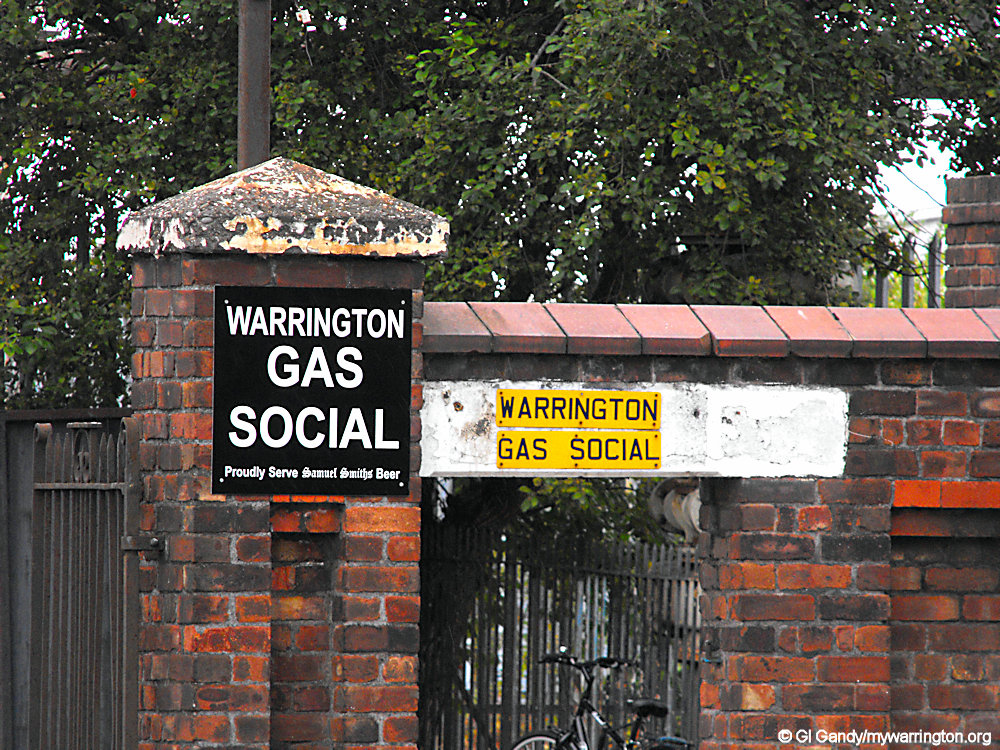
Gas Social Club 24 Sep 2011
To mark the occasion, senior Cadent engineers Mark Berry and Nick Jerman invited former committee members to have a last look around and retrieve some mementoes that remained inside.
The trio – Dave Peers, 57, Ronnie Park, 77, and Dave Ovington, 73 – beamed with obvious pride and joy as they regaled the current Cadent team with memories from the club’s heyday.
They explained that Rick Astley – from nearby Newton-le-Willows – had performed there before becoming a household name, as well as a string of great singers, comedians and other local acts. The venue was often bursting at the seams and was very popular for parties and other celebrations.
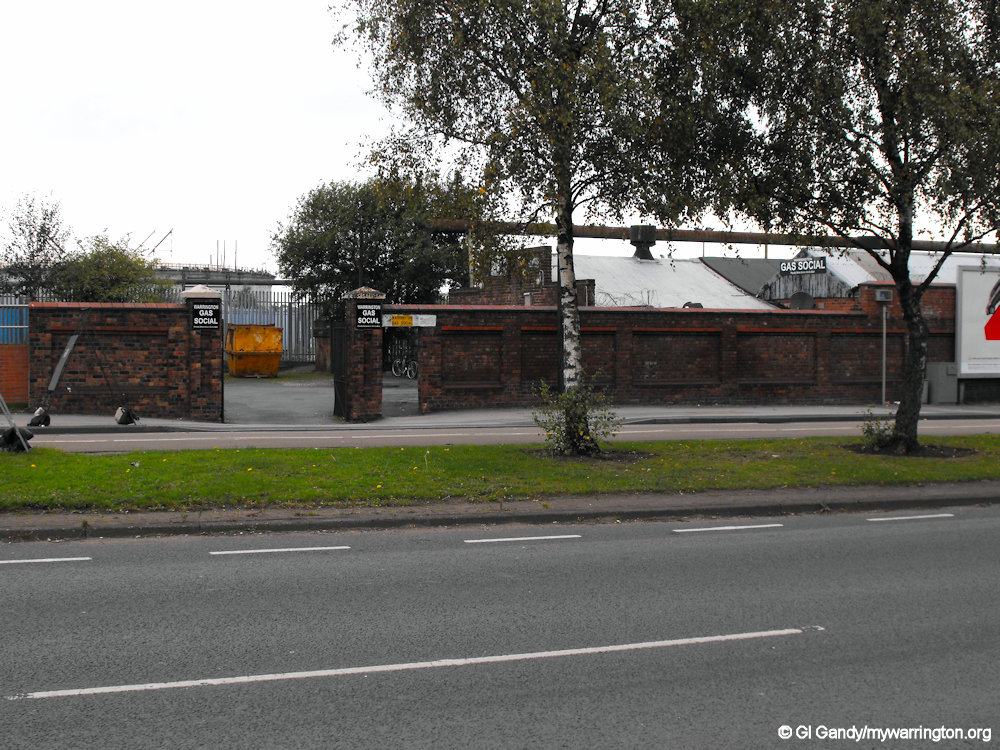
The Gas Social Club on Winwick Road. 24 Sep 2011
Dave Ovington, former treasurer, brought with him documents to show the initial membership fee was 1d, rising to 3d, taken direct from the gas workers’ wages.
He had figures to show that, in 1972, the committee was given the shock news that prices were rising – bottled Guinness was to go to £1.94 per dozen, pale ale up to £1.30 per dozen, and draught hiked to £10 for 66 pints…
“This was like the Phoenix Nights of its day,” said Dave Peers. “It was always a good atmosphere, popular with workers on site, and also the local community. It was just a mates club. You didn’t have WhatsApp then, you just came to the club, met your mates and had a great time.”
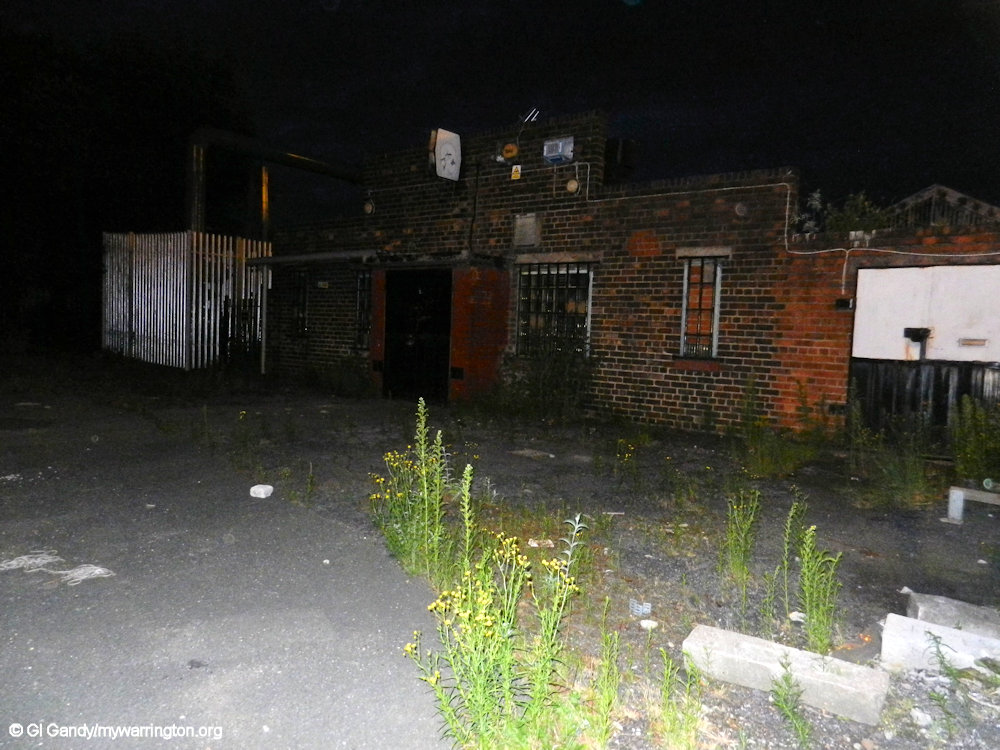
The derelict Gas Social Club 12 Jul 2015
Work to prepare for the demolition of the building started earlier last week and, by the end of this week, it should all be down. The new office facility will be constructed in the New Year.
Warrington was a pioneer town for the introduction of gas to the UK. It established a public gas supply in 1820, becoming one of the first towns in the North West to do so. Today, 89 per cent of Warrington’s 85,140 homes use gas for central heating and cooking meals.
My favourite story was about a guy who was dressed in jeans and T-shirt on a Saturday night and the Gas Social Club was the only place to let him in.
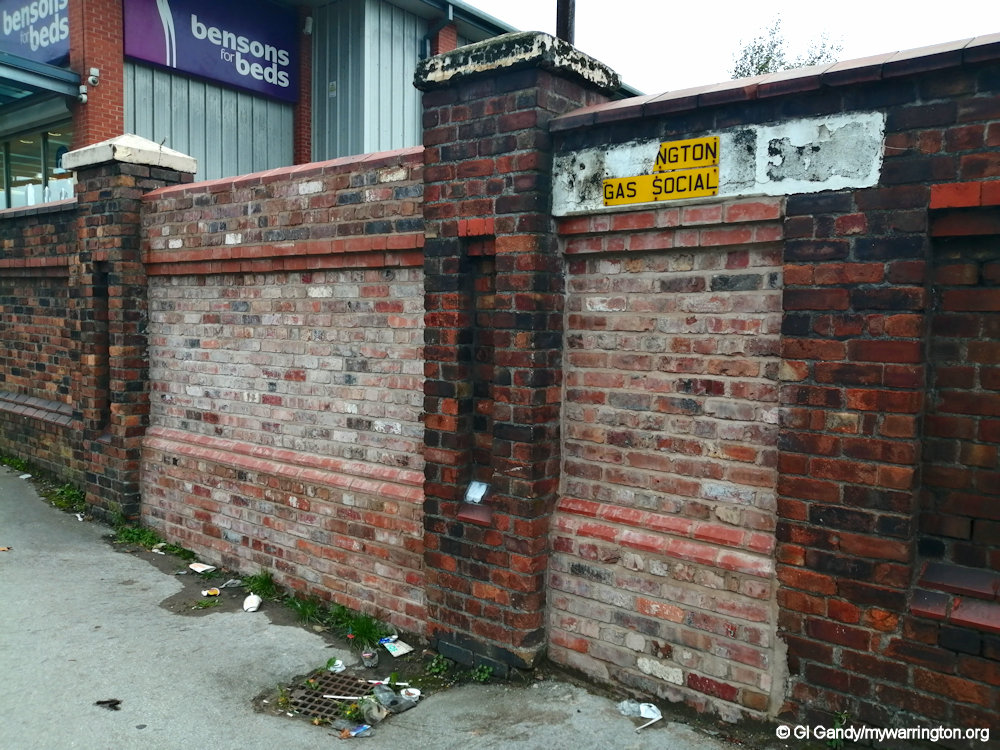
By the time of this photo, the Gas Social Club was no more. 26 Sep 2019
Other pubs
There are two public houses on the Orford (west) side of Orford Lane.
The Original Wire was originally known as The Wheatsheaf and dates back to 1900, replacing an inn on the same site. It was designed by William and Segar Owen, who designed lots of buildings in the town. The building received Grade II listing on 1 June 1988.
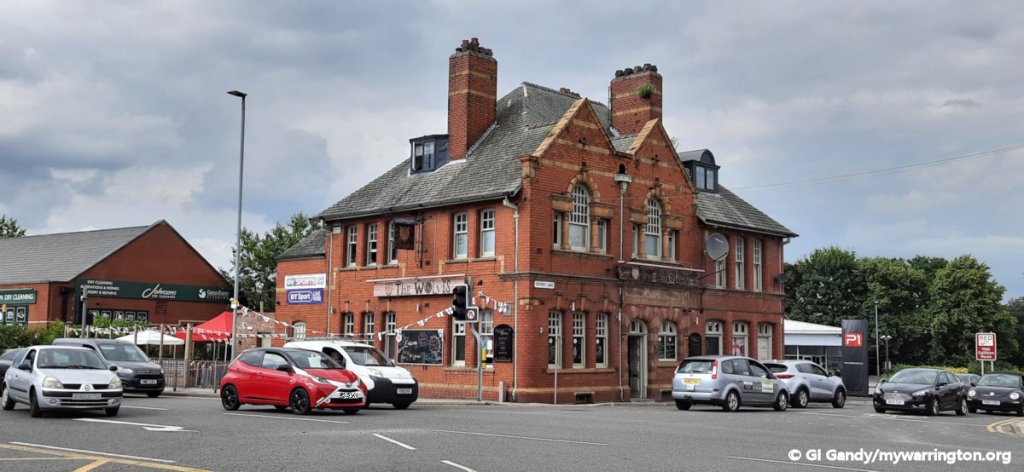
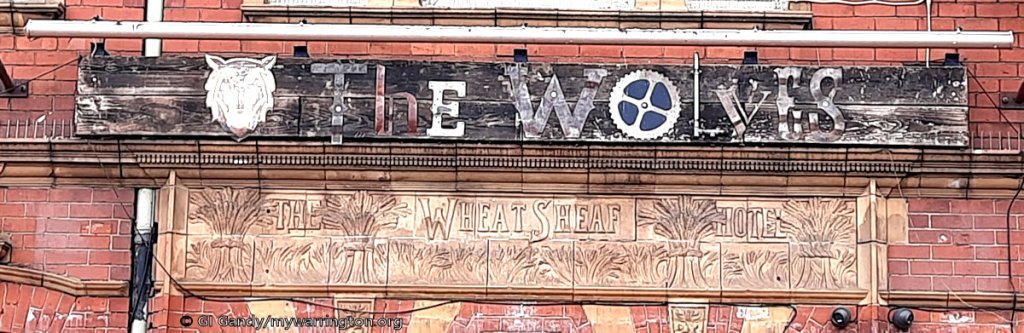
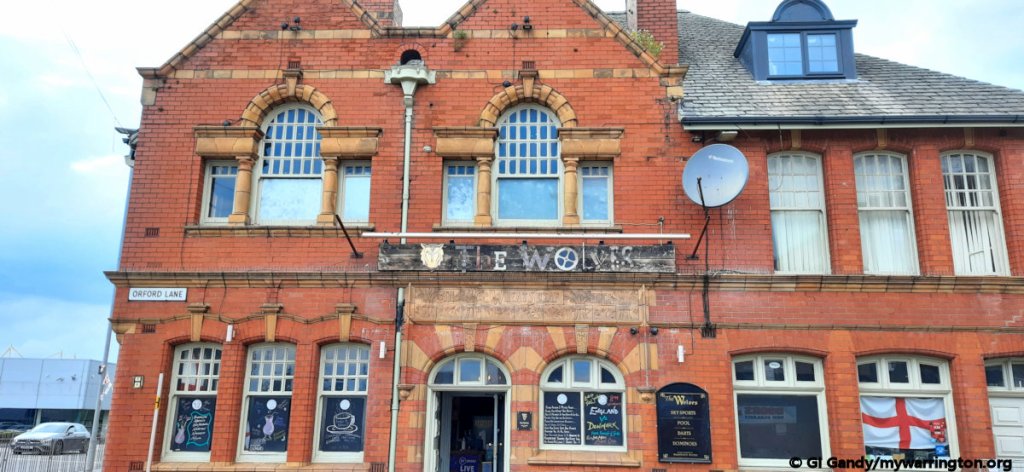
The Hawthorne was originally built in 1872 rebuilt in 1898, again by William and Segar Owen.
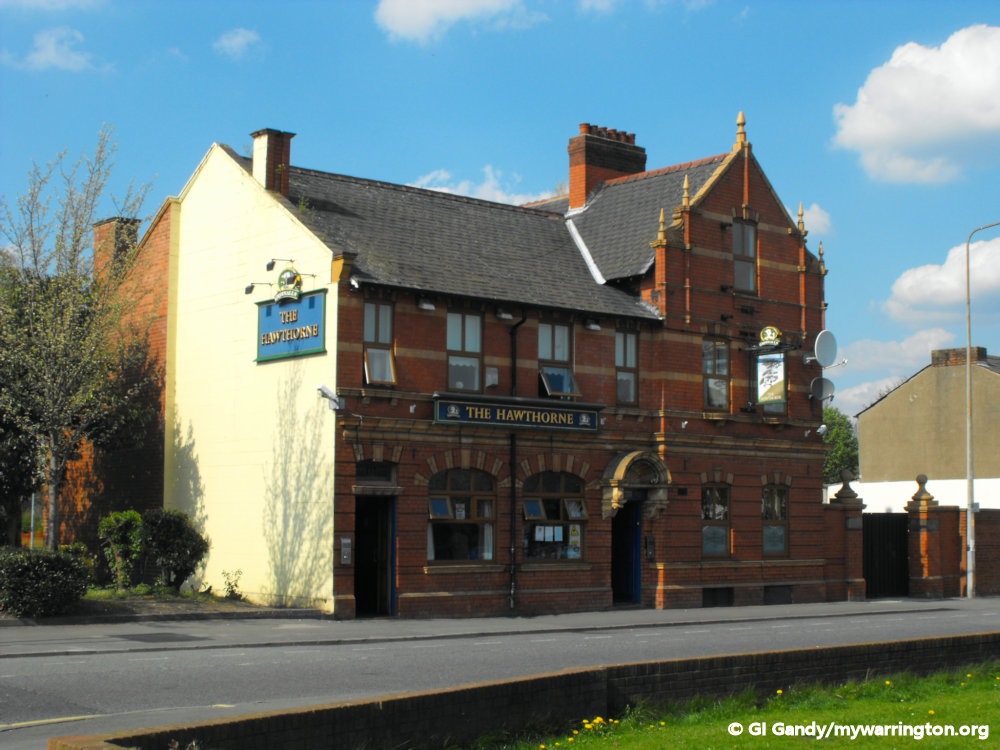
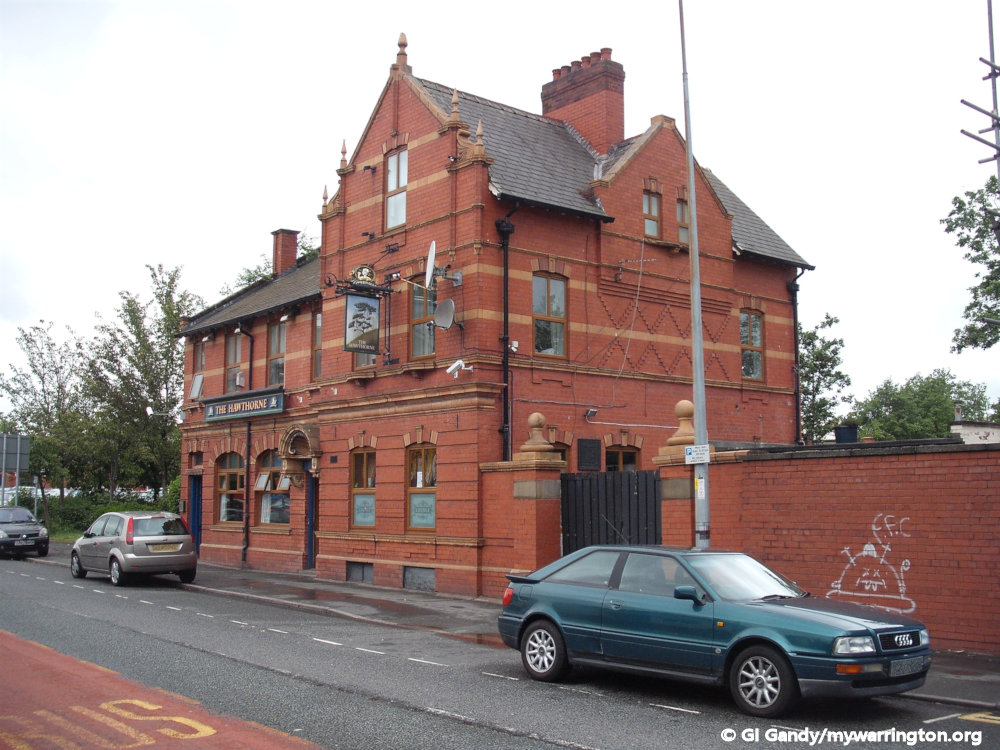
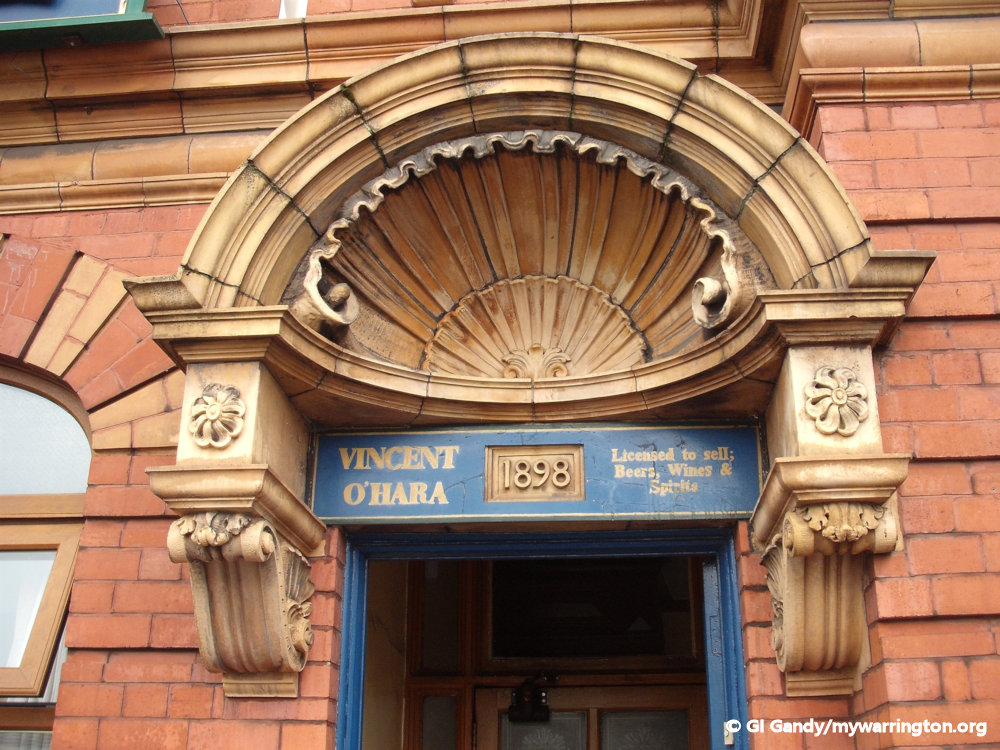
Tetley Walker Club on Long Lane was officially opened by Lord Brocketton on 22 Jan 1962. The club was originally on Orford Lane in Fairfield where the Irish Club is today.
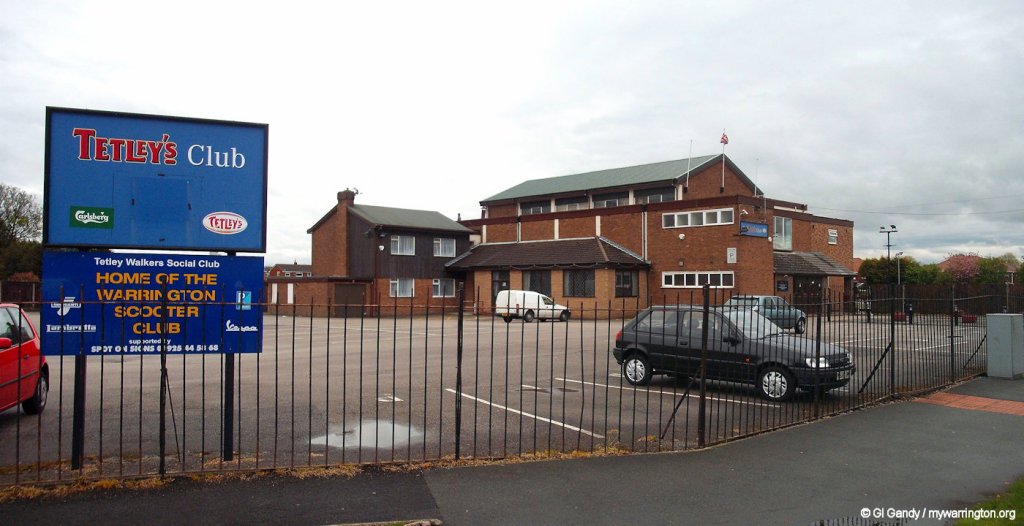
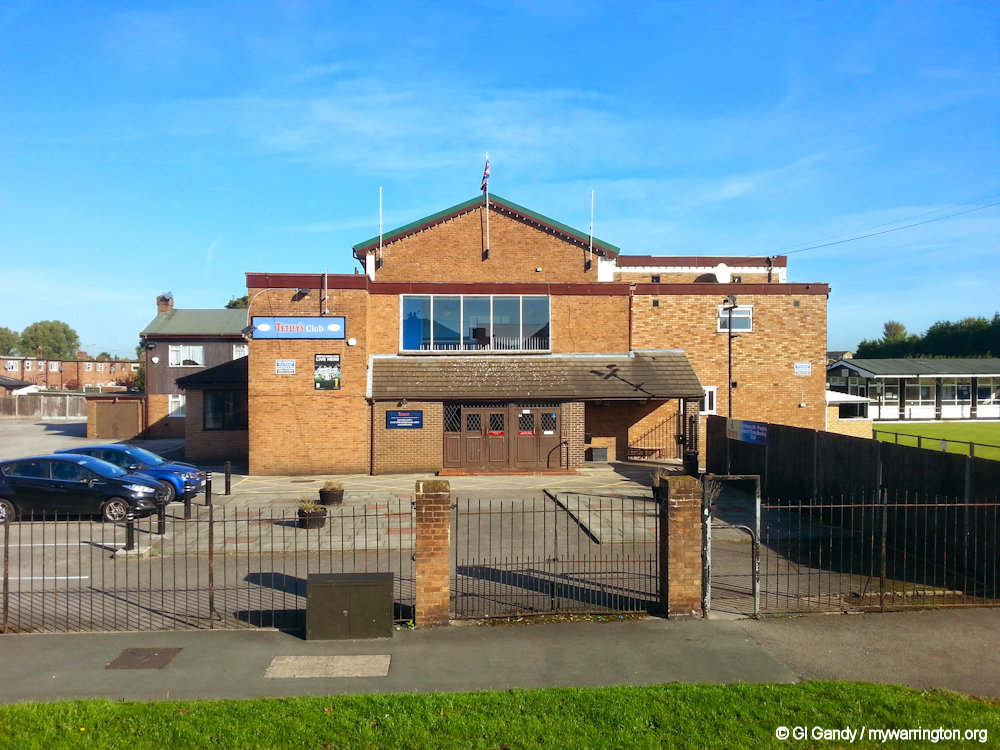
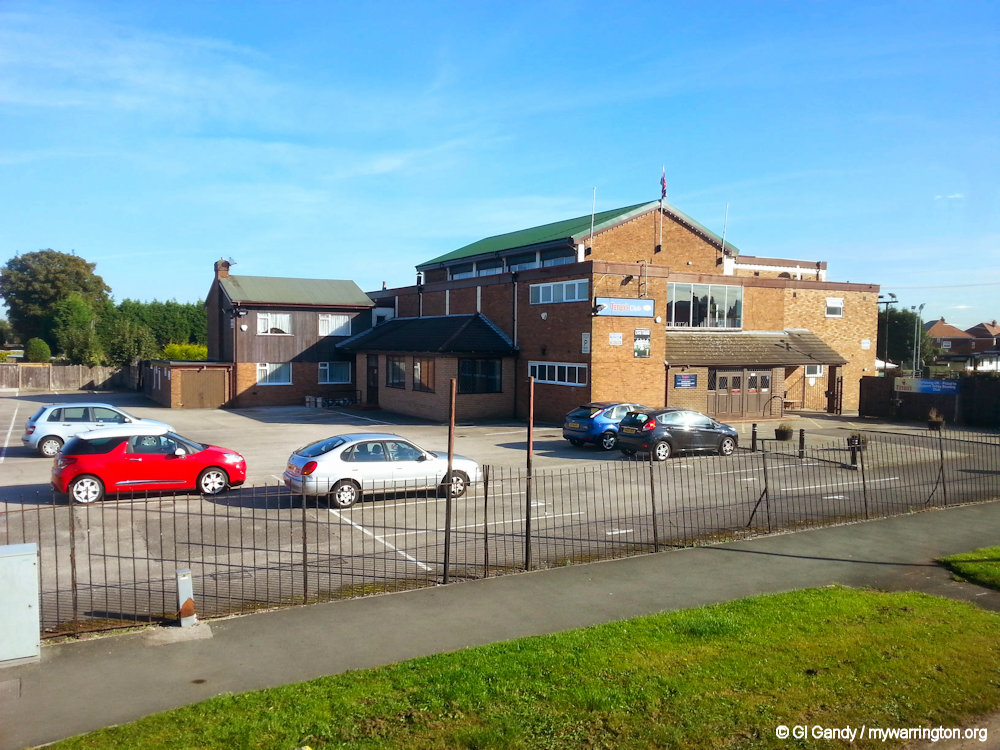
The remainder of the pubs are on the main housing estate in the north of the district.
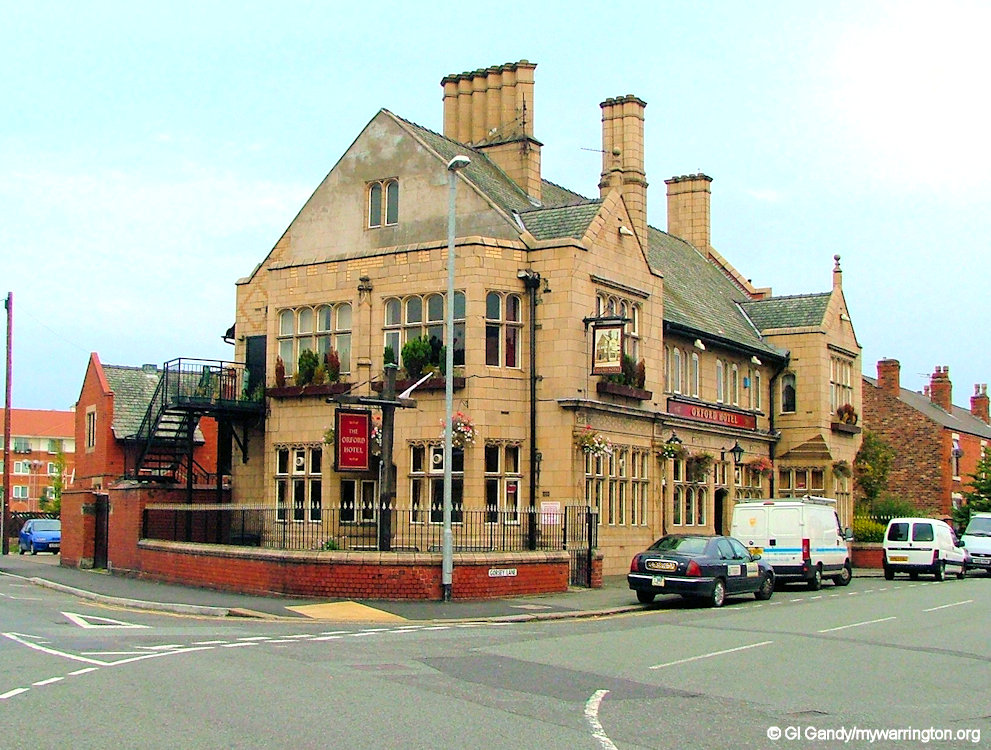
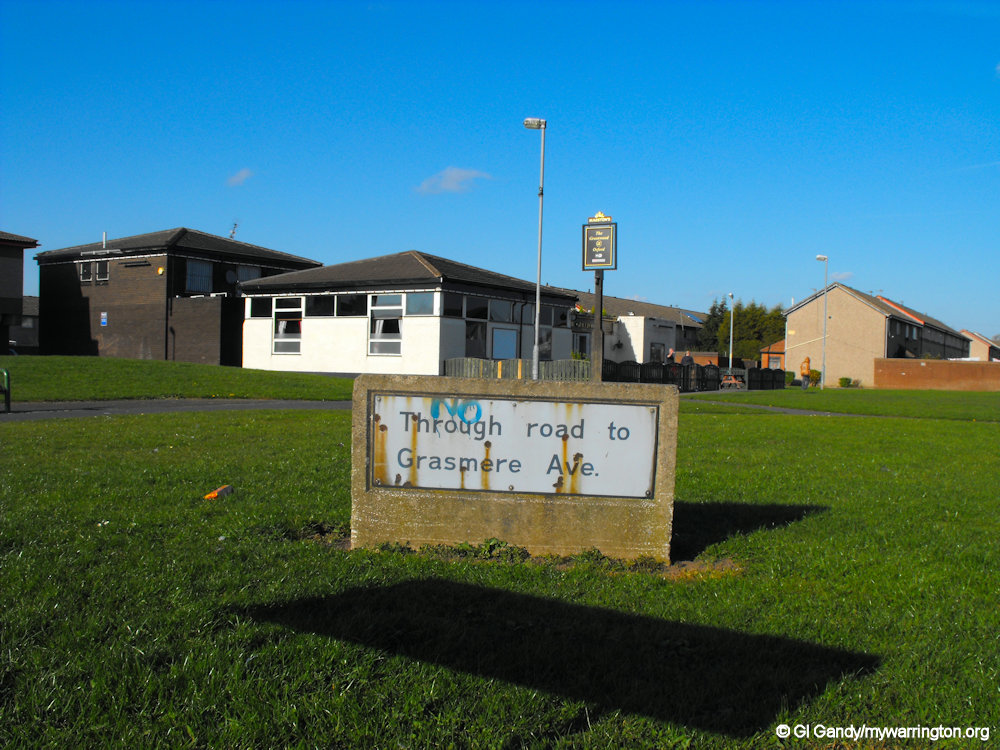
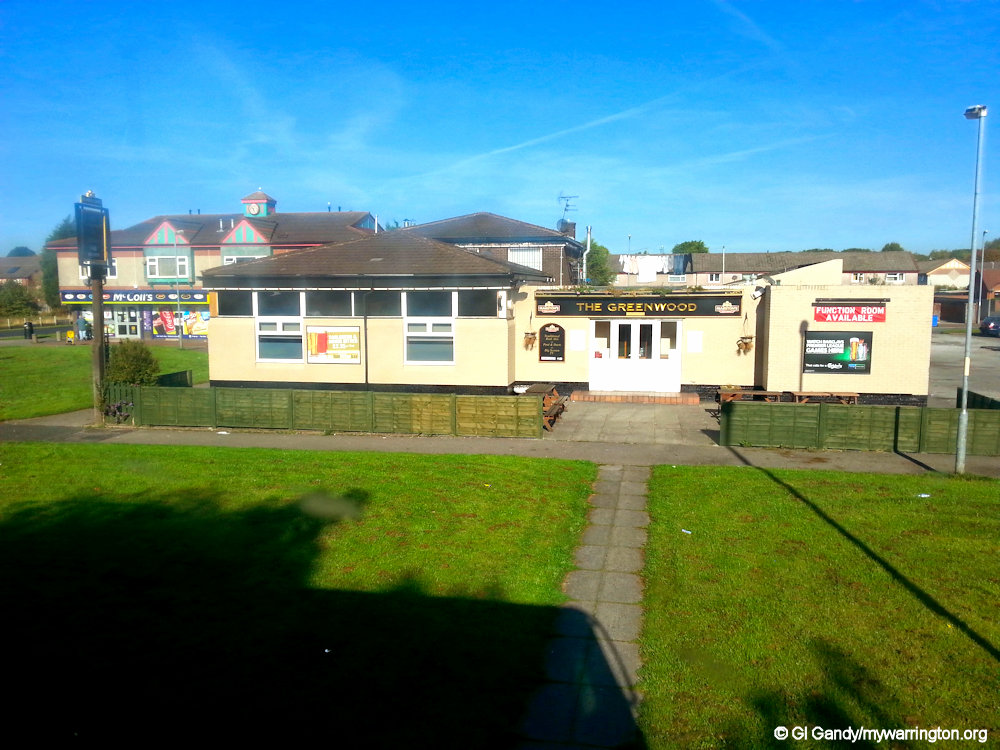
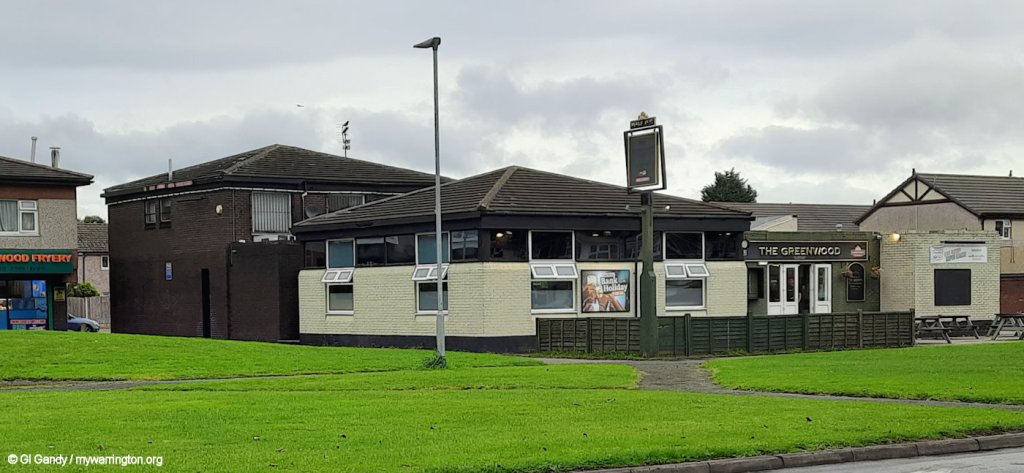
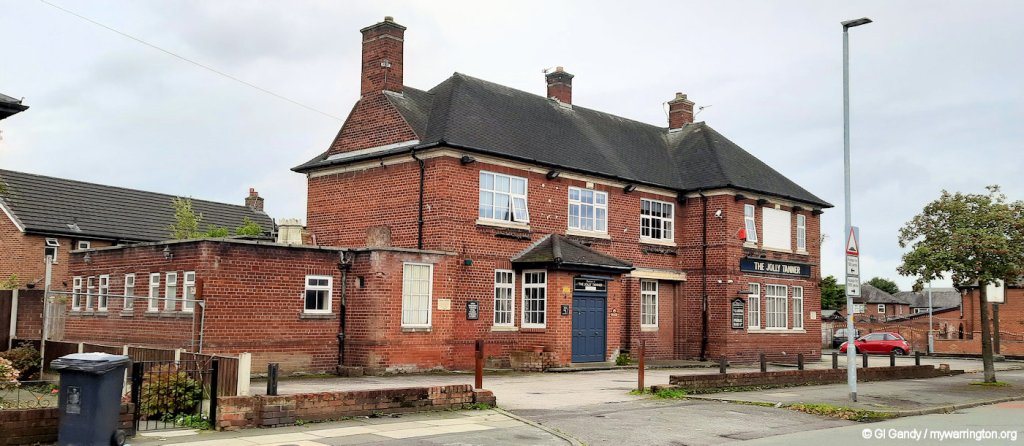
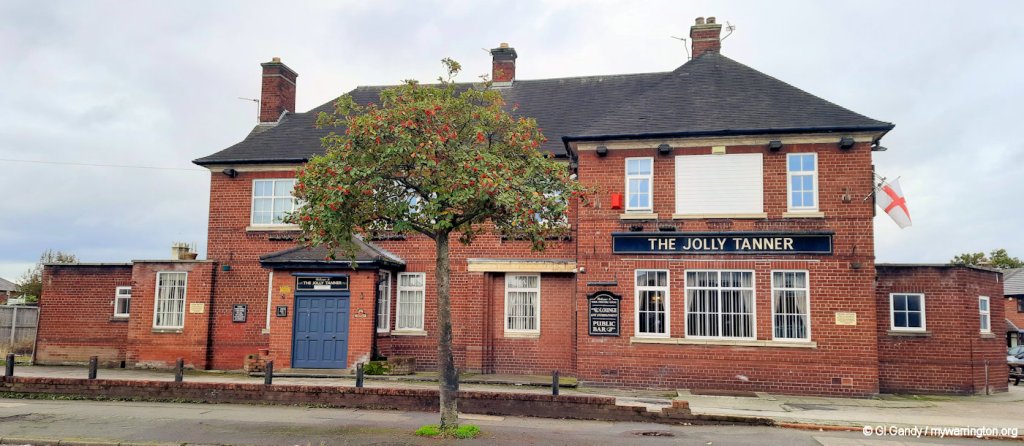
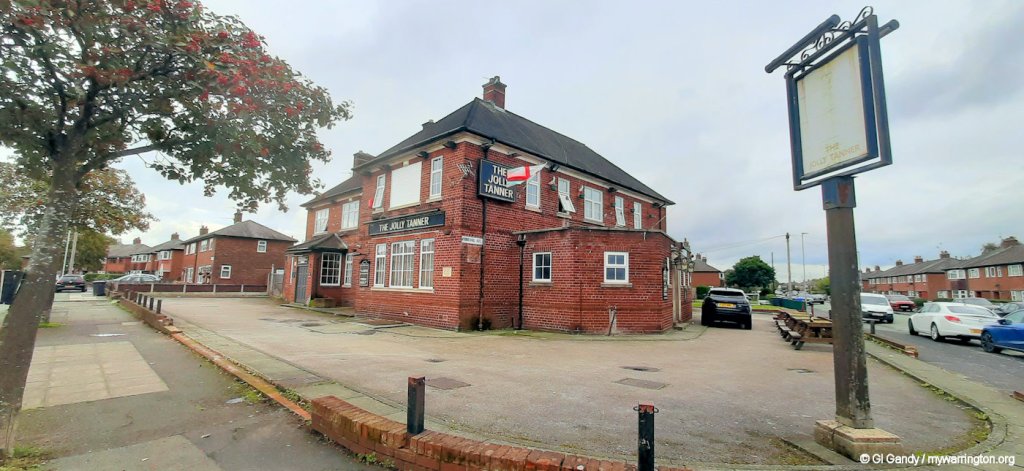
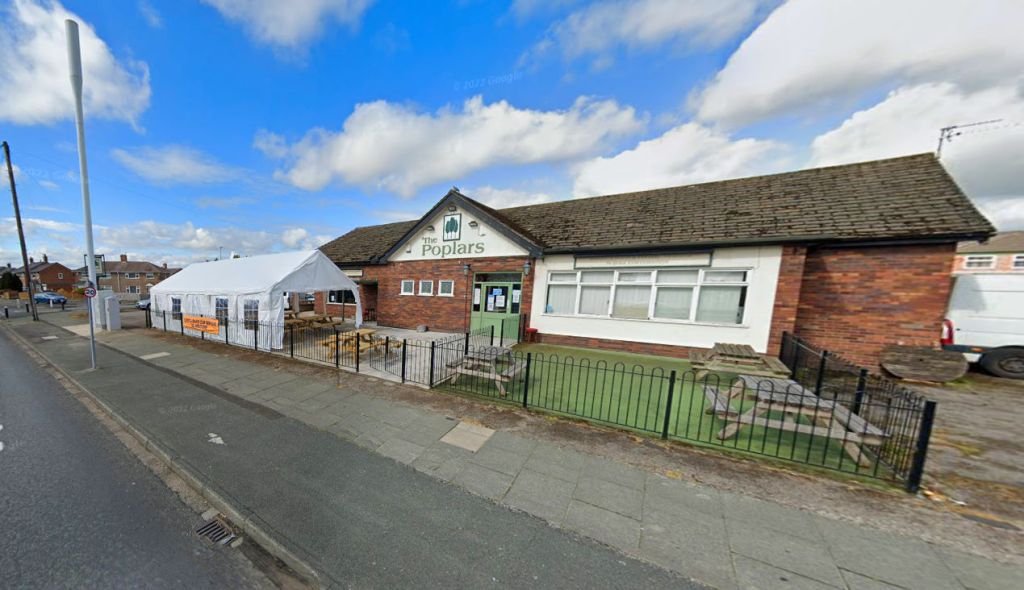
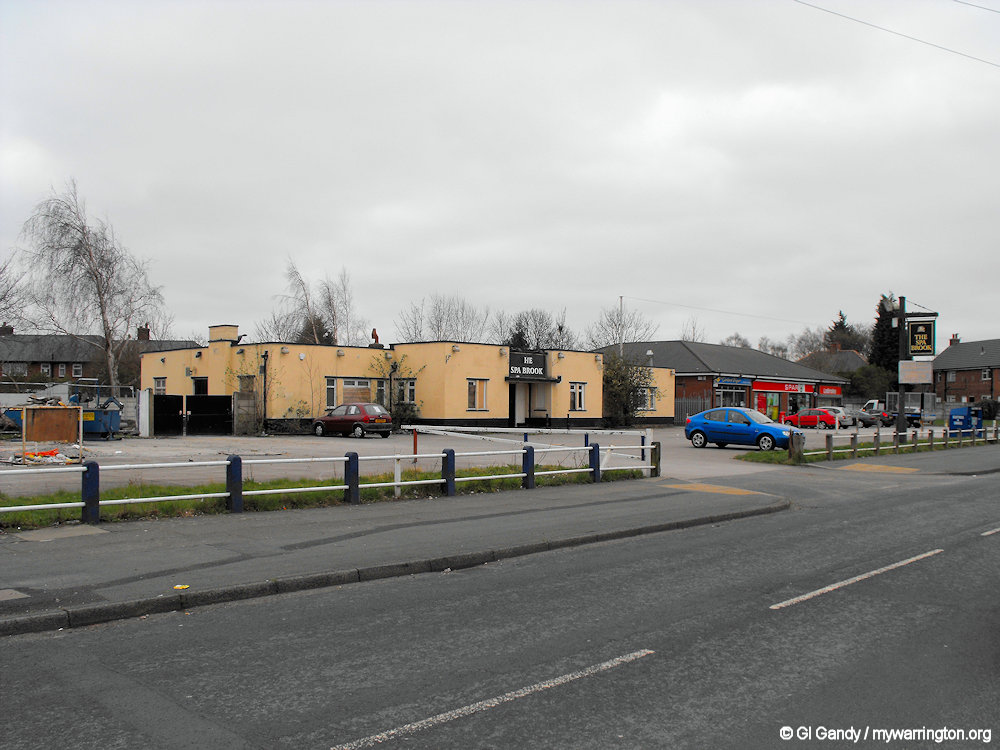
Warrington and Vale Royal College
Warrington and Vale Royal College is the current name for an educational establishment that began in 1902 in Warrington town centre.
That was the year the first building of the technical college was opened in Palmyra Square. After use as a college that building became the Borough Treasurers office for Warrington council. The Grade II listed building was later used as a series of cocktail bars, the first of which was The Institution.
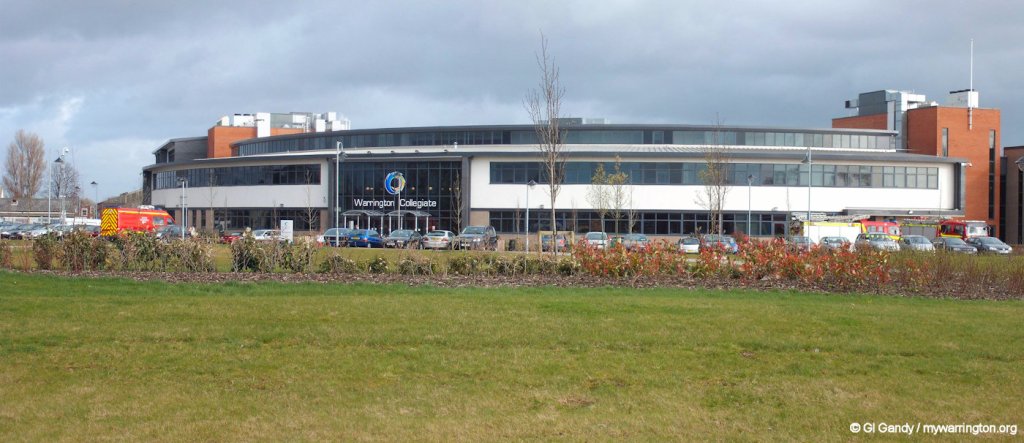
The current college photographed on 25 Mar 2009
The Long Lane wing of the Winwick Road Campus was opened in 1956 as Warrington Technical College. In 1969 a new building for the college was constructed on Winwick Road and officially opened on 11/12/1970.
North Cheshire College was set up in 1979 by the amalgamation of three established colleges in the Warrington District: the Padgate College of Higher Education, Warrington College of Art and Design and Warrington Technical College.
Warrington Collegiate Institute, the former North Cheshire College, became independent in 1993.
For the full story, including the 2006 rebuild, see the Warrington and Vale Royal College section of Education.
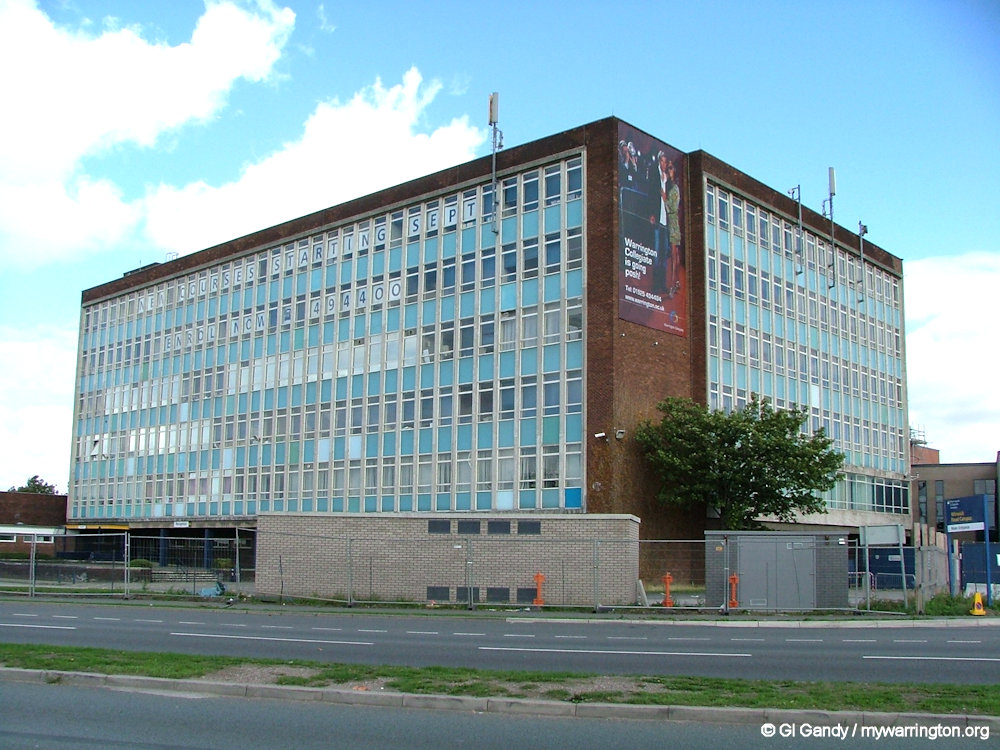
The 1969 building as seen on 27 Aug 2006
Walkabout
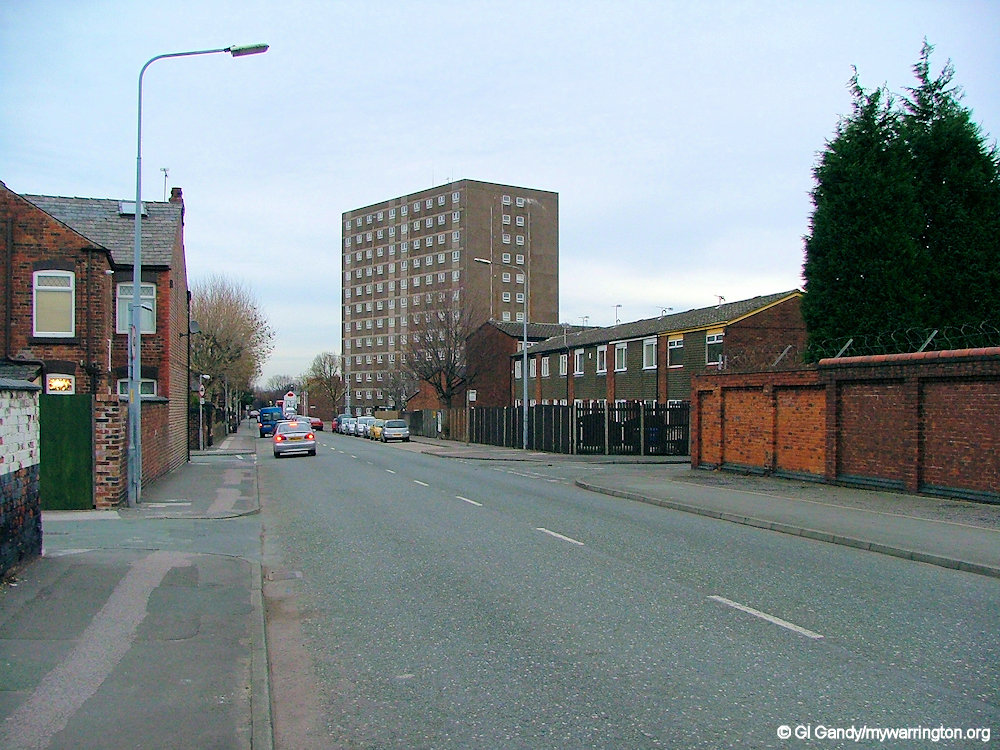
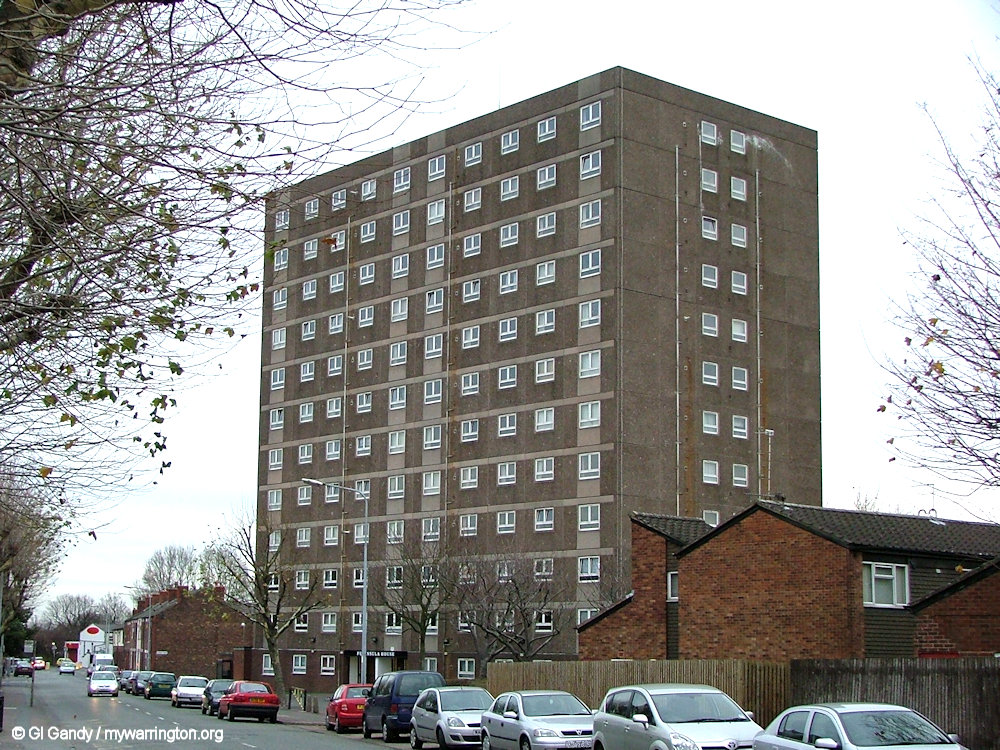
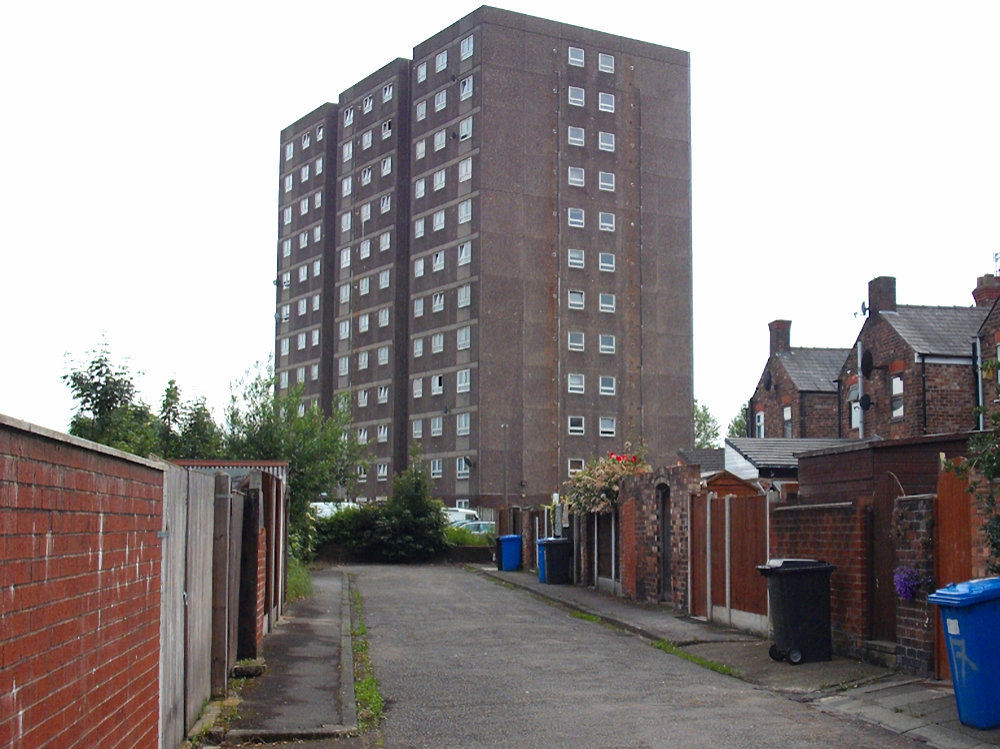
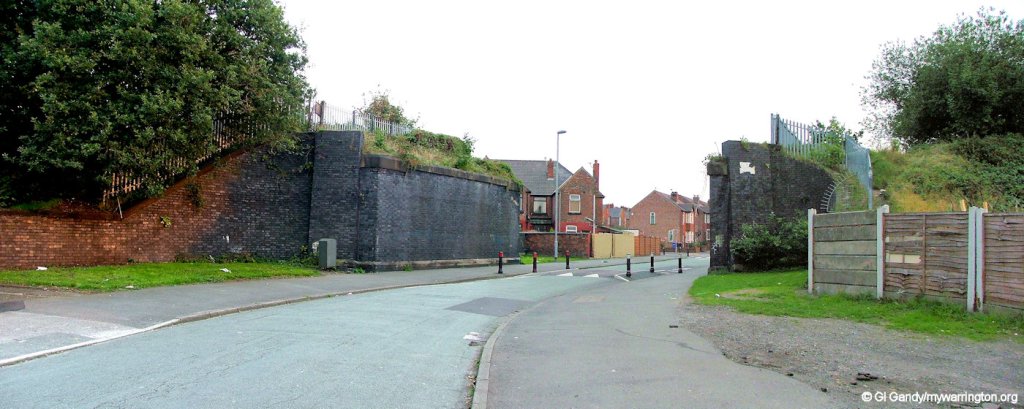
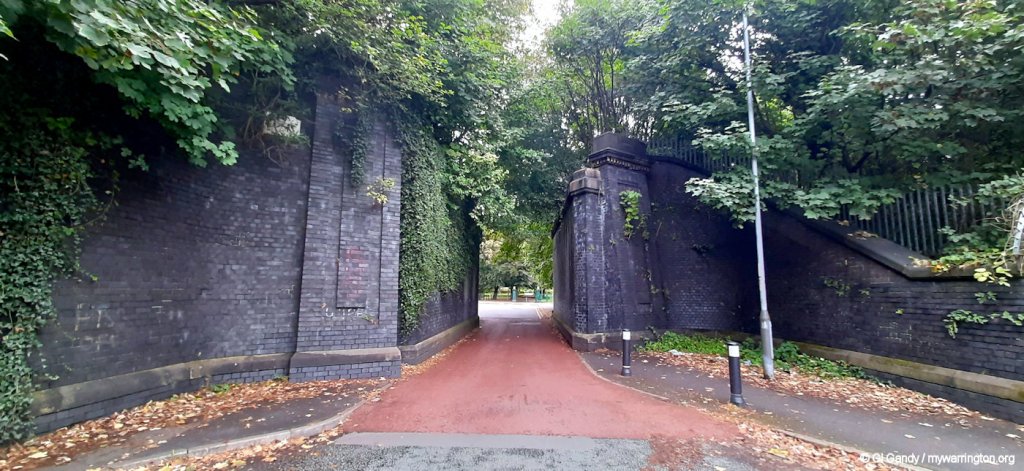
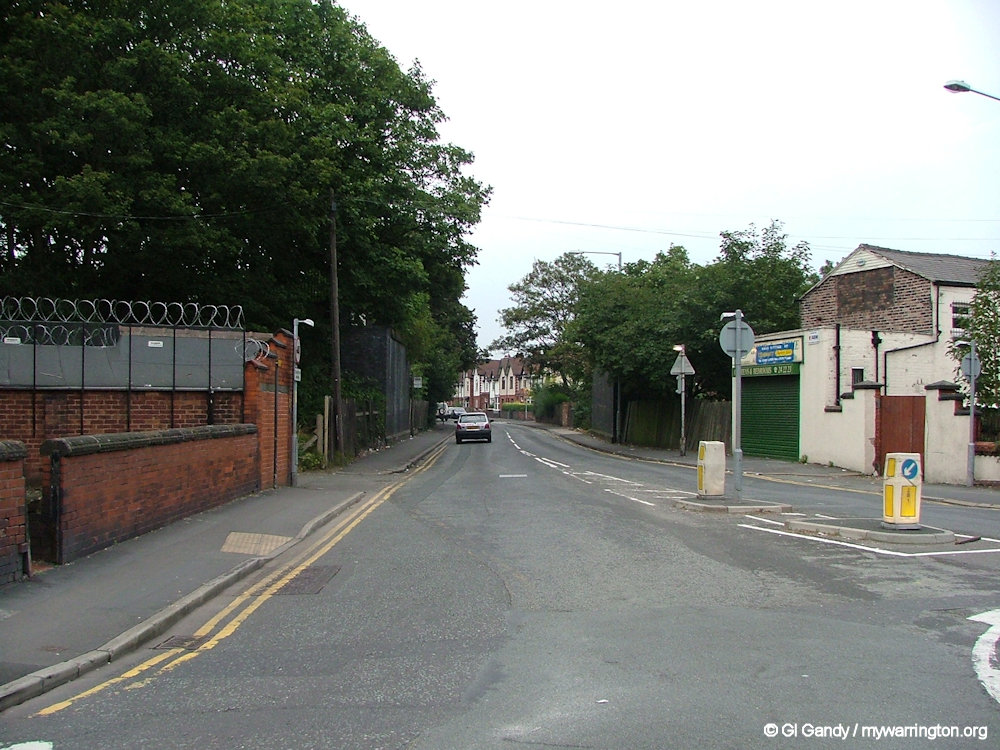
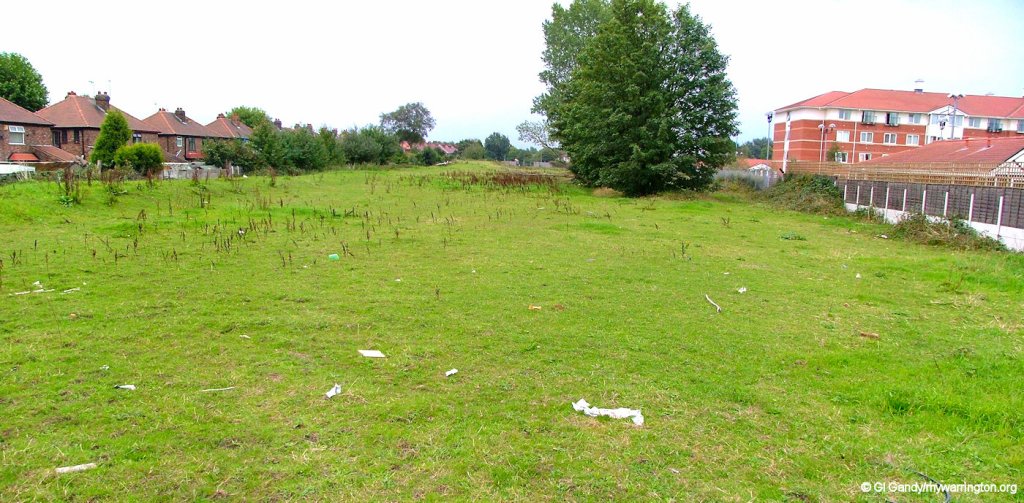
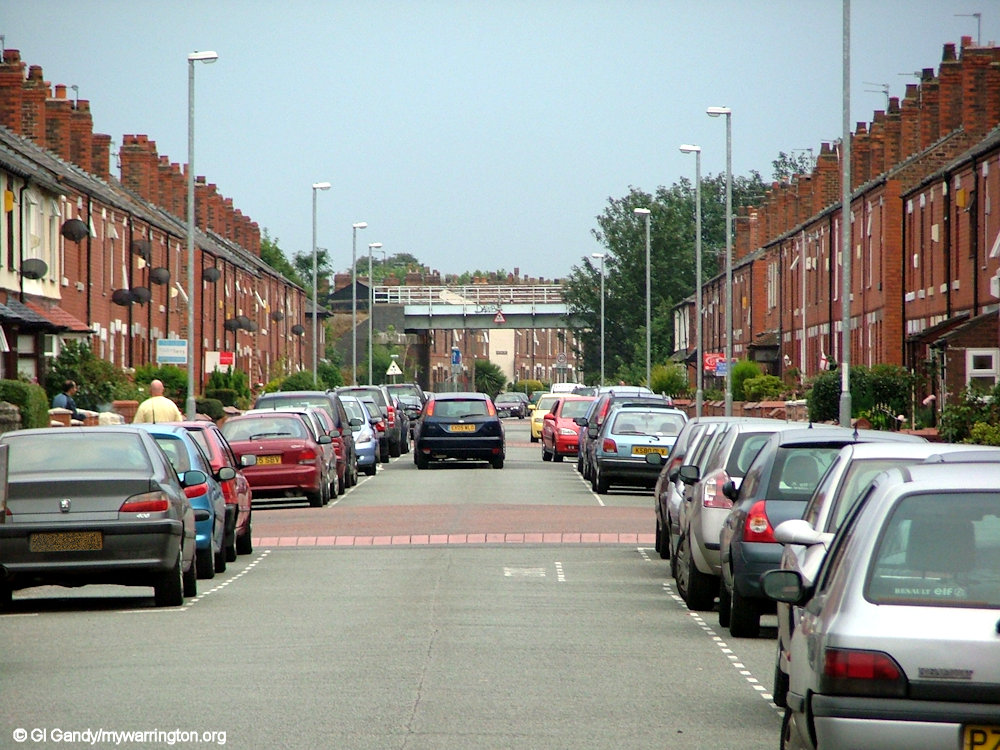
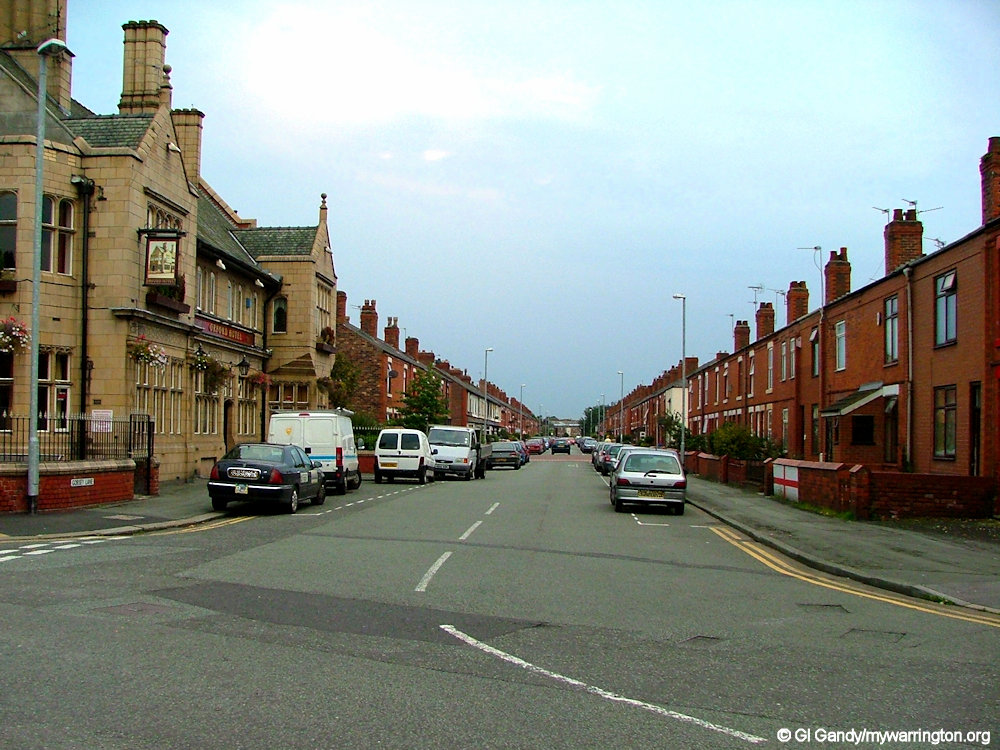
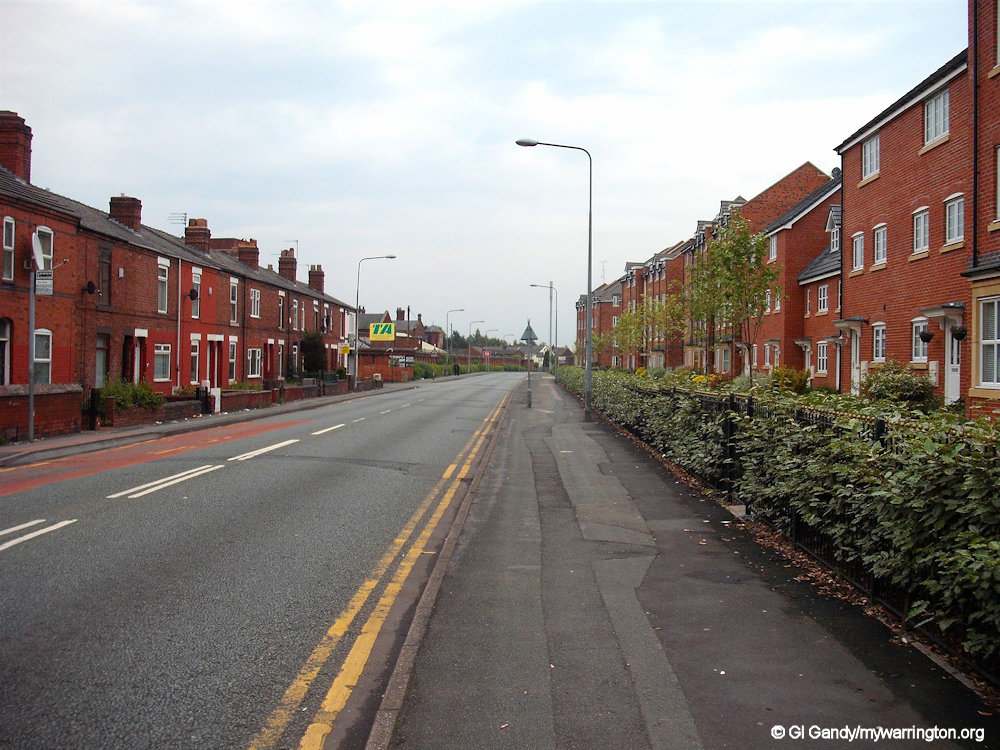
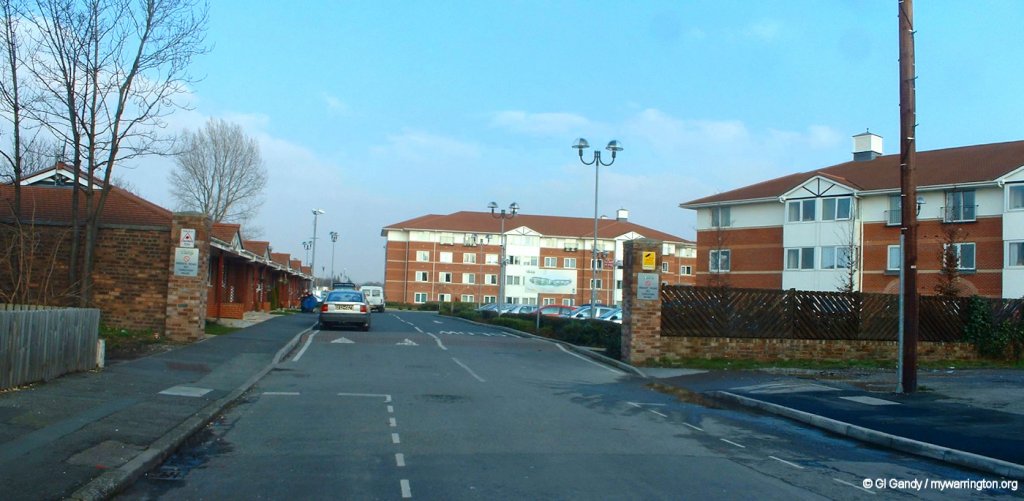
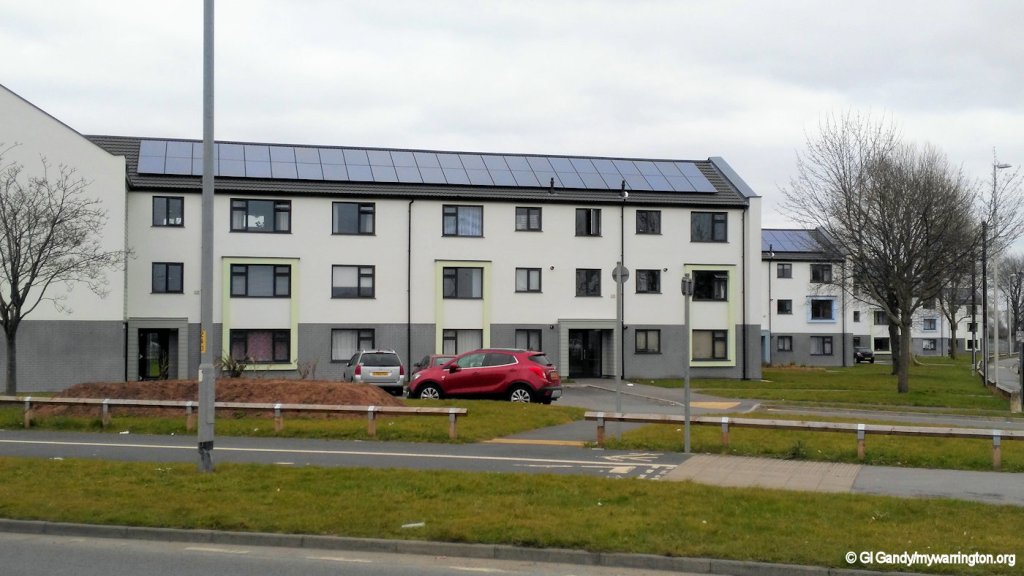
Let’s have a wonder round the district.
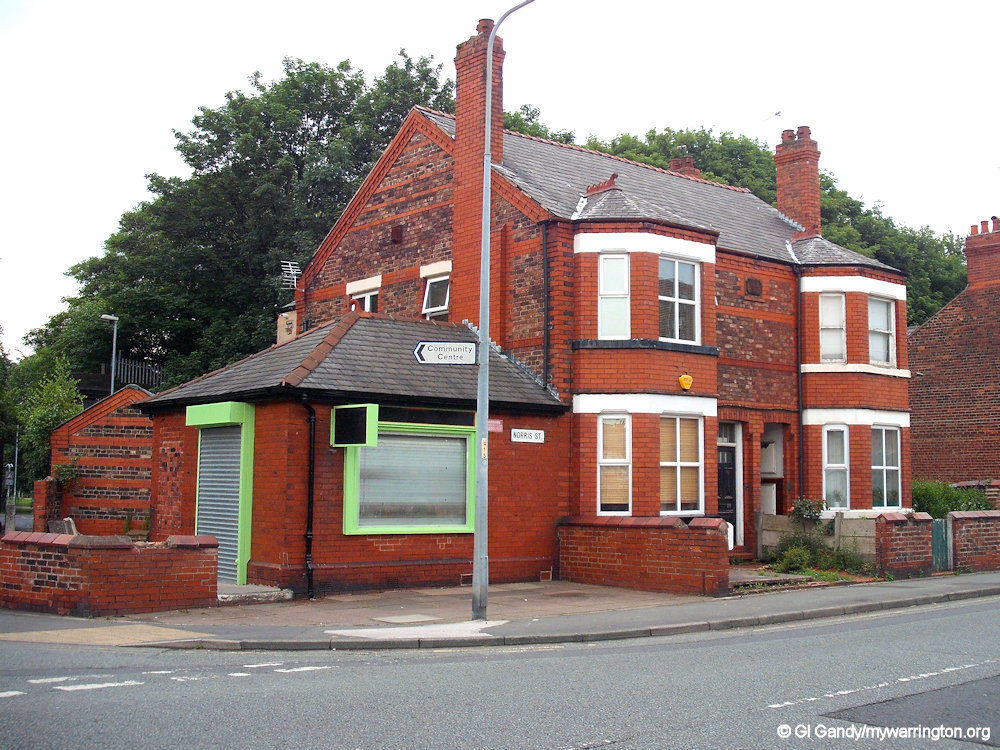
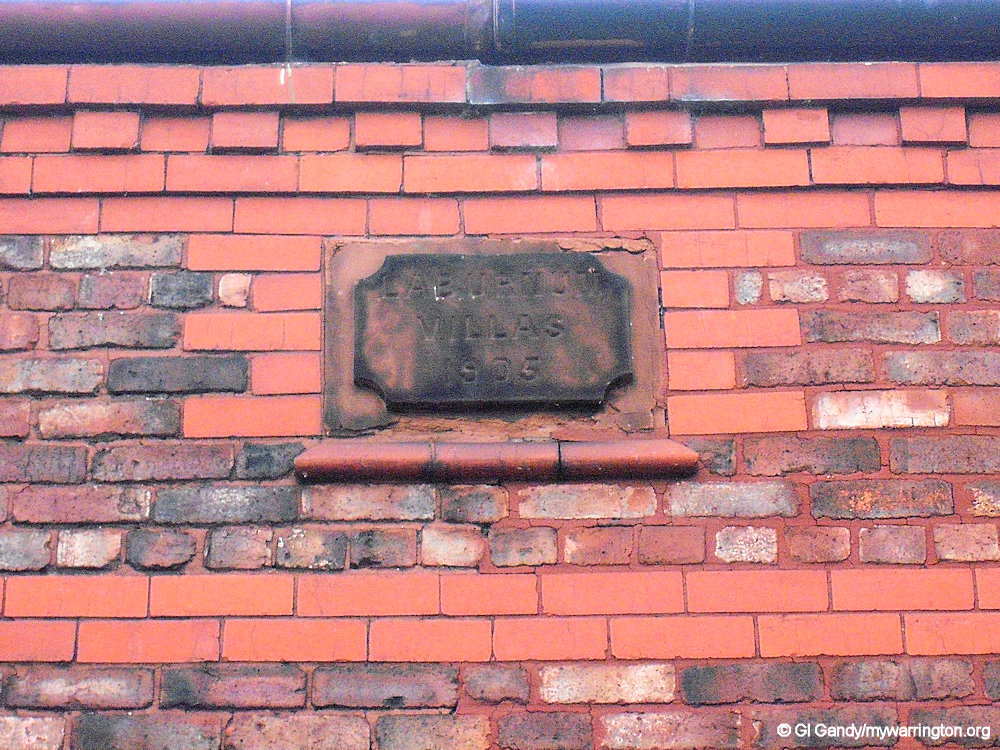
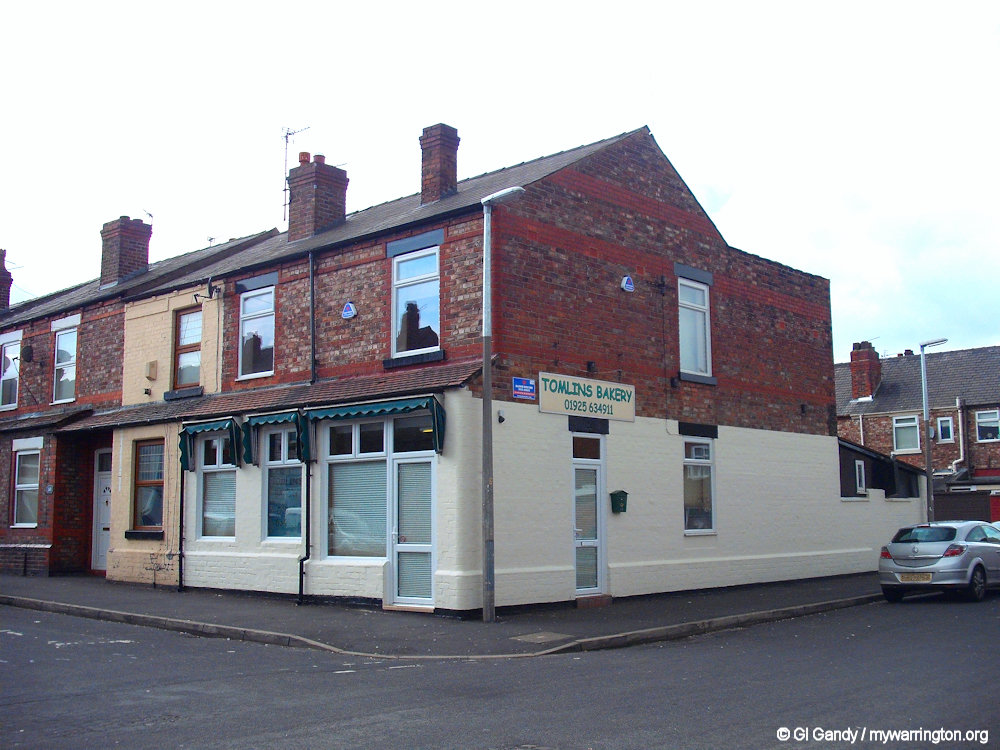
 mywarrington
