
- Introduction
- Back in Time
- Market Charters
- The First Market Buildings
- The 1974 Market
- Warrington Guardian and the 1974 Opening
- Stories from the 1974 Market
- 2017 Temporary Market Construction
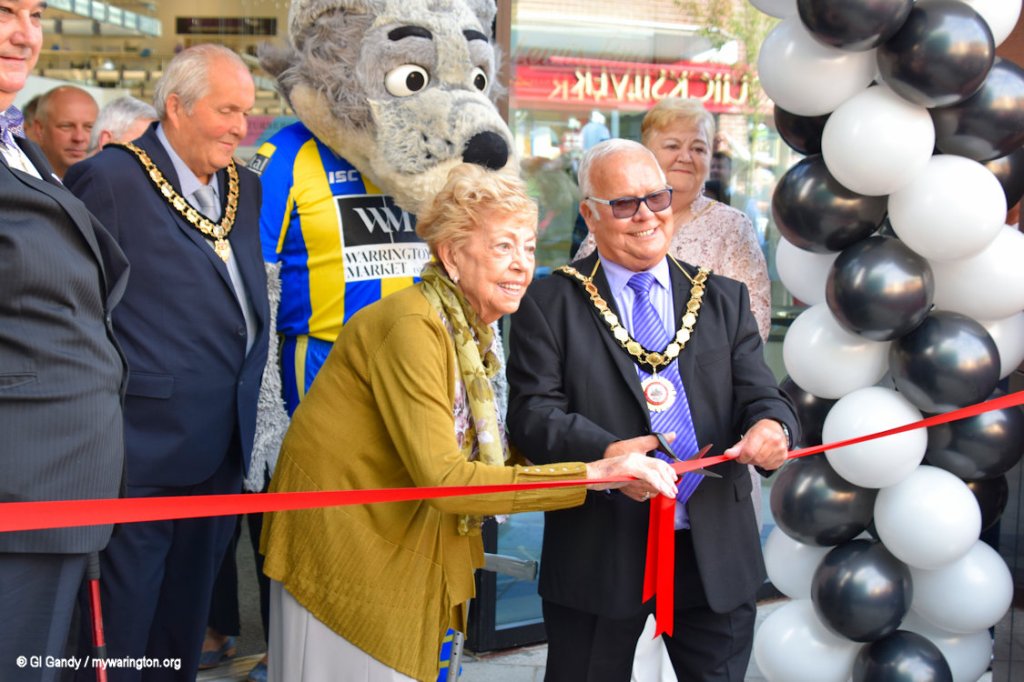
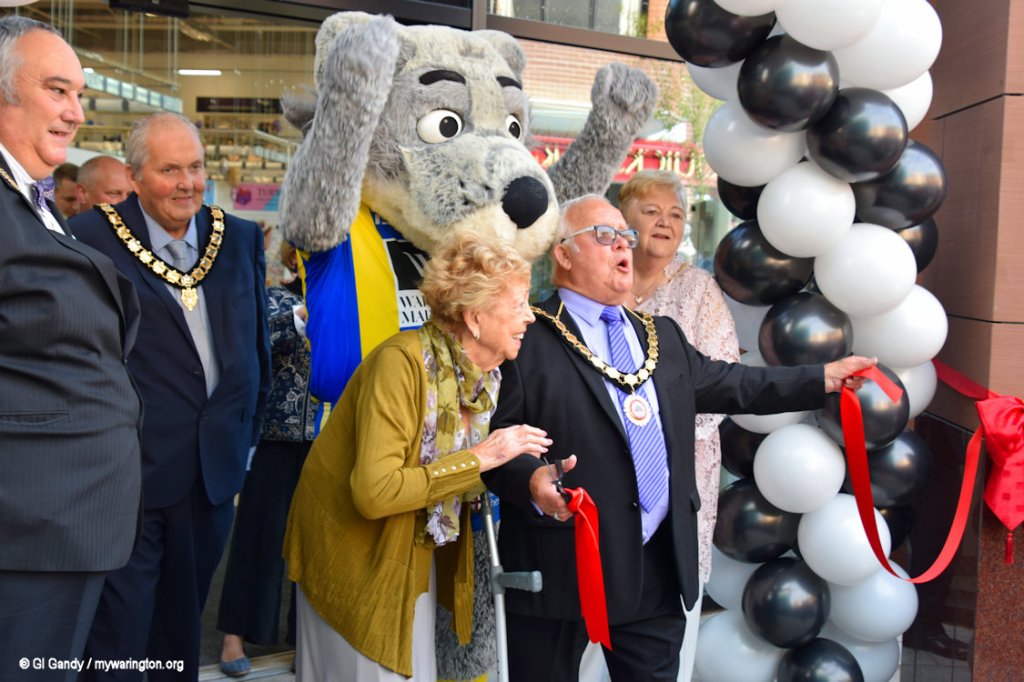
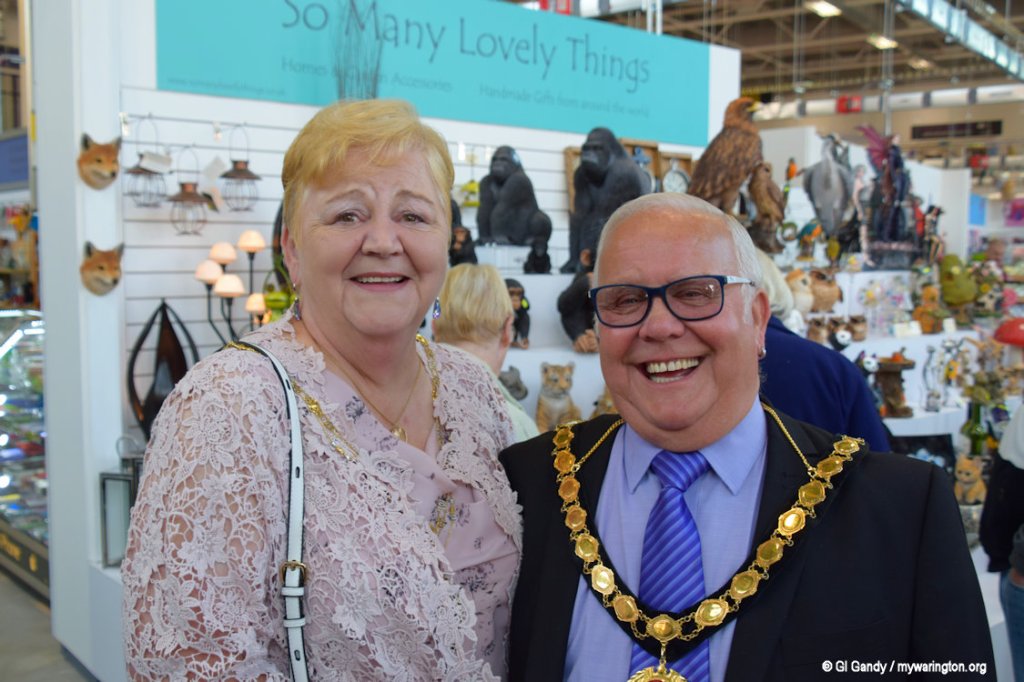
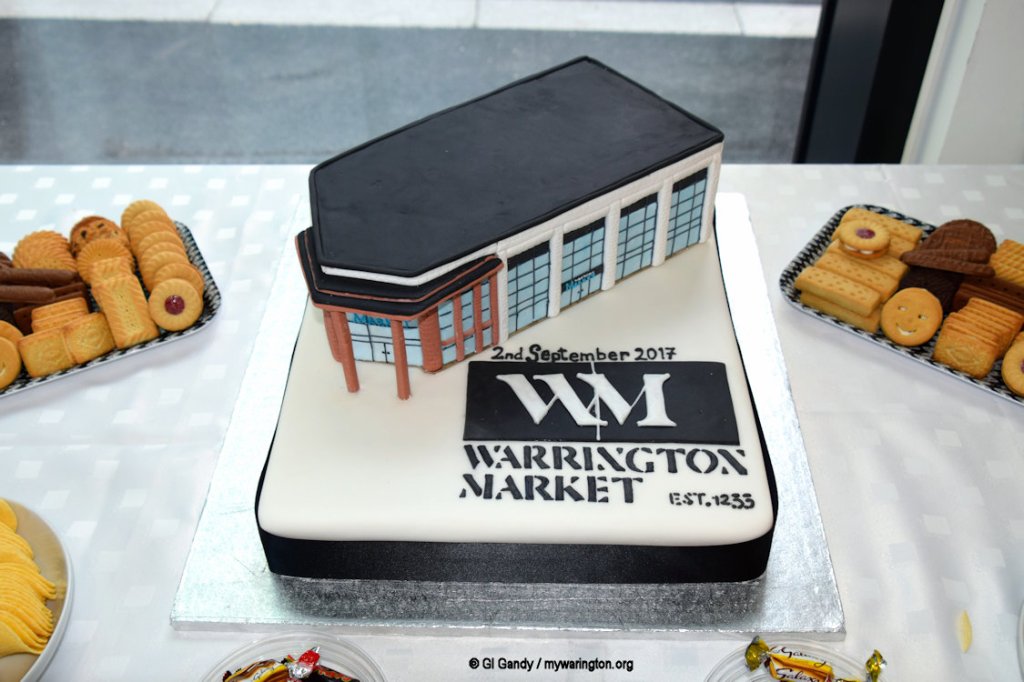
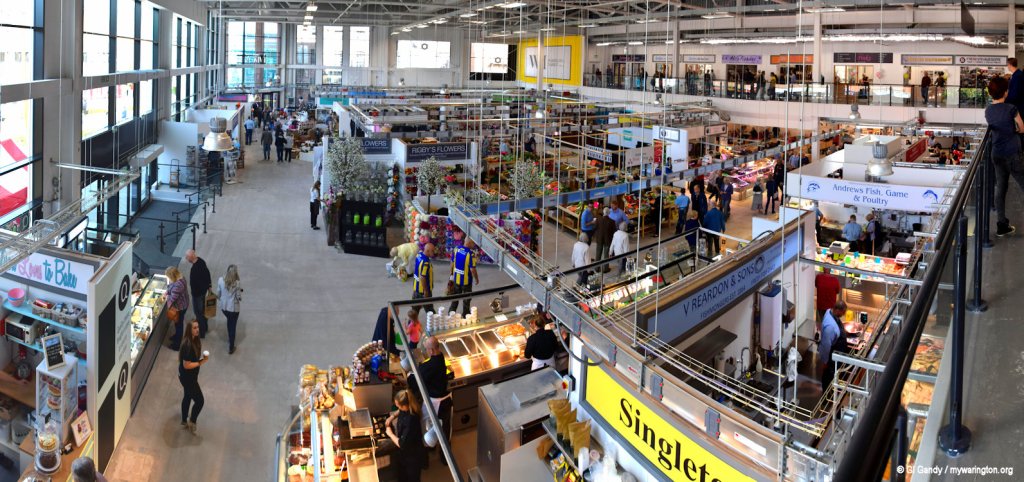
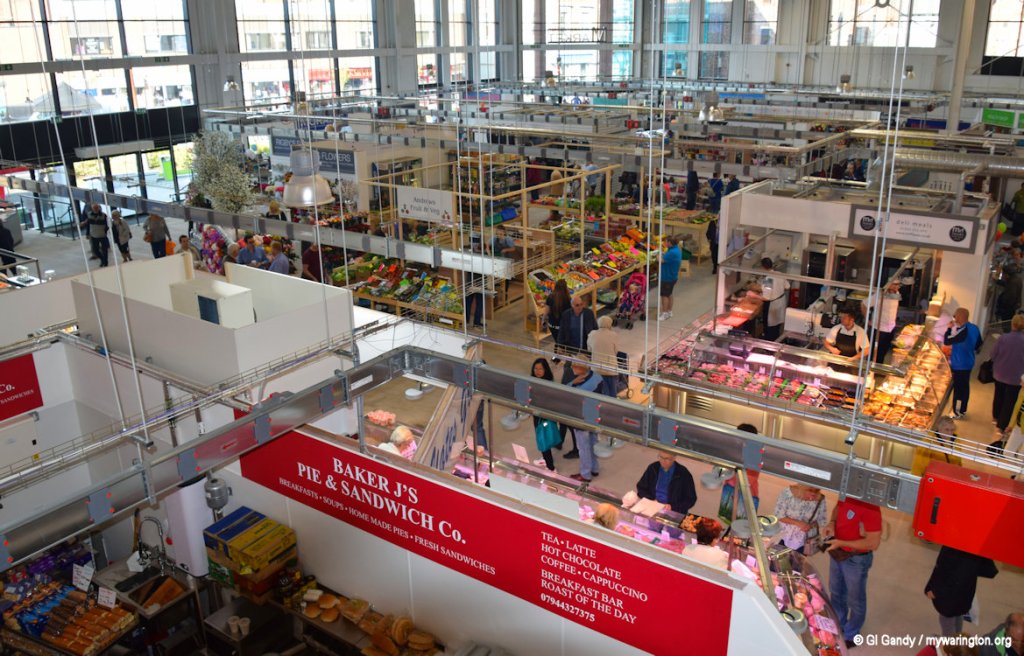
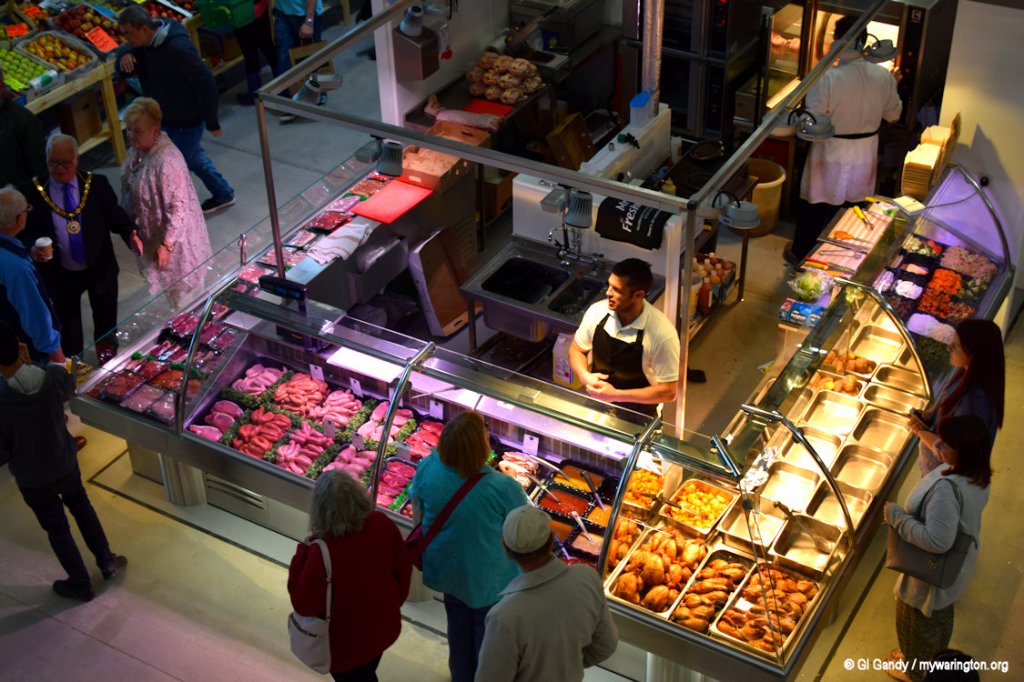
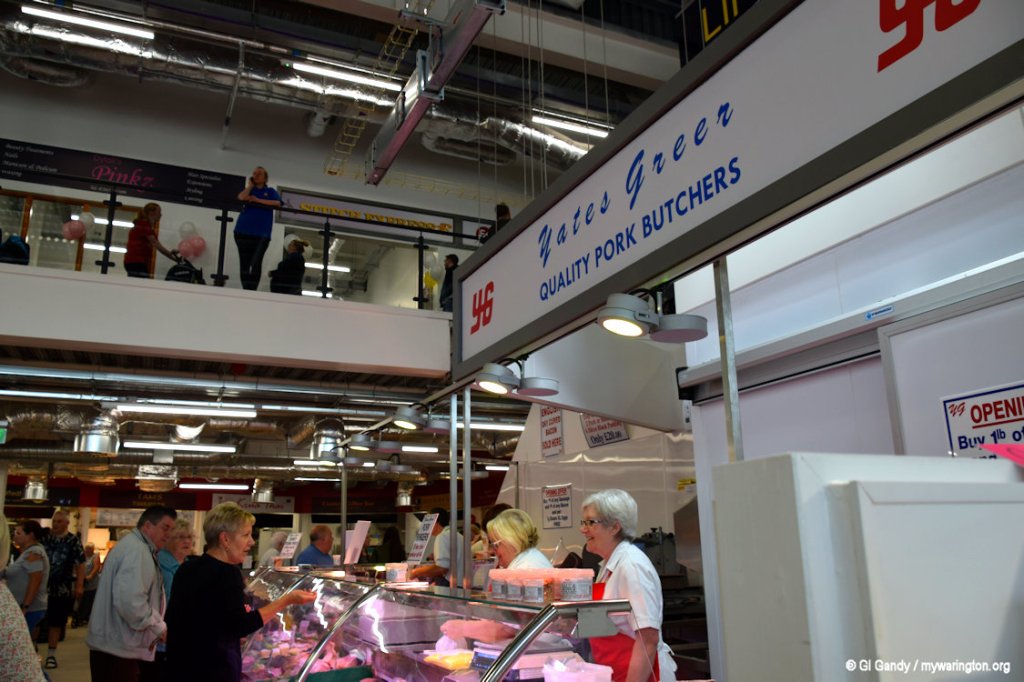
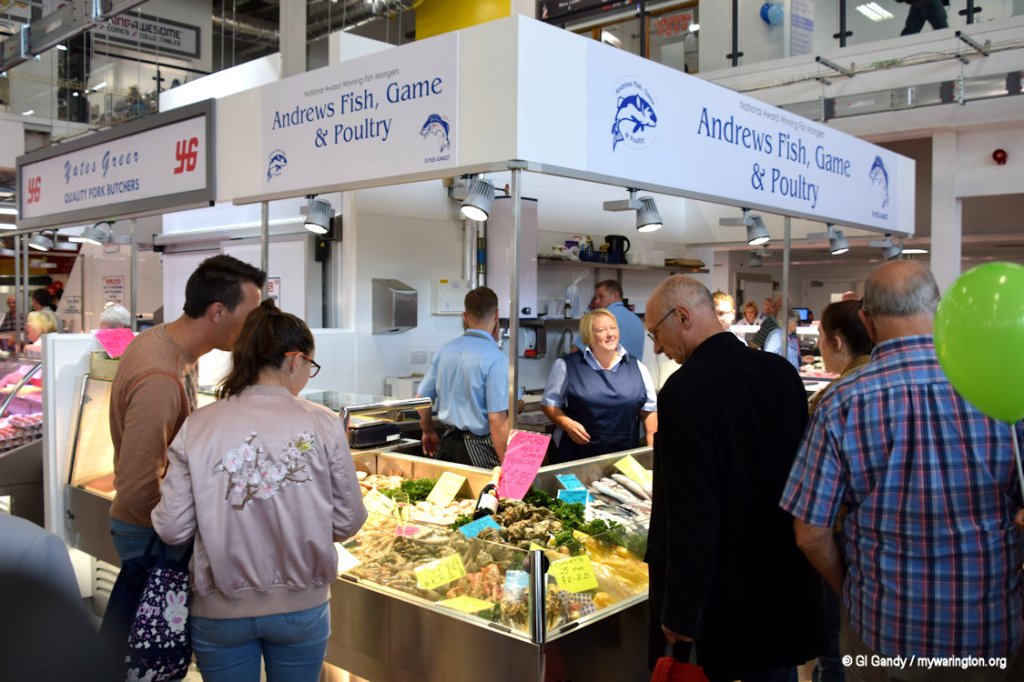
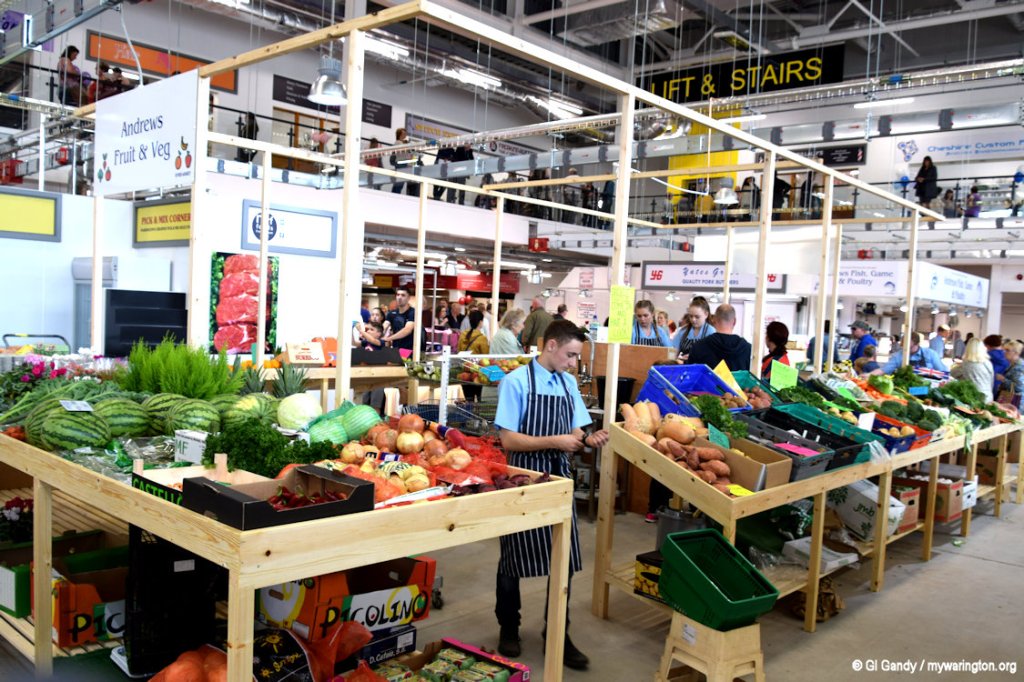
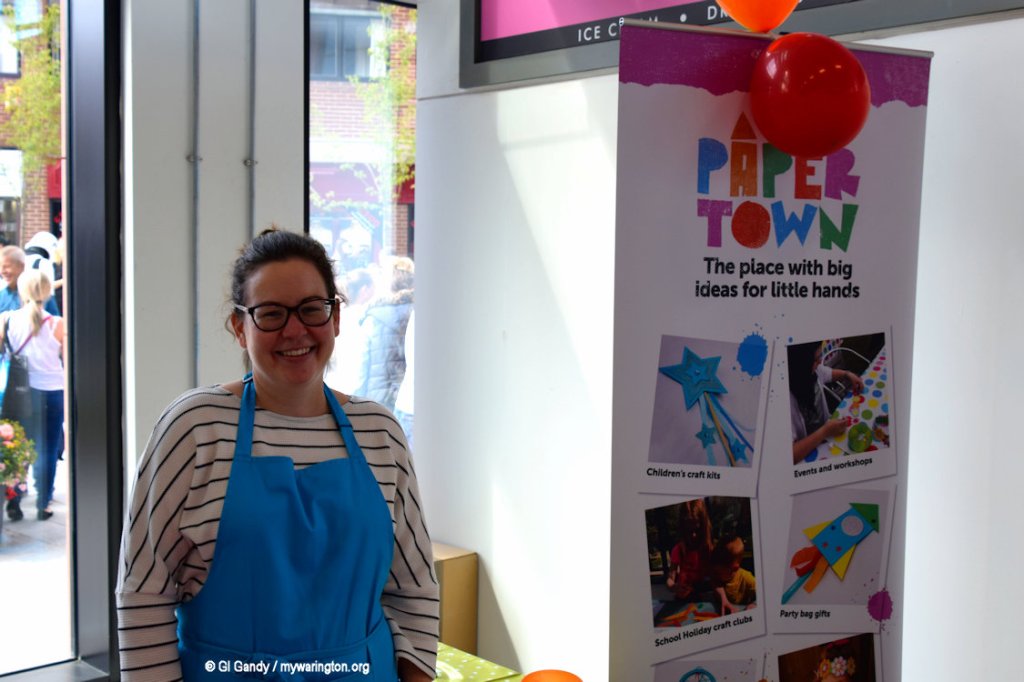
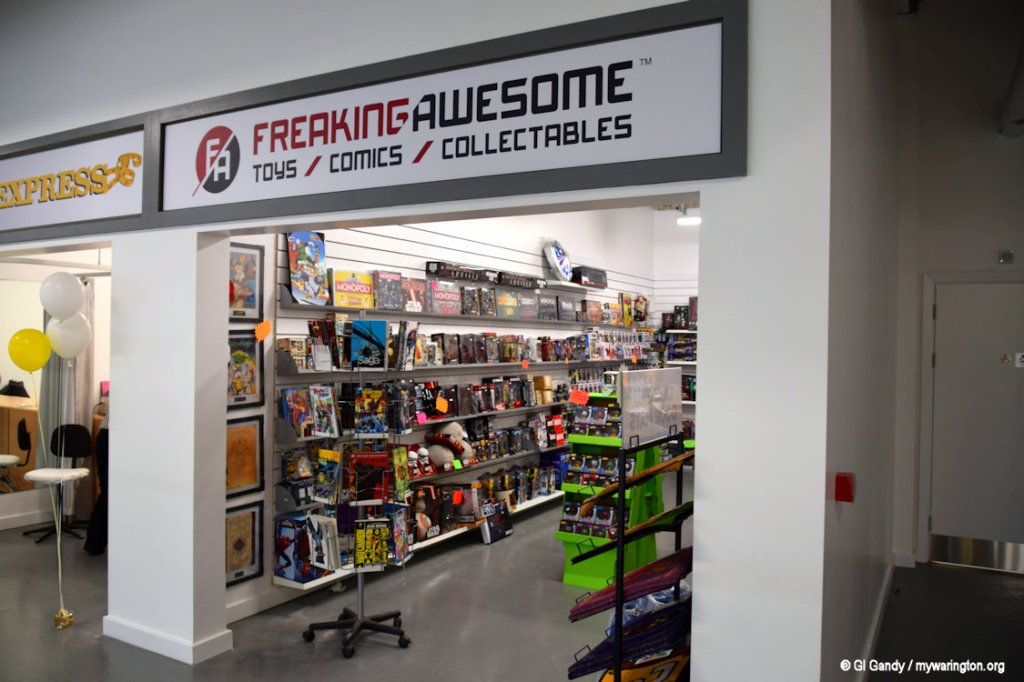
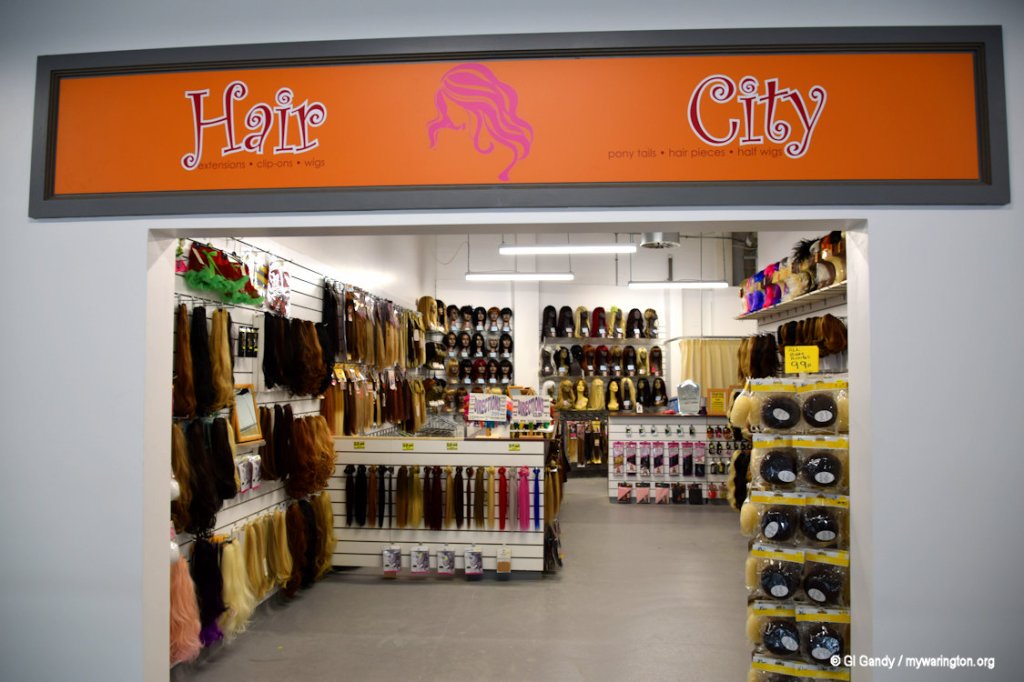
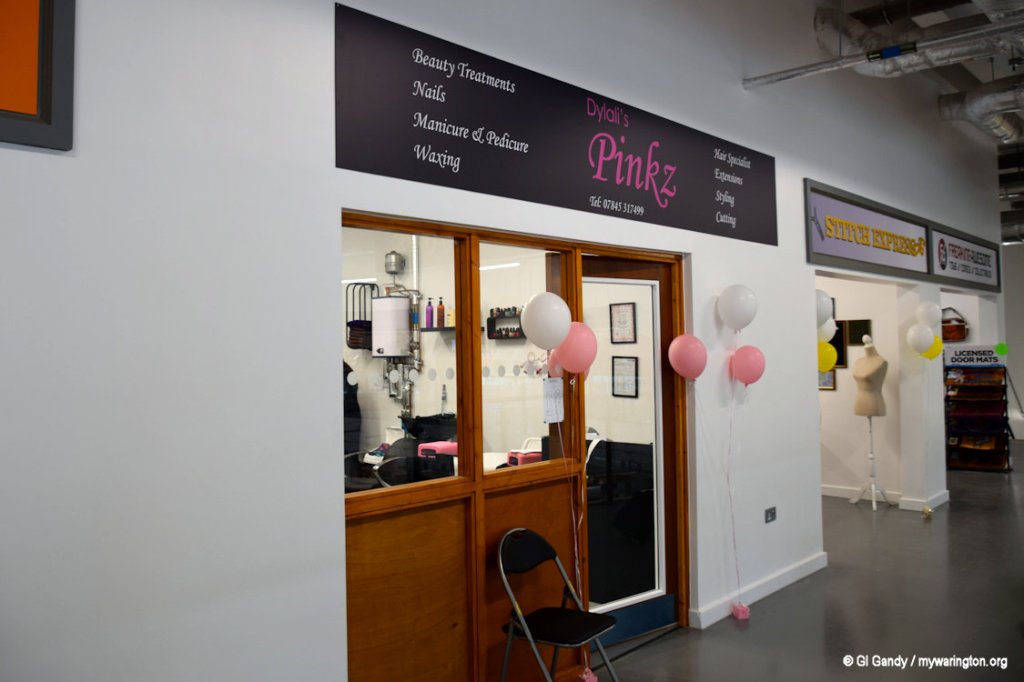
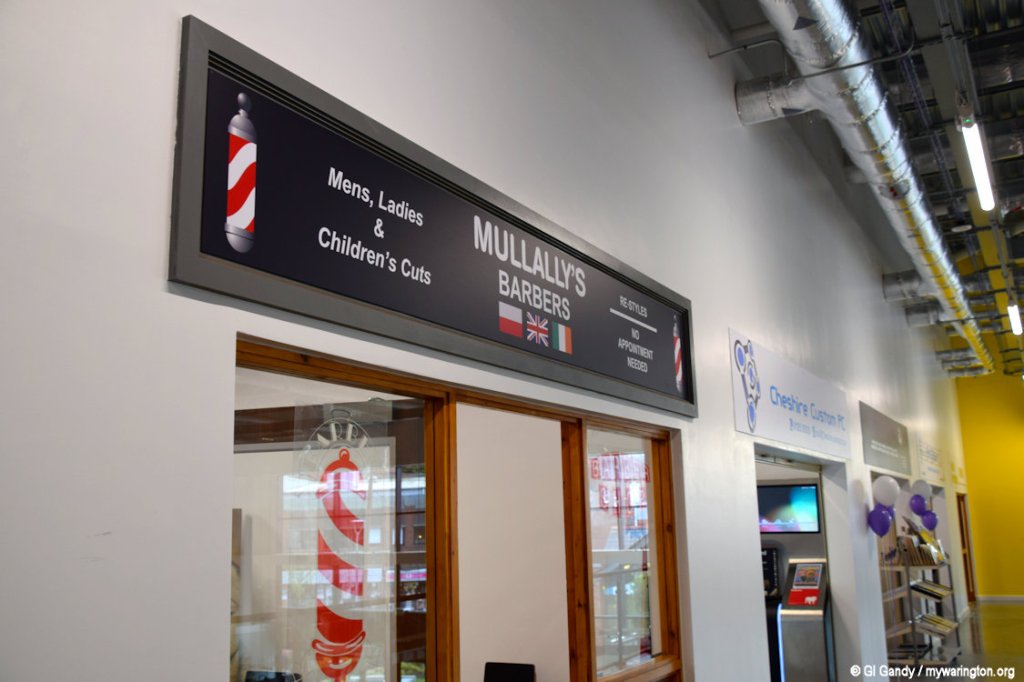
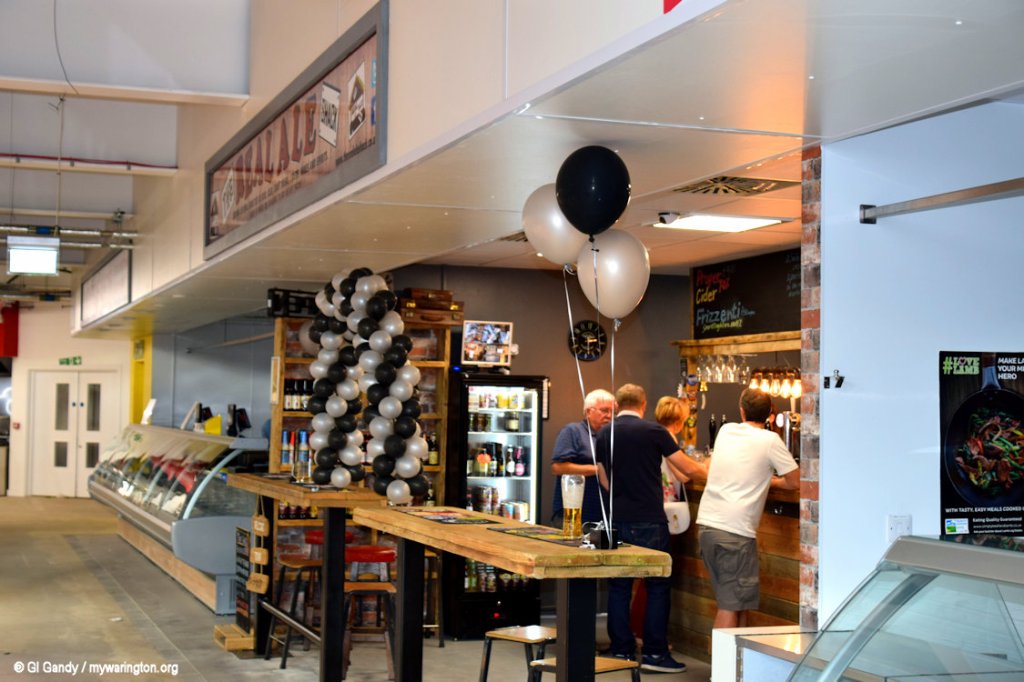
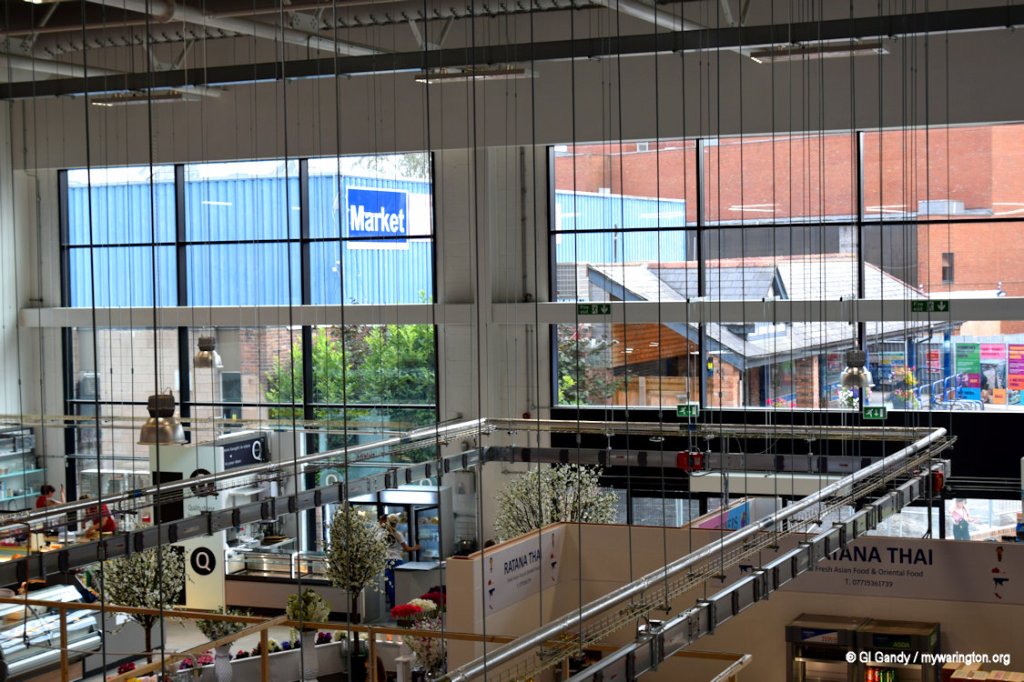
- 2017 Temporary Market Official Opening Day (2 Sep 2017)
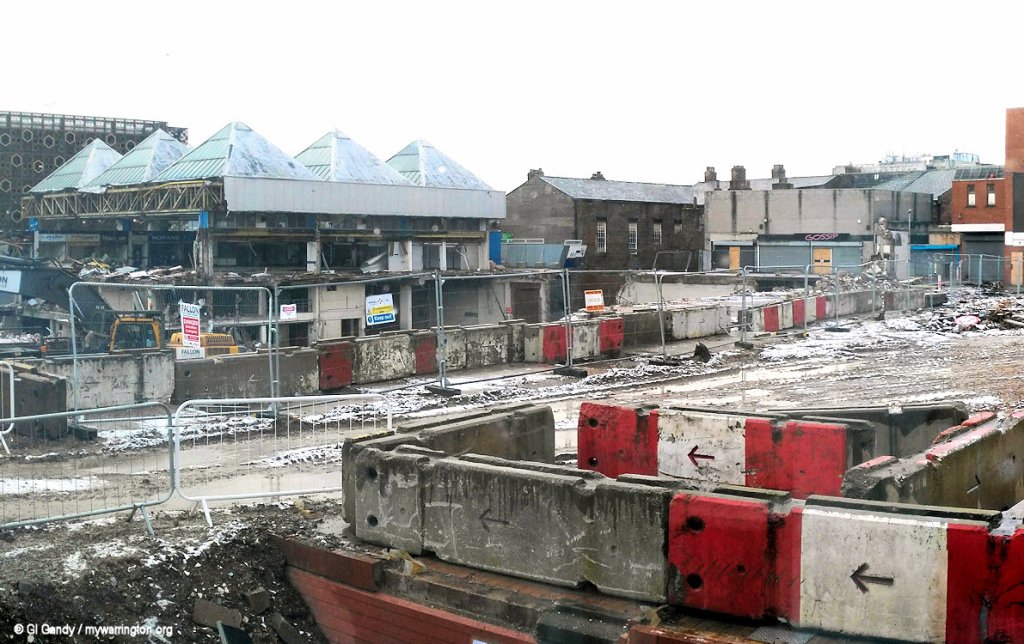
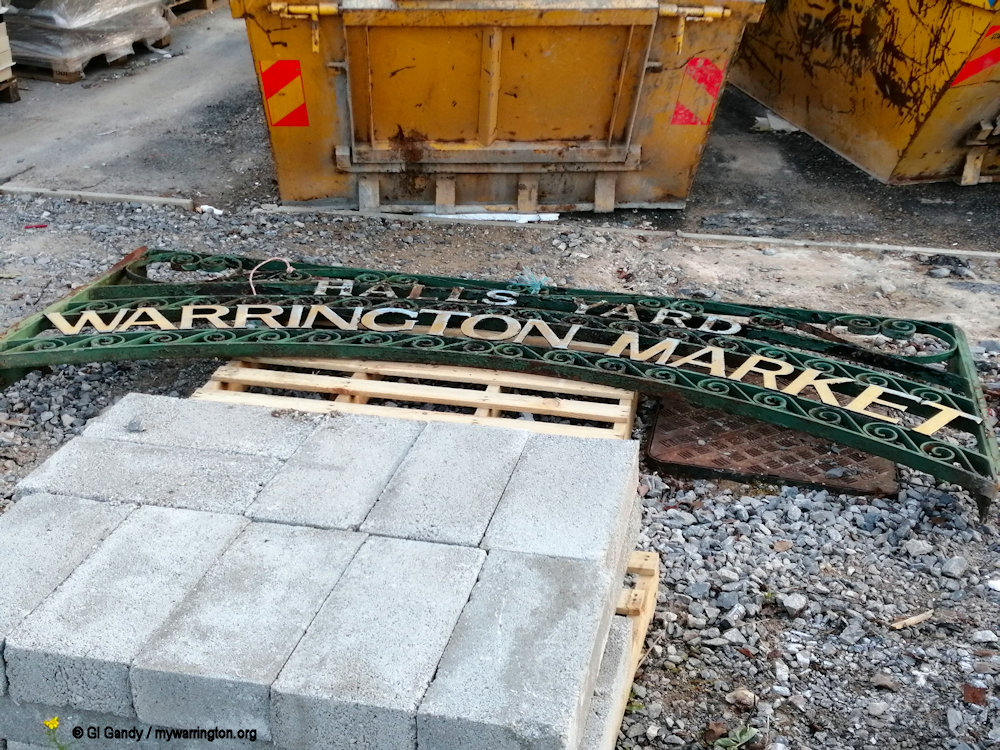
- 1974 Market Demolition
- 2020 Permanent Market
- Demolition of the Former Boots Building
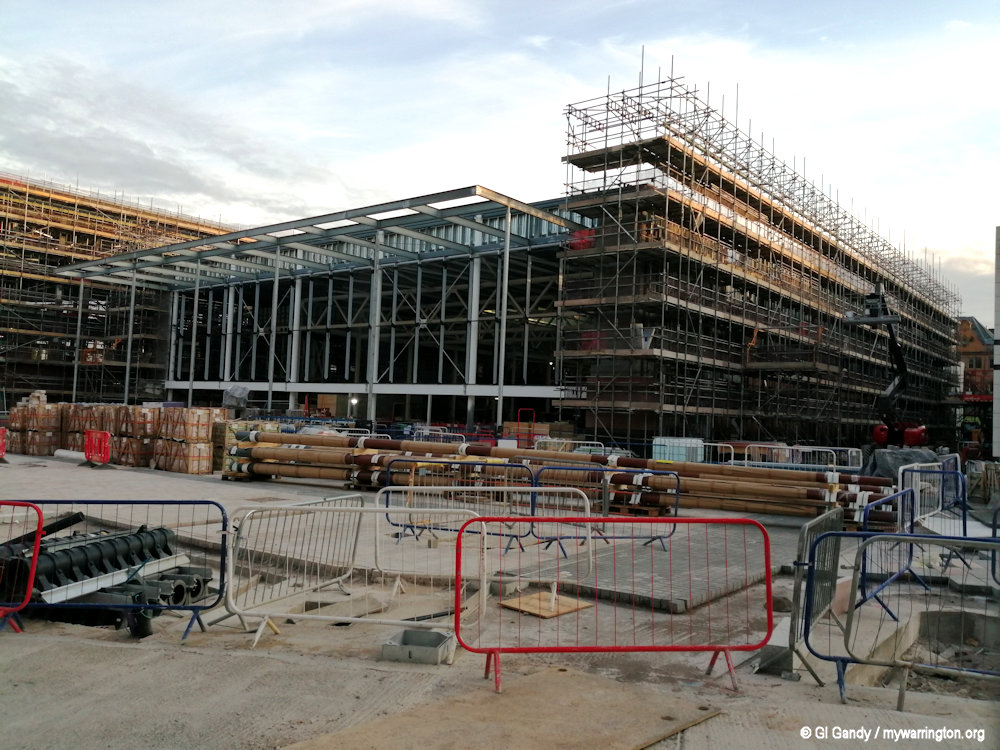
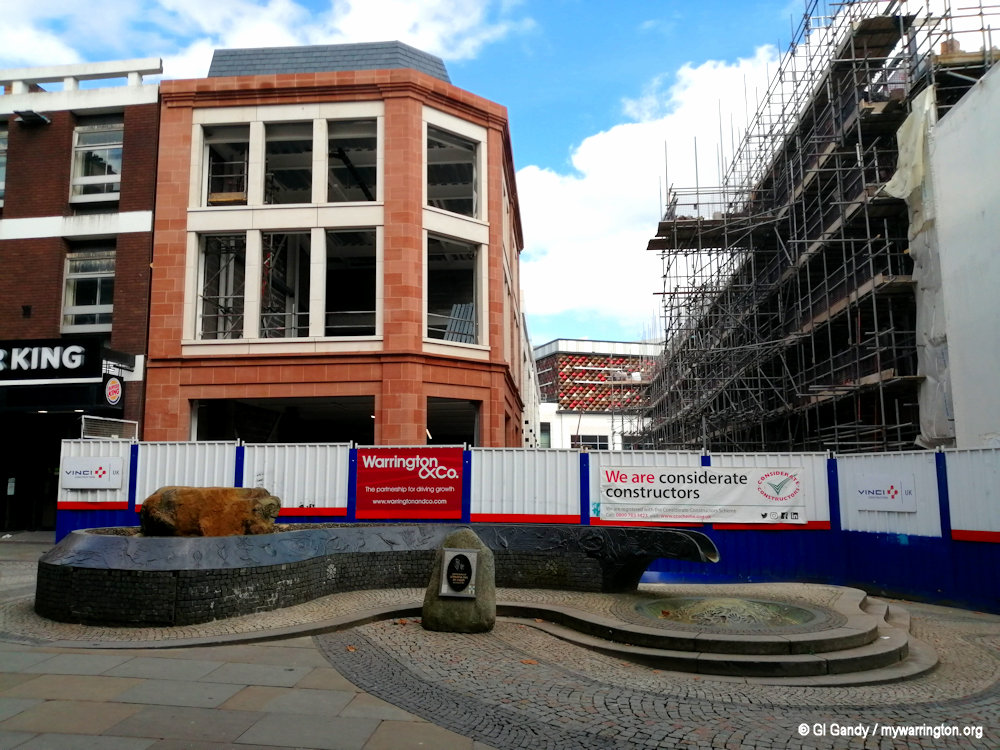
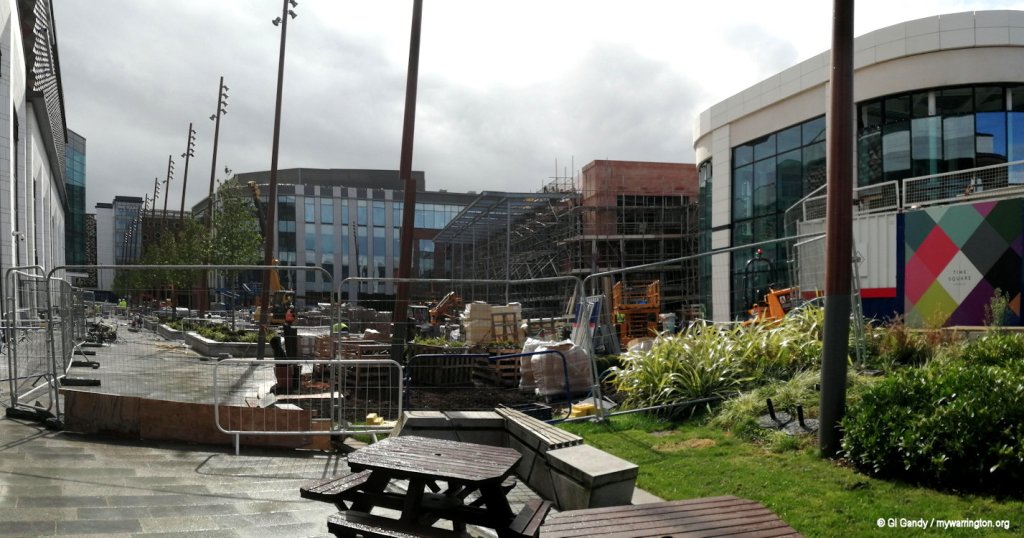
- 2020 Permanent Market Construction
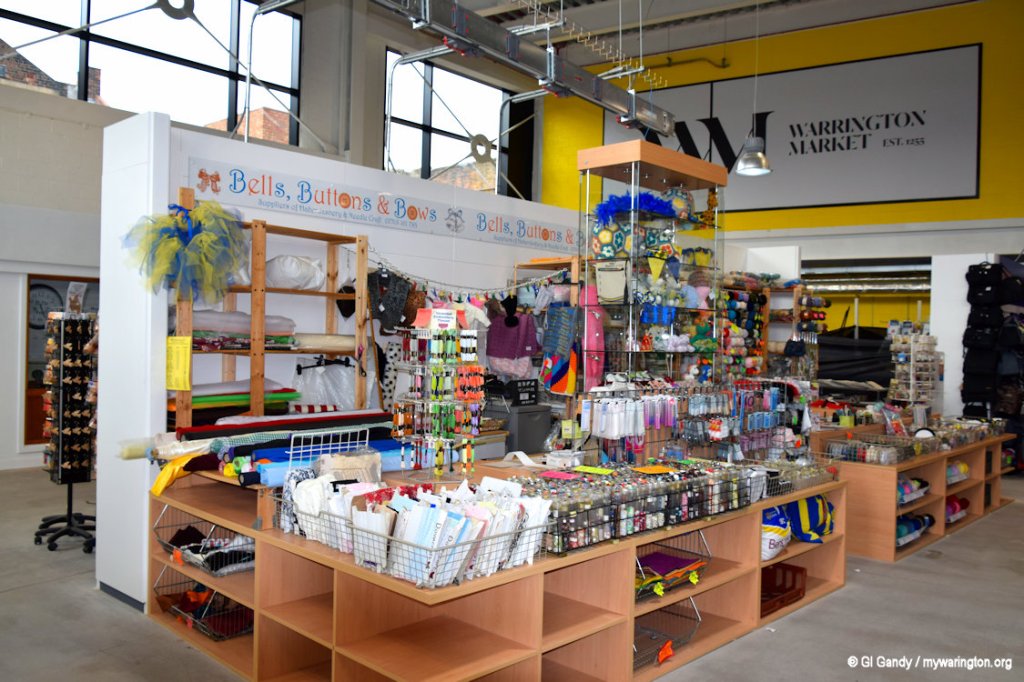
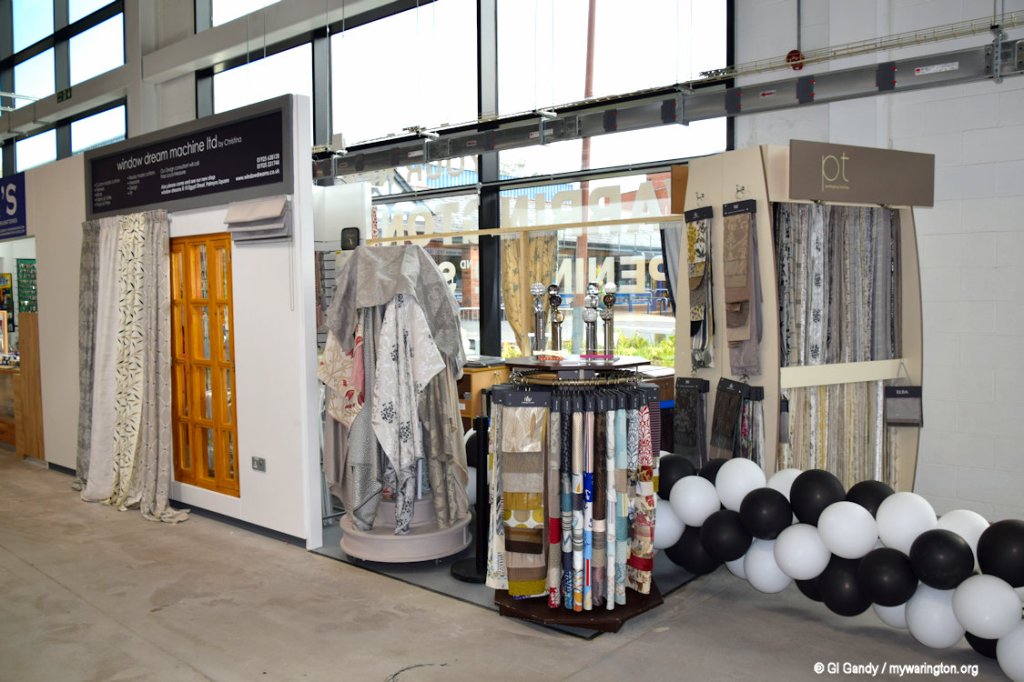
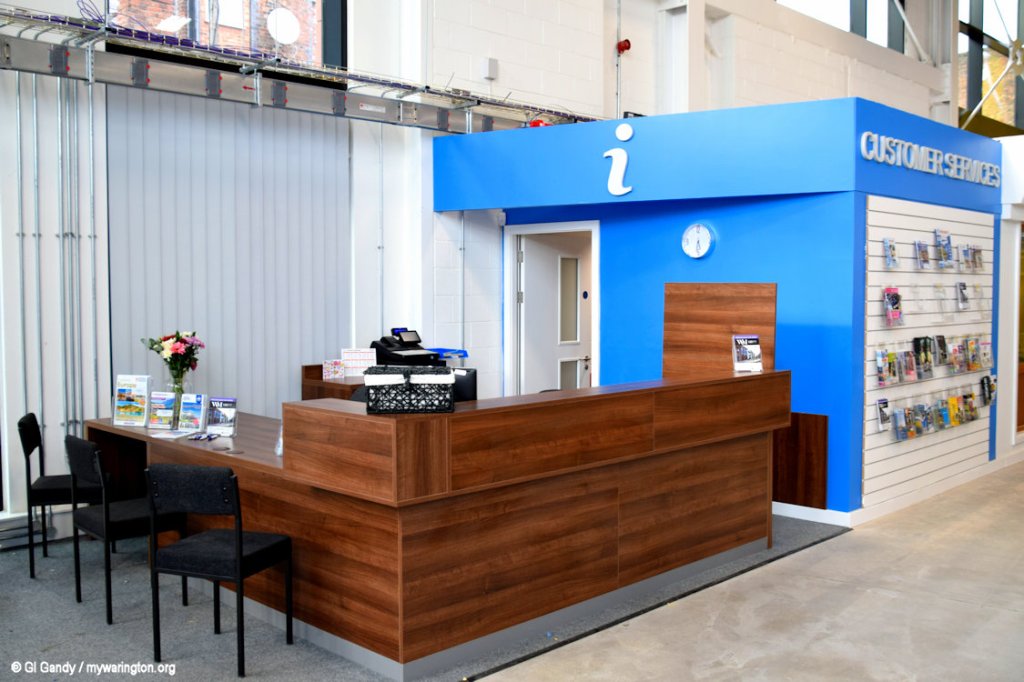
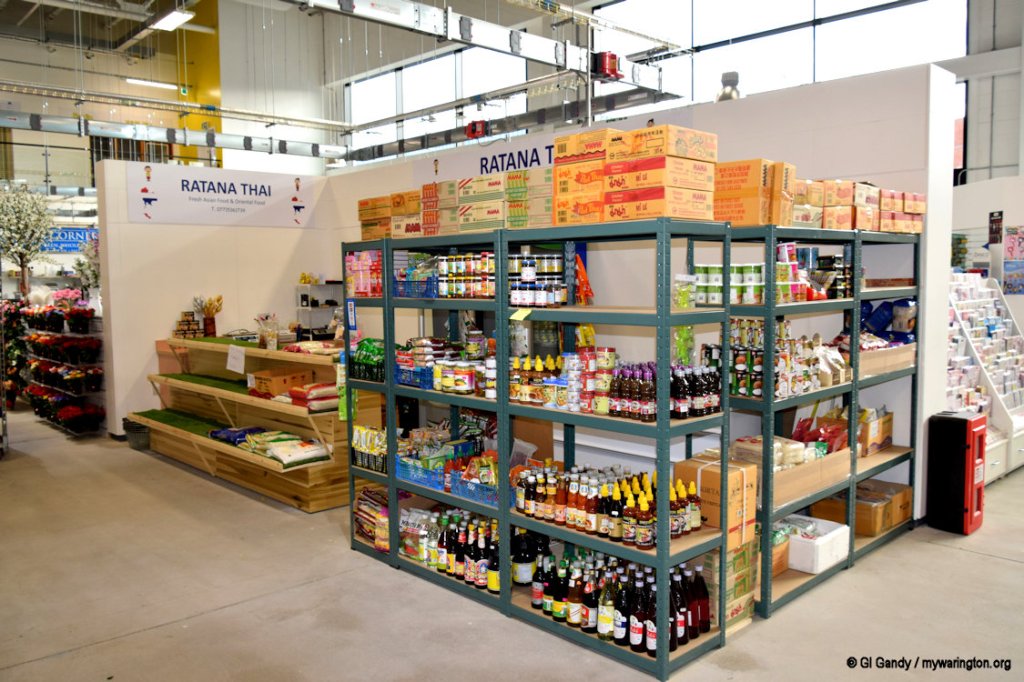
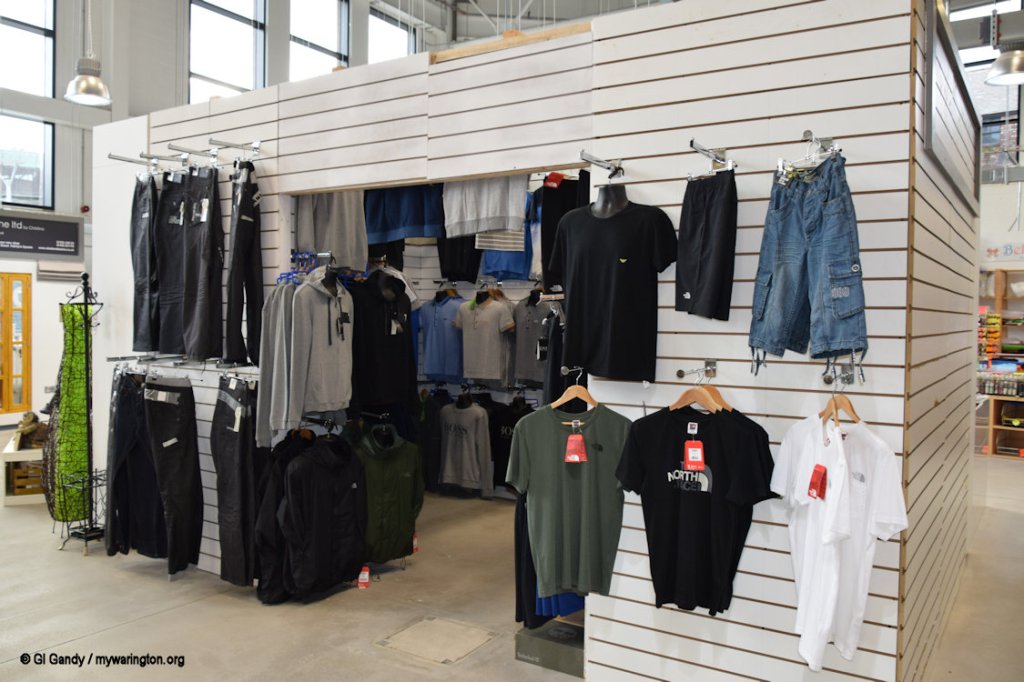
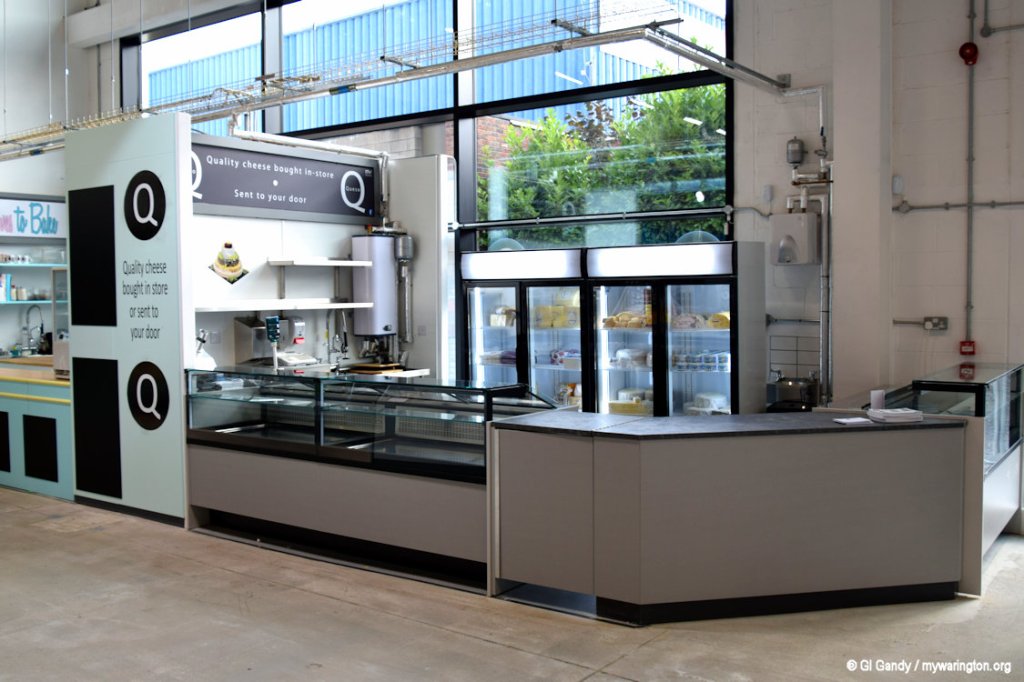
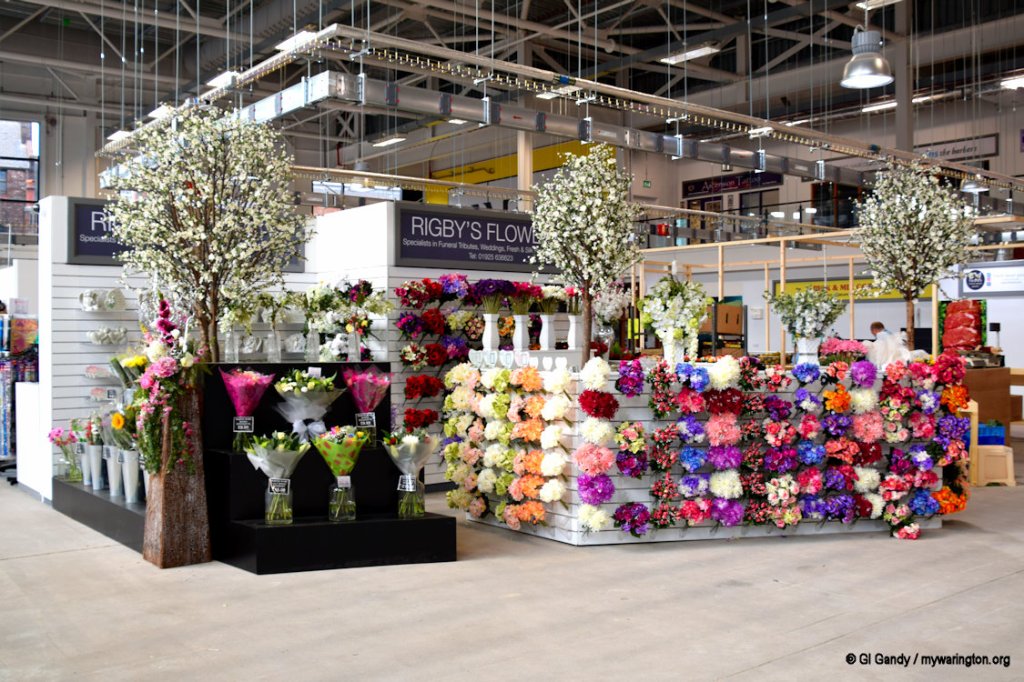
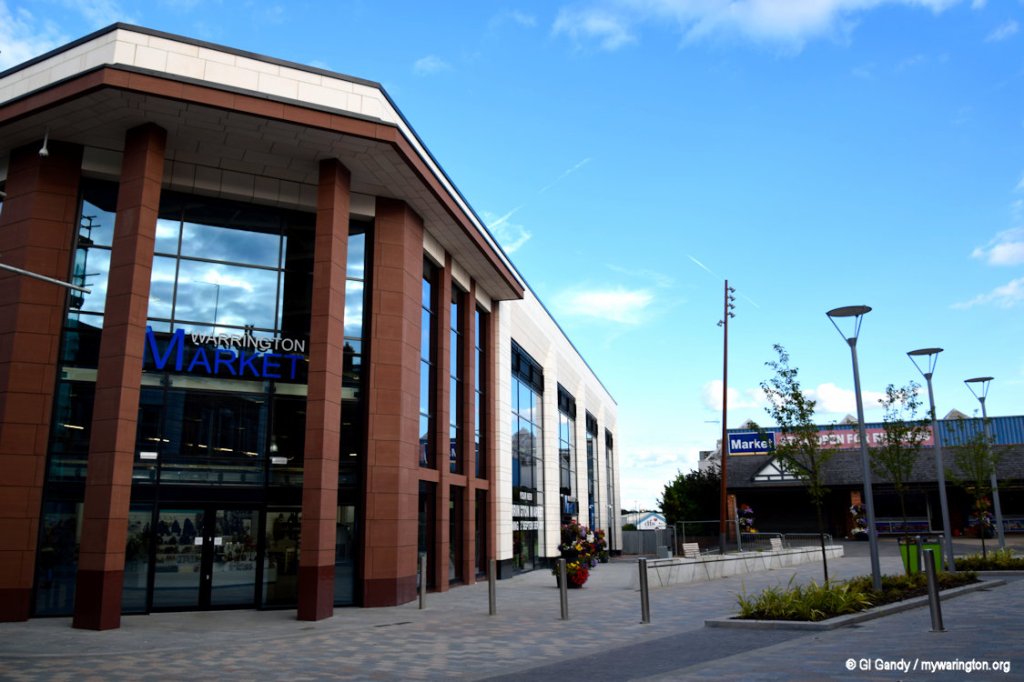
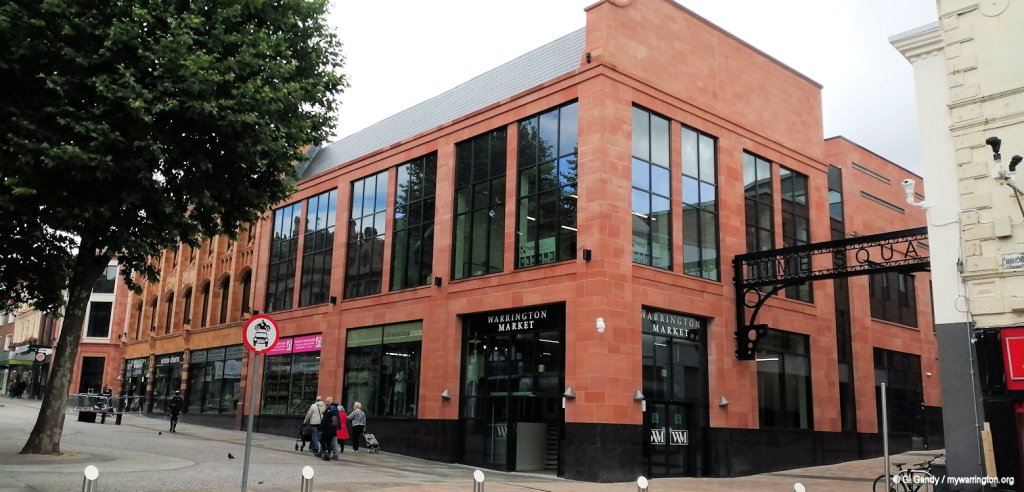
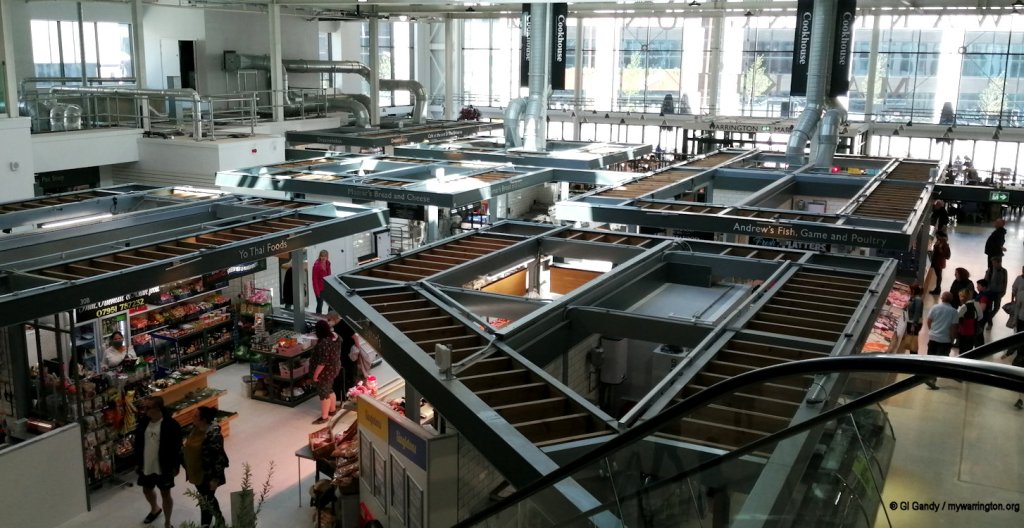
- 2020 Permanent Market Official Opening Day (6 July 2020)
- Radio Warrington
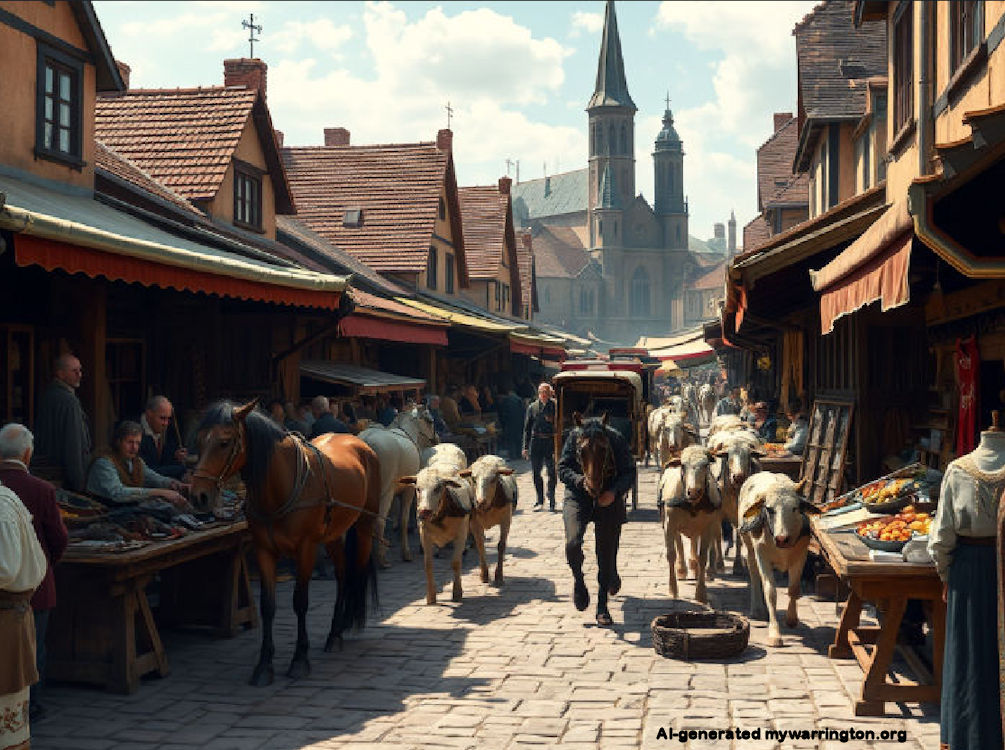
My AI-generated image of a typical Middle Ages market scene.
Introduction
On Friday 9 September 2005, I had the privilege of going on a guided tour of Warrington Market to celebrate the 750th Anniversary. It was part of the Heritage Open Days, which take place every year to give people a chance to see around buildings and properties or parts of buildings which don’t normally open to the public.
The idea for Heritage Open Days began in 1994. The tour of Warrington Market was conducted by Mark Olly, presenter of the Lost Treasures series on ITV. He was assisted on the guided market tour by Steve Pickering, Market Manager. I thank them both for assistance with some of the text for this webpage.

Mark Olly
and his books on Celtic Warrington

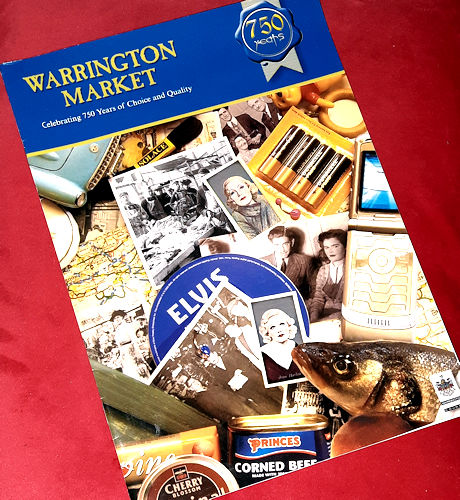
To mark the 750th anniversary, the market published a booklet showing some of the old market scenes. It features contributions from famous people who have worked at the market, including TV and radio presenter Chris Evans.
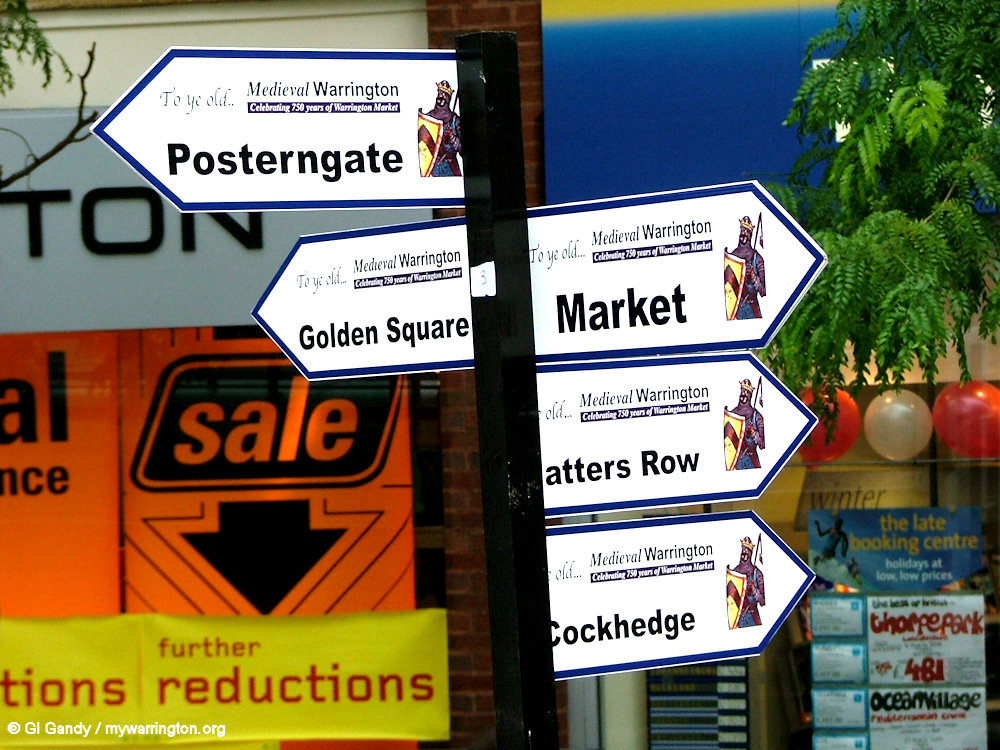

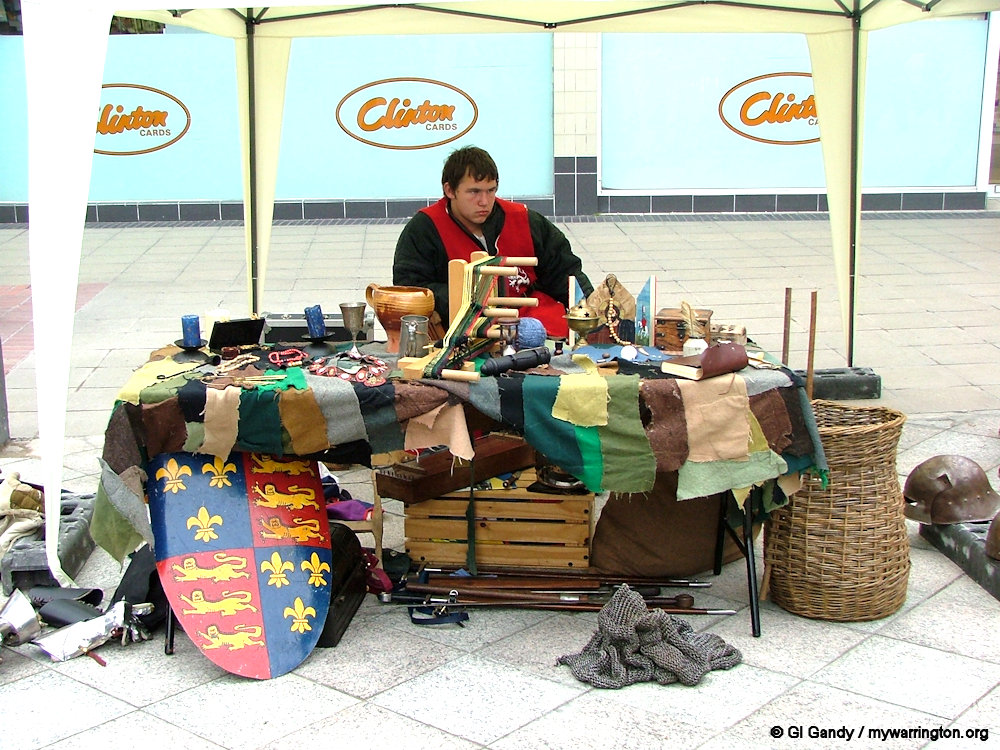


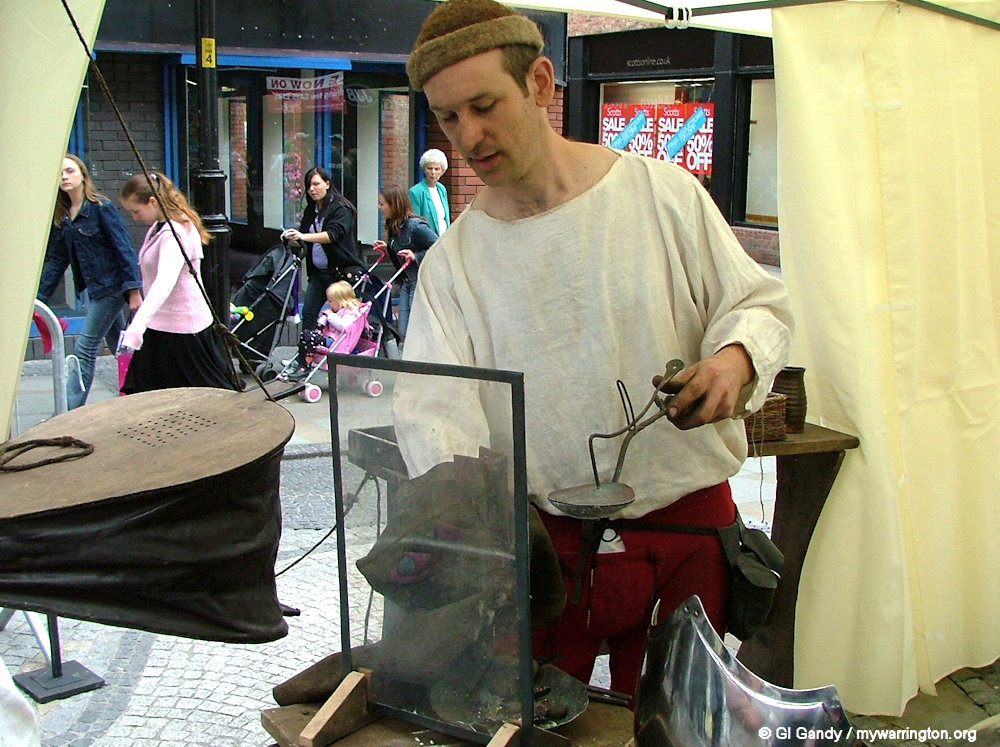
Photos from the 750 Anniversary Medieval Event on 22 July 2005.
More pictures of the event will be featured in the Warrington Market Events page, coming soon!
Back in Time
After the Romans left Britain, the Anglo-Saxons settled on the north bank of the River Mersey in the area we now called Howley and in particular, Church Street. The street was named after the parish church of St Elphin, which was first built out of wood in 634 AD and remodelled in stone in the 14th century, with a spire added during the 19th century.
Warrington also had a castle at Mote Hill alongside the church (where St Elphin’s Park is today). The lord of the manor and his family lived at the castle until it burned down and they moved out into the countryside to live in Bewsey Hall. Read a detailed account of the castle in Downtown (Howley).
When the original market started in 1255, the total population of Warrington was about 600.The total number of people working in Warrington market in 2005 was about 600!
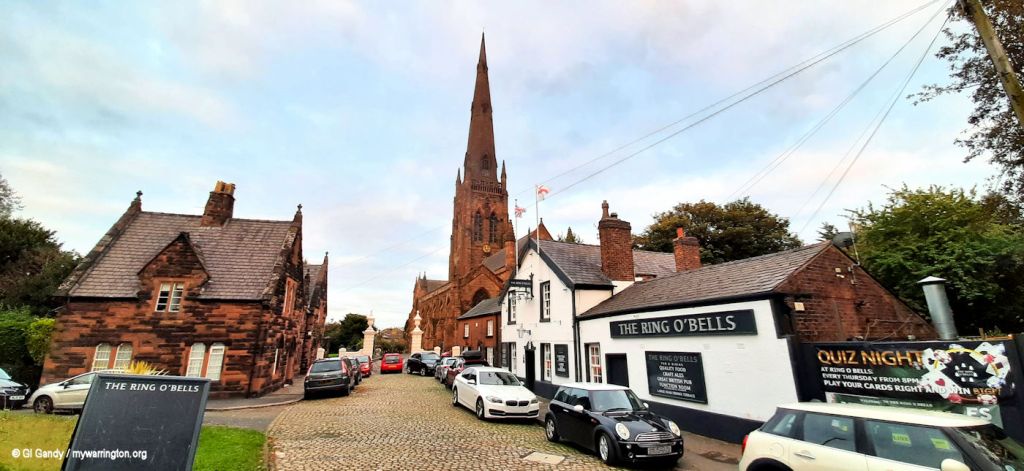
The parish church of St Elphin on 14 September 2021.
Market Charters
The earliest date for holding a fair in Warrington is 20 October 1255, when the 7th Baron of Warrington, Sir William Fitz Almeric le Boteler, was granted a Royal Charter by King Henry III.
The Market Charter gave permission to hold a three-day fair every year on the eve, day and morrow of St Thomas the Martyr. The Charter also granted permission for a market on Wednesdays. Charters were granted by the crown as rewards to barons and landowners for services rendered to the Sovereign. The town in those days was known as Wherington.

King Henry III (1207 – 1272). was the King of England from 1216 to 1272, ruling for 56 years, which was the longest medieval reign until George III. He came to the throne as a child after his father, King John, died following the signing of the Magna Carta, and his reign was marked by conflicts with barons, most famously Simon de Montfort. Henry also oversaw significant changes, including the rebuilding of Westminster Abbey and the development of Parliament. He died in 1272 at Westminster and was buried in Westminster Abbey. Wikipedia.
On 5 November 1277, William asks King Edward for permission to hold a Friday market and an 8-day fair on the eve, day and morrow of St Andrew the Apostle (30 November).
A third Charter of 1285 gives permission for a weekly market on Wednesdays and to extend the July fair by five days.
On 3 March 1367, an application was made to Edward of Woodstock (1330 – 1376), also known as the Black Prince, to hold two fairs in every year in the village of Latchford, on the eve and day of St John Before the Latin Gate (possibly on 5 and 6 May). What it shows is that there was never really just one market in the town – we had the horse market, butter market, cattle market, a market on Church Street, etc. Horsemarket Street and Buttermarket Street are named after the markets held on their respective streets.

Edward I (1239 – 1307), also known as Edward Longshanks and the Hammer of the Scots (Latin: Malleus Scotorum), was King of England from 1272 to 1307.
Edward I was Lord of Ireland, and from 1254 to 1306 ruled Gascony as Duke of Aquitaine in his capacity as a vassal of the French king. Before his accession to the throne, he was commonly referred to as the Lord Edward.
A survey of 31 May, 1592, in Queen Elizabeth I’s reign, reveals they had one weekly market and two yearly fairs which couldn’t begin until the market bell was rung.
These early markets and fairs were held on the streets of the town and traders would sell their goods from a horse and cart or a table erected on the day.
As the years passed, and the population increased in the town, so the need for further housing was required. People began to move west into the area around the four modern streets of Bridge Street (known as Newgate Street originally), Sankey Street, Horsemarket Street and Buttermarket Street).
A chapel of ease known as Trinity Chapel was built on Sankey Street in 1708 to relieve pressure on the parish church of St Elphin’s. By the 1750s the chapel was too small for its congregation and in 1758 subscriptions were raised to build a new church, which was consecrated in 1760. This is the Holy Trinity church of today at Market Gate. Warrington’s market area attracted visitors from far and wide.

Elizabeth I (1533 – 1603) was the Queen of England and Ireland from 17 November 1558 until her death on 24 March 1603. She was the last and longest reigning monarch of the House of Tudor. Her eventful reign, and its effect on history and culture, gave name to the Elizabethan era. (Wikipedia)
The First Market Buildings
As the population moved west, so did the market traders. Market days were still held on the streets in the new centre of town. The names of the streets mentioned in the previous section were given their names according to the type of markets held on them. There was also a pig market on Pig Hill, which is now known as Town Hill.
Until this point the ancient Market Charters given in 1255 were still in the ownership of the lord of the manor, John Henry Ireland Blackburne. The Warrington Corporation was formed in 1834, three years before Queen Victoria came to the throne, and the desire for progress in the town, and indeed nationwide, led the council to purchase the market charters from Blackburne.
Also in planning at this time was a new Act of Parliament for the town, which was published as the Warrington Improvement and Market Act 1854. The Act set forth various improvements in the town, including provision for sewers, public toilets, lighting, fire and police services, a jail, building regulations and street improvement works, as well as better support for the markets and fairs. By now, the area in front of the Barley Mow pub became the main place for the town’s market days, and it became known as Market Place.

The scene around the Barley Mow and Market Place prior to the construction of the purpose-built markets. Many thanks to Warrington Library and Museum for permission to use the photograph.
The Corporation then built an indoor market around the market square where Golden Square shopping centre stands today.
There were three main sections: the Meat Market, the Fish Market and the General Market. The Meat Market was built in 1856 and housed in a brick and stone building off Cheapside and Market Place.
The iron-framed Fish Market was added in 1873, and the General Market was built on land behind the Barley Mow public house.
To get from the Meat Market and Fish Market to the General Market shoppers walked through a small tunnel at the side of the entrance to the pub. The tunnel is still there to this day, but now it leads to the Golden Square management office.
In the late 1960s new strict regulations on health and hygiene were introduced nationwide, and it was felt that, as it could not meet the new standards, Warrington Market would need to be rebuilt.

A map of Warrington town centre showing the location of the three market buildings in my highlighted areas.
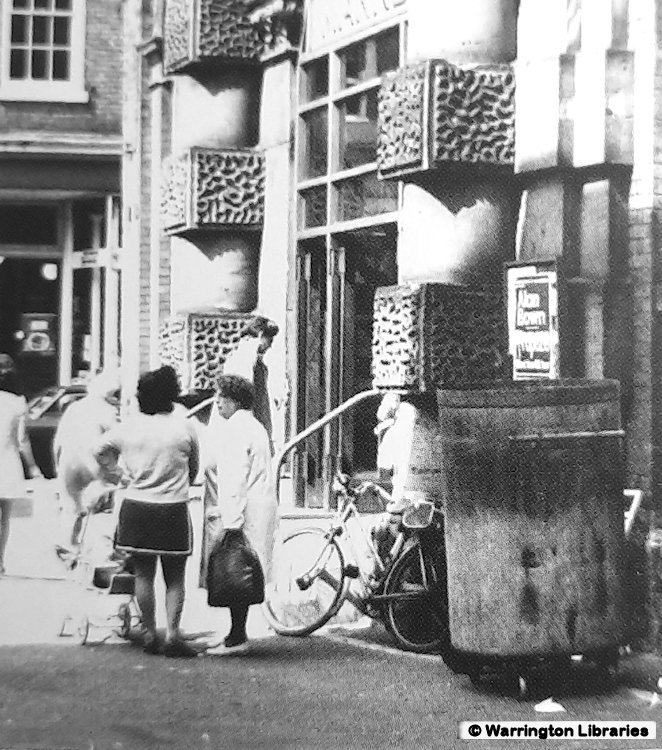
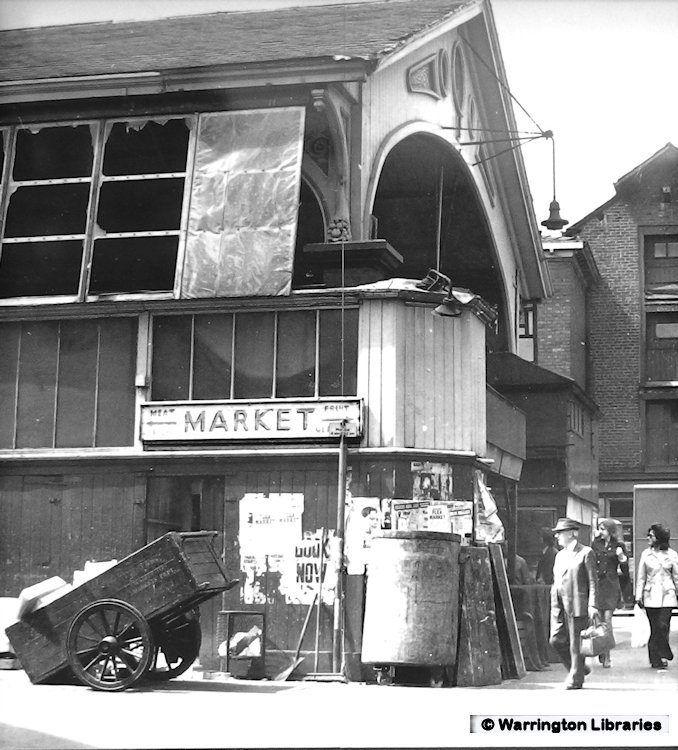


Images of the 1873 markets. Many thanks to Warrington library and museum for permission to use the black and white photographs.
The 1974 Market
There was no space to build a new market building in the same area without disrupting existing businesses, so it was decided to completely rebuild the market on spare land in Bank Street, which previously housed a car park.
This decision angered many stallholders as it took them further away from the town centre shopping area. I imagine they feel it worse today because at least in those days buses still travelled along Horsemarket Street and Buttermarket Street – now it is all pedestrianised.
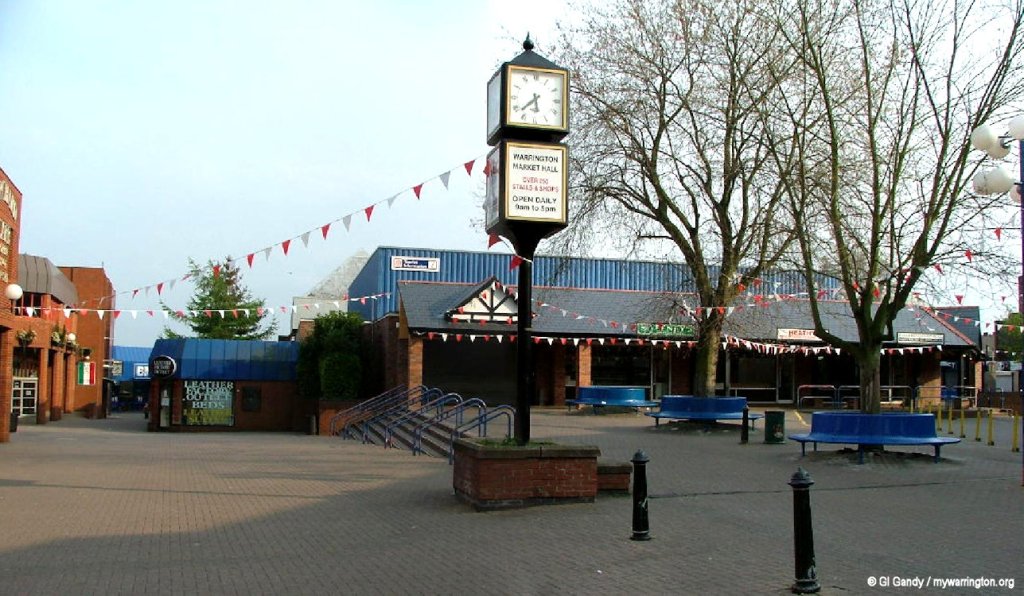
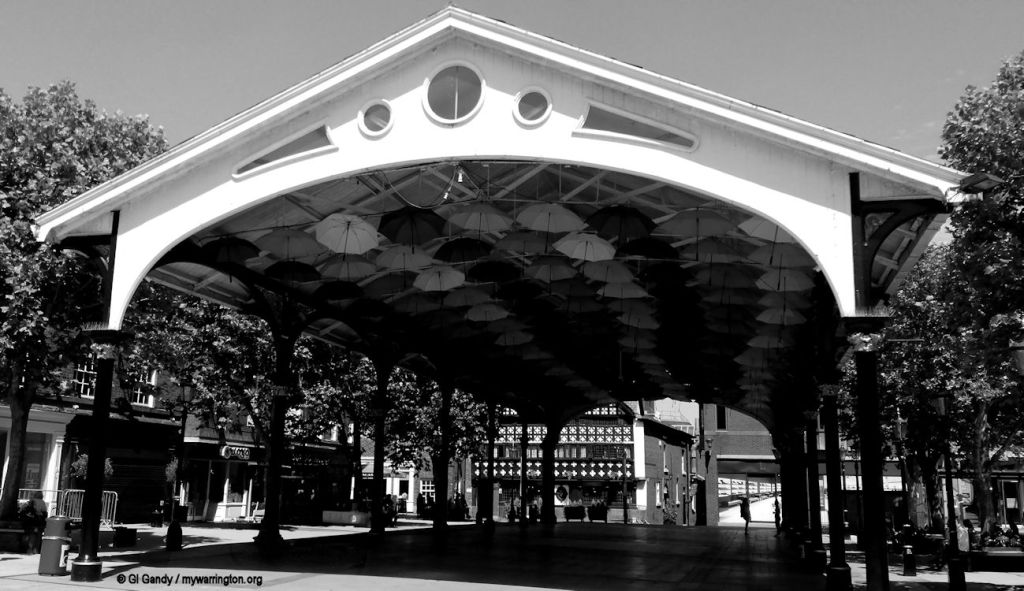
They did, however, retain something from the 1850s market – the outside framework of the Fish Market was preserved and refurbished to form a central open area in the new Golden Square shopping centre, work on which began in 1973.
The Old Fish Market, as it is now known, has hosted many entertainment activities from TV and radio personalities, as well as open air concerts and charity events.
One final snippet from the Old Fish Market – in winter it was so cold the fish used to freeze to the counters!
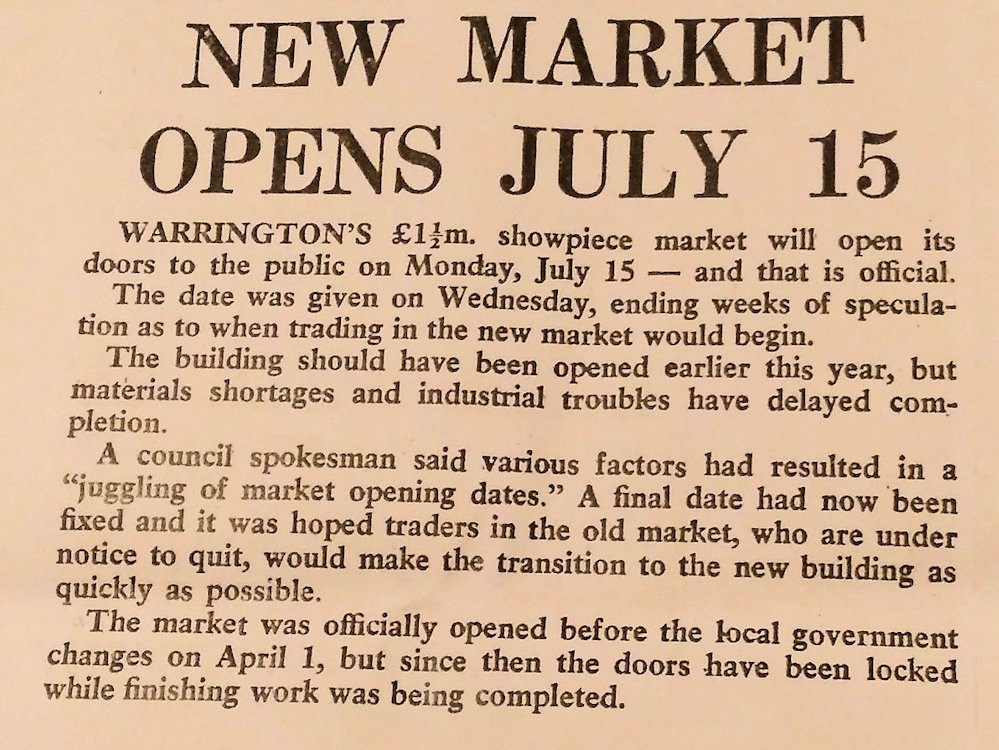
Warrington Guardian and the 1974 Opening
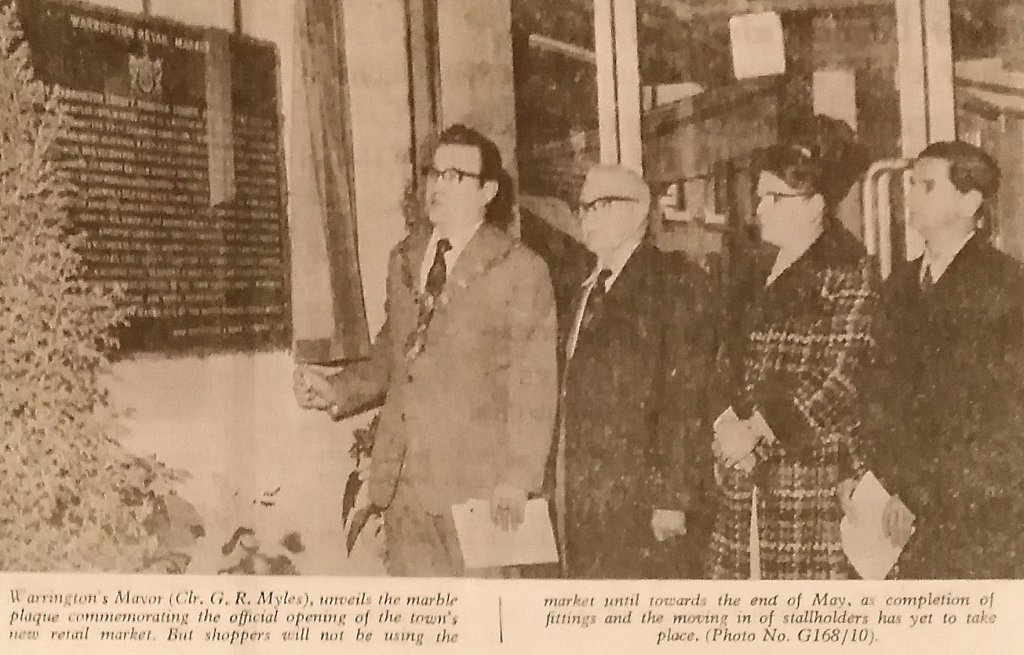
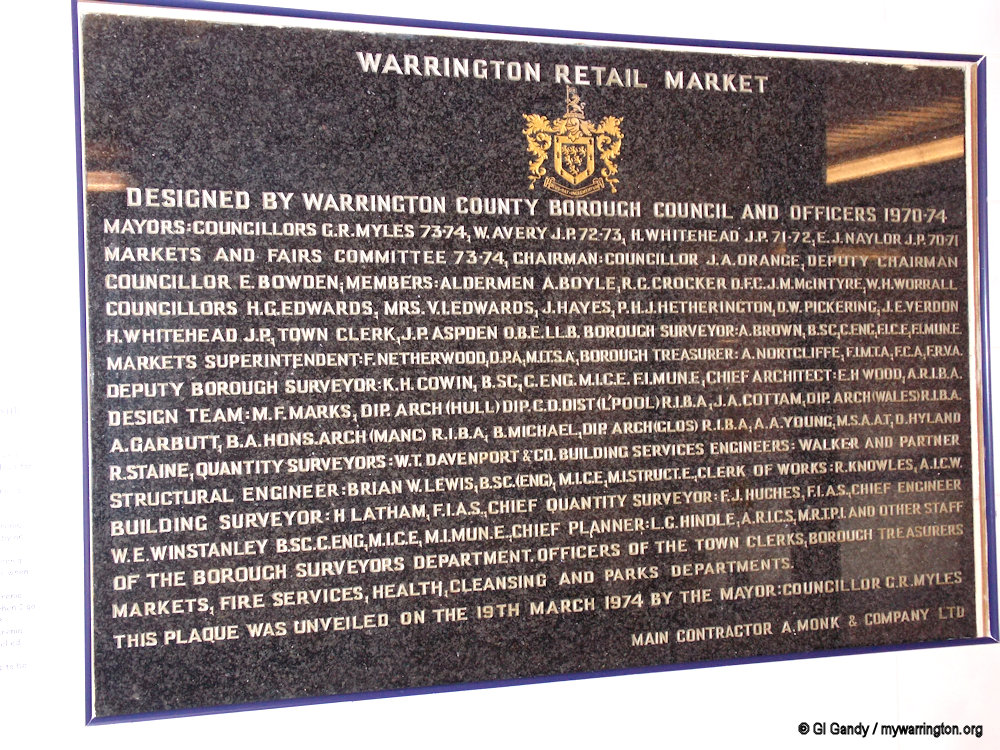
Thanks to the Warrington Guardian for permission to use their story and photos from the 1974 opening.
£1½m Landmark Comes Alive
A new chapter in the 700-year history of Warrington Market began on Monday 15 July, and a new landmark came alive when traders opened up in the town’s new £1½ million retail market between Bank Street and the rear of Bridge Street.
Visitors approaching the town are intrigued by the first view of the new market – a miniature Himalayan range dominating the town centre skyline. This range of peaks is the new anti-solar glare and solar gain protection for the market, letting in natural light from the north glazed surfaces and keeping out glare and heat.
Markets are fascinating not only because they represent trade at its most basic, but because each one has a colourful tradition all of its own which makes a visit a unique experience, and Warrington is no exception.
There has been a market in the town since the 13th century, when Henry III granted the first Charter to the Lord of the Manor who administered the market and collected the tolls.
In 1854 the Corporation bought the rights from John Ireland Blackburne and in 1856 the now sadly empty market hall was opened. There were more extensions to the covered market in 1880.
The market stalls were occupied by 148 tenants, and the market has enjoyed a reputation for the range and quality of goods on sale, and the friendly personal service of the traders.
The site of the old market is referred to in the historical document as the “Forum de Wervington.”
Part of the familiar group of Victorian buildings which have hosted the market since 1856 will be preserved as a conservation area to be included in a £12,000,000 “Golden Square” development scheme – a plan which will bring traffic-free shopping precincts with integrated public transport and car parking facilities to the centre of Warrington.
The new market should stimulate and service existing businesses and newer developments in its surroundings and so form an essential commercial counterbalanced to the attractions of “Golden Square.”
In the 15th century when the population of Warrington was about 1,300 the commodities sold in the market included Worsted webs, woollen cloths, linins, silk velvet, and commodities from as far away as Persia. In 1673 after the Civil Wars the Warrington market was noted for linin cloth, corn, cattle, provisions and fish particular lampreys.
More than 100 years later the same goods were noted at the market with the addition of potatoes, and it is probable that the fish market then sold “the best and largest cockles in all England” caught in the River Mersey!
In extensions to the market hall between 1879 and 1884 the fish market and the covered market in Market Street were added. By 1889 there were several privately owned markets in the town for corn, horses, cattle and pigs, and the names of the local streets record this, Horsemarket Street, Buttermarket Street and Pig Hill (now Town Hill), for example. WG


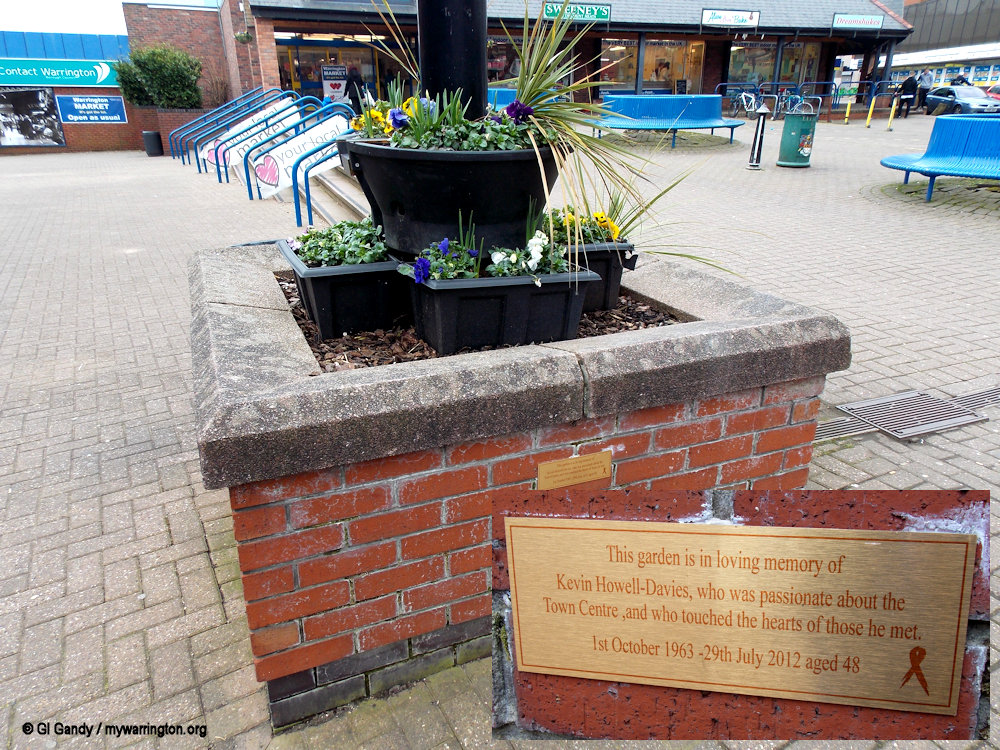
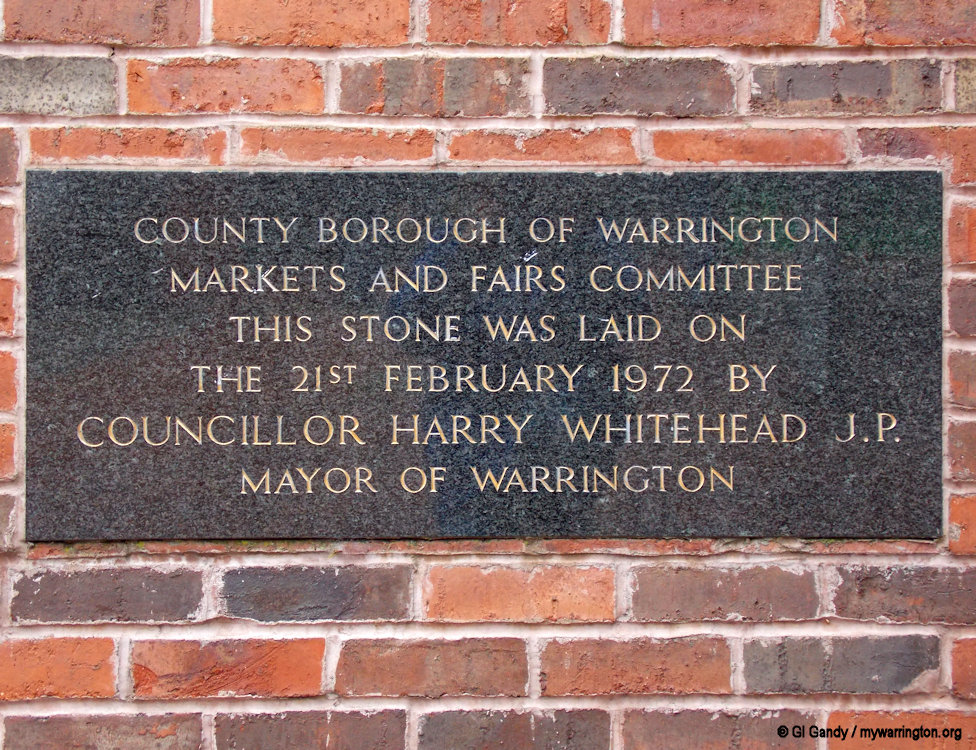
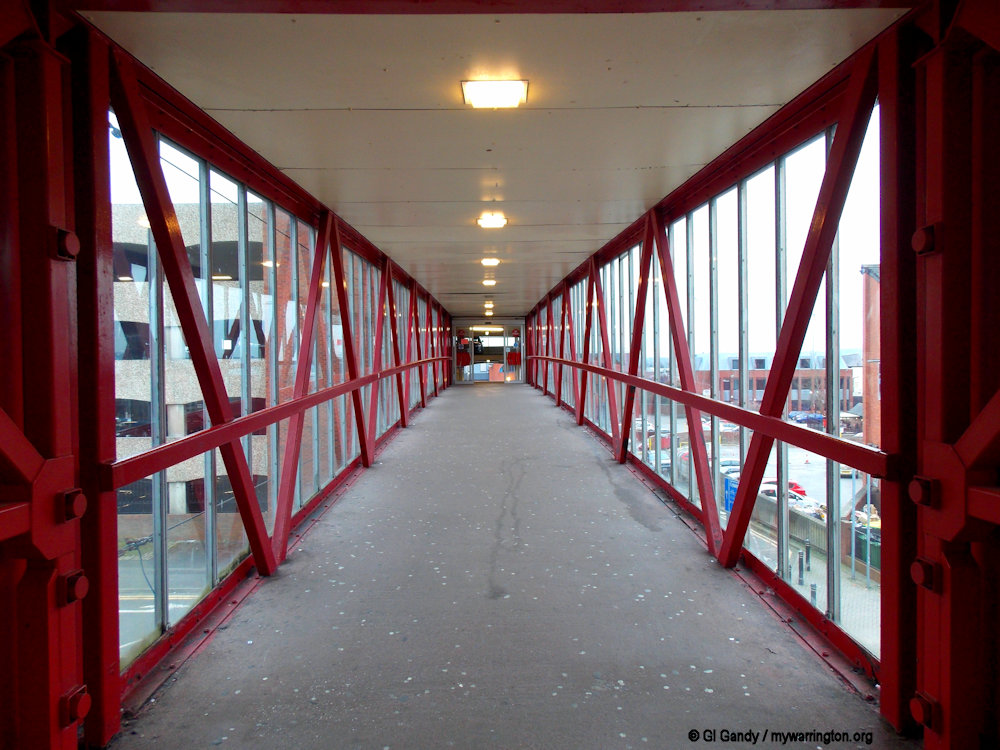
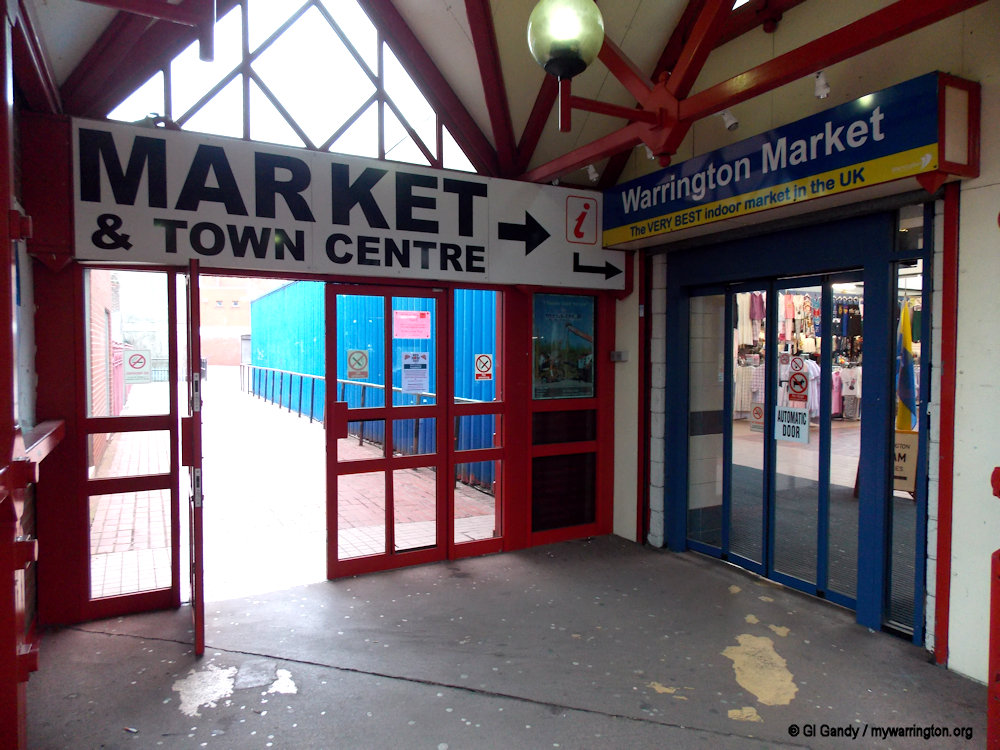
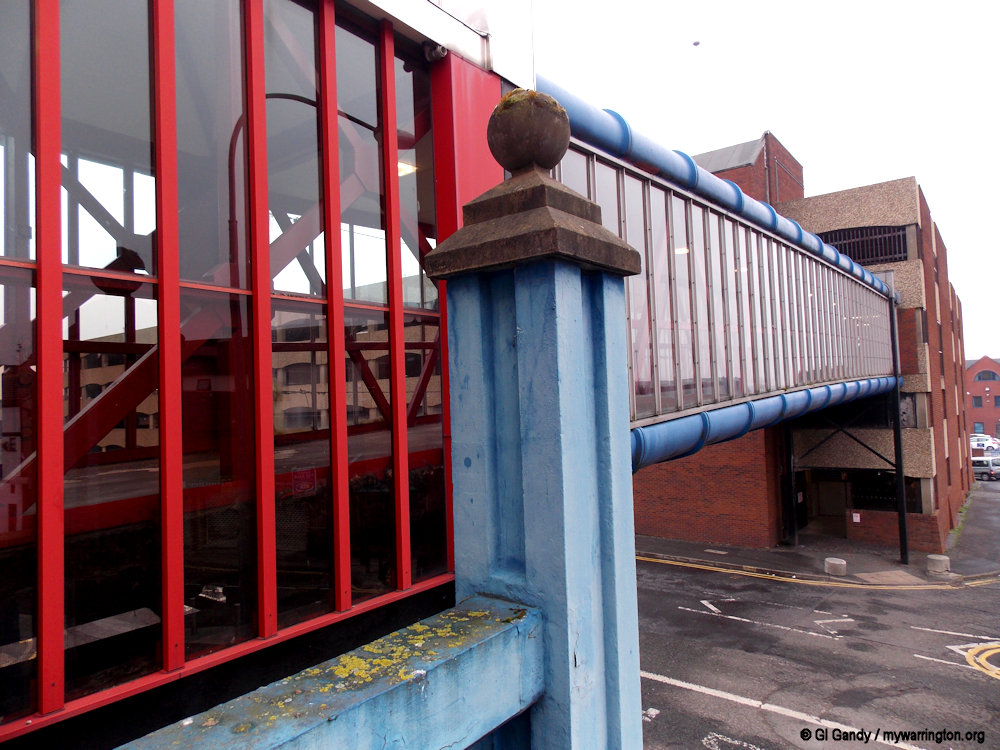
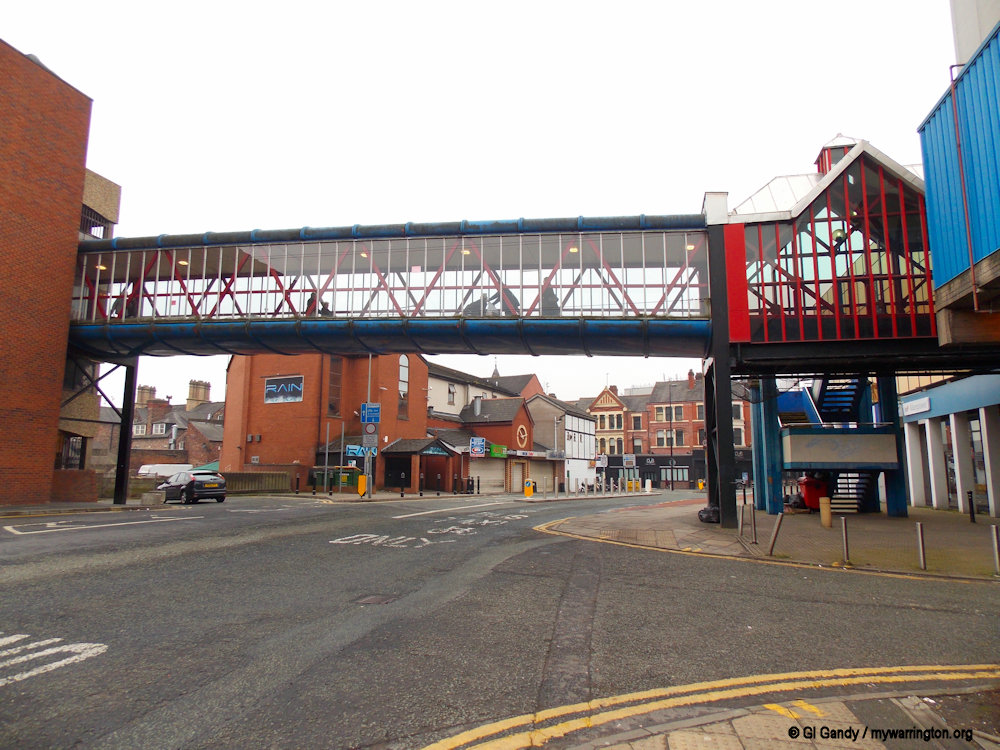
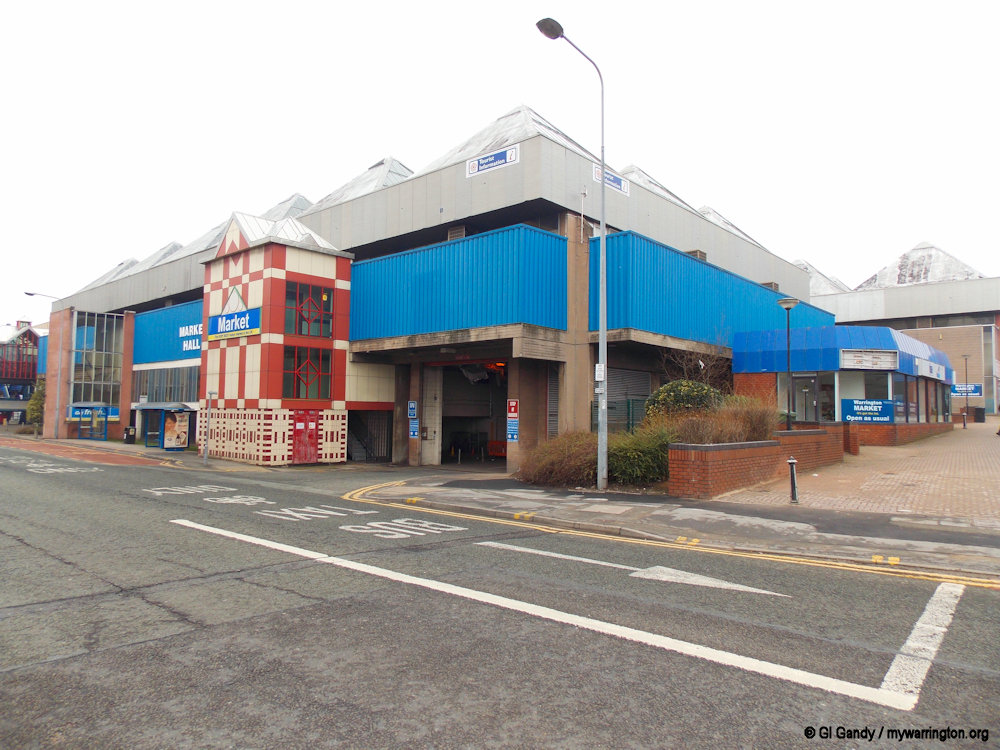
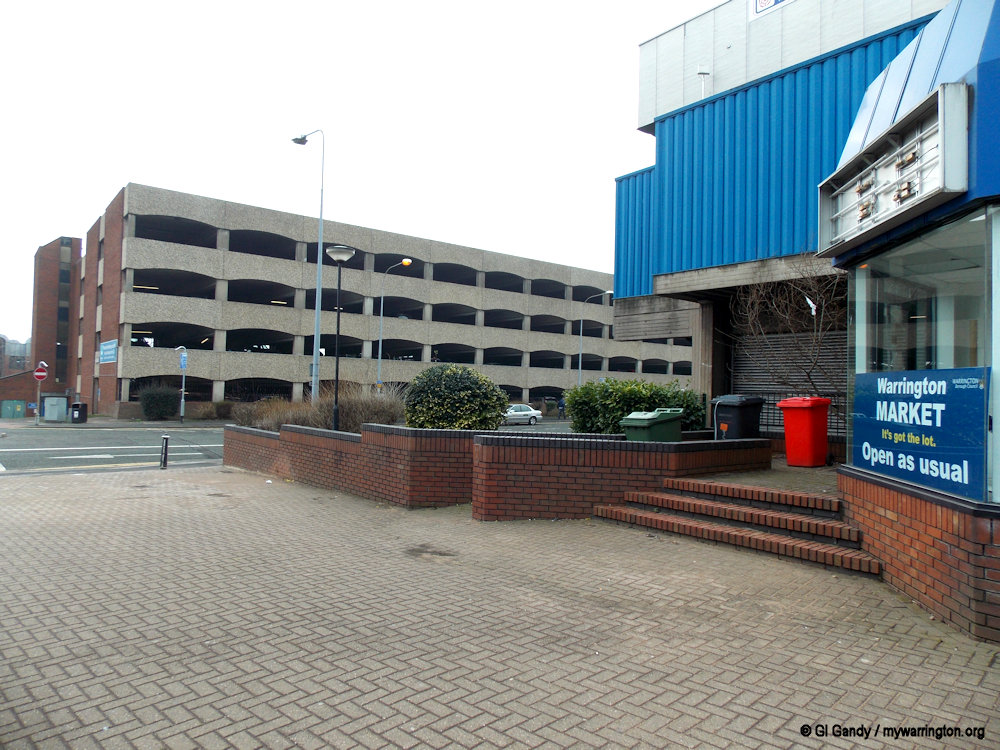
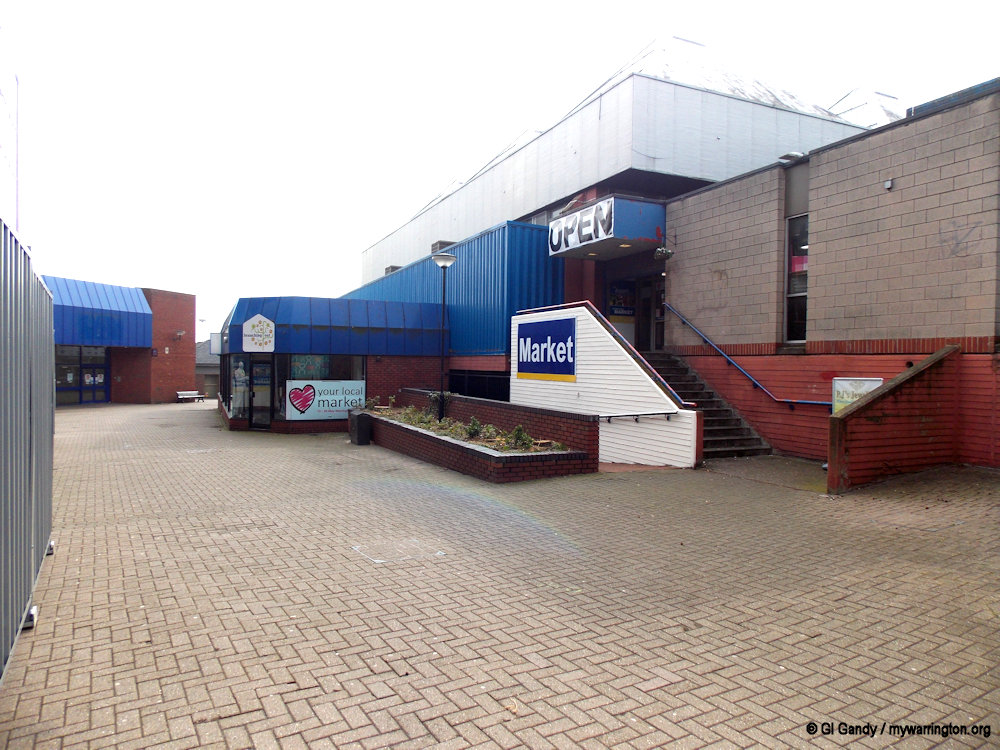
Before I tell you some history of the 1974 Bank Street market, let’s remind you of what the outside looked like before it was demolished in 2017. My photo gallery takes you in an anticlockwise direction showing views mainly between March and May 2015, with additional ones to fill in the gaps. Click the first image for a manual slideshow.


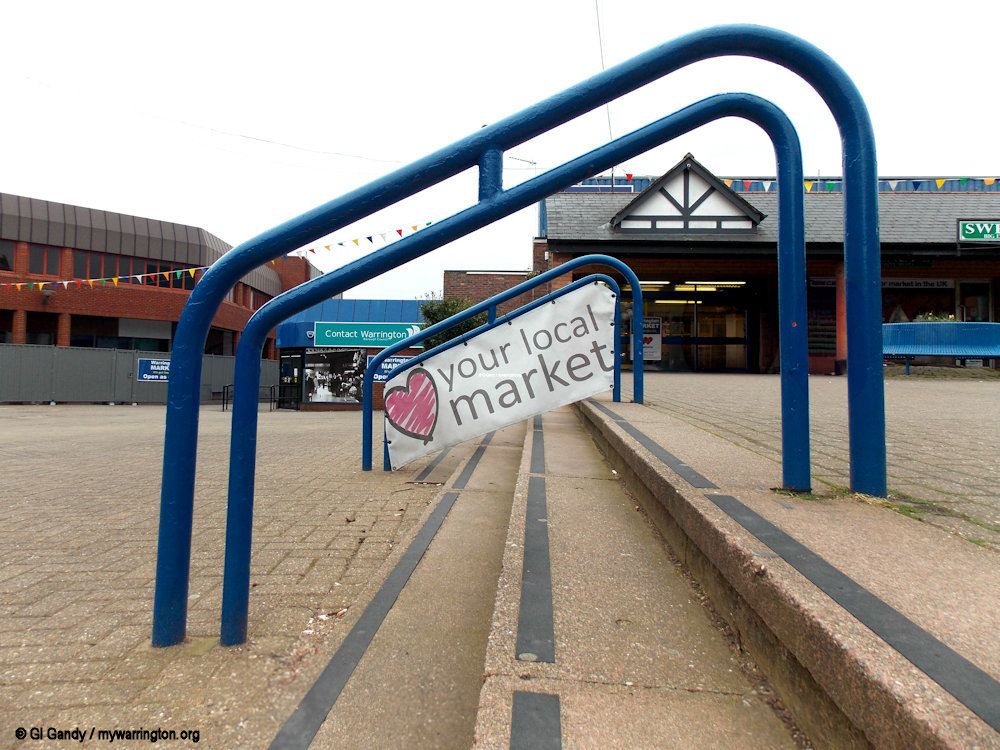

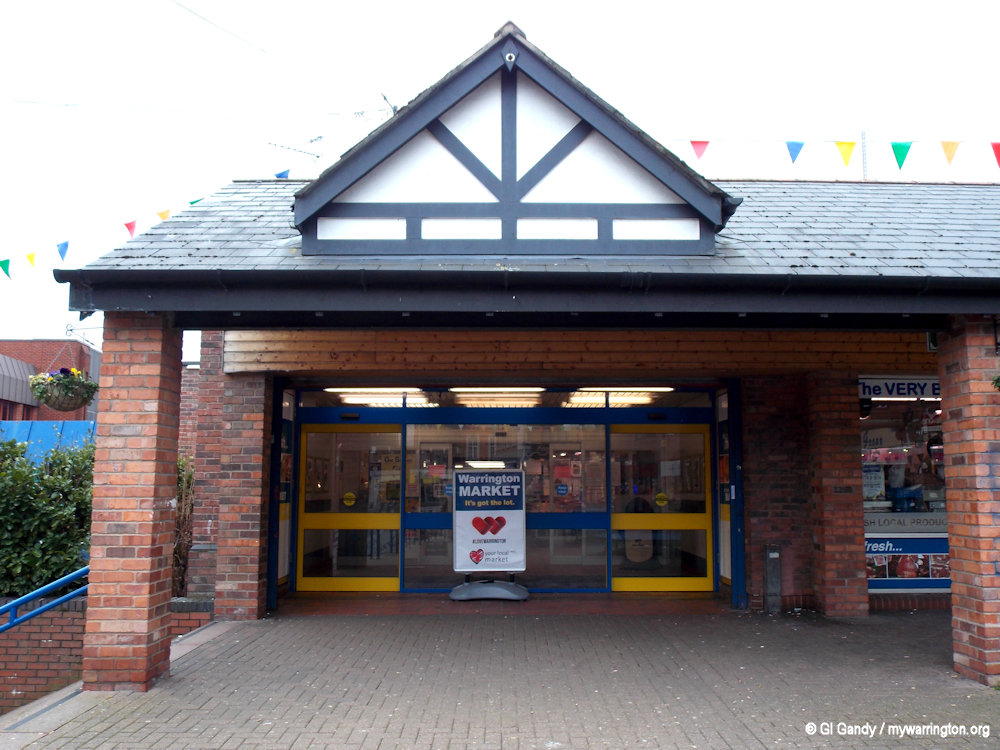


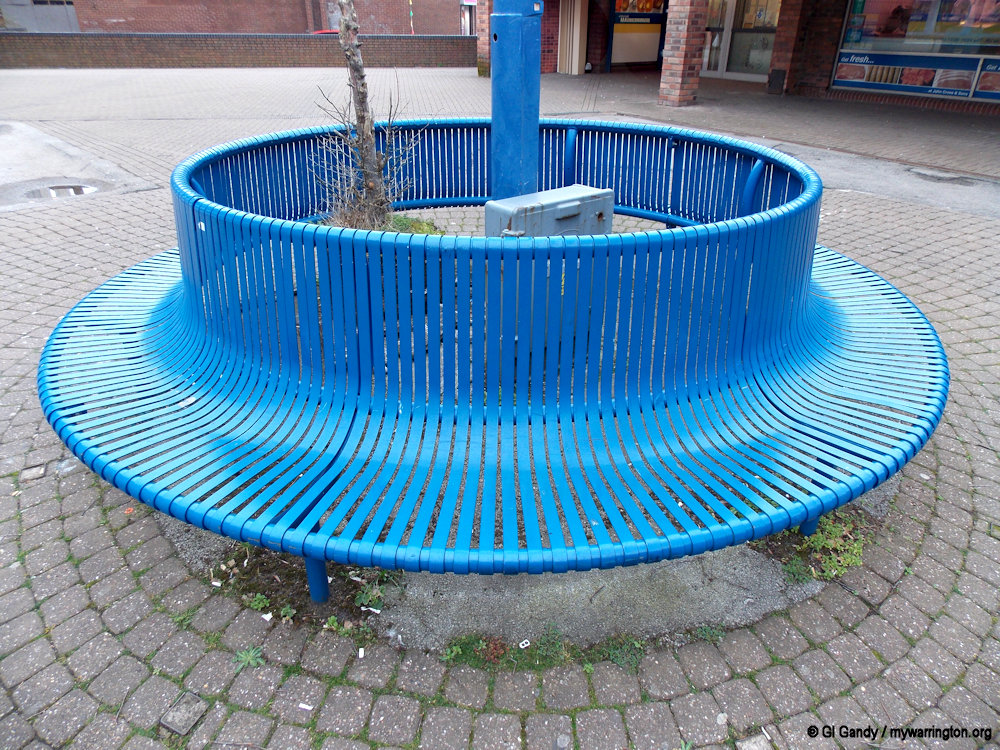
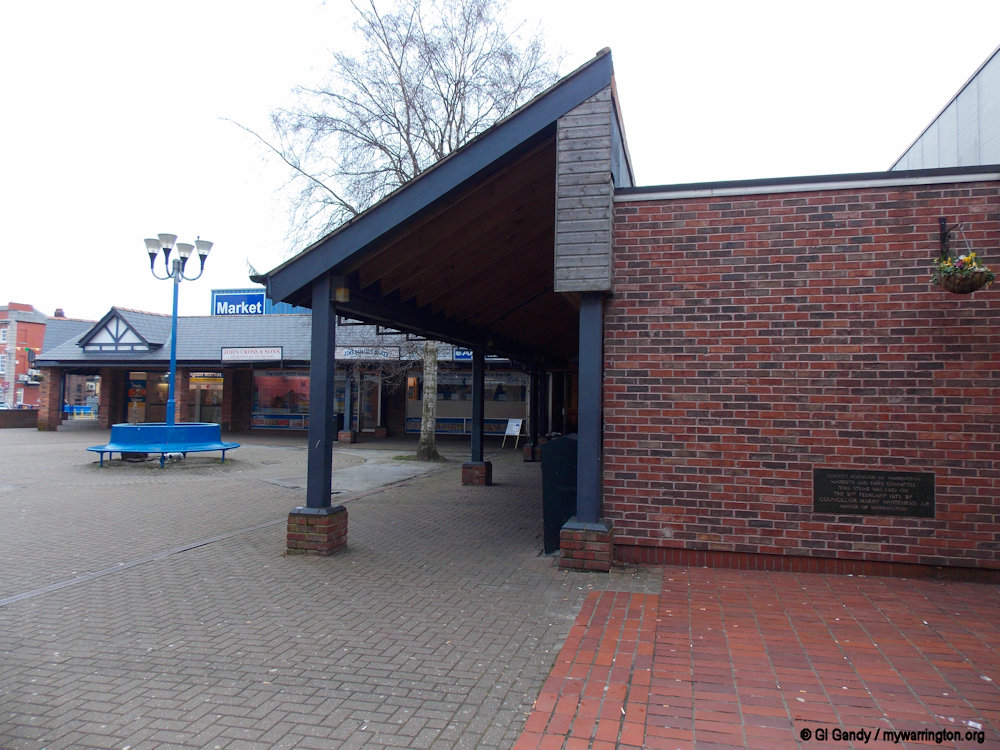












Stories from the 1974 Market
In the north-east corner of the current market is Reardon’s fish stall, which has operated since the 1850s, with succeeding generations of the same family progressing through the ages.
John Cross and Sons was one of the original stallholders from the 1850s indoor market. There were 11 butchers’ and fish stalls in the market, including Singletons.
The Tourist Information Centre opened in 1991 at Poll Tax House on Rylands Street and was fairly successful, but since moving to the market, the number of people using it has gone up 300%.This shows that the community centre is now based around the market, more so than in other buildings in the town. This would mirror the original market of 750 years ago when everybody turned out for the market just like other towns nowadays, where they only hold a market on so many days of the week.

Reardon’s stall in the 1974 market (17 March 2015)
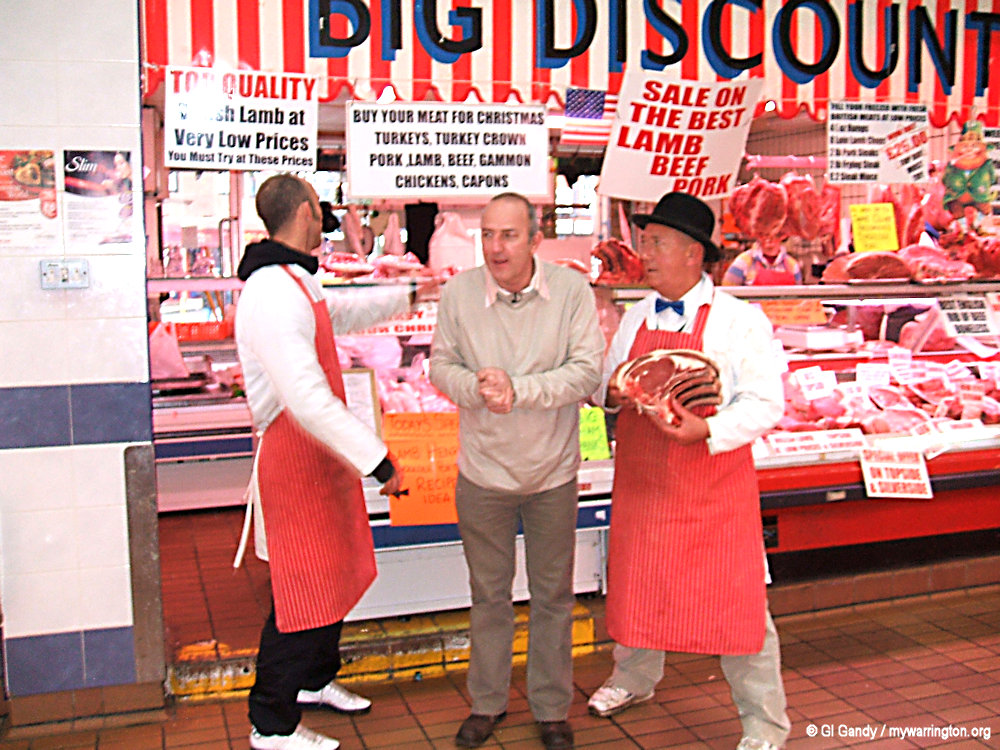


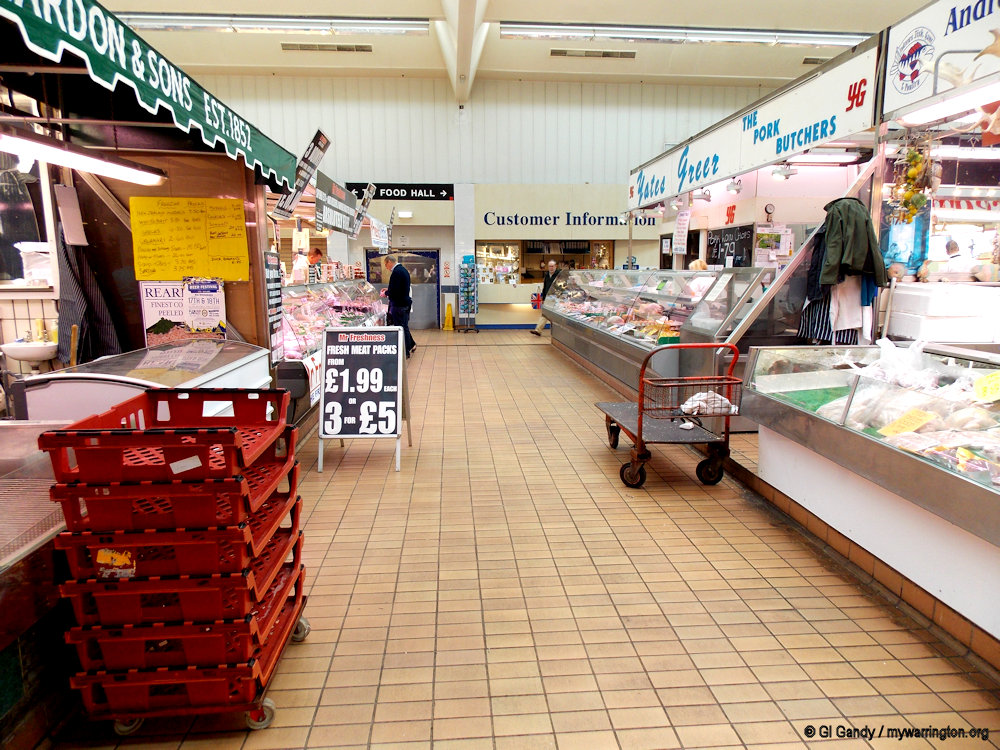


The first photo, above, shows the time when Granada Reports presenter Paul Crone came to visit on 5 February 2009 to celebrate the time when the market was voted the Best Indoor Market in the UK at the National Conference of Market Operators. He came up with the idea of recreating the banter from the old style market days when traders used to shout out their wares across the market. The joke in this scene is that Paul was trying to do his piece to camera while the guys were shouting out right down his earhole next to him and he couldn’t get a word in. It was really funny on the day. Pity I didn’t video it. All other photos in this set were taken on 17 Mar 2015.
Vintage with Grace
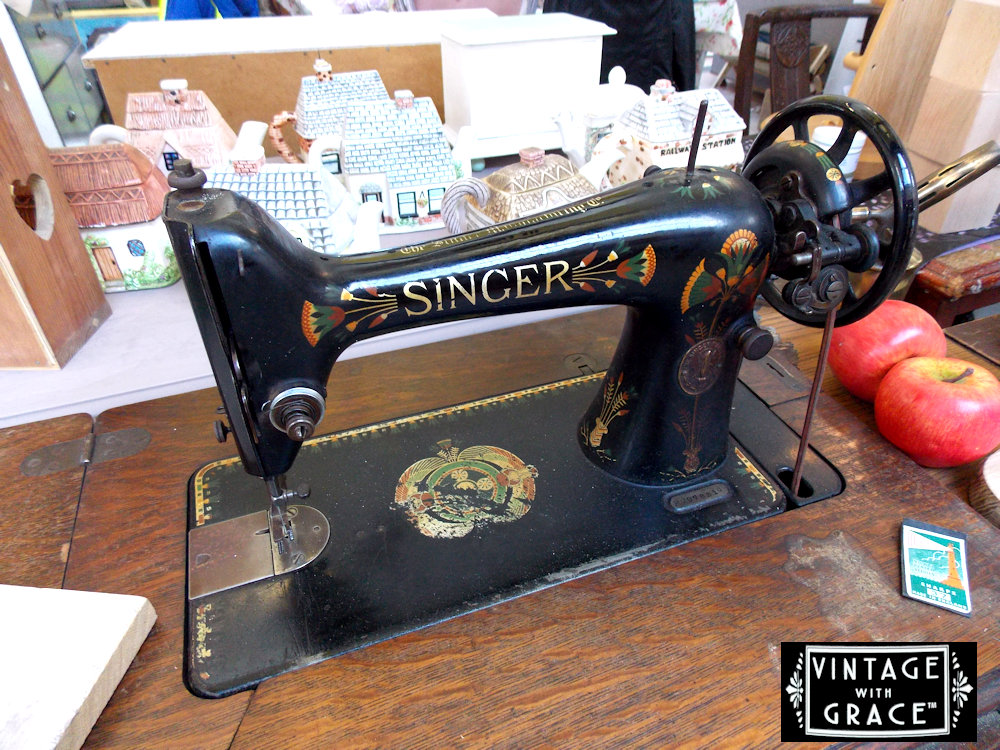
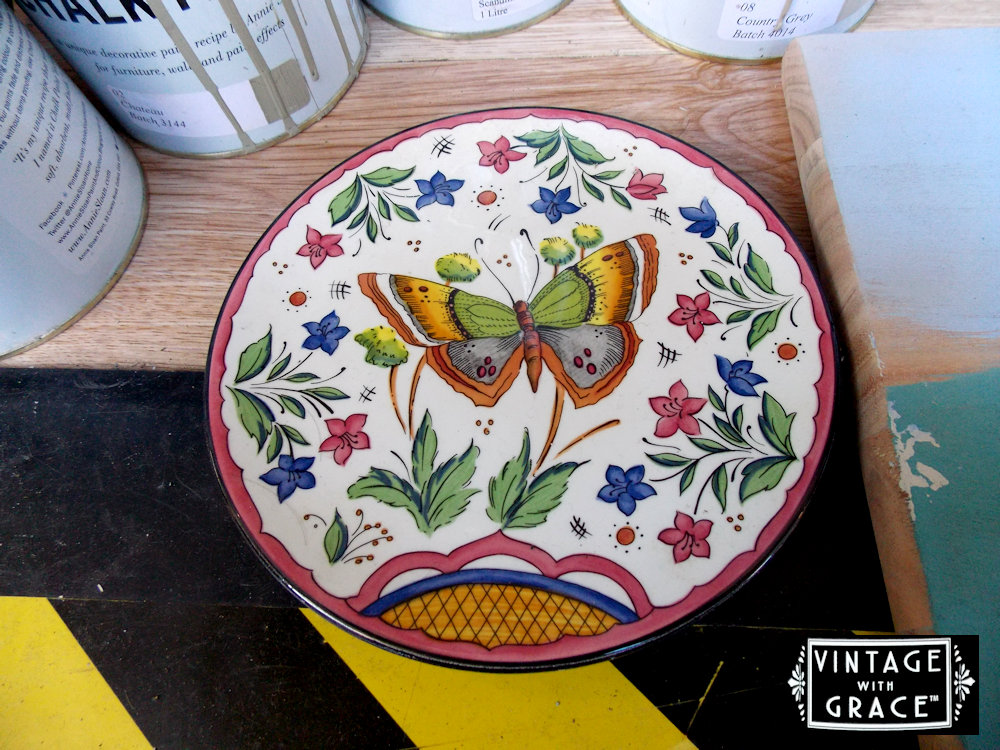
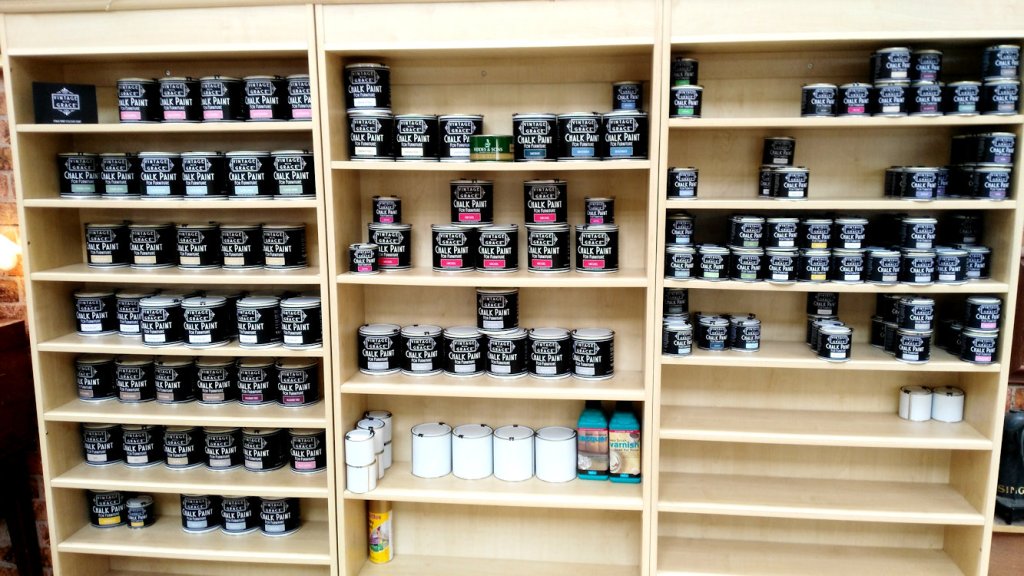
One member of the Reardon family is Rachel Reardon who set up her own business selling her own brand of artist paint and vintage items. The company was named after her daughter Grace. Her stall was towards the rear of the 1974 market. Here are photos of items from her stall, which were taken on 23 March 2015.







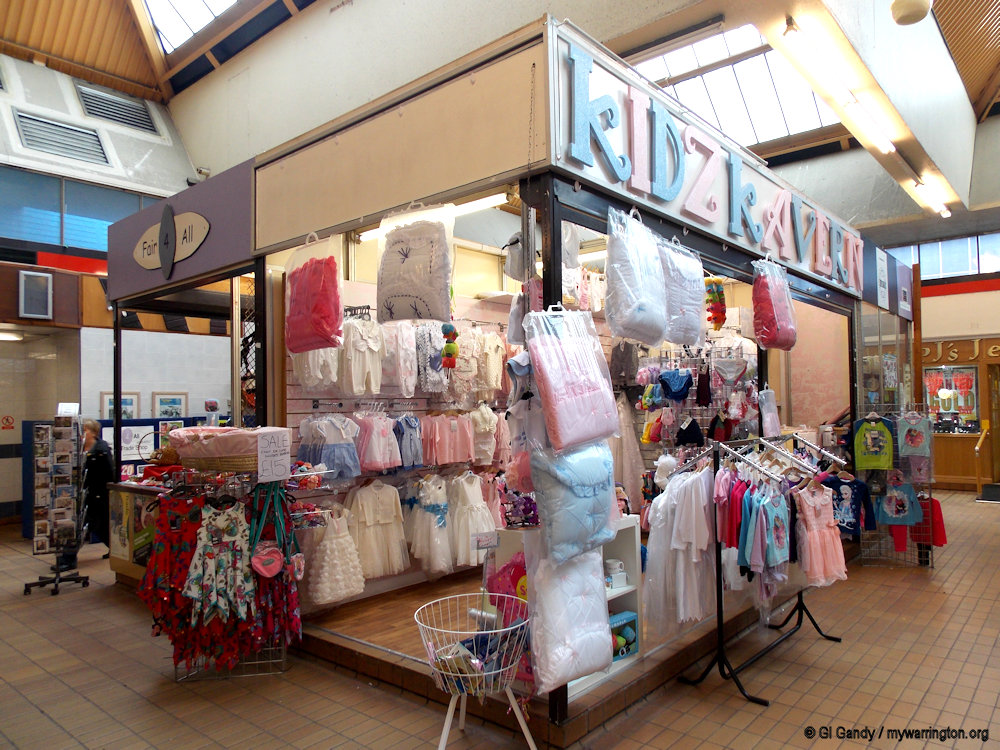
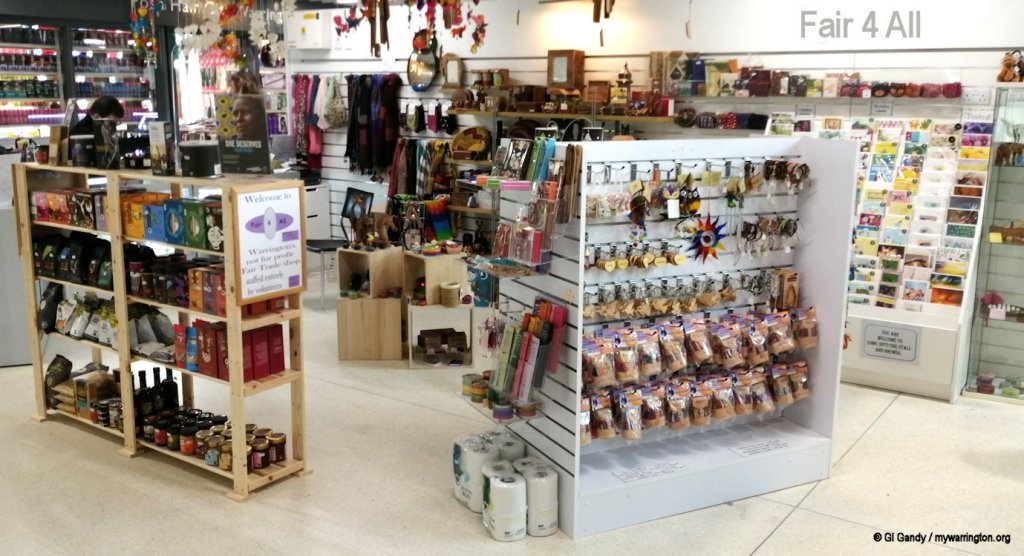
Becoming more publicised now is Fairtrade, and Warrington Market’s own Fairtrade stall, Fair 4 All, has recently doubled in size and celebrated its 3rd birthday in 2005.
“Fairtrade is about better prices, decent working conditions, local sustainability, and fair terms of trade for farmers and workers in the developing world. By requiring companies to pay sustainable prices (which must never fall lower than the market price), Fairtrade addresses the injustices of conventional trade, which traditionally discriminates against the poorest, weakest producers. It enables them to improve their position and have more control over their lives.” Information from the Fairtrade Foundation website. If you are interested in supporting this kind of venture, call at the stall in the market (still here in 2025), or log on to the Fairtrade Foundation website. Se also the Fair 4 All Facebook page.

The Fair 4 All stall in the 1974 market (17 March 2015)
In 2005 the council gave the market a facelift by adding a new roof section around the entrance.
One thing the public might not be aware of is that there were two floors below the trading area for storage and deliveries, which are almost as big in size as the retail area. The delivery area was on Academy Street and the main public entrance was on Bank Street. The market was built on a hillside.
As it was National Heritage Weekend across the country, we were lucky enough to go down to these other areas that the public don’t normally see. What surprised me when we were down there was how neat and tidy it is. Everybody kept it that way, and as the market itself does not employ the stallholders, nobody can make them clean up, so it is a credit to all who keep it that way.
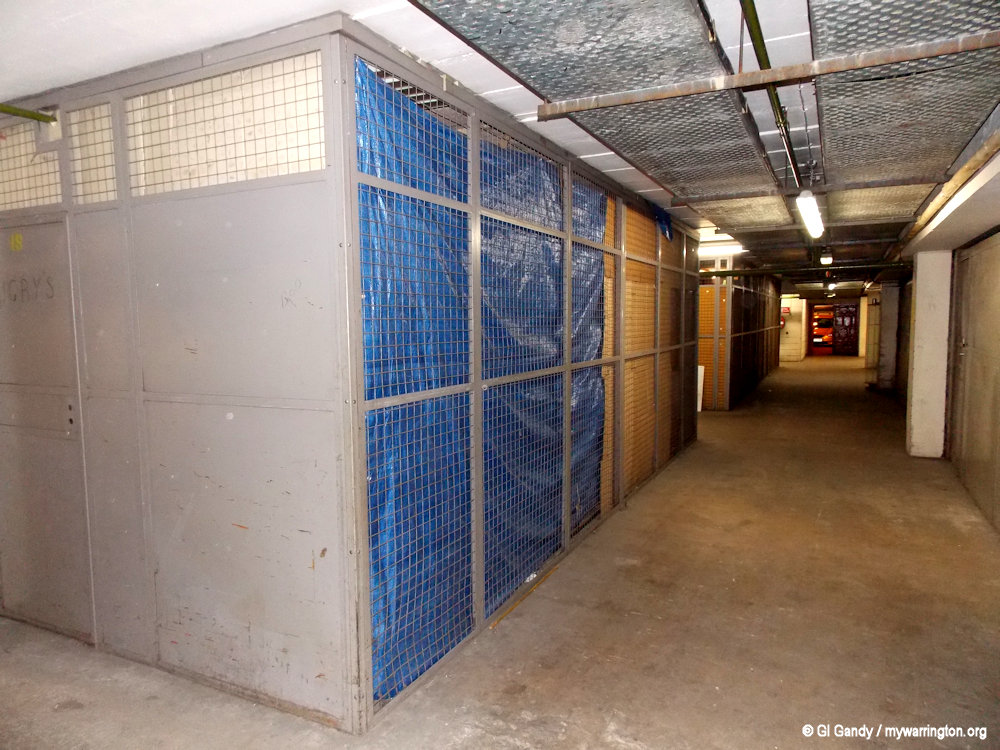
Area 51, as Mark Olly described the storage area on the day of my tour on 9 September 2005. My photo was taken on 23 March 2015.
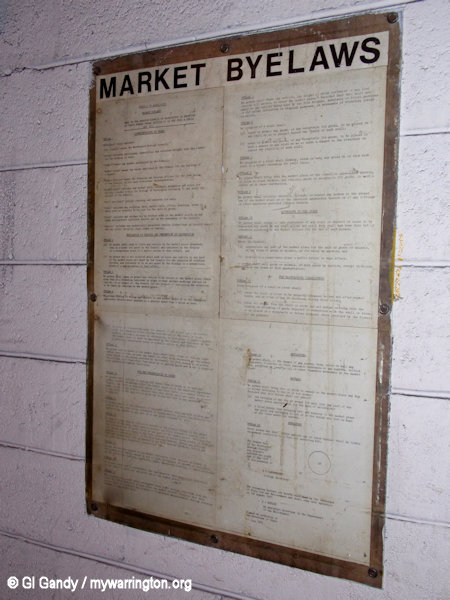
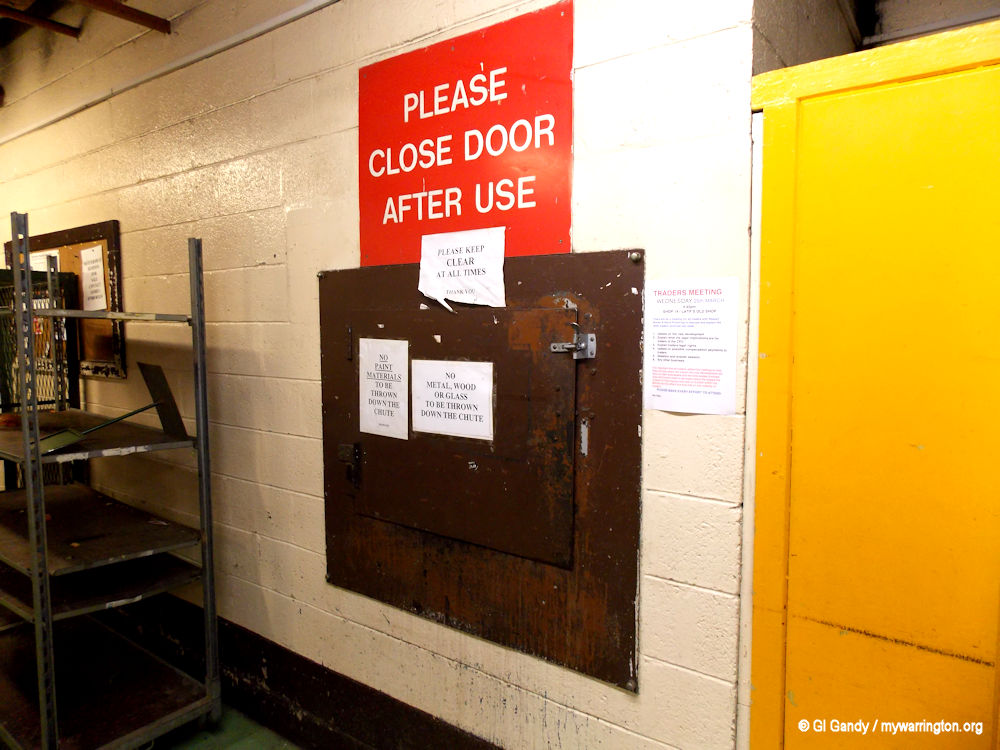
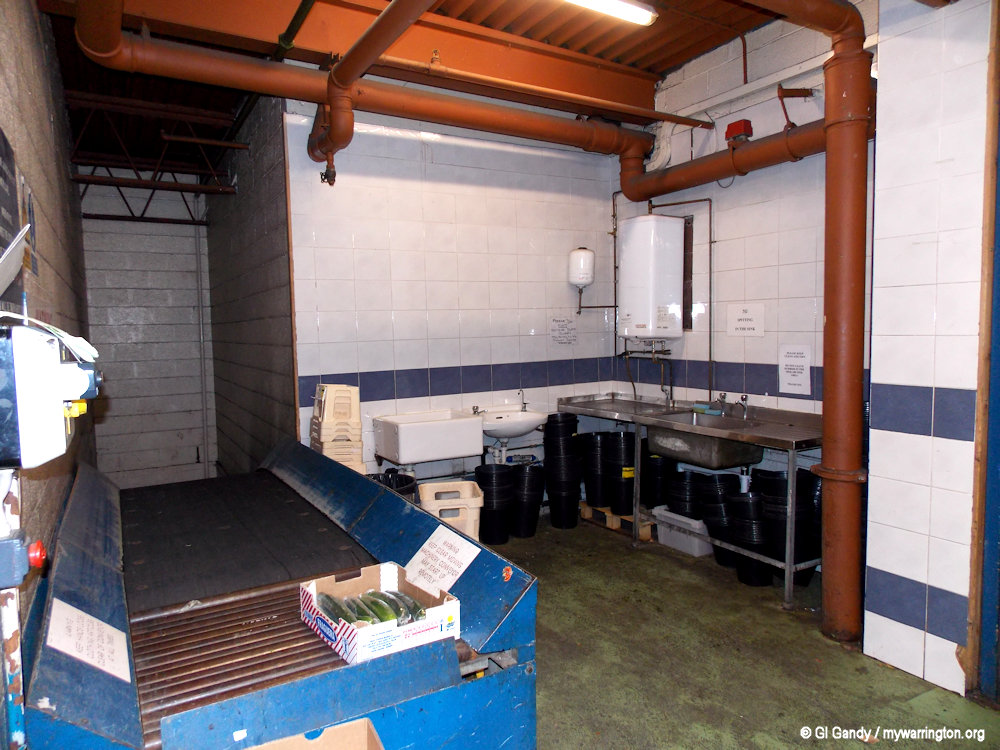

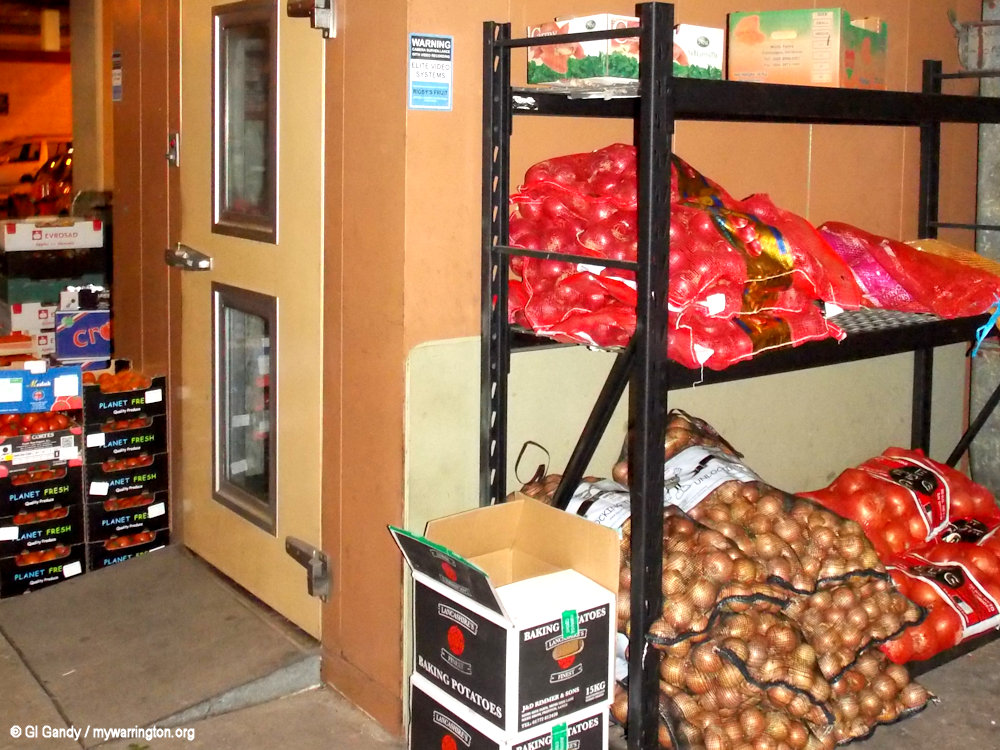


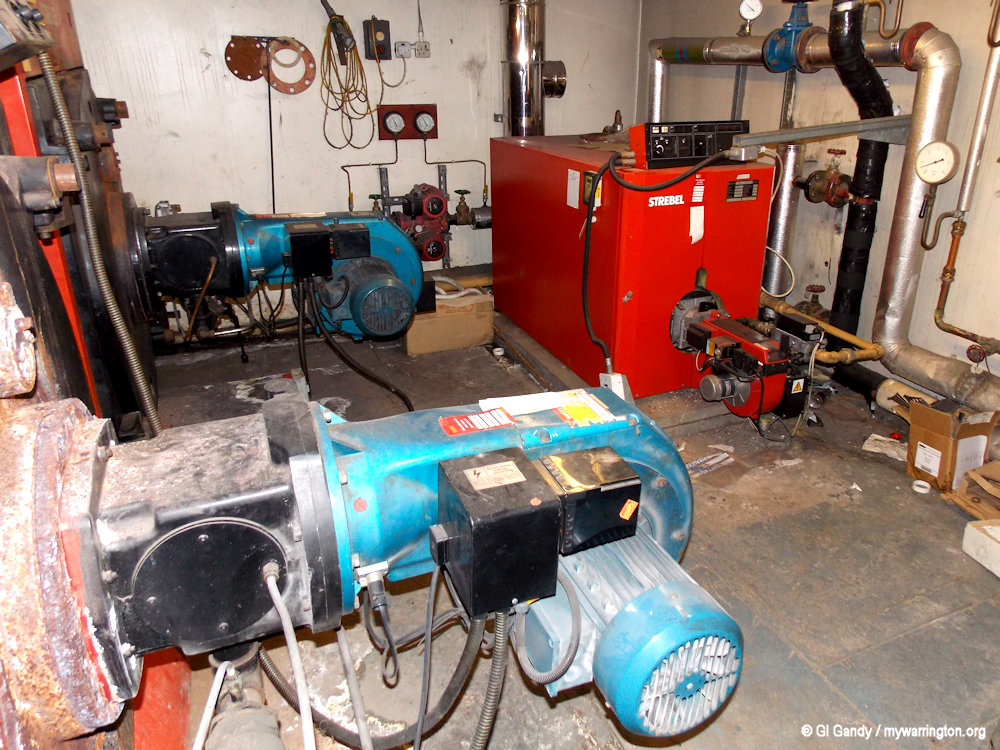
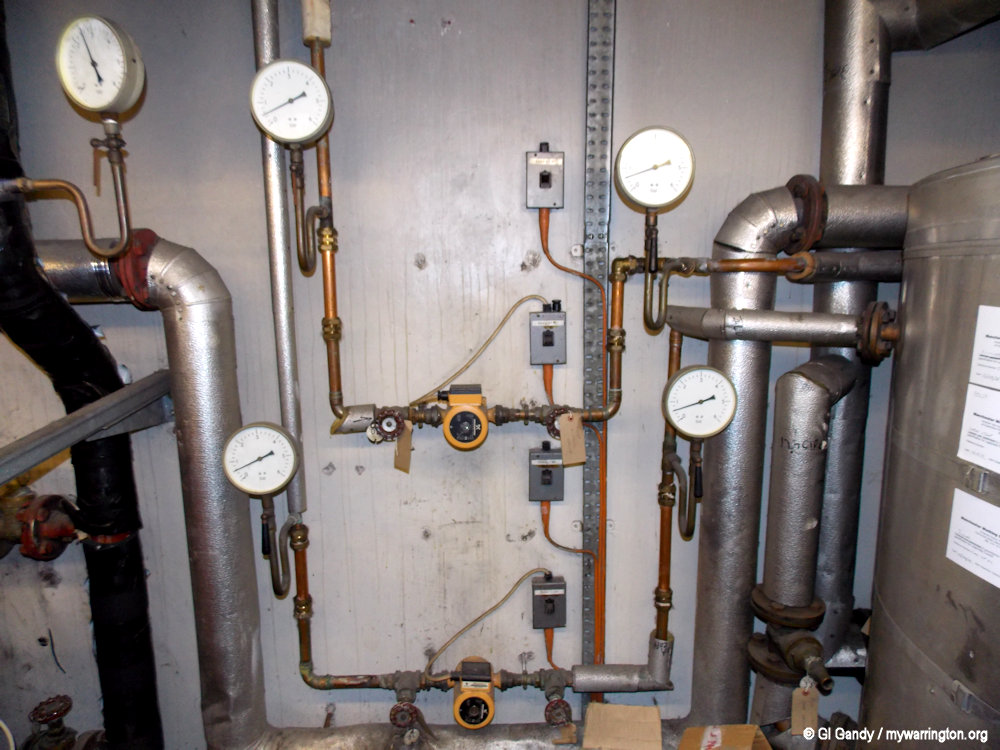
Photos of the storage area (23 March 2015).
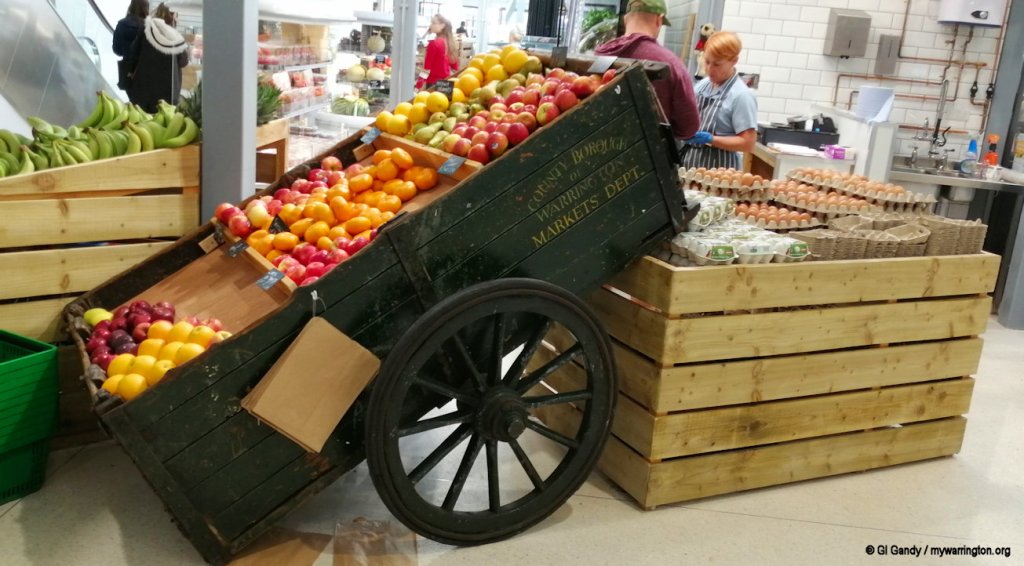
Still in use in the market is the wooden hand cart shown here, which dates to about the First World War. Notice it still has County Borough of Warrington painted on the side. The cart was used to collect the delivery boxes which were later taken away for recycling. Today the cart is used to display fruit and veg on the Warrington Fruit and Veg stall.


The service bays for the properties on Bridge Street, such as the former Boots store, were located in the market delivery area. You never saw a delivery truck for Boots on Bridge Street itself. But there were not too many places down there for the traders to park their vehicles – it was usually a case of drive in, unload, go up in the lift with the goods to the middle floor storage area, come back down again and drive away.
The middle floor was also used by the fire brigade for fire practice. They filled it with smoke to simulate a real fire. Mark described the middle floor as Warrington’s equivalent of Area 51 where they keep the aliens hidden under the desert! You could easily get lost in there and Steve joked he once found one of the traders who had been wandering round for years! Two-thirds of the £1.5million cost of building the market went into these two non-public areas. A bit like a maze of storage areas which branch off in all directions. It was fascinating being down there.
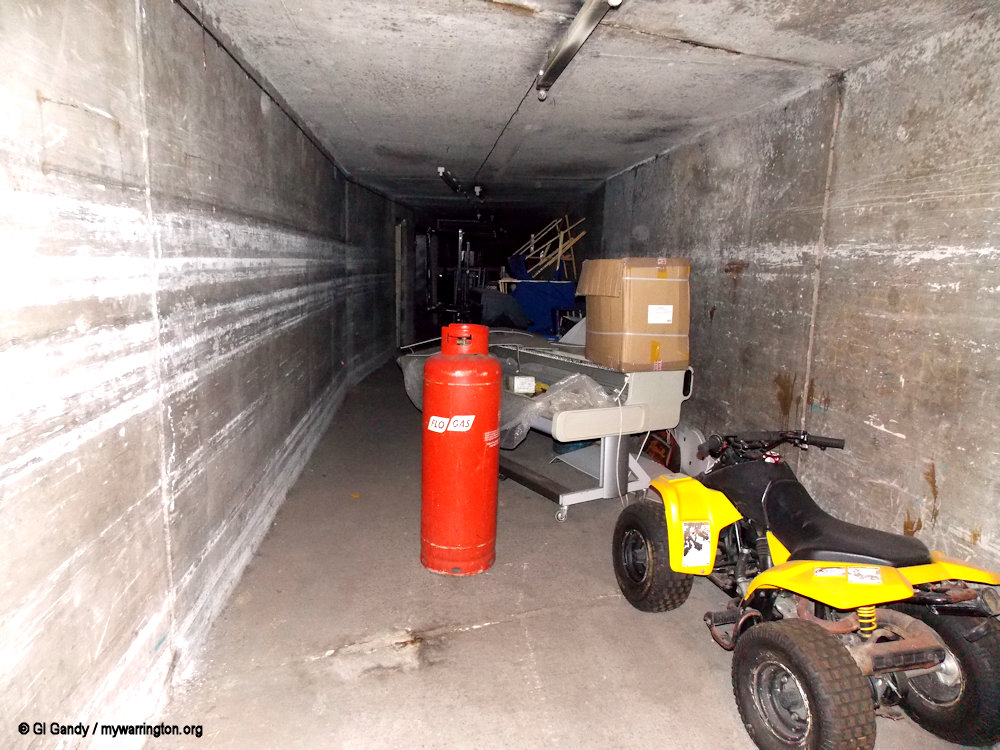
The delivery tunnel which led to Boots the Chemist and other traders on Bridge Street before it was demolished. (My photo 23 March 2015)
One of the longest-established stallholders was Mr Latif’s clothing stall. He began in 1953 in the old market. In the south-west corner of the market are two more: Warrington Foam Supplies and Whites sports shop. The observant ones among you will remember that Whites used to be on Sankey Street, opposite Woolworth’s, close to the old market, and moved into the new market in the 1970s. The business started in 1901. See a detailed review of Whites in Shopping Memories.


Whites Sports Shop (18 March 2014) and Warrington Foam Supplies (23 March 2015)
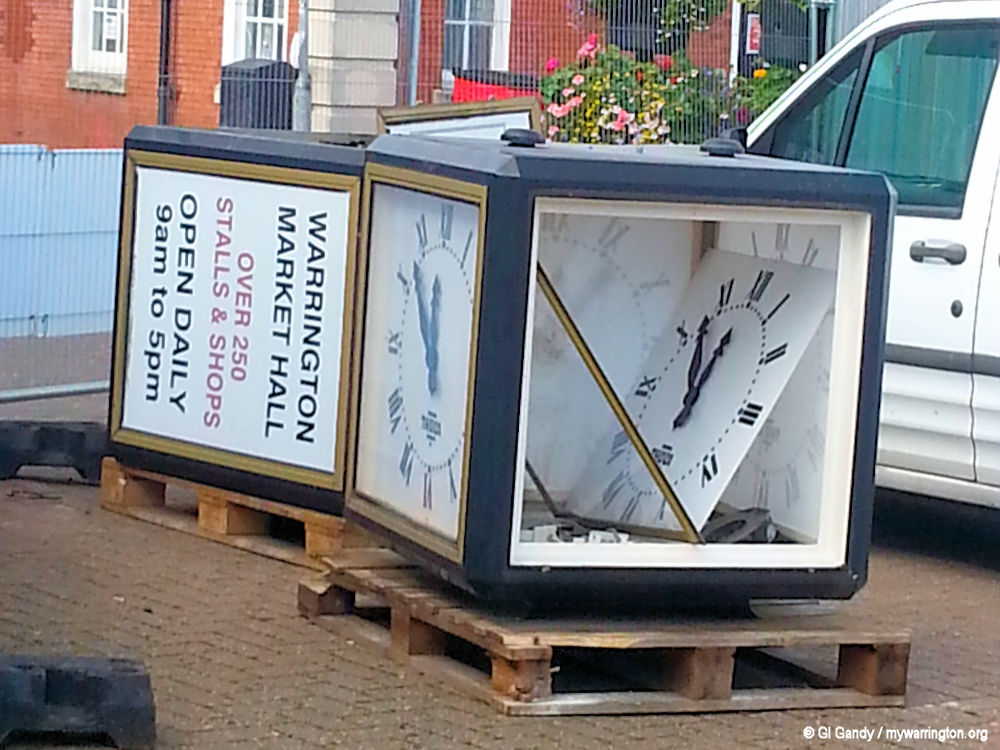
Now, what happened to the old market clock? Mr Butterworth, owner of one of the longest-established bedding and towel stalls, knows. In the 1970s, when the old market was being demolished, the demolition team brought in one of the old demolition balls on a crane. Mr Butterworth and his friend were rescuing pennies from below the floorboards which had been lost down there over the years. Whilst they were doing this, they noticed the iron ball heading towards the clock and they stopped them from smashing it up. They paid the bulldozer man a fiver to go for an early lunchbreak so they could have a discussion with the town clerk about what to do with the clock. They managed to negotiate a figure of £40 to buy the clock and were given two days to dismantle and remove it. The clock subsequently vanished and the story went around that it was on a farm in Cheshire. It is actually in Stretton, having been restored to former glory, or at least, two of the four sides were. The clock was originally made by J B Joyce & Co, the oldest firm of clockmakers in the world, of Whitchurch.
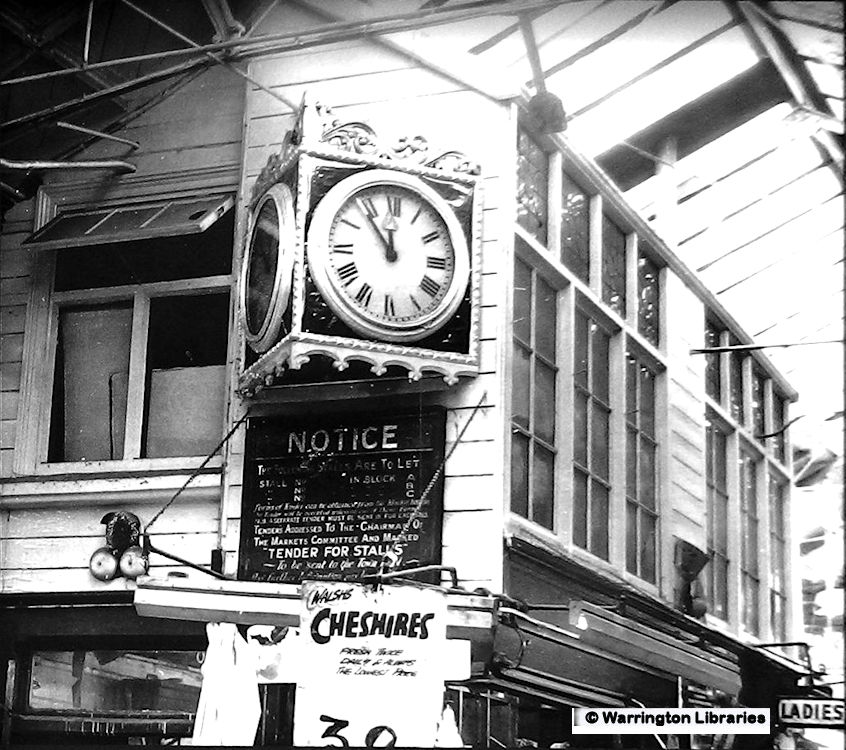
The old market clock. Many thanks to Warrington library and museum for permission to use the photo.
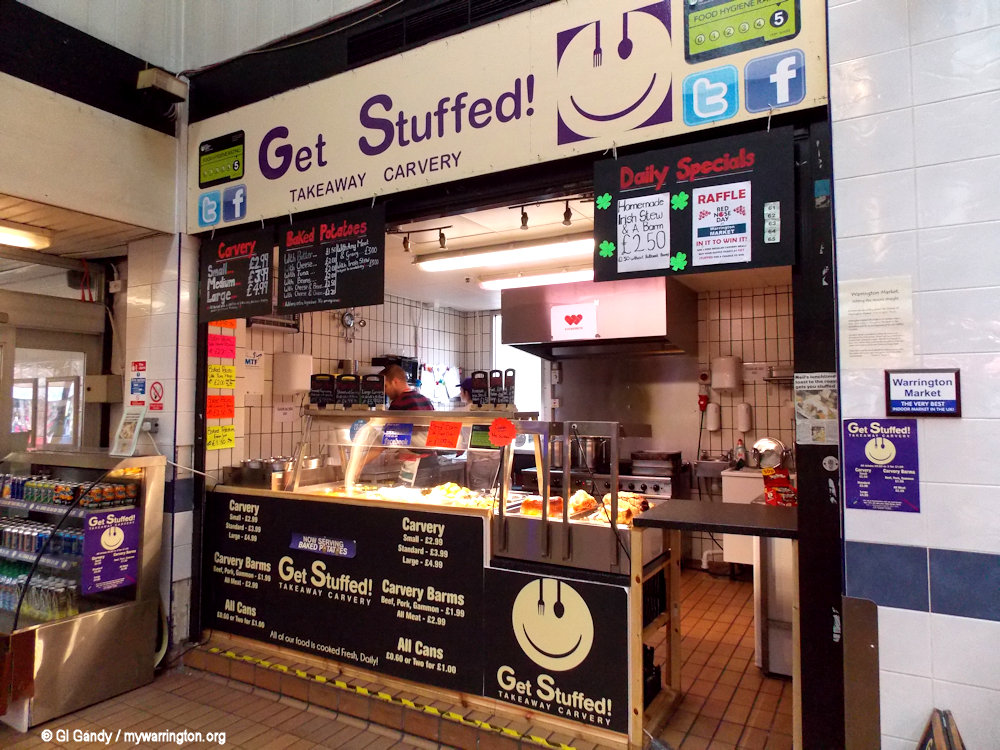
How many of the other traders do you remember from the the 1974 Bank Street market? Enjoy the nostalgia (or view for the first time) in my manual slide show. Most of the photos were taken between 16 and 23 March 2015, except the final one which was taken on 5 August 2016.




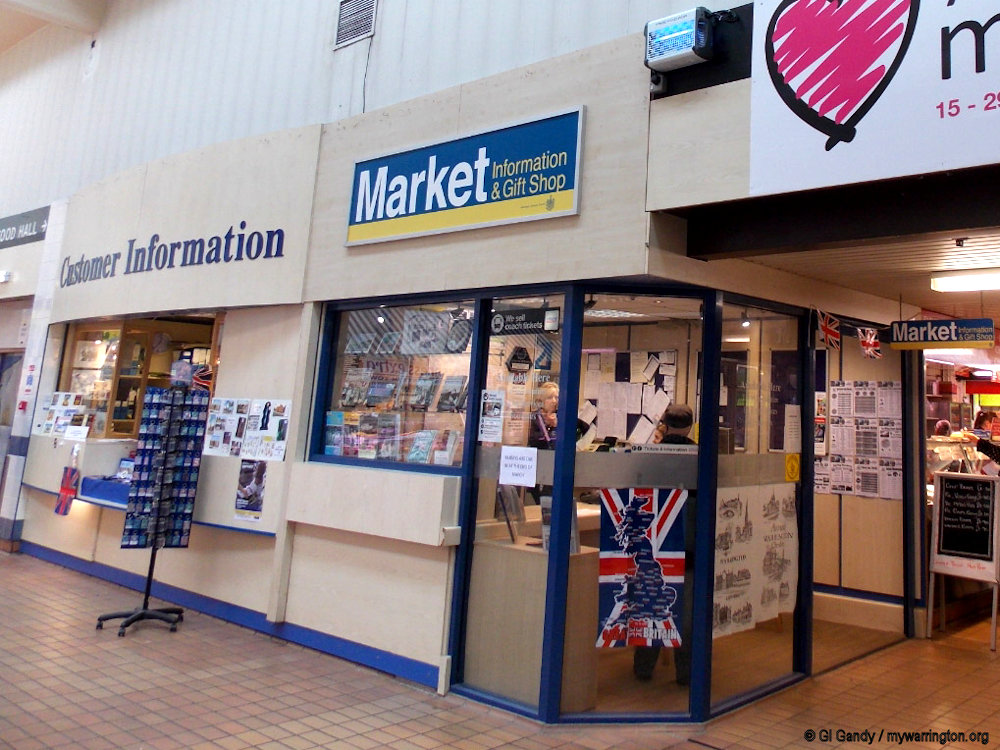


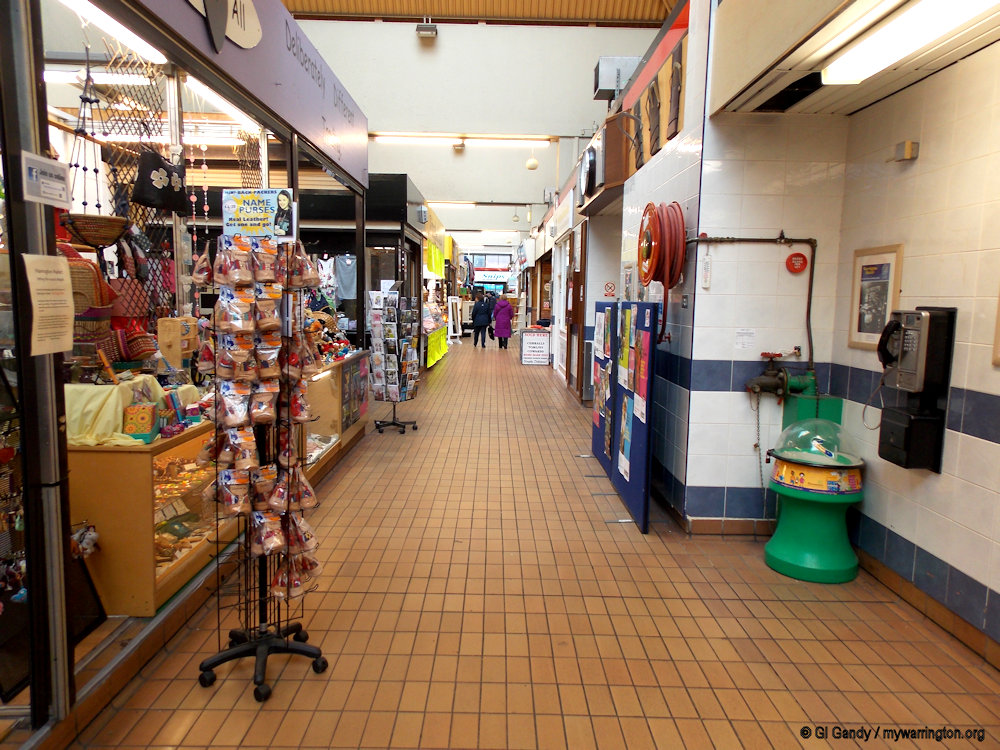


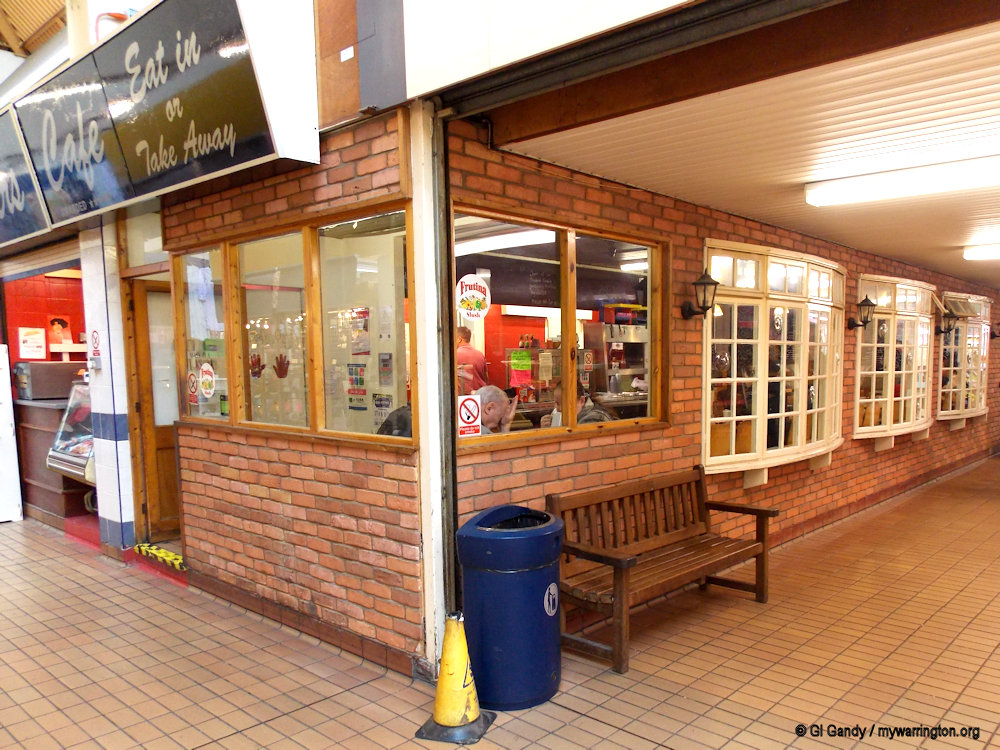


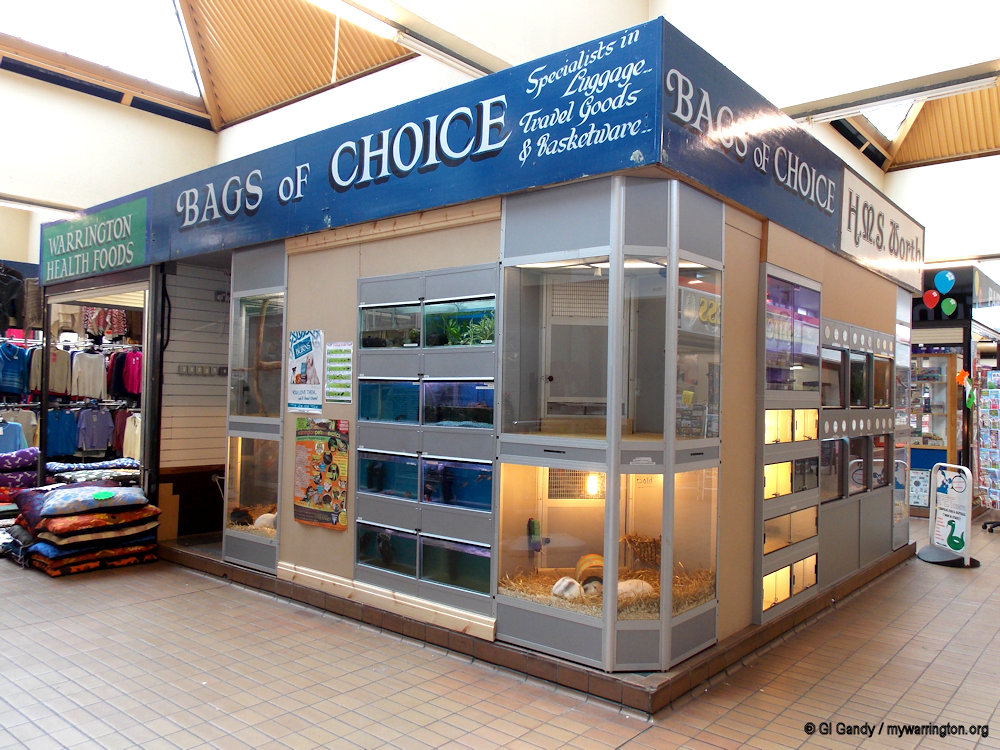
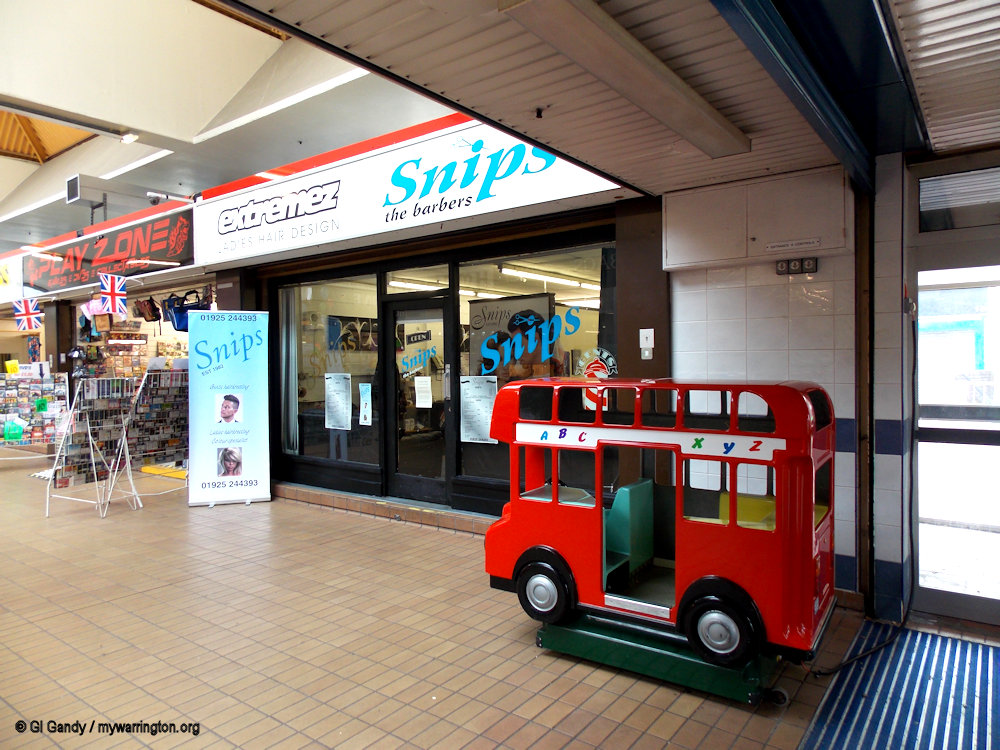
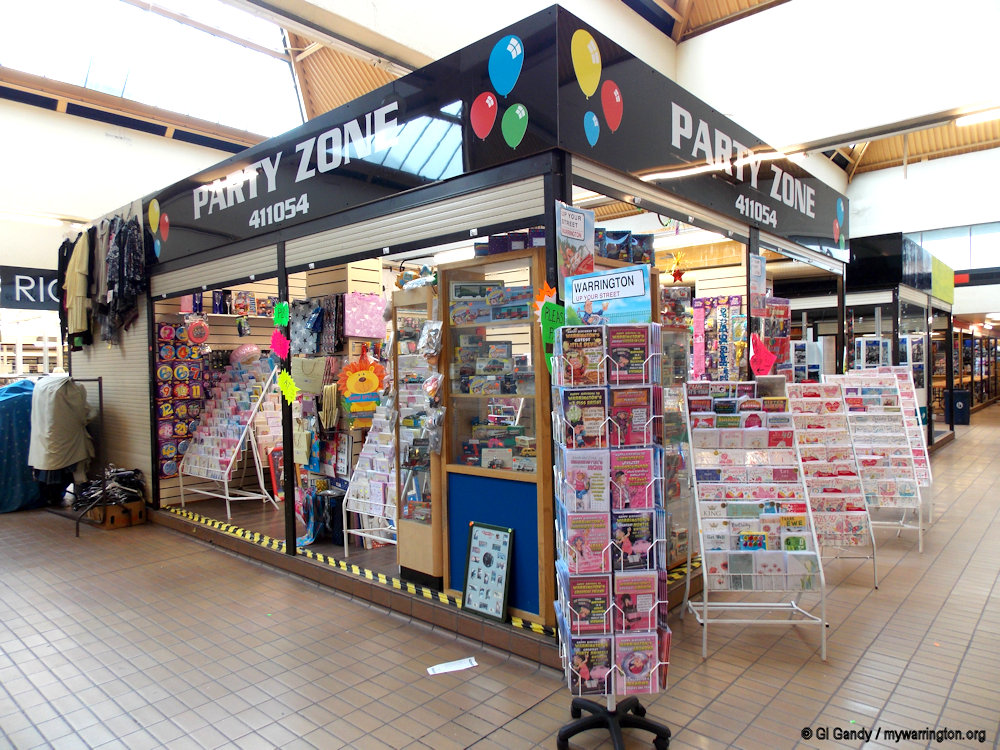

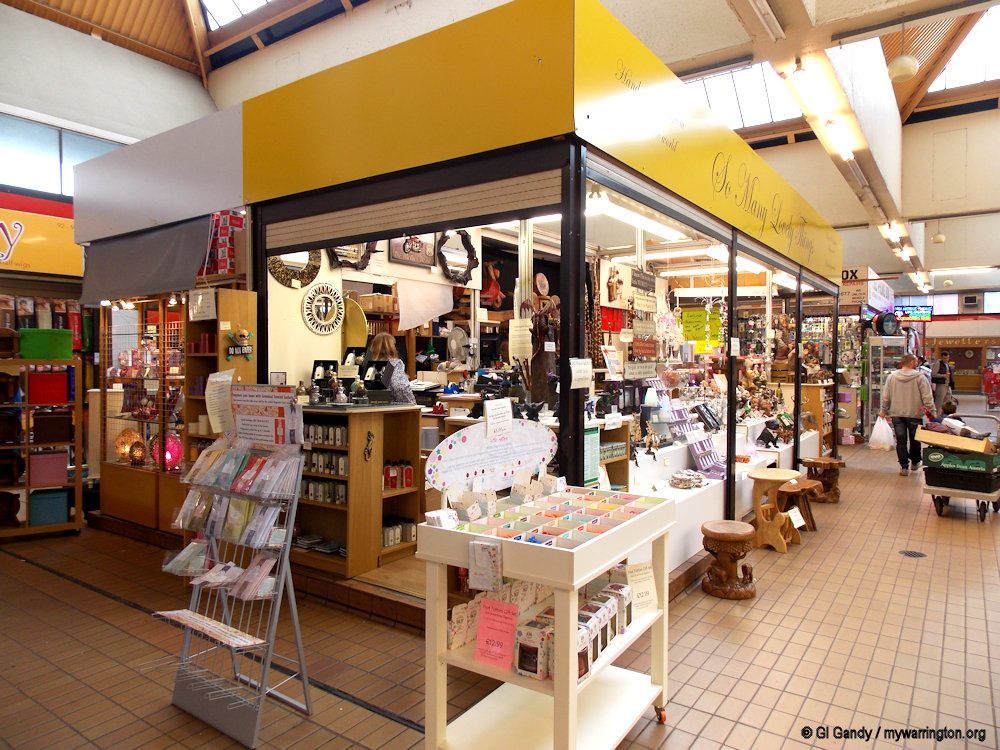
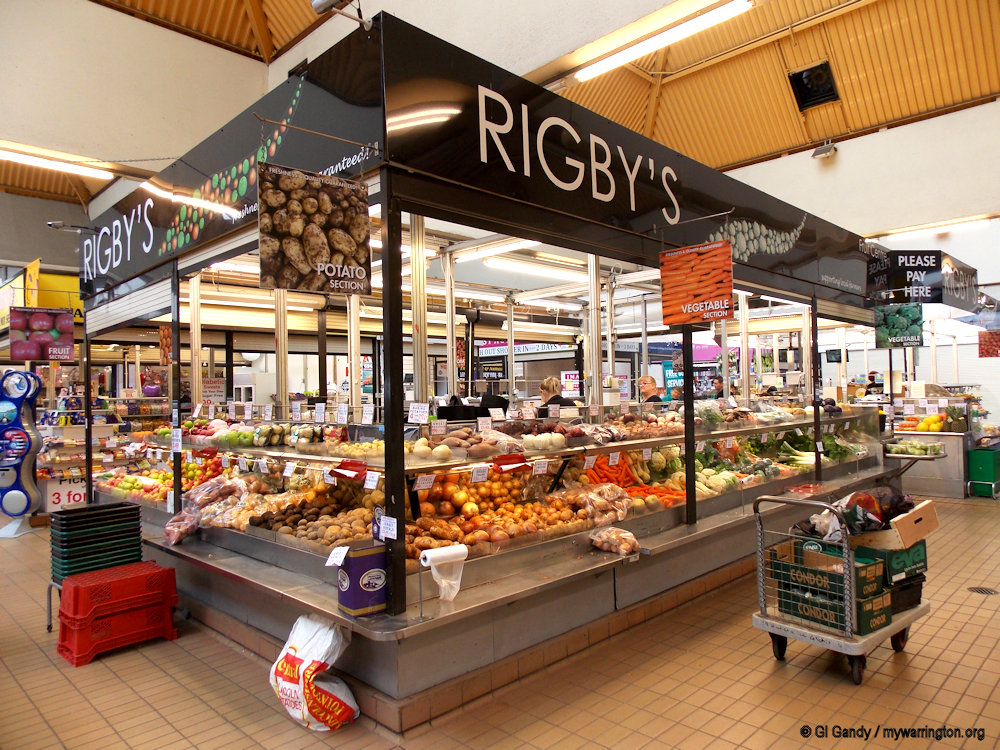


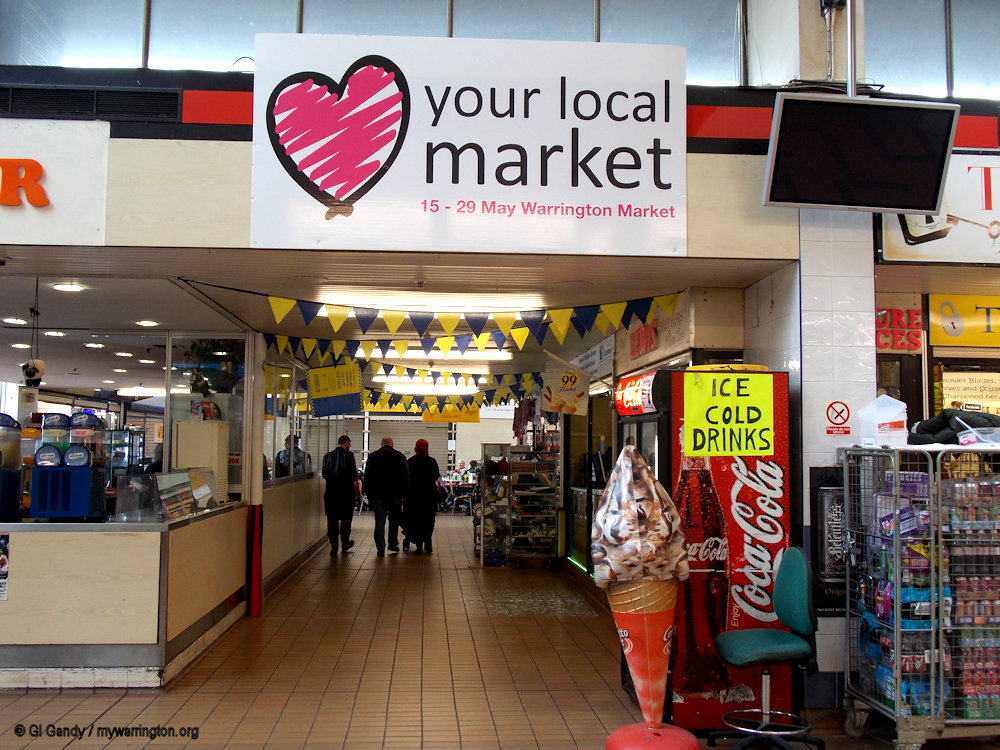
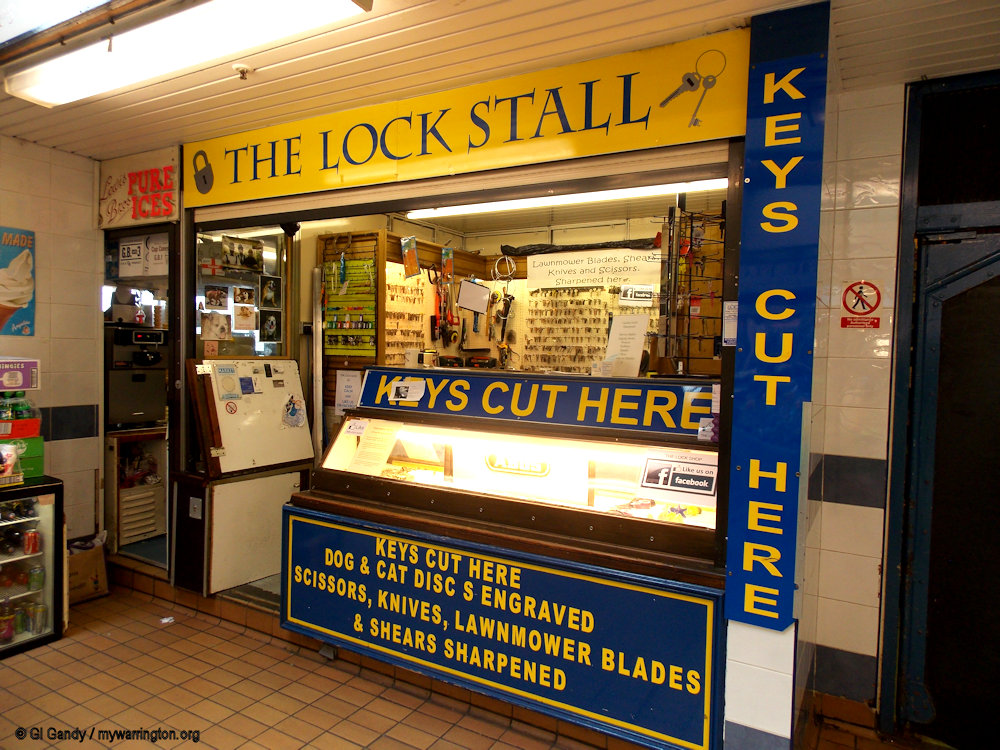


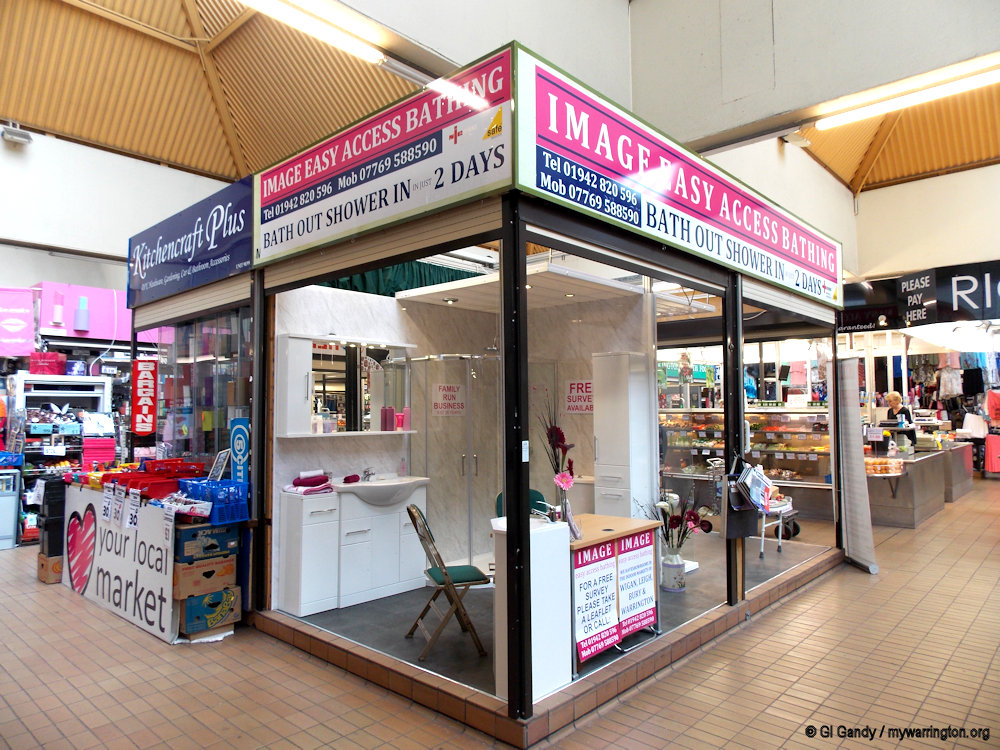
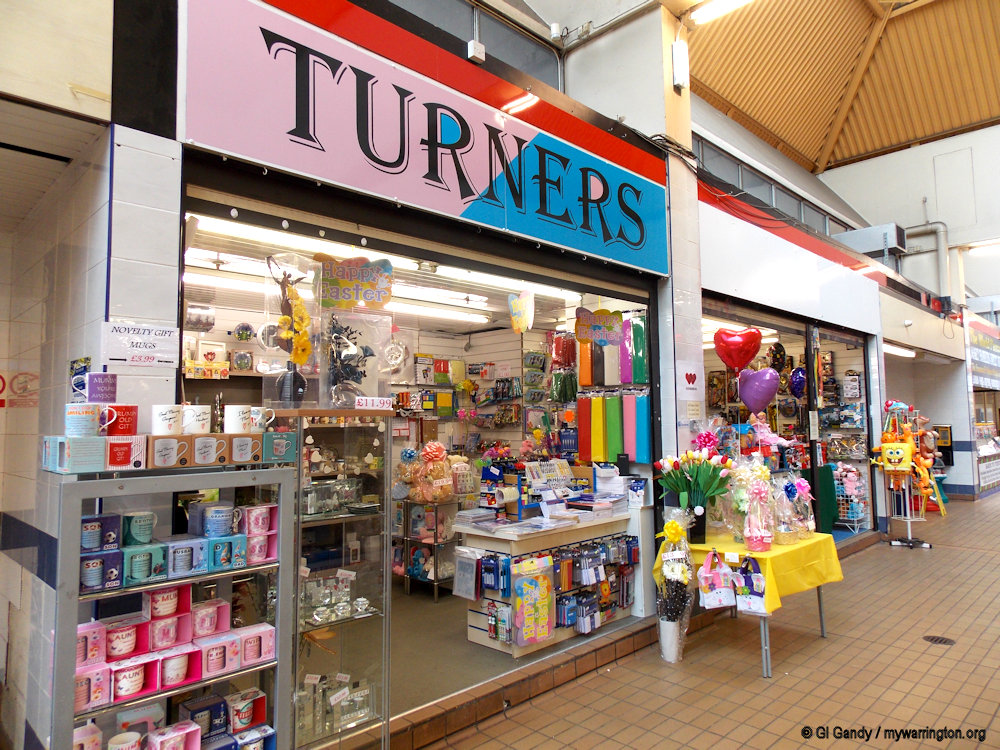
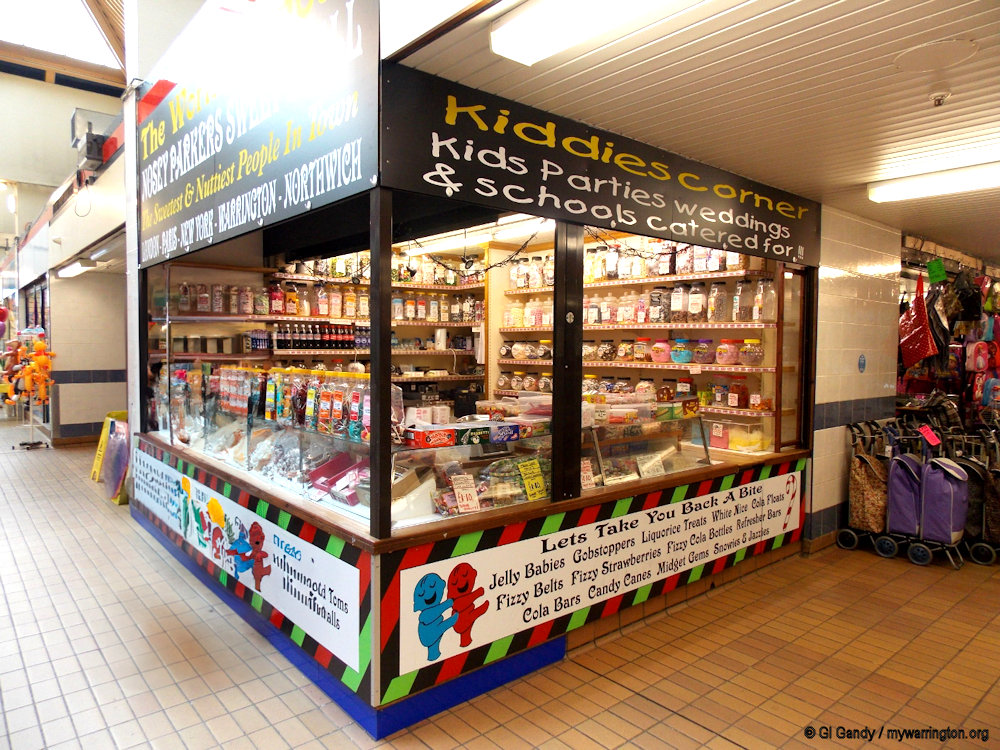


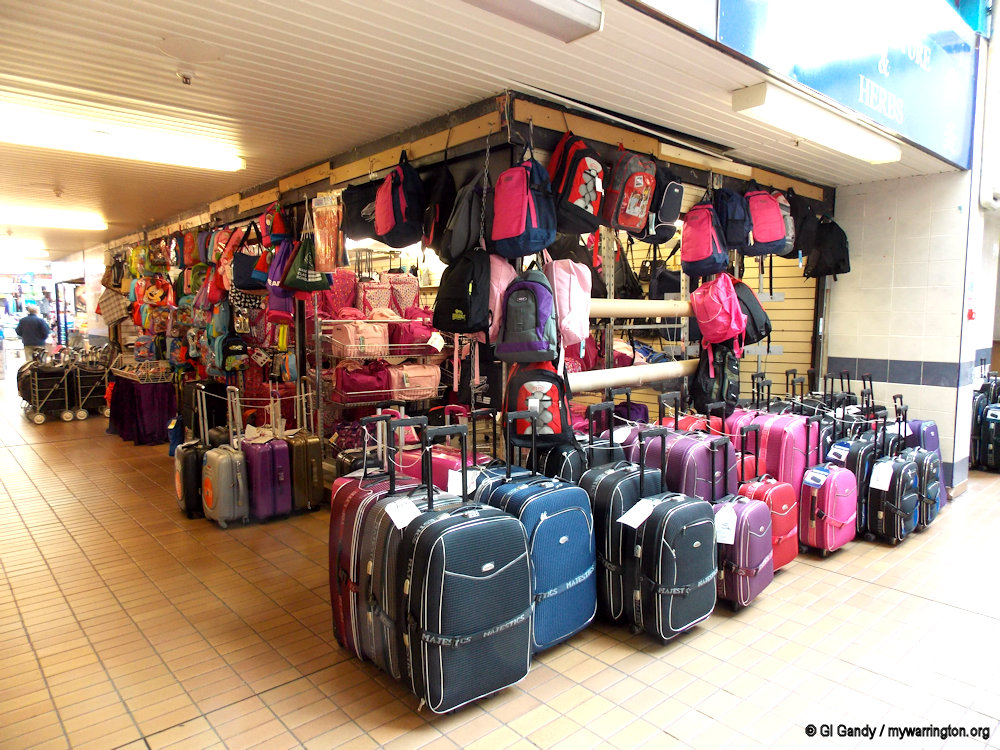
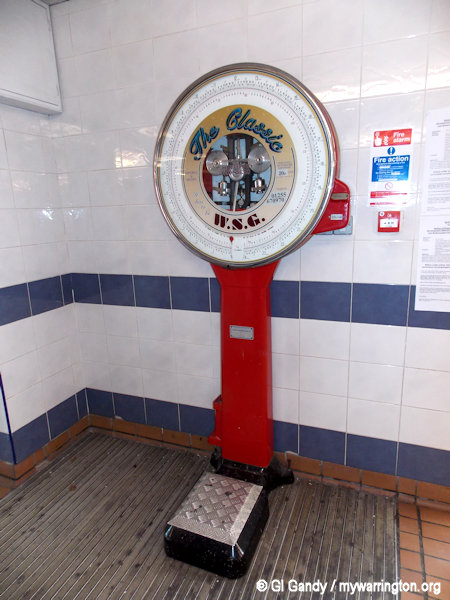


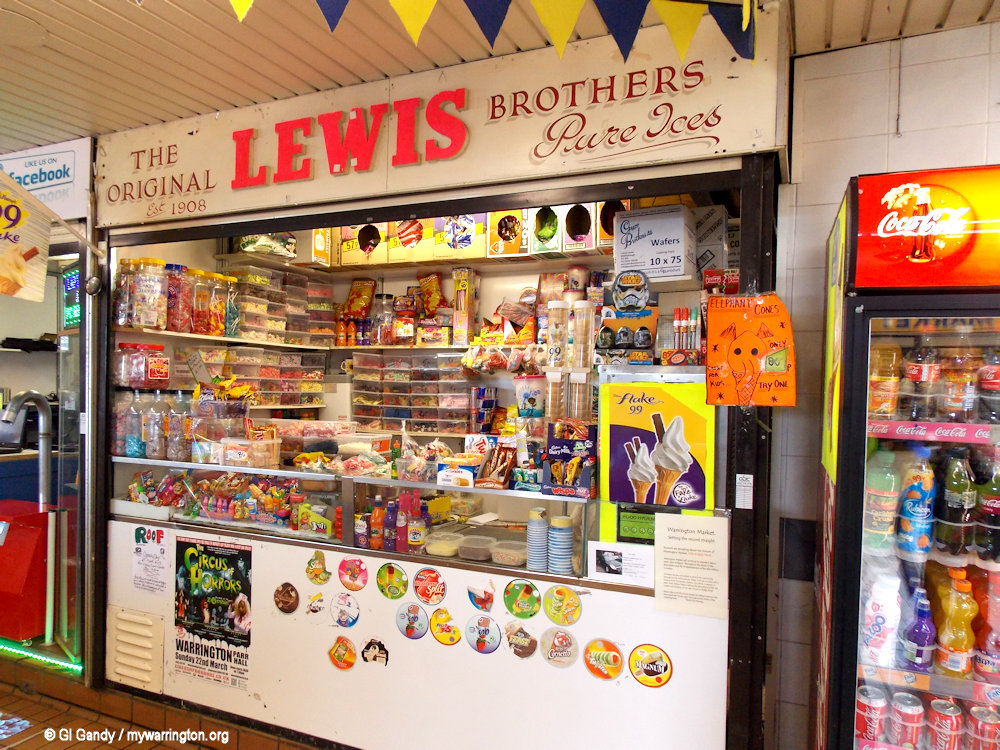


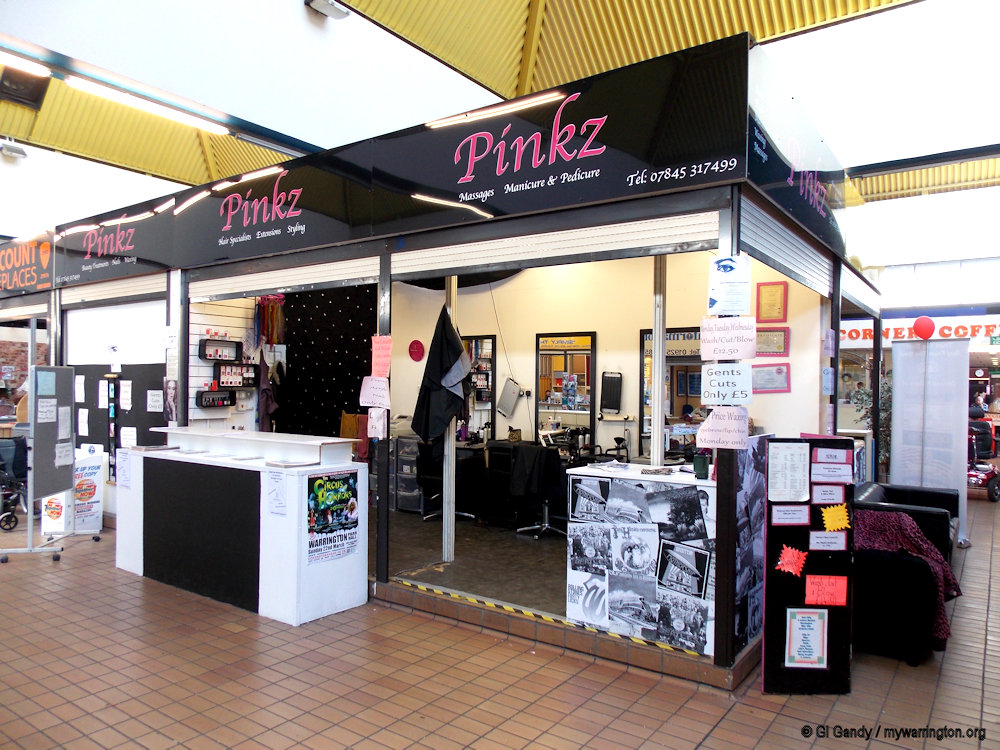

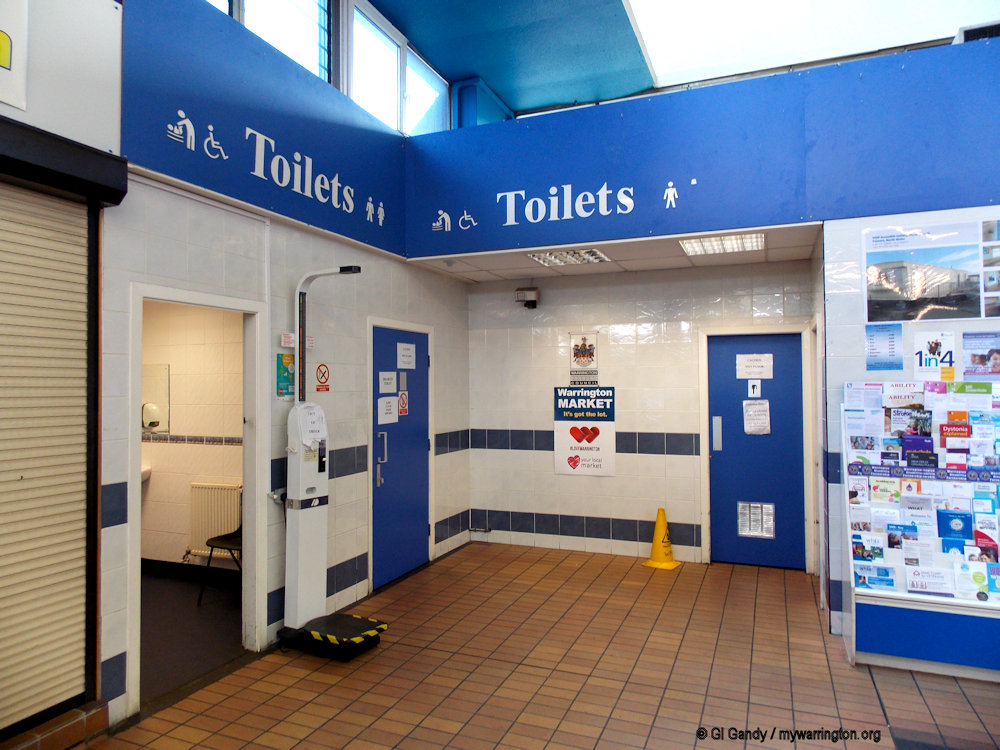
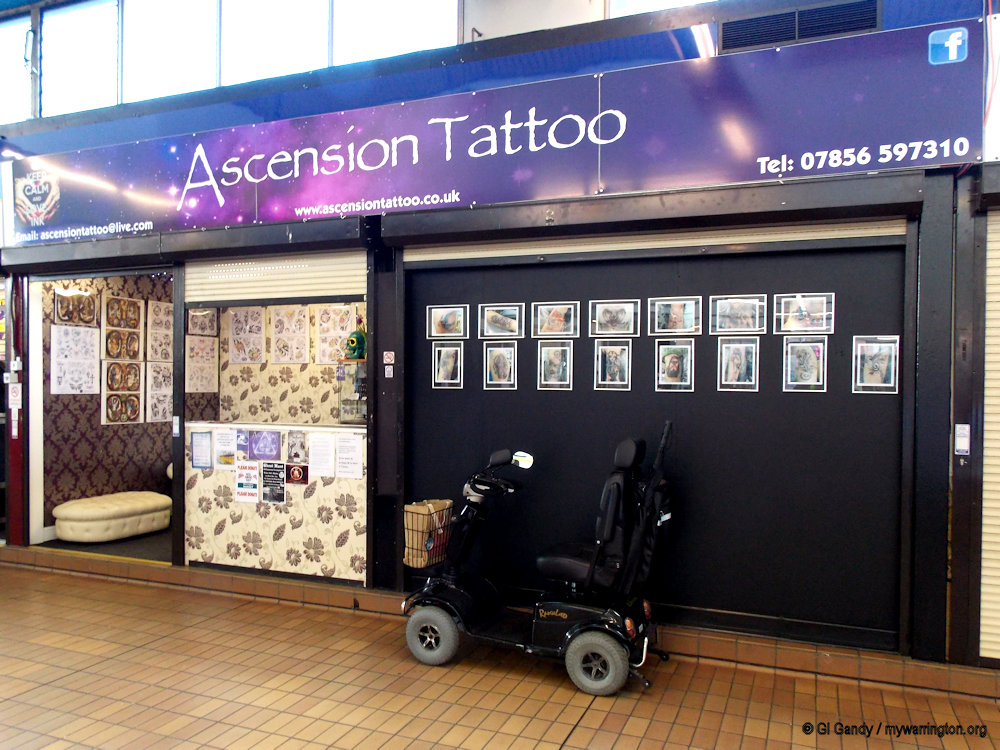


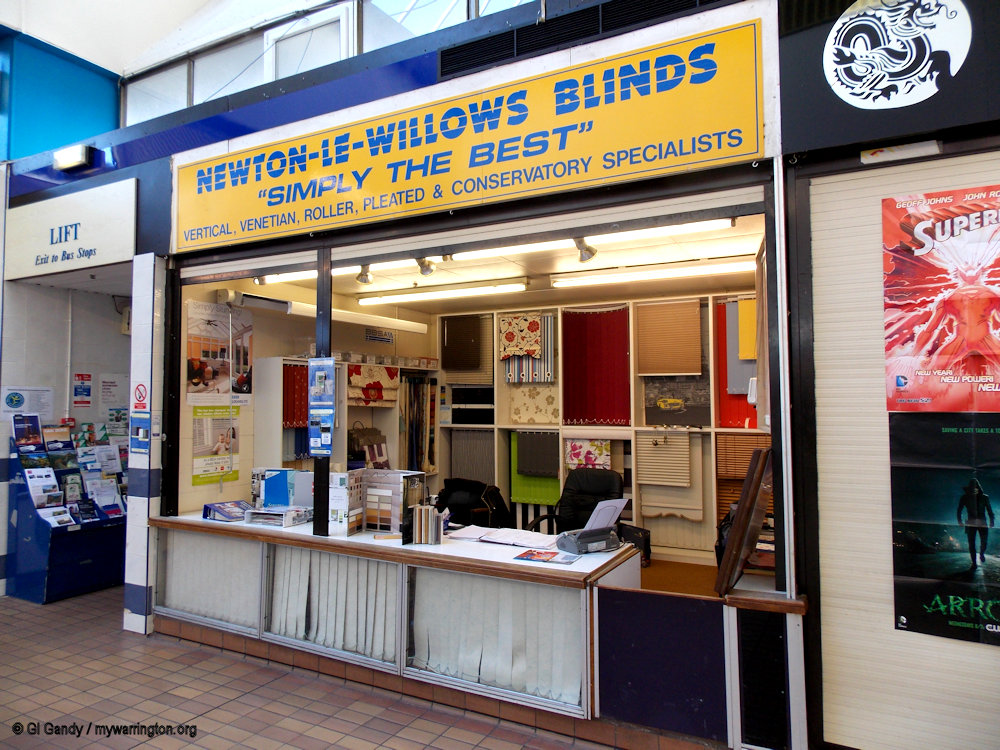

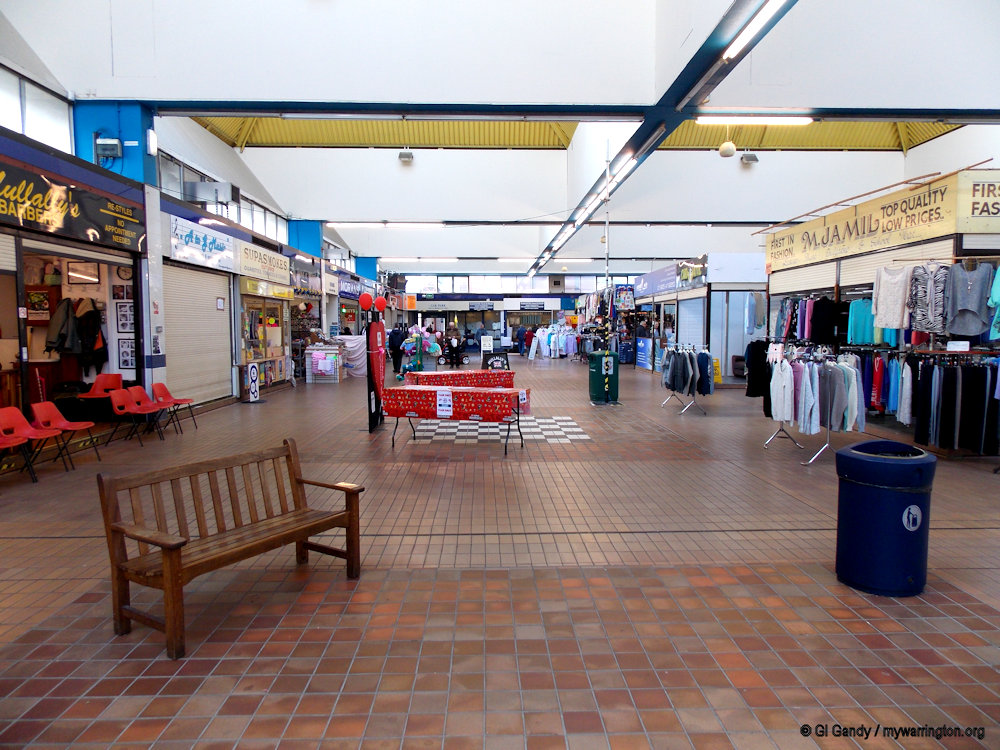
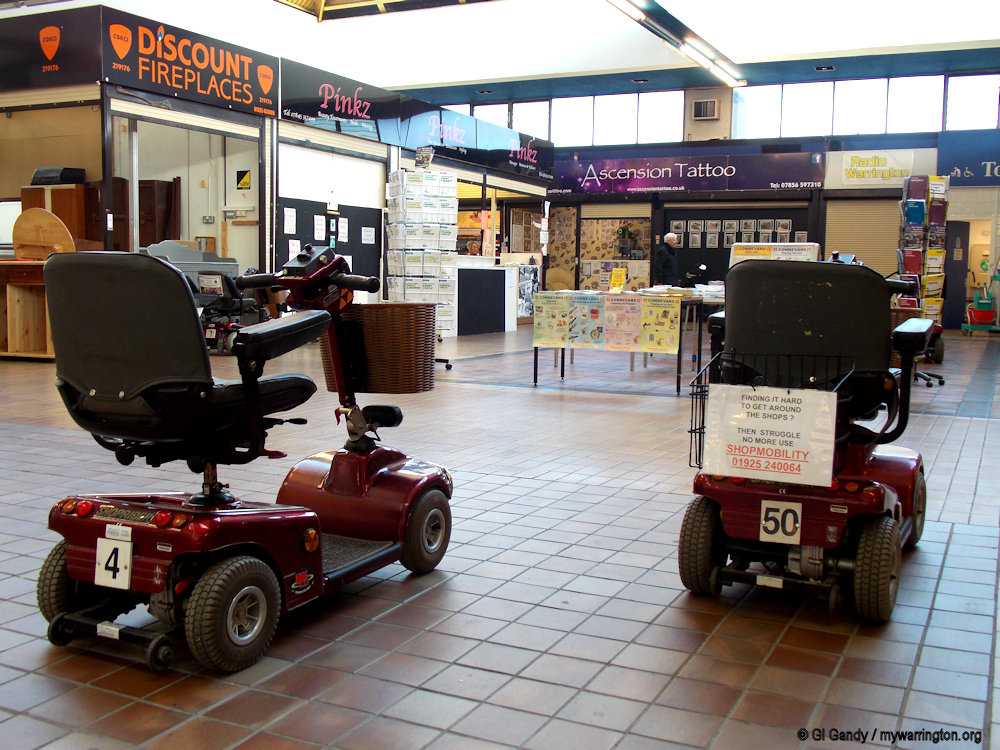


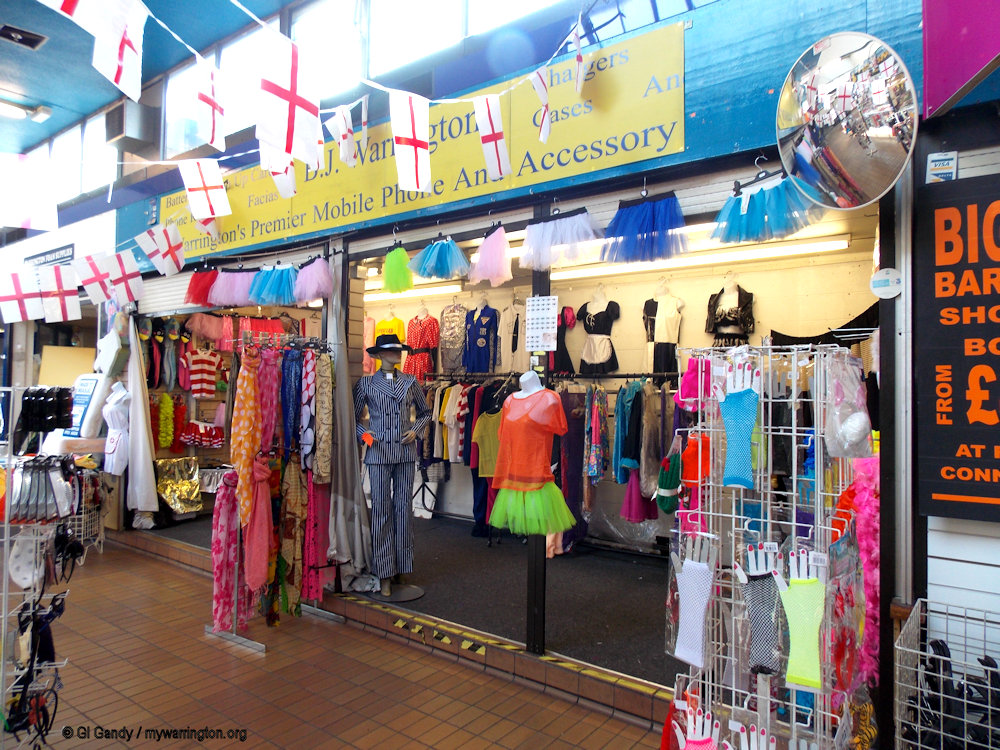
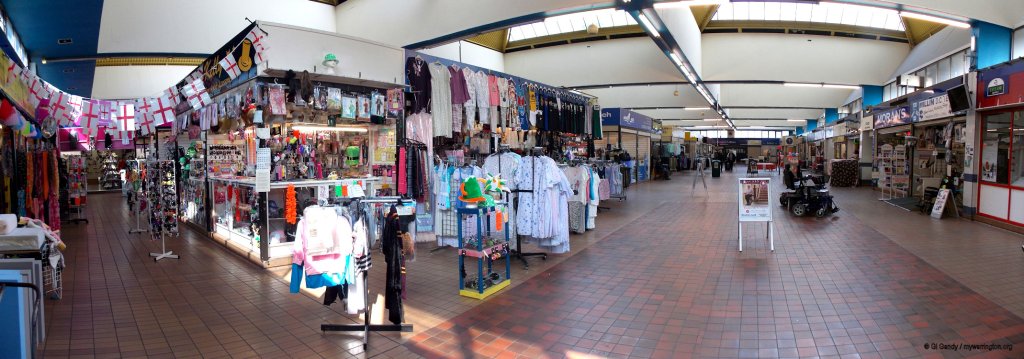

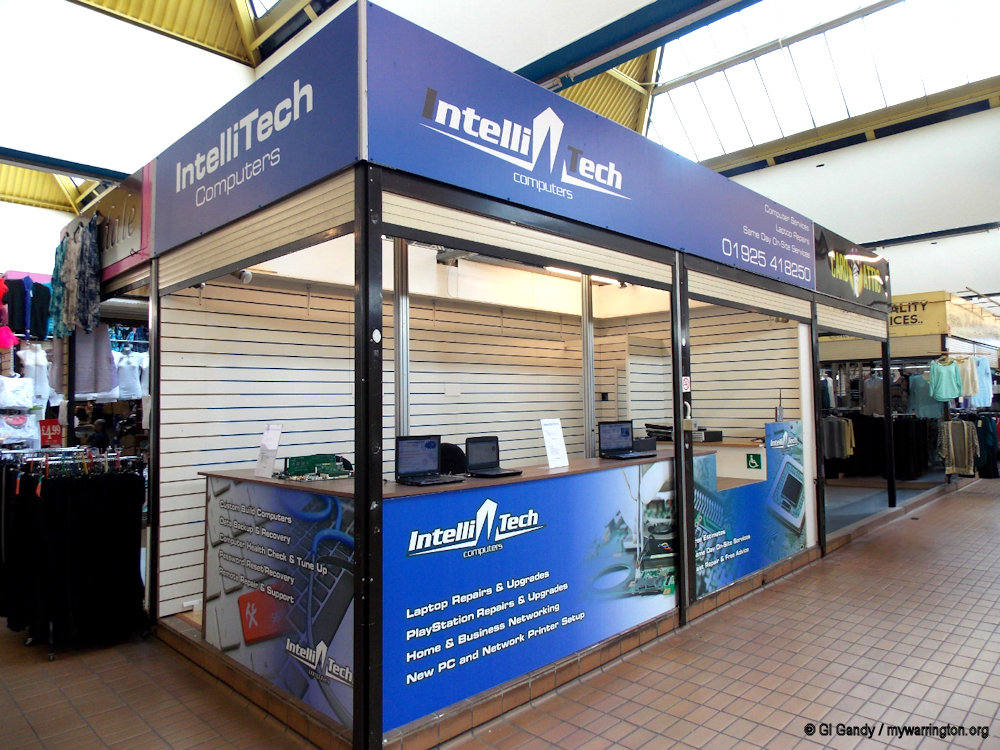


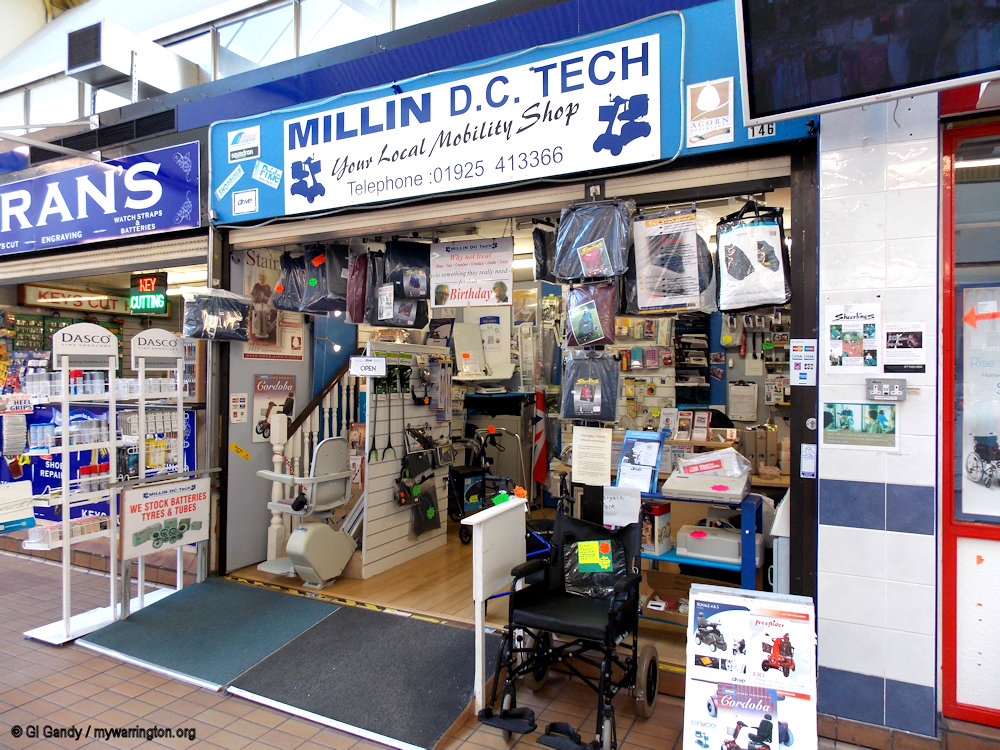
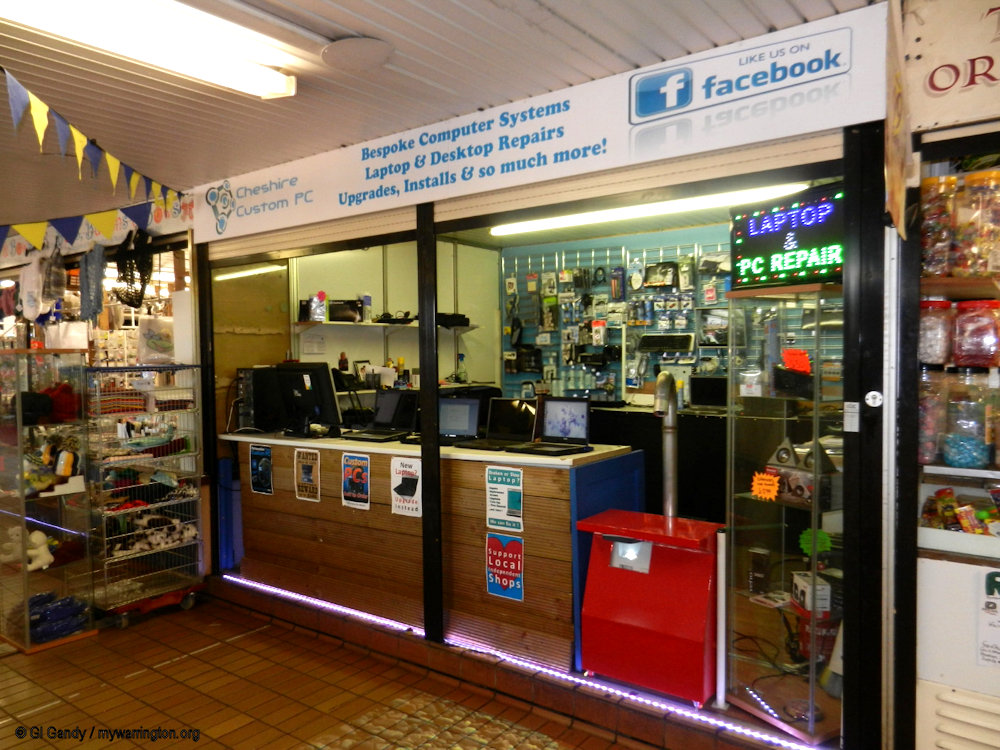


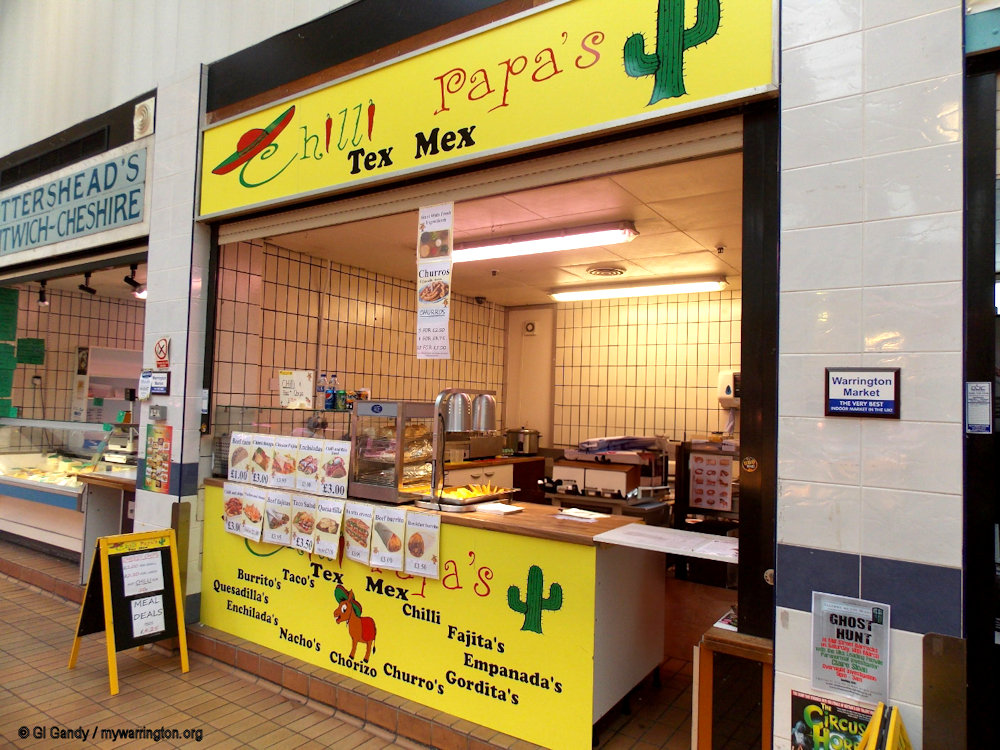
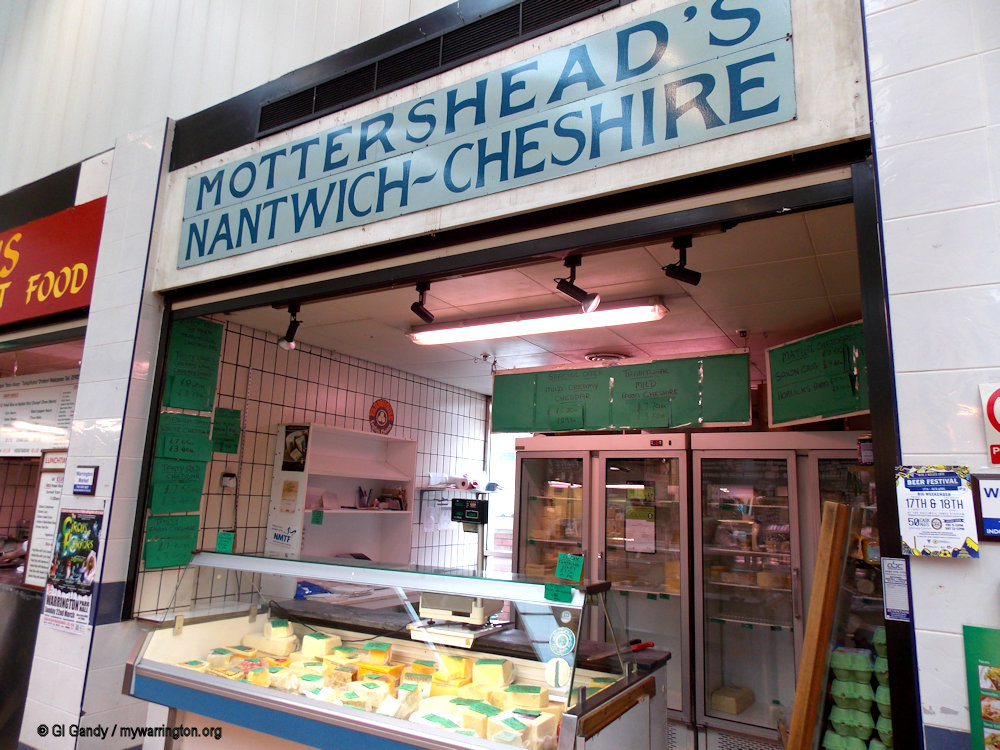


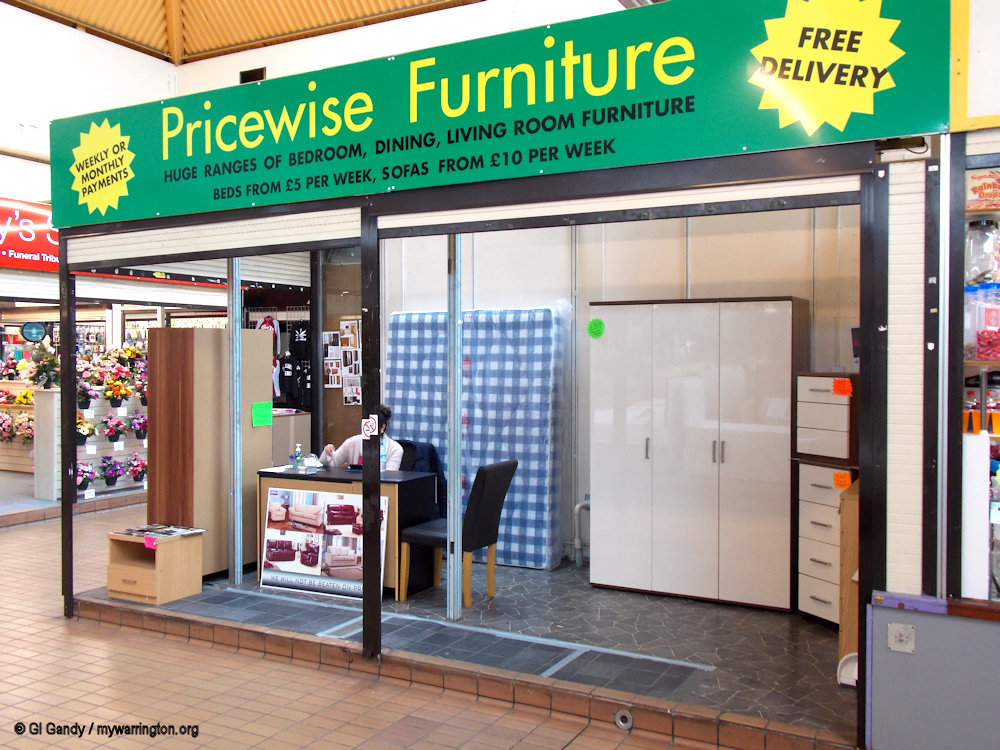
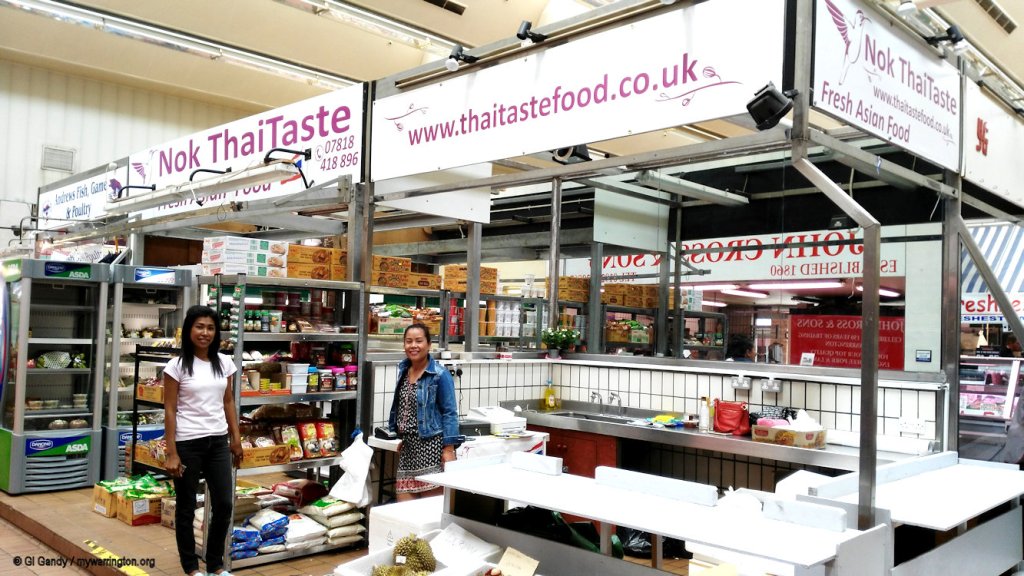
2005 saw the 750th Anniversary of a Royal Charter presented to the 7th Baron of Warrington, Sir William Fitz Almeric le Boteler, by King Henry III permitting him to hold an annual fair at his manor of Warrington.
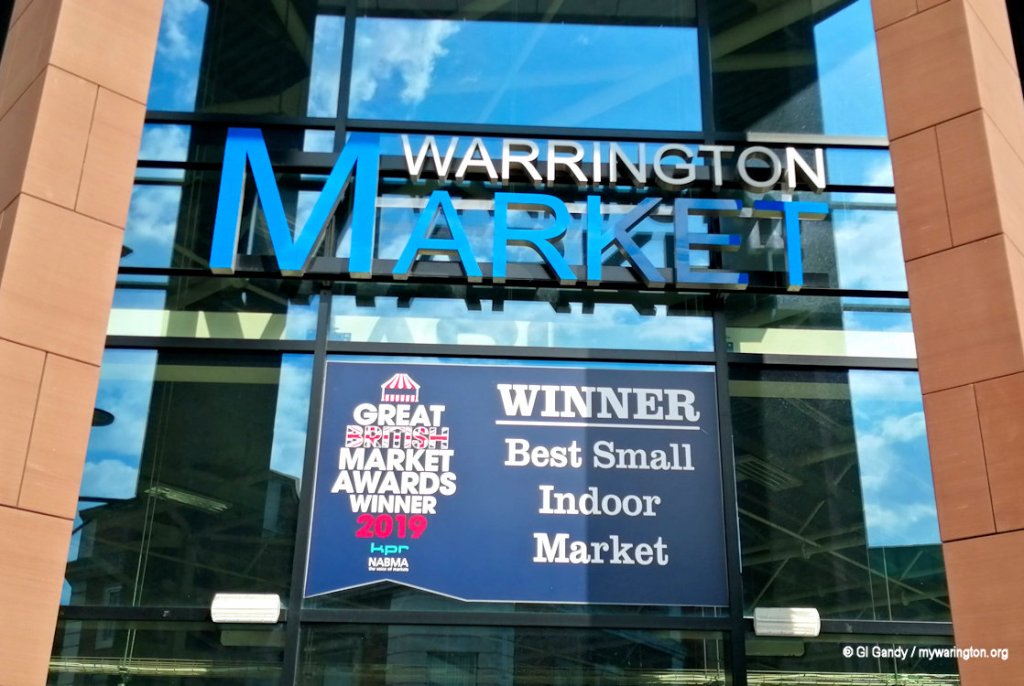
John Leland, an antiquarian and traveller who toured England in the mid-1530s, stated that “Warrington…has a better market than Manchester…” In 2009 it was voted the Best Indoor Market in the UK at the National Conference of Market Operators.
Although the current market is modern and warmer, you will hear many of the older residents of the town, and indeed market stallholders, say that the market has lost its old charm. It just isn’t the same anymore, you will hear people say. But that could be said for all sorts of things in the modern world.
2017 Temporary Market Construction
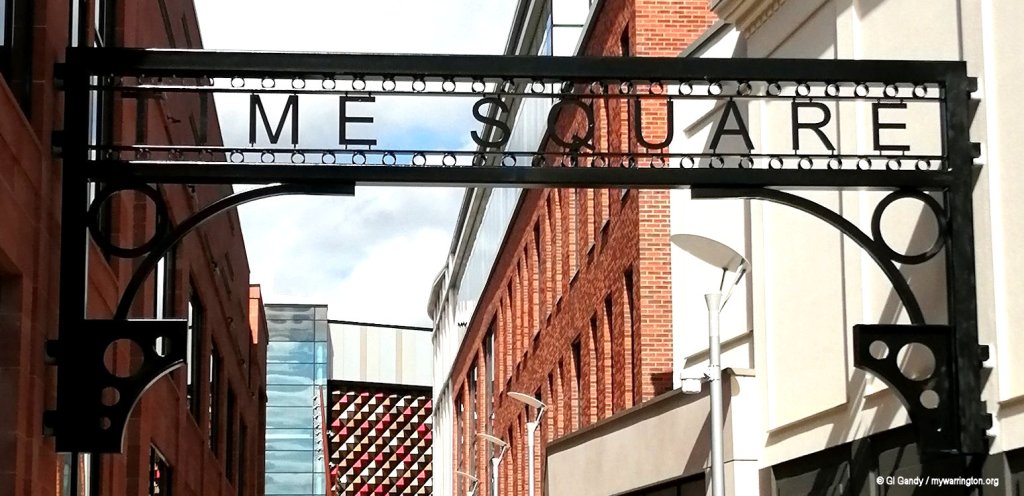
In 2011, Warrington Borough Council announced plans to redevelop Time Square. The plan included a new indoor market, shops, restaurants, a gym, cinema, food store, cultural centre, hotel and council offices.
Although some of these ideas didn’t form part of the final plan, work started in 2015 to demolish the existing Time Square buildings, which was known as the South East Quadrant during the building of the 1974 market. The project included demolition of Time Square, the construction of a temporary market in a new building (which would be put to another use in later years), demolition of the 1974 market and the building of a permanent market on the site of the former Boots the Chemist shop fronting Bridge Street. More on the Boots building later.
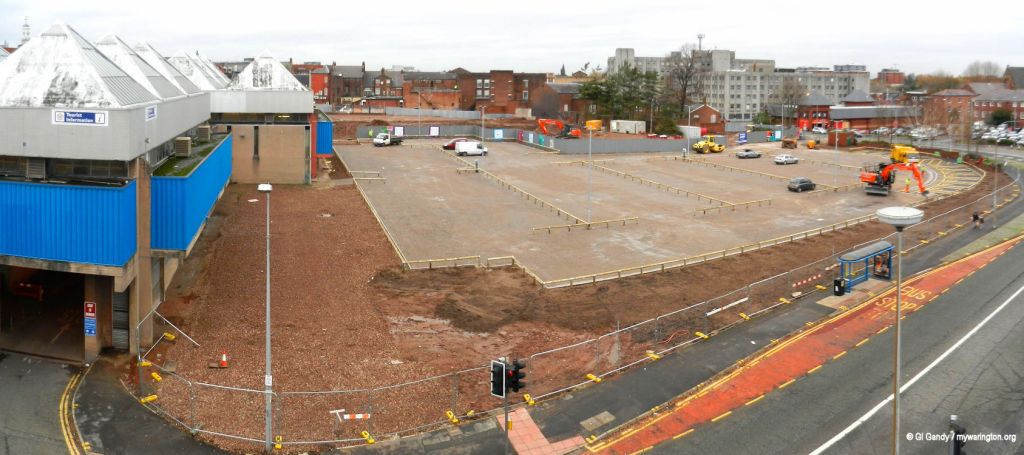
The former Time Square land being prepared for a temporary car park due to demolition of the old Mersey Street car park and construction of a new one. (Photo 28 November 2015)
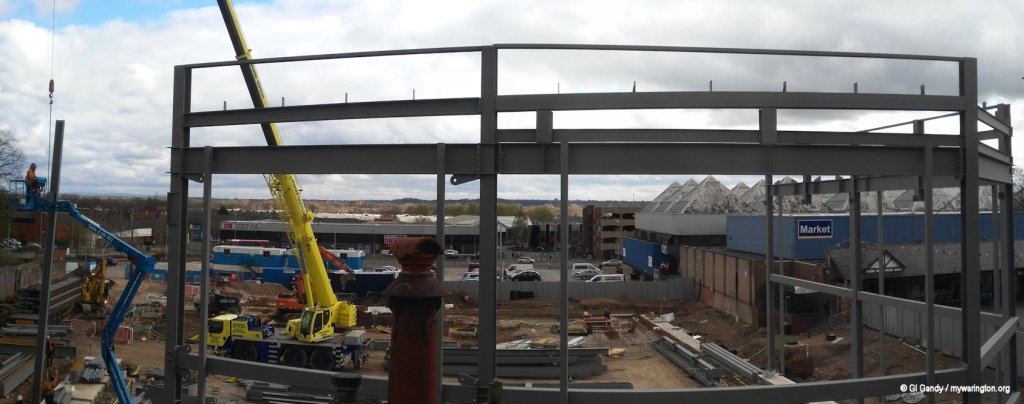
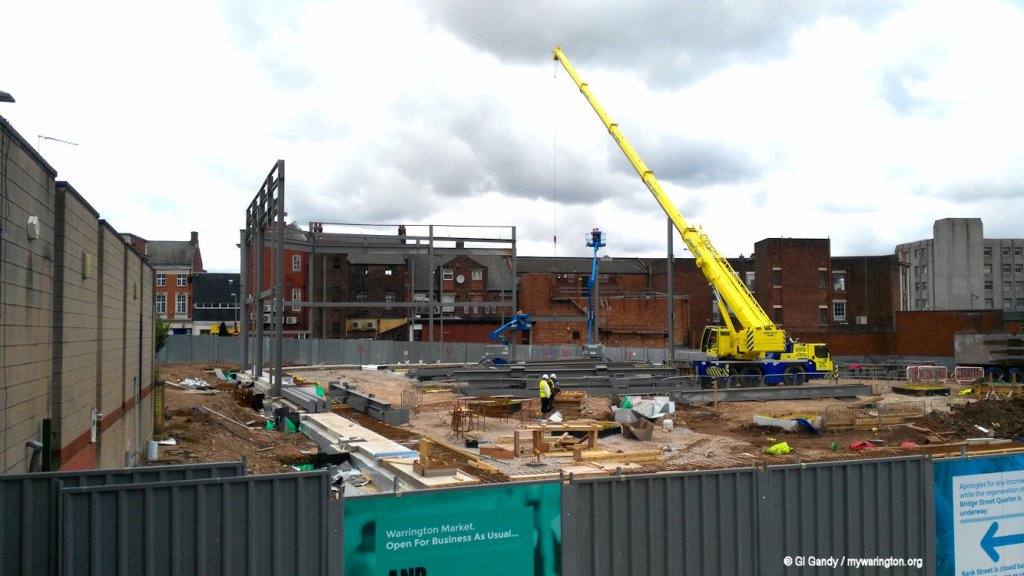
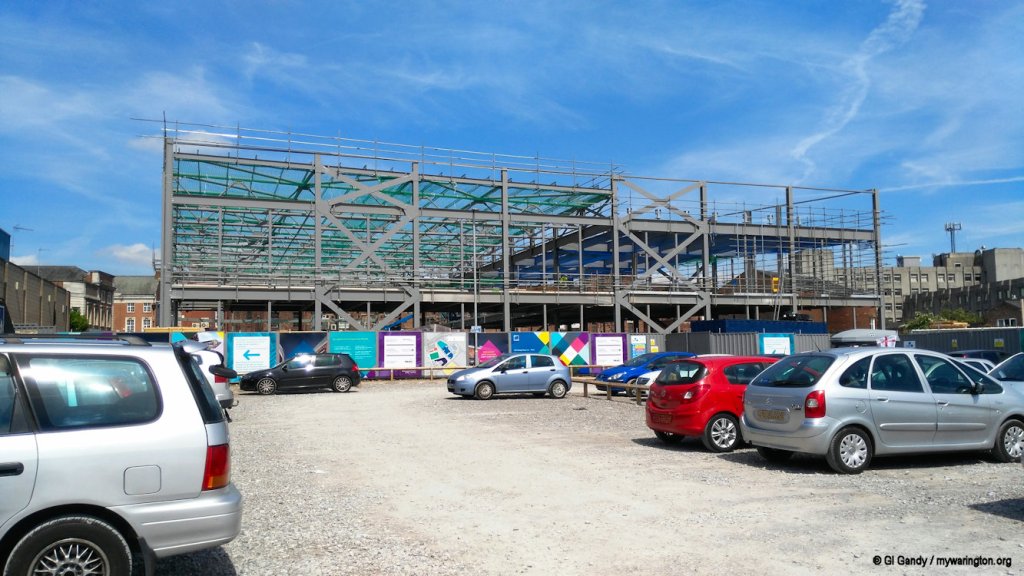
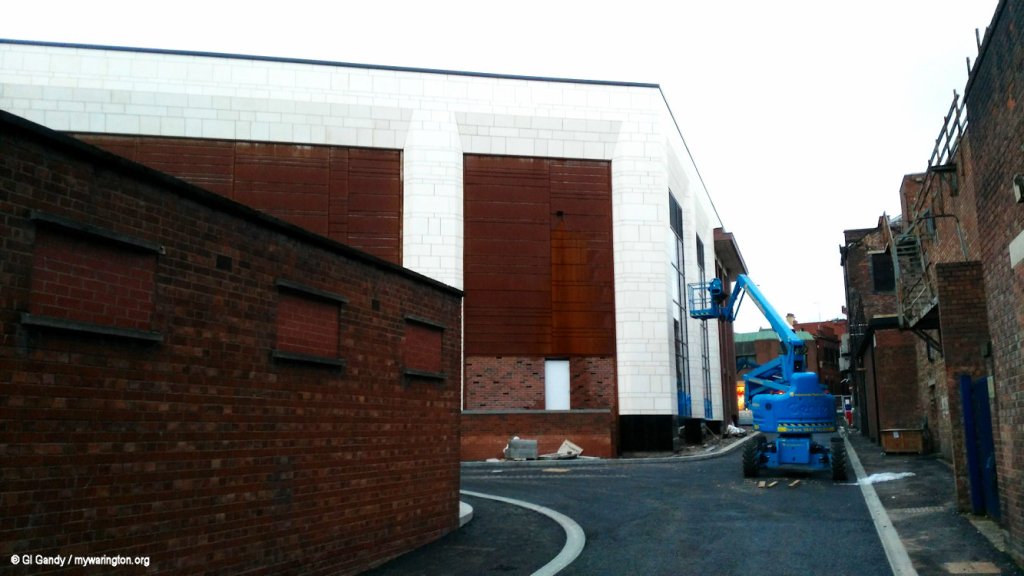
Here are photos of the construction of the temporary market between 2016 and 2017. View as a slide show if you prefer by clicking the first image. My thanks to Lisa at Corkers Pharmacy for viewing positions for some of the photos.



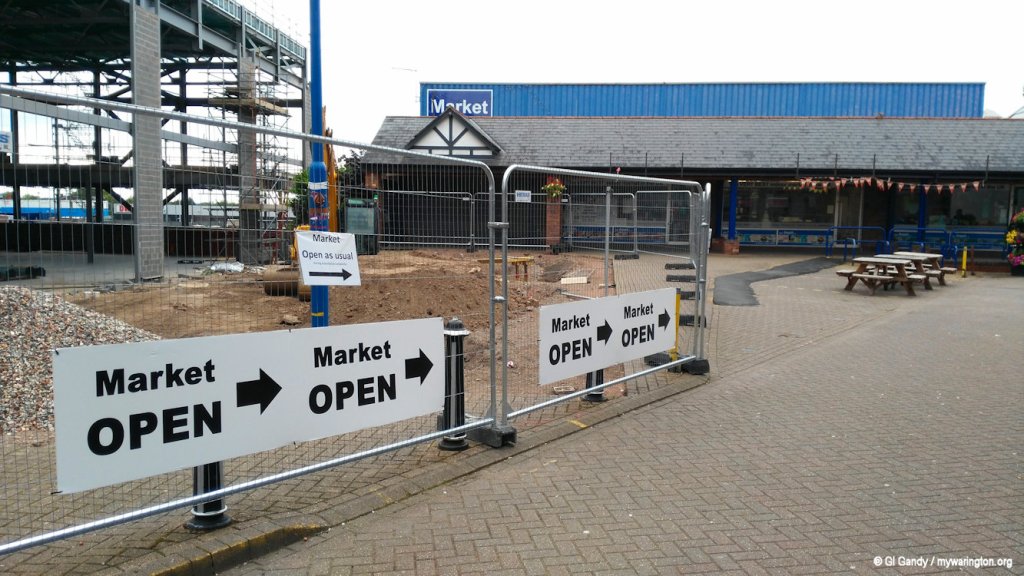


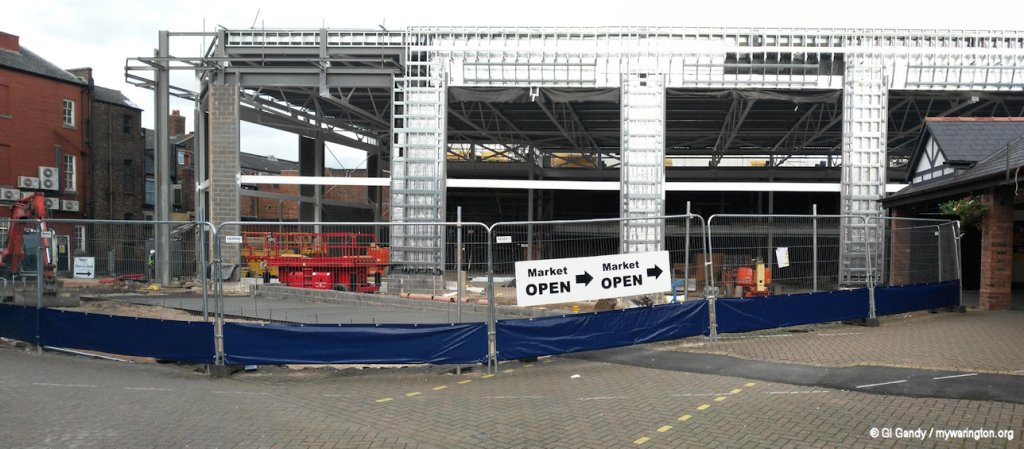
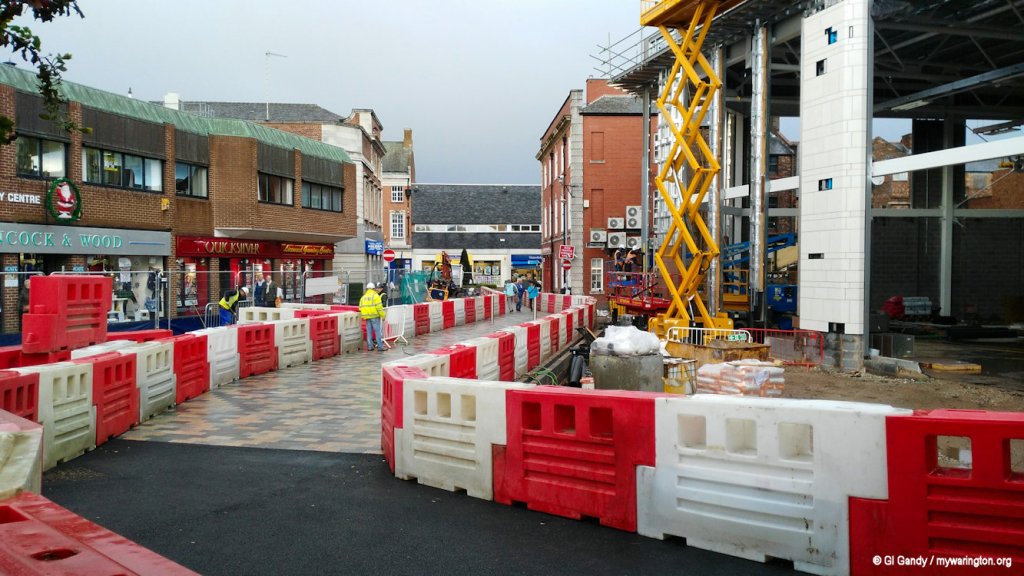


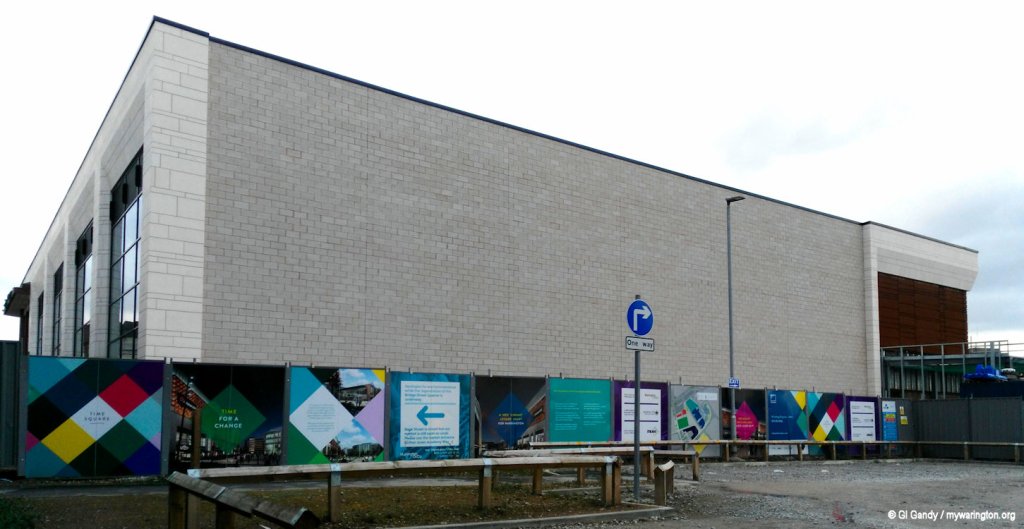


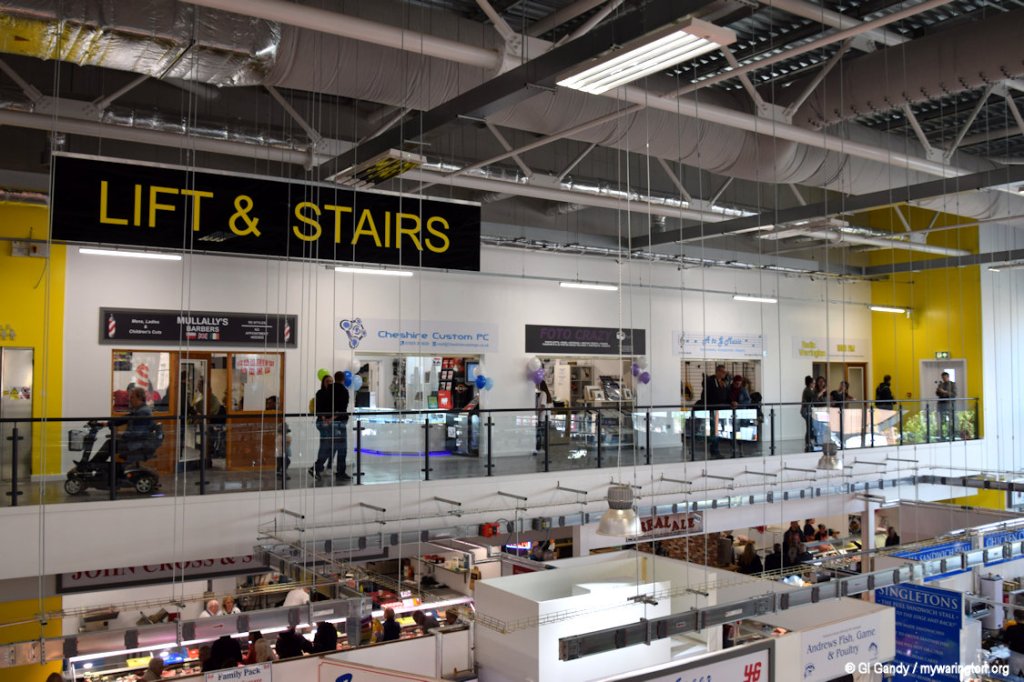
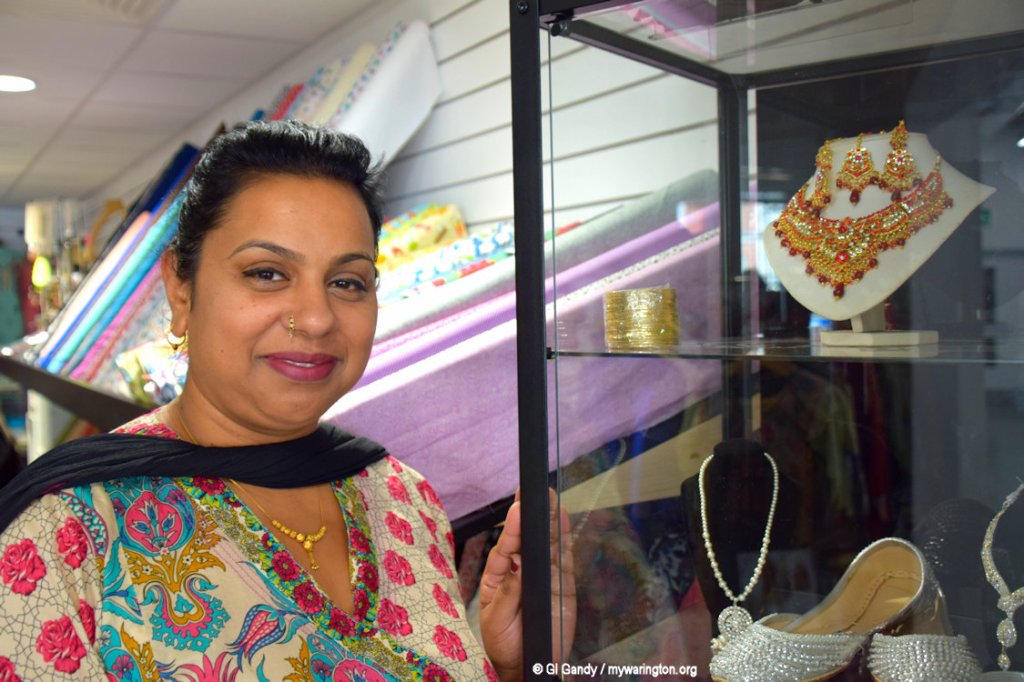
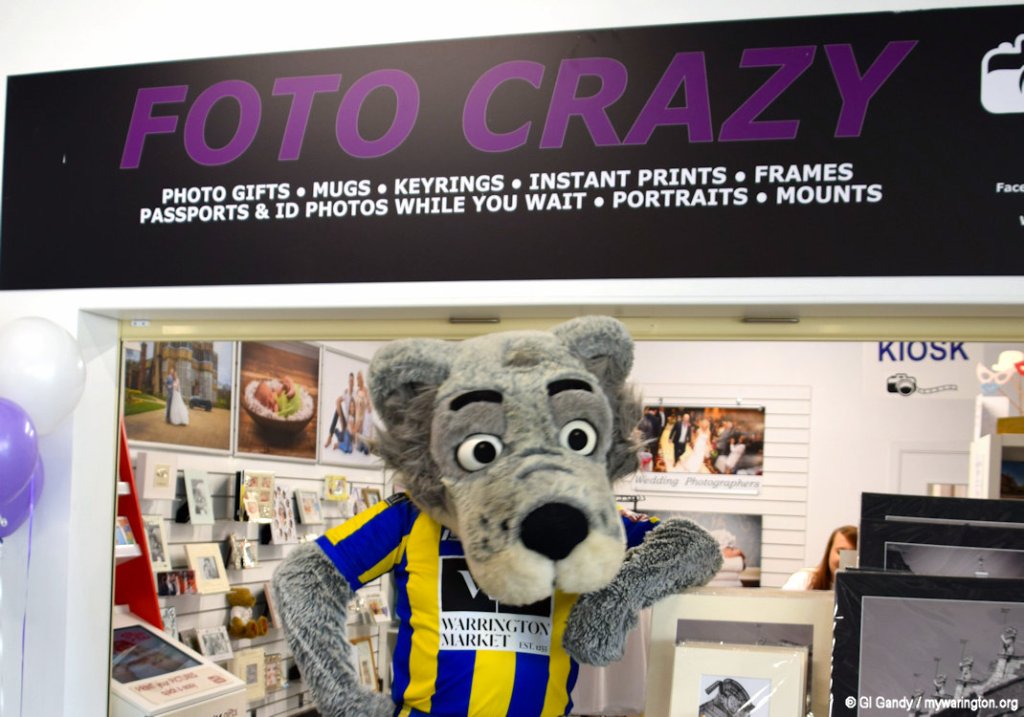
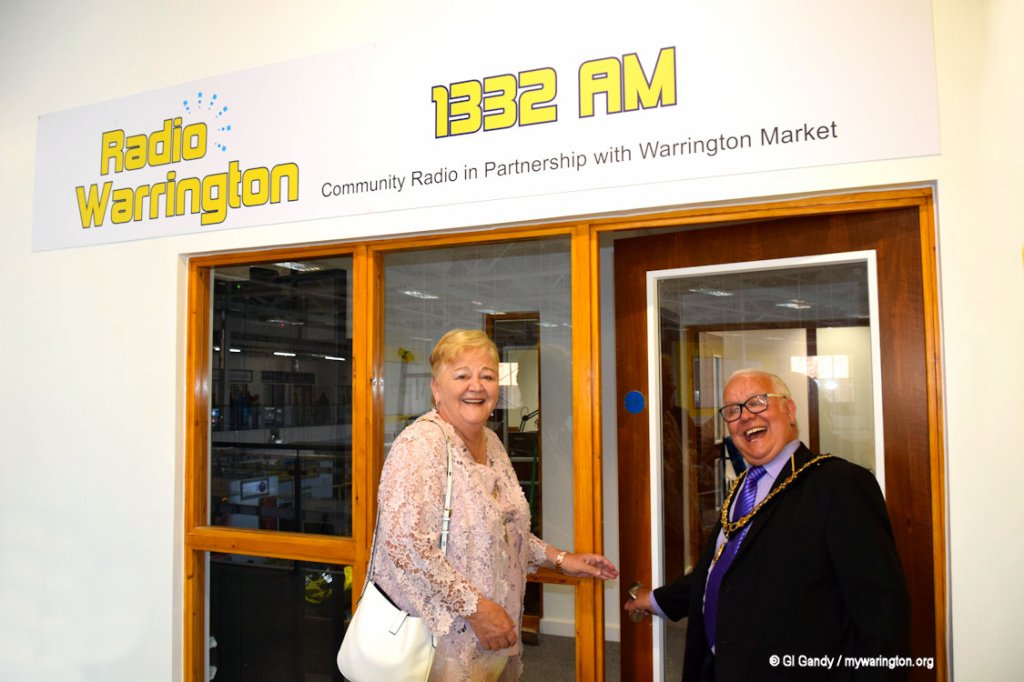
2017 Temporary Market Official Opening Day (2 Sep 2017)













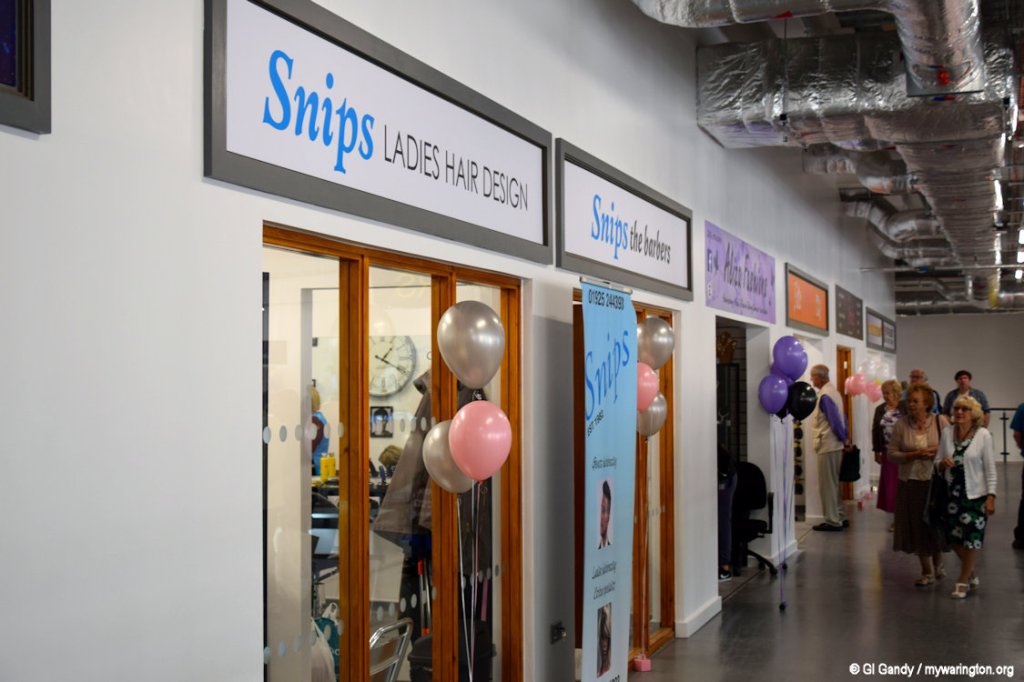


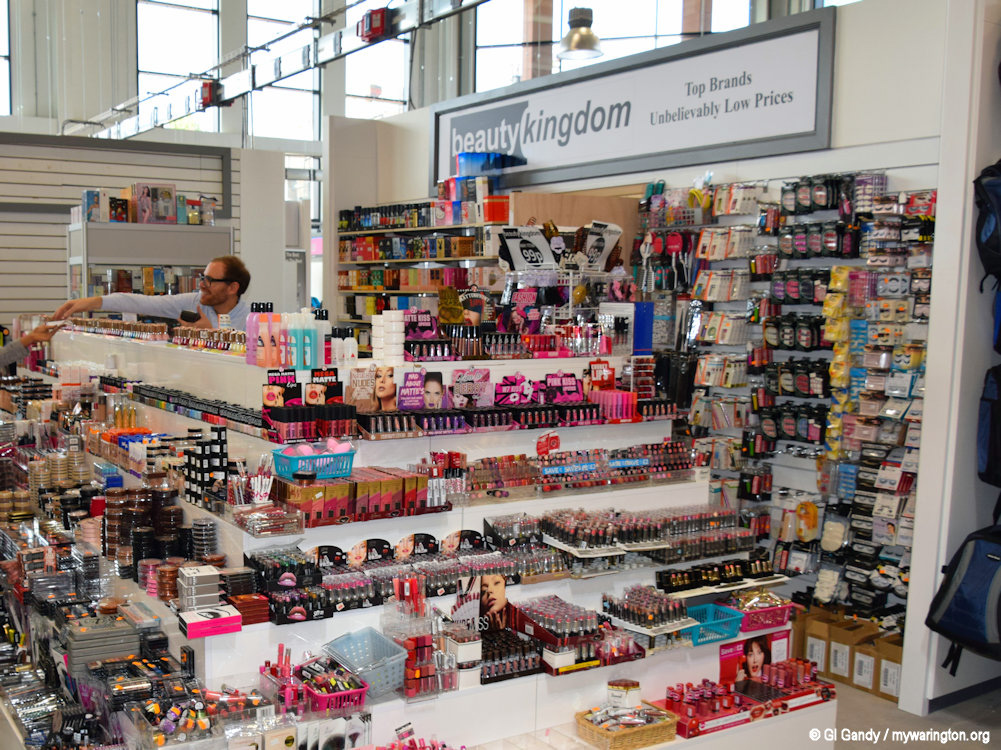
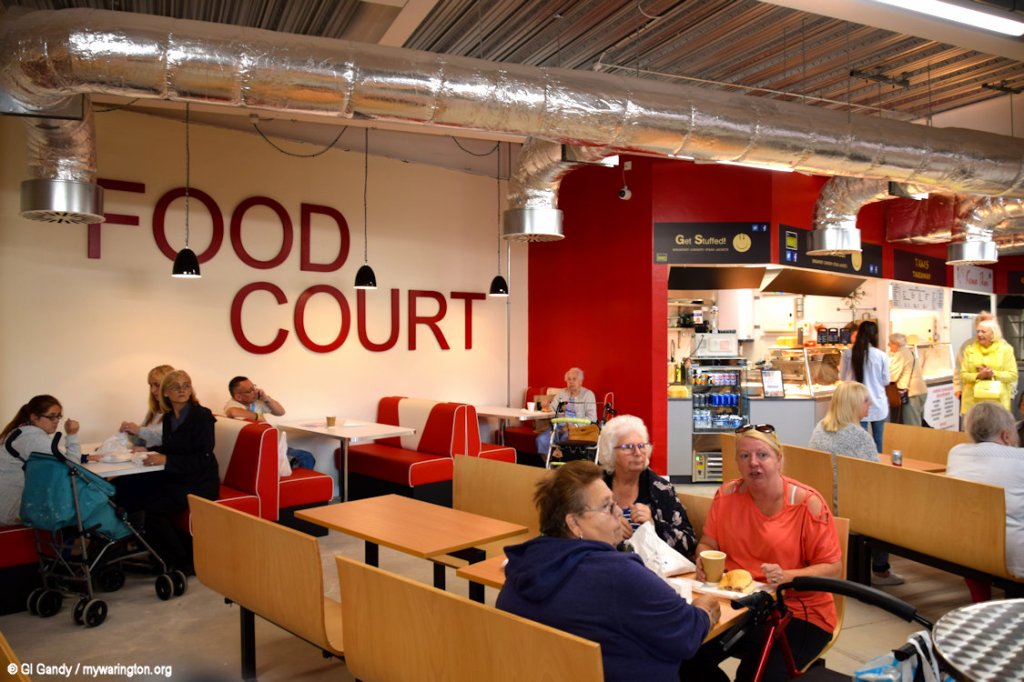


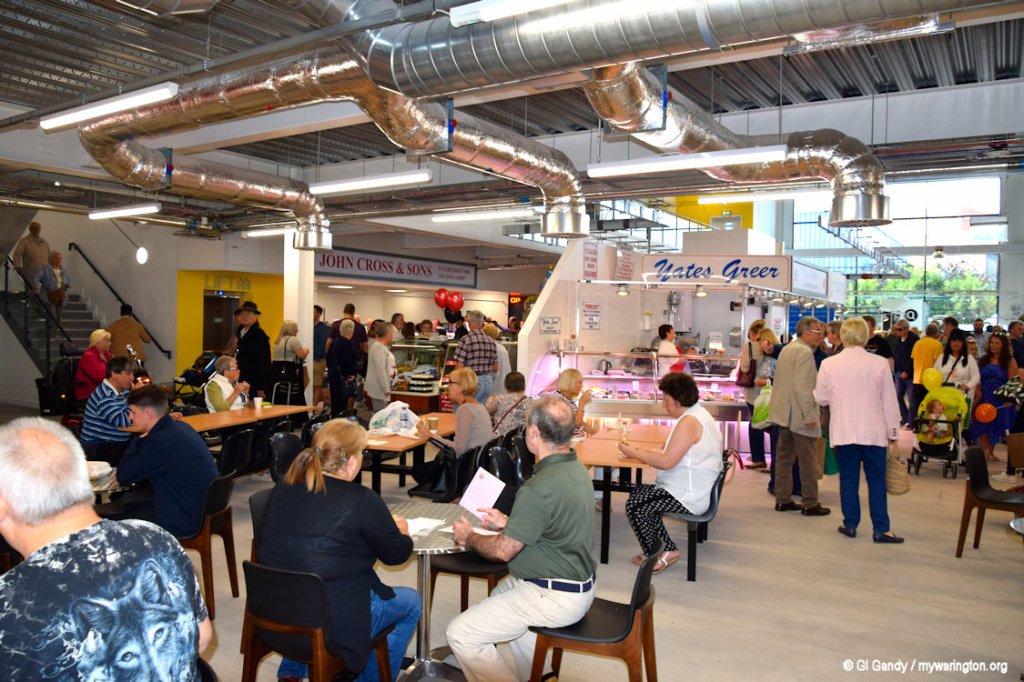




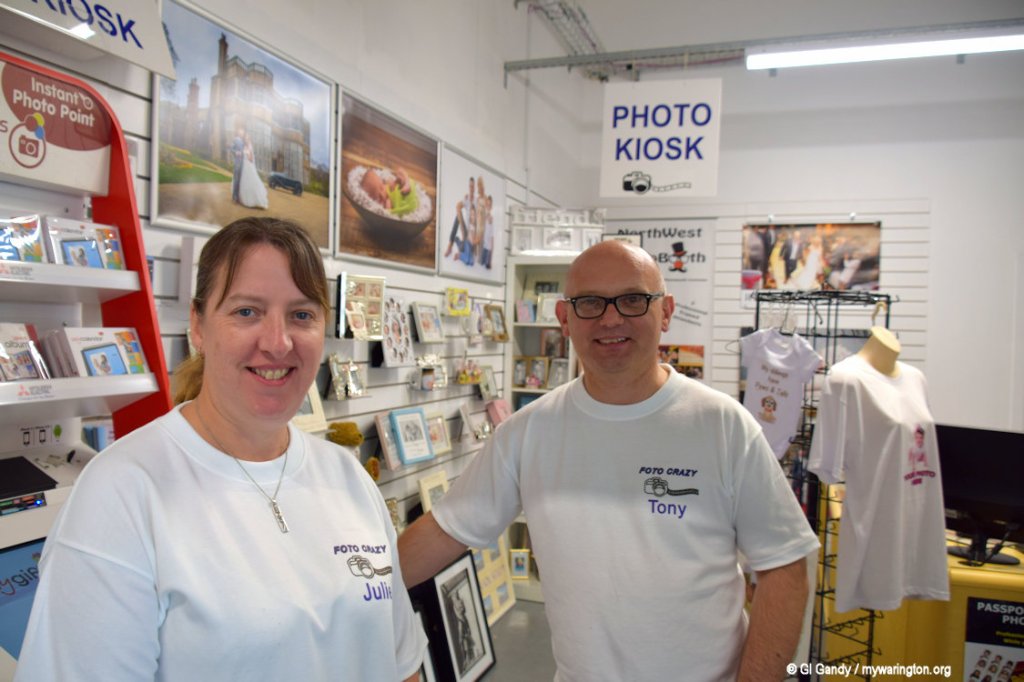
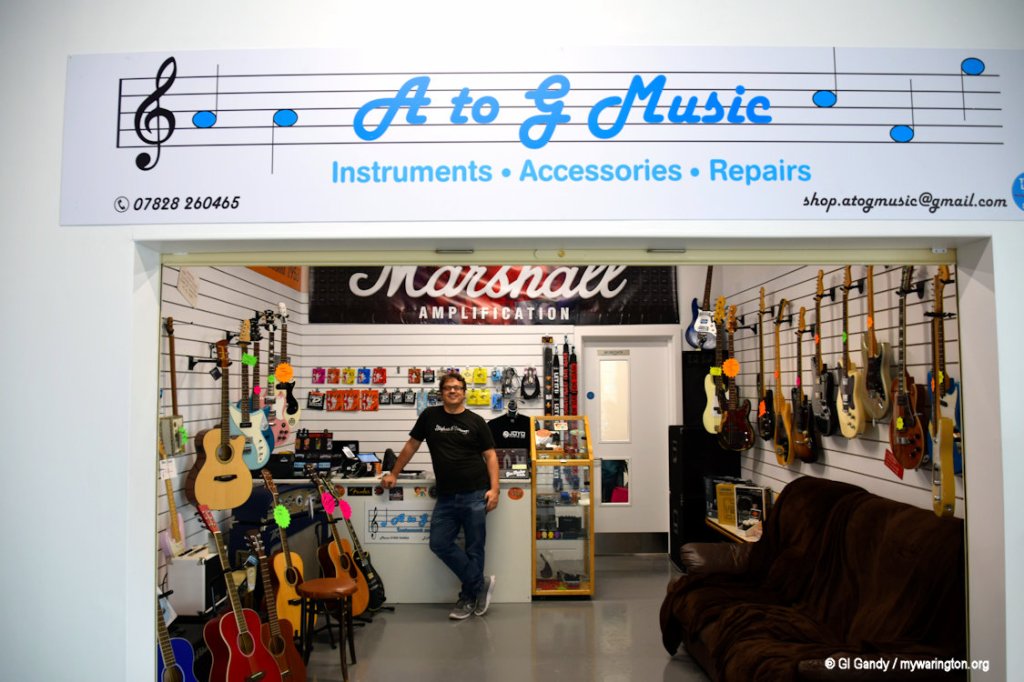
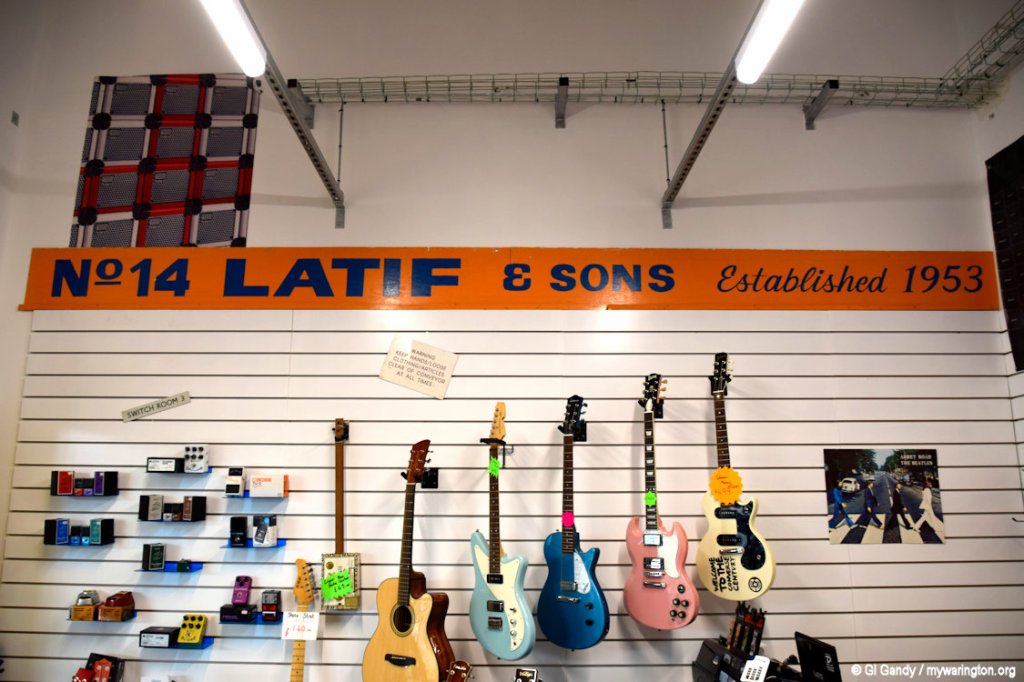

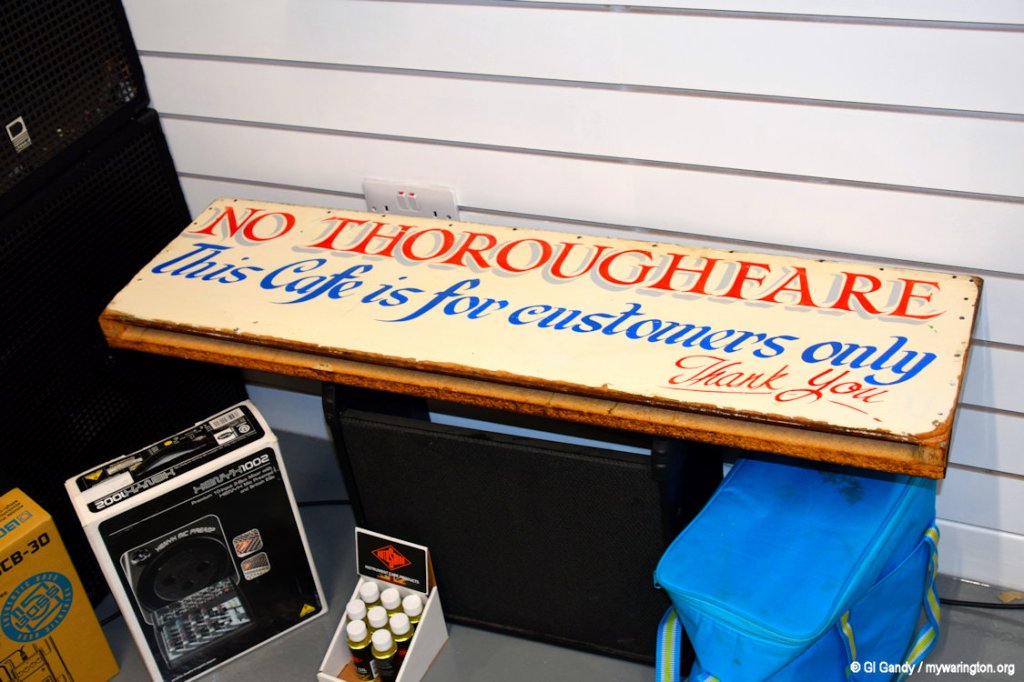










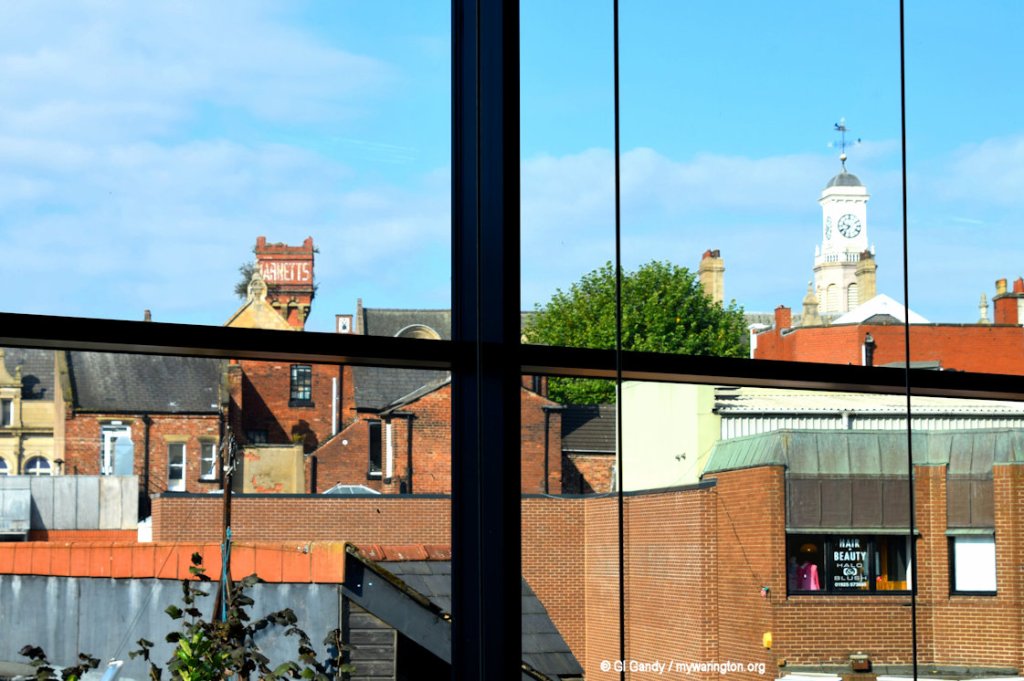
1974 Market Demolition
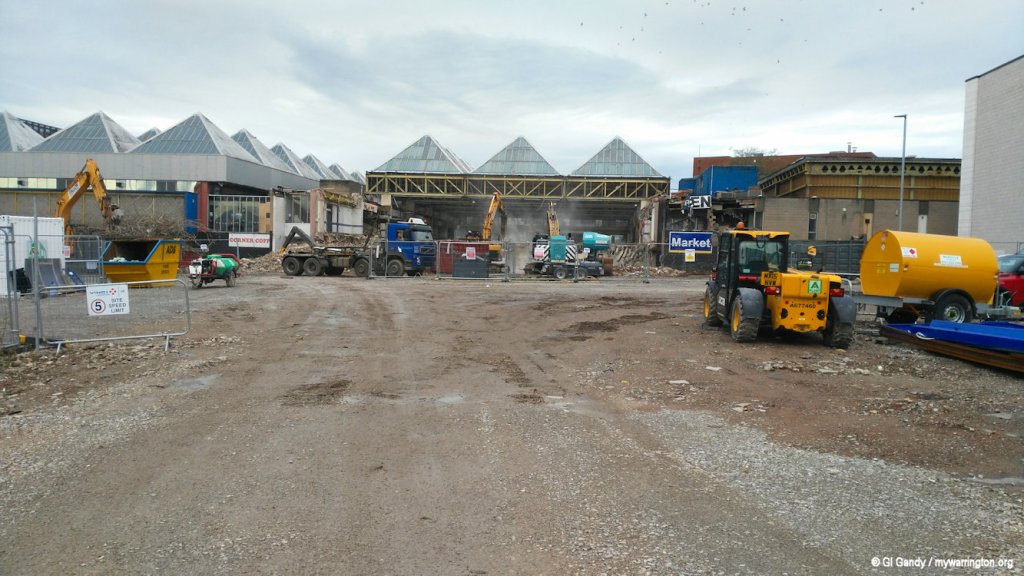

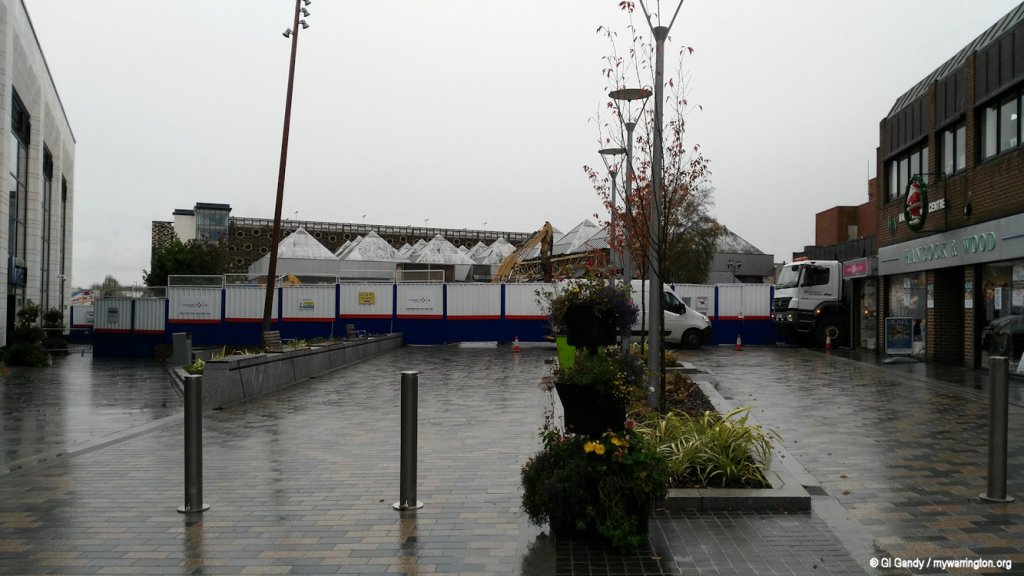


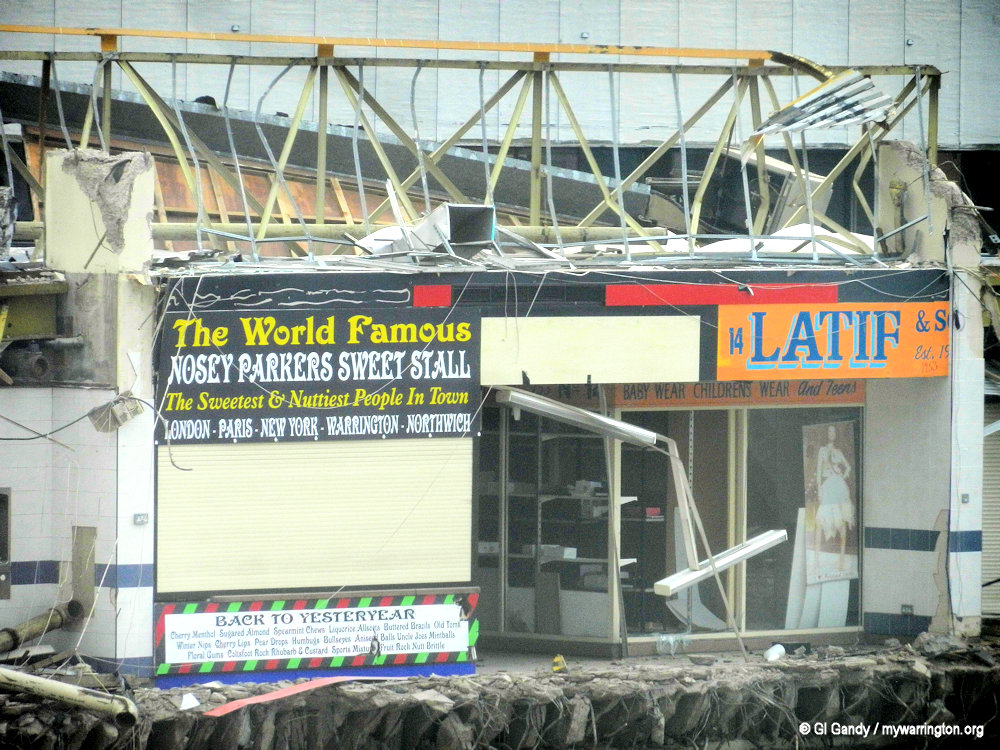

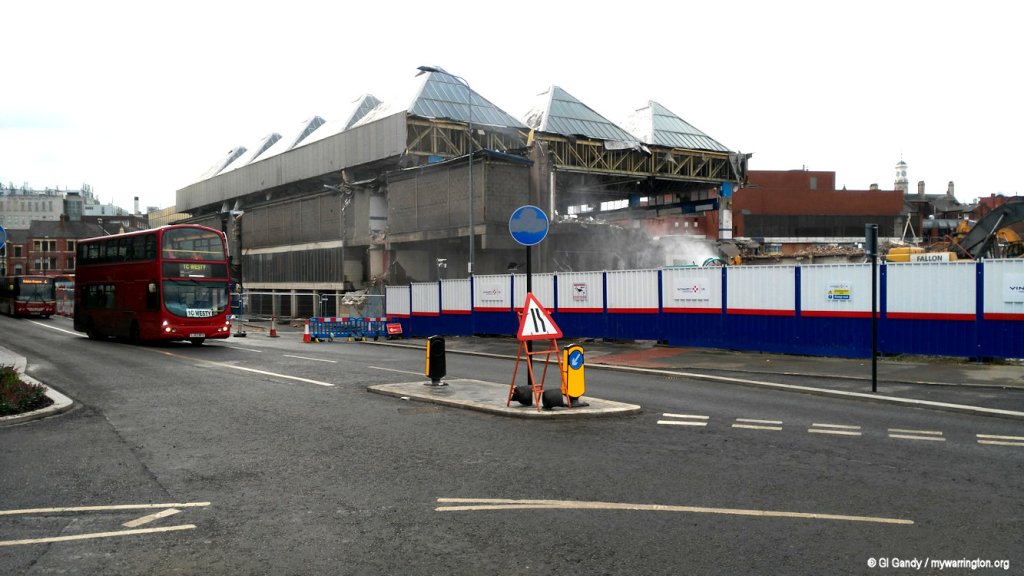
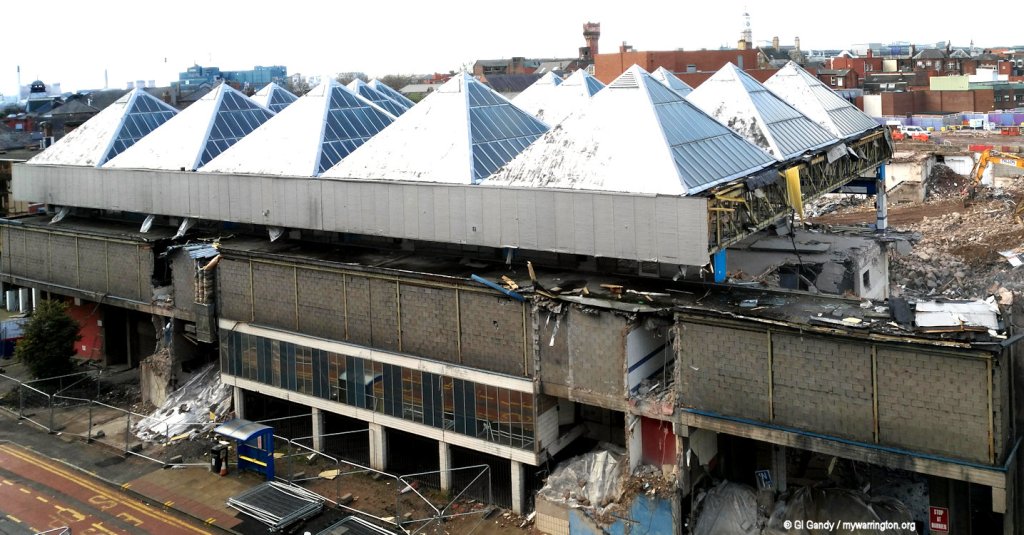

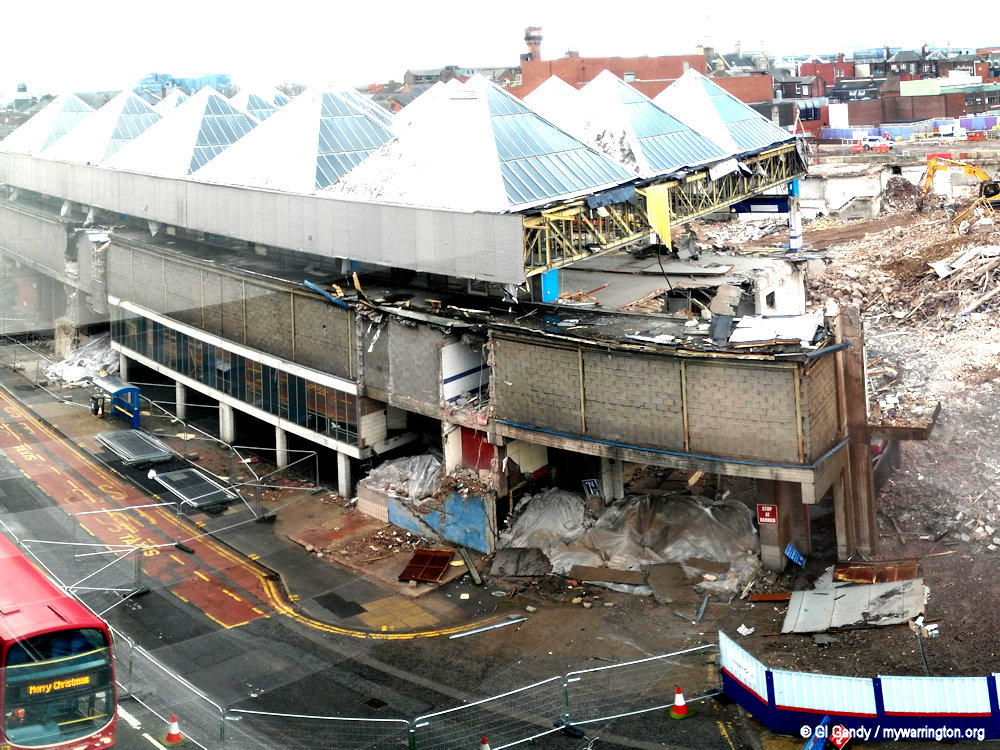


2020 Permanent Market
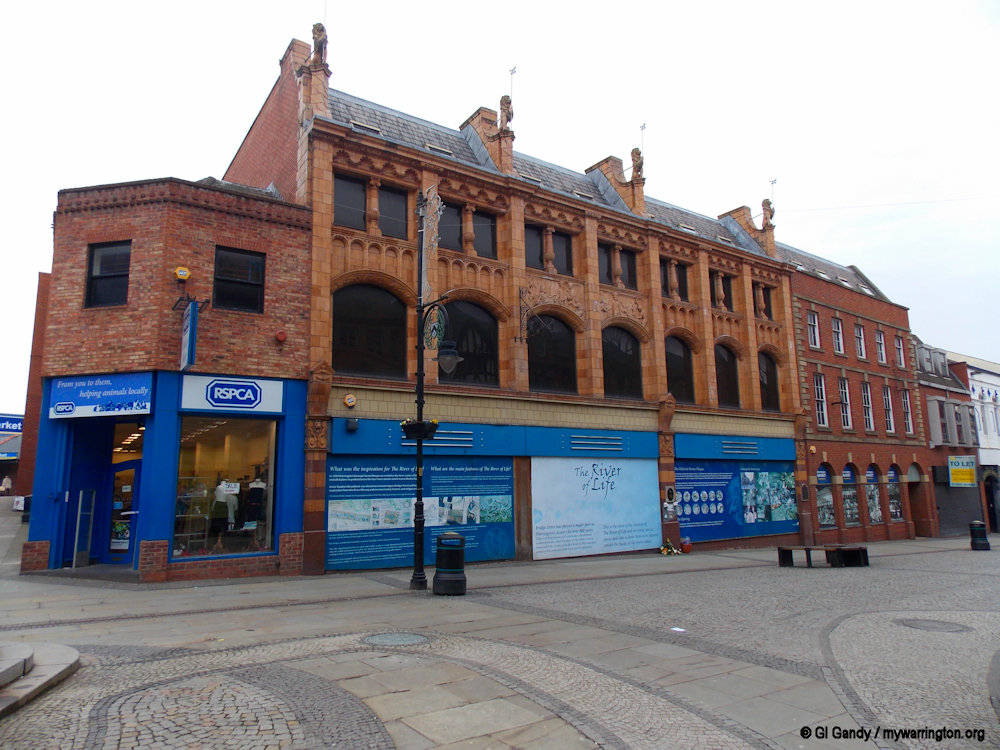
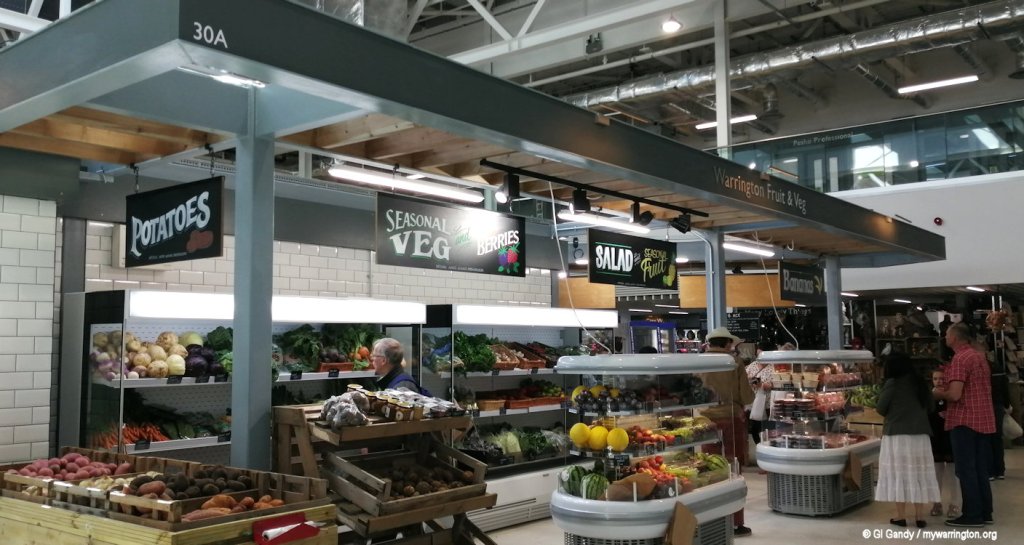
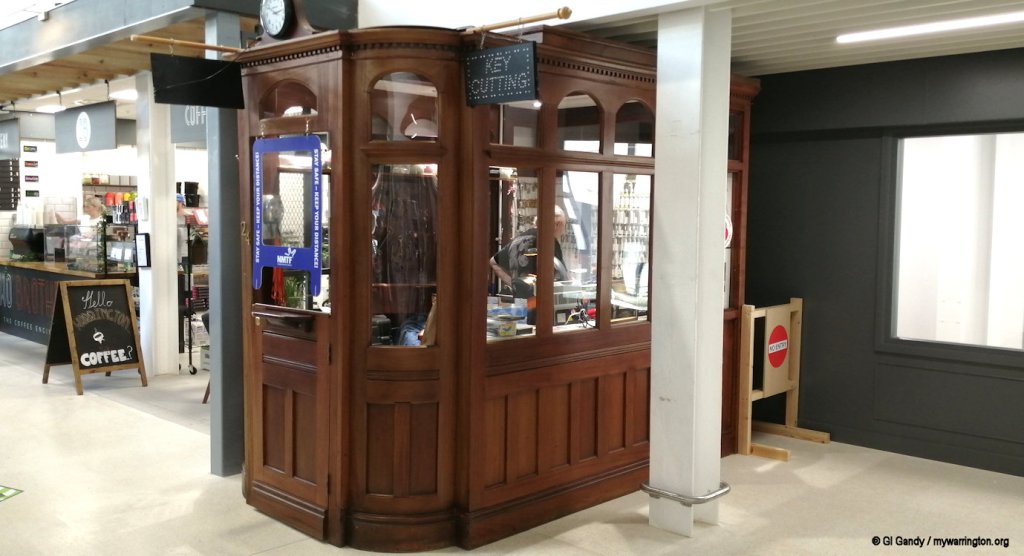
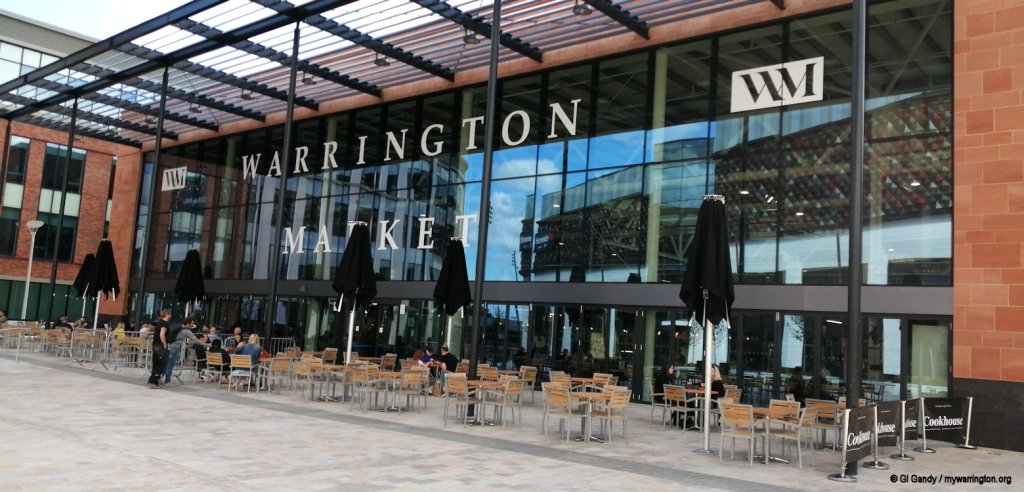
A permanent market building was built on the site of the former Boots the Chemist building. Boots occupied the Howard Buildings. The Howard Buildings were built in memory of John Howard FRS (1726 – 1790), who was an English philanthropist known for his work as an early prison reformer. He lodged in a shop on the site of the Howard Buildings while his book on prison reform was being printed at Eyres Press on Horsemarket Street. Read his profile in Warrington People. The section of the Howard Buildings on Bridge Street is listed, and now forms part of the 2020 permanent market. The rest of the building behind was not listed, so this was demolished and the new market was built onto the remainder of the Howard Buildings.


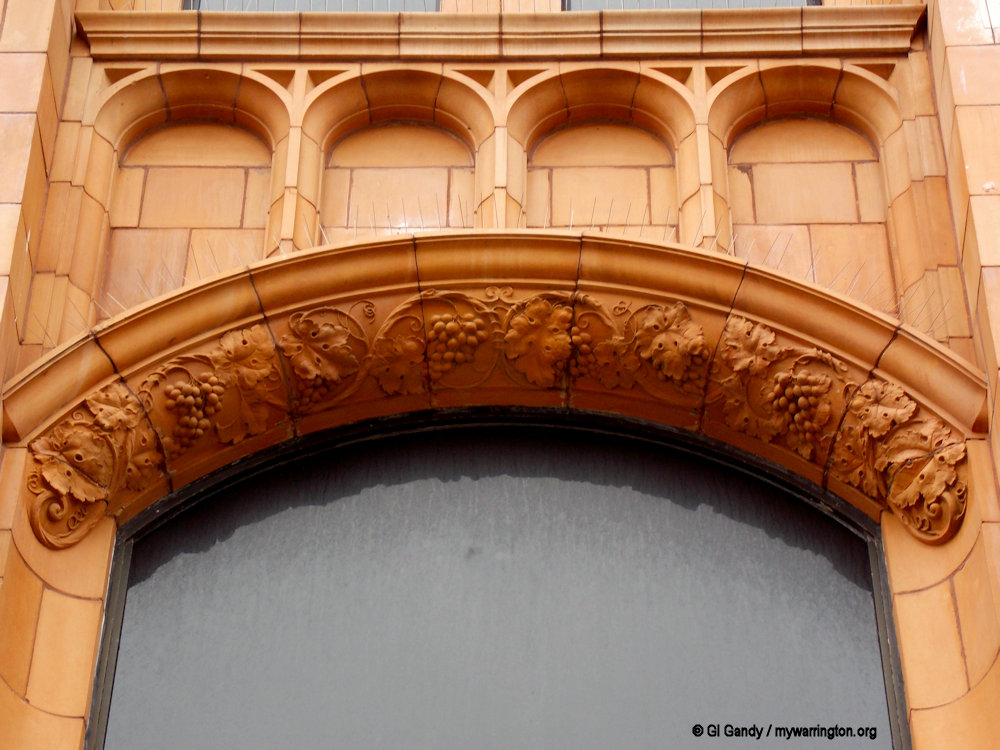
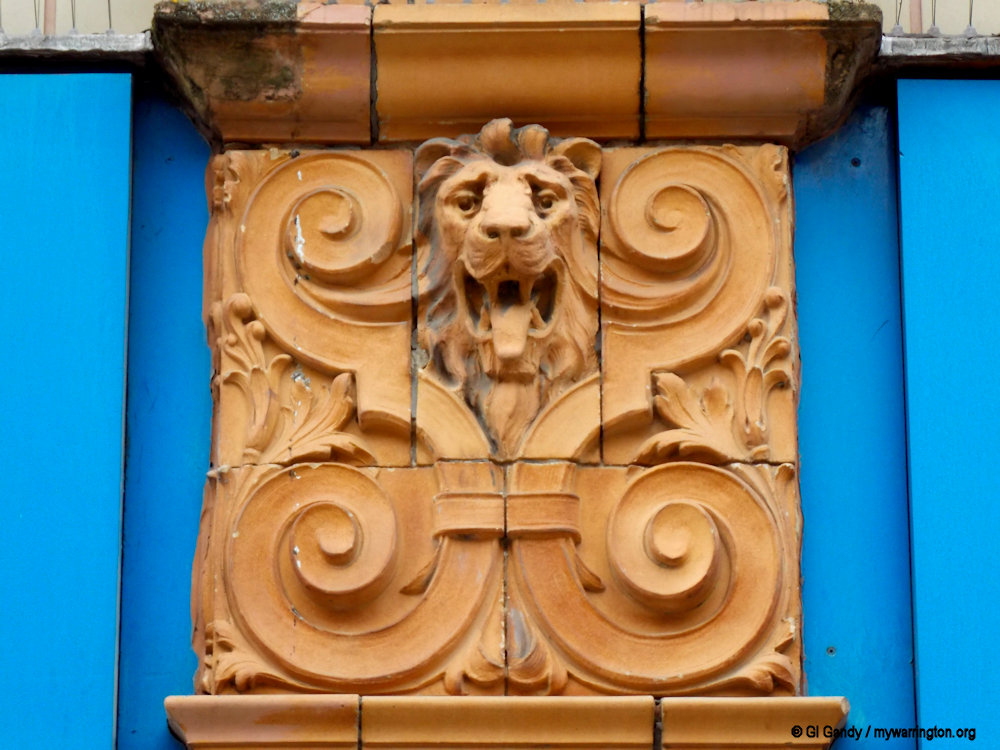
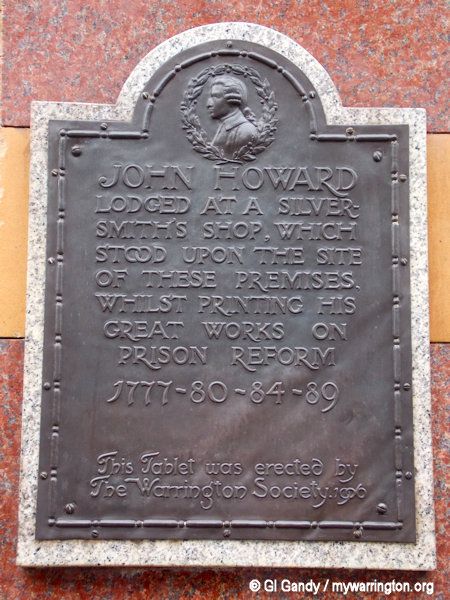
Close-up photos of the Howard Building on 16 March 2015.
Demolition of the Former Boots Building

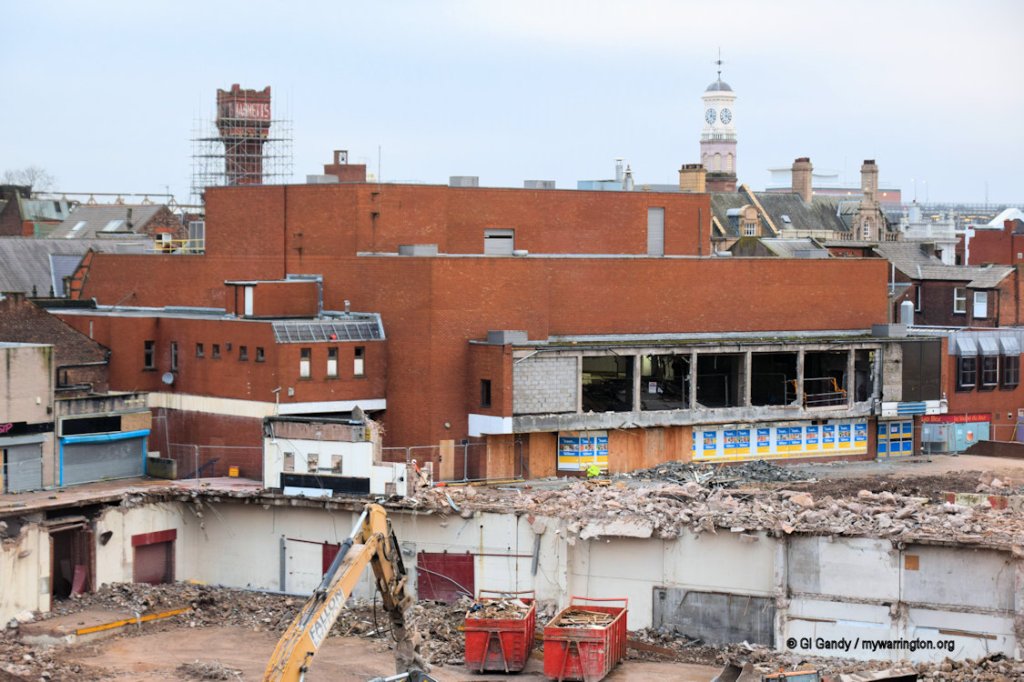

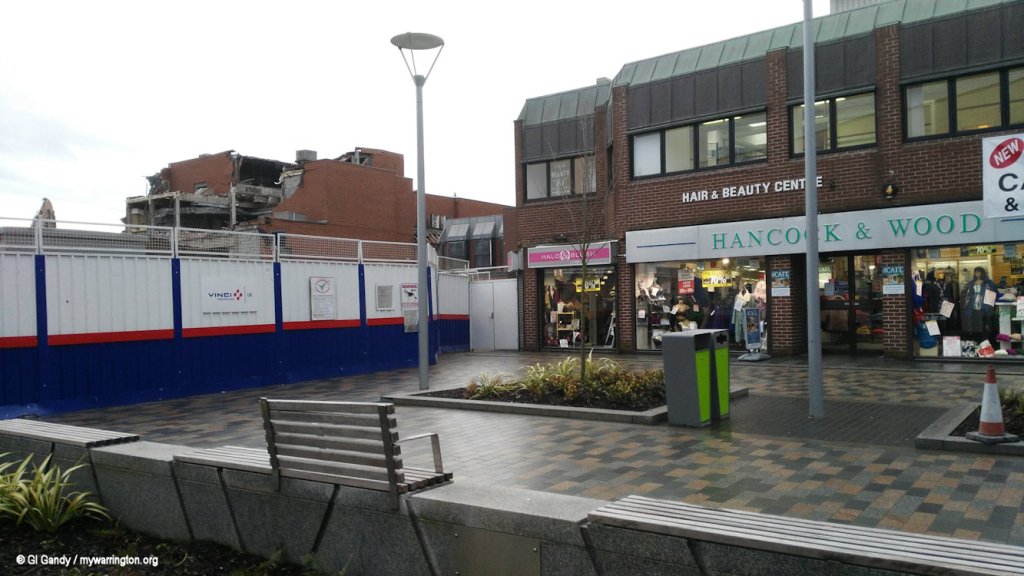

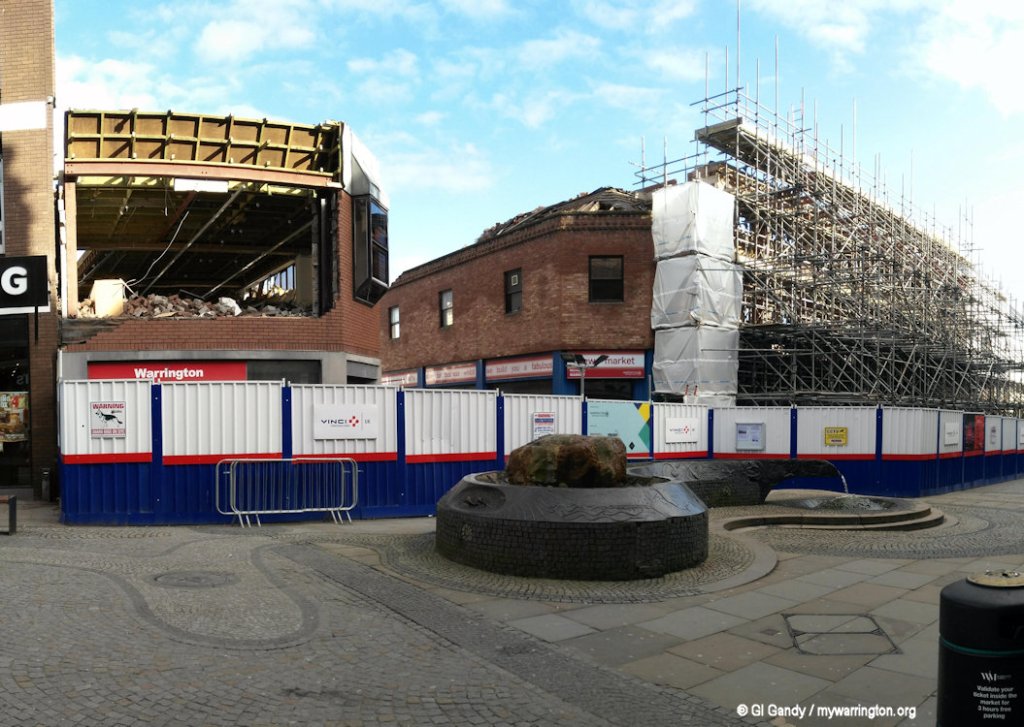
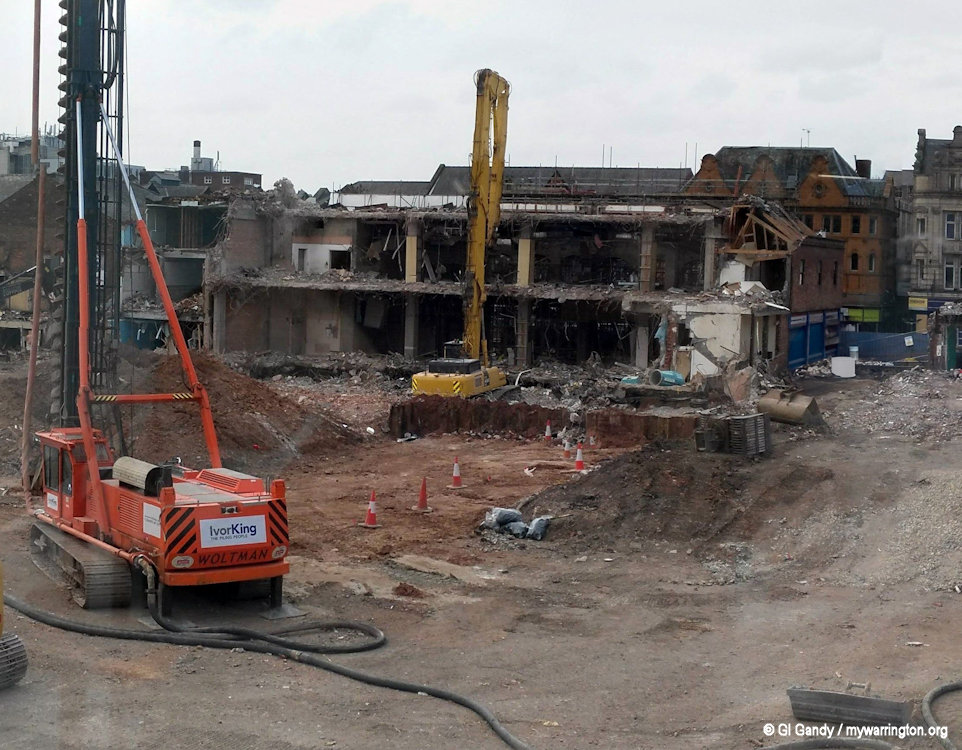


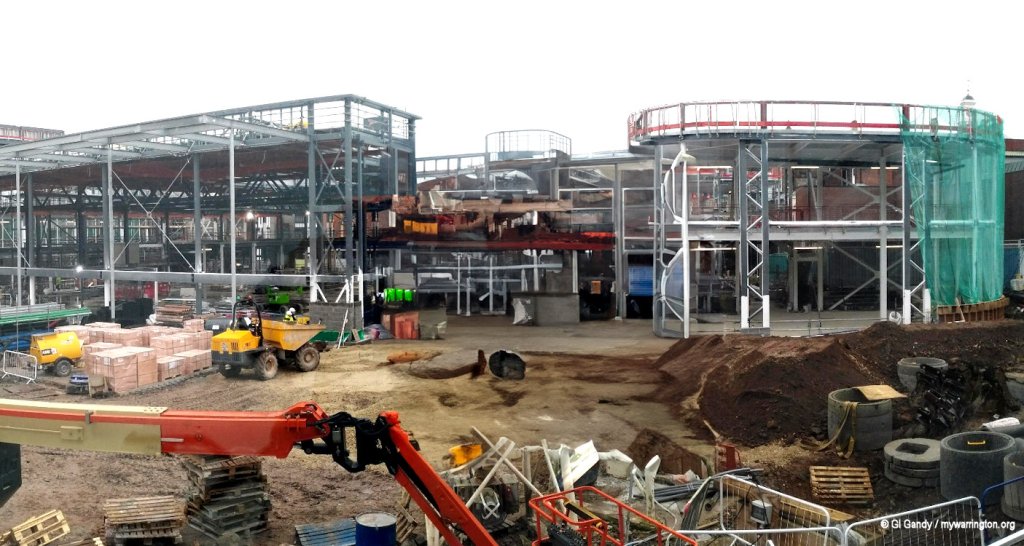
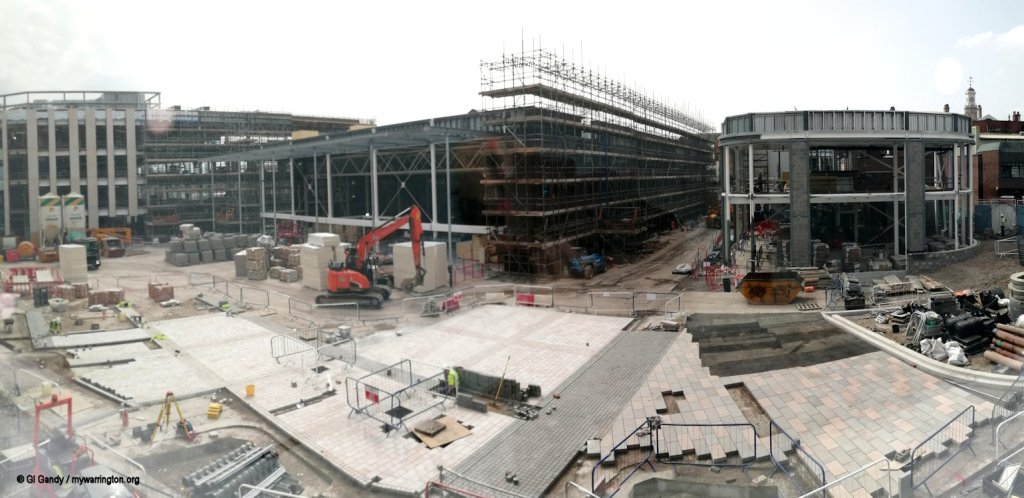
2020 Permanent Market Construction






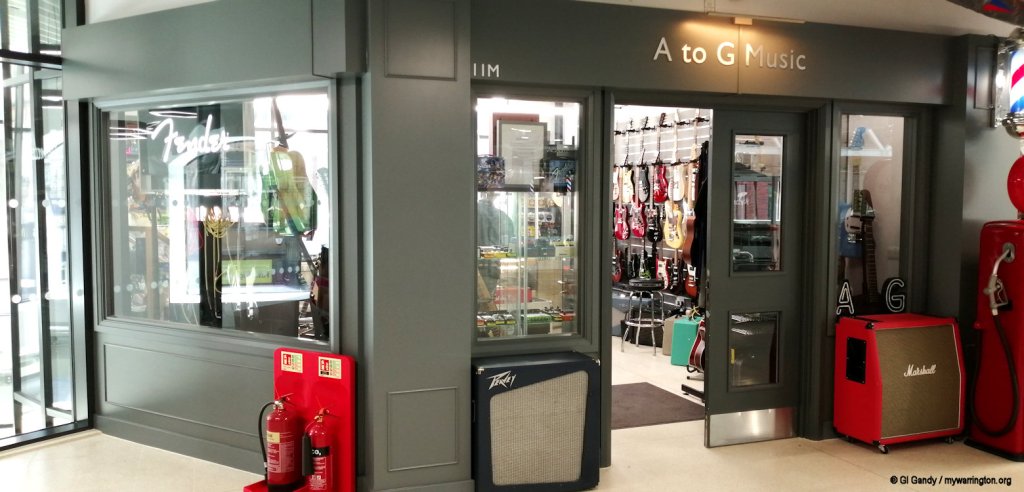
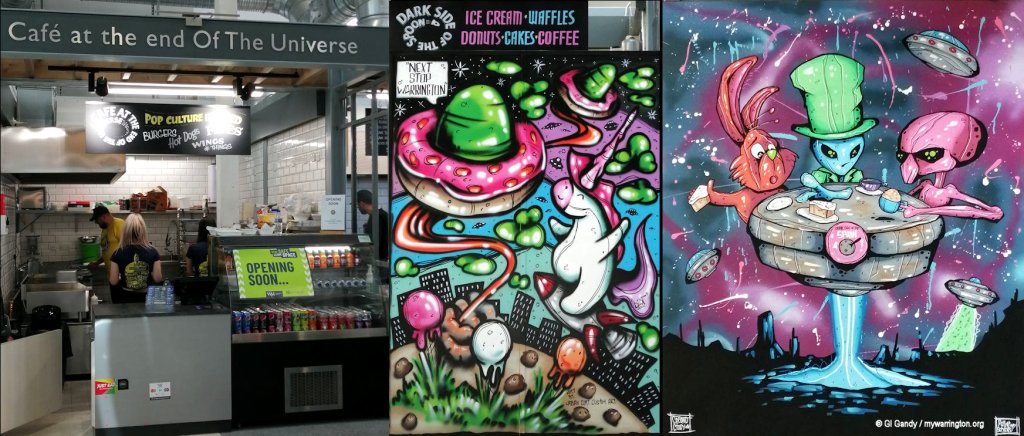
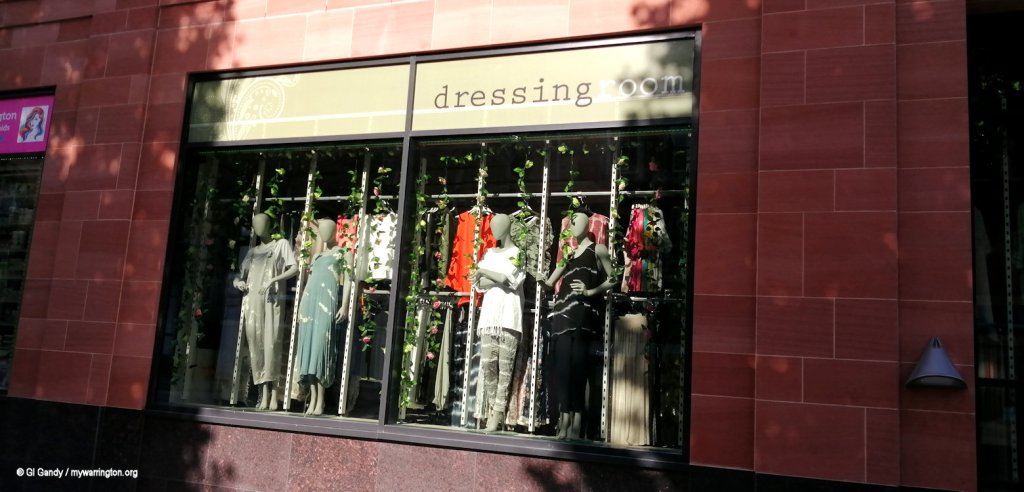
2020 Permanent Market Official Opening Day (6 July 2020)
















Radio Warrington

Radio Warrington began broadcasting online in March 2007 when Mike Mason and Steve Lewis wanted to offer something they felt the other radio stations didn’t offer – a community station where the community is right at the heart of the experience. The station began in Mike’s bedroom with a microphone hanging from the ceiling over his bed while he presented a show after working all night in the clubs (honest!).
The station broadcasts 24 hours a day from dedicated studios in Warrington Market, and all the presenters are volunteers. The station offers people in Warrington the chance to get involved with a 24 hour radio station and learn radio skills, particularly disadvantaged or disabled people. News is provided by Warrington Worldwide.
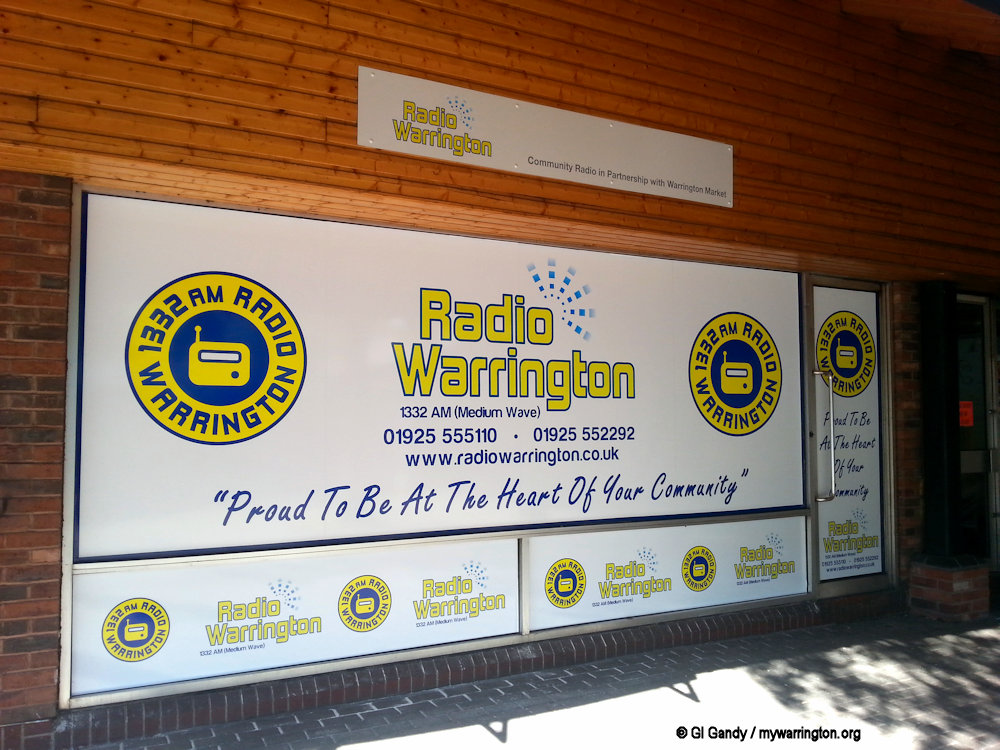
On 2 July 2014 OFCOM award the station its first five year licence to broadcast on the AM band (1332 medium wave) as well as on the internet and via smartphones using a dedicated app. Or just ask Alexa to play Radio Warrington. The station now broadcasts on DAB+ (since October 2023) and the AM frequency has been switched off. To get involved, or even to just listen to our output, visit the Radio Warrington website.
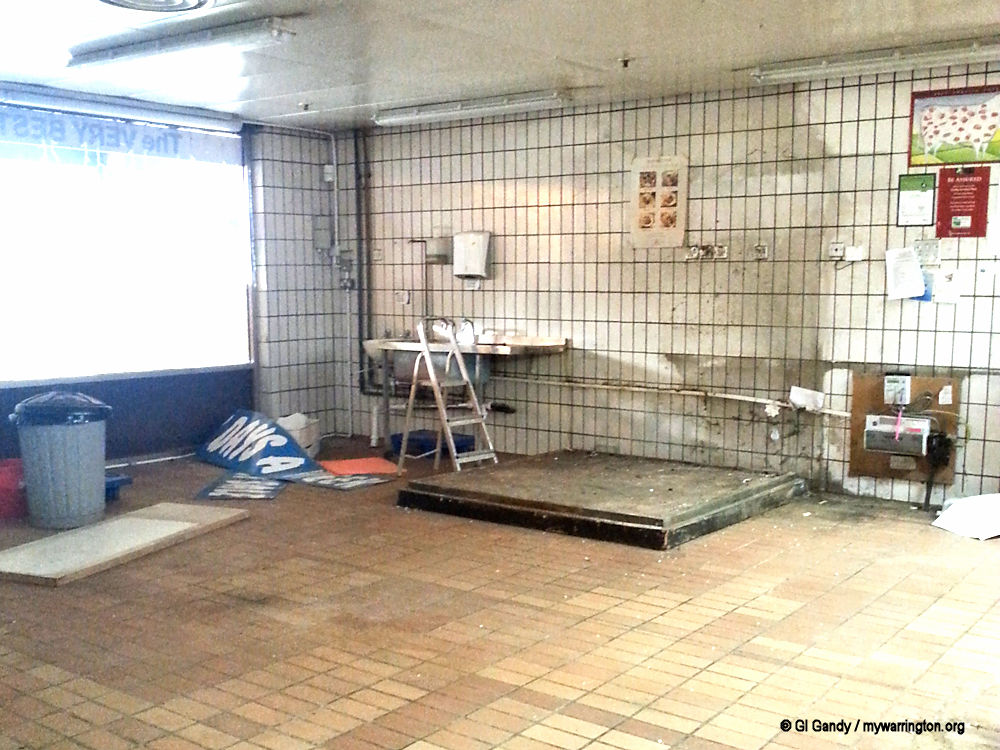
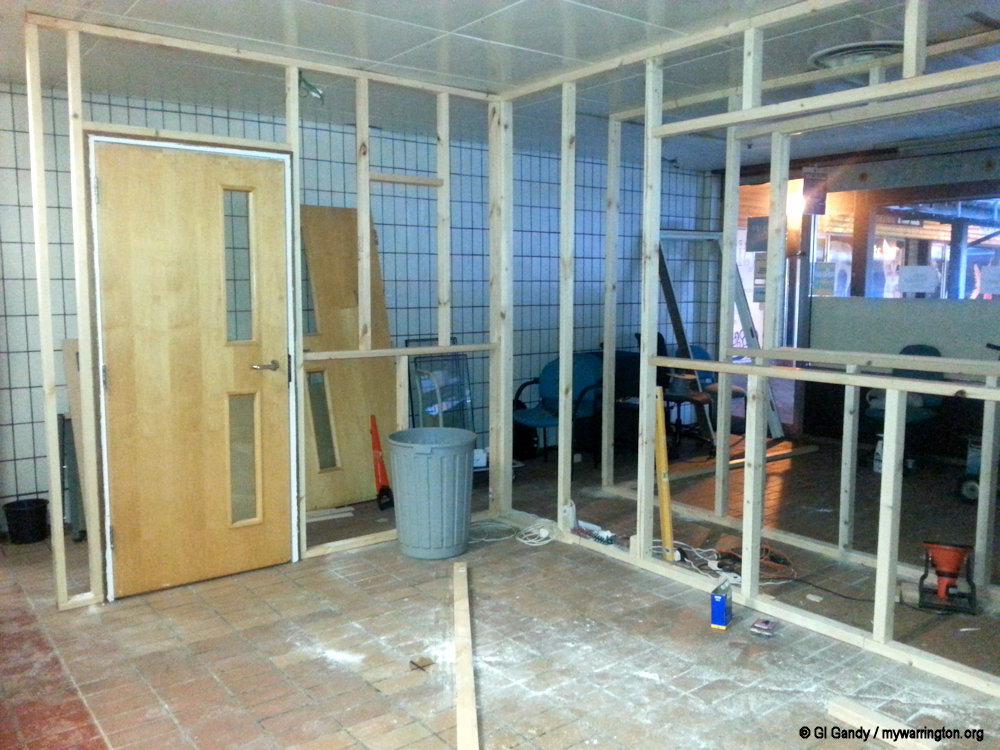
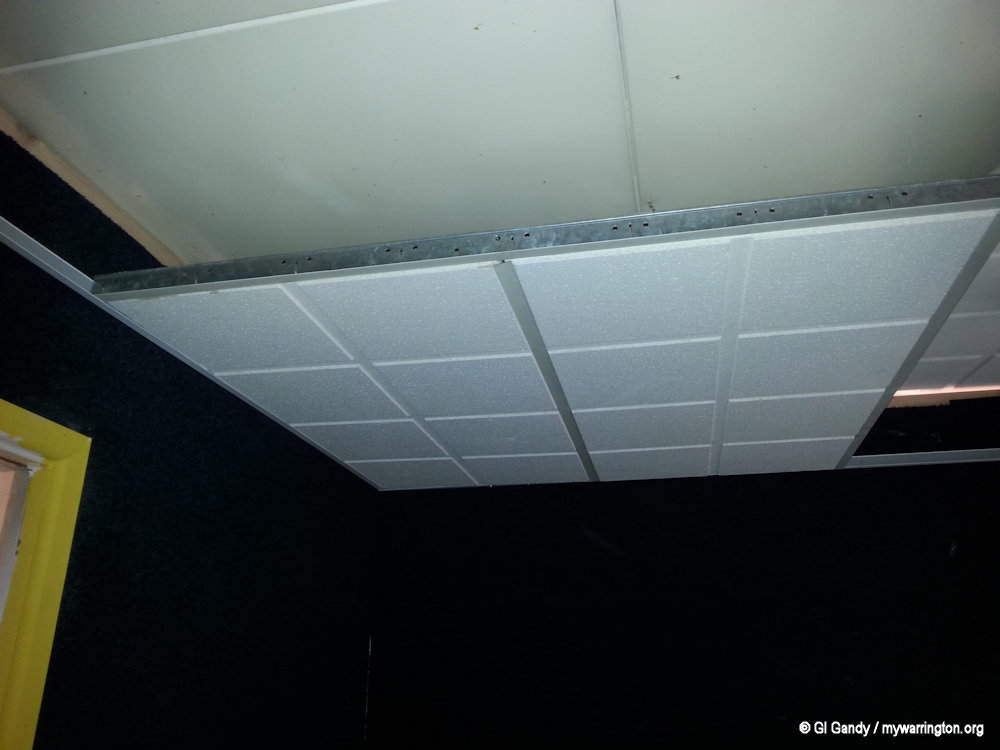
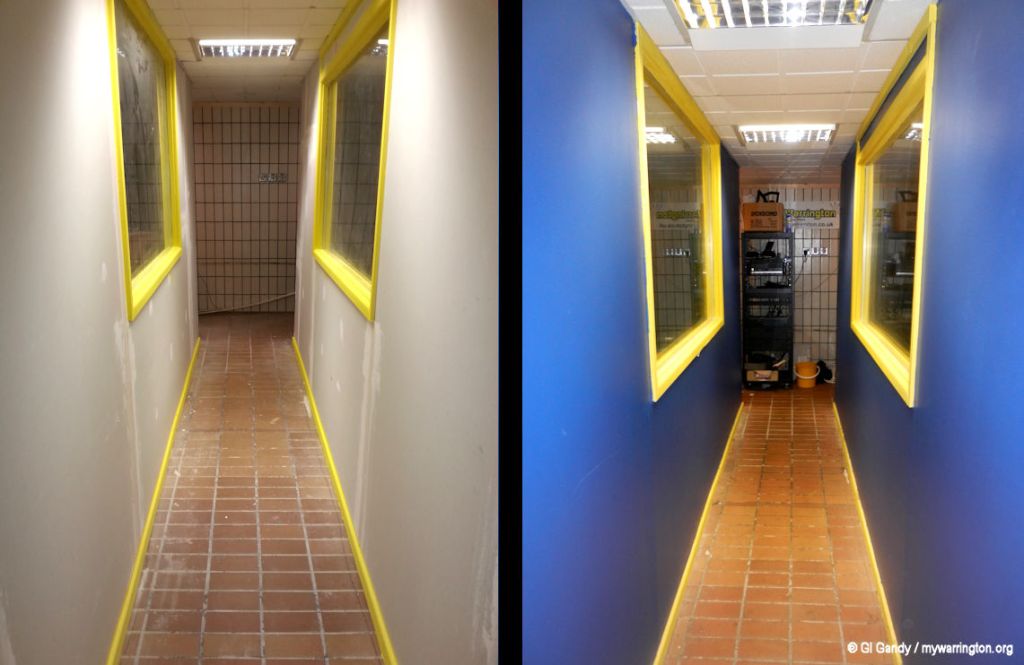
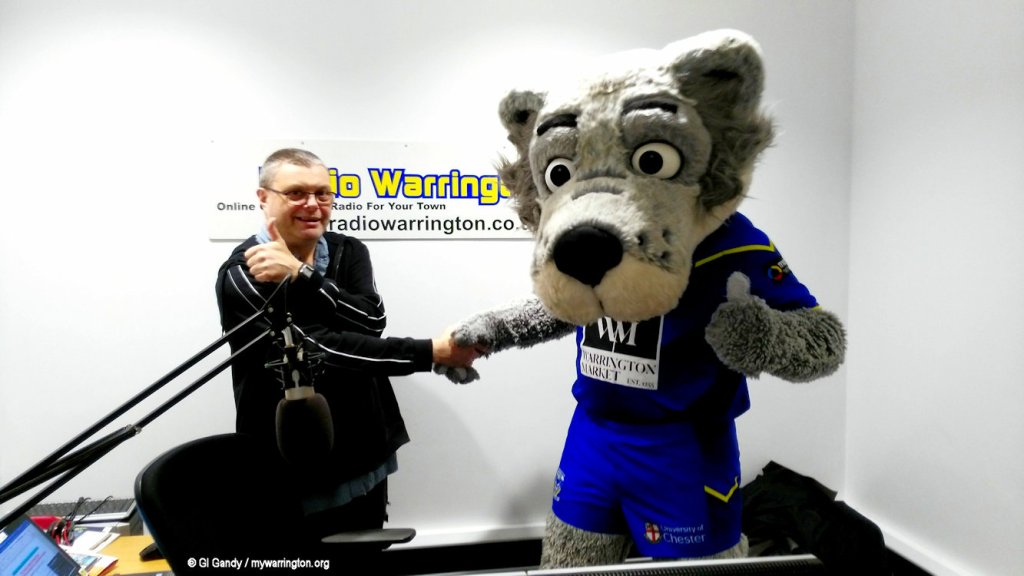
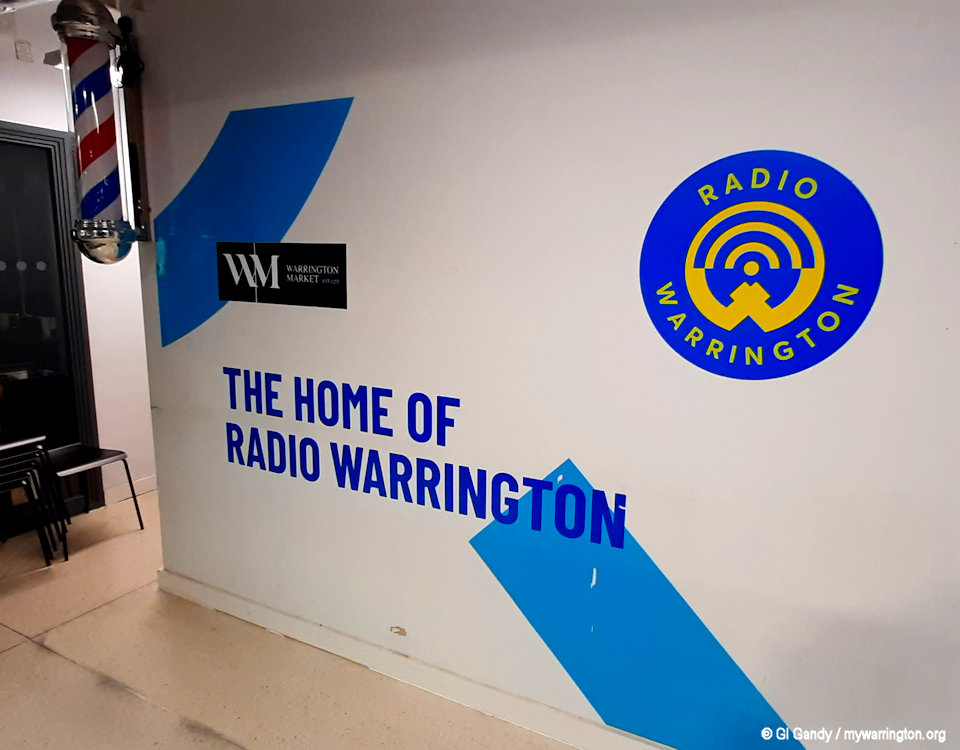
Here are photos of the three studios in each of the Warrington market buildings from 2014 until the present. I presented the mywarrington Radio Show for nine years between 2012 and 2021, which was based on this mywarrington website. It was great to present the town’s history before I moved on to offer my services to Rainbow After the Storm, a Community Interest Company dedicated to supporting people with mental health issues after the Covid-19 pandemic.











 mywarrington